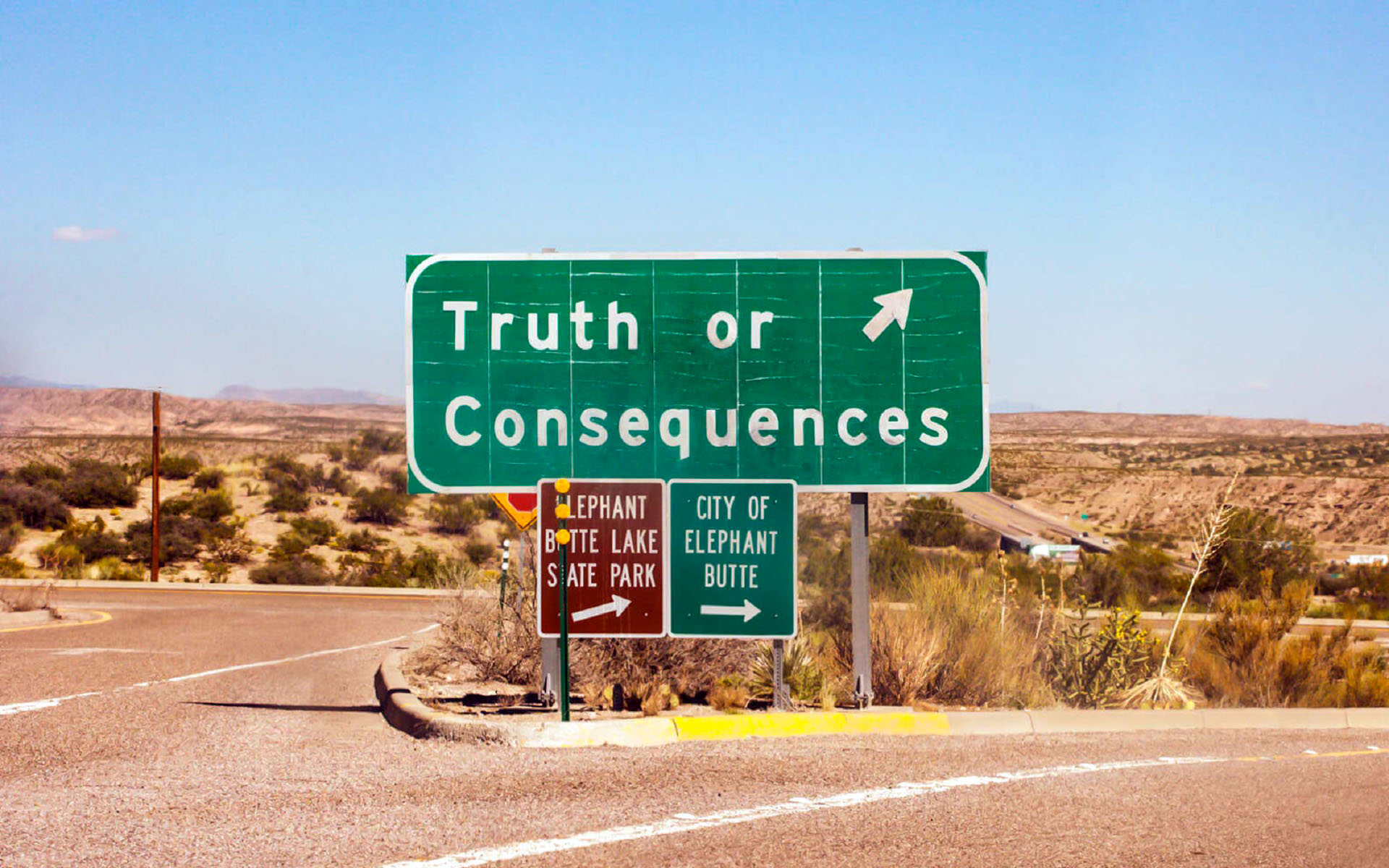
As of 2020 the city counted 6,052 residents. This makes Truth or Consequences (often abbreviated T or C) a small town by modern standards, though its daytime population swells with commuters. For context, the broader Sierra County has only about 10,000 people.
The populace is majority White. In 2000 around 85% of residents identified as White, with about 27% of the population being Hispanic/Latino (many of whom are counted in the White statistic). African-Americans and Native Americans are present in small numbers (each only a few percent). Importantly, nearly a third of the population is over age 65. These figures reflect a significant retiree community. The median age was about 48 as of 2000.
The economy is service- and tourism-driven. Truth or Consequences is known as “America’s most affordable spa town” – reflecting its legacy of hot springs resorts. Thermal waters have attracted businesses: several hotels, bathhouses, and RV parks make their living from spa visitors. Agriculture plays a role too: chili peppers (nearby Hatch is famous for chilis), along with basic ranching and farming in the county, provide jobs. Healthcare and education (the local hospital and school district) are also among larger employers. Unfortunately, personal incomes tend to be low: the median household income (2019 dollars) was only about $29,000. Poverty rates are relatively high (roughly one in five people below the poverty line in mid-2010s, though that has improved from earlier decades). Sierra County’s economic base is modest; many workers commute outside the city for employment.
Truth or Consequences sits in south-central New Mexico, in the heart of the American Southwest. It is the county seat of Sierra County. Geographically, T or C is nestled on the broad valley of the Rio Grande, roughly halfway between Albuquerque, NM (northwest) and El Paso, TX (south). The city lies at an elevation of about 4,300 feet (1,310 m), giving it a high-desert plateau climate. The landscape around T or C is a mix of desert scrub, irrigated farms along the river, and low mountains to the east (the Black Range foothills). Notable nearby natural features include Elephant Butte Reservoir (New Mexico’s largest lake) to the south and the rugged wilderness of the Gila National Forest a few hours west.
Truth or Consequences is often considered part of the “Land of Enchantment” high desert. It is roughly on the northern edge of the Chihuahuan Desert zone. The city is about two hours south of Albuquerque (by Interstate 25) and two hours north of Las Cruces. The arid landscape around features juniper, sagebrush, and grasses. The nearby Elephant Butte Lake State Park (on the Rio Grande, 7 miles east) offers broad water views in a desert setting.
The climate is semi-arid. Summers are hot and dry; July highs often reach the high 90s°F (35–37°C), though the Rio Grande valley location tempers extremes a bit. Winters bring chilly nights: average lows in January drop into the 20s°F (around −5°C), with occasional light snow. Annual rainfall is sparse (around 10–12 inches), mostly from summer monsoons and winter drizzle. One local tourism site calls it “New Mexico’s most affordable spa town,” noting its year-round mild climate. Indeed, winter days are often quite pleasant (50–60°F) in town, making the hot springs popular year-round.
Truth or Consequences has a colorful history tied to both its mineral waters and a quirky naming legend. Prehistoric/Indigenous: Long before Europeans arrived, the Rio Grande valley near present-day T or C was home to Native peoples (the Manso and Jornada Mogollon cultures, and later Apache and Puebloans). The hot springs were known for their healing qualities.
In the late 1800s, settlers arrived to farm and stagecoach. The town was originally called Hot Springs. Its earliest structures included a bathhouse built by Thomas Hopkins in the 1840s and an adobe trading post. The mineral springs made it a minor health resort early on. In 1908–1916, massive Elephant Butte Dam was constructed on the Rio Grande just south of town, creating Elephant Butte Reservoir. This brought workers and some growth to Hot Springs. The city incorporated in 1916, still under the name Hot Springs.
By the 1950s Hot Springs was small but established as a spa town (dozens of resort hotels lined the river). In 1950, a national radio quiz show called Truth or Consequences, hosted by Ralph Edwards, announced it would air its 10th anniversary from the first town that renamed itself after the program. Hot Springs won a contest to do so, and on March 31, 1950, officially changed its name to Truth or Consequences. The next day the show broadcast live from town. Ralph Edwards was enchanted by the community and returned each May for the next 50 years. This led to the annual Fiesta: a first-week-of-May celebration featuring parades, a beauty pageant, and music. Fiesta remains a beloved tradition to this day, commemorating the show’s legacy.
T or C has continued as a quiet spa town. The hot springs are still the focal point, though modern times have seen many older bathhouses repurposed into motels and hotels. The population peaked around 1950 and remained in the 6,000–7,000 range afterward (a majority of whom are retirees or families in the tight-knit community). The city has slowly diversified its economy; in recent years tourism beyond just baths (fishing and boating at the lake, arts festivals, space tourism) have gained emphasis. Through it all, the town’s fondness for its unique name and Fiesta lore endures as part of its identity.
Truth or Consequences combines Southwestern traditions with a laid-back resort-town charm. English is dominant, but Spanish is widely spoken by a substantial Hispanic community (over 25% of residents). Many locals are Hispanic New Mexicans with deep family roots in the region; their influence is seen in architecture, cuisine, and festivals. Traditional New Mexican culture (e.g. chile-loving cuisine, Saints’ Day observances) coexists with traveler-oriented vibes (casinos, RV parks, “new age” spas).
Surprisingly for its size, T or C has developed a modest arts scene. The downtown Plaza district features several art galleries, cafés, and nightlife spots. The town hosts an Art Hop on the second Saturday of each month, when local artists open studios and galleries. Local theaters and community plays are also common, reflecting a strong do-it-yourself spirit. There is a genuine feeling of being a creative enclave; a recent travel writer calls it one of “America’s best small-town art scenes,” noting its history of counterculture and free-thinking (linked to Antioch College alumni settling there). (Indeed, truthorcose is one of New Mexico’s many culturally rich small towns.)
The Fiesta in May is the marquee event, with a carnival atmosphere that draws visitors from around the region. Locals also celebrate Hispanic and Native American holidays (Dia de los Muertos, Pentecost, etc.) in small ways. In winter, “hot spring soaking” itself is almost a tradition – people come for a weekend soak in an old-fashioned bathhouse, often dressing up for a novelty New Year’s Eve dip. Monthly street fairs, a farmers market, and classic car shows add to the community calendar. Overall, life here is unhurried and community-focused. Residents seem friendly and talkative; many shopkeepers and spa owners know customers by name. Mornings might start with a coffee on the sunny plaza, while afternoons might find families cooling off by Elephant Butte Lake. Evenings are peaceful – night skies in southern New Mexico are dark and clear (often ideal for stargazing).
T or C has a somewhat nostalgic, retro charm from mid-century America. Many buildings and homes still display 1950s and ’60s facades. The main street (Broadway) is lined with local restaurants (serve chili and green enchiladas), kitschy shops, and cozy taverns. Despite its quirky name, it feels like an archetypal friendly New Mexico town: curious tourists mingle with farmers and retired veterans, all under the New Mexico sun. The town’s nickname is often “Noisy, New Mexico,” hinting that even small events (fiesta, art hops) are big community affairs. One senses a laid-back spirit: business attire is rare; flip-flops and cowboy boots are common. Overall, Truth or Consequences feels simultaneously “America’s sparest city” and unexpectedly warm – a place where culture, desert scenery, and the healing waters blend into a slow, easy way of life.
Truth or Consequences offers a variety of experiences for visitors, anchored by its famous hot springs. There are about a dozen spas and resorts in town (Glenwood Hot Springs, Riverbend Inn, La Paloma, Indian Hot Springs, among others). Visitors can soak in geothermally heated pools, private tubs, or mineral baths. Some facilities also offer massage, herbal treatments, and river-adjacent soaks. For example, Riverbend Hot Springs and Spa (downtown) has multiple pools overlooking the Rio Grande. Each spring has slightly different mineral content and ambiance (some swankier, others more “authentic relic”). The spas drive much of the tourism here – the town is often described as “America’s most affordable spa town” because even modest motels often include hot tubs or pools.
Elephant Butte Lake State Park: Just 7 miles from downtown lies Elephant Butte Reservoir. This man-made lake (formed by a dam built in 1916) is 40 miles long with 200+ miles of shoreline. It is New Mexico’s largest water recreation area. Visitors can boat, jet ski, fish (bass, walleye), swim, and hike in this park. A marina offers rentals; water level fluctuations sometimes expose sandy beaches perfect for a picnic. The park’s visitor center has exhibits about the dam’s history and local ecology. In winter, the reservoir often freezes in spots, but water sports dominate warmer months.
Spaceport Tours: About 30 miles south of T or C lies Spaceport America, the world’s first purpose-built commercial space launch facility (home to Virgin Galactic). Spaceport America offers public tours (by reservation) which take guests behind the gates to see the runways, hangars, and mission control. Visitors learn about New Mexico’s role in the emerging space tourism industry. The sleek white buildings against the desert backdrop make for a futuristic contrast to the nearby Spanish-style towns. (Note: flights themselves are only for ultra-wealthy future astronauts, but seeing the spaceport has become a novelty travel draw.)
Geronimo Springs Museum: This local museum (in downtown’s old city hall) showcases the area’s past – prehistoric pottery, artifacts of Pueblo and Apache peoples, memorabilia from the original Hot Springs era, and Western history exhibits. It provides context for the name change and has a lounge where Ralph Edwards broadcast aftershow interviews during the first Fiesta. It’s a modest but informative stop, emphasizing the blend of natural, Native, and pioneer history that defines the region.
Outdoor Adventures: The surrounding desert and mountains offer hiking, biking, and stargazing. Hatch, NM (about 20 miles west) hosts an annual Chile Fest (for spicy food lovers) which many T or C visitors enjoy. Nearby Gila National Forest (a few hours’ drive west) provides trout fishing and mountain trails. Within the city, you can rent paddleboards or kayaks at Elephant Butte, or play golf at Turtleback Mountain (a public course next to the lake).
These attractions illustrate T or C’s unique appeal: healing waters, sparkling water recreation, and even a touch of space-age excitement, all set in a friendly desert community.
Truth or Consequences is most easily reached by car. It sits along Interstate 25 (exit 79), which connects Albuquerque (150 miles north) to Las Cruces (105 miles south). US-85 and State Hwy 51 also enter from the south/east. For air travel, the nearest commercial airport is Albuquerque International (ABQ) ~100 miles north (about 1.5–2 hours drive). El Paso International (ELP) is about 140 miles south (2.5 hours). There is a small airport in Truth or Consequences (Cibola County Regional) but it has no regular service. No Amtrak rail service runs through town (the nearest train is in Lamy/Albuquerque). Limited bus service (Greyhound) reaches nearby towns (Socorro or Alamogordo), but often it’s easier to drive.
Once there, a car is again very useful. Truth or Consequences proper is small enough that downtown (Broadway Street and the plaza area) can be walked. Local taxi services exist but are minimal. There is a public bus (Sierra County bus) for residents, and the spaceport offers shuttles to some attractions, but most tourists rely on personal or rental vehicles. The roads in town are flat and grid-like; pedestrians should cross only at marked crosswalks on Broadway. Sidewalks are available downtown, and some hotels lend bicycles. Driving outside of town requires cautious mountain driving (e.g. if heading up into the Black Range for hiking).
Currency is U.S. dollars and English is the common language (though bilingual Spanish speakers are plentiful due to the large Hispanic community). As a safety note, Truth or Consequences is generally very safe. Crime rates are low compared to national averages. Visitors should exercise usual travel caution: secure valuables when driving, lock hotel doors, and be mindful of wildlife (deer can cross roads at night).
Etiquette tips: Smile and greet people (“Hafa Adai” is even heard! 😉). Remember New Mexican culture values courtesy. Aggressive driving or loud behavior is out of place here. Tipping is customary for service workers (hotels, restaurants). The pace of life is deliberate – wait calmly, ask questions politely.
One more quirk: since it’s a desert climate, bring sunscreen and water. Even in winter the sun is strong. Also, note that on Fiesta weekend (early May) the town can be crowded and parking is at a premium. Otherwise, visitors usually find abundant free parking downtown. Overall, T or C is tourist-friendly with plenty of signage (plaza, info kiosk) once you arrive. Between the hot springs, the plaza sculptures, and a few historical markers, the essential practical advice is: come by car, stay hydrated, and enjoy the mix of Southwestern hospitality and small-town relaxation.