Exploring the Secrets of Ancient Alexandria
From Alexander the Great's inception to its modern form, the city has stayed a lighthouse of knowledge, variety, and beauty. Its ageless appeal stems from…


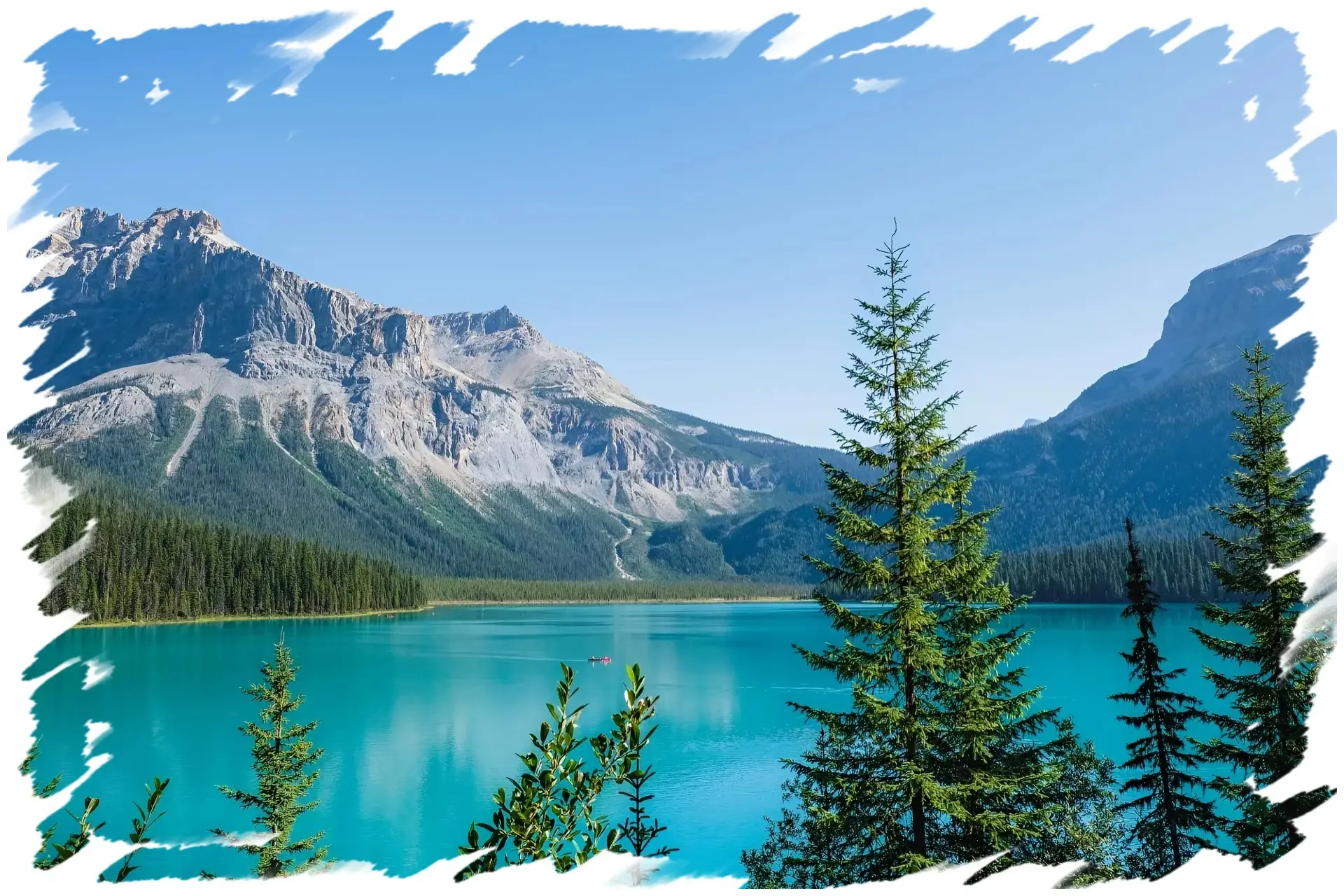
Canada is famously dotted with water – over two million lakes spanning more than nine percent of its land. What often surprises visitors is the sheer variety beyond the famous postcard scenes. For every tourist-packed Lake Louise or Moraine Lake, there are dozens of tranquil alternatives tucked away in every province and territory. These off-the-beaten-path lakes lie in national and provincial parks, Indigenous territories, and remote wilderness. They reflect Canada’s glacial history and support rare wildlife, and they hold stories of First Nations cultures. As Parks Canada notes, Indigenous Peoples have long nurtured relationships with these lands and waters. In exploring secluded lakes, travelers discover not just scenic beauty but living heritage – from Stikine’s sacred alpine tarns to the Arctic’s vast freshwater expanse.
Choosing a hidden lake escape means trading shoulder-to-shoulder selfie shots for silent forests and mirror-like water. Lakes that lie deep in the Canadian Shield or on a sub-Arctic plateau are generally free of crowds and road noise. They offer pristine clarity – often exceeding 20 meters depth before you see the bottom. When accessed respectfully, these lesser-known waters act as wildlife refuges, where one might glimpse moose bedding in the shallows, or hear the dawn chorus of loons undisturbed. For photographers and naturalists, such settings are irresistible: fallen logs on a secluded shoreline, snow-capped peaks reflected in glassy water at sunrise, the northern lights pulsating overhead. Each province adds its own character: the mountain lakes of British Columbia’s interior; Alberta’s glacial tarns and beaver-lined valleys; Ontario’s granite-basin lakes; Arctic-blue basins of the Territories; and quiet woodland or coastal lakes of the Maritimes. Conservation matters too: many of these lakes lie in parks or Indigenous lands where stewardship programs work to keep them untouched. In short, Canada’s hidden lakes promise an intimate encounter with wilderness that mainstream destinations simply cannot.
Table of Contents

High-season hotspots like Lake Louise, Emerald Lake, or Maligne Lake draw thousands daily. Parking lots overflow, shuttles queue, and scenery comes with a backdrop of selfie sticks. By contrast, quiet lakes in nearby parks offer uncrowded beauty. For example, Yoho National Park – home to serene Emerald Lake – sees fewer than 700,000 visitors a year, while neighboring Banff welcomes about 4 million. In practical terms, that means you can pull up to Emerald Lake’s shore and have it largely to yourself, instead of jostling on a boulder lookout. Further east, guests at Banff Lodge note that the Taylor Lake trail offers “peaceful and less crowded” hiking compared to the crowds at Lake Louise. This seclusion yields cleaner waters (minimal runoff from trails or towns), unbroken shorelines for wildlife, and the luxury of genuine solitude.
Beyond numbers, hidden lakes often come with extra rewards. Because fewer people visit, wildlife are less habituated; you may quietly paddle among feeding loons or watch bears cruise by the treeline. The absence of crowds also improves photography – long exposures or drone shots (where allowed) capture landscapes free of human clutter. In short, these small crowds mean more authentic wilderness experience. They allow one to linger – perhaps camp a night on a remote spit of land under billions of stars – without the parking hassles and timed-entry limits of popular parks. The simple truth: a lesser-known lake can feel like a private island on a public Earth, where memories are made in quiet moments rather than Instagram flashes.
A handful of iconic lakes draw most visitors, but several lesser-known lakes in the Rockies and foothills rival their beauty. Some are roadside stops and others require a hike, but all share dramatic settings. Herbert Lake (Banff National Park) is a prime example: its mirror-like waters reflect Mt. Chephren in perfect symmetry, and yet it’s “one of the quietest lakes along the Icefields Parkway,” despite being right off the road. Taylor Lake (Banff area) rewards effort with alpine views and solitude. Reviewers praise it as a “serene forest hike… not crowded with tourists”, and indeed the Taylor campground lies at water’s edge beneath mountain peaks. Hidden Lake (accessible via a moderate trail in Banff) hides turquoise waters beneath peaks; it offers a “secluded gem” feeling because few visitors venture its way.
On the Icefields Parkway just north of Lake Louise, Bow Lake combines ease of access with glacier-fed color. A short lakeshore walk and a side trip to Bow Glacier Falls yield impressive photo ops. Nearby Peyto Lake requires only a short boardwalk hike to a famous viewpoint where the fox-shaped lake lies framed by snowy peaks. Unlike Lake Louise’s crowds, Peyto’s viewpoint (especially early or late season) can feel almost empty. Elsewhere in Banff, Hector Lake (at Highway 93) offers turquoise calm with minimal fuss, and Lake O’Hara (in Yoho NP) is on reserve, reachable by timed shuttles that cap numbers. In Kananaskis Country south of Calgary are further alternatives: lakes like Rawson, Heart, or Grizzly each sit in quiet high valleys, often a short drive or day-hike from trailheads.
Timing makes all the difference. Even names like Moraine or Maligne become peaceful outside peak months. For example, Moraine Lake’s parking road is closed until late May, giving spring visitors golden larches and crowds only on the ice. In winter, the major lakes freeze and are skirted only by snowshoers – a single good snowfall guarantees a private landscape. Strategically visiting early morning or shoulder seasons can also let one enjoy the iconic views almost alone. But beyond timing, the surest way to avoid crowds is simply to go elsewhere – to the lakes we describe in this guide, which are not subject to entrance limits or booking systems.
Choosing a hidden lake also has lower ecological impact. Popular lakes suffer from trail erosion, shoreline damage and noise pollution. By dispersing recreation, we let any impact spread thinner. Many of these off-grid lakes are in protected backcountry zones where human presence must tread lightly. Local guides note that single-day visits to remote lakes often follow leave-no-trace principles easily on unmarked trails, whereas postcard lakes are overcrowded daily. In short, by hiking or canoeing to a little-known lake you help share the load. You also support smaller, local tourism operations or Indigenous ventures (rather than big shuttle buses). The payoff is that these lakes stay wild – intact substrates, undisturbed spawners, and water pure enough to drink raw.

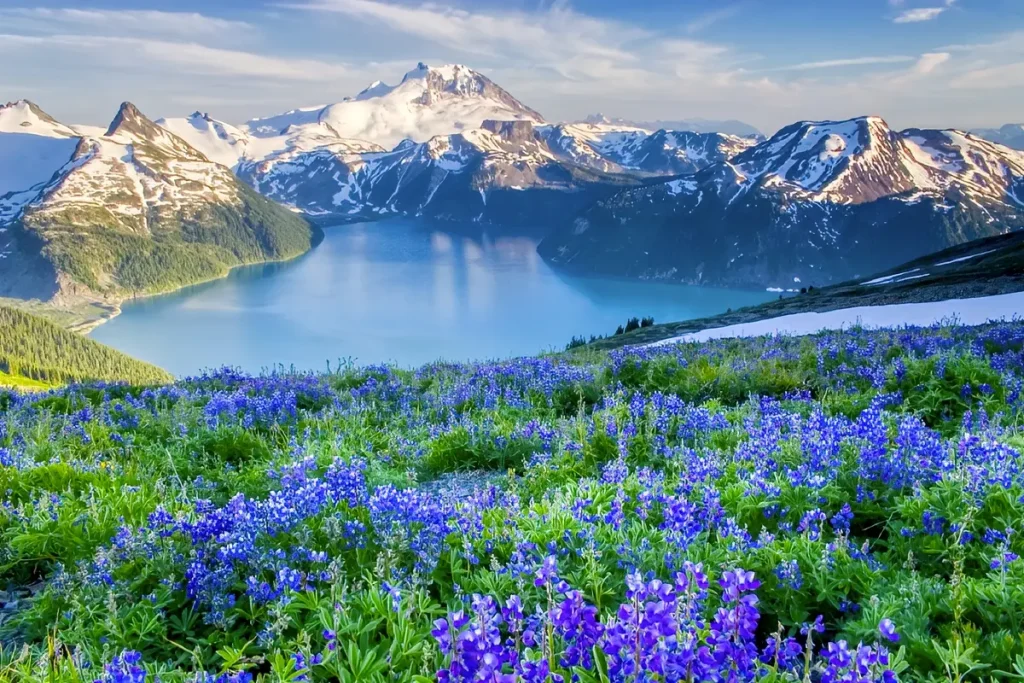
British Columbia’s vast mountain ranges and coastal rainforests conceal countless remote lakes. In the Coast Mountains and Interior ranges there are glacier-fed tarns and alpine basins reachable by challenging trails. Garibaldi Lake (in Garibaldi Provincial Park near Whistler) is famous for its turquoise color, but even here you can avoid crowds by hiking beyond the day-use areas (e.g. to Taylor Meadows or Wedgemount Lake). Nearby in BC’s Kootenay region, Emerald Lake in Yoho National Park offers a similar jewel-blue glow; because it lies in Yoho it sees far fewer visitors than Banff’s lakes. At Emerald, cabins and canoes line the shore, but a paddle (or simple lakeside picnic) still feels peaceful late afternoon or outside summer.
Further inland, lakes come in many forms. The Spotted Lake (Kliluk) near Osoyoos is one of BC’s most unique secrets: a mineral-rich saline lake whose summer evaporation leaves hundreds of colorful white and green “spots” on the surface. Access is by a fenced viewpoint on highway 3, and it’s regarded as sacred by Okanagan-Syilx First Nations – visitors are asked to walk quietly and respect the site. In the Cariboo and Thompson-Okanagan areas, remote lakes include alpine bowls like Chilko and Tatlayoko, where floatplanes or long hikes are needed. On Vancouver Island and the coast, hidden gem lakes such as Peace, Quinsam, or Strathcona Peak tarns are reached via moderate treks through old-growth forests.
Garibaldi Lake’s main trailhead parking fills by dawn in summer. For solitude, try the longer approaches: the Ring Ridge (Panorama Ridge) trail via Taylor Meadows, or hiking in from Cheakamus Lake. Both add distance and elevation but reward with space and pristine views. Late evening or early May (before the snow melts) also bring quiet lake shores.
BC’s lakes are cold, but some reach swimmable temperatures in summer. Lesser-known swims include Monument Basin (Yoho NP) beyond Lake O’Hara, with warm afternoon sun on its beach. In Coastal BC near Vancouver, Stawamus Lake (near Squamish) and Lions Bay’s Grace Lake are forest-hidden and rarely crowded. In the interior, Green Lake (between Vernon and Kamloops) is warm and shallow, though technically semi-developed; nearby at Adams Lake, one can drift in quiet bays. Always swim with caution: mountain lakes stay chilly and are often glassy with mineral content, but on a hot day they reward the brave.
Light makes art. High-latitude BC means long summer days; sunrise from a lakeshore can be at 5am or later, depending on the season. For crisp reflections, aim for windless mornings (usually just after dawn or just before dusk). In fall, larch and aspen turn gold; mirror their color in lakes like Duffey or Iceberg Lake (Algonquin) in late September. In winter or spring, frozen lakes become abstract canvases – think of snow-latticed ice or sunken needles in blue ice (as at Abraham Lake, AB, just east of BC). Any season can yield magic: for instance, shoulder seasons often bring rainbows or mist over alpine lakes, as fewer visitors means you can patiently wait for the perfect shot.

The Canadian Rockies in Alberta offer a rugged bouquet of hidden lakes. North of Banff and Lake Louise along the Icefields Parkway, several lakes rival Moraine Lake’s turquoise fame but with far fewer people. Herbert Lake (Banff NP) is a perfect first example: a calm, shallow basin with backdrops of Mount Chephren and Mount St. Bride reflected perfectly on still mornings. Being right beside the highway yet remaining quiet, Herbert is aptly described as a “hidden jewel”. Bow Lake follows shortly on the road (just south of Jasper); it’s larger but still peaceful outside mid-summer. Canoes line the shore and a short trail leads to a waterfall; on a good day the glacier-fed water turns an otherworldly blue. Peyto Lake (north end of Banff NP) demands only a short, easy walk to an overlook of the glacier water; it is nearly as vivid as Lake Louise at peak, yet a hint more off the beaten track.
Away from highways, Waterfowl Lakes (off Parker Ridge road) and Mistaya Lake (near Rocky Mountain House) lie secluded in subalpine meadows. At higher elevation in Kananaskis Country (south of Calgary), lakes like Lillian, Eleanor, and McLeod hide beyond summer wildflower meadows. Even Chester Lake (a ~9 km loop) yields a meadow-bordered alpine lake without the shoulder-season crowds of nearby Moraine. On the Alberta-B.C. border, Caribou Lakes and Elsyca Lakes are smaller but sit on quiet trails along the Connemara valley.
For many, alternatives to Moraine Lake itself are worth knowing. Moraine’s image looms large, but just 10 km south there is the lesser-known Lake O’Hara (Yoho NP), accessible only by shuttle or trail, offering similarly stunning scenery with only a handful of visitors at any time. In Alberta proper, the similarly-colored Bow Lake and Peyto (mentioned above) are great stand-ins. Closer to Lake Louise, consider Larch Valley (though that is near Moraine) or even quiet tarns like Mosquito Creek or Molar Pass that see almost no hikers.
Kananaskis Country (west of Calgary) bristles with backcountry. Easily reachable lakes include Barrier Lake (a dammed scenic reservoir with car-friendly viewpoints) and Healy Lake (near Banff Springs Road). For real solitude, hike to Heart Lake via Chester Lake trail, or backpack into Rawson Lake (point-to-point). The famously challenging Sawback Range trails access Mystic and Elbow Lakes, remote gems well off the beaten path. In winter, many Kananaskis lakes freeze solid; trails like the Ribbon Creek Trail take you to frozen tarns in snowy forest for XC skiing and ice skating.
While summer brings easier hiking, winter unlocks a special lakescape. Frozen lakes become destinations in their own right. For example, Abraham Lake (west central Alberta) transforms each January into a frozen tableau of methane ice-bubbles. In December it begins to freeze, and by mid-January thousands of clear air pockets are trapped in the smooth ice. The effect is dramatic: visitors report scenes of “turquoise water frozen to reveal thousands of white bubbles”, as if the lake’s heart were visible beneath the surface.
Abraham’s frozen waves and snow “ribbons” make it one of the most-photographed winter lakes. Many other mountain lakes (like Kananaskis’s Chester or Lillian) turn into backcountry ski ponds. However, reaching them safely requires avalanche awareness and ice-thickness checks. Parks Canada and mountain guides warn: only venture onto ice when firm and always carry ice spikes or cleats. But done right, stepping onto a clear ice sheet above a hidden lake is an ethereal, bucket-list experience.

In Canada’s Far North, lakes are huge and sparsely visited. The Northwest Territories alone have more lake surface than many countries. Great Bear Lake stands out as a giant – roughly 31,328 km², making it Canada’s largest entirely within its borders. It sits in the heart of Sahtú Dene territory and is sometimes called the “Bear Lake”. The Dene of nearby Déline regard Great Bear as sacred: they believe a spirit, the Tudze or “Water’s Heart,” lives at the lake’s bottom, and that the pristine waters form the foundation of their culture. Visiting Great Bear means flying into Deline (its only community) or chartering floatplanes to lakeside camps; roads simply don’t reach it. But for those who go, the reward is silence that spans kilometers: on a calm day the vast expanse of water and forest becomes a private domain of one’s own thoughts.
Other NWT lakes are similarly vast. Great Slave Lake (28,568 km²) and smaller but still enormous lakes like Sahtu (Great Bear itself) and Disturnell see few outsiders beyond summer anglers and Indigenous fishers. In winter, these lakes are crossed by ice roads for hunters or resource access, allowing hardy skiers to venture far out. The NWT’s lakes also host rich fisheries – Arctic char and lake trout thrive in the clear depths – but strict quotas apply under territorial regulations to protect them. Some lodges offer Indigenous-guided experiences on remote lakes, combining fishing with cultural storytelling of the land (for example, in the Sahtu and Tłı̨chǫ regions). Note that visiting these pristine waters can cost more (floatplane charters are expensive) and often requires booking long in advance. The payoff is a true wilderness retreat, where polar nights or midnight sun grant equally unforgettable atmospheres.
Many northern tour operators are Indigenous-owned, offering canoe trips or lodges that emphasize traditional knowledge. For instance, on Great Bear Lake local guides of the Déline Got’ı̨nę are trained in ice safety and often teach about the lake’s ecological role and legends as they fish. In NWT parks like Nahanni or Tuktut Nogait, Indigenous partners work with Parks Canada on “Guardian” programs. Participating in an Indigenous-led outing not only ensures a richer understanding of the place but also supports those communities’ stewardship of their ancestral lakes.
Most remote NT lakes require flying. Floatplanes and ski planes are the norm; e.g. charter companies will fly you to Sahtu lakes from Norman Wells or Yellowknife. In summer, some lakes have wheels – you land on gravel bars. In winter, ice roads and winter trails open to vehicles (Snowmobiles or 4x4s with tracks). For travelers on a budget, a popular fly-in route is Pond Inlet to Pond Inlet’s meeting at Nunavut (shared with NWT) and then bush flights to lakes. In any case, visitors must self-sufficient: bring satellite communication and stock up on supplies, as the “last gas station” might be hundreds of km away.

Ontario alone has over 250,000 lakes (the most in Canada), many hidden within the Canadian Shield. In Northern Ontario, one finds wilderness lakes so remote they see no roads. Parks like Quetico and Woodland Caribou are full of canoe loops. For example, the Pog Lake loop (Algonquin Park) sees only a handful of paddlers, and lakes like Tom Thomson’s Lake in Algonquin (named for the painter) can feel utterly secluded by late September. In Algonquin, one can paddle Thousand Island Lake or Lake of Two Rivers in solitude once summer crowds have left. Further north, canoeing deep east-west flows past dozens of unmarked lakes; moose and wolves are common.
Closer to cities, Ontario hides surprises too. Within 3 hours of Toronto, Algonquin Park has dozens of interior lakes reachable by a few-hours’ portage. For instance, Canoe Lake’s backcountry camping on the Opeongo system provides lakeside campsites often free of other groups. In Kawartha or Muskoka (south of Algonquin), many small kettle lakes exist just off the main roads; exploring local logging roads or cycling trails can lead to unexpected glacial ponds. In Northwestern Ontario, places like Lake of the Woods have tiny island lakes accessible only by boat or floatplane – ideal for fishing enthusiasts. Throughout Ontario, quiet lakes often lie within provincial parks whose signage is low-key (e.g. Haliburton’s highland lakes in Sir Sam’s Ski & Bike, or the secluded parklets of Kenora/Atikokan area).
Ontario Parks Permit Note: Ontario’s system requires a valid permit for overnight stays in any of its 340+ provincial parks. Day-use permits are also enforced in many parks. For example, to camp at an Algonquin backcountry site you must reserve a backcountry camping permit ($9–$14 per person) in advance. This is easily done online up to five months ahead. Planning ahead is key – popular parks book up early. Once on the water, anglers should carry a provincial fishing license (daily or season), and adhere to catch limits (typically one fish per day in some classes). Ontario also offers Crown land camping permits (through the Ministry of Natural Resources) for those venturing off-park onto public land.

The Maritimes and Newfoundland have smaller lakes, but also true gems. In Nova Scotia, the Cape Breton Highlands harbor many clear lakes in forests – for example Hunter’s Lake in Port Hawkesbury is a hidden aqua gem only reachable by a short trail; Mira River’s canoe routes connect chain-of-lakes each more secret than the last. Mainland NS has the Canoe Lake system in Kejimkujik Park, where one can paddle between nearly empty lakes amid dense woods. Off-season (fall and early spring) is best there to avoid bugs and rentals. In New Brunswick, lakes like Ricketts Lake and Long Lake (Fundy area) lie in forest stands; many small lakes outside parks can be found by exploring logging roads around Fredericton or Moncton.
Newfoundland and Labrador offer rugged beauty. Newfoundland’s western fjords include lakes such as Gros Morne’s Green Gardens Pond, a shore hike leads to a pool of emerald water beside sea cliffs. The northern peninsula has freshwater lakes (e.g. Aspen Lake) virtually unvisited. Labrador boasts vast, roadless lake systems (e.g. Naskaupi Lake in Torngat Mountains NP) accessible only by boat or floatplane. Many Labrador lakes are also part of Inuit traditional territories; visiting them often means hiring local guides in summer. Due to the remote nature, trips to Labrador lakes can be expensive and require careful planning (bear spray is needed, and often government permits for Parks or Conservation areas).

Summer offers the best road and trail access. By mid-June, ice has melted on most lakes below tree-line. Wildflowers peak between mid-July and mid-August in mountain meadows – think lupine and paintbrush fields around lakes like Sentinel (Jasper) or Parker Ridge (Banff). The midnight sun effect in Canada’s far north means exceptionally long evenings (even after 10 p.m. it stays light), giving extra paddling hours. Note however that warmer weather also brings bugs. Blackflies and mosquitoes can swarm lakeside in muskeg and pine forests. Always carry EPA-approved repellent and consider a headnet or screened shelter for evening. The lakes themselves warm slowly; glacier-fed lakes often stay in the mid teens (°C), so take care when swimming. On the positive side, long days allow lake campsites for extended trips: backcountry permits are usually valid May–September. This is also peak bear activity time; guests should hang food from cables or use bear lockers if provided. Check local campground info: for example, Parks Canada restricts campfire use and requires bear canisters above 2100 m during July–Sept to protect grizzlies.
Autumn often brings the most dramatic scenery. In the Rockies and Columbia ranges, larch forests turn gold in late September, creating stunning contrasts against dark evergreens and blue lakes. This “larch season” draws photographers to the alpine. Many trails become quieter as Labour Day passes – campsites empty and park passes are less checked. Wildlife is more active near lakes in fall: moose come to lowland ponds to feed, and bears fish salmon or search open woods for berries. Temperatures drop, but days remain crisp and typically clear, ideal for mirror reflections.
However, fall weather can be unpredictable. Higher trails (above 2000m) may see snow by late September, so always check trail reports. Park roads can close in October (e.g. Icefields Parkway may shut for maintenance). Fewer crowds at lakeside also means less services: some lodges or ferries (like at Maligne Lake, Jasper) may stop daily runs. But for those prepared, late September in BC’s Monashee or Alberta’s Yoho is often the quietest and most colorful time of year to savor a secluded lake view.
Winter transforms quiet lakes into icy realms. Mountain lakes develop thick ice and pristine snow, doubling as cross-country ski trails or skating ponds if safe. For example, Anderson Lake in K-Country and Wapta Lake (Yoho NP) can be skied in winter with avalanche precautions (many winter trails bypass avalanche slopes). One of winter’s highlights is the frozen methane ice-bubbles of Abraham Lake. Each January, visitors marvel as the otherwise invisible underwater processes become art: “thousands of frozen bubbles” turn the lake surface into a glassy canvas. Similarly, lakes such as Maxwell Lake (Sunshine, Banff) yield ice climbs and natural ice sculptures.
Ice fishing season opens in December; one can rent a shack or drill holes on northern lakes like Walleye in Lake Athabasca (AB) or Brook trout in Algonquin’s many lakes. Be mindful: stable ice forms by January, but early freezes are thin. Always check local resources (municipal or forestry boards often report ice conditions). Safety is paramount – carry ice picks, wear a flotation suit, and never go alone. If camping in winter, use four-season gear; note that some backcountry camps (like Athabasca Falls campsite) remain open year-round, but many do not.
Early spring is a special time to find a lake almost to yourself – if you can get in at all. Lower-elevation lakes at southern latitudes can open by late April, but high alpine routes remain snowbound. Snowmelt also means brown, swollen waterways, so rivers might be muddy. However, by May some roads (like those leading to Emerald Lake or lower Yoho sites) re-open, and temperate regions see greening forests. Caution: avalanche danger peaks in spring as warming daytime sun and cold nights create hazards on steep approaches. Check avalanche bulletins daily when traveling on or near snow-covered slopes. For very early spring trips, stick to lakes under 1000 m and have a plan for changing conditions. If timed right, spring visits reward with both lingering snow and the first songbirds of the year – a still-frozen lakeshore dusted with dawn light.

Camping next to an undisturbed lake is often the goal of secluded-lake seekers. But it requires preparation.
Paddling an empty lake at dawn is among the most peaceful wilderness activities. Many secluded lakes offer flat water for kayaks or canoes, but logistics can be a hurdle. Some hidden lakes have no boat launch – you must carry your craft in or paddle in from a river. In areas like Algonquin Park (Ontario) or Quetico (Ontario), one might portage multiple lakes to reach a remote bay.
Remote lakes brim with native fish: think lake trout, char, salmon (in some flows), bass, pike, brook trout and more. Avid anglers know that fishing licenses are required everywhere. In Western Canada, a provincial license is mandatory (year-round in AB/BC, seasonal in NWT). For example, an Alberta Sportfishing Licence allows catching up to 4 fish per day from combined trout/salmon. Ontario issues sport licenses where you can typically keep 5 trout/salmon combined per day. In Atlantic provinces, regulations vary widely. Always carry your license on the water and know the catch limit: many hidden lakes are spawning grounds and may have catch-and-release rules for non-native species or additional size restrictions.
Anglers venturing to hidden lakes should pack light gear. A fly rod with floating line is ideal on calm mountain ponds. Waders often let you cast into shoreline ripples or pockets under downed trees. Remember: wildlife protection means no fishing within 30 m of any shoreline campsite or within park closures (many high-elevation lake outlets may be off-limits for spawning). For the remote lakes of Yukon or NWT, guided fishing lodges often provide rods, even flies. In Canada’s deep North, keep an eye out for grayling (Alaska grayling is a prized catch on Yukon-territory lakes) and northern pike. On all trips, practice catch-and-release where possible to maintain those world-class fisheries for future adventurers.
Few things match the visual drama of a secluded lake. Photographers should plan around weather and light. Golden hour – roughly an hour after sunrise or before sunset – is magical on still water. In summer, golden light in the north can linger past 10 p.m., so “sunset shots” sometimes happen at midnight. Cloud cover can also be dramatic: a storm may leave moody skies reflecting off the lake’s surface. Seasonal light varies: in winter the sun tracks low across the sky even at noon, yielding long shadows and possibility of backlighting frozen bubbles (as at Abraham Lake).
Several hidden lakes are reached by simple drives. For example, Herbert Lake in Banff lies mere meters from Highway 93; no trail is needed to reach its mirror bank. Bow Lake and Waterfowl Lakes are both roadside stops on the Icefields Parkway. Driving routes like the Trans-Canada Highway yield surprises: Barrier Lake (Kananaskis) is just off Highway 40, with a day-use area and picnic sites. In BC, a short drive off Hwy 99 leads to Alouette Lake (Coquitlam area), where campers can park and launch. Sawhill Ponds (Ingonish, Cape Breton) require only a logging-road jaunt from Victoria County highways. Along Ontario’s Highway 11 corridor (North Bay area), many small lakes front the road (though they are mostly private). Each province has these easily reachable gems – often noting scenic turnouts, or even campgrounds, right by a quiet lake.
To plan these drive-ins, use provincial park maps or Google satellite view: look for small dots of blue off the main highway. Typically, a short forest road or park access road (sometimes unpaved) leads to a boat launch or campsite by such a lake. Gas up and bring snacks, because these places often lack services. Many car-access lakes also have picnic tables, toilets, or primitive campsites, making for family-friendly outings.
Many of the easiest backcountry lakes are reachable by day hikes (3–10 km one-way). A classic is Peyto Lake (Banff NP): the viewpoint trail is only about 4 km return from the highway, with a gradual ascent of ~110 m; it yields that sweeping mountain-lake vista without the Moraine crowds. In Jasper, Hidden Lake (outside Banff Lodge) is a 4.5 km return hike through forest and meadow; its turquoise basin appears quietly after a moderate climb. Hector Lake has a trail of 5 km return from the parking lot on Hwy 93, nestled under towering Temple Peak. In Alberta’s foothills, Siffleur Falls park has two waterfalls and Lac des Arcs in a 2 km loop – brief but off the tourist path.
When hiking, always check trail difficulty ratings and time estimates. Trails labeled “moderate” in park brochures still require good boots, water, and map or GPS. A rule of thumb: allow ~1 hour per 5 km on mixed terrain in the mountains. Download offline maps, and remember that cell coverage may be none. If the path goes above treeline, even a short hike can become arduous in wind or bad weather. Official trailheads often fill up early; sometimes going on weekdays or using unmarked approaches (when legal) keeps distances shorter. For instance, some Alberta hikers combine short hikes like Peyto or Taylor Lake into a full day of hidden lakes around Lake Louise.
The most secluded lakes demand more effort. For example, Berg Lake (Mount Robson Provincial Park, BC) is a true expedition: about 42 km one-way with 800 m elevation gain. It typically takes 2–4 days, with campsites en route (Kinney Lake, Emperor Falls, etc.). Berg Lake trail traverses waterfalls, glaciers and ends under Mount Robson’s North Face – arguably one of the most spectacular multi-day routes in the Rockies. Reservations at each campground fill quickly after they open. Similarly grueling is the Sunshine – Egypt – Howard Douglas Lakes circuit (near Banff) which climbs 50+ km through high passes and connects with Kokanee Glacier Park (B.C.).
For those seeking Arctic solitude, backcountry journeys on the tundra or boreal can cover dozens of kilometers by canoe or ski with portages. A Canoe Loop on Great Bear Lake or the longer Nahanni River lakes system (NWT) might each take a week or more, requiring careful logbooks and communication devices. Few people tackle these without guide support; independent travelers should file detailed travel plans with authorities. As a practical note, any lengthy backcountry trip requires emergency planning: in Canada’s far north, always carry a Personal Locator Beacon or satellite messenger (as advised in Parks Canada packing lists).
Map and compass remain vital. GPS units and apps are helpful, but batteries die; paper topo maps and a silva compass are foolproof. Backcountry maps can be obtained from regional park offices (e.g. TrailMap). Digital map apps like Gaia GPS or AllTrails (with offline caching) are popular, but always back them up. For remote lake hunts, consider carrying altimeter watches (for elevation checks) and a physical road atlas. Hiking guides often note particular landmarks (like a distinct peak or river confluence) where lesser-known lakes lie; such clues guide off-trail navigation. And never rely solely on trail signs – after heavy snow or storms, trail markers can vanish. In the words of veteran backpackers: always leave a trip plan with someone, even on a “short hike”.
There is no shame in hiring a guide, especially for complex itineraries. Licensed guides offer equipment, wilderness expertise, and local knowledge on lakes inaccessible by car. In many regions – the Rockies, Atlantic parks, or the North – outfitters run canoe/ski/raft trips to remote lakes, handling permits and safety (Avalanche Canada warns: basic avalanche courses are recommended for any avalanche terrain travel). Guided trips also often include bear safety gear and trained wilderness first aid. For solo or group explorers, however, a self-guided approach offers flexibility. If you choose it, double-check trip details with local park staff, download trail notes and river flow info, and perhaps start with a less ambitious lake until you gain experience.

Secluded lakes often lie on lands long stewarded by Indigenous peoples. The names of many lakes – for example, Chā́ Khoolan (“Blue Lake”) or Nak’atza to the Łîchô-Yâtîe – reflect Indigenous languages, stories, and values. Parks Canada and provincial authorities increasingly work in partnership with First Nations and Métis to manage these waters. For example, the Deline community now co-manages fisheries on Great Bear Lake and operates interpretation centers sharing Dene culture. Visiting tourists should seek to honor this heritage: inquire about traditional names, follow guidance on ceremonial sites, and consider booking with Indigenous tour operators when available. Respect cultural protocols – for instance, avoid climbing on or disturbing rock art sites and treat lakeside outbuildings or canoes found on shore with courtesy (they may belong to locals). By choosing Indigenous-led accommodations or paying community fees (some parks now ask guests to purchase a “interpretation levy” supporting local First Nations), travelers directly support conservation and reconciliation.
No matter how off-grid, every lake trip comes with responsibility. The Leave No Trace (LNT) ethics apply everywhere: pack out all trash (even organic scraps), bury human waste at least 30 m from water and trails, and leave firewood unused where fire rings exist. In real terms: carry out your toilet paper and that chicken bone. Avoid contaminating lakes: do all washing (dishes, body) at least 100 m away from the shore using minimal biodegradable soap, scattering strained dishwater in the woods. Camp out of the way of shorelines to prevent erosion and disturbance to animals that browse there. If camping on lakes that allow fires, burn only dead, downed wood or use provided fire rings sparingly, as fire scars are slow to heal in higher elevations. Fishing requires quick-kill or courteous catch-and-release: do not leave monofilament line or hooks behind.
The future of these lakes depends on active care. Consider volunteering or donating to organizations that monitor or protect freshwater ecosystems. For example, Living Lakes Canada’s National Lake Blitz engages citizens each year to record water quality in lakes across the country. Parks Canada and provincial parks often have programs where visitors can help plant native shoreline vegetation or remove invasive species. By sharing observations (e.g. logging wildlife sightings on iNaturalist, reporting suspicious pollution on park websites, or even giving feedback to Parks Canada via Trip Planner), visitors can contribute to management knowledge. Even small acts – sticking to trails, minimizing spray from motors, teaching others about respectful lake use – help ensure these secluded waters remain untouched treasures for generations.

Preparation is key to making the trip enjoyable and safe. Pack layers: even summer nights can fall to near freezing, and storms can arrive abruptly in mountains. A quick list: sturdy boots (waterproof recommended), hiking poles (for stability on uneven ground), moisture-wicking base layers, a warm insulated jacket, and a rain shell. For overnight trips: tent, bivy or hammock with rainfly; 4-season if venturing early/late season. A high-quality sleeping bag rated for at least -5°C (for three-season camping) and a padded sleeping mat keep you warm and rested. Bring a water purification method – filter or tablets – and a durable water bottle or hydration bladder. Food should be high-calorie and easy to prepare (freeze-dried meals or trail mix). Cooking gear: lightweight stove, fuel (with spare canister or fuel bottle), a pot and eating utensils. Other must-haves: map and compass (and/or GPS unit), headlamp with extra batteries, knife or multi-tool, waterproof matches or lighter, and a duct tape repair kit. Electronics: keep phones charged; consider solar chargers. Finally, carry a garbage bag – a dedicated bag for all your litter to carry out, wet or dry.
Safety can’t be overstated. Always let someone know your itinerary and expected return time. Bring a communication device: in the backcountry this means a satellite messenger (SPOT, InReach) or at least a fully charged phone and local radio if available. Be aware of local hazards: check recent avalanche bulletins if crossing snowy slopes, and inquire about wildlife activity (bear or moose warnings) at visitor centers. Pack a standard first-aid kit including blister pads, bandages, antiseptic, and any personal medications. Review basic first aid and survival skills (Plan for 24 hours survival – e.g. bring fire-starting materials and a small emergency bivy). In moose country, carry pepper spray and wear bright orange in hunting season (September–October) to be seen by hunters. In bear country (May–November), carry bear spray on your harness and know how to use it. Learn how to wade or ford streams safely: use a pole, unbuckle hip belt, and face upstream. Never underestimate variable weather: what starts clear can quickly become a pouring thunderstorm on a mountain lake. If caught, take shelter or make a snow cave depending on season. Finally, respect the power of water and ice: only swim if someone else is present, and test ice thickness carefully – 10 cm of clear ice is the minimum for a person, more if snow-covered.
Costs for lake adventures vary. If camping, you save on lodging but pay for permits and gear. Transportation: Driving yourself to a trailhead or car-access lake is cheapest, aside from fuel costs. For remote parks like Kluane or Nahanni, plan for a charter flight – often several hundred dollars each way. Group trips can split a small plane fee to remote lakes. Public transit is limited in remote areas, but in places like Banff/Jasper there are shuttle buses or ride-share programs that reduce the need for parking (though these are still in development in many parks).


Canada’s secluded lakes are invitations to slow down and immerse in wildness. They differ from famous sites not in beauty but in atmosphere – stillness rather than spectacle. Whether one’s goal is sunrise on a mirror pond, a kayak lullaby at noon, or a quiet campfire under the stars, these lakes reward the effort. Across seasons, from larch-scented autumn to ice-bubble winter magic, each time of year brings its own secrets. Remember to plan carefully: check access routes and weather, respect wildlife and Indigenous territories, and leave lakes clean. By choosing these hidden gems, travelers can avoid crowd fatigue and help spread the protection of Canada’s freshwater treasure. Pack your gear, get a good map, and set off – Canada’s hidden lakes are waiting, quietly telling their stories. Responsible stewardship is now everyone’s role: take only photos, leave only footprints, and consider giving back to conservation efforts. The journey to these secret waters may be challenging, but the knowledge they embody – of ancient glaciers, living cultures, and pure solitude – is a gift that endures long after the last ripple fades.
From Alexander the Great's inception to its modern form, the city has stayed a lighthouse of knowledge, variety, and beauty. Its ageless appeal stems from…
Precisely built to be the last line of protection for historic cities and their people, massive stone walls are silent sentinels from a bygone age.…

While many of Europe's magnificent cities remain eclipsed by their more well-known counterparts, it is a treasure store of enchanted towns. From the artistic appeal…

France is recognized for its significant cultural heritage, exceptional cuisine, and attractive landscapes, making it the most visited country in the world. From seeing old…

Boat travel—especially on a cruise—offers a distinctive and all-inclusive vacation. Still, there are benefits and drawbacks to take into account, much as with any kind…