


Angolan Calulu Stew
Calulu is a rich, aromatic stew of fish (or meat) and vegetables that is a beloved part of Angolan cuisine. Its roots trace back to coastal communities where fresh and dried fish meet local greens. A typical Calulu combines salted or dried fish with onions, tomatoes, okra, and leafy greens (often cassava leaves or spinach), all slowly simmered in red…

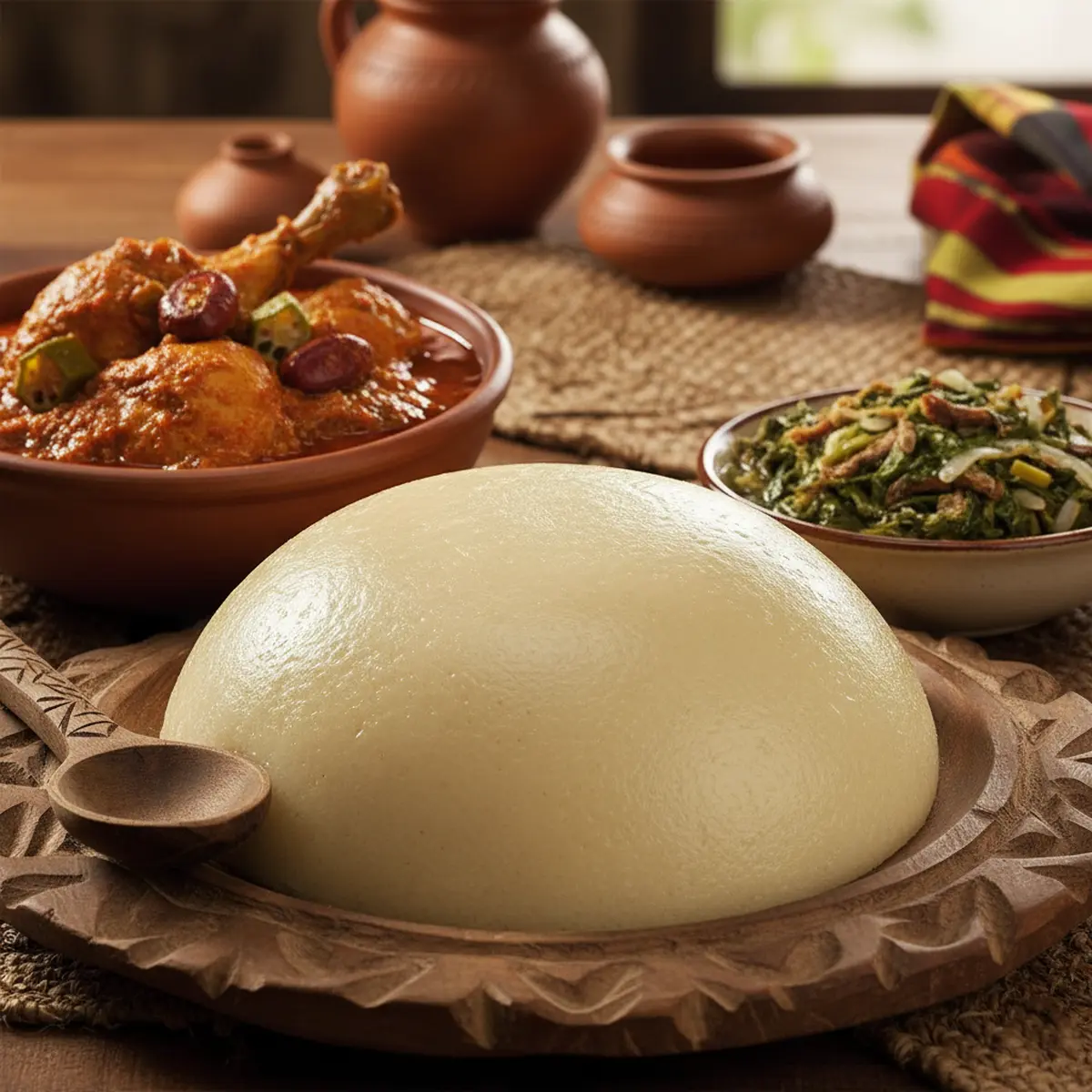
Funje (Funge)
Funje (also spelled Funge) is the soft, sticky cassava porridge that forms the foundation of many Angolan meals. It is analogous to polenta or ugali but made from cassava flour (also called cassava meal or farinha de mandioca). When prepared correctly, funje is smooth, elastic, and mildly tangy. It has a neutral flavor that complements the bold sauces of stews…

Muamba de Galinha
Muamba de Galinha (often called Moamba) is a vibrant chicken stew that takes center stage in Angolan cuisine. It is widely hailed as Angola’s national dish. The stew’s signature red-orange color and rich aroma come from red palm oil (dendê oil) and spices like malagueta (bird’s eye chili) and garlic. Thick pieces of chicken are slow-cooked with sliced okra and…

Ginga (Prawns à Luanda)
Some cooks take Ginga even further by tossing in a dash of annatto (urucum) for deeper color, or stirring in a spoon of coconut cream for richness. In fact, this dish is sometimes marinated overnight in garlic and chili to intensify flavor, especially for celebrations. The lively name suggests cooking with a “swing” — a rhythm that matches the dish’s…
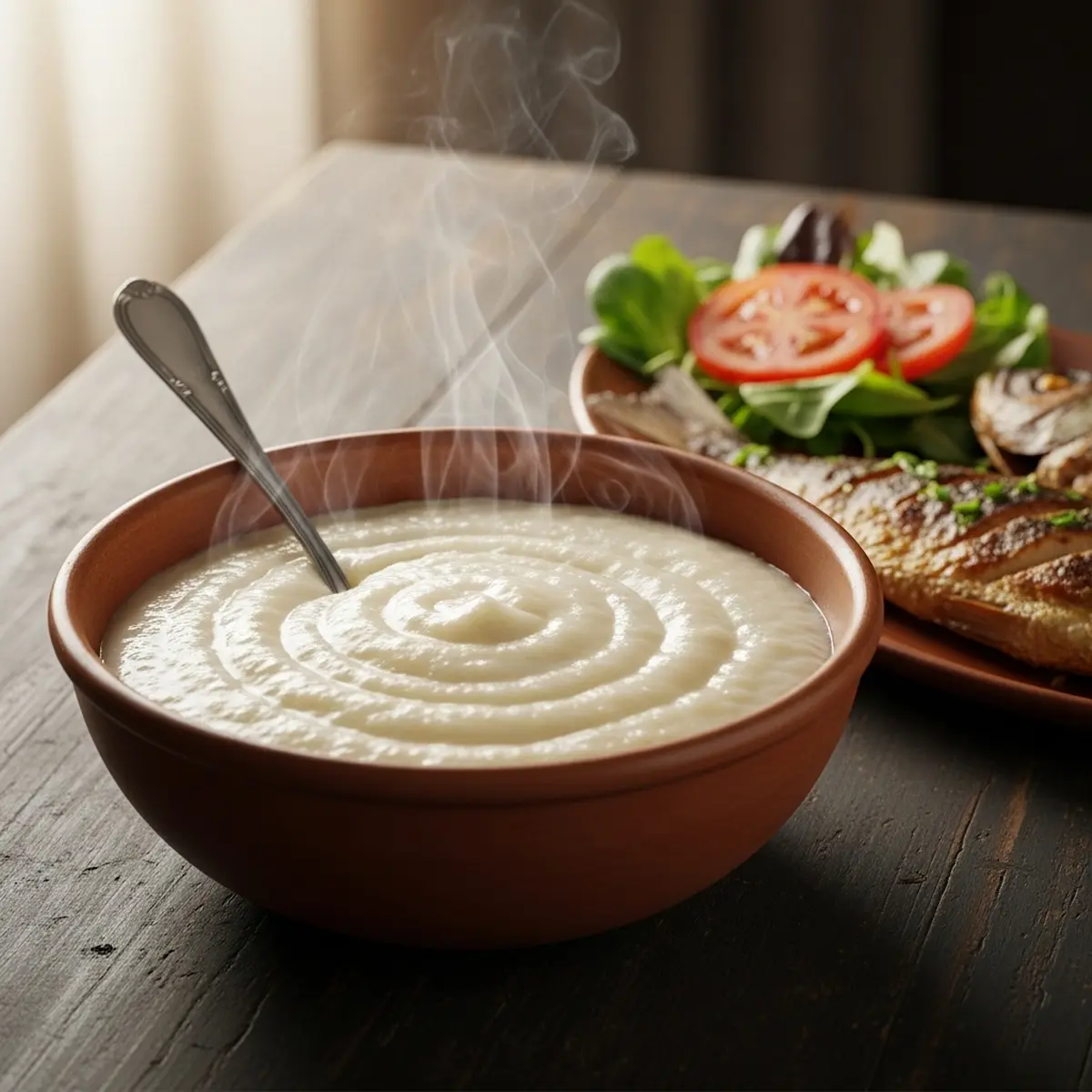
Pirão (Cassava Porridge)
Some cooks recall that Pirão’s simplicity made it a go-to dish in tough times. A pot of broth and flour could feed a family when other ingredients were scarce. It has been likened to porridge or grits, but it has a unique character thanks to the seasoned stock it’s cooked in. In many Angolan homes, mothers pass down wooden spoons…
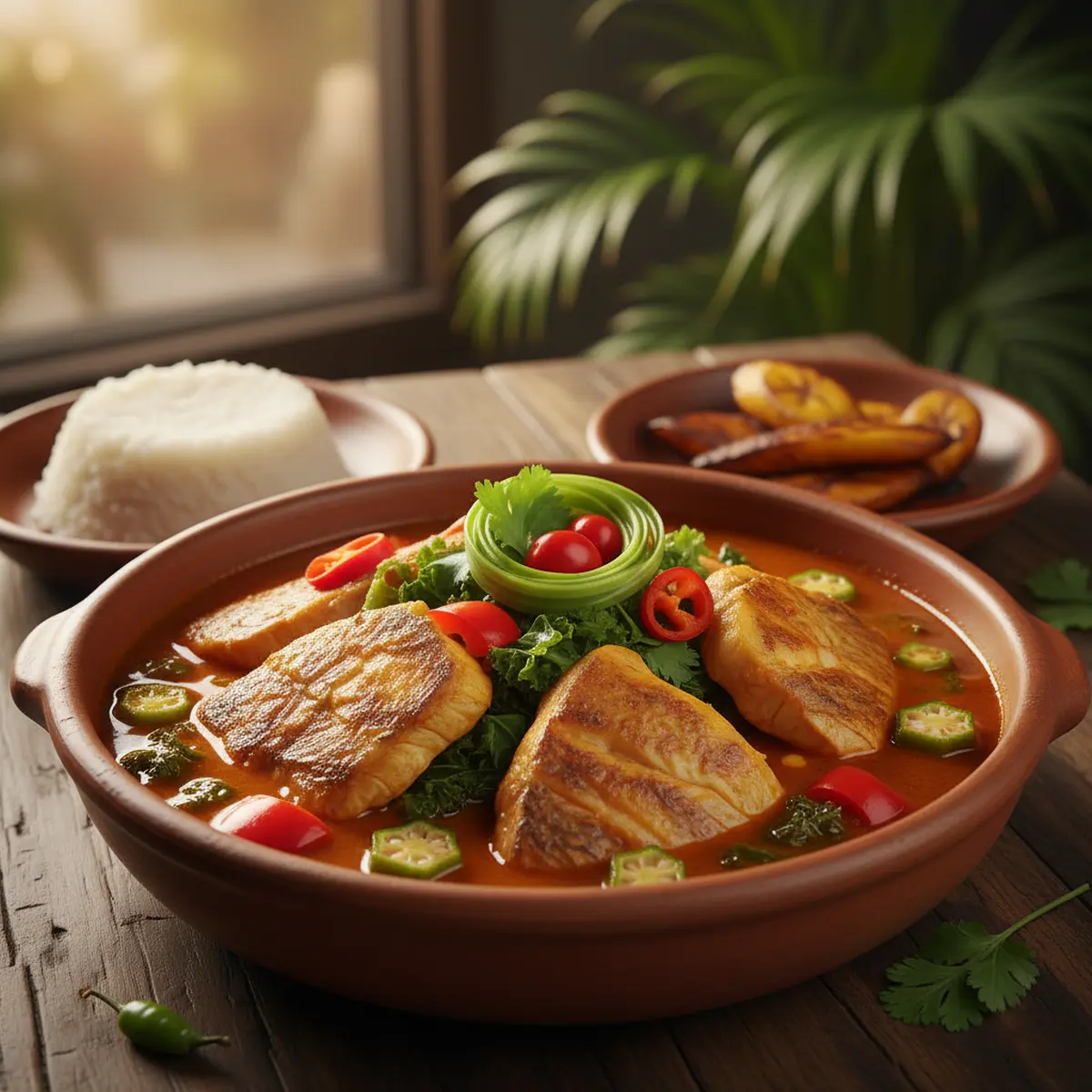
Muamba de Peixe
Some cooks start Muamba de Peixe over an open flame in a clay pot, seeking a touch of smoky flavor. In Angola’s coastal regions, this seafood stew warms fishermen after a dawn outing. Legend holds that Muamba tastes best when made with fresh fish from the morning market. The word “muamba” comes from a local term for a marinated liquid,…

MboKata
Angola’s cuisine offers a tapestry of bold, earthy flavors, and MboKata (often called Guisado de Ginguba) is a shining example. This classic stew features roasted peanuts (ginguba) as the creamy base, creating a nutty depth that distinguishes it from other African stews. Often made with chicken or firm fish, MboKata is traditionally enjoyed at family gatherings and festive occasions. The…
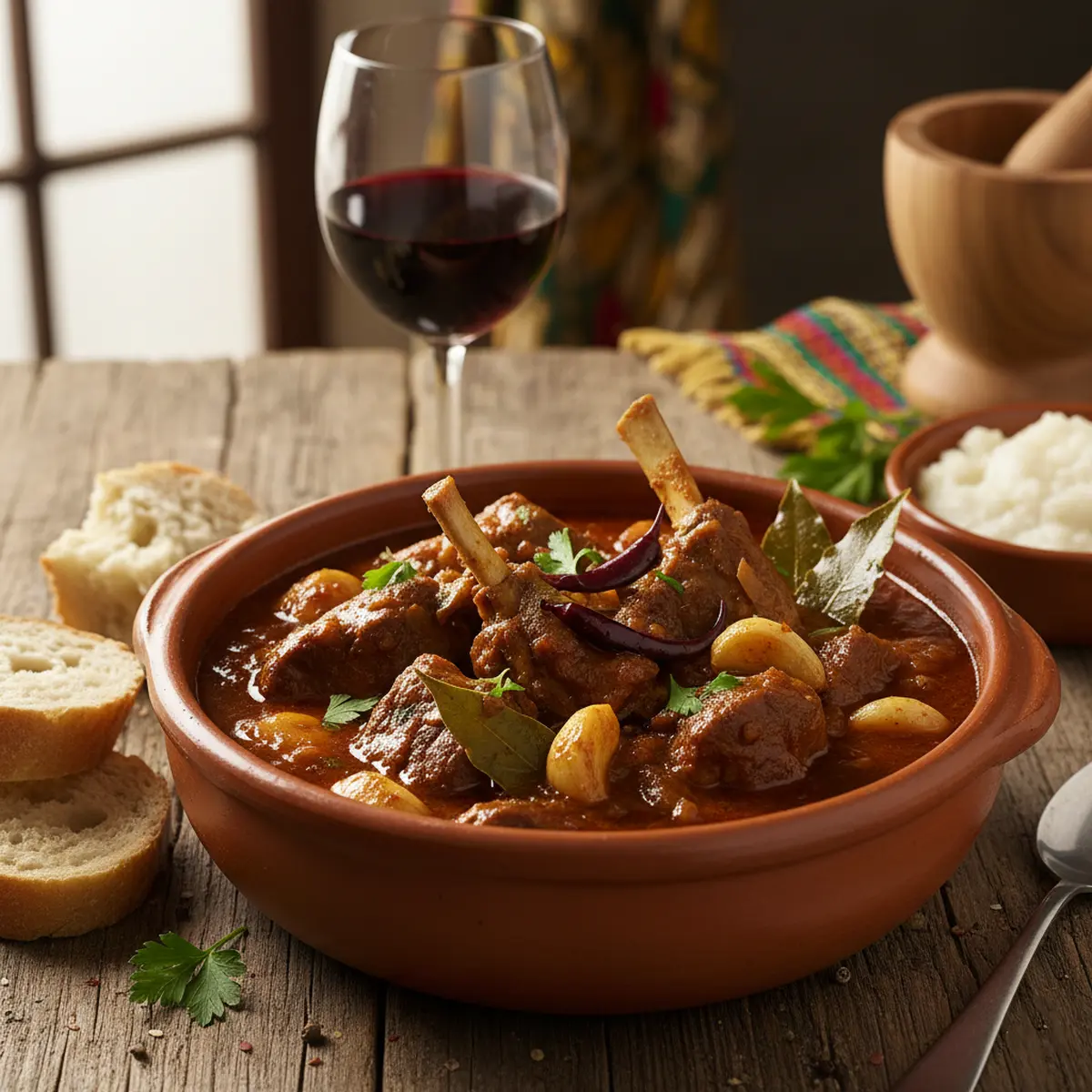
Ensopado de Cabrito
Ensopado de Cabrito is a classic Angolan stew showcasing tender young goat simmered in a fragrant wine-and-herb sauce. Chunks of cabrito (young goat meat) are seasoned with salt, pepper, and often garlic and bay leaf, then slowly braised in white wine and stock. This method yields succulent, fall-apart meat and a savory gravy enriched by the wine and aromatics. The…
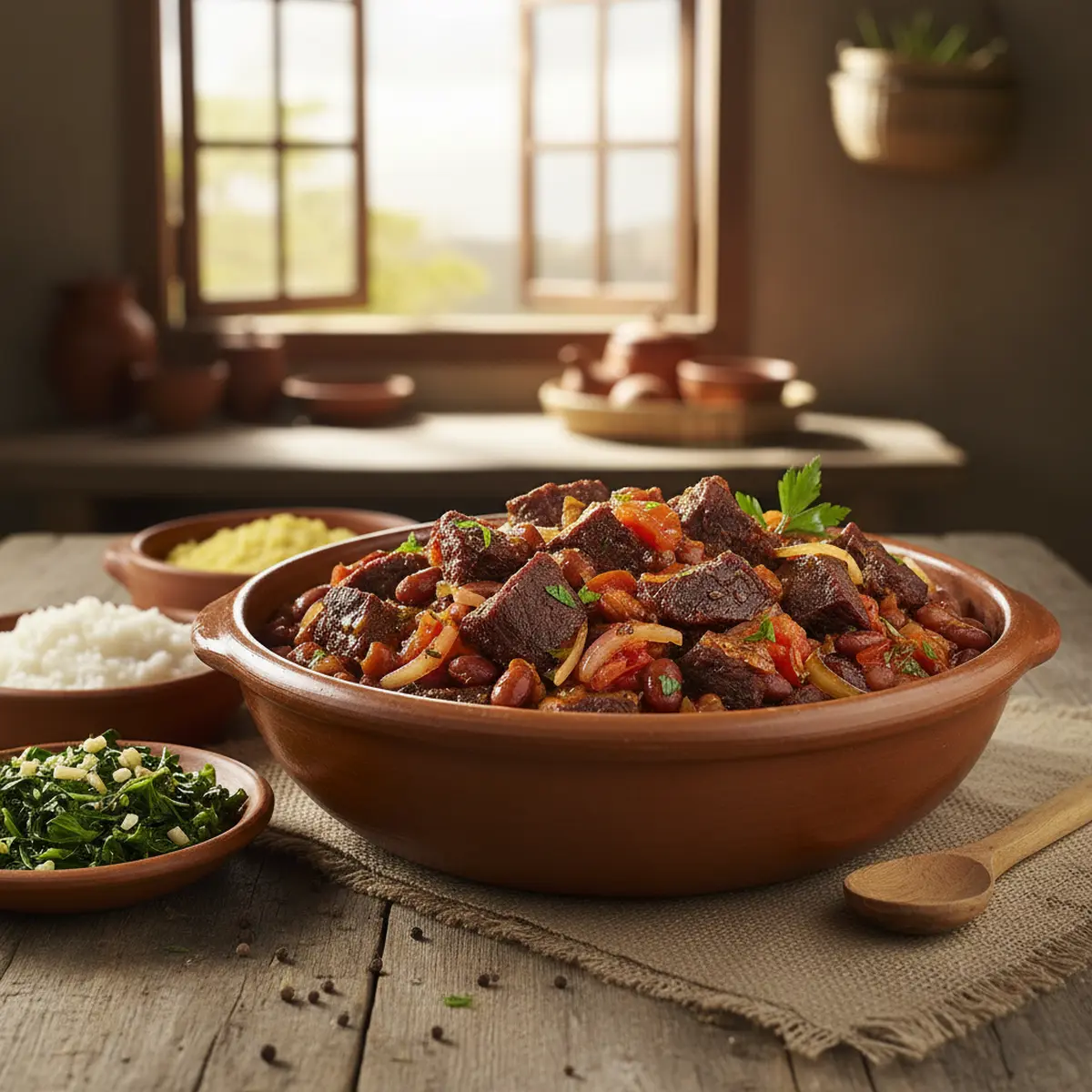
Carne Seca com Feijão
Carne Seca com Feijão is a rustic, protein-rich stew found in Angolan kitchens. In this dish, beef is preserved by salting and sun-drying, then rehydrated and simmered until meltingly tender. Red beans (feijão) are cooked alongside, absorbing the beef’s smoky, savory flavor. The long, slow cooking melds the ingredients into a thick, hearty stew. Onions, garlic, and tomatoes build a…

Quibeba (Angolan Okra Soup)
Quibeba is a traditional Angolan stew that showcases the unique texture of okra as a natural thickener. Fresh okra pods are trimmed and chopped, then simmered slowly with a sauté of onions, garlic, and tomatoes until the broth becomes richly viscous from the okra’s mucilage. This hearty soup is typically enriched with tender bits of protein – commonly shredded goat…







