
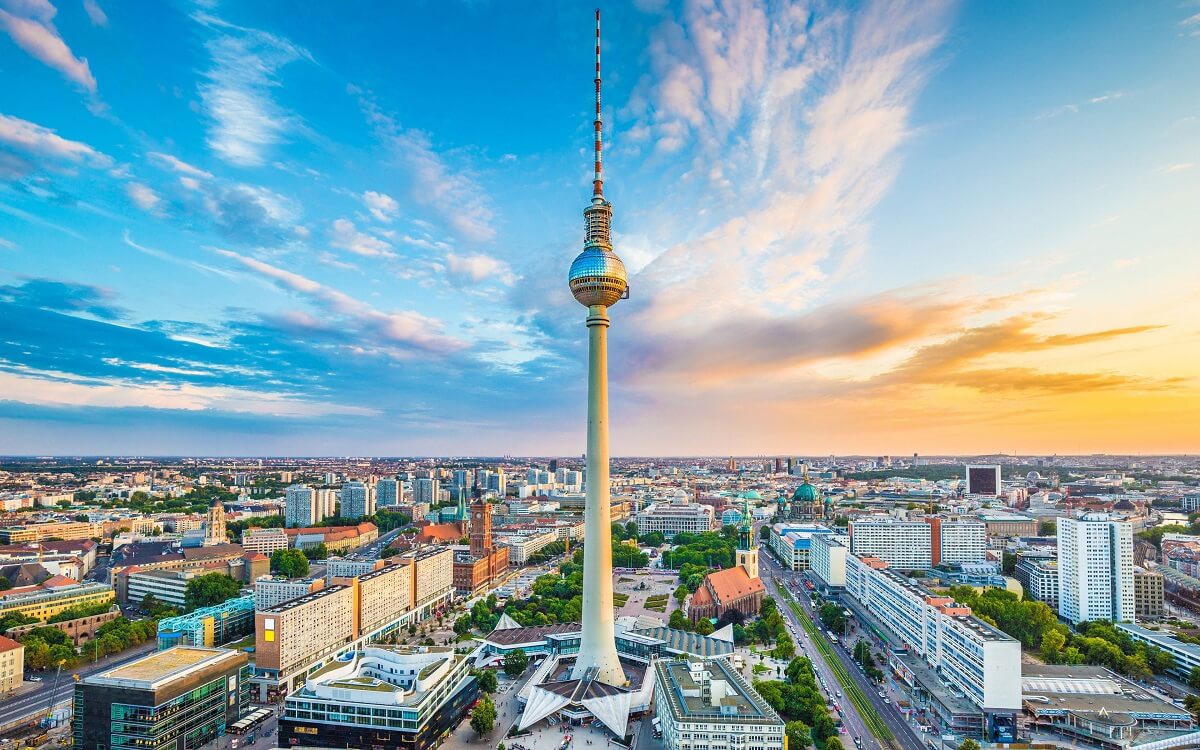

Berlin surprises many first-time visitors as one of Europe’s most affordable capitals. In official tourism language, “Berlin isn’t expensive… one of the cheapest capital cities in Europe”. A 2024 survey of city breaks confirms this: it ranked Berlin 8th most budget-friendly among major European destinations, ahead of both Paris and London. This guide unpacks what budget travelers really need to know: daily budgets, transit fares, lodging options and dozens of free or low-cost attractions. Even on €50–€100 a day, you can experience Berlin’s rich history, vibrant culture and award-winning nightlife. We draw on official data and local insight to make sure you plan with confidence, not sticker shock.
- Is Berlin Expensive? The Real Cost Breakdown
- Accommodation: Where to Stay on a Budget
- Budget-Friendly Neighborhoods Ranked
- Accommodation Types & Price Ranges
- Hostel vs. Airbnb vs. Budget Hotel
- Booking Tips to Get the Best Rates
- Getting Around Berlin Without Overspending
- Understanding Berlin’s Transport Zones
- Ticket Options Explained: Which One to Buy
- Berlin WelcomeCard: Is It Worth the Money?
- Free & Cheap Transportation Alternatives
- 30+ Free Things to Do in Berlin
- Iconic Landmarks You Can See for Free
- Free Museums & Galleries
- Parks & Outdoor Spaces
- Free Walking Tours
- Street Art Hunting
- Free Viewpoints
- Cheap Things to Do in Berlin (Under €15)
- Eating & Drinking on a Budget
- Street Food Essentials
- Best Food Markets for Budget Eating
- Grocery Stores & Self-Catering Tips
- Cheap Sit-Down Restaurants by Neighborhood
- Budget Drinking: Beer and More
- Sample Budget Itineraries
- Money-Saving Tips & Hacks
- Practical Information for First-Timers
- Budget Berlin FAQs
Berlin’s affordability doesn’t mean skimping on substance. In fact, the city abounds with world-class culture, and much of it can be enjoyed for free or next to nothing. Iconic sights like the Brandenburg Gate and the Holocaust Memorial are open to all at no cost. The Reichstag’s glass dome over the parliament building also admits visitors free of charge (with advance online booking). Moreover, one of Berlin’s best bargains is Gratis Museumsonntag: on the first Sunday of each month dozens of state-run museums waive their entry fees. A single morning can include free visits to the Altes Museum, Pergamon and Neues Museum – a museum buff’s dream.
Food and lodging in Berlin also tend to undercut Western European norms. A classic street-food meal – say a Currywurst – often costs only €3–€5, and sit-down meals in modest restaurants typically run €8–14. Even Berlin’s famous döner kebabs only average about €8 (many small stands in neighborhoods like Neukölln still sell them for €5 or less). Dormitory beds in centrally located hostels can start around €15–18 per night, far below hostel rates in cities like Paris. In sum, Berlin feels in many ways like a “veritable paradise” for the cost-conscious traveler.
Berlin’s public toilets typically charge a €0.50 usage fee. Many cafés, malls and tourist facilities offer free restrooms – carry some coins or use free options to save change.
Practical Information
Is Berlin Expensive? The Real Cost Breakdown
Berlin consistently ranks as more affordable than other Western European capitals. In general, travelers find that prices in Berlin are roughly 20–30% lower than in Paris or London for similar services and goods. A recent TimeOut cost survey, for example, placed Berlin 8th most affordable among Europe’s top city breaks, ahead of Paris (#12) and London (#10). For lodging, for instance, surveys show that a dorm bed in Berlin can be <€20, whereas dorms in cities like London often cost €25–€30 or more. Likewise, simple meals are cheaper; local cafés and street stands charge only a few euros for classics like currywurst or falafel.
Broadly, Berlin travelers can plan on two spending tiers:
- Budget backpacker: €60–80 per day (off-season)
- Mid-range (comfortable): ~€150–190 per day
- Luxury: €300+ per day
| Season | Budget (€) | Moderate (€) | Luxury (€) |
| Off-Season | 60–80 | 150–190 | 300+ |
| Peak Season | 85–110 | 200–250 | 400+ |
These ranges (adapted from a 2026 Berlin budget study) illustrate two things: (1) your two biggest variables are lodging and activities; (2) even the “budget” column allows a lot if you stick to hostels, street food and free attractions.
- Accommodation dominates. A hostel dorm bed often costs only €15–20 per night, whereas a private double room in a budget hotel or Airbnb will more often be in the €40–60 range. (That $53 figure is a global estimate of Berlin’s average budget-hotel rate.) Holidays and weekends can spike prices – e.g. during Berlin Marathon or Christmas markets – so book early or travel off-peak when possible.
- Food & drink can be very cheap. Basic meals average only a few euros. A typical currywurst is around €3–4 and a modest döner (€4–5) or shwarma (€5) easily fills you up. Inexpensive eats (like Vietnamese or Turkish food) often cost under €10 for a full meal. A beer in a pub is about €3–4. By contrast, a sit-down meal in a central restaurant might run €10–15 for main+drink. Cook your own meals by shopping at discounters (Lidl, Aldi, Rewe) and you can cut food costs even further. For example, groceries for a day (bread, cheese, fruits) can be under €10 total.
- Transit is affordable. Public transport in Berlin is well-developed and not expensive. A single AB-zone ticket costs €4.00 (valid 2 hours on U-Bahn/S-Bahn/trams/buses anywhere in inner Berlin). A 24-hour AB pass is €11.20; this pays for itself after about three rides. (For comparison, London’s same-day pass is £14+.) Multi-day options are cost-effective for longer stays: a 7-day AB pass is about €36. Family and group tickets are also available – for example a 24h group ticket (up to 5 people) is €35.30 (which can be cheaper per person than individual fares when traveling together).
Even in winter, Berlin’s sales and cheaper hotel rates can make visiting more affordable. Shoulder seasons (spring, early fall) often combine low prices with fair weather – a sweet spot for budget trips.
Practical Information
- Hidden costs to note: A few small items can catch newcomers by surprise. Public restrooms typically charge €0.50 (have coins handy). Dining out, service isn’t added automatically – it’s customary to round up or tip ~5–10%. Many local shops (especially markets and kiosks) accept cash only, so carry some euros in coins and bills. Lastly, keep your schedule flexible: free attractions (like Museum Sunday or Reichstag tours) often require advance booking.
Overall, Berlin’s lower-cost baseline means your money goes further. In the next sections we’ll break down each category – lodging, transport, attractions and more – so you can pinpoint exactly how to budget your trip.
Accommodation: Where to Stay on a Budget
Finding an affordable place to sleep is the single most important budget decision in Berlin. Your choice of neighborhood and accommodation type will shape costs substantially. Below, we rank the most budget-friendly districts and lodging options for beginners.
Budget-Friendly Neighborhoods Ranked
- Neukölln: Once overlooked, Neukölln is now a top pick for budget travelers. It has a hip, multicultural scene with many low-cost hostels and pensione-style hotels. You’ll find ample street-food stands and corner shops keeping meal costs down. Transit time to central Mitte is ~20–30 minutes by U-Bahn, but the savings are worth it.
- Wedding: A run-down but revitalizing former industrial area. Wedding has Berlin’s lowest rents, with some hostels and hotels advertising beds from under €20. It’s mostly residential, so nightlife and dining options are fewer, but it’s very affordable. (Trains can reach Zentrum in 15–20 minutes.)
- Kreuzberg: Trendy and diverse, Kreuzberg strikes a balance of culture and cost. It has plenty of hostels and small hotels geared to younger travelers. Eateries run the gamut from $-shops to international cafés. It’s closer to central sights than Neukölln, and still cheaper than Mitte or Prenzlauer Berg.
- Prenzlauer Berg: Once boho hip, now gentrified. Prenzlauer Berg offers family-friendly charm (cobblestone streets, parks) but its accommodation is pricier – mid-range hotels and nicer Airbnbs dominate. Expect room rates higher than Kreuzberg’s, but still somewhat below prime-center prices.
- Mitte: The geographic and historic center. Prague-like streets lead to major sights. The catch: this convenience comes at a premium. Hotels and hostels in Mitte are the most expensive in Berlin. For a short visit on a flexible budget it may be worth paying up; otherwise, use Mitte more as a day base and stay in one of the cheaper districts above.
These observations align with local guide advice. For example, one travel site notes, “Prenzlauer Berg – hip, artsy, and family-friendly with mid-range prices”, whereas “Neukölln: up-and-coming district with budget accommodations”. In practical terms, you can often find a private room or hostel bed for 10–15% less by staying in Kreuzberg or Neukölln instead of Mitte.
Accommodation Types & Price Ranges
- Hostels: Dormitory beds in Berlin’s major hostels often run €15–20 per night. (For instance, one guide lists a 10-bed dorm starting at €18.) Shared dorms are cheapest; private rooms in hostels are more, but still generally below hotel rates. Many hostels include free breakfast or common kitchens, which can save money on food.
- Budget Hotels/Apartments: Basic double rooms or studio Airbnbs in outlying areas generally cost around €40–60 per night. Global pricing data pegs the average Berlin “budget hotel” rate at about $53 (~€50), which is a useful benchmark. During off-peak periods you may even find rooms for €35–45; at weekends or holiday season those same places can jump above €70. To maximize savings, compare multiple sources (booking.com, Hostelworld, Airbnb) and look for free cancellation deals.
- Airbnb & Vacation Rentals: Prices for private apartments can be comparable to mid-tier hotels. A one-room Airbnb outside Mitte may be as low as €50, whereas a central flat easily €80+. If you’re staying several nights, renting an apartment has two perks: lower per-night cost (compared to hotel) and kitchen access. Self-catering (see food section) can dramatically reduce expenses.
Many Berlin hostels publish rates as “per person” for a whole dorm. If traveling in a group, be sure to ask if your party can reserve the entire dorm or split the cost – sometimes splitting a multi-bed dorm is cheaper than two double rooms.
Insider Tip
Hostel vs. Airbnb vs. Budget Hotel
For solo budget travelers, hostels tend to win on price. If you don’t mind a shared room, €15–20 will get you a bed in a clean hostel. A private hostel room might be €30–40 – still quite cheap. On the other hand, private rentals or hotels offer more privacy. A mid-range single room (non-luxury) typically falls in the €40–60/night range. If you’re willing to cook some meals, an Airbnb apartment can be a great deal: the extra convenience often offsets the similar price to a hotel. For example, a one-bedroom in Kreuzberg might run €60/night, but that includes a kitchen – you could buy groceries (~€10–15) to replace one meal out. Evaluate this tradeoff when booking.
Booking Tips to Get the Best Rates
- Book Early: Berlin is trendy, and cheap rooms fill up fast. Aim to reserve at least a month in advance if traveling in spring/summer.
- Weekday Travel: If your schedule is flexible, mid-week stays are cheaper than Friday–Sunday. Likewise, January/February (post-holiday lull) and late October/November often see low rates (except around New Year’s Eve or Carnival).
- Stay Flexible on Location: If you’re willing to trade a short commute for lower cost, you’ll save a bundle. Check out hotels in neighborhoods one or two metro stops beyond the tourist core.
- Check for Hidden Fees: Some Airbnbs add cleaning or service fees, which raise the effective nightly cost. Read the fine print to avoid surprises.
- Use Hostels with Kitchens: Even if you eat out most of the time, having a fridge/freezer to store leftovers or make coffee can save €5–10 per day.
With lodging sorted, the next big cost is transport. Let’s look at getting around Berlin on the cheap.
Getting Around Berlin Without Overspending
Berlin’s transport system is extensive and reasonably priced. An understanding of how it works and what passes to buy can save you a surprising amount.
Understanding Berlin’s Transport Zones
Berlin’s public transit is divided into three concentric zones: A, B, and C. Zone A covers the city center (the area inside the S-Bahn ring), Zone B extends to the city limits, and Zone C covers the suburbs (including the airport and nearby Potsdam). Almost all major sights lie in zones A or B, so most visitors only need an AB ticket. (If you plan a day trip to Potsdam or Berlin’s new BER airport, you’d need zone C as well – more on that below.)
The good news is that buying an AB ticket covers most travel. If you do need to reach zone C (e.g. BER airport or Potsdam), it’s cheaper to buy an AB ticket plus a short €3 extension than to buy a full ABC ticket. In other words, pay for AB travel and tack on the small extra when you cross into zone C – a useful hack for travelers.
Ticket Options Explained: Which One to Buy
Berlin offers several ticket types; here are the ones budget travelers typically use:
- Single Ticket (AB): €4.00 – Valid for 2 hours of travel in any direction on all U-Bahn, S-Bahn, trams and buses within zones A and B. (You can change lines as often as you like during those 2 hours.) Short-trip tickets (€2.80) are cheaper but only cover the first 6 stops – usually the single AB fare is easier.
- 24h Day Pass (AB): €11.20 – Covers unlimited rides in zones A and B for 24 hours from first validation. If you’ll take 3 or more trips in one day, this pass is worth it (since 3×€4 = €12). Use it to hop on and off buses as you sightsee – it’s like having a one-day flat-rate ticket.
- 7-Day Pass (AB): ~€36 – A weekly pass valid 7 days from first use. Good for longer stays or anyone planning daily multi-trip use; it brings the daily cost down to about €5.15 if used for a full week.
- Small Group Day Ticket: €35.30 – Covers up to 5 people traveling together on 1 day. Families or friend groups should check if this pays off (often, it’s cheaper than buying individual day passes).
- Short-Trip Ticket (Kurzstrecke): €2.80 – If you just need to go a short distance (6 U-Bahn/S-Bahn stops or 3 tram/bus stops), this half-price ticket might save some cash on very short rides.
As a rule of thumb, always think about the day pass if you plan more than a couple of rides. For example, one day-pass (€11.20) plus one single (€4) costs €15.20; a second day-pass (for two separate days) would be €22.40. In each case, if you can manage 3 rides on the second day, the second day-pass pays for itself.
Treat Berlin’s buses 100 and 200 as a free tour. These lines circle past major landmarks (Reichstag, Bellevue, Siegessäule, Museumsinsel, etc.). Paying only €4 for a bus ticket lets you see the city from the upper deck at no extra cost. Just board at Alexanderplatz or Zoologischer Garten and enjoy the loop.
Insider Tip
Berlin WelcomeCard: Is It Worth the Money?
Berlin promotes the WelcomeCard, a combo tourist pass that bundles unlimited transit with attraction discounts. The prices (for AB zones) are roughly: 48 hours ~€28.50; 72 hours ~€39.50. In theory, it includes free transport plus 25–50% off museums, tours, and restaurants.
In practice, the WelcomeCard pays off only if you plan an extremely busy itinerary: multiple museum entries and lots of transit in a short time. For example, three-day unlimited transit alone is €33.60 (3×€11.20) – not far from the 48h WelcomeCard. If you mainly use free sights and cheap meals, the WelcomeCard’s discounts may not exceed its cost. Conversely, if you intend to blitz many paid attractions (Potsdam Palace, expensive museum tickets, tours), it could save you a few euros and the hassle of buying single tickets.
Our advice: roughly calculate how many paid entrances you’ll use. If you can save at least €5–10 (in total discounts) beyond the WelcomeCard price, then it’s worth it. Otherwise, better stick with day passes and occasional single tickets. (We’ll highlight any must-do attractions below, so you can do that math.)
Free & Cheap Transportation Alternatives
Not every way of getting around costs more than walking. In fact, Berlin’s mostly flat landscape makes it very walkable, especially around the central districts (Mitte, Kreuzberg, Friedrichshain). Good walking shoes can often substitute for a short bus or subway ride – saving a few euros.
- Bike Share: Berlin has dozens of bike-sharing and e-scooter systems (Lidl-Bike, Nextbike, Lime, etc.). Most charge around €1 per 15 minutes or have affordable day passes. Long-distance cycling is also easy on quiet streets and bike paths. As a rule of thumb, you can rent a city bike for about €12 per day, which can be cheaper than two day-pass tickets if you’re comfortable pedaling.
- Scenic Bus Rides: Already mentioned above – the M100/M200 buses run a loop through central landmarks for the price of a single ticket. Likewise, tram line M2/12 and the 148 bus have touristy stretches (Alexanderplatz via Zoologischer Garten) that you can ride cheaply.
- Walking Tours: Several companies offer free tip-based walking tours, which effectively means you set the price. These tours often cover major neighborhoods (Mitte, Kreuzberg, Jewish Heritage, etc.). While not literally “transport,” they move you on foot and provide commentary – all you pay is a gratuity (often €5–10/person recommended).
- Airport Transfers: Berlin’s new BER airport lies in zone C. Instead of a pricey taxi, use public transit: take the RE or RB regional train (FEX) or S-Bahn S9. If you already have an AB ticket, simply add a €3 “Anschlussfahrausweis” extension. For example, buying an AB fare (€4) plus the €3 extension will get you to the city center, whereas an ABC day pass costs €13.30. This hack saves money, especially for solo travelers.
Berlin’s official transit apps (BVG/Jelbi, VBB) are free to download and include all ticket types. Use them to pay fares in-app (no surcharge) and to plan routes – they’ll often suggest the cheapest combination of buses, trains or even bike rentals.
Planning Note
30+ Free Things to Do in Berlin
One of Berlin’s greatest attractions is simply the abundance of things you can do at no cost. From world monuments to sprawling parks, budget travelers can fill days without spending a euro. We categorize them here:
Iconic Landmarks You Can See for Free
- Brandenburg Gate (Brandenburger Tor): Berlin’s symbol – a monumental triumphal arch. You can approach and photograph it day or night at no charge. (Nearby Pariser Platz is also free to explore.)
- East Side Gallery: A 1.3 km open-air gallery of murals on the former Berlin Wall (near Ostbahnhof/U Warschauer Straße). Walking along it is free – you’ll see over 100 paintings with political and artistic themes.
- Holocaust Memorial (Memorial to the Murdered Jews of Europe): This haunting field of concrete stelae (between Brandenburg Gate and Potsdamer Platz) is free to visit 24/7. (Its underground information center is currently free as well, though tickets for timed entry may be needed).
- Berlin Wall Memorial (Bernauer Straße): At this preserved section of the wall you can walk along part of the border and see the Documentation Center exhibits (free entry). Adjacent is the charming Mauerpark (see Parks section).
- Checkpoint Charlie (exterior): The famous crossing point between East and West has a small glass display and signage. You can photograph the “You are leaving the American sector” sign for free (though not the museum buildings which charge admission).
- Reichstag Dome: The modern glass dome atop Germany’s parliament is free to visit (entry requires advance registration online). From inside, it offers panoramic city views.
- Topography of Terror: A free outdoor/indoor museum on Niederkirchnerstraße. The former Gestapo HQ site features extensive (free) exhibits about Nazi history.
- Historic Church (Gedächtniskirche) and German Dom: Both 19th-century domed churches welcome visitors at no cost. (The Gedächtniskirche on Kurfürstendamm is a striking ruined tower. The German Dom on the Gendarmenmarkt plaza has free exhibits.)
- Street Art in Public Spaces: Nearly every Berlin district has notable murals. In Kreuzberg and Friedrichshain you can wander to see giant street art (for example, the “Currywurst” mural by Blu in Kreuzberg). As one guide aptly put it, “the whole of Berlin is a gigantic open-air gallery”. No fee required – just wander alleys and watch the walls.
Free Museums & Galleries
- First-Sunday Museum Pass: As mentioned, on the first Sunday of each month many major museums (Pergamon, Neues, Deutsches Historisches, Bode, Alte Nationalgalerie on Museum Island, plus the Jewish Museum, Museum für Naturkunde, etc.) are free. This is an excellent way to see expensive institutions at no cost – but plan ahead, as popular museums often require free timed tickets that sell out.
- Always-Free Exhibits: In addition to Topography of Terror above, several permanent museum exhibits are free: the Allied Museum (Cold War history), the Museum for Communication (selected galleries), and parts of the German Resistance Memorial Center (district Lichtenberg). These are not blockbuster attractions, but offer quality history for zero admission.
- Outdoors Gallery: Some large cultural installations are free by definition – e.g. Tempelhofer Feld (see next section) has an art project and exhibition on its runway, viewable at no cost.
- Flea Market Culture: Visiting Berlin’s famous flea markets (Mauerpark, Boxhagener, etc.) is free – you only pay if you buy something. It’s a way to soak up local life on zero budget.
When visiting on a Museum Sunday, remember that even free museums usually require booking an (also free) ticket slot in advance. Always reserve your spot online or at the museum website a week or more ahead.
Planning Note
Parks & Outdoor Spaces
- Tiergarten: Berlin’s largest inner-city park. It’s completely free and ideal for picnics, jogging or biking. Within it is the Victory Column (Siegessäule), which itself charges a small climb fee, but you can admire it from the park’s paths without paying.
- Tempelhofer Feld: The disused Tempelhof airport has been transformed into a massive open park (Windsheim/Tempelhofer Damm). You can stroll or cycle along its runways and grassy fields for free – it’s a uniquely Berlin experience.
- Viktoriapark: A hilly park in Kreuzberg with a waterfall feature and excellent views of the city center from the top of the hill (particularly pretty at sunrise/sunset). No entry fee.
- Spree Riverbanks: Many walking/biking paths follow the Spree. Notably, you can walk along the riverside promenade by Museum Island (with great views of the Berliner Dom) or the path along East Side Gallery.
- Other Parks: Smaller free green spaces like Gleisdreieck, Volkspark Friedrichshain, Görlitzer Park, and the recently opened Nordbahnhof park are all open to the public at no cost. These are great for relaxing, street food picnics, or free open-air events in summer.
Free Walking Tours
Multiple companies (often run by freelance guides) offer free guided tours. These are tip-based, meaning you can join for free and later pay what you feel it was worth (typical tip €5–10). Tours cover various themes: Historical Mitte, Cold War, street art, etc. They’re not physically transportation, but they move you on foot from site to site. Because they’re free to join, they’re a great way to learn local stories without spending anything upfront. (Just tip generously if the guide is good – it’s their livelihood.)
Street Art Hunting
Berlin is famous for street art. Entire neighborhoods like Kreuzberg, Friedrichshain, and Wedding are outdoor galleries. You can spend days simply walking and discovering murals, graffiti, and installations at no cost. Key spots include the Kunsthaus Tacheles area (now mostly closed but historically rich) and the printshop alley near Oranienstrasse. Official tours exist, but you can also create your own route. Because street art is public, admission is free – just walk around and enjoy the color and social commentary on walls.
Free Viewpoints
- Oberbaum Bridge: Cross this historic double-deck bridge (Friedrichshain-Kreuzberg border) for a panoramic view of the river and the Molecule Man sculpture in the Spree. You’ll also get great skyline shots of the TV tower and Mercedes-Benz Arena.
- Bunkers and Hills: There are free elevated spots like the top of Teufelsberg (a former radar tower hill – note: small entry fee for guided tours only, but you can hike around for free) or the Soviet War Memorial in Treptower Park. Also, Kreuzberg’s park (Viktoriapark) has a free viewing platform at the hilltop water tower.
- Kulturforum Passage: On the south side of Tiergarten, near Potsdamer Platz, there is a transparent passage (the “Panoramapunkt” area) where you can see skyscrapers for free.
- Mall Overlooks: Some department stores like Kaufhof on Alexanderplatz have rooftop viewpoints (small fee usually). Not free, but cheap in the grand scheme.
The key point: you don’t need to pay for an observation deck. Simply wander parks, bridges and plazas for expansive vistas.
Cheap Things to Do in Berlin (Under €15)
Even many paid experiences in Berlin deliver great value at low prices. Here is a selection of the best experiences you can get for around €10–15 or less:
- Victory Column (Siegessäule): Climb the spiral staircase (214 steps) to the top for panoramic city views. The entry fee is only about €4. It’s particularly lovely at sunset or spring light.
- Berlin TV Tower (Fernsehturm): The iconic tall tower has an observation deck and rotating restaurant. Regular admission is around €23–€25, which is above our “€15” cutoff, but if you catch a limited-time special (or buy online in advance) it can be found slightly under €15. (If it’s above, skip it since Berlin has free views elsewhere.)
- Reichstag Guided Visit: We already noted the dome is free with registration. You might consider this your paid (time-limited) sightseeing: it takes up to 2 hours but costs nothing, making it a must-do “budget attraction.”
- Museums with Low Fees: Some worthwhile museums charge only modest admission. Examples include the DDR Museum (about €13.50 for adults), the German Spy Museum (~€12), and Stasi Museum (around €10). These offer interactive exhibits on German history and typically fall under €15. For comparison, the Pergamon or Deutsche Historisches Museum would cost €14–15. You don’t need to hit the big ones if you have few euros – the smaller topical museums are just as interesting for beginners.
- Boat Tours: Public ferries on the Spree can be very cheap. For instance, line F10 (the “Museumsschiff” ferry) lets you hop across the river near Museum Island with an AB ticket. Some sightseeing cruises are less than €15 if booked in advance online (look for walking boat combos). Alternatively, rent a rowboat or pedal boat in Tiergarten’s lake for about €10–12/hour in summer.
- Flea Markets & Vintage Shopping: Browsing markets costs nothing; you only spend if you buy a bargain. A vintage dress might cost €10, a vinyl record €5. The Mauerpark flea market (Sundays) and Boxhagener Platz (Saturdays) are great places to kill time and scores of euro. Even if you don’t buy, people-watching and street music (karaoke in Mauerpark) are free entertainment.
- Budget Day Trips: Short trips from Berlin can be amazingly cheap. For example, a round-trip train ride to Potsdam (Sanssouci Palace) on a day ticket is roughly €6.50. The palace grounds and many parks in Potsdam are free to enter. Likewise, a local train (RegionalBahn) to the former Sachsenhausen concentration camp costs only about €9 round-trip; the memorial site itself is free. With these modest tickets, you can fill a day with major sights just a train ride away.
All of the above options cost well under €15 but deliver memorable experiences. In the next section on food and drink, we’ll show you how to fuel your adventure on a similarly tight budget.
Eating & Drinking on a Budget
Food is one of Berlin’s great pleasures – and one of its best bargains. You can eat very well without a lot of money by mixing street food, markets, and careful restaurant choices.
Street Food Essentials
- Döner Kebab: A Turkish-style döner (meat spit sandwich) is Berlin’s ubiquitous cheap meal. Price varies by kiosk, but you can generally get a good döner for €3–6. (Official surveys put the average Berlin kebab at around €8, reflecting some trendy stands in Mitte. For true budget flavor, head to Neukölln or Kreuzberg stands – in Neukölln you’ll often pay €4–5 for a large döner.) Must-visit names include Mustafa’s Gemüse Kebap (famous for veggie-filled kebabs) and Doyum (a Kreuzberg favorite).
- Currywurst: Berlin’s classic sausage-on-a-plate. Expect to pay about €3–4 for a portion of currywurst plus fries. Curry 36 (Kreuzberg) and Konnopke’s Imbiss (Prenzlauer Berg) are legendary stands – but any corner Imbiss (snack stand) will have it. If you eat only currywurst and fries for a meal, you’ll still be under €5.
- Other Cheap Eats: Berlin has a wealth of international budget options. Late-night Turkish grills (döner stands) often sell falafel for €2–3 a piece. Vietnamese pho shops (e.g. in Lichtenberg) have bowls around €6–9. Must-try: the Thai Park market in Wilmersdorf (April–October weekends) serves generous homemade Thai portions for about €5–€15. And of course Berlin’s many döner-stands now also serve Italian pizza slices (~€2–3) and Middle-Eastern plates (~€5).
Berliners often eat big on the streets. It’s perfectly normal to have a currywurst, a beer, and then a döner in one evening all for under €12 total. This makes dining out an adventure rather than a budget-buster.
Insider Tip
Best Food Markets for Budget Eating
- Markthalle Neun – Street Food Thursday: Every Thursday evening, this historic Kreuzberg hall turns into a global street-food market. You’ll find dozens of stands selling tacos, falafel, ramen, and more, with most dishes in the €5–10 range. Bring friends to share plates; for about €15–20 you can try three or four different stalls and still be full. Markthalle Neun is a cheap, communal vibe – you stand and eat, which cuts service costs.
- Turkish Market (Maybachufer): Open Tuesdays & Fridays in Neukölln, this vibrant market offers ridiculously low produce prices and cheap eats. One traveler noted, “prices are cheaper than in supermarkets. I even saw 10 avocados for €2”. Along the canal you’ll also find many food stalls and dürüm stands where a fish sandwich or kebab runs €3–5. It’s one of the best places in Berlin to lunch like a local.
- Thaiwiese (Thai Park): As mentioned, on summer weekends a corner of Preußenpark turns into an open-air Thai buffet. There are no menus or prices – just follow the lines of locals and buy on site. Main dishes (curries, noodle soups) typically cost €5–15, and the experience is more about mingling with local expats than luxury dining.
- Other Market Halls: The Turkish Market at Maybachufer (Tue/Fri) and the popular Turkish bazaars on Adalbertstr. offer cheap fruits, nuts and also ready-to-eat snacks (simit, börek). Small neighborhood market halls (like Marheineke Markthalle in Kreuzberg) have affordable deli stalls and ready meals starting around €3–5.
Grocery Stores & Self-Catering Tips
Shopping and cooking can save a bundle. Supermarket chains like Lidl, Aldi, Netto, Penny offer basic groceries at rock-bottom prices. For example, a loaf of bread is often €1–2, cheese €1.50–3 per 200g, a liter of milk ~€0.60. If you have a fridge in your accommodation, cook some meals (pasta, rice, eggs) yourself. At a minimum, buy bread, cheese, and fruit for breakfast/ lunches – you’ll easily spend under €10 per day on groceries. Even if you prefer restaurants, keeping snacks like yogurt or muesli at hand will cut costs.
To drink: Berlin’s tap water is famously clean and completely safe to drink – often used by locals instead of bottled. Carry a reusable bottle and refill for free at public fountains or cafés (some places will fill water at no charge). Buying bottled water regularly can double your drink budget; whereas free tap water is healthy and saves money.
Cheap Sit-Down Restaurants by Neighborhood
While street food covers most cheap meals, you may occasionally want to sit down. Here are tips by neighborhood:
- Kreuzberg/Neukölln: Dozens of casual ethnic spots. Think large portions of Turkish, Vietnamese or African food for around €8–12. For example, Ya Hala (Prenzlauer Berg) has a €10 lunch deal, and Mustafa’s Gemüse Kebap (Kreuzberg) sells its famous kebab for ~€4–5.
- Wedding/Humboldthain: A surging area for diverse cuisine. Look for the “Gathering of Nations” restaurants or inexpensive Chinese buffets where plates run ~€6–8. Also local Imbiss stands here tend to be cheaper than tourist-heavy areas.
- Mitte: While Mitte is pricier, you can still find budget chains and food courts. Monsieur Vuong (Vietnamese, Mitte) serves pho for around €8. The Hackescher Markt area has fast-casual Döner and sandwich shops where you can eat for €5–7. If you’re mindful, a €10–12 lunch is doable even here.
Budget Drinking: Beer and More
Berlin’s beer scene is a treat even on a budget. A half-liter draft beer (“Pils” or local Berliner Weisse) typically costs €3–4 at a pub. Look for happy hours (many bars discount beer to €2–3 before 6pm). Craft beer pubs exist, but avoid them if you’re watching pennies (craft pints can run €5–6+). For an even cheaper night out, grab beers at a Späti (late-night kiosk) – a 0.5L bottle can be €1–2, then drink it by the canal or in a park (most parks allow beer and picnic).
Non-alcoholic tip: Don’t buy bottled water or soda in restaurants – prices double or triple. Refillable tap water is free (just ask “Leitungswasser”). Hot drinks like coffee range €2–3 at a bakery or kiosk if you need a pick-me-up on the go.
Tap your budget: We estimate a thrifty meal plan as follows. A fast-food dinner (kebab €5, beer €3), plus a budget lunch (€5) and breakfast groceries (~€3), comes to about €16/day on food. Adding transit (€11) and lodging (€20) still keeps you near €50. A more flexible €75/day plan lets you trade one of those street meals for a sit-down (e.g. lunch + beer ≈ €12), or add a museum ticket (~€14), and use a hotel instead of a hostel.
Sample Budget Itineraries
To bring it all together, here are sample day-by-day plans at different budget levels. They show how to mix free sights, cheap eats and minimal tickets to match a daily budget.
€50/Day Berlin Experience (3 Days)
Day 1 (About €50): – Lodging: Hostel dorm bed ~€20.
– Morning: Free walking tour of central Berlin (tip ~€5). Visit the Brandenburg Gate and Holocaust Memorial (free).
– Lunch: Currywurst and fries at a stand (€4).
– Afternoon: Ride the M100 bus loop with a single ticket (€4) to see the Reichstag and Victory Column from outside. Enter the Reichstag dome (free, reserve ahead!).
– Evening: Share a kebab (€5) and one beer (€3). Use a 24h transport day-pass (€11.20) for unlimited travel today.
Estimated total: €20 (sleep) + €5 (tip) + €4 + €4 + €11.20 + €5 + €3 = ~€52. (A bit over €50; you can trim by skipping the beer or using only singles if needed.)
Day 2 (Free Museums Sunday):
– Morning: The first Sunday of the month! Visit Museum Island – Altes Museum, Neues Museum and Pergamon for free. No museum fee this Sunday. Pack a small lunch (bread+cheese ~€5) or grab market snacks.
– Afternoon: Walk through Tiergarten (free) to the Victory Column (climb for €4 optionally). Go to Prenzlauer Berg; kids and teens can play at Kollwitzplatz.
– Evening: Dine at a Vietnamese eatery (€8). Take one bus ride back with an AB single (if needed) instead of a second day-pass.
Day 3 (Around €50):
– Morning: Bike rental (~€12 for half-day) to explore East Side Gallery and Treptower Park.
– Lunch: Fried chicken or falafel (€6) at a corner shop.
– Afternoon: Visit free Volkspark Friedrichshain and the open-air cinema (if summer). If remaining budget allows, drop into the DDR Museum (€13) for 1–2 hours.
– Evening: End at Mauerpark Flea Market (free) with street performers; grab market snacks (~€5).
These days add up close to €50 each by judiciously blending free sights and controlled spending.
€75/Day Comfortable Budget (3 Days)
With ~€75/day, you can upgrade a few choices: stay in a budget hotel (~€40 instead of hostel) and eat one nice dinner.
For example: – Room ~€40. – Day-pass €11.20. – Breakfast at a café €6, lunch street food €5. – Paid evening: maybe a museum (€12) or a midrange restaurant dinner (€12+beer €3). – Other meals cheap. This still totals ~€75. You’ll have a bit more comfort without splurging.
One Perfect Free Day in Berlin
For sheer budget fun, plan a day using only free attractions:
– Morning: Free walking tour + Reichstag dome (free).
– Lunch: Picnic from groceries (€8) in Tiergarten.
– Afternoon: Brandenburger Tor, Memorial, and Soviet War Memorial (Treptower Park) – all free.
– Evening: Stroll Unter den Linden and see the illuminated cathedral (free to admire from outside).
– Dinner: End at a cheap street-food stand (€5).
In this day you might spend as little as €20 (mainly on one meal and transportation). It shows that with creativity, you can nearly eliminate sightseeing costs.
Money-Saving Tips & Hacks
Here are advanced strategies – some insider, some simple – to stretch your euro even further:
- Book Major Sights in Advance: Popular attractions require pre-booking slots, even if they’re free. The Reichstag dome and Museum Sunday tickets must be reserved online beforehand. Do this weeks early.
- Leverage Apps: Download the BVG (Jelbi) app to buy tickets on your phone (often the fastest way, and you avoid any machine or cashier fees). Google Maps and Moovit work offline to help navigate public transit. For food deals, consider the “TooGoodToGo” app – many bakeries and supermarkets sell leftover food cheaply (though this is hit-or-miss).
- Group & Family Tickets: If traveling with friends or family, group passes can save. For example, a 24-hour ticket for up to 5 people (€35.30) is cheaper than each buying singles (5×€4=€20) once you have at least 3 people traveling together. Many attractions also have family rates or youth discounts – always ask at the ticket desk.
- Berlin Museum Pass: If you love museums, the 3-day Berlin Museum Pass (about €29, students ~€14) can be a bargain. It grants single-entry access to 30+ state museums for 72 hours. If you plan to visit more than 3 or 4 paid museums (Pergamon, Neues, Jewish Museum, DDR Museum, etc.), the pass quickly pays for itself.
- Student & Youth Discounts: German museums, cinemas and even some restaurants offer reduced prices to students or people under 26. Bring an ID. Similarly, the BVG offers lower fares for children/youth. Don’t overlook these; a €2 ticket vs €3 is a 33% saving on each ride.
- Avoid Tourist Traps: Some areas (e.g. Unter den Linden near Museumsinsel) have overpriced cafés catering to tourists. Instead, get coffee from a local bakery or Späti (stand) for half the price. Similarly, souvenir stands at Checkpoint Charlie sell the same keychains and magnets for twice as much as stores a block away. (You’ll never need to buy anything there – even the historical exhibit on-site is modest in quality for the price.)
- Nightlife on a Dime: For cheap drinks and fun, seek out local neighborhood bars rather than big tourist clubs. Many pubs have happy hour or beer-jugs (€8–10 for a large stein). Look for “Abendkasse 5€” flyers (meaning no cover until 5am!). Often, finding a regular live music venue (free entry) and buying a couple beers inside is more fun and cheaper than paying a nightclub cover charge.
- Cash vs Card: Berlin is quite tech-friendly, but small vendors and street stands almost always take only cash. Always carry at least €20–30 in small bills and coins. On the plus side, you’ll avoid ATM fees at tourist spots – use bank ATMs (Sparkasse, etc.) for better rates.
- Off-Peak Timing: If you can time your trip, visit in shoulder seasons (late March–May or September–October) when flights and hotels drop in price. Also watch for festival dates: hotel rates explode around Love Parade (summer), Film Festival (Feb), etc. Winter can be cold, but it’s also when the cheapest deals pop up (and if you catch Christmas markets, a hot Glühwein (€3) warms you cheaply).
Download BVG’s official app (the Jelbi app) before you arrive. It lets you purchase all Berlin tickets at the cheapest rate (no surcharge) and even rent shared bikes or scooters when you want to switch modes. Having the app means never overpaying for transit or getting lost.
Insider Tip
Practical Information for First-Timers
Beyond budget specifics, here are some essential tips and background facts that every newcomer should know:
- Best Time to Visit on a Budget: Late spring (April–June) and early fall (September–October) offer a sweet spot of good weather and moderate prices. You’ll enjoy long daylight and fewer crowds than midsummer, plus lower airfare and hotel rates. If winter trips appeal (Christmas markets!), note that January–February often has hotel sales (except around New Year’s). Avoid the late summer school holiday weeks if you can, when flights and lodgings spike.
- Language: You’ll find English widely spoken in Berlin’s tourist and service industries. Young people and hospitality staff generally speak English well. It’s still polite to know a few German basics (bitte, danke, guten Tag) – but don’t worry about fluency. All signage in public transport, museums, and restaurants is bilingual or English by design.
- Safety: Berlin is generally very safe. Violent crime is rare, and the city has a heavy police presence in tourist areas. The main concern is pickpocketing in busy spots (U-Bahn trains, Alexanderplatz, tourist crowds). Secure your valuables and carry bags in front of you on crowded transit. Otherwise, you can feel at ease: it’s common to walk alone at night on lit streets without worry. Bike lanes and crosswalk signals help keep even cyclists and drivers orderly.
- Currency & Payments: Germany uses the Euro. Credit cards (Visa/Mastercard) are accepted in most large shops and hotels, but small cafés, street food stands and public transit machines may only take cash or German EC cards. It’s smart to have some cash (€20–50) on hand for exactly these places. Bank ATMs (Sparkasse, Deutsche Bank) offer reasonable exchange if you need more cash.
- Tipping & Etiquette: In restaurants, a tip of about 5–10% is customary, handed directly to the waiter (“Stimmt so” means “keep the change”). Taxis similarly deserve rounding up to the nearest euro. Berliners are typically polite and direct. Don’t jaywalk, as Germans do take pedestrian lights seriously. Public transport etiquette favors quiet voices.
- Packing Essentials: The weather can change; layers are key. Even summer evenings get cool (especially by the Spree). Bring a compact umbrella or rain jacket – sudden showers are not unusual. Comfortable walking shoes are a must: cobblestones and parks mean you’ll want sturdy footwear. Electrical outlets use the standard EU two-pin plugs (type C/E); no adapter needed for most devices if you’re from Europe.
- Cultural Tidbits: Berliners value honesty and reliability. If a sign or app says an attraction closes at 6pm, it will close at 6pm. Reply promptly to reservation emails (even if only to say “Danke”). In small shops, it’s normal to say “Tschüss” when leaving. And please respect Berlin’s history: at memorials (like the Jewish or Holocaust Memorials) behave solemnly.
Many Berliners say the city feels “poor but sexy” – a reference to its creative, gritty energy and surprisingly affordable everyday costs. As a visitor, you’ll sense that unique vibe: world-class culture without the price tags.
Local Perspective
Budget Berlin FAQs
Q: How much money do I need for 3 days in Berlin?
A: Budget about €150–200 for a basic 3-day trip. A recent breakdown suggests off-season visitors spend roughly €60–80 per day on basics. That means ~€180–240 total. This covers hostel beds (~€20/night), street-food meals (~€4–8 each), transit passes (~€11/day) and a few free attractions. Of course you can spend less (by eating cheaper meals or staying in dorms) or more (for nicer hotels or restaurants). A comfortable moderate budget might be closer to €75–100/day (so €225–300 total) for a mix of paid sights and sit-down meals.
Q: Is Berlin cheaper than Paris or London?
A: Yes. All indicators point to Berlin being notably cheaper. For example, a TimeOut affordability ranking put Berlin several spots above Paris and London. On average, accommodation, food and drink in Berlin cost about 20–30% less than in those cities. A typical European meal in Paris/London might be €15–20, whereas in Berlin you can eat well for €8–12. Public transit in Berlin is also cheaper (most tourists pay ~€4–€12/day versus ~£15–20 in London). That said, Berlin is not extremely cheap like some Eastern Europe destinations, but it is definitely among the most affordable of Western capitals.
Q: Are Berlin museums really free on certain days?
A: Yes. Many Berlin museums participate in “Free Museum Sunday” on the first Sunday of each month. On those days, dozens of state museums and larger exhibits allow free entry (though you typically need to reserve a free ticket in advance). Notable examples: Pergamonmuseum, Jewish Museum permanent display, Topography of Terror, and many more. It’s a very popular program, so we strongly recommend booking ahead. Other than that special day, almost all museums charge normal admission (often €8–14), so plan which visits are worth it.
Q: What is the cheapest way to get around Berlin?
A: Walking and biking are the absolute cheapest (free) ways to see local neighborhoods. For longer distances, public transit is the way to go. Use an AB single ticket (€4) for individual trips or a 24h pass (€11.20) if you’ll ride a lot. Tourists should generally avoid taxis (even Uber) except as a last resort – transit is so good and cheap. An insider trick: if you take the Bus 100/200 line, you get a free “sightseeing tour” for the price of one ticket. Also, if heading outside AB zones (e.g. to Potsdam or the airport), get the regional train and add the small extension fare (€3) instead of buying an expensive ABC ticket.
Q: What are some cheap food specialties to try?
A: Don’t miss Berlin’s fast-food classics. Currywurst (sliced sausage in curry ketchup) and Döner kebab (Turkish gyro sandwich) are local staples that cost only €3–5 for a meal. They’ll fill you up for pocket change. Mustafas and Curry 36 are famous spots to try them. Also seek out international bargains: Vietnamese pho or Thai curries often run €5–10, and cheap pizza or falafel stands offer complete meals under €6. Save formal dining splurges for one special meal; most of your daily diet can be street food and market snacks.
Q: Where is the cheapest area to stay in Berlin?
A: Neighborhood-wise, the most budget-friendly quarters are Neukölln and Wedding, where you’ll find the lowest hotel and hostel rates. Kreuzberg also offers good value with many low-cost hostels and food options. Avoid Mitte (very expensive) and prenzy (mid-range prices) if money is tight. The cheapest accommodations overall tend to be farther from the city center – just make sure your lodgings are near an S-Bahn or U-Bahn station for easy access.
Q: Do I need to speak German in Berlin?
A: No, not really. English is spoken almost everywhere in tourist contexts – from museums to hotels to pubs. Most Germans under 40 speak English well, and many older Berliners also know enough to help out. All signs in transit stations and major attractions have English versions. Of course, learning a few basic German greetings (Hallo, Danke, Bitte) is polite and can be fun, but you can get by perfectly well using English.
Q: Is Berlin safe to walk around at night?
A: Yes, Berlin is generally very safe after dark. The city has low rates of violent crime, and busy areas (Alexanderplatz, Friedrichstraße, nightlife districts) are well-lit and patrolled. As always in any big city, take normal precautions: keep valuables secured (pickpockets can operate at busy stations) and watch your drink in bars. If you’re in a group or LGBT, Berlin is famously welcoming. Women traveling alone will find it no more dangerous than any major city – many feel safe walking late in Mitte or Prenzlauer Berg. Public transit (U-Bahn trains, night buses) is also considered safe to use after midnight.
Q: What’s the cheapest way to get from the airport to the city?
A: From Berlin Brandenburg (BER) airport, take the S-Bahn or regional train (S9 or RB14) into the city. You only need an AB ticket (€4) plus a €3 zone C extension. In practice, that means buying an AB single for €4 and adding a short-fare ticket at the airport for €3. This is far cheaper than a taxi (which starts around €4 base fare plus €1.50/km) and only marginally more than a standard U-Bahn ticket. The trains run every 15–30 minutes to Hauptbahnhof or Ostbahnhof, where you can transfer into central Berlin.
Q: Are Berlin’s breweries or tap rooms budget-friendly?
A: Compared to upscale wine bars, yes. Pubs and many craft beer spots charge about €3–4 for a 0.5L serving of local lager or wheat beer. Even some beer gardens serve liters for €6–8. The really trendy craft breweries can be €4–5 a glass, but you can always find a good German Pils or Hefeweizen for cheaper. Note: some venues add a Mehrwegpfand (glass deposit) of about €1 on top – so a pint might ring up as €4 + €1 deposit. But you get the deposit back by returning the glass, which actually saves you money versus disposable cups. Overall, sticking to classic beer halls and Spätkauf (convenience) stores will keep your drink tab low.









