Winter is not just for those who strap on skis. Across snowy landscapes – from mountain villages to fairy-tale cities – a wealth of activities awaits travelers who keep their feet on solid ground. For example, one winter guide notes that Quebec City’s cobblestoned streets and fairy-tale architecture create “a winter wonderland that doesn’t require downhill pursuits”. In each place on our list, guests can indulge in local traditions far from the ski slopes. These destinations prove that the season’s highlight may not be skiing at all. Instead, visitors might find themselves warming up in steamy mineral baths under snow-charmed skies, or racing through pines on a dog sled. By day, cozy cafés and open-air festivals beckon; by night, Northern Lights, starry heavens and holiday light displays illuminate quiet streets. In short, this guide will reveal the best winter spots that offer mountains of magic without any skis – a different kind of snow vacation waiting to be explored.
- North American Winter Wonderlands
- Park City, Utah – Mountain Town Luxury
- Stowe, Vermont – Classic New England Charm
- Jackson Hole, Wyoming – Wildlife and Western Heritage
- Banff, Alberta – Canadian Rockies Majesty
- Quebec City, Quebec – European Flair in North America
- European Winter Escapes
- Zermatt, Switzerland – Matterhorn Views Without Skiing
- Reykjavik, Iceland – Northern Lights and Geothermal Wonders
- Hallstatt, Austria – Fairytale Village in Snow
- Rovaniemi, Finland – Official Home of Santa Claus
- Bruges, Belgium – Medieval Winter Romance
- Unexpected Winter Gems
- Sedona, Arizona – Red Rocks in Winter
- Charleston, South Carolina – Southern Winter Charm
- Big Sur, California – Dramatic Coastline in Winter
- Asheville, North Carolina – Mountain Arts and Culture
- Taos, New Mexico – High Desert Winter
- Essential Winter Activities for Non-Skiers
- Planning Your Non-Skiing Winter Vacation
- Frequently Asked Questions
- Are ski resorts worth visiting if you don’t ski?
- What is the best winter destination for families who don’t ski?
- How much cheaper is a winter vacation without skiing?
- Can you get resort discounts as a non-skier?
- What winter destination on this list has the best spa facilities?
- Which destinations offer the most non-skiing activities?
- Is travel insurance different for non-skiing winter trips?
- What are the warmest winter destinations on this list?
- Conclusion: Your Perfect Winter Awaits
Winter destinations can cater to many tastes. We group the 15 picks here by traveler preference:
- Luxury seekers: If five-star lodges, gourmet dining and exclusive spa time define your ideal escape, consider places like Banff (Canada) or Park City (Utah). Both offer plush resorts with premier wellness centers and fine restaurants amid snowy scenery.
- Families: For those traveling with children, Quebec City (Canada) and Asheville (North Carolina) can delight all ages. Quebec’s Winter Carnival and historic Old Town entertain kids and parents alike, while Asheville’s Biltmore Estate becomes a holiday lights spectacle. Low-key ski areas around Taos (New Mexico) or Sedona (Arizona) also host family-friendly winter programs.
- Couples: Romantic getaways shine in Bruges (Belgium) and Taos (New Mexico). Bruges transforms into a dreamy medieval fairyland under winter lights, with cozy canal cruises and chocolate shops. Taos enchants art-loving pairs with galleries and starlit High Desert vistas. Charleston (South Carolina) and Quebec also exude Southern charm and old-world romance in mild winter weather.
- Adventure enthusiasts: If outdoor thrills (besides skiing) top your agenda, head for Jackson Hole (Wyoming) or Sedona (Arizona). Jackson Hole gives access to Yellowstone’s winter wildlife tours and hot springs, while Sedona offers hiking and mountain biking in red rock backdrops (plus occasional snow). Big Sur (California) provides rugged coast hiking and whale watching, all in dramatic winter light.
- Relaxation: To unwind amid snow, Reykjavik (Iceland) and Banff are hard to beat. Both destinations boast famous geothermal spas: Reykjavik has the Blue Lagoon and Sky Lagoon, and Banff has its famed Upper Hot Springs. Consider also Sedona, where luxury wellness resorts and yoga retreats use the serene desert setting as a backdrop.
- Budget travelers: Off-season winter deals make destinations like Charleston (South Carolina), Asheville and even smaller ski towns attractive. These spots see fewer visitors in the depths of winter (unless holiday time), so lodging and activities often cost less. Sedona also offers comparatively affordable winter pricing on tours and hotels.
All fifteen destinations are listed below in a comparison table, then detailed in turn.
| Destination | Location | Highlights (Non-Ski Activities) |
| Park City | Utah, USA | Historic Main St shopping, art galleries, dog sledding, tubing parks, spas |
| Stowe | Vermont, USA | Nordic ski (Trapp Lodge), ice skating, spas, brewery tours |
| Jackson Hole | Wyoming, USA | Yellowstone tours, elk refuge sleigh rides, hot springs, art museums |
| Banff | Alberta, Canada | Mountain hot springs, Johnston Canyon ice walk, ice skating |
| Quebec City | Quebec, Canada | Winter Carnival, Old Town tours, ice hotel, French-Canadian cuisine |
| Zermatt | Switzerland | Gornergrat scenic railway, Alpine spa hotels, ice skating, Matterhorn views |
| Reykjavik | Iceland | Geothermal spas (Blue Lagoon), Northern Lights tours, whale watching |
| Hallstatt | Austria | Fairytale lakeside village, salt mine tours, Dachstein skywalk views |
| Rovaniemi | Finland | Santa Claus Village (Arctic Circle), reindeer & husky sledding, Aurora tours |
| Bruges | Belgium | Medieval canals, Christmas markets, chocolate & beer tasting, scenic walks |
| Sedona | Arizona, USA | Red rock hiking, jeep & bike tours, spiritual retreats and spas |
| Charleston | South Carolina, USA | Historic city tours, mild-weather explorations, seafood festivals |
| Big Sur | California, USA | Coastal hiking, dramatic cliffs (Bixby Bridge), winter whale watching |
| Asheville | North Carolina, USA | Biltmore Estate at Christmas, craft breweries, arts scene, mountain drives |
| Taos | New Mexico, USA | Taos Pueblo & adobe culture, art galleries, hot springs nearby |
With so many options, consider each trip on its own terms. Decide first what you want: culture, outdoors or relaxation. If you crave city festivals and historic tours, a place like Quebec City or Reykjavik may fit. If mountain scenery and wildlife excite you, pick Banff or Jackson Hole. If a cozy retreat appeals, choose a spa town or desert with warm winter days (e.g. Charleston or Sedona). Budget matters too: southern locales tend to be milder and can cost less in winter than big ski resorts. Also check travel timing: some events (like Quebec’s Carnival in late January) only happen once a year, while others (like ski lodge accommodations) open earlier or later in winter. For example, spending January in the high Arctic gives you aurora chances and deep snow, whereas March in southern Europe might have more sunshine. In the end, match climate and activities to your needs – festival or solitude, warmth or winter sports – and you’ll find the perfect winter escape.
North American Winter Wonderlands
Park City, Utah – Mountain Town Luxury

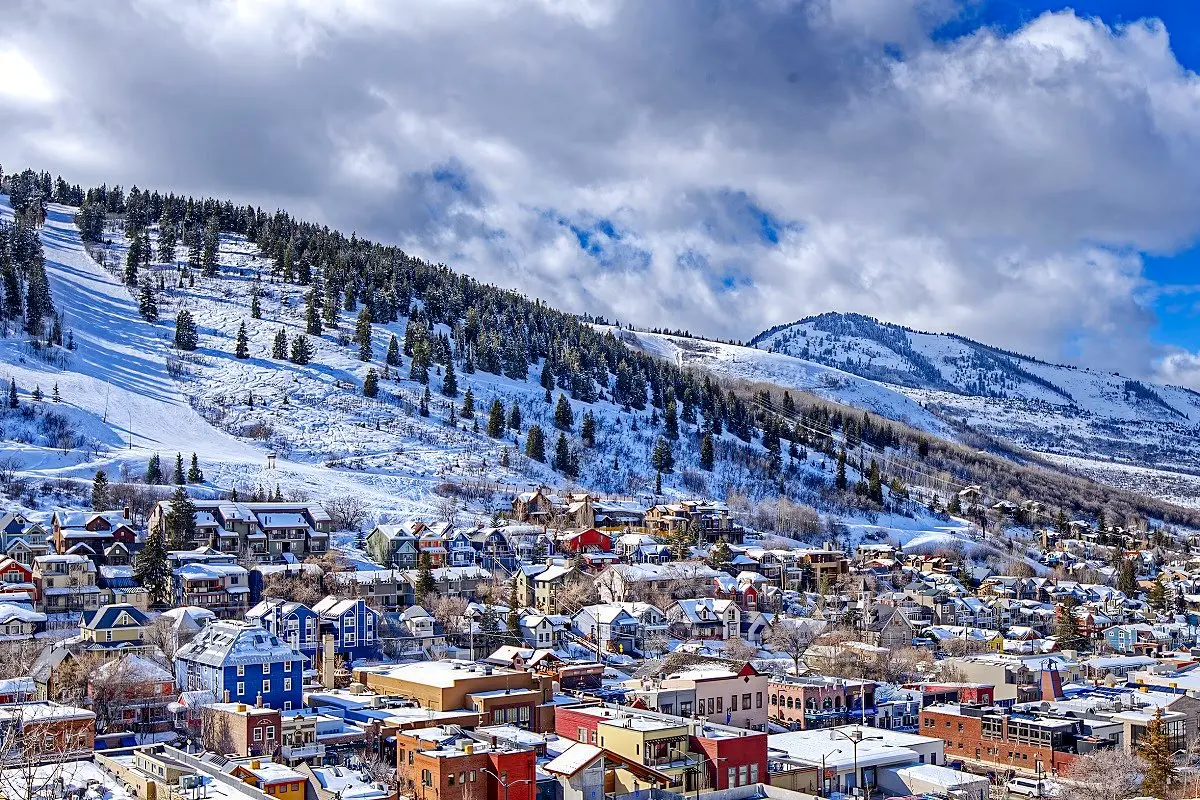
Park City may be best-known as a skiing mecca, but even non-skiers find plenty to enjoy. Its historic Main Street is lined with timber-frame boutiques, art galleries and cafés. Families and couples alike can wander under holiday lights, watch live music or catch a film. (The famous Sundance Film Festival brings international cinema to town every January.) The Park City Museum and local theater give visitors a dose of history and culture. All this mountain-town charm is set against snowcapped peaks.
Outdoor activity options are still abundant without skis. Several outfitters rent fat-tire bikes that shred groomed snow trails, and Woodward Park City offers multi-lane tubing hills (race down winter sled tracks on inflated tubes). For a classic “sled dog” experience, teams of huskies blast through the nearby Uinta foothills – one operator promises “incredible mountain views” during the ride. Adventurers might also try a snowmobile tour into the backcountry, where aspen forests and high meadows open up to open vistas.
Park City’s lodging and dining scene is upscale. Deer Valley and Montage Deer Valley serve non-skiers too: guests can take a scenic gondola ride for dinner or soak in a spa with panoramic views. Downtown hotels (Marriott, Stein Eriksen Lodge, etc.) offer ski-in/ski-out convenience and heated pools. Boutiques sell everything from designer ski clothing to local art, and the restaurant scene runs from gourmet steak houses to cozy breweries. Foodies will find hearty comfort food and inventive mountain cuisine after a day of sightseeing.
Best Time to Visit: The holiday season (late December) is festive but crowded, and Park City buzzes with film-industry energy during Sundance (Jan 21–31, 2026). For quieter stays, try February–March, when lodgings often drop rates and the snowpack remains deep. Summer and fall are also lovely: gondolas and hiking trails stay open into autumn. Overall, winter scenery lasts December through March in these mountains, so planning around crowds and budget is key.
Stowe, Vermont – Classic New England Charm

Northern Vermont’s Stowe is a picture-postcard winter town with a distinctly Austrian twist. The Trapp Family Lodge (established by the Von Trapp family of Sound of Music fame) crowns the slopes above town, and its 2,500 acres of groomed trails make for excellent cross-country skiing and snowshoeing. In town, a white-steepled church and covered bridges evoke old-world New England. Visitors can sip hot cider by the fire or explore the village’s shops and galleries – all without strapping on skis.
That said, Stowe has plenty of snow sports for everyone. The Stowe Mountain Resort ice rink (Spruce Peak) is open for public skating and even pond hockey. Snowmobiling companies run guided tours along forested trails and meadows above the valley. Back in town, Stowe’s award-winning spa resorts offer massages and warm baths – for instance Topnotch Resort’s spa is a popular retreat. On bitter nights you can also curl up in a brewpub or catch a play at the local performing arts center.
Stowe’s downtown is sprinkled with boutiques and Vermont craft stores, plus a lively craft brewery scene. (The Alchemist brewery, just outside town, attracts beer fans to taste its famous Heady Topper IPA.) Maple-sugar snacks, artisan chocolate and hearty tavern fare round out the culinary scene. The annual Stowe Winter Carnival each January (with ice sculptures, ski jump demonstrations and street fairs) adds festive fun for families.
Best Time to Visit: Stowe is picturesque from December through March. Early winter (November–December) sees fresh snow and cozy lodges lighting up for the holidays. The Winter Carnival usually falls in late January. By late winter (February–March), rates tend to be lower and the crowds fewer, though powder days still occur. Mid-spring melts the lower trails by April, so for snow play Stowe’s prime season is roughly New Year’s through early March.
Jackson Hole, Wyoming – Wildlife and Western Heritage

Framed by the jagged Tetons, Jackson Hole is a gateway to Yellowstone and a mecca of winter wildlife viewing. The town’s tourism site calls it “a premier winter destination for skiers and non-skiers alike,” situated at Grand Teton and Yellowstone’s southern edge. Even without skis, you can embrace the Rockies: local outfitters offer snowmobile tours into Yellowstone to see frozen geysers, or horse-drawn sleigh rides into the adjacent National Elk Refuge. One guide suggests you can even dog-sled to Granite Hot Springs at the base of Jackson Peak. This frontier flair (cowboy culture, bison and elk) is part of Jackson’s draw.
In town, the famous elk-antler arches in Town Square frame a seasonal outdoor ice rink. Nearby, horse-drawn sleighs carry visitors onto the Elk Refuge, where hundreds of elk graze on the cottonwood flats – guides on these tours recount local lore around a campfire mid-ride. Art galleries and western shops fill Jackson’s center – think leather goods, wildlife art, and rugged parkas – so afternoons can be spent browsing historic saloons or a museum dedicated to the Mountain West.
For a truly warming finale, consider one of Jackson’s hot springs. Granite Hot Springs and the Astoria Hot Springs lie within an hour of town; their steamy mineral pools are open year-round. Bathers often remark on soaking under snow-laden pines, sometimes spotting elk grazing nearby. Lodging ranges from rustic cabins to the high-end Four Seasons (which offers spa days for non-skiers), and dining includes hearty American fare as well as upscale mountain cuisine.
Best Time to Visit: Peak winter (December–February) offers reliable snow for sleighs and snowmobiles, and longer nights for aurora watching. Spring break (March–April) can be slightly warmer and still snowy. Late winter often has the best wildlife sightings (elk calving occurs in spring). Note: Jackson can get very cold with Arctic fronts, so bring warm layers. Summer and fall also draw visitors for hiking, but for full snow activities late December through February is ideal.
Banff, Alberta – Canadian Rockies Majesty

Nestled in the heart of Banff National Park, this resort town is the image of a winter mountain village. Towering peaks rise around a compact downtown, and the main streets feel insulated by snow. One tourism guide describes Banff’s winter as nothing “less than glamorous and exciting – it’s also magical”. The air is crisp and clean, and each viewpoint (like Bow Falls or Lake Louise) looks as if plucked from a postcard.
Beyond skiing, Banff is packed with winter attractions. In nearby Johnston Canyon, steel catwalks carry hikers past frozen waterfalls – a “stunning adventure” made even more serene in winter. Back in town, the Banff Upper Hot Springs are world-famous: the large outdoor mineral pool stays open at 37–40°C, letting visitors soak under snowy pines (it was discovered in 1883 and is Alberta’s oldest spa). Mountain breweries and distilleries help round out an alpine day, such as the Bow Valley’s Park Distillery, where you can tour and sip bourbon overlooking the Bow River.
Adventure operators here take full advantage of the snowy terrain. Husky sled tours run through the spruce forest, and fat-tire biking on winter trails is becoming popular. (Like many cold resorts, Banff also has a seasonal ice skating rink downtown.) For a quiet cultural break, stop by the Whyte Museum of the Canadian Rockies or browse the boutique shops on Banff Avenue. Lodging options range from rustic lodges to luxury spas (the Fairmont Banff Springs, for example, pampers guests with elaborate spa treatments and fine dining).
Best Time to Visit: Banff has snow from late November through April. December and January have deep snowbanks and holiday decor – book early if staying in a castle-like hotel over Christmas Eve. By late February or March the days lengthen (ideal for exploring ice caves), and shoulder-season rates drop. Note that winter blizzards can arrive suddenly, so build in flexibility. For those chasing the Aurora Borealis, Banff’s latitude means it sees little aurora – better to head further north in Canada or Scandinavia for lights.
Quebec City, Quebec – European Flair in North America

Cobblestone streets, ornate iron lanterns and a grand château give Quebec City an old-world European ambience in midwinter. The UNESCO-listed Old Town, enclosed by 17th-century stone walls, is especially picturesque under snow. Bold signs advertise French-Canadian comfort foods (poutine, tourtière and maple treats), and cozy bistros line Rue Saint-Jean. Meanwhile, the stately Château Frontenac looms over the frozen St. Lawrence River.
What’s more, Quebec City throws a winter party like no other. Each January it hosts the Carnaval de Québec, a festival of ice sculptures, parades and snowy games attracting hundreds of thousands of visitors – it was once the world’s largest winter carnival. Families can ride in horse-drawn sleighs to the city’s huge ice palace on Place D’Youville. Just outside town, the famous Hôtel de Glace is North America’s only ice hotel – it is rebuilt from ice and snow each year, complete with themed suites and even an ice chapel.
Exploring on foot is a joy: stroll the rue du Petit-Champlain, visit Notre-Dame Basilica, or shop for moccasins and wool sweaters on Rue Saint-Paul. Warm up in a local spa, or sample craft beer at a brewpub. (The city is also near Montmorency Falls Park: here an 83m cascade rivals Niagara and freezes solid in winter. A cable car and suspension bridge offer breathtaking winter views.) The city frequently holds Christmas markets, outdoor concerts and skating events, so there is always something festive to enjoy around town.
Best Time to Visit: For full winter spectacle, aim for the holiday season and the Québec Winter Carnival (late January/early February), when illuminated streets and events abound. January and February mornings tend to be the coldest (often below –15°C), and by late winter the snow cover is at its peak. March can warm up slightly with longer days, but there is still snow on the ground. The city also celebrates New Year’s with fireworks over the river, so winter nights have plenty of sparkle.
European Winter Escapes
Zermatt, Switzerland – Matterhorn Views Without Skiing

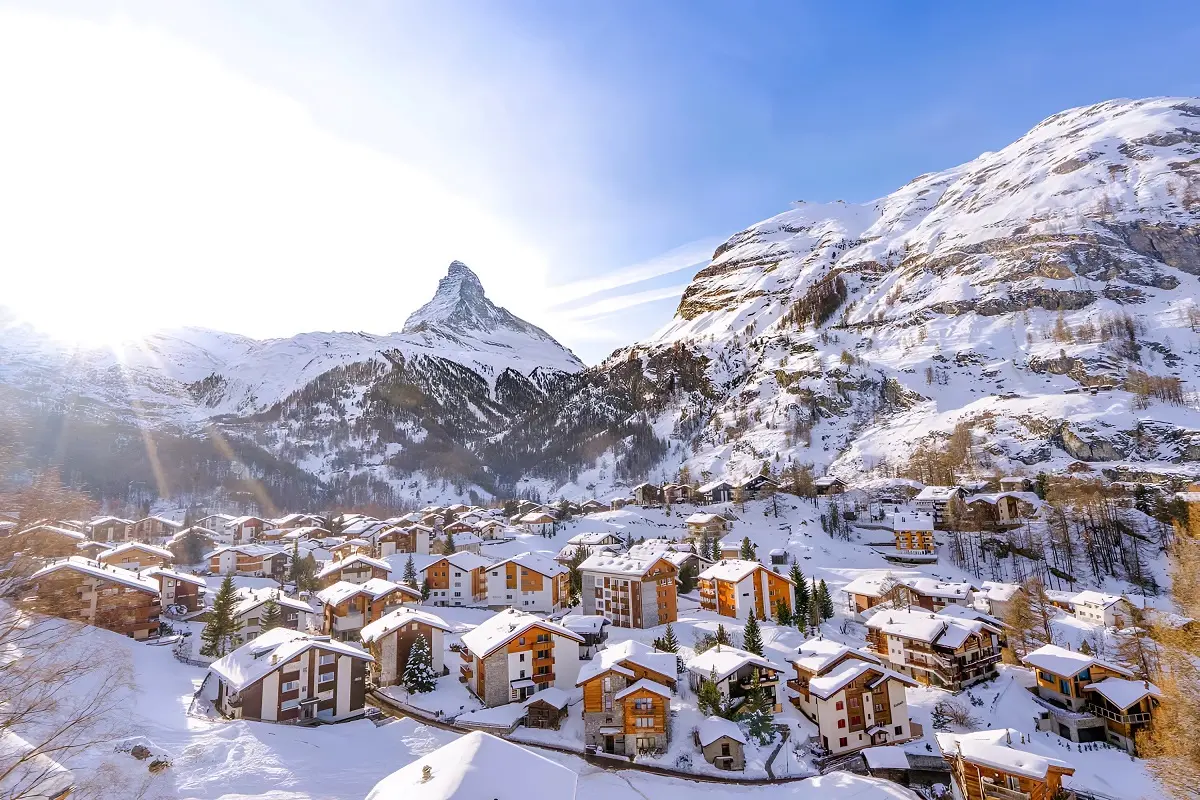
Zermatt sits amid soaring Alpine peaks with one of the world’s most iconic summits above it: the Matterhorn. This car-free village has a cozy chalet vibe, with wooden hotels, gabled rooftops and smoke curling from chimneys. Its main street (Bahnhofstrasse) is pedestrian-only and lined with high-end boutiques, chocolate shops and Swiss watches. Evenings in Zermatt can be spent sampling fondue or mulled wine next to a wood stove, with the Matterhorn looming just outside the window.
For an unforgettable view of the Matterhorn, ride the Gornergrat Bahn up to 3,000m. The journey in an open-sided train crosses old stone viaducts and tunnels, and the summit station’s observation terrace truly delivers what a guide calls “the most incredible view of the Matterhorn”. On a clear day from here one can see dozens of Alpine peaks. Back in town, visitors can also take the Rothorn or Sunnegga lifts for additional vistas.
Cultural and relaxing options abound. The Matterhorn Museum Zermatlantis delves into local history and mountaineering triumphs. Snowshoe rentals and marked winter hiking paths leave directly from the village. Zermatt even has an outdoor ice rink in the park, plus wellness spas for après-snow lounging. Luxury hotels such as the Mont Cervin Palace and The Omnia offer hot tubs and piano music to enjoy in the evening.
Best Time to Visit: Zermatt is essentially open year-round. Winter months (November–March) bring deep snow and superb winter hiking. Festival weekends (New Year’s, summer mountain music) can pack the town, so mid-winter weekdays are quieter. Spring and fall (April–October) see milder weather but some lifts may close. The Matterhorn’s peak is often in sun even when the village is snowy, making any cold day scenic.
Reykjavik, Iceland – Northern Lights and Geothermal Wonders

Reykjavik is a small, colorful seaside city on a volcanic island – and a premier winter base for Arctic adventures. Its biggest draw is the hot springs, notably the Blue Lagoon (just a half-hour drive from downtown). At the Blue Lagoon one can “relax under a moonlit sky, submerged in warm, mineral-rich waters that shimmer amid a stark, icy landscape”. True to form, the lagoon “remains open throughout the winter”, with the seawater tempered to 37–40°C by geothermal heat. Nearby is the Sky Lagoon, a new oceanfront infinity pool where warm geothermal waters lap against the North Atlantic – visitors can float in hot tubs while gazing over the ocean cliffs.
When night falls, Reykjavik often becomes a vantage point for the Northern Lights. In clear winter skies, green and pink auroras may dance above the city or out at the dark Reykjanes peninsula. (Many tours depart from Reykjavik for aurora hunts.) Even if the lights are absent, the city’s long winter nights are offset by festive lights on Laugavegur street and events like the annual Winter Lights Festival.
Within downtown, museums and cuisine keep visitors busy in any weather. The Harpa Concert Hall’s glass facade is an architectural highlight, and the nearby Perlan dome offers a 360-degree city view. Seafood pubs and Icelandic bakeries offer hearty fare (try the famous lamb soup or rye bread baked on hot lava). Reykjavik also has thermal pools of its own – the Laugardalslaug pool complex even opens after dark with a lighted water slide. Altogether, Reykjavik proves that winter in Iceland combines otherworldly landscapes with warm city comforts.
Best Time to Visit: December through March sees the best aurora chances, but also the most darkness (December has only ~4–5 daylight hours in Reykjavik). The Blue Lagoon is at its most atmospheric after a snowfall. To balance weather and light, many travelers aim for February–March. Note that the weather can be wild: winds and blizzards can arise suddenly. If visiting well outside city festivals (December’s Christmas markets and January’s culture week), plan for possible weather delays.
Hallstatt, Austria – Fairytale Village in Snow

The hamlet of Hallstatt is straight from a storybook: it’s framed by steep mountains and overlooks a glassy alpine lake. Wooden houses and churches cluster along the waterfront, and horse-drawn carriages still use the narrow lanes. UNESCO designated the whole Hallstatt–Dachstein region a World Heritage site, praising its “natural landscape of great beauty and scientific interest”. Indeed, this landscape was shaped by salt mining for 2,500 years – the very name Hallstatt means “salt town.”
Visitors here often tour the Hallstatt Salt Mine on the adjacent mountain (slides and trains take you into 5,000 years of mining history). The mine even has a subterranean viewing platform and ice sculptures when open. Above town, a funicular leads to the Hallstatt Skywalk (an observation deck about 350m up) offering postcard views back toward the lake and village. Nearby the Dachstein ice caves and Krippenstein peak can be reached for even higher panoramas.
Winter in Hallstatt is quiet and beautiful. Snow muffles the mountains, and the town’s lights glow on the ice-spattered lake. One popular stroll is the winter wonderland walk around the frozen lakeshore. The ossuary (bone chapel) in town is an eerie highlight, though it often closes in winter. After a day of sightseeing you’ll likely relax in a guesthouse with views of frosty forests and the spire of Saint Michael’s Church rising above the mist.
Best Time to Visit: Hallstatt’s winter scene is peaceful but can be very cold and dark; it receives heavy snowfall at times. December and January usually have the fullest snow cover (though check if tours like the salt mine are running in deep winter). Spring sees wildflowers and fuller daylight. For the quintessential snowy postcard shot, aim for just after a fresh snowfall on a clear day so that the village’s reflection sparkles on the lake.
Rovaniemi, Finland – Official Home of Santa Claus

Rovaniemi is the capital of Finnish Lapland, and in winter it embraces all the Arctic clichés. The town sits directly on the Arctic Circle, and dozens of attractions play up the “North Pole” branding. Most famously, Santa Claus Village proclaims Rovaniemi as Santa’s official hometown. Here you can visit Santa year-round, send postcards from the Arctic Circle post office, and even stand with one foot in each hemisphere. The village is also home to reindeer farms – you can climb into a wooden sleigh pulled by reindeer and glide through the snowy forest.
Beyond the Santa hype, Rovaniemi is prime aurora territory. During the long polar nights (peak season September through March), tour operators take visitors out of town to watch for the Northern Lights. Indeed, local guides note that Rovaniemi’s latitude and low light pollution make it ideal for seeing the aurora in winter. Another top adventure is a husky safari: tourists can hook up with a team of huskies and race across snowfields. Other classic Lappish pastimes here include snowmobiling and even ice-fishing on frozen lakes.
In the small city itself, you’ll find modern comforts to warm you. The Arktikum Museum offers interactive displays on Sámi culture and Arctic nature. Plenty of local design boutiques and artisan craft shops line the pedestrian streets of the city center. Cozy restaurants serve reindeer stew, salmon soup and other Nordic comfort food to refuel after the cold.
Best Time to Visit: Rovaniemi’s true winter season runs roughly November through early March. Christmas-themed events and daylight start to ramp up by mid-December, and by January–February you have full-on winter nights (with optimal Northern Lights potential). Temperatures often plunge well below –20°C, so adequate cold-weather gear is essential. Spring (late March–April) brings the Midnight Sun (24-hour daylight) and milder daytimes, but if you want snowy activities you should stay before the spring equinox.
Bruges, Belgium – Medieval Winter Romance

Bruges is a gorgeously preserved medieval town whose old center is a UNESCO World Heritage site. Its cobbled Markt (market square) and winding canals feel frozen in time. Gray-steepled church towers rise above tile-roofed brick houses, and historic stone bridges carry footpaths over quiet water. In winter Bruges wears a postcard charm: twinkling lights decorate the Grote Markt and surrounding lanes, and an ice rink is often set up on the square.
The city is famous for chocolate, lace and beer – indoor pursuits that are perfect after a frosty stroll. Warm chocolate and waffles can be savored in cozy cafés. (Chocolatiers and chocolate museums abound, given Bruges’s pride in Belgian chocolate.) Bruges is also a true beer-lover’s town, with dozens of pubs pouring Trappist ales and local brews. Those who enjoy history will relish climbing the 366 steps of the Belfry tower, or touring the Basilica of the Holy Blood with its ornate altarpiece.
Outdoor activities center on the canals and the surrounding Flemish countryside. Horse-drawn carriage rides are offered in front of the historic buildings, and canal boat cruises operate year-round if the weather allows. A short drive away is the medieval city of Ghent, with its own festival calendar.
Best Time to Visit: December is popular for Bruges’s Christmas Market (lighting usually up by late November), when the town is beautifully lit and shops stay open late. January is quiet but cold. February can bring more rain than snow, but late-winter light (after Valentine’s Day) often highlights the canals. Because Bruges rarely freezes hard, it’s always worth a visit outside tourist crowds: late fall or early spring can showcase the city’s architecture without the winter chill.
Unexpected Winter Gems
Sedona, Arizona – Red Rocks in Winter

In northern Arizona, Sedona’s desert landscape remains spectacular under a dusting of snow. At 1,350m elevation, Sedona has moderate winters: average highs in winter still reach around 50–60°F (10–15°C). Spas and resorts abound here, taking advantage of the mild climate and dramatic red-rock scenery.
Outdoor options are diverse. Adventurers can hike or bike through the slickrock trails (many routes stay snow-free), or soar in a hot-air balloon over the canyons. Organized off-road Jeep tours and guided horseback rides explore Slot Canyon and Oak Creek Canyon in winter. Sedona is also known for its New Age and spiritual retreats: meditation workshops and vortex tours make a winter visit as much about inner quiet as outdoor adrenaline. Golf courses and parks remain open, and seasonal wine-tastings in the Verde Valley add another layer to a Sedona winter.
Best Time to Visit: Winters are dry and sunny, making outdoor plans very feasible from November through March. December may see light snow at the highest ridges, but it usually melts quickly. Spring (March–May) brings wildflower blooms against the rocks. Summer can be very hot, so winter is actually prime season for hiking here. Because Sedona is popular year-round, consider late-winter weekdays for lighter crowds.
Charleston, South Carolina – Southern Winter Charm

In Charleston the winter weather rarely dips below freezing. Daytime highs often reach the upper 50s–60s°F (15–20°C) even in December. This means winter is perfect for strolling the historic Battery and pastel-colored houses without summer heat. The city’s grand old plantations and gardens, like Magnolia Plantation, still keep winter blooms and attract migratory birds.
Wander the cobblestone streets and heritage sites virtually crowd-free: January through March are “relatively quiet months in Charleston”. Local breweries, art galleries, and cozy taverns can all be enjoyed without the summertime rush. Seafood is a highlight in winter – it’s actually oyster season (tradition says eat oysters only in “R” months), so Lowcountry oysters, shrimp and crab chowders appear on many menus. The city also hosts food and wine events (like January’s Taste of Charleston) and smaller winter festivals, giving travelers indoor fun to complement the mild weather.
Charleston is as much about atmosphere as about adventure. Visitors take carriage tours through the Gaslamp Quarter or music cruises on the harbor. Historic churches light candles for Epiphany celebrations in January. Many days are spent window-shopping on King Street or sipping cocktails by a fireplace in a historic inn.
Best Time to Visit: The winter shoulder season (November and March) offers lower hotel rates and mild weather (though occasional rain). December brings festive holiday decorations and mild crowds, especially around Christmas lights on King Street. If you love oysters and culinary events, consider visiting during the annual Taste of Charleston festival (late January). Since summer (June–August) is very hot and humid here, winter touring is often more pleasant and affordable.
Big Sur, California – Dramatic Coastline in Winter

Big Sur’s coastal cliffs remain open to winter visitors and offer a stormy beauty of their own. The rugged Highway 1 drive between Monterey and San Simeon is scenic even in rain: waterfalls cascade down the mountains right onto the highway. One of the season’s big draws is whale-watching. Big Sur’s deep ocean shelf attracts migrating whales exceptionally close to shore – indeed, the area is described as “a prime spot for whale watching”. Gray whales migrate along this coast from December to April, often visible from headlands or even out the windows of small boats.
On land, winter offers dramatic views at the beaches and trails. Pfeiffer Big Sur State Park is open year-round, as are popular spots like McWay Falls (a short park where a waterfall meets the sea) and Bixby Creek Bridge (an iconic arch bridge over the surf). Camping and cabin resorts stay open, and some shops and restaurants (such as Nepenthe) operate year-round with fireside dining. The Pacific Ocean is very cold in winter, so swimming is rare, but visitors can sometimes spot passing humpbacks and blue whales in late spring and early summer if they linger.
Best Time to Visit: Winter rains turn Big Sur lush but occasionally close mudslide-prone roads. December–February evenings offer prime whale-spotting at the coast pullouts. Spring (March–April) still has whales migrating and more open hiking trails as the rains taper off. To avoid crowds, consider midweek visits in January or February; note however that some lodgings and campgrounds reduce winter staffing, so check ahead. Big Sur’s storm season lasts roughly November–April, but clear breaks in the weather often reward early morning overlooks with double rainbows over the ocean.
Asheville, North Carolina – Mountain Arts and Culture

Asheville sits in the Blue Ridge Mountains, offering winter mountain views without extreme cold. Its most famous attraction is the Biltmore Estate, a 250-room Vanderbilt mansion that turns into a holiday spectacle in winter. The Christmas display at Biltmore includes over 25,000 ornaments and 100,000 lights, draped on dozens of trees. Beyond the house, Biltmore’s 8,000-acre grounds (which include gardens, a winery and a farm) are peaceful under snow and have even a small winery tour.
Downtown Asheville is known for its arts and food scene. More than a dozen craft breweries are concentrated in the South Slope district alone, and local pubs create winter brews and festive beer styles. Working artists’ studios and galleries cluster in the River Arts District and the Grove Arcade. The Blue Ridge Parkway provides scenic winter drives through fir forests (most overlooks stay open unless heavy snow blocks the road). The surrounding mountains often see light snow, so on clear days one can glimpse the ridge line in the distance.
For history and shopping, visitors can also explore Asheville’s Art Deco city center or venture to nearby Chimney Rock State Park, where a skywalk offers high-mountain views above a frozen waterfall. Warm Southern hospitality makes even a chilly day feel cozy – think farmers markets under canopies, local cider tastings, and farm-to-table dinners beside crackling fireplaces.
Best Time to Visit: Asheville is enchanting in December, when the Biltmore lights are on display and holiday festivals occur. The downtown area gets mild winter weather (30–50°F in daytime) and very few snow days. Spring and autumn also highlight the forests in color. The city can be busy on weekends and during fall festivals (Oktoberfest, Bele Chere), so winter weekdays can be the most relaxed time to explore.
Taos, New Mexico – High Desert Winter

Taos is a high-altitude desert town – often having cool, sunny days and very crisp nights – where adobe buildings and art galleries replace ski slopes as the main attractions. Taos Pueblo, just outside town, is the only community in the U.S. listed as a UNESCO World Heritage site. Its earthen towers (multi-story adobe homes) and painted churches are bright against snow. The Pueblo runs tours and artisans sell handmade pottery and textiles.
The town of Taos itself has earned a reputation for art. It has “one of the nation’s best small-town art scenes,” with dozens of galleries and studios. Visitors can see Native American, Hispanic and modern art all within a few blocks. (The Millicent Rogers Museum and Harwood Museum showcase regional crafts and paintings.) After gallery-hopping, travelers often warm up with southwestern cuisine – New Mexican green chile stew, enchiladas and blue corn pancakes are winter staples here.
For an outdoor addition without skiing, Taos has trails for snowshoeing in the Sangre de Cristo foothills, and a famous nearby resort (Taos Ski Valley) offers snowcat tours and an alpine sun deck for non-skiers. The Rio Grande Gorge Bridge, south of town, makes for a dramatic winter photo spot over icy river rapids. A bit further afield, Ojo Caliente is a hot springs spa open year-round – soaking in mineral pools amid snow-covered pines is a Taos winter ritual.
Best Time to Visit: Taos is far inland and can be very cold in December–January (often below 0°F overnight), but it’s also very sunny. For maximum sun and snow, February and March are ideal (and the town celebrates at the Taos Pueblo’s esquí event in March). Autumn is spectacular with golden aspens, and spring wildflowers can appear as early as April. Because of its altitude, bring plenty of warm layers on any winter trip here.
Essential Winter Activities for Non-Skiers
Winter resorts and mountain towns have become adept at offering broad activities beyond skiing. Adrenaline seekers might try snowmobiling or dog-sledding: local outfitters in places like Jackson Hole or Park City shuttle you into the backcountry on snowmobiles or let a team of huskies tow your sled. Many national parks and private ranches host guided wildlife tours and snowshoe treks, ideal for seeing elk, bison or reindeer on foot. A fan favorite is snowshoe hiking; nearly every cold destination rents snowshoes for easy trips on flat trails, often through silent forests or along mountain ridges.
In resort towns the options multiply. Ice climbing is on offer in places like Banff or Colorado’s Ouray Ice Park. Non-ski lifts are still fun: several ski areas open their gondolas and observation decks to sightseers. Fat biking (mountain biking on fat tires) has also boomed – Park City’s tourism site even highlights fat-biking groomed winter trails as a way to explore the snowy woods. Many resorts build tubing hills and cross-country ski tracks for families, so even young kids can enjoy the snow without skiing. And towns often set up ice rinks in central squares.
Beyond active pursuits, winter is prime time for wellness and relaxation. Warm mineral baths, saunas and heated pools beckon. In the Alps and Rockies, hot springs resorts (e.g. Banff’s Upper Hot Springs) and spa hotels curate candlelit massages and frothy hot-chocolate service. Many travelers schedule ski-free wellness retreats here, choosing yoga classes, meditation and spa therapies over mountain sports.
Cultural experiences also burst with winter-specific color. Historic towns often host Christmas markets, light festivals and holiday concerts. For instance, Quebec’s Winter Carnival draws nearly a million visitors with ice sculptures and parades, while Bruges and Prague glow under festive lights. Museums and historic tours become more pleasant without summer heat or crowds. Food festivals emerge (like Charleston’s oyster fests or German Glühwein markets), so culinary travel becomes a highlight. Whether it’s a reindeer sleigh in Lapland, a soak in a snowy Finnish sauna, or a night under aurora-filled skies, winter destinations reward curiosity — even on days when the skis stay in storage.
Planning Your Non-Skiing Winter Vacation

When to Visit Each Destination: Timing can make a big difference in weather and crowds. Northern mountain towns (like Banff or Jackson Hole) freeze solid in midwinter but also offer reliable snow. Early winter (December) typically brings fresh snowfall and festive cheer, though rates may spike for holiday weeks. January and February have long nights and often offer lower resort prices (though temperatures can be subzero). Coastal and southern cities (like Charleston or Sedona) remain mild most of winter, so they’re pleasant as soon as November. For ski-village destinations, look for off-peak deals: midweek stays and late-January weeks often see discounts on lodging and restaurants. Align your schedule with local events: Quebec’s Winter Carnival or Banff’s Ice Magic Festival happen in specific weeks and can make a trip special. If chasing the Northern Lights, plan for the darkest months (late fall through early spring).
What to Pack: Layers are the name of the game. Start with thermal underwear and wool socks, then add an insulating layer and a waterproof outer shell. Pack a warm coat, hat, scarf and gloves; even Arizona’s deserts can drop to freezing at night, and mountain elevations are always cold. Sturdy waterproof boots or hiking shoes are strongly recommended (ice cleats or traction devices can help on slippery trails). Sunglasses and sunscreen are useful even in winter: UV rays reflect off snow. Bring a good moisturizer, and consider a small flashlight or headlamp if you’ll be out after dark (for example, northern cities may have very short daylight hours). Also pack a portable charger (battery life falls in cold) and basic first-aid items. Many travelers find hand warmers and lip balm become essential, especially for high-elevation or Arctic outings. In short, prepare as you would for cold hiking – but you may not need skis!
Budget Considerations and Money-Saving Tips: Not skiing saves on lift tickets and gear rentals, but lodging, meals and transportation often dominate costs. To save money, travel in January or March (off-peak winter) and hunt for hotel deals. Some ski resorts slash midweek room rates in winter, and nearby towns (e.g. Ogden for Park City, Lewistown for Yellowstone) may offer cheaper stays with a short drive to attractions. Look for bundled packages: for instance, some mountain resorts sell lodging + spa or tubing deals in winter. Eating wisely helps too: stock a few groceries if you have kitchen access, or try local markets and food trucks, which can be cheaper than sit-down restaurants. If renting a car in the mountains, book early to avoid seasonal surcharges. Finally, always compare flight or train options: traveling just outside holidays can yield better fares. A bit of planning ensures you can enjoy a rich winter vacation without breaking the bank.
Frequently Asked Questions
Are ski resorts worth visiting if you don’t ski?
Ski resorts often offer much more than downhill runs. Many have on-site activities like snow tubing, sleigh rides, ice rinks and spas – amenities for all tastes. In fact, travel guides emphasize that winter travel can be just as magical off the slopes. For example, Quebec City’s winter charms “do not require downhill pursuits,” and several mountain towns now design resorts with abundant non-ski programming. So yes – if you focus on the alternative activities (and most on our list provide them), it can be fully worth a visit even if you skip the chairlift.
What is the best winter destination for families who don’t ski?
Family trips thrive on events and attractions. Quebec City is often recommended – its grand Winter Carnival with ice slides, parades and outdoor games delights all ages. Asheville, NC, is another top pick: the Biltmore Estate’s Christmas display and children’s museums or aquariums can fill days. Among milder climates, Sedona, AZ, works well too, since it rarely gets too cold; one guide notes Sedona’s “moderate winters” let children enjoy outdoor sites comfortably (many resort pools stay heated). Rovaniemi, Finland, is a winter wonderland for kids (Santa Village, husky sleds), though it is very cold. Ultimately, look for places with festivals or easy outdoor fun, not necessarily ski activities.
How much cheaper is a winter vacation without skiing?
Costs vary widely, but skipping skiing usually saves the price of lift tickets (often $50–$100 per person per day) and rental gear. Other expenses (lodging, transportation, meals) remain similar. Some travelers find that winter lodging deals are actually better after the holidays. In practice, non-skiers mainly save on equipment rentals and passes; you can use those savings to splurge on activities like sledding, snowshoeing tours or spa treatments instead. One bonus: groups mixing skiers and non-skiers can redistribute the budget (for example, one person’s ski pass money could partly fund the other’s dog-sled tour).
Can you get resort discounts as a non-skier?
Resort discounts usually target low-demand periods or early booking, not specifically skiing ability. Off-peak specials (midweek or late winter) are common – for example, staying Sunday–Thursday often costs less. Some areas offer day-passes for snowshoe or Nordic trails at reduced rates compared to full alpine lift tickets. The key is timing: ask about January–February deals and compare packages that bundle lodging with activities like hot-spring access or dog-sled tours. Sometimes simply visiting just outside holiday weeks yields big savings, since many people won’t book non-ski vacations during peak ski season.
What winter destination on this list has the best spa facilities?
Several contenders stand out. Iceland’s Blue Lagoon is legendary – a geothermal spa “that remains open throughout the winter”, where you bathe in 37–40°C waters against snowy lava fields (and may even see the Northern Lights overhead). In the Rockies, Banff’s Upper Hot Springs is an iconic outdoor mineral pool. Luxury mountain resorts like Deer Valley (Utah) and the Fairmont Banff Springs also host top-rated day spas. In short, the icy spa of Iceland and the alpine spas of Canada and the western U.S. are hard to beat for winter pampering.
Which destinations offer the most non-skiing activities?
Generally, resort towns with large tourism infrastructure offer the widest range. Jackson Hole and Banff, for instance, have snowmobile and wildlife tours, multiple museums and adventure centers. Park City and Stowe provide extensive Nordic trails, spas and arts festivals. Among cities, Quebec City and Reykjavik are packed with year-round attractions (markets, theaters, culinary tours). In practice, every place listed here was chosen for plentiful winter programs beyond skiing – just pick the one with the scenery and culture that excite you most.
Is travel insurance different for non-skiing winter trips?
Generally, no. Standard travel insurance covers trip cancellation, medical needs, and baggage regardless of activities. However, if you plan high-adrenaline winter outings (snowmobiling, dogsledding, ice climbing, etc.), check that your policy covers adventure sports. Some insurers view winter travel as higher-risk due to weather delays and avalanches, so it’s wise to include a cancel-for-any-reason rider in snowy months. Insuring ski equipment won’t apply if you skip skiing, so you could save a bit there. Otherwise, treat winter trips like any other: ensure health coverage and travel delay protection in case of snowstorms.
What are the warmest winter destinations on this list?
By far, the mildest winters come in the South and desert regions. Charleston, SC averages winter highs in the upper 50s–60s°F, and snow is very rare. Sedona’s days are often in the 50s°F too (its nights can be chilly but daytime sun keeps things pleasant). Big Sur and Asheville, NC, typically avoid freezing temperatures at lower elevations. Even the desert of New Mexico (Taos) stays sunny by day. In short, choose any of the southern or lower-elevation spots (Charleston, Sedona, Big Sur, Asheville) for the warmest winter weather of all these destinations.
Conclusion: Your Perfect Winter Awaits
Winter offers a world of discovery far beyond the ski slopes. This guide has shown 15 places where the season’s chill only adds to the charm – whether through cozy village lights, festive markets, or tranquil wilderness. From the alpine spas of Banff and Zermatt to the sunlit deserts of Sedona and Charleston, every traveler can find a winter getaway that fits their style. The key is embracing alternatives: drifting along a frozen lake on a sleigh, soaking in a steaming hot spring, or wandering through a candlelit winter market. As you plan your trip, weigh each destination’s timing and activities. For instance, time your stay with local events like Quebec’s Winter Carnival or a prime Northern Lights window in Iceland. Pack warmly and seek midweek or off-peak deals to stretch your budget. The perfect winter vacation swaps ski boots for snow boots – it could be snowshoeing in the Rockies, relaxing in an Icelandic lagoon, or exploring a medieval city decked in ice and snow. Embrace the cold and discover the season’s hidden magic.