

Immersive theme-park vacations ignite children’s imaginations and leave lasting memories. Research shows that engaging in play and storytelling together—whether building brick cities or meeting beloved characters—supports child development and family bonding. This guide surveys four standout children’s travel experiences—LEGOLAND parks, Disneyland Resort, Thomas & Friends events, and Barbie-themed accommodations—and explains who each suits best. It emphasizes reliable, up-to-date details: ages and abilities needed, typical costs for a family, and practical tips only a long-time traveler would know. Parents will find insight on timing visits (crowds by season, hour-by-hour pacing) and what to pack or skip.
- Quick Comparison: LEGOLAND vs Disneyland vs Thomas vs Barbie at a Glance
- LEGOLAND: A World of Imagination and Adventure
- World of LEGOLAND Parks
- The Best Age for LEGOLAND (Honest Assessment)
- LEGOLAND Rides and Attractions by Age Group
- LEGOLAND Ticket Prices, Packages & Savings
- The LEGOLAND Hotel Experience: Is It Worth the Premium?
- Insider Tips for Your LEGOLAND Visit
- LEGOLAND for Kids with Special Needs
- Disneyland: World’s Most Iconic Theme Park
- Disneyland Park vs Disney California Adventure: Which for Kids?
- The Best Age for First Disneyland Visit (Research-Based)
- Disneyland Attractions for Kids by Age Group
- Understanding Genie+ and Lightning Lane for Families
- Disneyland Dining with Children: Best Restaurants & Tips
- Disneyland Resort Hotels vs Off-Site: Family Comparison
- Disneyland Ticket Types, Pricing & Discount Strategies
- Hour-by-Hour Sample Itineraries for Families
- Disneyland Accessibility & Special Needs Services
- Thomas the Train: A Journey Through Sodor
- Understanding Thomas & Friends Experiences
- Day Out With Thomas: Complete Event Guide
- Thomas Land (Permanent Attractions)
- Planning Your Thomas Experience: Tips from Parents
- Extending the Thomas Magic at Home
- Barbie Dream: A Journey into Fantasy Hotels
- The Barbie Hotel Phenomenon Explained
- Barbie-Themed Hotel Rooms: Where to Find Them
- What’s Included in a Barbie Hotel Stay
- Barbie Hotel Costs & Booking Strategies
- Is the Barbie Hotel Experience Worth It? (Honest Review)
- DIY Barbie Experience: Alternatives on a Budget
- Other Doll and Character-Themed Hotels for Kids
- Head-to-Head Comparison: LEGOLAND vs Disneyland vs Thomas vs Barbie
- Age-by-Age Destination Guide
- Frequently Asked Questions
- Conclusion: Choosing Your Family’s Perfect Adventure
Children’s themed entertainment parks draw on decades of heritage. Disneyland was Walt Disney’s first park (opening July 17, 1955), while LEGOLAND Billund opened in 1968 as the world’s first construction toy park. Understanding each park’s origins (e.g. Disneyland’s focus on fantasy narratives, LEGOLAND’s on hands-on building) helps explain why they feel so different.
Quick Comparison: LEGOLAND vs Disneyland vs Thomas vs Barbie at a Glance
A busy parent often just needs a fast way to compare. Below is a “60-second matrix” of the four experiences with key metrics (suitable age, budget, visit length). The goal: help you quickly match your child’s interests and family needs to the right brand.
| Feature | LEGOLAND (10+ parks) | Disneyland Resort (CA) | Thomas the Train (Event/Land) | Barbie Hotel Experiences (Hilton, Fairmont, etc.) |
| Age Range (Optimal) | Primarily 2–12 years (best for 4–10) | All ages (ideal 4–10, with toddler-friendly areas) | Typically 2–7 years | Younger children (3–8) and nostalgic teens/adults |
| Child Interest Type | LEGO building, creativity, light rides | Fantasy, characters, storytelling, some thrill rides | Trains, classic engine characters, simple rides | Fashion/fantasy-themed decor and play |
| Typical Visit Length | 1–2 days (plus water parks) | 2–4 days (two parks + resort amenities) | 2–6 hours per event; 1 day if visiting Thomas Land | 1–2 nights (usually an add-on experience) |
| Ticket Cost (family of 4) | ~$200–400 per day (1 adult + 3 kids) | ~$600–800 per day (varies by date, tickets + Genie) | ~$80–$100 total (four family, event ticket + extras) | ~$500–$800 per night (suite with inclusions) |
| Seasonal Peak | Summer holidays; special Brick-or-Treat (Oct) and summer LegoFest | Summer, Spring Break, Christmas; Halloween parties | Spring–Fall weekends; limited runs (mostly spring) | Around release of Barbie movies and summer |
| Best For | Hands-on LEGO fans, budding engineers | Disney buffs, family bucket-list vacations | Young train enthusiasts, preschool parties | Barbie fans, Instagrammable family splurge stays |
| Example Location | LEGOLAND California (Carlsbad, USA) | Disneyland Park + California Adventure (Anaheim, USA) | Day Out With Thomas at Strasburg Railroad (PA, USA) | Hilton’s Barbie Suite (Cartagena, Colombia) |
The table above highlights what makes each special. For example, LEGOLAND bills itself as an active construction park for kids, whereas Disneyland is a world of stories and characters. If a young child loves making things, LEGOLAND’s DUPLO play areas and “My Own Creation” zones will captivate them. If they love princesses and space-adventure, Disneyland (and its two parks) is likely better. Thomas the Train is very niche: a gentle heritage-railride experience often done as a half-day outing. And Barbie hotel rooms are ultra-themed accommodations, fun for a short “fantasy” stay but not a full park experience.
When choosing among parks, weigh your child’s passions. Ask them casually “Do you like to build LEGO cities, or would you rather meet princesses and race on a roller coaster?” Their answer often points the way.
LEGOLAND: A World of Imagination and Adventure

The LEGO® brand’s theme parks focus on building, interactive play and gentle thrills, designed with younger kids in mind. Merlin Entertainments operates over 10 LEGOLAND parks worldwide, each featuring LEGO-built cityscapes (Miniland), DUPLO play zones, Duels of the Dragons, and family coasters. Legoland markets itself as great for 2–12 year-olds (especially 4–10). “Our park is aimed at kids,” one Merlin spokesperson notes, “but parents see that even teens and adults love the creativity on display.” (Indeed, the LEGO movie fans).
World of LEGOLAND Parks
LEGOLAND started in Billund, Denmark (1968) and now includes: California (USA), Florida (USA), New York (USA), Windsor (UK), Billund (Denmark), Deutschland (Germany), Malaysia (Johor), Japan (Nagoya), Korea (Chuncheon), Dubai (UAE), and Legoland Shanghai (coming 2026). Each has local themes: e.g. LEGOLAND Windsor features models of British landmarks, while LEGOLAND Japan has a water park and Ninjago World. Most have on-site LEGO-themed hotels or resorts.
All LEGOLAND parks share core attractions:
– Miniland: Detailed LEGO model cities (often iconic sites built from millions of bricks).
– DUPLO/Castle/Merlin’s Magic (by age): Toddler rides and interactive play in DUPLO-themed areas; Castle zones with gentle coasters; LEGO City with driving schools and family coasters.
– NINJAGO/Adventure: Action-adventure lands for older kids (e.g. NINJAGO World at many parks).
– Water Park: Many LEGOLAND locations include a water park (splash pads, lazy river) – often extra fee or combo ticket.
– Shows & Character Meet: LEGO-themed stage shows and seasonal events (brick festivals, Brick-or-Treat Halloween parties, Christmas fireworks).
The first LEGOLAND (Billund) opened in 1968 in the original LEGO company town. Merlin took over parks in the 2000s. Legoland Windsor (UK) opened 1996 and quickly became the UK’s most-visited theme park in its category (2.43M in 2019).
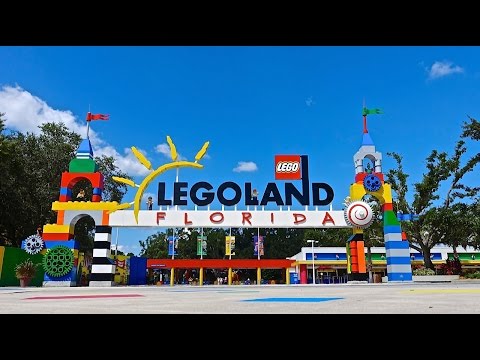
Each park’s website or local tourism office is best for precise info. For example, Legoland California (Carlsbad, USA) lists “Kids tickets from $39” for 1-day entry (with included Sea Life aquarium). Similarly, Legoland Florida (Winter Haven, USA) shows child tickets around $39 and adult $99. (Prices vary seasonally, and deals often apply.) Note: Kids under 3 are typically free at LEGOLAND.
The Best Age for LEGOLAND (Honest Assessment)
LEGOLAND is optimally geared toward 4–10 year-olds. Toddlers enjoy DUPLO playgrounds, mini rides and Duplo basher zones. By 4 or 5, children can ride almost everything (some coasters have 42–48″ height requirements). Older kids (8–12) like bigger coasters and LEGO-building challenges. Teens and adults may find it slower-paced than big amusement parks, though many relish the creativity. If your family’s interest is primarily thrill rides, LEGOLAND might feel light. Conversely, for a preschooler who loves LEGOs, even visiting Miniland and DUPLO Splash Garden can make for a whole day.
A long-time LEGOLAND cast member notes, “We see repeat visitors. First-timers with 4–8 year olds get wide-eyed at Miniland and the Build-A-Boat experience. Grandparents often remark it’s just the right pace – not too intense, but plenty of creativity.”
LEGOLAND Rides and Attractions by Age Group
- Toddlers (2-4 years): Duplo Train, Fairy Tale Brook boat ride, Lost Kingdom Adventure (laser ride with gentle pace). Toddler areas like Duplo Playtown and Splash Safari (water play). Many “my first roller coaster” rides (slow, short).
- Preschool (4-6): Kid-powered adventures like Driving School, Resort-wide build zones, and Safari Trek. Moderate coaster Dragon’s Apprentice (with an 82cm/32″ height min in Windsor). LEGO 4D movies and shows.
- Elementary (7-12): Full LEGO driving license courses (go-carts), larger coasters (Dragon or Ninjago Ride, requiring ~42″), NINJAGO World’s interactive rides and challenges. Miniland Scavenger Hunts often engage this age.
- Everyone: Every park has unique building exhibits (e.g. space stations, LEGO robots), plus daily character parades (like LEGO Pirate shows, seasonal Star Wars/build heroes meet-ups).
Exact height requirements vary by park; consult the local site. For example, Legoland Florida’s website notes children under 2 get free admission, and the park “is geared for kids 2–12”.
LEGOLAND Ticket Prices, Packages & Savings
A typical family of four (2 adults + 2 kids) might spend $200–$400 on park admission and extras per day at LEGOLAND. (Seasonal events or water parks may cost extra; prices rise on peak summer dates.) Parks often run promotions: e.g. 2-day combo tickets, annual passes with hotel packages, or discounts for local residents. Merlin’s official ticket pages show “starting from $39 kids” rates, but confirm exact dates.
Practical Info: At Legoland California, a family 4 single-day park + aquarium ticket purchased online is about $342 (2 adults, 2 kids). Adding the water park or multi-day pass increases total. Always compare multi-day/multi-park deals if visiting more than one day. Annual passes often include free Bring-A-Friend coupons and hotel discounts, which can offset cost if you plan repeat visits or have park-hopper plans.
Arrive early or stay late. LEGO parks are busiest midday; morning and after-nap periods see shorter lines. Check if the park offers “Kids Eat Free” or meal deals to save on dining (many do, with kids’ trays around $5). Bring a refillable bottle; Legoland parks allow external water.
The LEGOLAND Hotel Experience: Is It Worth the Premium?
Most Legoland resorts now have on-site LEGO-themed hotels, with rooms built around LEGO themes (pirate, princess, adventure, etc.) and in-room activities. Benefits include “Early Ride Time” entry and proximity. Room rates are typically 30%–50% higher than nearby non-theme hotels. For example, packages at Legoland California start around $154 per person per night (which includes park tickets and some extras).
Is it worth it? For small kids, staying next to the park can save travel time and allow midday breaks. Hotel rooms include complimentary breakfast and end-of-day mini-disco parties in costume. However, savvy planners often find cheaper lodging minutes away. If budget is tight, staying off-site and spending more time in-park can be better.
During peak season, LEGOLAND hotels sell out early. Book 6+ months in advance if you want a themed room.
Insider Tips for Your LEGOLAND Visit
- Build Time: LEGOLAND promotes creative play. Encourage your child to spend time in free-build zones or the Build & Test area – often overlooked, these let kids race LEGO cars or play with robotics.
- Height Checks: Carry a child’s height chart or check at gate – it helps determine which rides are doable that day. Many parks (e.g. Brick or Treat Halloween) limit children under 5 on certain attractions.
- Special Needs: Like other parks, Legoland offers Rider Switch (if a child can’t ride, one adult waits with them and swaps out after). They also have quiet rooms at major parks. For neurodivergent kids, Legoland’s slower pace and space-themed indoor areas can actually be calming – ask Guest Services for any sensory guides.
LEGOLAND for Kids with Special Needs
LEGOLAND parks are generally accommodating. Merlin Entertainments states that “special assistance cards” are available (similar to Disney’s DAS) to help families navigate long waits. For children on the autism spectrum or with sensory issues, ask about quiet areas (e.g. indoor LEGO playrooms) and use Rider Switch. Uniformed staff at Legoland are trained to assist children with disabilities. Because rides are mostly gentle, many are wheelchair-accessible (though height may still restrict younger kids). Contact the park’s accessibility desk for specifics.
Disneyland: World’s Most Iconic Theme Park

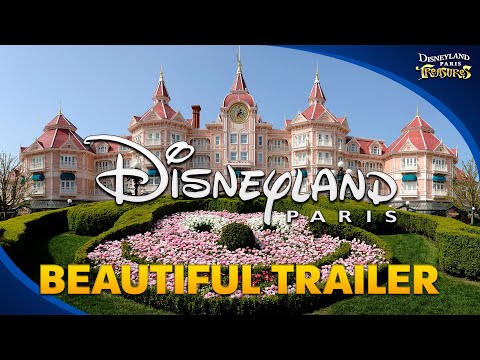
Disneyland Resort in Anaheim, California is the park Walt Disney built himself. It debuted in 1955 and now encompasses two parks (Disneyland Park and Disney California Adventure), three on-site hotels, and Downtown Disney. Unlike the modular feel of LEGO parks, Disneyland’s charm is immersive storytelling: Main Street USA transports you to turn-of-the-century America, Sleeping Beauty Castle gleams above the park, and fireworks and parades animate the night.
Geared for all ages, Disneyland truly excels for children 4–10 while still entertaining older kids and parents. Many attractions (e.g. Peter Pan, Buzz Lightyear, Pirates of the Caribbean) welcome kids who meet height minima (often 40”–42”). Classic rides like the Dumbo the Flying Elephant and it’s a small world are crowd-pleasers for toddlers, while Space Mountain and Guardians of the Galaxy thrill older kids (though 13+ for unaccompanied 12-year-olds). Characters roam freely: meeting Mickey, princesses, and Star Wars heroes is a highlight.
Disneyland Park vs Disney California Adventure: Which for Kids?
- Disneyland Park: Older of the two (opened 1955), it has classic family rides: Carousel, Jungle Cruise, Haunted Mansion, Astro Orbiter. Fantasyland is filled with little-kid attractions, and Frontierland/Pixar Pier has gentle coasters.
- California Adventure (opened 2001): A newer park themed to California and Pixar. Important for families are Cars Land (gentle Radiator Springs Racers, Mater’s Junkyard Jamboree), Grizzly River Run water raft (for hot days), and the Pixar Play Zone. DCA’s Avengers Campus has character encounters (Superheroes meet-ups).
For a first visit with young kids, many families spend Day 1 at Disneyland Park and Day 2 at California Adventure. California Adventure can be less crowded on some days, with more toddler-friendly playgrounds.
The Best Age for First Disneyland Visit (Research-Based)
Experts often say ages 4–7 are prime for Disneyland. Around 4-5, kids remember the experience, can handle a day on feet, and fit most rides. Toddlers (under 3) get in free but enjoy only the gentlest attractions and encounters. In contrast, Disneyland is also enjoyable for 8–12 year olds with more thrill-ride access. Studies suggest childhood is split: a 2021 Disney survey found 80% of parents value imaginative play (Disney’s forte) for development, but logistical challenges rise with toddlers’ naps and shorter legs.
That said, Disneyland continually adds attractions for younger guests. The Fantasyland “Princess Faire” and Pixar’s “Turtle Talk” engage small kids, and Baby Care Centers (free nursing rooms, changing tables) make it manageable for families. Ride Switch program helps parents with smaller children who can’t ride big coasters (Disney’s Rider Switch lets one parent ride while the other waits with the child, then swap without a second queue).
Disneyland Attractions for Kids by Age Group
- Babies/Toddlers (0-3): it’s a small world, King Arthur Carrousel, Enchanted Tiki Room, Finding Nemo Submarine Voyage. Few big rides are suitable, but character meet-and-greets and parades delight toddlers.
- Preschool (4-6): Dumbo, Peter Pan’s Flight, Toy Story Midway Mania! (from DCA), Monsters, Inc. Mike & Sulley to the Rescue! (DCA) are hits. World of Color show (DCA) wows 4+.
- Elementary (7-12): Big Thunder Mountain Railroad, Space Mountain, Star Tours, Guardians of the Galaxy. Also Indiana Jones Adventure. These mix thrills with Disney themes.
- Teens/Adults: While beyond “kids travel,” Disneyland’s Magic and details (Fine dining, photography spots, complex rides) ensure all ages have fun.
Complete height requirement charts can be found on Disneyland’s official site for each ride. For instance, a California Adventure guide notes many child-friendly rides have a 32-inch (81 cm) minimum, easing parents’ minds on entry.
Understanding Genie+ and Lightning Lane for Families
Disneyland’s Genie+ and Lightning Lane system (introduced 2021) lets guests pay to skip standby lines on certain rides. For families, this can cut waits but also costs extra (usually $25–$35/day on top of tickets). The decision to use Genie+ depends on itinerary length and patience. Families with tight schedules or late afternoon arrive times may find it worth buying to ensure kids get on headliner rides. However, for very young kids with limited rides anyway, Genie+ may be less crucial.
Notably, some toddler rides (e.g. Peter Pan, Haunted Mansion) still have long lines even for little guests, so using Lightning Lane strategically (e.g. at rope drop or late afternoon) is key. Disneyland often includes a free “Lightning Lane” entry for certain rides if staying at a Disney hotel.
Book character dining or special experiences (like Mickey’s Storybook Breakfast) well in advance, as they fill quickly. Doing a character meal can save time otherwise spent in meet-and-greet lines.
Disneyland Dining with Children: Best Restaurants & Tips
Eating well keeps kids happy. Many Disneyland restaurants cater to families:
– Quick-service favorites: Red Rose Taverne (toddler mac-n-cheese), Alien Pizza Planet (DCA, pizzas with toy giveaways), Jolly Holiday Bakery (tarts & soups with castle view).
– Sit-down characters: Plaza Inn offers Minnie’s (breakfast) and Mickey’s (dinner) for buffets with characters like Minnie/Mickey, Goofy. Requires advance reservations.
– In-park necessity: Disneyland allows guests to bring sealed snacks and bottled drinks; pack a small cooler for juice boxes, fruit, or allergy-safe foods.
Disneyland publishes ingredient lists and is allergy-aware (many allergy menus exist). Breastfeeding/pumping is fully supported at Baby Care Centers and some restaurants.
Disneyland Resort Hotels vs Off-Site: Family Comparison
Staying at a Disneyland Resort hotel (Paradise Pier, Grand Californian, Disneyland Hotel) has perks: Extra Magic Hour (early park access), proximity to parks, Disney decor in rooms. Families report that children love the immersive themes (e.g. monorail in Disneyland Hotel). Nighttime shows are easier to reach for naps/meltdowns.
Off-site “Good Neighbor” hotels can be cheaper. Some offer shuttles or walking access to parks. The trade-off: losing early entry and the Disney ambiance.
A long-time Disneyland cast member advises choosing on-site hotels during peak seasons (summer/holidays) to beat crowds, but off-site can be more cost-effective during slower months.
Disneyland Ticket Types, Pricing & Discount Strategies
Disneyland tickets are demand-priced by date. As of 2025, a 1-day, 1-park ticket ranges roughly $100–$160 for adults, $95–$150 for kids (3–9), depending on season and weekday. Multi-day tickets and park-hoppers reduce per-day cost. For example, a 4-day ticket may average ~$120/day inclusive.
Kids discount: For summer 2026, Disneyland launched a deal: 1-day Park Hopper tickets for kids (3–9) at about $50. California resident discounts and package deals (hotel+tickets) are also offered periodically.
Practical savings include: – Annual Passes (Magic Key): Good if visiting multiple times/year; includes some free parking and merchandise discounts. (Note blockout dates for passes.)
– Southern California CityPASS: Sometimes bundles 3-day park tickets plus a few other attractions.
– Military/Student discounts: Disneyland sometimes offers special rates to military families or college students via third-party vendors.
Hidden costs: Don’t forget parking ($30+ at resort), stroller rental ($15/day), PhotoPass ~$169, and average meal of $15–$25 per person. Budget an extra 20–30% beyond ticket price for food and extras.
Hour-by-Hour Sample Itineraries for Families
One-Day Disneyland with a Toddler:
Morning: Arrive before park opening (rope drop) at Disneyland Park. Head straight to Fantasyland “its a small world” (usually shortest wait early). Ride Dumbo and King Arthur’s Carousel. Mid-morning snack break (apple slices from Jolly Holiday). Use Baby Care if needed. Late morning: gentle thrills like Autopia (driving school for 3+). Lunch at Plaza Inn (fried chicken meal).
Afternoon: Nap time – either kids rest in stroller or head to hotel. If staying in park, use Rider Switch at Buzz Lightyear Astro Blasters so one adult can ride while other sits with child. Late afternoon: Parade (Main Street Electrical or Pixar Play Parade). Ice cream break. Evening: Dinner at red rose tavern. End with fireworks (if toddler holds out) or early exit.
Two-Day Disneyland Resort (Toddler focus):
Day 1 – Disneyland Park: Focus on Fantasyland & Adventureland. Meet Mickey/Minnie. If toddler naps mid-day, return after nap. Stay for fireworks.
Day 2 – California Adventure: Play at Pixar Pier, ride Toy Story Mania!, Incredicoaster (if child meets height), Turtle Talk. World of Color show in evening.
More itineraries can be found in the Disneyland section of our detailed guide online, balancing ride heights and nap times.
Disneyland Accessibility & Special Needs Services
Disneyland is a leader in accessibility: wheelchair and ECV rentals are available, most rides have alternative entrance ramps, and all shows/character meet lines allow riders with ADA cards to skip to front. For sensory-sensitive kids, Guest Relations will issue a Disability Access Service card (DAS) allowing a return time instead of queuing.
Autism-friendly guides exist (Disney’s Bluey’s Room calm play area was even added in California Adventure, with dim lights and soothing sounds). Nursing and quiet rooms are at Baby Care Centers in both parks.
Thomas the Train: A Journey Through Sodor

Thomas & Friends started as an educational train storybook series (England, 1940s) and now includes live events worldwide. Unlike the all-day immersion of LEGOLAND or Disneyland, Thomas experiences are typically short visits focused on the cheerful steam engine and friends.
Understanding Thomas & Friends Experiences
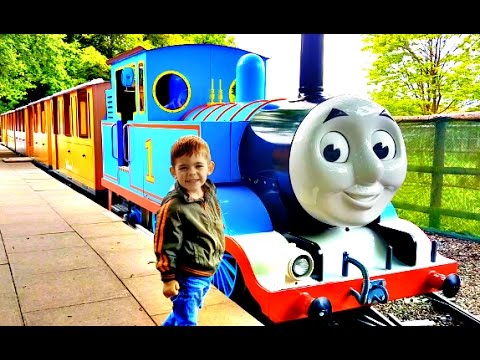
Thomas attractions come in two main forms: Day Out With Thomas (DOT) events, and Thomas Land theme areas. DOT is a traveling event where a track-powered Thomas engine visits heritage railways (usually 1–2 weekends per venue). There’s no single “Thomas theme park”; instead events tour many US and international venues each season. At a DOT event, families can ride Thomas on a short round-trip, meet characters (Percy, Sir Topham Hatt), enjoy Thomas-themed crafts and photo ops. It’s essentially a large-scale kiddie party centered on the train character.
Thomas Land areas are permanent installations at a few parks (most famously at Drayton Manor in England and Fuji-Q Highland in Japan). These have multiple rides (e.g. Thomas-themed flat rides, carousel), mini attractions and Play Zones, all on a smaller scale than major parks.
Day Out With Thomas: Complete Event Guide
What Happens: A DOT day typically includes: a 30-minute Thomas train ride (steam locomotive painted as Thomas) at the ticketed timeslot, photo with Sir Topham Hatt, storytelling or puppet shows, and additional kiddie rides (life-size Thomas tractors or theme-themed boat rides). Tickets are date-specific and often required in advance.
2026 Schedule & Locations: Upcoming 2026 events are listed on the official site. For example, early 2026 dates include Florida Railroad Museum (Parrish, FL) and SAM Shortline (Gainesville, GA) in mid-March. A Day Out With Thomas at Strasburg Rail Road (PA) runs in June and July, featuring a mile-long ride. Smaller railroads host one or two weekends per year. Ticket prices for DOT vary by location (roughly $12–$20 per rider for the train, plus any on-site fees). Tickets often sell out quickly since capacity per event is limited.
Best Age: Thomas events aim at 2–6 year-olds. Younger toddlers love seeing the real train and waving to characters; older kids might get bored if they don’t particularly love trains. One Reddit mom notes it’s great “as a half-day outing with a toddler, but don’t drive hours for it unless your child loves Thomas.”
Thomas Land (Permanent Attractions)
- Drayton Manor (UK): Drayton Manor Resort has “Thomas Land” with 11 rides, a play area and soft play; it’s essentially a small theme park section.
- Fuji-Q Highland (Japan): Opened 1998, it’s the world’s first Thomas theme park. It features a train ride, carousel, engine-shaped trains, plus a life-size garden and playground.
- (Former) Edaville Family Theme Park (MA, USA): Edaville had the first US Thomas Land (opened 2014) but it closed permanently in 2022. However, Edaville still hosts DOT events like “Thomas in the Snow.”
Each Thomas Land is much smaller than a full park (think 3–4 acres). They are charming but brief; a visit can often be done in a couple hours, unless combined with a larger park trip.
Planning Your Thomas Experience: Tips from Parents
- Check schedules: DOT events often require advance purchase. Many families join local Facebook groups or newsletters to catch dates.
- Stay nearby: For Drayton Manor, families might stay in UK/Paris travel itineraries. For Fuji-Q, it’s outside Tokyo (with views of Mt. Fuji). DOT events mean just local travel.
- Extend the magic: After the train ride, Thomas Land play areas have building blocks or engine-building workshops. Pack small Thomas toys as “good day” souvenirs.
- Don’t overschedule: These attractions are meant as a break or birthday outing, not a full vacation. Don’t plan more than one special park day per trip for young kids.
Thomas events often use a sophisticated ticketing system. Parents recommend logging in exactly when sales open (sometimes months ahead) to secure dates, and opting for PDF tickets emailed (taking a screenshot) since venue offices can have limited hours.
Extending the Thomas Magic at Home
You can incorporate Thomas & Friends at home or while traveling: audiobooks of Rev. Awdry’s stories, DVDs of Thomas & Friends episodes, or even a day train trip (like a short steam railway ride) can keep the theme going. Many childrens’ museums and play centers have stationary train exhibits that delight Thomas fans between trips.
Barbie Dream: A Journey into Fantasy Hotels

Barbie-themed hotel rooms (often called “Barbie DreamHouse Experiences”) are a newer phenomenon of branded lodging. These are luxury suites or floors decked out in pink and Barbie décor, rather than stand-alone parks. They combine hospitality with immersive play elements.
The Barbie Hotel Phenomenon Explained
Barbie (by Mattel) celebrated 64 years in 2023, and in the past decade major hotel brands have partnered to capitalize on her enduring popularity. The first Barbie room was launched as a trial in 2009 at a Hilton in Shanghai, but truly burst onto the scene with Hilton’s Barbie DreamHouse Room in Buenos Aires (2014). This suite was filled with pink furnishings, a 32″ screen playing Barbie movies on repeat, a faux-fashion walk-off catwalk, and even pink Barbie slippers. Priced at about $179/night then, it was wildly popular.
Since then, other luxury hotels have introduced Barbie suites: for example, Fairmont The Queen Elizabeth in Montreal debuted a 2,100 sq ft Barbie Dream Suite in 2023 with full concierge service and fashion-themed amenities. These are marketed mostly to families celebrating birthdays or to adult fans craving novelty. Some see it as a social-media (Instagram) experience as much as a children’s treat.
Barbie-Themed Hotel Rooms: Where to Find Them
- Hilton chains: multiple locations worldwide (Cartagena, Colombia had a rooftop Barbie Glamping tent; Hilton Bogota launched a Barbie room in 2023; others in Spain, Malaysia often pop up).
- Fairmont & Independent luxury: Fairmont Montreal’s Barbie suite (Aug 2023), Fairmont Singapore had a package with Barbie (ride in a convertible).
- Other brands: Some holiday parks and cruise lines have Barbie Party events, though no full hotel rooms yet.
Each is typically a limited-time offering. The Hilton Cartagena one ran only through early 2020. The Bogota suite was booked in advance for a year. Always check booking dates.
What’s Included in a Barbie Hotel Stay
Guests in a Barbie suite can expect over-the-top amenities:
– Decor: Entire room coated in Barbie pinks and pastels. The Homecrux report on Buenos Aires notes “floors-to-ceiling Barbie décor”: full-length mirror with “runway”, bouquets of Barbie dolls, and even a giant Barbie shoe in the lobby.
– Extras: Plush Barbie-themed robes/slippers, special take-home gifts (plush Barbie doll, custom photo frame), themed snacks or menu items. The Montreal suite included a “Barbie Dream Kit” souvenir purse and spa treatments.
– Media & Activities: Large TV loops Barbie movies, playlists of Barbie music, sometimes interactive games or quests (hints hidden in the suite). Some hotels even host a real dress-up session for kids.
Barbie Hotel Costs & Booking Strategies
Barbie-themed rooms are expensive. The Buenos Aires Barbie suite was $179/night as early as 2014. Modern equivalents cost more: recent Hilton Barbie rooms in 2023 have run ~$229/night or more. The Fairmont “Dream Suite” is a multi-thousand-dollar package (including spa, dining, etc.).
Despite the price, these rooms sell out quickly. The novelty is the attraction, so plan far ahead. If you want a Barbie suite for a special occasion, book as soon as travel plans allow (Hilton suggests booking 1 year in advance once it’s open).
For budgeting: treat this as a “splash day” cost (like spending for a private charter or cruise cabin). Expect to pay $200–$400 per night currently for a Hilton Barbie suite, often with a 2-night minimum.
Some hotels require guests to be accompanied by a child at check-in for Barbie rooms – they market them primarily for families. Others let adults book only with proof of event. Read policies carefully if you’re a group of all-adults.
Is the Barbie Hotel Experience Worth It? (Honest Review)
It depends on your perspective. Pros: It’s an unforgettable splurge if your child (or inner child) adores Barbie. The rooms are undeniably fun and photogenic; kids often feel like they’re living in a toy. Fans note that even décor details (Barbie logos on doorknobs, magazines on tables) are lovingly executed.
Cons: It’s essentially a hotel room upgrade, not a theme park. You’re paying extra mostly for the novelty of design and a few freebies. If your child doesn’t know Barbie well, they might be confused by the “pink everywhere.” Also, it’s a short-lived experience (one or two nights at best). Some critics say you could DIY a Barbie theme with less expense by packing pink decor and toys.
A recent review from a family who booked the Buenos Aires suite observed: “It was magical to enter the pink world, but after the first day the novelty wore off for our 6-year-old. The bathroom was hardly Barbie-themed, and you miss Disneyland rides. Still, for $200 it was an unforgettable birthday surprise.”
DIY Barbie Experience: Alternatives on a Budget
If a $200/night suite is out of reach, consider:
– Barbie bedroom makeover at home: Let the child help decorate the room with her doll collection, pink linens, and a Barbie soundtrack.
– Day trip: Some children’s museums or hotels have Barbie-themed events (pop-up spa days, afternoon tea in pink attire).
– Local themed play centers: In major cities, play spaces sometimes hold “Barbie Glam” parties (with styling stations).
– Barbie movies at a nice hotel: Book a regular nice hotel room but pack Barbie PJs and plan a movie marathon; it’s still special albeit non-themed decor.
Other Doll and Character-Themed Hotels for Kids
Barbie rooms are part of a broader trend. Other examples:
– Hello Kitty Room (Hyatt Regency Tokyo): A famously pink Hello Kitty suite.
– Princess Suite (Royal Suite at Disneyland Hotel Paris): Princess decor.
– Thomas Bed at StayKids (Japan): Thomas-themed bedrooms.
– Star Wars and Marvel Suites (Disney Hotels): These are not “kids-only”, but lavish adult accommodations.
For kids, Barbie rooms stand out for their whole-room commitment to a single theme. No other major hotel chain has gone as all-out with a child’s toy brand in the West (Mattel does sell an official Barbie-themed apartment pack, but few hotels use it).
Head-to-Head Comparison: LEGOLAND vs Disneyland vs Thomas vs Barbie
For a final face-off, here’s a consolidated comparison on cost, time, and “best-case scenario” picks:
- Cost (per day, family of 4):
- Legoland: ~$200–350 (park only; water park +$50; hotel +$600 for 1 night).
- Disneyland: ~$600–800 (tix + Genie/MaxPass+ typical meals) per day.
- Thomas (DOT event): ~$100 total (4 tickets + souvenirs, for a half-day).
- Barbie Hotel: ~$500–800 per night just for room (often min 2 nights).
- Time Investment:
- Legoland: 1–2 full days recommended (plus water park half-day).
- Disneyland: 2+ days (two parks).
- Thomas: 3–6 hours per event (train ride ~30 min + fair).
- Barbie: 1–2 nights lodging.
- Best for: (picked from interests)
- First Theme Park: Disneyland (wider appeal, iconic experience).
- LEGO/Building Enthusiast:
- Princess/Fairy Tale Lover: Disneyland (castle + princesses) or Barbie (if young girl loves dolls).
- Train Enthusiast: Thomas events or Thomas Land (if you can travel to UK/JP).
- Budget-Conscious Families: Thomas (cheapest day) or off-season Disneyland.
- Multi-Gen Groups: Disneyland (lots for all ages, plus slower rides) or LEGOLAND (some grandparents enjoy the crafted models).
Table: Cost & Time Comparison
| Aspect | LEGOLAND | Disneyland Resort | Thomas | Barbie Hotel |
| Park/Room Ticket | $39–$99 per person | $100–$160 per person (1-day) | ~$20 per person (event fee, kids under2 free) | ~$230+ per night |
| Hotel (off-site) | $100+ (CAR/FL as example) | $150+ (Good Neighbor to $500+) | NA (event-based) | N/A |
| Meals (family) | ~$60–$100/day (flex) | ~$100–$150/day (on-property) | ~$50 (simple snacks on-site) | Depends (barbie mini-bar?) |
| Extras & Souvenirs | $30–$50 (LEGO set per kid) | $50–$100+ (ears, T-shirts) | $20–$40 (train toys, ice cream) | $50 (Barbie doll gift pack) |
| Total/Day (family) | ~$300 | ~$600–$800 | ~$200 | N/A (per night: $500+) |
Age-by-Age Destination Guide
Children of different ages experience these attractions very differently. Below is quick guidance:
Babies (0-18 months):
- Riding: None (free admission).
- Best picks: Disneyland Baby Care Center (break area, feeding room) and “it’s a small world” or train rides. LEGOLAND DUPLO Nursery is just a play zone. Thomas’s Bubble Tour has music and bubbles but no rides for infants. Barbie: Parents can take photos by entrance; room experiences are lost on non-walkers.
- Tip: Focus on shows or even hotel rooms (see Planning) where little ones can nap. (Some Disneyland “Baby Care” areas have play mats for crawlers.)
Toddlers (18m-3y):
- Magical time: Toddlers will delight in gentle rides. Disneyland’s Dumbo, Pirates, Carousel, all work well. LEGOLAND Duplo Train and Splash Safari are made for this age. Thomas events (age 2+) are thrilling – a real steam train is unforgettable. Barbie room: ages 3+ can enjoy color scheme and toys.
- Caution: Avoid lengthy queues; plan breaks. Some rides (e.g. Legoland’s Dragon Coaster) have minimum heights of ~2.6–3ft (80–90cm).
- Readiness: Pregame with toddler storybooks on “Going to Disneyland/Barbie hotel” to set expectations.
Preschoolers (3-5):
- Exploration: Full of wonder. LEGOLAND shines now: even 4-year-olds can do most rides. Disneyland: still lots of characters. Thomas: peak interest (Sir Topham Hatt!)—a DOT day will likely fill their eyes with stars. Barbie: if they love pink dolls, spending a night will feel like living in a dreamhouse.
- Comparison: This is the age most sites declare “perfect” for themselves. Aim for 1–2 days in the parks (Disney) or hours at events (Thomas).
Early Elementary (6-8):
- New heights: LEGOLAND’s bigger coasters become accessible (42” rides). Disneyland offers more variety of thrill and story. Thomas is at risk of feeling too young (some kids move on by 8, though trains still hold charm). Barbie: depending on interest, might be less exciting than actual play or Netflix.
- Mixed groups: Some 6-year-olds still love princesses, others have moved to action. LEGOLAND still holds them if they love building.
Late Elementary (9-12):
- Theme park mindset: Many 9-12 kids crave big roller coasters and video-game-level immersion. LEGOLAND starts to feel small scale (though NINJAGO coasters can thrill). Disneyland (or even Universal/Disney World) has more intensity for this age, but Disneyland still offers gentle options if needed.
- Travel tips: Older kids can handle longer park days with fewer naps. However, many fans of LEGOs may still enjoy Legoland’s creative aspects. Barbie is mostly outgrown by this age, unless they’re young at heart or follow fashion trends.
Dr. Emily Harper notes, “School-age children (6–12) often appreciate engaging stories and challenges. LEGOLAND’s hands-on building fosters problem-solving, while Disneyland’s rides stimulate courage and curiosity. Thomas and Barbie are most impactful for preschoolers’ imaginative play—by age 10, kids usually need more ‘big adventure.’”
Frequently Asked Questions
- What is the best theme park for a 5-year-old? It depends on interests. Generally, LEGOLAND or Disneyland are top picks. LEGOLAND has lots of rides designed for that age and blocks to build; Disneyland’s Fantasyland is magical for 5-year-olds. Thomas events are a hit if the child loves trains, but those are short outings.
- How many days do we need at LEGOLAND? One full day covers most rides and Miniland. Add a second day only if you want to take in the water park and show at a leisurely pace.
- Is Disneyland worth it with a toddler? Yes, if you plan carefully. Toddlers (2–3) can enjoy some attractions (Dumbo, Jungle Cruise, small trains) and parades. But expect breaks and naps; consider a two-day trip to split the parks.
- Can you ride Thomas the Train at Day Out With Thomas? Absolutely – the main attraction is a 30-minute round-trip Thomas train ride pulled by a real steam engine. Most kids queue excitedly to be one of the 8 guests on board for each departure.
- Are Barbies allowed at the Barbie-themed hotel? Yes, the rooms welcome all “friends of Barbie.” Boys and girls alike can stay, and the marketing is inclusive – families of any composition have booked these rooms. The main focus is on celebrating the Barbie brand, not enforcing gender.
- What do I pack for Disneyland with kids? See our Packing List above. Key items: comfy shoes for everyone, hats, rain ponchos (for water rides or summer showers), sunscreen, and a child-proof backpack. Don’t forget autograph book and pen if meeting characters! (Also, pre-order groceries at your hotel lobby for breakfast.)
- Should we stay onsite or offsite at Disneyland? For maximum convenience and extra magic hours, onsite Disney hotels are best if budget allows. Offsite Good Neighbor hotels nearby can be just fine (often cheaper) if you plan to spend long days in the park and only need to sleep close by.
- How early should we arrive at LEGOLAND/Disneyland? Early. In high season, arrive 30–45 minutes before official open (park entrances open a bit early). Early hours mean cooler temps and shorter lines. Conversely, late afternoon (last 2 hours) can also be pleasant as crowds thin.
- Can we bring snacks into Thomas and LEGO events? Yes, all these parks/events generally allow small snacks and water bottles. Thomas events are often outdoors near main station; LEGOLAND and Disneyland allow food in lobbies or designated areas.
- Is Genie+ worth it for toddlers at Disneyland? If your toddler can ride only a few rides, you might skip Genie+ and focus Lightning Lane purchases on big attractions (like Haunted Mansion or Space Mountain) that cater to older kids, while enjoying the younger kids’ rides via standby early in the day.
Conclusion: Choosing Your Family’s Perfect Adventure
Deciding among LEGOLAND, Disneyland, Thomas, and Barbie ultimately hinges on your child’s passions and your family’s travel style. Is your little builder happiest among LEGO bricks? LEGOLAND’s blend of creativity and gentle rides awaits. Does your child dream of princesses, fairy tales, and fireworks? Disneyland’s realm of storytelling may be the better fit. Are trains their world? Then a day with Thomas will create memories on the rails. Or do you crave a short, fantastical splurge? The Barbie suite offers a lavish night of make-believe.
For families on a tighter budget or shorter trip, Thomas the Train events deliver high joy per dollar – a special day that won’t break the bank. For grand vacations, Disneyland’s broad appeal can fill several days with “something for everyone.” LEGOLAND stands in the middle: smaller scale (and ticket) than Disney, but more immersive than a single-day event.
Remember, any choice here means a deep-dive into fun: each has rides, shows, and themed food that cater to kids. The lasting value comes from watching children’s eyes light up – whether building the world themselves at LEGOLAND, meeting Mickey at Disneyland, rocking in a steam-engine seat with Thomas, or living in a life-size dollhouse overnight. These brand experiences aren’t just rides; they are stories and play come to life.
Children grow fast, so if the timing’s right and the trip’s in reach, consider saying “yes” to their dream: the first time is often magical in a way that money can’t measure. Perhaps start planning now: family photos will show your kids awe-struck by that fairy-tale castle or grinning in a pink suite. Those memories will build their own castles in the imagination.
Safe travels and joyful adventures to your family!









