
Visiting a monastery or spiritual center is often an enriching experience, available to pilgrims and curious travelers alike. Yes, tourists can usually visit monasteries – most communities welcome respectful visitors, regardless of faith. Travelers may explore prayer halls, attend services, or even stay overnight if allowed. Monasteries emphasize kindness and humility: as one Buddhist abbot notes, “no good monk will be offended by the absence of proper etiquette,” so long as one’s attitude is genuine.
- Which Type of Monastery or Spiritual Center to Choose
- Booking, Costs & Legal Practicalities
- Etiquette: General Rules
- Etiquette by Tradition
- Practical Prep: Packing, Health, Accessibility
- On-site Experience: What Happens Day-to-Day
- Food, Meals & Refectory Rules
- Photography, Recording & Social Media
- Special Cases & Problem Solving
Before you go, remember: Dress modestly (cover shoulders and knees – scarves and wraps are often provided). Silence your phone and speak softly on the grounds. Always ask before photographing; many sanctuaries forbid flash or shots of monks in prayer. Carry cash or small change for donations – entrances may be free, but upkeep is donation-based.
- Dress & Respect: Wear long pants or skirts and shirts covering shoulders. Remove hats and keep heads low in chapels. In Buddhist temples, it’s customary to bow with hands in prayer position (añjali) when greeting monks or entering a shrine.
- Behavior: Keep conversation to a whisper; many orders value silence. Remove shoes before entering any chapel or monk’s quarters. Walk on temple grounds (and around stupas or chapels) clockwise, as is customary in many Buddhist traditions.
- Logistics: Many monasteries require reservations for overnight guests. Check visa and permit needs well in advance (e.g. Tibet travel permits or Bhutan visas for places like Paro Taktsang). Pack simple, portable clothing and a personal first-aid kit. A daypack with water, snacks, and perhaps a headlamp (for remote sites) is wise.
Which Type of Monastery or Spiritual Center to Choose
Monasteries come in many flavors. In Buddhist gompas or Zen temples, you’ll encounter meditation halls and often vegetarian meals. Tradition varies: a Tibetan gompa (e.g. in Nepal or Tibet) might require a long hike and strict karma-pa rituals, whereas a Southeast Asian forest monastery (like Wat Pah Nanachat) emphasizes Vipassana meditation and the Five Precepts (no alcohol, no sexual contact, etc.). Hindu or Jain ashrams (mostly in India) focus on meditation, prayer, and simple living; visitors often participate in group chants or yajna ceremonies. Sufi lodges or other spiritual retreats may have dhikr circles or prayers, but these are less commonly open to tourists without prior arrangement.
Christian monasteries (Catholic or Orthodox) offer a different pace. Many Benedictine abbeys, for example, have guesthouses attached. These are built on a vow of hospitality – the Rule of St. Benedict even calls pilgrims “Christ” to be served. A guest might attend daily Mass or Vespers with the monks and help with simple chores (gardening, copying manuscripts). Guests share meals in silence or soft conversation. Expect simple rooms (often single or double beds, sometimes shared dorms) with at least a private bath or shared facilities.
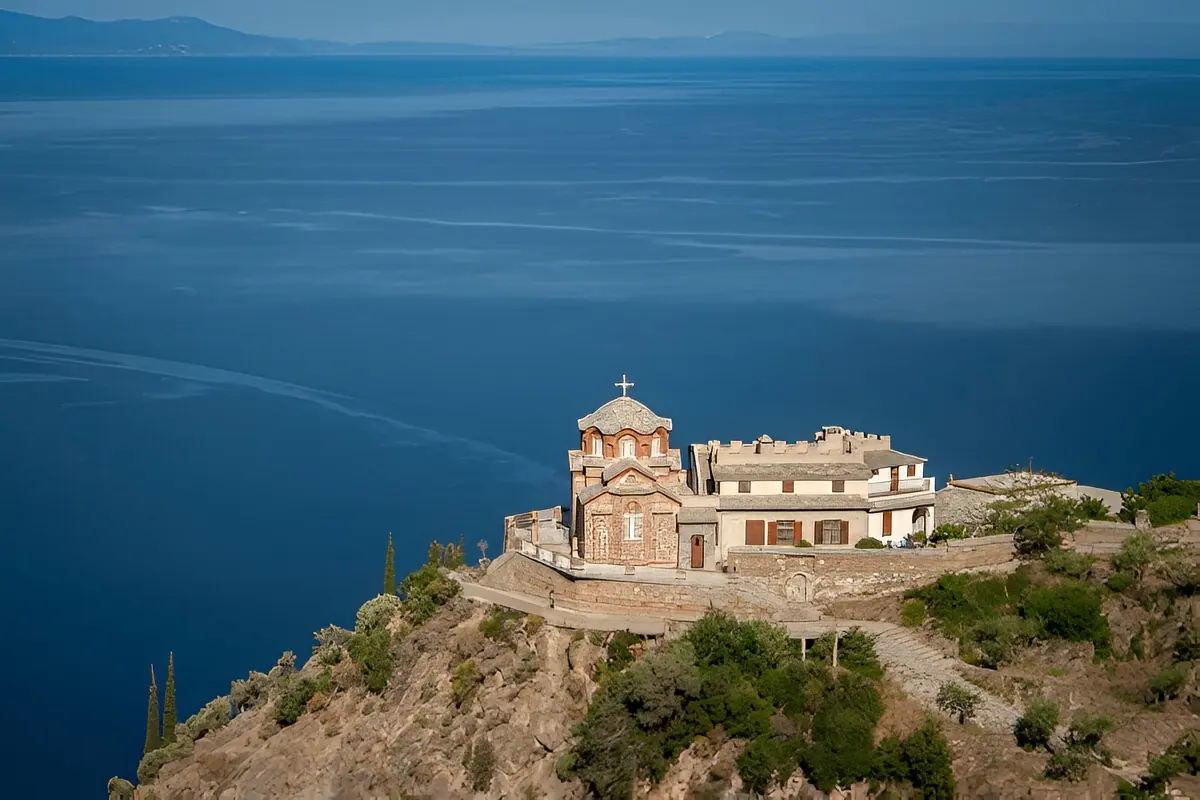
In the Orthodox world, most monasteries welcome both sexes, but with stricter decorum. For instance, the monasteries of Meteora (Greece) demand skirts for women and covered shoulders for all. One notable exception is Mount Athos (Greece) – here, only men are allowed (a millennia-old rule) and every visitor must obtain a special permit (the Diamonitirion) months in advance. (Women should plan alternate sites, such as Meteora or female convents.)
Finally, think about the experience you want. Do you seek silence and meditation? A Zen sesshin or Buddhist vipassana retreat may suit you. Want history and architecture? Then the grand abbeys of Europe or cliffside monasteries (see below) are ideal. Are you looking for community life? Some orders invite lay participation in liturgy or work. The best fit depends on your goals: a hiking pilgrimage to high-altitude temples, a peaceful Christian retreat, or volunteering in a communal kitchen all differ greatly.

Booking, Costs & Legal Practicalities
Most monasteries are small communities; arriving unannounced is often discouraged. Book ahead whenever possible. Many (especially in the West) list contact info online or use booking platforms. For example, the directory Monasteries.com lists hundreds of European abbey guesthouses (with beds from about €40–€50 per night). In Asia, even if no formal price is posted, contact the monastery directly by email or phone. Abhayagiri Monastery (California) specifically notes that guests should reserve a room – unbooked travelers are usually turned away.
- Costs vary by tradition: In many Buddhist monasteries, there is no fixed fee: housing and meals operate on dana (donations). At Abhayagiri, for example, no charge is collected for an overnight stay. Visitors are encouraged to leave a donation for maintenance. By contrast, many Christian guesthouses charge set rates (though still modest): e.g. a double room in a Spanish monastery might be €50–€80 per night with breakfast. Meals can be included or extra. Always ask if dinner and breakfast are covered or if you must find your own food; sometimes a local simple meal is served, other times the guesthouse is room-only.
- Permits and visas: In certain regions special documents are mandatory. For example, all foreigners (except Indians and a few neighbors) need a Bhutan visa to enter and visit its monasteries like Paro Taktsang. In Tibet (China), a Tibet Travel Permit is required to legally enter any monastery. In Greece, the monastic republic of Mount Athos requires advance application for the Diamonitirion (current fees ~€25–€30, depending on visitor status). Check local rules: some monasteries close entirely during festivals or Lent, and remote sites may lock gates after dark.
- Booking red flags: Use official channels: monastery websites, well-known pilgrimage networks, or verified travel agencies. Be wary of “holy land” tours or apps that cannot name the monastery you’ll actually stay in. If a broker won’t disclose the exact location or demands large upfront deposits without receipts, double-check with the monastery itself. Reliable sources like UNESCO or diocesan offices often list valid contacts for famous monasteries.

Etiquette: General Rules
The overarching rule in any monastery is respect. Monastics value sincerity far more than rote compliance. As Abhayagiri’s visiting guide explains, a humble mindset (“no bad intent”) matters more than rigidly following every form. Still, there are some universal courtesies:
- Silence and Voice: Speak in a quiet tone at all times. Many orders have “house silence” hours (often after evening prayer until breakfast) when talking is discouraged. Even outside those hours, walk softly in hallways and keep mobile phones off or on silent mode. If children are present, supervise them carefully; impulsive noise will stand out.
- Shoes: Almost all traditions require removing footwear before entering temples, chapels, or meditation halls. Look for racks or signs at the door. In some places (e.g. a Catholic abbey’s church), shoes may be left outside the nave; in others (Buddhist shrines) you’ll leave them at the foot of the statue. When in doubt, follow local cues or quietly ask a guide or attendant.
- Shrine Etiquette: In Buddhist and Hindu spaces, never point your feet toward a deity or monk. Kneel or sit lower than statues. Bow (and clasp hands) when approaching a sacred altar or senior monk. Do not touch ritual objects or offerings unless explicitly invited. In Christian chapels, people often genuflect toward the altar; simply step aside to avoid standing in the way of the priest or deacon.
- Dress – Universal Standards: Modesty is key everywhere. Cover shoulders and knees (women often wear skirts, men wear long pants). Avoid transparent or tight clothing. In some temples, head coverings are expected (for example, headscarves in Orthodox churches or Sikh gurdwaras). Many monasteries will lend a wrap or scarf to visitors who arrive inadequately dressed, but it’s best to anticipate this.
- Photography: Check rules carefully. Some monasteries forbid cameras inside shrines outright; others allow pictures of architecture but not of worshippers. If you see a “No photos” sign or a monk shaking their head, respect that sign immediately. When permitted, turn off flash and take pictures discreetly (steady camera, no loud clicking). Never interrupt a ritual to snap photos. If you wish to record chanting or ceremony, ask permission first – recording sacred rites without consent is considered highly disrespectful.
- Dining and Food: Meals in a monastery are communal and often simple. Wait for a signal (a bell or a blessing) before starting. In many communities, eating is a solemn affair – conversation may be minimal or nonexistent. If an abbot or elder blesses the meal aloud, bow or sit quietly until it concludes. In Buddhist monasteries, lunch is often the last meal of the day (no food after noon); don’t be surprised if dinner isn’t served. Always wash or sanitize hands before and after meals, and finish what’s on your plate (food is considered sacred). If you have allergies or dietary restrictions, inform the hosts well in advance; remote temples may not be able to accommodate special diets on short notice.
- Greet & Show Respect: A gentle bow or clasped hands as a greeting (namaste/anjali) is polite in Asian traditions. In Christian contexts, a quiet “hello” or “good morning” to monks/nuns and a handshake may be appropriate. Always use titles if known (“Father,” “Sister,” or local titles like “Ajahn” or “Venerable” for Buddhist clergy) until told otherwise. Listen and follow the lead of the community: if monks stand or sit in a certain pattern (e.g., separate gendered areas), do likewise or move aside with a smile.
Remember: Monks and nuns expect effort, not perfection. If you stumble (for example, stepping on a threshold or forgetting to bow), a simple soft apology is usually accepted. Most monastics have been asked the same questions by novices countless times. A respectful attitude and a willingness to learn will smooth over most missteps.

Etiquette by Tradition
While the above rules apply broadly, each faith tradition has its own customs:
- Buddhist Temples (Theravada/Mahayana/Tibetan): Common practices include bowing three times at a shrine (honoring Buddha, Dharma, Sangha). South/Southeast Asian monks sit with legs crossed; never sit with your feet extended toward a Buddha image. Women should generally let monks make the first bow; physically, ensure never to lightly touch a monk (even on the shoulder) if you’re not related. Monks and nuns live by celibacy; any close physical contact is avoided (which includes no hugging). If staying overnight on a Buddhist monastery, expect to adhere to the Eight Precepts: no eating after noon and celibacy, among others. Keep to gender-segregated sleeping quarters and respect any posted rules on silence or bathing times.
- Catholic/Benedictine Abbeys: In many Western monasteries, hospitality is formal. You may be invited to attend daily Mass or the Liturgy of the Hours (prayers at fixed times); as a guest, observing quietly is fine if you aren’t Catholic. Communion (Eucharist) is usually reserved for Catholics in a state of grace; non-Catholics may stand respectfully or go up with arms crossed for a blessing. Meals in Western monasteries often begin and end with a blessing; in some orders, guests say a short grace quietly. Conversation is typically allowed at tables, but speak softly and listen politely. Monks may wear habits and are often addressed as “Brother” or “Father.” In Benedictine rules, offering manual work is valued but optional; a simple “Can I help carry this?” might be welcome, but never presume (always ask, and be prepared for “no, thank you”).
- Orthodox Monasteries: Eastern Orthodox protocols have deep symbolism. Women should cover heads and wear long skirts or dresses (be prepared to borrow a scarf). Men remove hats and long trousers. Crossing oneself (right-to-left hand motion) is standard when passing icons. In Greek or Russian monasteries, you may light a candle and say a prayer at icons – it’s a personal devotional act. Keep in mind that, similar to Catholic norms, only baptized Orthodox (in good standing) may take Communion; others simply observe or cross themselves. The monasteries of Mount Athos (all-male) enforce strict silence in public areas and modest dress at all times; visitors must greet the abbot with a bow.
- Hindu/Jain Shrines: Shoes are always removed long before the inner sanctum (often at the very entrance to the temple grounds). Men typically wear pants and sleeved shirts; women might wear saris or long skirts (some temples lend shawls or dhotis). Touching a guru’s feet (if culturally appropriate) is a sign of respect. Offerings of fruit or flowers can often be brought to a shrine – place them on the altar rail or hand them to a priest. Generally wait at least a few feet back from the image of the deity unless motioned forward. In Jain temples, do not even offer food directly to the monks (who accept only alms in bowls).
Each culture has its nuances, but the golden rule holds: observe, ask quietly, and honor what seems sacred. Treat monks and nuns as one would a kindly teacher – listen first, speak later.

Practical Prep: Packing, Health, Accessibility
- Packing Checklist: Light, layered clothing is best. Even tropical monasteries can cool off in the morning/evening; bring a shawl or light jacket. At least one outfit with long sleeves and long legs (or a wrap/skirt) will cover you in all shrine entrances. Travel-ready items include: small flashlight/headlamp (for rural temples at night), basic toiletries (tissues and soap are not always provided), a refillable water bottle, and any necessary medications. Modest swimwear might be useful if the monastery has purification baths or hot springs (always ask beforehand if a pool is co-ed). Consider packing a notebook and pen – many guests appreciate jotting down insights or keeping a guesthouse log.
- Health Considerations: Altitude and remoteness are common with monasteries. If visiting high Himalayan gompas or the Tibetan Plateau, take time to acclimate (avoid sudden exertion). Carry altitude sickness medication if prone. Basic first-aid supplies (bandages, pain relievers) are wise, as pharmacies may be far away. Drink bottled or purified water; some temples in remote areas use rain-harvested water, and tap water can be unsafe. Insects can be an issue in tropical sites – bring repellent and consider lightweight clothing covering arms/legs in the evening.
- Travel insurance is recommended: it should cover evacuation (by helicopter if needed) in case of serious injury or illness in a remote area. Check that any personal medications (including supplements) are legal and not interpreted as narcotics where you’re going.
- Accessibility: Many famous monasteries require steep climbs or uneven terrain. For example, reaching Meteora’s Great Meteoron Monastery involves about 400 stone steps, and Paro Taktsang (Bhutan’s Tiger’s Nest) is a 10 km round-trip hike uphill. If you have mobility issues, research accessibility ahead: some monks may allow a porter or horse ride (at a price) to the summit. In Europe, some monastic sites have modern accommodations with elevators and accessible bathrooms, but many are old stone buildings. If you require wheelchair access or have limited mobility, contact the monastery directly; they can often advise on which sites have ramps or assign reachable rooms.
Additionally, consider dietary and gender restrictions. Bring extra feminine supplies (pads/tampons) if you need them – monasteries rarely stock these. Monastic hostels often separate men and women (women’s dorm might be in another building); clarify this in advance if traveling with family.
Above all, flexibility and a spirit of adventure are key. Losing cell service or encountering unexpected rules is part of the experience. Monastic life is about renouncing comforts – a visitor should try to let go of micromanaging every detail. A little inconvenience is often rewarded by the serenity found within those ancient walls.

On-site Experience: What Happens Day-to-Day
A monastery stay is less hotel vacation and more “live as they do.” Here’s a sketch of typical rhythms:
- Morning Prayer: Many monasteries begin at dawn. You may wake to chant from a loudspeaker or the sound of bells. Often, breakfast comes after this. At a Buddhist monastery, visitors are usually welcome (or at least permitted) to join morning puja or meditation; follow the crowd and sit quietly with palms together. In a Christian abbey, morning Mass (around 6–7 am) is typical – visitors may slip into a corner of the chapel or watch respectfully.
- Breakfast: This is usually a simple affair: porridge, rice, or bread with tea/coffee. Sit as the monks do (long benches are common). In some traditions (e.g. strict Benedictines), silence is observed; others invite gentle conversation. Do not help yourself or leave until everyone is served. Often, the abbot or a senior monk will offer a short blessing before the meal.
- Daily Activities: After morning prayers and breakfast, monks might work (gardening, cooking, cleaning) or study. Guests often have free time: hiking nearby trails, visiting a monastery museum or library, or meditating in the gardens. Be respectful of “no go” areas (monks’ quarters or infirmary) – signs will show private spaces. Many large monasteries have small gift shops or donation booths; purchasing a candle or booklet is a tangible way to give thanks.
- Lunch/Refectory: At midday, the community regroups for the main meal. At Catholic and Orthodox monasteries, this can be a formal event with assigned seats and perhaps a reader leading the first part. Lay guests may be served in the same hall. In Buddhist monasteries, monks eat their only meal of the day around noon; guests may be offered simple rice and vegetables. Conversation rules vary: Zen temples eat in silence, whereas Benedictines might allow quiet table talk. Follow cues – if monks break into a chant or say a prayer, pause eating. When done, help tidy your spot (clear dishes to a bin) if expected.
- Afternoon: Many monasteries have “rest time” after lunch. This is a period for private reflection. Monks may nap or continue work. Guests might meditate, read, or nap. This is not a social hour, so keep noise down. Some places forbid non-monks from napping in halls to avoid confusion. If you’re unsure, spend time in the courtyard or your room.
- Evening Prayer/Vespers: Late afternoon or early evening (around 5–7 pm), communities come together again. You may be invited to Vespers (sunset service) in the chapel. Join only if you wish – otherwise, sit quietly or step out. Evening prayers are very beautiful (chants, incense) in many traditions. Afterwards, dinner is served in the refectory. Notice whether the lead monk sits first; follow his lead. Again, there may be another blessing. Typically, dinner is lighter than lunch (soup, bread, simple curry, etc.). At Buddhist places, dinner might be omitted entirely (in line with no-eating-after-noon rules) or consist of leftovers.
- Night: After dinner, many monasteries observe quiet hours. Some have common rooms or gardens open for reflection by lamplight. The dormitories (or guest rooms) open later in the evening. A typical lights-out is around 9–10 pm (Benedictines often have a curfew by 10:30). Some places expect you to be in your room once prayer bells ring.
Throughout your stay, guest duties are minimal but real. You may be asked to keep your own room tidy or take off linens when checking out. You might also clean your own plate, as in many communal dining traditions. If offered the chance to help (carrying supplies, gardening), only do so if you genuinely want to; this is seen as part of the offering of one’s day, but it’s completely voluntary.
Always maintain a gentle flexibility: schedules in monasteries can change with the season or the abbot’s needs. If a planned tour or lecture is canceled, it’s usually due to some monastic work or ritual taking precedence. Roll with it graciously. If you must leave early or arrive late (say, after a closing gate), call ahead – monasteries are communal, but not all have front desks. Some remote Buddhist temples close gates in the evening, meaning latecomers must wait outside respectfully.
A visitor’s typical day thus becomes a blend of structure (prayer times, meals) and free time, all within a calm, minimalist setting. Many guests find that immersing in this routine – setting an alarm for 6 am prayers, washing in cold spring water, chatting quietly with a monk’s helper – is a humbling taste of monastic life.

Food, Meals & Refectory Rules
Most monastic diets are simple and locally sourced. Expect rice or grains as staples; beans, vegetables, and fruits depending on season. Western monasteries often serve hearty vegetable stews, bread, and soup. Many Asian monasteries serve vegetarian fare only (due to religious precepts) – you might have potato curry or lentil dahl. Don’t look for meat or alcohol unless explicitly offered during special occasions.
Always wait for the blessing: In many orders, no one eats until the meal has been blessed (grace prayed aloud in Orthodox/Catholic settings, or a brief chant in Buddhist/Jain contexts). When the bell rings or a designated monk begins, start eating. Keep noise minimal; focus on gratitude and mindfulness. It’s fine to make polite comments or to quietly thank the servers, but long conversations are typically for outside the refectory.
If there is a buffet or communal serving line, wait your turn patiently. Monasteries may serve monks first at a place of honor. If only monks are served and you see them being seated, wait until they signal you to begin. Take only as much as you will eat; monks often teach contentment with a small portion and shared meals. If seconds are offered, you may accept silently or with a nod. If not, do not make a fuss – it’s usually understood.
If you have special dietary needs (gluten-free, vegan, allergy), inform the hosts in advance. Many will do their best to accommodate (for example, a Jain kitchen can often set aside pure vegetarian or even vegan options). However, be aware that in some strict monasteries (especially forest monasteries) the food is what comes, and being too picky could be seen as rude. Bringing some snack bars or known essentials (protein bars, oatmeal packets) can be a wise backup, especially if traveling in developing countries where ingredients are limited.
Monasteries often expect you to share the same meal times as the community (so you don’t eat alone at odd hours). Plan your day accordingly. If breakfast is at 7 am, don’t arrive at 9 am hungry – it’s more respectful to eat along with the monks or skip until the next meal.

Photography, Recording & Social Media
Treat your camera like a sacred tool on these grounds. When in doubt, don’t use it. Many temples and chapels explicitly ban any photography inside. Outside, beautiful views are often fair game, but still use discretion. Always scan the area: if you see monks or nuns nearby, or devotees praying, hold off.
A good rule: ask once quietly. In a monastery shop or at the entrance, say: “May I take a photo of this hall?” or “Is it okay to photograph the garden?” If the answer is hesitant, respect a “no.” Do not snap surreptitious shots of monks studying or meditating; this is deeply invasive. In some cultures (parts of Thailand, for example) taking pictures of monks without permission can be a serious taboo.
If someone else wants their picture taken with you (say, a smiling monk or a group photo), always ask first. If it’s allowed, keep the interaction brief and low-key. Share photos privately (e.g. later on your own device) rather than posting live where people might recognize themselves. When sharing later on social media, caption with dignity (e.g. “Monks at X Monastery during evening chant”, not some flippant remark). Avoid distracting viewers; place emphasis on experiences not just aesthetics.
Audio recording is even more sensitive. Most rituals have a spiritual intensity that devotees do not want recorded. Loud praying voices or singing should be heard, not recorded. If a ceremony is publicly offered to tourists (like a temple performance), asking permission to record is polite. Otherwise, better to just listen fully in the moment.
- Film and blogging: If you plan to write about your trip or make a documentary, be extra careful. Many monasteries require press credentials or at least a notification. Always credit the place by name when showing images, but do so respectfully. If posting, for example, “Monks chanting at Morning Prayer in Mt. Athos,” that’s neutral. Don’t joke or sensationalize holy practices (no slang or irreverent tags). It’s best to frame any online story as cultural/educational, not entertainment.
- How to ask: A short script works well. For instance, in a Greek Orthodox site: “Mēghstōf, epitrepetai na tromaïosō?” (sorry, too complex!). Instead, a polite smile and the local word for “photo?” usually suffice. Monks usually understand if you say “Can I take picture?” with hands clasped. If you get a smile and nod, proceed quietly; if someone shakes their head, simply pocket the camera.
Remember: you are a guest. Posting once you’re home (with blurred faces or respectful notes) is always better than insisting to photograph something on the spot. The memory of the sacred atmosphere will endure; the shot likely can be found on stock sites if it’s important.

Special Cases & Problem Solving
Even well-meaning guests can sometimes cause offense. Suppose you accidentally point your foot at a shrine, or speak too loudly in meditation. The remedy is simple: apologize briefly and move on. A low bow and a quiet “Sorry” to the nearest monk or attendant, then adjust (e.g. tuck your feet behind you) – people understand that outsiders may slip up. There is no need to dramatize it; monks will usually smile and guide you on the correct behavior if needed.
If a misunderstanding arises (say, you enter at the wrong time), don’t argue. For example, if you wander into a restricted area or photography is denied, just step back and thank the monk. Many communities see every situation as a teaching moment, and will gently redirect you without embarrassment.
- Medical or other emergencies: In an unlikely but possible situation, immediate help should be sought quietly. Many monasteries have a senior monk (sometimes called a porter) who handles visitors. If you or someone else feels ill, it’s best to say so to a monk or the guest supervisor right away. They can summon local medical aid. In very remote sites, it could mean arranging transport (even helicopter in Himalayas), so make sure your travel insurance is aware of these needs. For accidents or injuries, monasteries will assist but their resources are limited; having a small first aid kit and insurance is wise.
- Religious boundaries: Be clear on what’s allowed. Most liturgies are open (guests can attend but not commune if not of that faith). But participating in rites (e.g. taking Communion in a Catholic Mass, touching sacramental objects, or taking part in puja) is often reserved to believers or is at the discretion of the officiant. If invited (“All baptized Christians are welcome”), you may join as your conscience allows. Otherwise, you can stand or sit respectfully and observe.
If turned away (as can happen in Mount Athos, or if a convent is full), remain respectful. Greet the doorkeeper with a bow and smile. In many traditions, receiving a blessing at the door is common: you may place a small donation on the icon or stipend box there to show gratitude for considering you. Then find another plan: perhaps visit a nearby temple, museum, or church. Use the moment to write notes or pray elsewhere rather than cause a scene.
In sensitive situations (like accidentally entering a meditation hall during a vow of silence), simply step out quietly, apologize to no one in particular, and wait outside or roam the grounds. The important thing is to acknowledge the sanctity of the moment.