Algerian National Food

Algeria’s national dishes go beyond mere sustenance. From the steaming platter of couscous – a national emblem served at every celebration – to the hearty tajines and sweet pastries, each recipe carries layers of history and tradition. Berber flatbreads, Ottoman spices and French sweets all converge in meals that bind family and community. A simple eggplant salad or a slow-cooked lamb stew tells of fertile coastal farms and desert caravans alike. In Algeria, cooking is storytelling: each dish is an enduring link from grandparents to grandchildren, and a symbol of national identity shared at every table.

Algeria’s cuisine weaves together desert traditions and Mediterranean bounty. In coastal towns and mountain villages alike, one finds a tapestry of flavors shaped by centuries of history. Indigenous Berber customs established the heart of Algerian cooking – stews of lamb and vegetables, flatbreads and sun-dried fruits – long before foreign influence arrived. Over time waves of civilizations left their mark: Arab and Ottoman invaders added spices, pastries and rich tomato stews, while French colonization introduced delicate desserts and novel ingredients like peppers and introduced tomatoes into local sauces. Yet amid such variety, Algerians proudly identify couscous as the national centerpiece. It is not simply a meal but a symbol of home and heritage.

Algerian kitchens – even simple village ovens – guard time-honored recipes. In the north, rolling fields of wheat and groves of olives supply staples; in the south, Saharan oases yield dates and spices. Spices like cumin, cinnamon and paprika reflect Arab influence, while Berber cooks emphasize barley, semolina and preserved lemons. The nation’s long, complex coastline also adds seafood and citrus to the mix. As one guide summarizes, “[o]ver hundreds of years the Berbers, Arabs, Turks, Romans, the French and the Spanish have influenced the cuisine of Algeria”. Each legacy endures in dishes carried from birth to marriage to funeral. In fact, UNESCO recently inscribed “the knowledge, know-how and practices” of Algerian (and North African) couscous on the Intangible Cultural Heritage list, calling it a bridge between peoples and generations.

A communal platter of couscous, Algeria’s most famous national dish, piled high with spiced lamb and vegetable stew. This humble grain dish – small steamed semolina granules topped with hearty stew – is a ritual at Algerian tables. Even Western guides note that “often considered the national dish of Algeria, Couscous is composed of small pellets of steamed semolina topped with meat, vegetables, and various spices”. From the grand Couscous Royale (loaded with lamb, chicken and merguez sausage) to a simple weekday version with carrots and chickpeas, the technique is constant: semolina is moistened and hand-rolled into grains, steamed till airy, then stewed beneath with vegetables and meat. Tradition even prescribes family gathering: the grains are spooned onto a single large dish, around which relatives sit, eating by hand – a custom praised for fostering unity. Many Algerians describe there being “not a wedding, a party or a family reunion without couscous”. It is, in short, nourishment and narrative combined: a dish as varied as the country’s terrain, yet instantly recognizable from the northern plateau to the Sahara.

Beyond couscous, Algeria’s tajnine (tajines) and stews sustain the body through long winters. A tajine here is any slow-cooked stew, not the pottery cone (as in Morocco). Chicken and lamb are braised with spices, chickpeas and vegetables. For example, chtitha djaj is a tomato-and-paprika chicken stew with chickpeas, while koubeb is a white-sauce chicken dish seasoned with cinnamon, often served with fried potatoes. One Algerian specialty is tajine zitoune: chicken or lamb cooked with green olives and tender mushrooms in a peppery broth. In coastal Kabylie, chefs serve couscous with fish or octopus alongside leek and squash, reflecting the Mediterranean harvest. A platter of tajine vegetables might include stuffed peppers and eggplants cooked in a rich broth, scented with saffron. Meat is frequently prepared for ceremony: whole lambs are mechoui (spit-roasted) at weddings and feasts, sliced thick and fragrant with cumin and garlic. A traveling journalist might find a Sunday market selling golden-skewered merguez sausages, home-spiced with harissa and grilled over coals. In every region another stew or pasta dish may emerge: rechta from Algiers are hand-rolled semolina noodles in chicken broth; the Sahara’s berkoukes is a barley-based couscous served in tomato stew; and tikourbabine (or asban) are tender rice-ball dumplings stewed in tomato sauce.

Eggplant and bean dishes provide humble, earthy balance. Salads and dips often precede the meal. One favorite is zaalouk (also spelled zalouka), a smoky eggplant-and-tomato mash spiced with garlic and parsley. Thick white bean soup (hummisa or dobara in some regions) warms winter nights. In summer, a sharp red bell pepper salad hmiss makes use of abundant produce. All of these are typically eaten with handbaked bread.

Breads and flatbreads themselves are nearly sacred in Algeria. A humble round semolina flatbread called kesra is the daily norm – torn by hand to scoop up stews. In fact, traditional belief holds that only Algerian bread is fit for guests; a household “blessed” with extra dough is seen as prosperous. Other breads include matlouh (a rose-shaped loaf) and mtabga (pancake-like flatbread). In desert regions, dough is cooked under coals or on a metal griddle, yielding a crisp crust and soft interior. These breads accompany every meal and often double as utensils to collect sauces.

Shakshouka – onions, bell peppers and tomatoes slow-cooked with spices and topped with eggs – is a common breakfast or luncheon dish. Versions vary widely; some regions add potatoes or chunks of feta cheese. This simple skillet meal exemplifies Algerian home cooking. Another popular breakfast is lahm l’hmach (smoked meat stew) served with flatbread, especially in the north.

The savory course always concludes with sweets and pastries. Algerians celebrate dessert. In urban patisseries and village kitchens one might sample flaky baklawa layered with pistachios and dipped in honey, or the orange-blossom–scented almond cake called kalb el louz. Another classic is makroud: semolina dough rolled around date paste, cut into lozenges and drenched in honey. At Ramadan iftar tables appear zbib: sweet raisin semifreddo, and sellou: a toasted flour–almond confection. Even Algerian ice cream (creponne) is famous, flavored with mint and lemon. Mint tea is poured to close any meal, sweet and soothing.

Life in Algeria often revolves around food. Weekly market days brim with gleaming eggplants, bright oranges, bags of cinnamon and sacks of flour. In small cafés one hears gentle banter over coffee and a plate of sfenj (light, doughnut-like fritters) for breakfast. A tour guide might note that “the vast array of Algerian food is not only a source of sustenance, but also a sum of know-how, gestures and traditions passed down through generations”. In modern Algeria, young families still gather for Sunday couscous; mothers and grandmothers follow recipes learned from their mothers. At weddings brides serve tharid, a rice-tajine to guests, while neighbors exchange trays of m’kherga (sweet corn fritters). Despite globalization, these dishes retain local character. Today in Algiers’s Casbah or in the Atlas foothills, one finds street carts selling spicy mahjouba (tomato-onion–stuffed semolina crepes) and cafés where white-bearded elders savor chickpea soup and kesra as children chase pigeons through courtyards.

Algerian cuisine prizes family and the soil. Each national dish is also deeply regional. Spices and ingredients shift from coast to desert. But whether it’s couscous in the high Atlas, loubia beans in the Sahara, or a sweet almond-rose cake in Tlemcen, the food always tells a story of hospitality and history. As UNESCO’s heritage declaration notes, “couscous accompanies entire populations from birth to death…it is much more than a dish, it is a moment, memories, traditions, know-how”. In short, Algeria’s national foods are a reflection of its people – earthy, warm, and shared with generosity.

Algerian Baklawa (almond-orange-blossom version of baklava)

Algerian Baklawa

Beneath a cloak of golden layers, Algerian baklawa holds centuries of tradition in each delicate bite. This aromatic almond-and-walnut pastry is sweetened with honey and ...
Read More →
Bourek - Brik (dyoul-pastry triangles filled with potato, tuna or minced meat)

Algerian Bourek (Brik)

Bourek (also spelled borek or brik) are golden, triangle-shaped pastries that stand among the most beloved snacks in Algeria. Each bourek is a delicate crisp ...
Read More →
Bourek laadjine (yeasted-dough pastry cigars)

Algerian Bourek Laadjine

Bourek laadjine are hearty Algerian pastries that look like half-moon empanadas or cigars. The name “laadjine” refers to their rolled shape. They are especially popular ...
Read More →
Berkoukes - Aïch (hand-rolled pearl-size pasta stew)

Berkoukes / Aïch

Winter in northern Algeria brings a call for warm, nourishing dishes, and berkoukes answers it. Known by names like aïch or avazine, berkoukes consists of ...
Read More →
Chakhchoukha (torn semolina flatbread in tomato-lamb stew)

Chakhchoukha

In the Aurès mountains and the deserts beyond, chakhchoukha is a favored festive meal. This hearty stew layers torn flatbread with a rich tomato-based sauce ...
Read More →
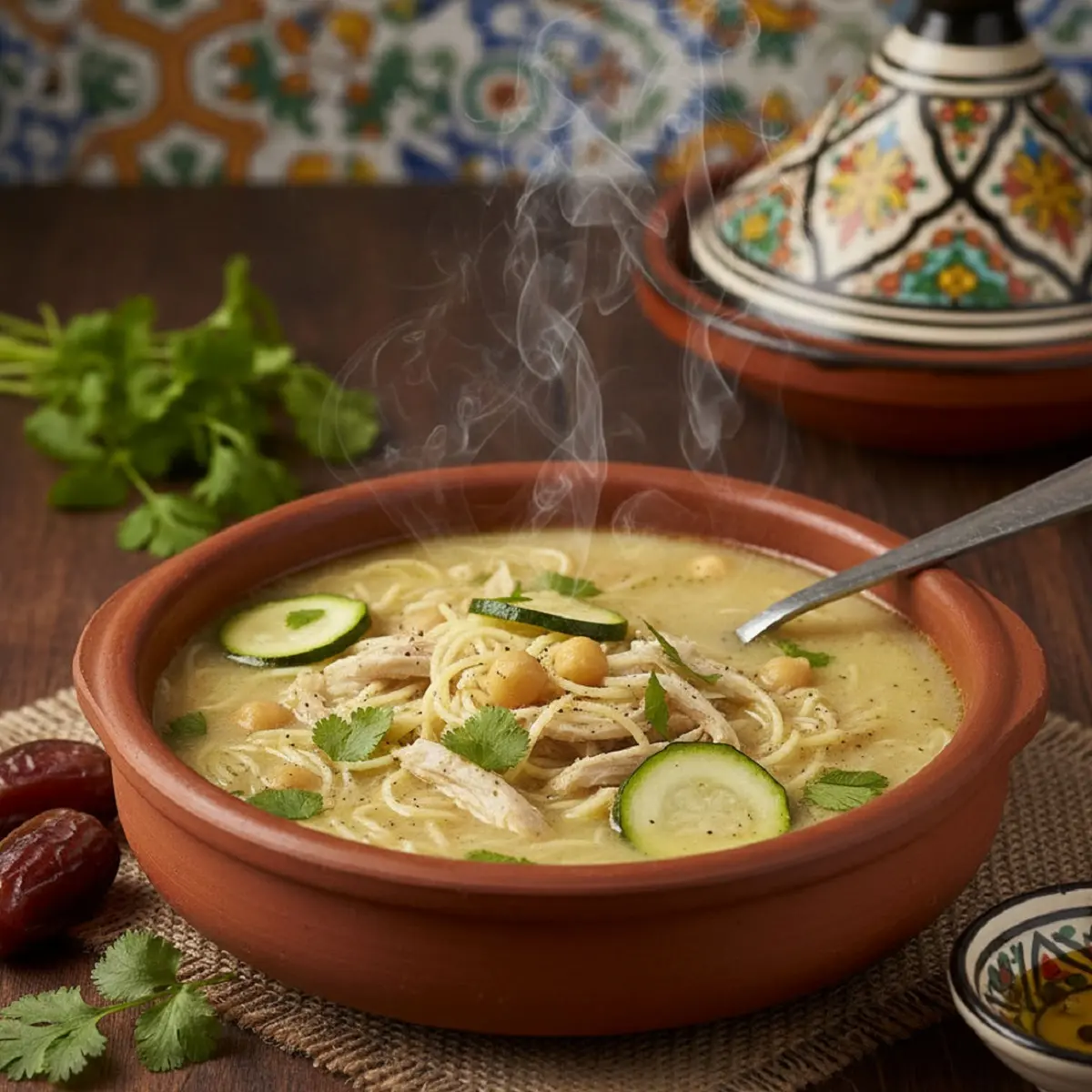
Chorba Beïda (“white” chicken-vermicelli soup of Algiers)

Chorba Beïda (White Chicken Soup)

Chorba Beïda, literally “white soup,” is a classic Algerian chicken and vermicelli soup traditionally served at iftar. Its gentle saffron and cinnamon notes create a ...
Read More →
Chorba Frik (lamb-tomato soup with green wheat)

Chorba Frik (Lamb & Freekeh Soup)

In Algerian homes, Chorba Frik warms evenings with its complex blend of lamb, tomatoes, chickpeas, and cracked green wheat (freekeh). Traditionally served to break the ...
Read More →
Couscous - Seksou - Kesksu (countless regional garnishes)

Couscous / Seksou / Kesksu

Couscous (called seksou or kesksu in some regions) is more than a recipe in Algeria – it is a centuries-old ritual woven into daily life ...
Read More →
Dolma & farcis (stuffed vegetables—courgette, artichoke, potato—braised in sauce)

Dolma & Farcis

Drawing on Ottoman influence and Mediterranean traditions, dolma (Arabic for “stuffed”) holds a beloved place in Algerian cuisine, especially during Ramadan and family feasts. Unlike ...
Read More →
Doubara (spicy chick-peabroad-bean stew of Biskra)

Doubara (Spicy Algerian Chickpea Stew)

Doubara (also spelled Dobara) is a beloved Algerian stew from the oasis city of Biskra. It features creamy fava beans and chickpeas simmered with onion, ...
Read More →
Ghribia - Montecaos (short, crumbly almond cookies)

Ghribia (Montecaos)

Ghribia (commonly known as Montecaos) are classic Algerian almond shortbread cookies celebrated for their melt-in-the-mouth texture and subtle sweetness. Each buttery biscuit carries a gentle ...
Read More →
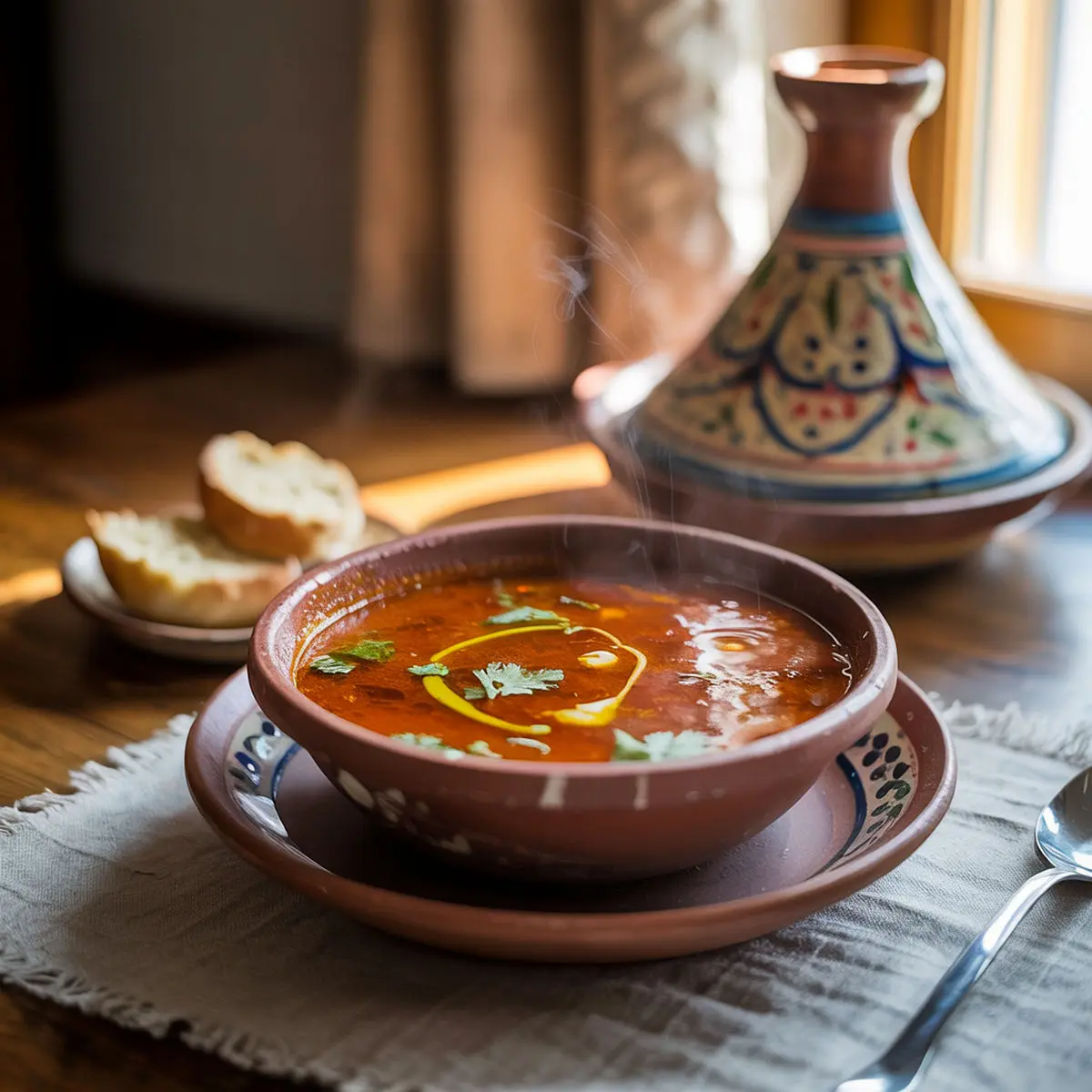
Harira (Algerian version—no lentils—thickened with egg & flour)

Harira (Algerian-Style Soup with Egg & Flour)

Harira is a beloved North African soup served at Ramadan, and the Algerian version is hearty and warming. In this recipe, tender lamb and aromatic ...
Read More →
Kalb el Louz - Chamia (semolina-almond squares soaked in orange-blossom syrup)

Kalb el Louz (Chamia)

Kalb el Louz, also known as Qalb el Louz or Chamia, is a hallmark of Algerian pastry. Translating to “heart of almond,” it is a ...
Read More →
Karantika - Garantita (chick-pea flan, eaten in bread)

Karantika (Garantita)

Karantika (also called garantita or calentita) is the humble chickpea custard beloved in Algerian street markets and cafes. A legacy of Mediterranean fusion, this simple ...
Read More →
Kesra Khobz Ftîr (semolina griddle bread)

Kesra (Khobz Ftîr)

Kesra – a humble circle of semolina dough cooked until golden – is one of the most beloved flatbreads of Algeria. In homes and bakeries ...
Read More →
Khobz el-Dâr - Khobz Eddar (“house bread”, oven-baked round loaf)

Khobz el-Dâr

Khobz el-Dâr, literally “bread of the home,” is a beloved Algerian round loaf often made in kitchens across the country. It combines fine semolina and ...
Read More →
Makroudh - Makrout (diamond semolina cakes stuffed with dates or almonds, honey-dipped)

Makroudh

Makroudh are a cherished specialty of the Maghreb, particularly in Algeria and Tunisia. These diamond-shaped semolina cakes capture the goodness of the land: wheat, olive ...
Read More →
Makrout el Louz (refined almond version from Algiers)

Makrout el Louz

Makrout el Louz (sometimes spelled “Maqroud el Louz”) is a refined Algerian specialty distinct from its semolina namesake. Rather than using wheat or semolina, this ...
Read More →
Matloue Khobz Tajine (sourdough bread baked on clay pan)

Matloue / Khobz Tajine

Matloue – also called Khobz Tajine – is a sweet, spongy flatbread cherished in Algerian cuisine. Shaped into thick rounds and slowly baked on a ...
Read More →
Mchawcha (Kabyle honey-soaked skillet cake)

Mchawcha (Kabyle Tahboult)

Home Mchawcha (sometimes called tahboult) is a traditional Kabyle honey cake often described as an “omelette” cake. The simple batter contains eggs, flour, semolina, a ...
Read More →
Mechoui (whole spit-roasted lamb; festive centre-piece)

Mechoui

In Algeria’s expansive landscapes and village gatherings, mechoui stands as a rite of communal celebration. Originating in Maghreb cultures and deeply woven into Algerian festival ...
Read More →
Merguez (spicy lambbeef sausages, grilled)

Merguez (Spicy Algerian Sausages)

In Algerian markets and street corners, the scent of merguez wafts from charcoal grills wherever families gather for the evening meal. These slender, spicy lamb-and-beef ...
Read More →
Mhadjeb - Mahjouba (fine semolina crêpe stuffed with spiced tomato-onion)

Mhadjeb / Mahjouba

Mhadjeb – often called Mahjouba – is a classic Algerian flaky semolina crêpe filled with a spicy tomato-onion mixture. This savory pancake is a beloved ...
Read More →
Msemmen & Baghrir (layered pan-fried squares; leavened “thousand-hole” crêpes)

Msemmen (Layered Pancakes)

Msemen (sometimes called Msammen or Rghaif) is a layered square pancake beloved across Algeria and North Africa. This flatbread is made by repeatedly flattening and ...
Read More →
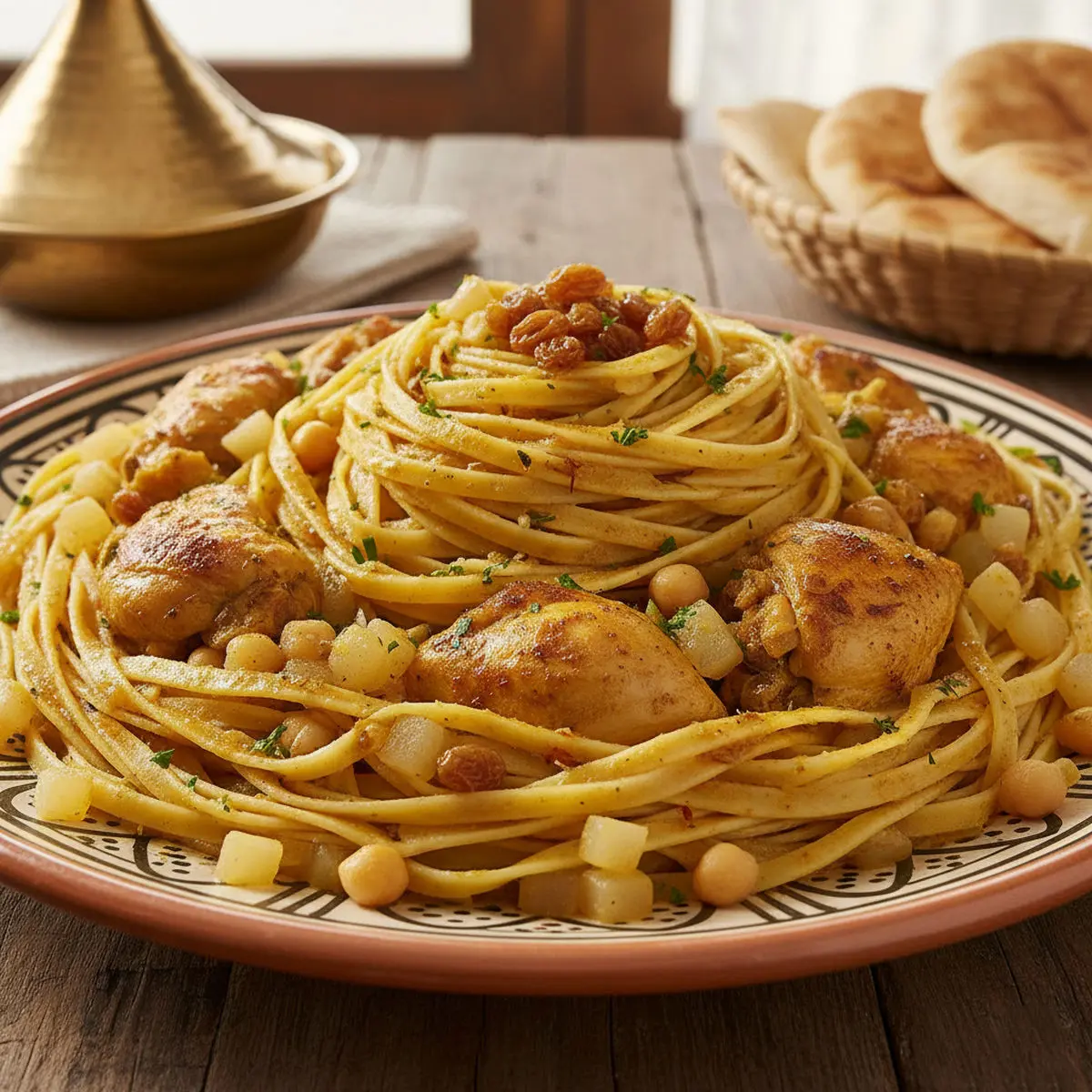
Rechta (fresh ribbon pasta with chicken & turnip sauce)

Rechta

Rechta (from Arabic reeshta, meaning “thread”) is a signature dish of Algiers and Blida, though it is enjoyed throughout Algeria with regional twists. Legend attributes ...
Read More →
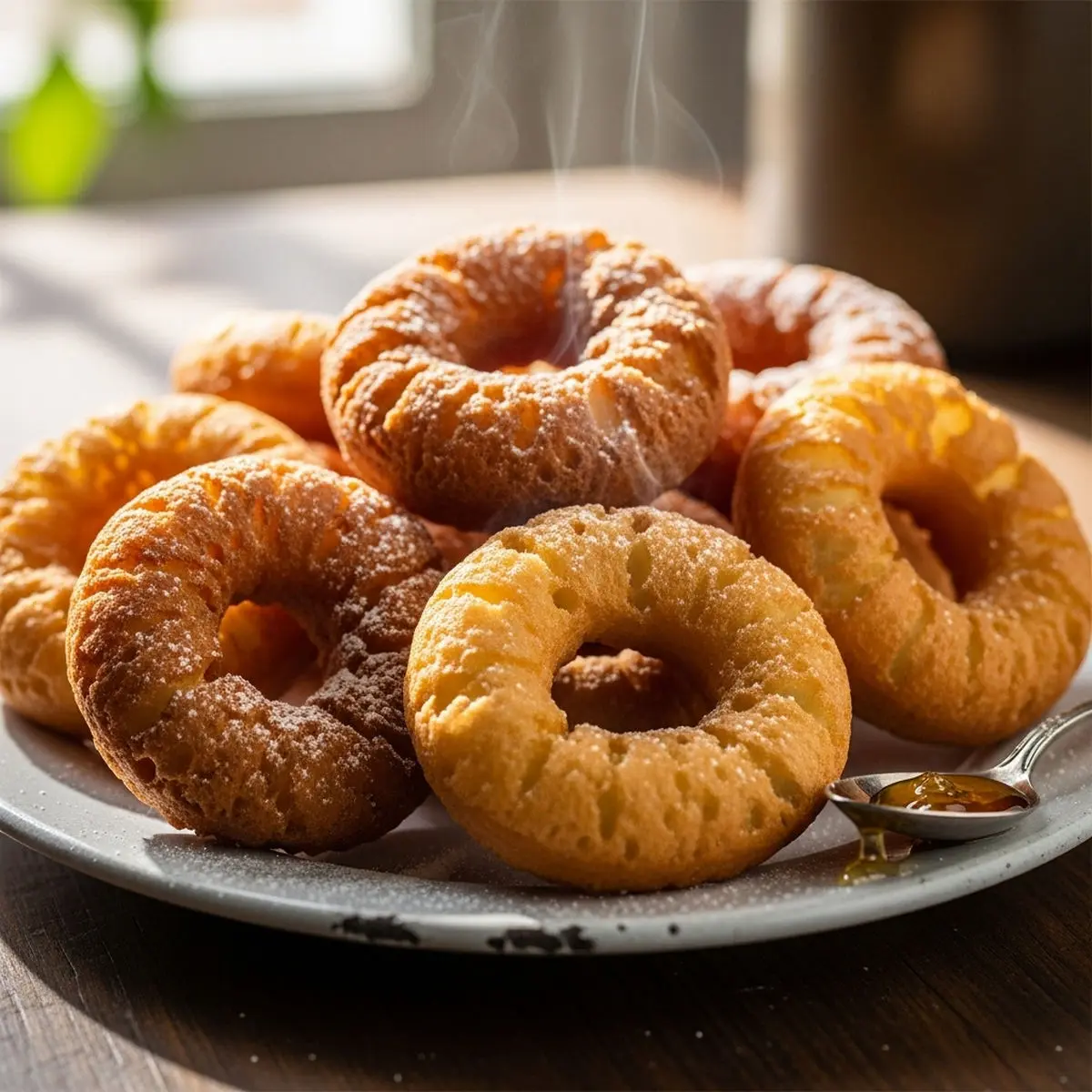
Sfenj (ring-shaped unsweetened doughnuts)

Sfenj – Algerian Ring Doughnuts

Sfenj are the quintessential Maghrebi doughnuts – light, ring-shaped fritters that puff up when fried to brilliant gold. The word sfenj comes from the Arabic ...
Read More →
Tajine Lham Lahlou - Tajine Hlou (“sweet meat” with prunes & apricots)

Tajine Lham Lahlou / Tajine Hlou

Tajine lham lahlou arrives on the table like a jewel: slow-cooked meat glistening under a syrup of sugar, honey, and orange blossom water. Literally “sweet ...
Read More →
Tcharak - Dziriat (almond-filled crescent or tartlets)

Tcharek el Aarian

Tcharek el Aarian (often shortened to tcharek) are traditional Algerian crescent cookies filled with spiced almond paste. Each cookie starts as a triangle of tender ...
Read More →
Zlabia (intricate honey-soaked fritters, especially during Ramadhan)

Zlabia

Zlabia (also called zouzbia or zalabia) are beloved honey-soaked fritters in Algeria and across the Maghreb during Ramadan and festive occasions. Each zlabia is an ...
Read More →
Zviti (bread pounded with tomato-chilli in a wooden mortar)

Zviti (Algerian Mortar Salad)

In the high plateaus of Algeria’s M’Sila province, Zviti (also called Slata Mahras) is a fiery relic of desert tradition. This rustic mortar-and-pestle salad transforms ...
Read More →