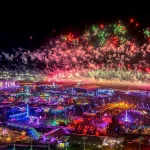
Nestled in the eastern Aegean Sea opposite the Turkish coast, Kos is Greece’s third-largest Dodecanese island. Its 42×11 km of coastline boast lush hills, centuries-old olive groves and dozens of sandy bays with turquoise waters. The island is rich in history – once the seat of Hippocrates, it still bears ancient monuments and medieval castles – but in modern times it’s equally renowned for its dual identity. In summer thousands of visitors flock here for vibrant nightlife, leading the official tourism board to dub Kos “one of the most fun-loving party islands in the eastern Mediterranean”. And by day, Kos’s shores draw windsurfers and kite-surfers from across Europe, thanks to reliable summer breezes funneling down the Aegean.
Over decades, Kos has cultivated a party reputation without losing its authentic charm. Its compact towns have lively tavernas and cafés that give way each evening to thumping clubs and cocktail lounges. Yet outside the towns the Aegean breeze blows almost year-round. “Windsurfing and kitesurfing are two very popular activities in Kos”, thanks to the famous Meltemi winds. In particular, the north coast – from Tigaki to Mastichari – catches steady sideshore breezes. At Marmari beach, for example, the narrow gap between Kos, Kalymnos and Pserimos works like a wind funnel, providing ideal conditions even for beginners.
The result is an island of contrasts. Visitors can sip cocktails on a rooftop bar in Kos Town at midnight, then kayak across calm morning seas before breakfast. Kos’s motto might as well be “live it up under the Greek sun, both day and night.” In this guide we’ll dive deep into both sides of Kos: the nightclubs and beach bars that thrum with energy, and the surf spots and seaside retreats where windsurfers wax their boards. Along the way we’ll weave in the cultural background – from Hippocrates’ plane tree to the Crusader castle – so readers leave with a full picture of Kos’s rich experience.
Kos is roughly 290 km² in area, with a permanent population around 37,000 (it’s the second most populous Dodecanese island after Rhodes). The main town and port (also called Kos, or Koζ) sits on the northeast coast and has most of the island’s hotels and nightlife. Secondary towns include Kardamena on the south coast (a concentrated resort for party tourism), Tigaki and Marmari on the north shore, and Kefalos at the southwest tip. The island’s interior is largely rural: olive groves, citrus orchards and almond farms fill gentle valleys ringed by forests. The highest point is Mt. Dikeos (846 m) in central Kos, but even the hilltops are olive-covered and easily hiked.
When the sun goes down, Kos Town transforms. The waterfront promenades and narrow side streets illuminate with neon, music and chatter. Kos’s main nightlife hub is the Akti Kountouriotou promenade (often called “Bar Street”) and its offshoots on Diakon, Nafklirou and Platia Kalinchou streets. Here trendy cocktail lounges mingle with tavernas and nightclubs, creating a compact party zone that tourists can bar-hop easily. The ambiance is upbeat, international and youthful: an Aussie backpacker might sip a Mojito beside a Swedish student, while Greek island-hoppers and Turkish ferry passengers join the crowd. Kos Town’s old harbor gives it a cosmopolitan feel as DJ beats mix with the clinking of glasses by the moonlit sea.
Local guides note that Kos Town is “known for its vibrant nightlife scene, with a plethora of options”. On any summer night, you’ll see lines of bustling bars offering everything from hip-hop to deep house. One official source gushes that Kos “allows all visitors to experience its vibrant and diverse nightlife…admiring the sunset — or maybe even dawn!”. In practice this means festivals and club nights run almost every night in July–August, and even traditional tavernas sometimes add pop music or a live DJ as late as 2 AM.
Many smaller cocktail bars and lounges line Bar Street as well; each has its own specialty (wine bars, rum bars, etc.). Wandering the area, you’ll also hear Greek dance music spilling out of some tavernas – on some nights a live bouzouki band or traditional dance group might appear spontaneously. In practice, hopping between two or three spots is easy because the strip is short, so you can dance one beat here and sip coffee on a quiet corner there in the same night.
After midnight the energy peaks. Kos Town’s bars spill into a few open-air clubs: Mylos (housed in a converted mill) is famed for house and commercial dance, while Str8 and Kalua attract DJs spinning trance and hip-hop. Kalua, outside town on Psalidi beach, is the island’s biggest nightclub (capacity ~2000) – it’s actually built into a hillside quarry. (It’s a bit of a walk from central Kos, though “party buses” shuttle crowd on peak nights.) Many clubs host themed events (foam parties, neon/UV nights, reggae/dancehall evenings) that draw crowds. On summer weekends, club-goers can dance until dawn under strobe lights and palm trees; the music fades only when the summer sun rises.
In town itself, Bar 55 (formerly Revolution) and Str8 are popular after-clubs. They usually open around midnight with live DJs and stay on till 6–7 AM. Between bars and these clubs, Kos Town ensures there is always somewhere to go until first light.
Just 13 km southwest of Kos Town, the village of Kardamena has earned a reputation as Kos’s dedicated party resort. Once a sleepy fishing harbor, today its waterfront promenade is lined with bars and small clubs tailored to young tourists. Think open-air music bars blasting pop, EDM and Greek dance hits all night, plus cheap beer stands and kebab shops. Many foreigners choose all-inclusive hotels in Kardamena so they can stagger out of the pool to afternoon foam parties.
A few things to know about Kardamena:
– The scene here is largely British and Scandinavian. Numerous pubs in town cater to UK tastes (karaoke nights, football games, rubber-boot races). Brits joke that in summer, nearly every visitor is holidaying with a group from Britain!.
– The main strip (Dimokratias Street) hosts dozens of bars within a few hundred meters. Notable names include The Band of St. Anthony (popular Irish-style pub), Crossroads Bar (pool tables, dance floor), and Starlight Club, a big venue famous for nightly foam and paint parties. Entry fees at clubs here are usually €5–8, often including a free drink.
– Beach clubs and pool parties: Some resorts and beach bars run afternoon parties. For example, Café del Mar beach bar in town has DJs and foam cannons on select afternoons. Hotels near the strip like Casa Cook or Argiri Beach Hostels often advertise nightly entertainment.
Club Highlight – Starlight Club (Kardamena): The island’s largest club, decked out in neon lights and laser rigs. Go there for foam parties and international DJ sets. (Weekdays can be quieter; peak nights Thu–Sat.)
Despite the chaos, Kardamena’s village scale (walkable, grid layout) and abundance of cheap bars make it easy to bar-hop. Happy hours run 5–8 PM, and by 10 PM the streets are buzzing. The vibe is very much “party from sunset to sunrise.” A local on TripAdvisor quipped: “Kardamena is the place if you want a lively, loud nightlife – great for backpackers and young folks.” (That anecdote reflects the grassroots tone of most guides on the town.) Remember: Kardamena is best for energetic clubbing and beach parties. It lacks the upscale cocktail lounges of Kos Town, but offers a never-ending, carefree bar crawl.
Not every night in Kos is a rave. For those who prefer a slower pace, the island also has picturesque sunset bars and mellow tavernas. These spots often attract couples, older visitors, or anyone nursing a slight hangover. Key examples:
Kos also has venues that fuse a bit of both worlds: day-to-night beach bars. For instance, Iguana Beach Bar (Psalidi) hosts weekly beach parties (often Wednesday/Friday), where people dance from sunset into darkness on the sand. These events may feature guest DJs and goers from Kos Town, blurring the line between seaside chill and nightclub.
Kos offers accommodations to match every style, including many aimed at the party crowd. In general:
By day, the scene on Kos shifts from tables to tides. Windsurfing and kitesurfing are almost woven into the local culture. The island’s geography creates an effective wind corridor: every summer the northerly Meltemi blows down from the Greek mainland and gets focused by the bays and neighboring isles. As a result, Kos is very popular for Aegean board sports. Several clubs and schools (e.g. Anemos Windsurfing in Mastichari, Kos Windsurfing Pro) operate across the island.
Kos is equally well-regarded for kitesurfing. Primary kite spots overlap with windsurf beaches, with flat water sections for learning and some wave areas for freeride. Top kite areas: Psalidi (best wind direction), Tigaki (long launch beach), Marmari, and even Mastichari. Each has dedicated kite schools and gear rental. Spot nuances: Psalidi gets strongest winds (kite brands say an 11m kite is average July–Aug). Tigaki/Marmari are safer for novices due to side-shore winds and plenty of shallow areas. As one kitesurfer on Kos noted, Psalidi’s winds “usually blow around 11am” with few people around, making it ideal for training.
Almost every beach town has at least one windsurf/kite school offering lessons and rentals. Popular centers (Mastichari Windsurf, Marmari Windsurf Center, Windsurf Pro Kos) offer certified instruction. Rental rates (2025 examples): a complete beginner windsurf set is about €25–35/day, while high-performance kit is €35–50/day. (We’ve seen published price lists showing full-day rentals ~€30–€45 depending on board size.) A standard beginner lesson (2 hours) costs roughly €40–50, or €150–220 for a 5–day course. Most schools also rent kitesurf gear by similar pricing. Helmets and vests are optional (windsurfing wetsuits are generally not needed after June, as water temps reach ~25°C).
Kos’s beaches cater to every mood, from full-on party zones to secluded coves. In addition to the windsurf/kite beaches already covered, highlights include:
Kos’s natural beauty is a big draw outside the party hours. Many visitors spend afternoons exploring inland: hiking to the peak of Zia, cycling through terraced olive groves, or visiting the tiny mountain monastery of Agios Georgios for panoramic views. The Skala trail around Zia offers both scenic vistas and a break from crowds, with just the occasional bleat of goats. In all these spots the wind keeps them cool even in summer’s heat.
Even for party-goers, Kos’s history is never far away. A few cultural stops are must-do’s:
Kos’s modern culture blends Greek tradition and the influx of tourism. Traditional music cafés occasionally host local bouzouki players late into the evening; religious festivals (like the August Transfiguration or the winter Epiphany blessing of the sea) still attract crowds of islanders. The summer tourist calendars include sailing regattas and athletic competitions too. Yet by midnight all this history quietly steps aside for pulsing nightlife and water sports – another reminder that Kos is as much about now as about the past.
How does Kos stack up against better-known party islands? It occupies a middle ground between glamorous Mykonos, hedonistic Ios, and the family-oriented Santorini:
In summary, Kos vs. Mykonos/Ios: If you want wild parties on a budget, Kos is an excellent choice. It’s usually cheaper than Mykonos (less luxury markup) and less relentlessly youth-oriented than Ios. One travel survey notes that Kardamena attracts mainly UK and Scandinavian holidaymakers – in other words, tourists looking to party without excessive pretension. (Kos won’t have a Kylie Minogue cameo, but it will have cheap beer and karaoke.)
Kos Island manages to offer two vacations in one. To make the most of it, consider the following checklist: