
Croatia National Food
Paški Sir – Pag Island Sheep’s Cheese

Last updated: 2026-02-28 17:27:59
Recipe at a glance
Paški Sir – Pag Island Sheep’s Cheese
Key recipe details from the source.
- Servings
- 10
- Preparation
- 60 minutes
- Calories
- 480 kcal
Croatian recipe
Paški Sir – Pag Island Sheep Cheese (Salty & Herb-Infused)
Paški sir is traditionally made by heating raw sheep’s milk to around 32–37°C, then adding rennet to form curds. After setting, the curds are cut small, gently heated, and pressed into round cheese molds. The formed cheese rounds are salted and brined for about one day. They are then aged in cool, humid cellars for anywhere from 2 months up to a year or more, developing a natural rind. The cheese requires at least two months to be called Paški sir (though many producers age it 6–8 months for extra complexity). The final product is a hard, savory cheese with a firm, slightly crumbly texture and a salty-herbal profile. It is often enjoyed shaved on salads, grated over pasta, or simply sliced with dried fruit and wine as an appetizer.

01 · Overview
Overview
Paški sir (pronounced “pahsh-kee seer”) is Croatia’s most renowned artisanal cheese, hailing from the windswept island of Pag on the Adriatic. Its fame comes from the island’s unique environment: a cold, saline wind called the bora carries sea spray onto the grazing pastures. Only the hardiest herbs thrive on this salt-dusted soil – sage, immortelle, fennel, and others – and the native Pag sheep feed on these fragrant plants. The result is sheep’s milk that tastes richly of the island itself. When transformed into cheese, these coastal herbs impart a subtle herbal saltiness to Paški sir.
This hard, granular cheese typically ages 60 days to 18 months and develops a dense, crystalline texture not unlike Parmesan. The rind is naturally yellowed from the sun and often rubbed with oil. On first bite, Paški sir seems salty and sharp, but then gives way to a warm savory fullness with hints of herbs and a slight sweetness. It smells of hay and salt air. Local lore even credits centuries of tradition: Pag shepherds have made similar cheeses since ancient times, and today six dairies still follow strict rules (including a 2019 PDO designation) to ensure authenticity. Paški sir wheels often carry little stickers or branding to certify origin.
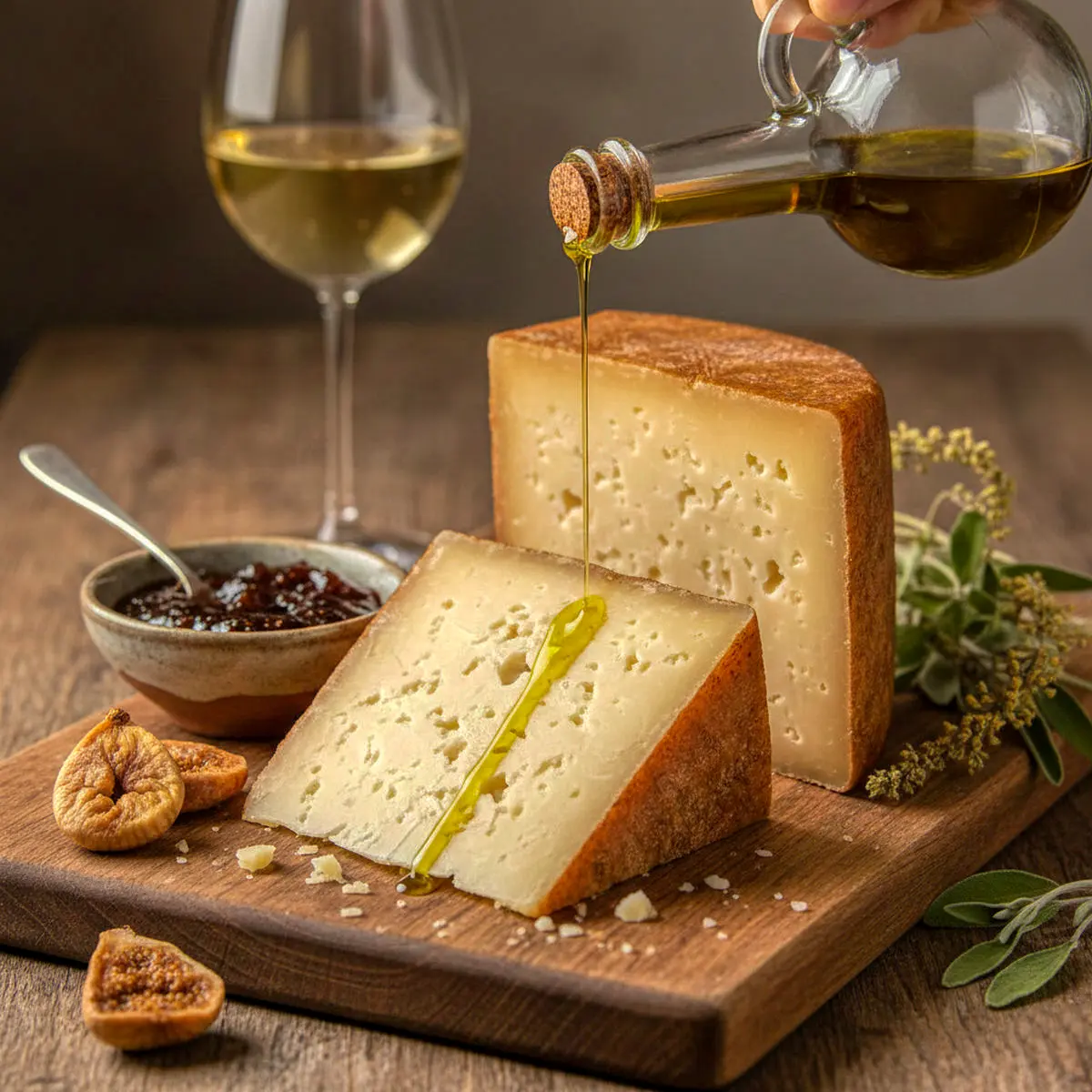
In Croatia, Paški sir is served as a highlight of any cheese plate. Its firm texture invites slicing into wedges or shaving over dishes. Popular pairings are dried figs or a tart fig jam – the sweetness wonderfully balances the cheese’s salt. Drizzles of local olive oil and a glass of white wine (Pošip or a fresh Istrian Malvazija) bring out the flavors. At home, Croatians might eat Paški sir simply with olives, prosciutto, and bread. Chefs grate it over seafood risotto or pasta in place of Parmesan. However you eat it, Paški sir offers a clear taste of Pag’s rugged sea air and sun-baked herbs, capturing the very landscape of its origin in each bite.
02 · Ingredients
Ingredients
- Sheep’s milk 25 liters (preferably from Pag sheep, if available)
- Rennet 5–10 mL liquid rennet (or appropriate amount of powder), suitable for sheep’s milk
- Cheese salt non-iodized salt (about 200–300 g, fine salt, in brine or dry salting as per method)
- Cheese culture (optional) mesophilic starter (for safety in home settings)
- Olive oil for rubbing rind during aging (optional, typically used by pros)
03 · Directions
Directions
Directions
Heat the milk
Pour the sheep’s milk into a large stainless steel pot and slowly heat it to about 32°C (90°F), stirring gently. (Time: ~20 minutes)
Add rennet
Remove from heat and add the liquid rennet (per package directions) while stirring. Cover and let the milk sit undisturbed for ~45 minutes, allowing a firm curd to form. (Time: 45 minutes)
Cut and cook curd
Once set, cut the curd into pea-sized pieces using a long knife or curd cutter. Slowly heat the curds to 38–40°C (100–104°F) over 20–30 minutes, stirring gently. (Time: 30 minutes)
Drain curds
Transfer the curds into cheese molds lined with cheesecloth. Press lightly (around 10–15 pounds pressure) for about 4 hours, flipping halfway, so excess whey drains out and a solid cheese mass forms. (Time: 4 hours)
Brine the cheese
Remove the newly formed cheese wheels from the molds. Submerge them in a 20% salt brine (200 g salt per liter of water) for 18–24 hours. This flavors and preserves the surface.
Age
Take cheeses out of brine, pat dry, and place on wooden shelves in a cool (~12°C) humid (85% humidity) environment. Flip and wipe each cheese daily. Let them age a minimum of 2 months; traditionally 6–18 months. (Aging: 60+ days, up to 2 years)
Serve
When mature, let the cheese come to room temperature. Slice or grate it. For an appetizer, serve wedges with fig jam and olive oil. To use in recipes, grate it like Parmesan over pasta or salad.
04 · Nutrition
Nutrition
- Calories
- 480 kcal