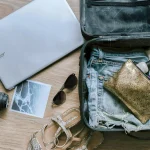
Solo travel is surging in popularity, attracting a diverse crowd of explorers. According to a Hostelworld survey, two-thirds of solo adventurers are aged 18–30, and women make up about 60% of solo travelers; notably, nearly one in five identifies as LGBTQ. These figures reflect a broad trend: the global solo travel market is growing rapidly, with research projecting it could exceed \$1 trillion by 2030. Yet with freedom comes responsibility. This guide was written to help solo travelers – whatever your destination or background – plan smartly and stay safe.
Thorough preparation is the single best way to feel confident heading out alone. Begin by researching your intended destination as if your safety depended on it – because it does. Consult official travel advisories (for example, the U.S. State Department’s color-coded advisory levels or Australia’s Smartraveller site) and recent news for the country or region. Country-specific warnings typically range from “exercise normal precautions” to “do not travel,” and they outline hazards like crime, unrest, or health outbreaks. For instance, the State Department explicitly recommends signing up for its Smart Traveler Enrollment Program (STEP) to receive embassy safety updates. As one travel insurance guide advises, “consult reliable sources such as country-specific travel pages and the latest alerts on government websites,” and learn local laws and customs in advance. Pay attention to cultural norms that might affect you (e.g. dress codes or local attitudes toward solo women or LGBTQ travelers) and identify any neighborhoods you should avoid. Local expat forums and recent traveler reviews can also highlight on-the-ground issues. (If official sources seem overly cautious, remember they often speak to the broadest audience; use them as a baseline and refine with real-time local intel.)
Before you go, assemble all essential documents and take copies. Check that your passport is valid at least six months beyond your planned return date – failing to meet this “six-month rule” can cause airlines to refuse boarding or entry to many countries. Make photocopies or digital scans of your passport, visas, IDs, insurance, and itinerary; keep them separate from the originals (for example, in cloud storage or an email to yourself). A government travel site notes travelers should “carry identification and any pertinent medical information at all times. Maintain digital and physical copies of these essential documents”. Apply for necessary visas and plan how you’ll obtain cash or currency abroad. Notify your bank of your travel dates and destinations to prevent fraud alerts on your cards. Arrange your travel insurance carefully: U.S. authorities “strongly recommend” coverage that includes medical emergencies and evacuation if traveling in higher-risk or remote areas. In short, create a pre-departure checklist: passports, visas, insurance, prescriptions and vaccines, financial prep, and at least a rough itinerary to share with someone you trust.
Today’s travelers also need a digital plan. Install key mobile apps before you leave: a secure VPN app for safe banking on public Wi-Fi, messaging apps (WhatsApp or Signal) with live location sharing enabled, and offline map/translation apps in case data is spotty. Create a communications schedule: decide how often you’ll check in with family or friends back home. Keep all devices protected by passwords and backups (consider syncing contacts/notes to the cloud). And think about power: pack a high-capacity power bank and the appropriate plug adapters for your destination. U.S. authorities advise staying connected: “Always keep your cell phone charged and easily accessible”, and share your itinerary and contact info so someone can find you if needed.
Before departure, build a small safety network: register with STEP (free for U.S. citizens) or similar programs in your country. For example, the State Department explains that “STEP is a free U.S. Department of State service that lets U.S. citizens… register their trip”, ensuring embassies can reach you. Do the same with your home-country consular services and note their helpline numbers. Brief family or friends on your plans, giving them a copy of your itinerary and copies of your lodging confirmations. Agree on a check-in routine (for instance, a daily message) so someone back home knows you’re safe. If you have health considerations, prepare accordingly: research any needed vaccinations on CDC resources and carry health records or doctor’s notes for chronic conditions. In short, exit with paperwork in order, tech ready, and confidantes informed – the calmer the takeoff, the smoother the trip will go.
Choosing secure lodging is a top priority on any solo trip. In general, hotels and guesthouses tend to offer better security than hostels or rentals because they have staffed reception desks, lockable rooms, and surveillance cameras. Hostels can be social havens but check that they have lockers (bring your own padlock) and that staff monitor access. Vacation rentals (Airbnb, etc.) vary widely; carefully read reviews for mentions of security and check that the listing photo matches the address and description. Always prioritize a safe neighborhood over rock-bottom price – it’s better to stay in a modest hotel in a well-lit area than a luxury place in a sketchy part of town.
Once you’ve booked, scrutinize reviews for safety clues. Search for mentions of noise, break-ins, or scams. Pay attention to location: look up the address on a map and see if it’s near major police or fire stations (or dangerous zones). If the property has a history of guest complaints about safety, move on. When arriving, take note of exits, and make sure there’s a working phone or cell signal from the room. Booking sites often show “security” filters – use them if available.
As a last step, consider the “what if” of no reservation: the guidance is clear – always have confirmed accommodations. One safety article bluntly advises: “Never leave yourself without confirmed safe accommodation.” If plans change unexpectedly, call ahead for alternatives rather than scrambling on foot at night.
Once you arrive at your lodging, treat the room itself like a mini fortress. First, conduct a brief inspection. Check that deadbolts, chain locks, and peepholes function correctly. Make sure the door hinges are inside (some cheaply built rooms have outward-hinged doors that can be forced). Use all available locks each time you enter or leave, even if just stepping into the hallway – it’s a simple habit that deters intruders. One travel safety newsletter advises: “At your accommodation, always lock your door and any connecting doors to your room… use the chain or spy hole when receiving visitors”. In other words, don’t chain-room strangers; verify anyone who knocks. If a maintenance worker arrives unexpectedly, call reception first to confirm their identity.
A portable door stop or wedge with an alarm function is a smart gadget for solo travelers to pack. When engaged under the door, it adds a mechanical block and an alert sound if tampered with, giving an extra layer of nighttime security. (In many places it’s legal and inexpensive – think of it as a travel alarm.) You can slip the wedge easily into your bag.
Hidden camera detection is another consideration. To guard your privacy, sweep the room for unexpected electronics (small cameras can be disguised). Some solo travelers carry portable detectors. As Travel + Leisure notes of one model: “the Navfalcon Hidden Camera Detector may be a good investment to provide a level of safety… [it] combines RF, magnetic field and infrared detection to locate potential bugs and cameras”. It’s not required, but if you’re staying in a private rental, a quick scan (or even a flashlight check for glints of glass) can be reassuring. At the very least, do a quick eyeball check behind mirrors, phones, clocks and power outlets.
If you ever return to a room and find the door unlocked or a window ajar that you didn’t leave so, do not enter. Instead, go straight to reception or security and have them escort you in. Similarly, avoid disclosing your room number in public or to casual acquaintances. Treat every room key or electronic passcard like a credit card: carry it securely and surrender it only when officially done with the booking. These in-room routines are simple but highly effective ways to reduce opportunistic crime.
Getting around solo can be smooth – or it can be risky if you skip precautions. Whether by taxi, bus, train or rideshare, follow clear rules:
When exploring on foot, common-sense vigilance goes a long way. Blend into your surroundings: observe how locals dress and try to adapt. In many places, modest or plain attire will draw less attention; avoid flashy clothing, expensive jewelry or overt displays of wealth. Keep your camera or phone stowed when not in use – staring at a map app while walking announces you as a tourist. A Global Rescue survey found that 93% of experienced solo travelers list “situational awareness” as a top priority, recommending things like “put your phone away when walking alone, avoid poorly lit streets and research common scams”. In practice, that means walking with confidence (even if you have to fake it), maintaining good posture, and scanning the environment. If you feel uneasy at any moment, trust that feeling. The same review warned that even hotel lobbies should be entered with purpose – if someone seems suspicious, exit and re-enter through another way to reset the situation.
Distribute your cash and valuables: carry small amounts of local currency in your wallet, but hide backup cash and cards in a money belt or a discrete pocket. Only carry what you need for the day; stash the rest in a secure place. Keep an eye on your drinks and belongings in cafés – avoid setting bags on the floor or chairs behind you. In crowds, clutch your bag strap across your chest. One veteran traveler suggests a theater trick: if you feel watched or followed, pretend to chat on your phone or stand confidently with a phone in hand. These minor behaviors can deter opportunists.
Headphones and distractions are a no-go when alone in public spaces. Research consistently shows that covering your ears or eyes (for example, listening to music loudly) can reduce your ability to detect threats. Official advice is blunt: stay aware, and if using your phone or camera, step into a shop or against a wall to check directions or take photos – don’t do it in the middle of the sidewalk.
Solo travel isn’t about isolation – meeting people can enrich your trip. But balance openness with caution. If you want to meet others, use safe venues: hostels often have group dinners or walking tours, and day-trippers’ activities (like cooking classes or hiking groups) are good ways to connect. When talking to strangers, avoid immediately revealing you’re alone. A quick trick is to say something like, “I’m meeting a friend for dinner,” which can discourage bad actors.
Be especially vigilant when alcohol is involved. Never leave your drink unattended and watch it being prepared. U.S. authorities advise: “Always watch your drink and do not accept drinks from strangers” to prevent spiking. Drink slowly and keep it in your hand or within sight. If someone offers you a drink or a ride, politely refuse – it’s not rude to prioritize safety.
Using dating or social apps abroad can make meeting people easier, but it also requires extra caution. Before meeting anyone from an app, check their reviews (some apps have feedback) and always meet in a public place during daylight. Tell someone your plans and the meet-up time. Remember, romance scams are a real threat: someone may pressure you for money or sensitive info. Never share personal details (like your address or bank account) with people online, and if a conversation turns to money or gifts quickly, exit.
Familiarize yourself with common travel scams at your destination. Whether it’s the “bracelet scam” (strangers tying friendship bracelets around wrists and demanding payment) or fake petitioners, a quick search online or a read of traveler forums can highlight these ploys. If approached by pushy vendors or street hustlers, be firm and walk away. Having a small defense – like a pair of pliers in your kit – can help cut off an unwanted bracelet if needed. (Most importantly, stay calm: if things escalate, scream or run to a crowd. Your voice is a great deterrent.)
Perhaps the simplest yet most critical rule is: always trust your gut. If a person or situation feels off, it probably is. Solo travelers often have to learn a balance between being polite and being safe. Official guidance is emphatic: in an unsafe scenario, “being safe is more important than being polite”. If someone is insisting on something you’re uncomfortable with (whether it’s overfriendly conversation, unwanted physical contact, or a pressure to enter a private space), remove yourself politely but firmly.
Learn to set clear verbal boundaries. For example, having a short, rehearsed phrase can be helpful: “No, thanks, I’m fine!” or “That’s not going to work for me.” Speak firmly and without apology. If needed, create a scene – raising your voice or drawing attention is absolutely appropriate when you feel threatened. U.S. consular advice even recommends practicing “getting loud” before travel, so you’re not self-conscious if you actually have to shout. A national survey of solo travelers echoes this: safety comes first, and bystanders will often help more if they see someone being assertive.
Be prepared to walk away. If you think you’re being followed or pressured, enter the nearest hotel, store or restaurant. Place a phone call in their presence (even if you pause mid-call). Saying “My husband will be calling soon” or just loudly dialing as if talking to someone can dissuade a potential harasser. If an emergency strikes, don’t hesitate to call local emergency services (112 works in many countries, or the local 911 equivalent) or your embassy. They deal with crises regularly and can intervene.
Women Travelers: Solo women may face additional challenges. Research your destination’s gender norms and dress accordingly. In some countries, dressing modestly can reduce unwanted attention (for example, covering shoulders or knees in parts of Southeast Asia or the Middle East). There is no one-size-fits-all rule; consult recent female travel forums or guidebooks for country-specific tips. Bring a cover-up scarf or quick-change top if you know you’ll enter religious sites.
Sexual harassment (catcalling or unwanted advances) can happen almost anywhere. If it occurs, handle it proactively: cross the street to deter persistent harassers, or pretend to take a call and walk away. Keep pepper spray or a personal alarm if it’s legal in your destination. U.S. advice notes that women should feel comfortable speaking up – “If you are in an unsafe situation, it can help to speak loudly,” since assailants often rely on silence. Carrying a door-stop alarm (as mentioned above) doubles as a loud noise device that you can activate by kicking it.
Connecting with other women on the road can also be protective. Many hostels and guesthouses have women-only dorms or floors. If you feel uneasy, book the lower bunk near a female roommate or near an exit. When traveling in buses or trains at night, sit near male passengers or in occupied compartments if possible. (Statistically, assaults often target single women late at night – so try to avoid being completely alone on transport after dark.)
Statistical surveys reflect these concerns. In one recent study, only 51% of women said they felt safe traveling alone (versus 74% of men), and almost half of women admitted they deliberately avoid certain countries over safety fears. This does not mean women should not travel solo; rather, it underlines the importance of women taking extra precautions and trusting their limits. Many women find empowerment in solo travel, but safety should shape destination choices and habits.
Male Travelers: Men also need to be cautious, though their risks can be different. Data suggest men tend to feel more confident traveling alone, but they are still targets for crimes like robbery or bar fights. Men traveling solo should be especially wary of displays of strength or wealth – the same flashy watch or phone that makes you feel confident can make you a target. Avoid street confrontations. If someone is being aggressive, it’s almost always best to walk away; getting into a physical altercation as a solo traveler (without backup) is seldom wise.
Certain destinations may pose unique risks for men, such as areas known for taxi scams or robbery gangs. Still apply all the same safety precautions outlined above: use licensed taxis, stay aware on public transport, and avoid dark streets. In unfamiliar cultures, be mindful of personal space and gestures. Loud or impulsive behavior can attract unwanted attention. Like any traveler, men should keep valuables hidden, secure their accommodation, and not share too much personal information. A final reminder: solo men don’t have to worry about street harassment to the same degree as women, but they do face other risks (like dangerous substances or bravado-related incidents), so make common-sense decisions regardless of gender.
LGBTQ+ Travelers: Many LGBTQ+ solo travelers are savvy about safety, but they should take extra precautions in places with anti-LGBTQ+ laws. Before traveling, check if your destinations have any laws against same-sex relationships or public displays of affection. Organizations like ILGA provide country-by-country breakdowns. In countries with restrictive attitudes, discretion is key: keep dating apps hidden or off unless absolutely needed, and use a VPN for any online activity that could be monitored. When using dating apps abroad, limit personal info and meet in well-lit public venues.
Find LGBTQ+-friendly accommodations via resources like the IGLTA directory or local gay-friendly travel networks; these can double as safe havens and sources of local tips. Connect with local LGBTQ+ communities or expat groups online before your trip. Even in tolerant destinations, it’s wise to be aware of your surroundings. For example, avoid walking hand-in-hand in cities where you might stand out. When in doubt, revert to all the general safety rules above – trust your instincts, have an exit plan, and know your embassy’s stance. Your well-being matters: many travelers find that solo travel has made them more confident in their identity, but always take precautions appropriate to each locale.
Solo travelers must prepare for the worst before it happens. A small, well-stocked emergency kit is invaluable. Include basic first-aid supplies (bandages, antiseptic, pain relievers), any prescription medicines, blister patches (moleskin), and a cold remedy. Pack a few N95 or surgical masks and hand sanitizer. A compact headlamp or flashlight stored in your shoe or pocket is a clever tip – if the power goes out or you need to signal for help in the dark, you’ll have it ready. The CDC recommends that all travelers bring “a personal first aid kit with basic medical supplies,” customized for your trip. This means adding altitude sickness pills in mountain regions, or antibiotic cream if you tend to scrape easily.
Compile an emergency info sheet: this can be in your wallet or phone. It should list emergency phone numbers for your home country and each destination (in local format, if possible). Also note your insurance policy number and 24/7 emergency contact, and the address of the nearest hospital or embassy. Learning a few key phrases (“help,” “I need a doctor,” “police”) in the local language can be life-saving. Check if your phone’s language pack includes offline translation – it can assist in a crisis.
Know the kinds of emergencies your region is prone to. If traveling to earthquake or hurricane zones, learn the local alert signals and evacuation routes. The Smart Traveler Enrollment Program (STEP) or local travel agencies often send alerts for natural disasters – sign up if you haven’t. Keep an eye on the weather and political news as part of staying informed.
If medical issues arise, remember: seek help immediately. For accidents or serious illness, dial local emergency services (112 or 911 equivalent) and explain you are a traveler needing urgent care. In many countries, you must pay upfront; that’s why travel insurance should cover hospitalizations. If you do require evacuation, your insurer’s 24/7 assistance line will arrange it – this is why medical evacuation insurance is strongly recommended. In any event requiring police involvement, get a report. Local police reports are necessary for insurance claims. Even something as minor as a lost wallet or pickpocketing incident should be documented by authorities.
If your passport is lost or stolen, report it immediately. Contact your country’s embassy or consulate. (Most embassies have 24-hour emergency lines.) They can issue an emergency travel document or guide you through the replacement process. Remember the New Zealand advice: first, ensure you’re safe; then go to the nearest police station to file a report, as you’ll need that record to get a replacement passport and to claim insurance.
Despite all precautions, things can go wrong. Having a clear plan of action for different emergencies can save precious time and stress:
Emotional preparation is as important as packing. Traveling alone can be thrilling but also overwhelming at times. Feelings of loneliness or fear are normal. Experienced solo travelers report an initial “honeymoon” period of excitement followed by occasional lows as the novelty wears off. Acknowledging these ups and downs is half the battle. Build routines: schedule video calls home, journal your experiences, or set small daily goals (e.g., “find a good breakfast spot”, “watch the sunset”) to keep a sense of purpose.
Decision fatigue can creep in when you’re the only one planning every moment. Mitigate this by mixing structure with flexibility: plan the next steps for the day but leave blocks of free time. That way, when you do get tired, you don’t have to plan on the fly. If you start feeling overwhelmed, take a break. It’s okay to slow down or even change plans mid-trip.
Importantly, solo travel can boost confidence over time. As psychologist Jenna Kirtley observes, being alone forces you to rely on yourself. She notes solo trips “help you to tackle and overcome anxiety” because you must handle situations solo, which ultimately leaves you “more equipped to manage certain situations”. Every time you navigate a challenge on your own – finding a subway station, fixing a minor scrape, bargaining in a market – it builds self-reliance. Note these victories in a travel diary; reflecting on them can bolster your mood.
Loneliness can be the biggest struggle. Combat it by finding community. Stay in social accommodations part of the time, or attend local classes or meetups (language exchanges, volunteer events, group tours). Even a short chat with a café owner or a handshake after a friendly soccer match can remind you that connections are possible everywhere. If you ever feel very down, seeking online communities or local expat networks can help. Always remember: feeling uneasy at times is a common reaction, not a failure. If anxiety becomes too much, consider cutting a trip short – no one path is mandatory. Taking care of your mental health is paramount; book a familiar hotel or return home if needed without guilt.
Every region of the world has its own safety profile. Here are broad tips – always double-check country-specific advice:
In every destination, local knowledge is invaluable. Ask hotel staff or tour operators about current security concerns (even petty crime or health alerts), and heed their advice. Stay out of areas flagged by travel advisories as unstable or dangerous – there’s always more to see elsewhere.
Here’s a checklist of useful items to have on hand:
Solo travel opens doors to self-discovery, flexibility and remarkable experiences – as long as you pair enthusiasm with prudence. The goal is not to travel in fear, but to travel informed and empowered. This guide is your launchpad: bookmark parts of it, check lists, and remember the local tips. You’ll find that the world is full of welcoming people and adventures worth having. When you make safety a habit, solo travel becomes more comfortable and enjoyable.
By staying alert, respecting local customs, and trusting your instincts, you can navigate the globe with both excitement and caution. Let each journey teach you – and even challenge you – while you carry the confidence that you are prepared. As travel experts say, with thorough planning and sensible practices in place, you create room to focus on the joy of solo exploration. Bon voyage, and stay safe out there!