

Traveling for an entire year can reshape a person’s perspective of the world. Each month unlocks a new climate and culture, allowing the wanderer to savor winter lights, spring blooms, summer festivals, and fall foliage in turn. Extended journeys of 12 months bring statistical rarity – only a few percent of travelers take such long trips – but the rewards are profound: cultural immersion, personal growth, and deeper connections to each destination. In this guide, readers will find a detailed month-by-month itinerary for a year-long journey, combining practical advice (climate, visas, budgets) with cultural highlights (festivals, traditions, natural wonders). Whether planning a sabbatical, gap year, or career break, one can chart a rich itinerary that balances iconic highlights and hidden gems. The goal is to inspire and inform without promotion: the emphasis lies on facts, preparedness, and inspiration drawn from real travel experiences, rather than hype.
- January – Southeast Asian Awakening
- Why Southeast Asia in January
- Featured Destinations
- 30-Day Itinerary Breakdown
- Budget Expectations
- Visa Requirements for Southeast Asia
- February – African Safari & Cultural Immersion
- Why Africa in February
- Southern vs. Eastern Africa Routes
- Safari Planning Essentials
- Cultural Experiences Beyond Safari
- Vaccination and Health Preparations
- March – Indian Subcontinent Discovery
- Why India in March
- Holi Festival Timing
- Classic Golden Triangle vs. Off-Beat Routes
- Nepal Side Trip Planning
- Sri Lanka Extension Options
- Managing Cultural Adjustment
- April – Cherry Blossoms & East Asian Wonders
- Japan 12-Day Itinerary
- Budget Management in Japan
- South Korea 11-Day Extension
- Japan Rail Pass Strategy
- May – Mediterranean Spring Perfection
- June – Scandinavian White Nights
- July – Central Asian Silk Road Adventure
- Why Central Asia in July
- Uzbekistan to Kyrgyzstan Route
- Visa Challenges and Solutions
- Yurt Stays and Nomadic Experiences
- August – South American Winter Escapes
- Why South America in August
- Patagonia Winter Adventures
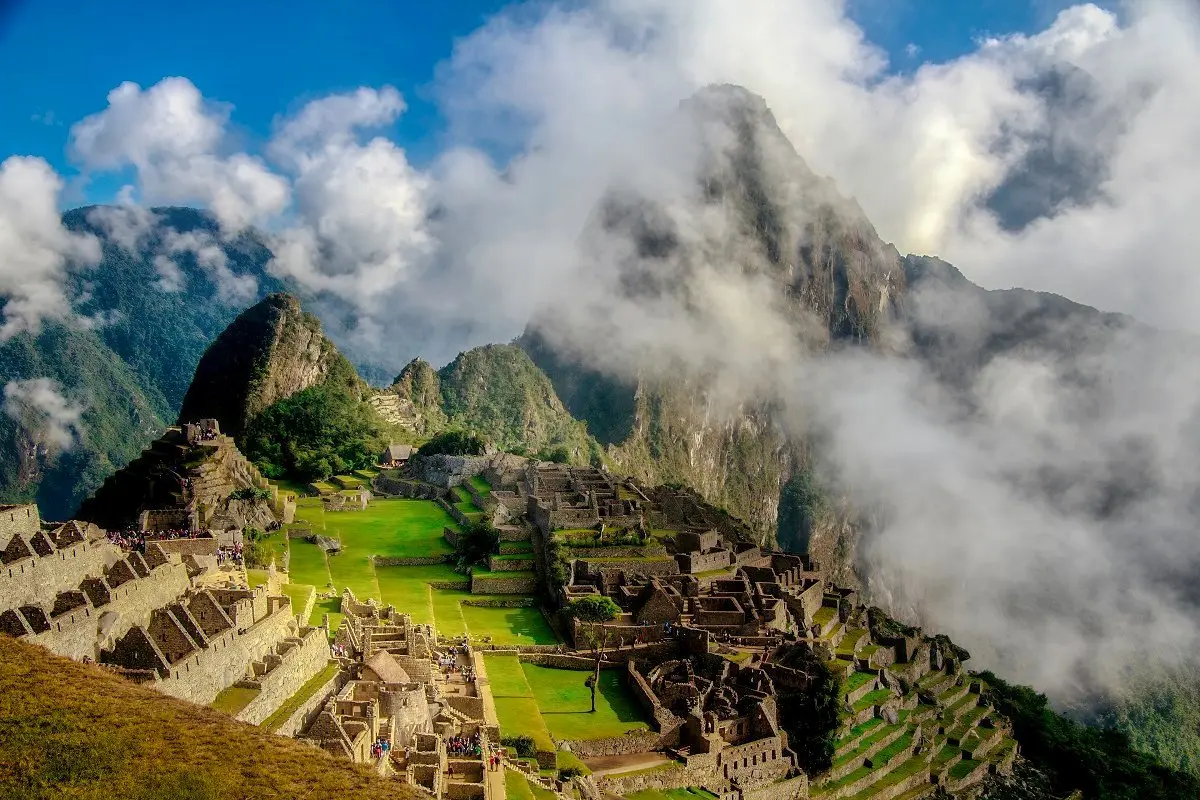
- Machu Picchu and Andean Highlights
- Argentina Wine Country
- Altitude Preparation Tips
- September – Middle Eastern Discoveries
- Why Middle East in September
- Israel and Jordan Combination
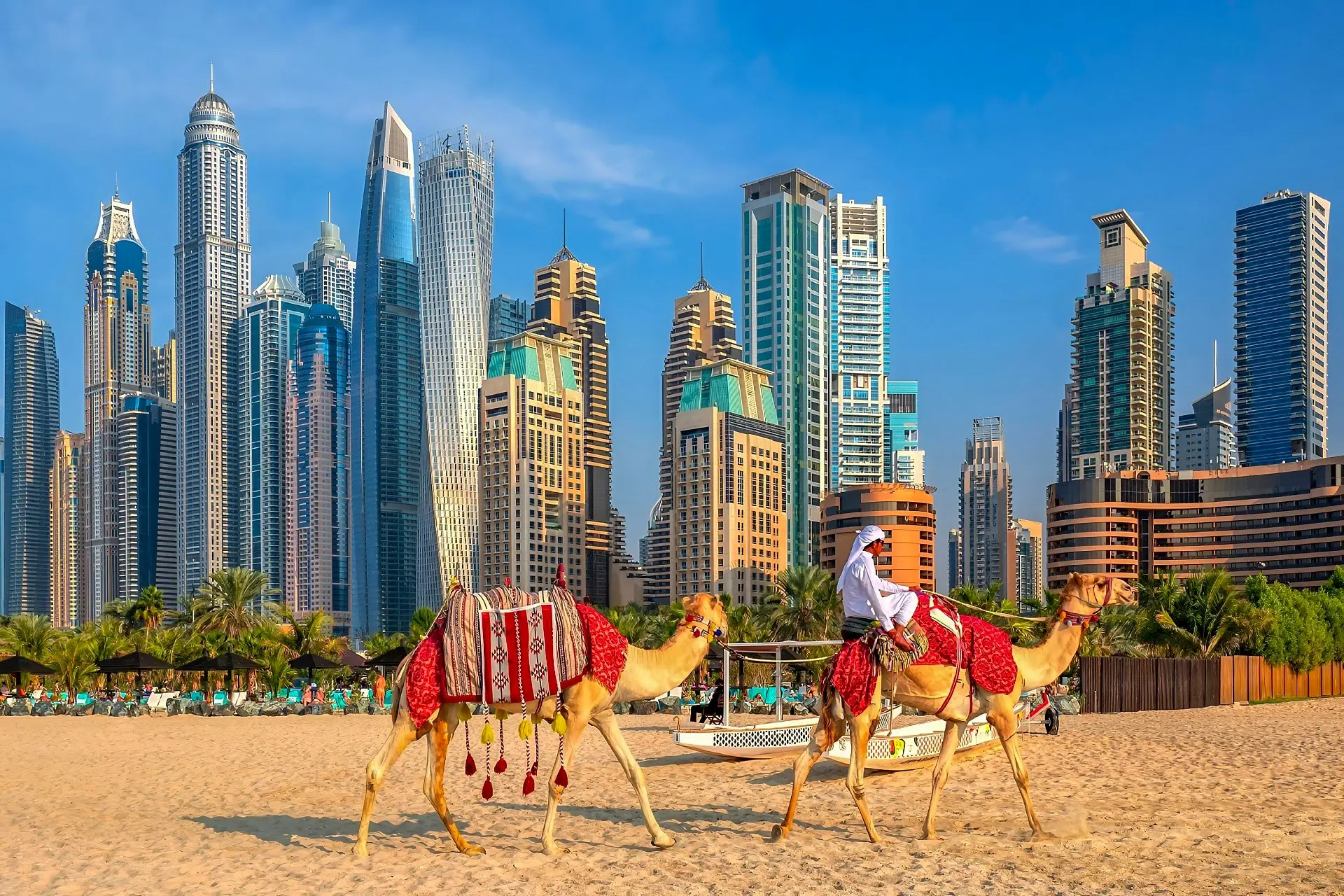
- UAE Modern Marvels
- Cultural Sensitivity Guidelines
- Women Travelers Considerations
- October – North American Fall Foliage
- November – Oceania Summer Preview
- Why Oceania in November
- New Zealand Comprehensive Route
- Australia East Coast Trail
- Pacific Island Extensions
- Working Holiday Visa Options
- December – Tropical Island Paradise
- Why Islands in December
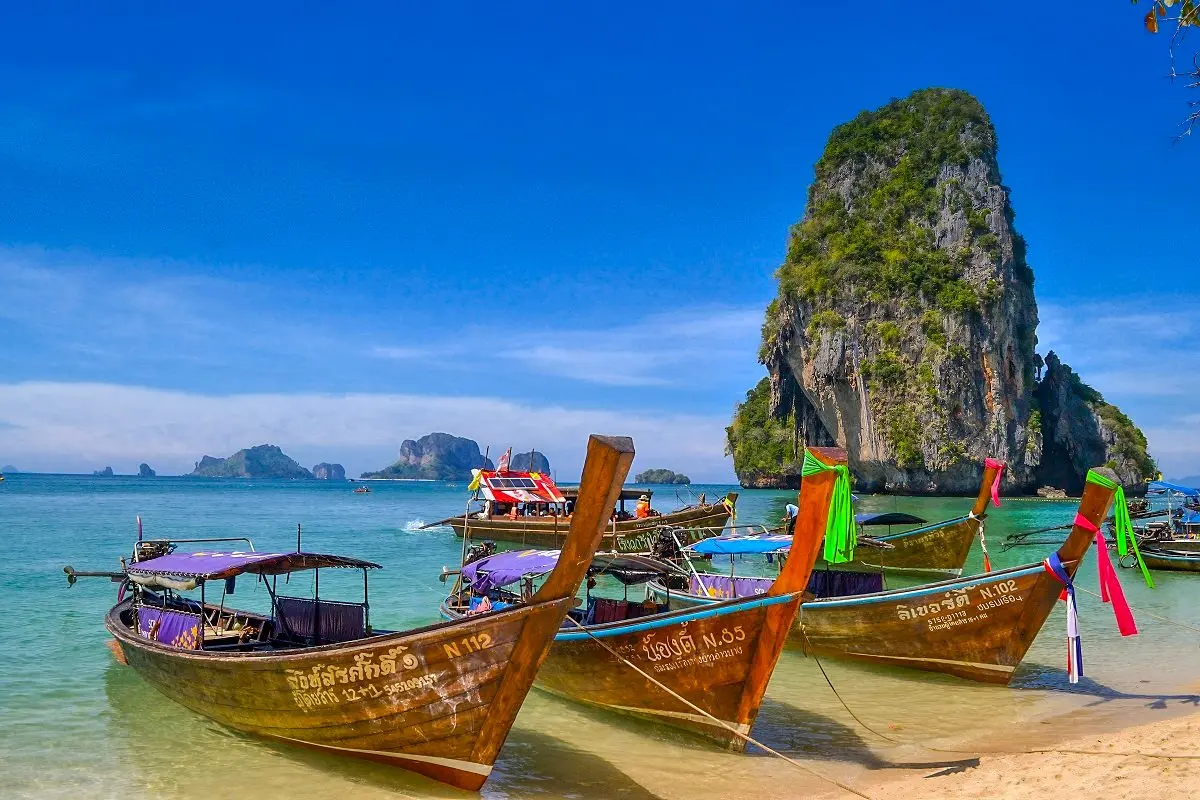
- Philippines Island Hopping
- Indonesia Exploration
- Caribbean Alternatives
- Southeast Asia Round-Up
- Planning Your Year: Essential Logistics
- Budgeting for 12 Months of Travel
- Health and Safety Considerations
- Adapting Your Journey: Flexibility is Key
- Conclusion: Making Your Year of Travel Reality
January – Southeast Asian Awakening

January is often among the driest and coolest months across much of Southeast Asia, making it ideal for beginning a year of exploration. Thailand and Malaysia’s west coast beaches enjoy bright sunshine this time of year, river travel in Vietnam peaks, and festive celebrations mark the calendar. A January itinerary might start in Thailand, where the mild temperatures (around 25–32°C daytime in the south) and sunny days encourage beach trips and temple visits. The famous Bo Sang Umbrella Festival in Chiang Mai (third week of January) features streets lined with colorful lanterns and crafts. From Bangkok one could travel north to Chiang Mai, sampling hill tribes and food markets, then fly to Laos via Chiang Rai. In Laos, the Mekong River valley offers quiet temples and a chance to commune with nature. Southern Laos’s cooler January weather (around 17–31°C, low rainfall) lends itself to river cruises or slow trekking. Crossing into Cambodia, ancient temples at Angkor Wat can be enjoyed in dry, comfortable conditions before the annual crowds arrive. A simple 30-day plan could chart Bangkok–Chiang Mai (1 week), Luang Prabang (Laos, 1 week), and Siem Reap plus Phnom Penh (Cambodia, 2 weeks). (Multiple border crossings may require valid visas or eVisas for each.) Accommodation and food costs in Southeast Asia are generally low: backpackers may manage on $30–50 per day per person, while mid-range travelers might budget $50–100. For example, BudgetYourTrip reports that a one-month trip in Thailand averages around $3,000 for one person. Monthly visa limits are typically 30 days, so plan short stays or reentries accordingly.
Why Southeast Asia in January
Southeast Asia’s January climate is favorable almost everywhere. According to travel experts, the region is “one of the driest months” with “comfortable temperatures” and clear skies. Even the northern reaches (Myanmar, northern Thailand) have only light rains, and snow-free hills. By contrast, February often brings the onset of rainy season in places like the Philippines and southern Vietnam. January avoids those downpours.
Featured Destinations
- Thailand: Golden temples of Bangkok; Chiang Mai’s festivals; southern islands (Phuket, Krabi) under clear skies.
- Laos: Rural Laos roads and waterways; caves of Vang Vieng or Si Phan Don’s river islands.
- Cambodia: Angkor temples near Siem Reap in dry air; Phnom Penh’s royal palace and lively markets.
30-Day Itinerary Breakdown
- Bangkok & Central Thailand: 3–4 days (Grand Palace, floating markets).
- Chiang Mai (North Thailand): 5 days (mountain temples, handicraft villages, Bo Sang Festival).
- Luang Prabang, Laos: 4 days (alms ceremony, Kuang Si Falls).
- Vientiane/central Laos: 3 days (riverside temples, Buddha Park).
- Siem Reap, Cambodia: 5 days (Angkor temples at sunrise).
- Phnom Penh: 2–3 days (historical sites).
- Coastal relaxation: 7 days (e.g., Koh Samet or Gulf of Thailand islands).
Budget Expectations
Travel costs in these countries remain modest. For example, backpackers in Cambodia average ~$74 per day, while mid-range travel in Thailand averages ~$100 daily. Private hotel rooms may run $20–40 per night in smaller cities, and street food meals often cost just a few dollars. Hostels or guesthouses are around $5–15 per night in Laos. Basic visa fees are low (e.g. $30 VOA for Cambodia, $35 for Laos). Always carry US dollars, which are widely accepted in Cambodia and exchange easily in regional banks.
Visa Requirements for Southeast Asia
Most travelers enter Thailand, Laos, Cambodia with visas on arrival or short free visas, but check each nationality’s rules. (For instance, many can get 30-day tourist visas at land borders or airports in Thailand and Laos. Electronic visas (eVisas) are available for Vietnam or Cambodia in advance.) Passport validity of 6+ months is required in all cases.
February – African Safari & Cultural Immersion

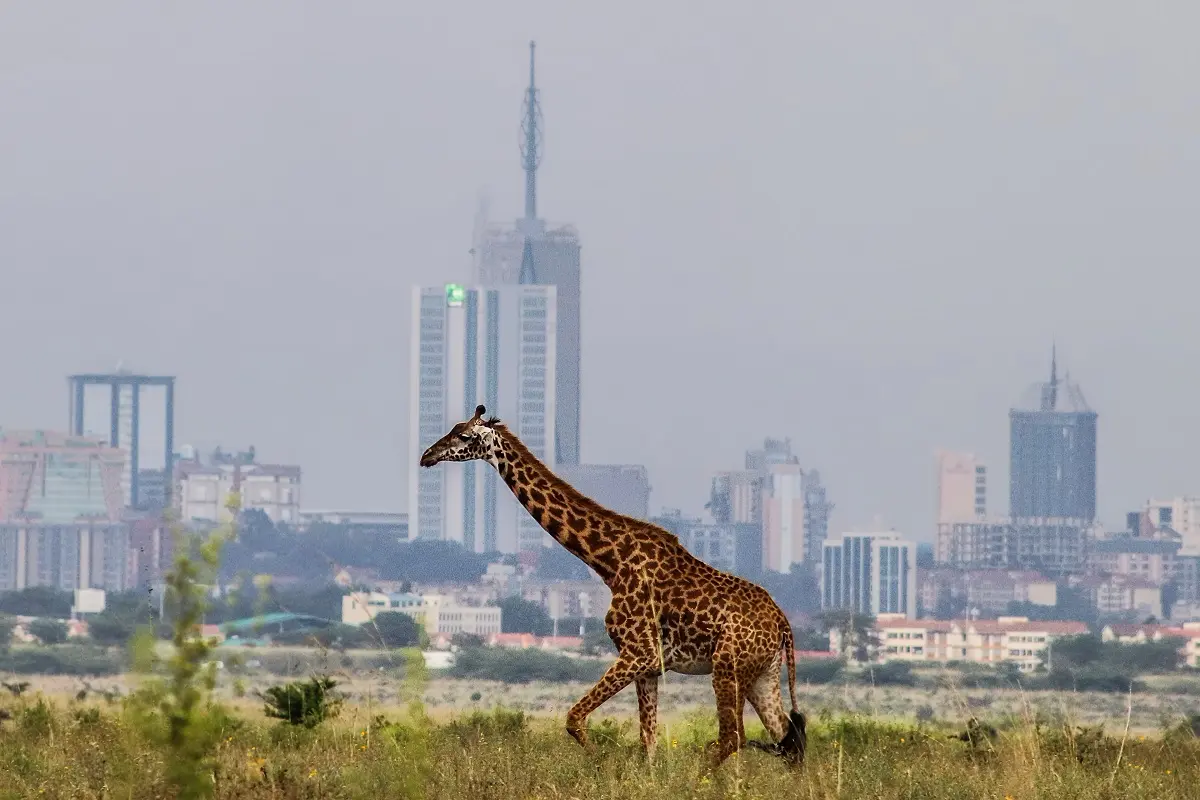
February marks peak safari season in East Africa. Dry conditions in Kenya and Tanzania drive wildlife out to water holes. Kenya’s Maasai Mara is in the midst of its hottest, driest period – elephants, zebras, and especially big cats gather near watering points. In Tanzania, Serengeti National Park is brimming with newborn wildebeest and zebra (the Great Migration’s calving season is underway). Locals can witness dramatic predator hunts in open savanna. In southern Africa, February is also summer on the Zambezi River and highlands, with Mozambique’s beaches at peak warmth.
Why Africa in February
February is generally before the rains in Kenya/Tanzania. Safaribookings notes that “Kenya is in its hot dry season… animals congregate around watering holes making game viewing much easier”. Similarly, Tanzania’s vast parks are at peak activity. In contrast, many West/Central African destinations have heavy rains in Feb, making East and Southern Africa ideal.
Southern vs. Eastern Africa Routes
An East Africa itinerary might start in Nairobi or Kilimanjaro (Tanzania) and include Amboseli, Tarangire, Serengeti, Ngorongoro. Add a gorilla trek in Rwanda/Uganda if interest and budget allow – February has cool, dry trails. In Southern Africa, one could visit South Africa’s Kruger or Namibia’s national parks (dry season yields easy game viewing). Cape Town enjoys warm summer weather in February (about 20–30°C daily). Many travelers cross between these regions via a flight hub like Johannesburg.
Safari Planning Essentials
Safari logistics need planning: lodge vs. camping choices; 4×4 hires or guided group tours; pre-booking popular parks. Travel clinics recommend booking park permits and accommodations well in advance. Bring optics (binoculars/camera) and light, neutral clothing. Game drives are typically early morning/evening when animals are active. Many lodges offer optional bush walks or cultural village tours for local perspective. Budgetary tips: shared safari vans and basic tented camps can reduce costs.
Cultural Experiences Beyond Safari
Beyond wildlife, Africa offers rich cultural encounters. In Kenya or Tanzania, one can visit Maasai villages to learn traditional lifestyles. Volunteer or homestays also grow in popularity. Urban experiences include Nairobi’s museums or Cape Town’s township tours. Try local cuisine: injera in Ethiopia (if route extended north), biltong in South Africa, or goat curry in Kenya.
Vaccination and Health Preparations
Travelers to Africa must prepare medically: many countries require or recommend Yellow Fever vaccination for visitors from endemic zones. The CDC notes that Malaria medication is essential in places like Kenya, where “Malaria is a risk”. Hepatitis A and B shots are advised for most sub-Saharan destinations. Routine immunizations (tetanus, measles) should be up to date. Mosquito precautions (nets, DEET repellents) are critical. Carry a medical kit and check with a travel doctor at least 4–8 weeks before departure.
March – Indian Subcontinent Discovery

March in the Indian subcontinent ushers in spring. This is Holi season – India’s “festival of colors” is usually in mid-March. Streets are awash with colored powders as villages and cities celebrate. The climate is warming across northern India: Delhi and Agra see high temperatures (25–35°C) but still bearable before the April heat. The hills of Rajasthan (Jaipur, Udaipur) are dry and sunny. South of the Himalayas, Nepal’s valleys enter spring. Without monsoon rains yet, March is ideal for trekking (blooms in the Annapurnas, moderate nights) and cultural travel. Sri Lanka also becomes very pleasant in March: the country is emerging from northeast monsoon, offering blue skies and calm beaches along the west coast.
Why India in March
India’s climate in March is transitional. Coastal south India is warm (30°C+) but usually dry, while the north is still before summer heat becomes oppressive. Significantly, Holi takes place in late March or sometimes early April, commemorating the triumph of good over evil with a playful splash of colors. Travel publications note March as “a tough month to beat due to Holi’s festivities”, making it an unforgettable cultural experience.
Holi Festival Timing
Holi 2025 falls on March 14–15. In cities like Jaipur or Mathura, crowds gather to throw dyes. Visitors are welcomed (expect to get smeared and wear old clothes). Beyond the party, Holi is rooted in ancient legends; local guides often share mythic tales of Prahlad and Holika (explaining the holiday’s significance).
Classic Golden Triangle vs. Off-Beat Routes
Many travelers focus on the “Golden Triangle” (Delhi–Agra–Jaipur). In March, one can comfortably tour these urban and historic highlights. However, alternative routes are also appealing. Consider venturing east to Varanasi (Mahayana sites, Ganges rituals) or south to Kerala (backwaters, still-warm beaches). For a less-traveled path, explore Rishikesh or Dharamshala in the Himalayas, where the weather is ideal.
Nepal Side Trip Planning
Nepal is easily combined with a northern India trip. Kathmandu (spring blossoms and festivals), Pokhara’s lakeside trekking base, and wildlife in Chitwan Park all shine in March. Audley notes that March “marks the beginning of spring” in Nepal, with rhododendrons blooming and longer days for trekking. (Holi is celebrated in Nepal too.) Travel tip: altitude jumps from India’s plains to Nepal’s hills require acclimatization days.
Sri Lanka Extension Options
To the south, Sri Lanka awaits. Mid-March is often cited as an excellent time there. Morning train rides in the hill country (Ella, Nuwara Eliya) showcase lush, misty landscapes. Beaches on the south and west coasts (Hikkaduwa, Bentota) are warm and not yet crowded by European winter-break travelers. Ancient sites like Sigiriya or the cultural triangle (Anuradhapura) are also pleasant before the April heat.
Managing Cultural Adjustment
The subcontinent’s sensory richness (crowds, cuisine, language) can require adjustment. Travelers are advised to be patient, hydrate, and respect local customs (e.g. removing shoes at temples, modest dress). Language barriers are real outside English-educated circles; learning simple phrases (Namaste, Dhanyavaad) goes far. India and Nepal may also have religious holidays or strikes (bandhs) to watch for. Keeping flexible plans allows for serenity during unexpected closures of sights or transport.
April – Cherry Blossoms & East Asian Wonders

April brings spring to East Asia, when Japan and Korea burst into bloom. In Japan, cherry trees across Honshu and Hokkaido reach peak blossom typically between late March and early April. Cities like Tokyo, Kyoto, and Osaka become framed by pale pink petals, and festivals (hanami viewing parties) celebrate the passing of winter. South Korea sees its own spring festivals (Seoul’s Yeouido Cherry Festival or Jinhae’s Naval Port flower show).
Japan 12-Day Itinerary
A 12-day Japan itinerary in April might start in Tokyo (urban parks, Imperial gardens), continue by bullet train to Kyoto (ancient temples under sakura). Add Hakone or Kawaguchiko for Mt. Fuji views, then head west to Hiroshima and Miyajima for history.
Budget Management in Japan
Japan is expensive by Southeast Asia standards. BudgetYourTrip records an average traveler spending about $148 per day. Strategies to save include using a Japan Rail Pass for long-distance trains, booking capsule hotels or business hotels, and eating at izakaya or convenience stores. A 7- or 14-day JR Pass is cost-effective if you cover Tokyo–Kyoto–Osaka round trips; otherwise regional passes (like Kansai Area Pass) or overnight buses can save money. For food, convenience stores offer filling meals for $5–8.
South Korea 11-Day Extension
From Japan, one can ferry or fly to Seoul, Korea. Another week there covers Seoul (Gyeongbokgung Palace, Bukchon Hanok Village), Busan (coastal culture), and a day-trip to the DMZ border for history. Spring weather in Korea (late April) is also mild and festival-laden. The Gyeongju Cherry Blossom Festival and Seoul Lotus Lantern celebrations often coincide.
Japan Rail Pass Strategy
Travelers should carefully calculate transit options. The nationwide JR Pass is best if you intend multiple long rides (e.g. Tokyo⇄Kyoto and up to Hokkaido). Otherwise, cheaper regional passes or discount bus passes (such as the “Japan Bus Pass”) may suffice. Note: Japan’s domestic flights (Jetstar, Peach) can sometimes undercut train fares on certain routes, especially with advance booking.
May – Mediterranean Spring Perfection

May in the Mediterranean is a gentle shoulder season: wildflowers still color the fields and crowds are thinner than in high summer. Rick Steves observes that the region is usually green in spring. For example, Greece’s Cyclades islands (Crete, Santorini, Naxos) warm up but are not yet packed, making island-hopping enjoyable by ferry. The Adriatic coast (Croatian Dalmatia) is similarly accessible: warm enough for beach swims in the day and cool nights for village dinners.
Why Mediterranean in May
May’s weather is reliably pleasant across the Med: daytime highs in the 20s°C, cool evenings. It precedes the high season of June–August. Importantly, summer crowds are still arriving, so sites (like the Acropolis or Dubrovnik walls) can be seen without shoulder-to-shoulder tourists. Airlines and hotels in April–May often offer cheaper rates; indeed, “many fine hotels drop their prices” in shoulder season. In addition, spring festivals (May Day parades in Italy, Orthodox Easter celebrations in Greece if they fall in May) add cultural interest.
Island Hopping Routes
- Greek Islands: Consider a Cyclades route. For instance, fly to Athens, then ferry to Mykonos (3–4 days of windmills and nightlife), Santorini (sunset over Oia), and Crete (Palace of Knossos).
- Croatian Coast: Starting in Split, island-hop to Hvar and Brač (olive groves and vineyards), then north to Dubrovnik via Mljet or Korčula. The water is clear and still not crowded for kayaking or sailing.
City vs. Coast Balance
A well-rounded itinerary might blend historic cities and seaside relaxation. For example: Paris (spring gardens) to Barcelona (Gaudí architecture), then down through Provence fields to Nice/Cannes, and onward to Sardinia or Corsica for countryside. Or in the east Med: Rome and Venice, followed by Sicilian beaches. Book museums and key monuments in advance to avoid lines, but allow last-minute beach days by keeping some flexibility in the coastal leg.
Accommodation Booking Strategies
Even in shoulder season, some hotspots demand booking ahead. Hotels in Santorini or Split can fill up on weekends. Sites like Hostelworld show that May has scattered availability. General advice: secure lodgings in big cities and popular islands at least a couple months ahead. However, avoid overscheduling: leaving occasional nights unscripted lets one linger in a favorite village or take an impromptu ferry to a nearby islet.
June – Scandinavian White Nights

In Scandinavia, June delivers the long days of summer. Above the Arctic Circle, the midnight sun shines: “days are long and nights short (or non-existent)” in June, July, and August. Norway’s Lofoten, Finland’s Lapland and northern Sweden all enjoy 24-hour daylight in late June. This offers a unique travel experience: hiking under the midnight sun, late-night barbecues at midnight, or whale-watching well past dinner time.
Why Scandinavia in June
The advantage is maximum daylight. Norway’s tourism board notes that late June to early August, “nights never get really dark anywhere in Norway”. Hiking, fishing, or camping are greatly extended. Temperatures are pleasantly cool (often 15–25°C during day) – perfect for outdoor adventures without heat. Also, summer festivals (Midsummer celebrations in Sweden/Finland) occur around June 21, celebrating solstice traditions.
Norway Fjords to Finnish Lakes
A two-week route can start in southern Norway (Oslo’s museums, summer blossoms in parks), then move west to the fjords: Bergen, Geirangerfjord, and Tromsø in the north. The Fjord Train or the famous Flåm railway offer stunning views. Then cross eastward: visit Sweden’s Stockholm archipelago briefly, continue to Finland’s Lakeland and Lapland. In Finland, cruise in the midnight sun on Saimaa Lake, or explore Helsinki’s summer gardens.
Budget Hacks for an Expensive Region
Scandinavia’s prices are high, but locals enjoy some money-saving customs. The “everyman’s right” (allemansrätten) permits free wild camping in Norway and Sweden. As one guide advises: “wild camping between May and September… it’s free and easy – just stay 200m from any house”. Norway and Sweden constitutionally allow campers to pitch tents in the forest away from dwellings. This means you can roam the islands or mountains without paying for accommodation most nights. (Just follow leave-no-trace rules and avoid private farm fields.)
City-savvy travelers should leverage tourist passes. Oslo’s 24-hour City Pass includes free transit and entry to many attractions. Guides note that with smart use, “the pass can pay for itself”. Copenhagen offers a similar system, covering buses, trains and several museums. When buying train tickets, book well in advance; Norwegian State Railways offers discounts for early bookings, or use regional bus passes. Eating can be pricy: counter that by grocery cooking or topping up on Norwegian-style bread and cheese deals from supermarkets.
July – Central Asian Silk Road Adventure

July takes us inland to Central Asia. In the Uzbek and Tajik plains, summer can be intense: Bukhara and Khiva often see daytime highs above 35°C, even reaching 45°C in desert zones. Days are scorchingly hot, but nights cool off in the desert, and higher elevations remain livable. Travelers typically start in Uzbekistan (Samarkand, Bukhara) exploring Silk Road architecture. As the sun sets, bazaars cool down and locals gather.
From there, a classic route is eastward to Kyrgyzstan via the Fergana Valley and across the mountains, or back north through Kazakhstan. By mid-July, the pilgrimage city of Mazar-i-Sharif in Afghanistan (for the Blue Mosque) could be an optional extension for the very adventurous (though many travel advisories discourage it).
Why Central Asia in July
The high season for Central Asia is summer, when remote regions become accessible. Mountain passes such as the Pamir Highway (Tajikistan) or Tash Rabat in Kyrgyzstan are largely snow-free. The Lonely Planet notes that visitors can enjoy the Alps-like rivers and alpine lakes then. For instance, Lake Issyk-Kul in Kyrgyzstan is still cool and refreshing – ideal after desert heat: guides recommend staying in yurts on its beach for a “summer experience to remember”.
Uzbekistan to Kyrgyzstan Route
A sample itinerary: Tashkent (arrival), then south to Samarkand and Bukhara (Samanid tombs, Registan Square). Then west to Khiva’s walled inner city (high sun protections needed). From there, head north to the Tian Shan foothills: the Fergana Valley can be lush. In Kyrgyzstan, drive through Osh (outdoor bazaar) up to Issyk-Kul Lake for yurt camping. Round the lake’s northern edge before departing via Bishkek.
Visa Challenges and Solutions
Travelers should research “visa on arrival” rules for each “-stan.” As of 2025, many Central Asian states have streamlined visas. For example, Kazakhstan, Uzbekistan, Kyrgyzstan and Tajikistan now offer e-Visas to dozens of nationalities, while Turkmenistan has begun issuing e-Visas without the old requirement of an invitation letter. (Always check the latest at official embassy sites.) The convenience of e-Visas means one can plan multi-country routes more easily. However, Turkmenistan and Afghanistan still require extensive paperwork or tour-sponsor arrangements.
Yurt Stays and Nomadic Experiences
One of Central Asia’s charms is encountering nomadic culture. In Kyrgyzstan, regionals and tour operators book stays in nomad tents on Issyk-Kul or the Ala-Archa valley. Family-run mountain guesthouses (kurak or chalet in Uzbek Tajik regions) offer homestays. Meals might include fresh bread, fermented mare’s milk (kumis) and local cheese – a sensory adventure. Horse treks and eagle-hunting demonstrations are also on offer. These authentic experiences cost surprisingly little (often $10–30/night including meals) compared to Western homestays.
August – South American Winter Escapes

August is winter in the Southern Hemisphere – a time to ski and explore under clear skies. The Andes offer exceptional winter sports. In Argentina, resorts like Cerro Catedral (Bariloche area) and Chapelco (near San Martín de los Andes) are bustling. Chile’s Portillo and Valle Nevado open early. Patagonia itself is in snowy grandeur: Ushuaia’s Cerro Castor proclaims itself a “world-class” ski area.
Why South America in August
The Southern Cone winter is peak season in the Andes but off-season on Pacific beaches. Travelers avoid the South American summer heat. National parks like Torres del Paine (Chile) and Los Glaciares (Argentina) become inaccessible or very costly in winter, so consider concentrating on mid-latitude and Andean zones. Importantly, Peru’s Inca Trail region is in dry season at altitude: the skies over Machu Picchu and Cusco tend to be clear.
Patagonia Winter Adventures
Patagonian iconups (Perito Moreno Glacier, Fitz Roy massif) can still be visited with snowed-in landscapes. Winter means fewer tourists: a travel writer enthuses that “Patagonia in August is a winter thrill-seeker’s paradise… with lower prices and fewer crowds”. Activities include glacier trekking on ice fields, skiing around Bariloche, or snowshoeing in national parks. Argentina’s Lake District (Bariloche, San Martin, Esquel) often has a festival vibe with ski competitions and winter markets.
Machu Picchu and Andean Highlights
In the Andes, visitor conditions are usually excellent. Machu Picchu sits at ~2400m and August is within its dry season. That means clear views (yes, many tourists too – the site’s highest season is June–Aug). But the reward is weather stability. Peripheral sites (Sacred Valley terraces, Colca Canyon) are open and accessible. Pack for cold nights (Cusco’s altitude yields chills), and always layer.
Argentina Wine Country
Finally, Argentina’s wine regions (Mendoza, Salta) make for cozy retreats in winter. Mid-August sees the snowcapped Andes ring the vineyards. The snow melt irrigation feeds ripening grapes, and indoor tastings abound. As one guide points out, winter’s cool evenings make wines (notably Malbec) feel especially hearty. Wineries often have tours combined with hot spas or dessert parings – a wintry pleasure.
Altitude Preparation Tips
Much of this month’s travel involves high altitudes (Andes at 3000m+). Plan rest days for acclimatization. Keep hydrated and ascend gradually. Travel medications (acetazolamide) and proper layers (warm jacket, gloves) are advised. Always check weather logs before venturing off-grid – South American weather can change rapidly.
September – Middle Eastern Discoveries

September offers mild weather across the Middle East as summer heat subsides. In Israel and Jordan, average highs drop into the high 20s°C, making ancient sites like Jerusalem’s Temple Mount or Petra’s Siq comfortable to walk in relative terms. The UAE’s skyscrapers and desert trips (Dubai, Abu Dhabi, desert safaris) are pleasantly warm but not oppressively hot.
Why Middle East in September
This month heralds the end of peak heat: travel guides note that September “marks a transition… with temperatures starting to drop” from summer extremes. For much of the region, humidity is lower, skies are clear, and crowds are lighter than December or spring seasons. Cultural events (like Ramadan the month before and Eid celebrations in early September if observed) have concluded, and the political climate is generally stable.
Israel and Jordan Combination
A classic circuit includes Tel Aviv’s modern city and nearby Mediterranean beaches, then south to Jerusalem (holy sites for Judaism, Christianity, Islam). Eastward lies Petra in Jordan – carved rose-red by the Nabateans, thronged by tourists who enjoy balmy fall days. Wadi Rum’s desert camps (October would be cooler, but September nights remain bearable) can be visited with jeep tours under clear night skies. The Dead Sea’s lukewarm waters remain inviting for buoyant swims.
UAE Modern Marvels
The Gulf cities (Dubai, Abu Dhabi) show off ultramodern architecture: Burj Khalifa, Palm Jumeirah, Sheikh Zayed Mosque. In September, occasional post-summer storms can blur views, but on average it is sunny. Theme parks (Ferrari World, Yas Island) are open with shorter queues, and hotel rates fall just before the big holiday season. Culture seekers can explore Dubai’s Al Fahidi historical district or the new Louvre Abu Dhabi.
Cultural Sensitivity Guidelines
Travel in this region should be conducted with cultural respect. Local customs require modest dress: shoulders and knees covered (for both men and women) is standard. Women travelers are advised that, for mosque visits, covering hair is mandated. Non-drinkers or those avoiding public displays of affection should note that conservative dress and behavior are often enforced. Public prayer times should be observed quietly; Friday afternoons in particular see major closures around mosques.
Women Travelers Considerations
The Middle East often appears stereotypically restrictive for female travelers, but many solo or women-only tours operate successfully. Safety tends to be high in urban areas with expat communities. Still, it is prudent for women to avoid walking alone at night in isolated areas and to use hotel transport services when venturing out after dark. Some regions may have separate queues or seating, so patience and courtesy are key. Traveling in pairs or groups can simplify social navigation in more conservative zones.
October – North American Fall Foliage

As leaves turn gold and crimson, North America’s temperate forests draw leaf-peepers each October. In eastern Canada, for example, Ontario’s Algonquin Provincial Park from mid-September to mid-October exhibits “a kaleidoscope of color” thanks to dozens of deciduous tree species. New England (Maine, Vermont, New Hampshire) and Upstate New York host similar spectacles: Kancamagus Highway in NH or Vermont’s Scenic Route 100 offer panoramic fall vistas.
Why North America in October
October climate is cool and crisp, ideal for hiking and road trips. Rain is possible but usually not heavy. By this time, extreme heat of summer is gone, and it precedes the winter snows. Many parks remain open. The US National Park Service notes that autumn is less crowded (compared to July) and mild in much of the USA. Canada’s tourism sites echo that mid-Oct is peak color season in many regions.
Classic Road Trip Routes
Fall road trip classics include New England’s Bear Mountain (New York) to Acadia NP (Maine) driving loop, or southern nation parks such as Smoky Mountains (TN) to Blue Ridge Parkway (VA). The Great Lakes region (Michigan’s Upper Peninsula, parts of Canada’s Ontario) also offers brilliant maples. On the West Coast, places like Hood River in Oregon or Banff in Canada’s Alberta also offer good color around this time, though list of birch and aspens.
National Parks Circuit
Many national parks now highlight fall foliage maps online. Acadia’s Acorn Lane, Shenandoah NP’s Skyline Drive, and Michigan’s Porcupine Mountains each have interpretive trails for autumn views. Photographers chase sunrise in gold forests. Visit national park visitor centers to confirm seasonal trail openings, as some Alpine roads (like in the Rockies) start closing by late October.
City-Nature Combinations
October also pairs well with cities. For example, one could spend a few days in Boston or Montreal, then rent a car for a weekend in the countryside. New York City’s Central Park is also famously vibrant with maples and oaks; combine urban culture with a day trip to the nearby Hudson Valley drives. Early October is grape harvest time too – the Finger Lakes in NY or Ontario’s Niagara peninsula host small fall wine festivals.
November – Oceania Summer Preview

November signals late spring in the Southern Hemisphere. New Zealand is pleasantly warming: averages range from 20–24°C in many places, with long daylight hours. According to travel consultants, November in New Zealand is “pleasant,” with midday summery warmth and cool nights. It remains shoulder season, meaning smaller crowds and off-peak prices. Flights and ferries in NZ are less booked out now than in December. The Bay of Islands and Coromandel Peninsula enjoy increasing sunshine and are quieter than in the December surge.
Why Oceania in November
Down Under, spring weather leads into mild early summer. Rainfall is generally low, especially in the north. This makes November ideal for outdoor adventures: hiking the Milford Track in NZ’s South Island, snorkeling the Great Barrier Reef (before summer storms). Temperatures from northern Queensland to southern New Zealand are comfortable (around 20–30°C), and tourist attractions are gearing up for season without being overcrowded.
New Zealand Comprehensive Route
A comprehensive route might circle both islands: start in Auckland (North Island), then head south through Coromandel (beach forest walks) to Rotorua (Maori culture, geothermal parks). Continue to Wellington, take the ferry to South Island’s Marlborough Sounds (wine tours), then down the West Coast (glacier hikes) to Queenstown (adventure sports, lake cruises). Finally, loop east via Milford Sound (boat tour) to Dunedin or Christchurch. Book one or two nights at ski lodges near Queenstown – late November may still see snow on high slopes, a surprising chill after summer begins.
Australia East Coast Trail
Alternatively, north through the Pacific: begin Sydney (spring blossoms at Botanic Gardens), drive up through Byron Bay and the Gold Coast (surfing). By mid-November one reaches Cairns with warm weather ideal for reef diving. The Whitsunday Islands are fully open and mostly green after winter. Down south, Melbourne holds its November Cup horse racing and cultural festivals, while Adelaide features wine country tours (Barossa, Clare Valley) under spring grapevines.
Pacific Island Extensions
For added tropical escape, November opens Pacific pathways. Fiji enters wet season (Afternoon showers, but warm and deals on resorts). Samoa, Tonga, and the Cook Islands are delightful in November – generally dry and before cyclone season peaks (December). Hawaii and French Polynesia are also warm and slightly less crowded now.
Working Holiday Visa Options
Young travelers (18–30s) can consider working holiday visas: New Zealand and Australia both offer them up to age 35. These visas allow earning income by working locally (farm labor, hospitality, etc.) during an extended stay. Requirements vary, but generally one needs proof of funds and travel plans. Taking one of these visas can offset costs for such a long trip.
December – Tropical Island Paradise

December ushers in the tropical dry season for many equatorial regions. In the Philippines, December is peak season: skies are clear, sea is calm, and daily temperatures sit around 24–31°C. Beach hopping among Palawan’s turquoise lagoons, Cebu’s thresher shark dive sites, or the kite-surfing beaches of Boracay is ideal now (just book early – Christmas can be very busy).
Why Islands in December
As the Northern Hemisphere deep winter sets in, travelers naturally seek warmth. Southeast Asian archipelagos and the Caribbean offer such respite. December falls outside the monsoon in most of the Philippines, Indonesia (though Bali is wet now), and coastal Central America. Thomas Cook notes that Caribbean islands in December are “dry, hot and sunny” with short refreshing showers. Similarly, December in Southeast Asia (e.g. Vietnam’s Phu Quoc, Thailand’s Andaman Coast) is pleasantly dry.
Philippines Island Hopping
As the Northern Hemisphere deep winter sets in, travelers naturally seek warmth. Southeast Asian archipelagos and the Caribbean offer such respite. December falls outside the monsoon in most of the Philippines, Indonesia (though Bali is wet now), and coastal Central America. Thomas Cook notes that Caribbean islands in December are “dry, hot and sunny” with short refreshing showers. Similarly, December in Southeast Asia (e.g. Vietnam’s Phu Quoc, Thailand’s Andaman Coast) is pleasantly dry.
Indonesia Exploration
The Indonesian dry season only starts mid-year; December is still part of the rainy season especially in Bali and Java. However, eastern islands (Lombok, Komodo) are drier. Bali’s temples (Ubud area) and the Gili Islands have warm showers that rarely ruin a full day. Early December fares are generally lower, as peak crowds arrive around Christmas. Yogyakarta’s cultural sites (Borobudur) see fewer tourists than in July.
Caribbean Alternatives
For a different tropical feel, consider the Caribbean: Bahamas, Jamaica, or the Lesser Antilles. The Cancun and Riviera Maya in Mexico see their dry season begin, making December a boom time for all-inclusive vacations. BudgetYourTrip notes that Cuba in December averages 23–28°C with minimal rain, and even Barbados (warmer, 26°C) is relatively dry. The Caribbean’s main caution is the US and Canada’s holiday break can drive up airfares and hotel rates, so planning must be timely.
Southeast Asia Round-Up
The year ends back near where it began: Southeast Asia. Southern Thailand (Krabi, Phi Phi) and Malaysia (Langkawi) are ideal. Even Vietnam’s dry season is active (beaches in Da Nang, Phu Quoc). Cambodia’s mild season extends through December. All above carry over the easy visas and circuits from January’s entry. It’s a poetic full circle: tropical warmth to tropical warmth, with a world of experiences in between.
Planning Your Year: Essential Logistics
Long-term travel requires careful logistic planning. One major decision is whether to buy a round-the-world (RTW) airline ticket versus booking individually. Industry guides point out that RTW tickets (offered by airline alliances) allow booking multiple long flights upfront, often at a bundled discount. They can earn frequent flyer miles on partner airlines, and simplify a fixed itinerary by locking in all segments. However, RTW tickets come with restrictions (e.g. must use one airline alliance, fixed routes) and often cost more than piecing budget flights. For a year’s travel, flexibility is crucial: many seasoned travelers suggest a hybrid approach (an RTW segment for major legs and budget carriers for regional hops). Online tools (Skyscanner, Google Flights) and travel forums can aid in finding cheap intercontinental tickets.
Insurance is a must for year-long trips. Most providers (Allianz, World Nomads) offer an annual multi-trip policy, which is “the easiest, most economical way to protect a year’s worth of adventures”. Such plans cover multiple entries/visits abroad, medical emergencies, and trip cancellations for any qualifying reason. Since situations (illness, storms, political unrest) can force changes any time, insure for full medical evacuation and trip interruption coverage. Keep digital and physical copies of policy and claim contacts handy.
Banking and money management also deserve attention. Many long-term travelers rely on low-fee travel credit cards and multi-currency accounts (like Wise or Revolut) to avoid foreign transaction fees. Carry multiple payment methods: some cash in USD (widely accepted globally), a credit card, and a debit card for ATM withdrawals. Alert your bank to your travel plans to prevent fraud holds. Online banking helps manage budgets in various currencies. Remember that carrying large sums of cash is risky; use hotel safes or mail money home if extended stops become financially burdensome.
Legal and tax considerations can lurk in the background. Some nations (e.g. the U.S.) tax citizens on worldwide income regardless of travel status. Digital nomads are reminded that most “nomad visas” do not exempt them from home-country tax obligations. Ensure you continue any required reporting (such as paying minimal taxes, filing U.S. taxes, etc.). Also be mindful of visa durations: overstays can jeopardize future plans, so schedule visa renewals or plan return legs accordingly. Digital nomad visa holders often still need local tax registration; consult an international tax advisor if traveling with any work income.
Budgeting for 12 Months of Travel

Budgeting requires country-by-country research. Accommodations range from $5/night hostels in SEA or India to $20/night lodges in Africa or South America. A conservative monthly budget example for one traveler might be: USD$800–1200 for a modest month in Asia (like Thailand or India), $1500–2000 in South Africa or Australia, and $2000–3000 in Europe/Scandinavia. These include lodging, food, intra-country transport, and sightseeing.
Currency fluctuations can affect costs. Travel in 2025 may be cheaper in destinations with weakened currencies. For instance, Brazil became more affordable on some budgets: travelers spend ~$35/day in budget style, ~$92 in mid-range. By contrast, New Zealand and Scandinavia are known to be pricier. Always build an emergency buffer (10–20% of your total budget) for unexpected expenses or splurges.
Meal costs vary widely: Southeast Asian street meals often cost $1–3, while a restaurant dinner in Europe might be $20–50. Factor in occasional laundry, visa fees, and entry tickets (some UNESCO sites or safaris add hundreds of dollars). Use travel forums and budget sites for up-to-date advice on local prices. The “BudgetYourTrip” data above can anchor expectations: e.g., Peru budgets at $27–75/day, Kenya $59–140, Chile $44–118.
To save, travelers commonly use overnight transport (trains/buses/ferries) to move while lodging reduces, cook some meals, and choose local guesthouses. Travel off popular routes can sharply lower costs – consider local mini-buses instead of private drivers. Plan well and re-evaluate spending regularly; budget tracking apps or simply keeping a travel expense diary can prevent running short mid-year.
Daily Budget Recommendations
It may help to tabulate estimated daily budgets by region: – Southeast Asia: $30–60/day (dorms and street food) up to $80–120 (private rooms).
– Indian Subcontinent: $20–50/day (hostel+local food) up to $70–100 (private mid-range).
– East Asia (Japan/Korea): $100–150/day for moderate travel.
– Europe (shoulder season): $80–150/day (hostels or budget hotels, public transit).
– Scandinavia: $150–200/day (or more; see above savings tips).
– Central Asia: $40–80/day (guesthouses, local meals).
– Africa (safaris included): $60–100/day on budget (cheap lodges) up to $200+ with guided tours.
– South America: $30–60/day in Andean or Amazonian regions, $70–120 in Argentina/Chile per cost data.
– Oceania: $80–130/day in NZ/Australia (camping and budget hostels).
Emergency Fund Planning
Set aside 1–2 months’ budget as an emergency fund kept accessible (for example, in a separate account or credit line). This covers medical emergencies, sudden itinerary changes, or home issues (like urgent bills). Avoid tapping this unless truly needed; it brings security to the journey. If possible, distribute funds among multiple countries’ accounts or credit cards to prevent lockouts.
Health and Safety Considerations
A comprehensive vaccination schedule is important. For example, African travel authorities recommend Hepatitis A and B immunizations for Kenya. Malaria prophylaxis is essential for lowland or jungle areas in Africa, Asia, and South America – the CDC specifically warns that “malaria is a risk” in many parts of India. Yellow fever vaccine may be required for entry into some African or South American countries (check CDC Yellow Book country chapters). Common travel clinic advice includes Typhoid and Tetanus shots as well.
A good travel medical kit is indispensable. At minimum: broad-spectrum antibiotics (for traveler’s diarrhea), rehydration salts, anti-inflammatory painkillers, bandages and antiseptic, altitude sickness tablets, insect repellent (min 20% DEET), and any personal prescriptions. If traveling to remote regions, consider packing a field first-aid manual. Ensure prescription medicines (asthma inhalers, insulin) are brought in sufficient quantity.
Safety varies by region. Monitor official advisories: certain rural or border areas might have political unrest (e.g. brief border skirmishes or protests that could delay travel). Register with your embassy (or a service like STEP) and keep contacts handy. Practice common-sense precautions: lock accommodation doors, use hotel safes, and remain discreet with valuables. Urban scams (pickpocketing in cities, or overcharging by unofficial drivers) can exist everywhere; research local tricks in guidebooks or reviews.
Travel insurance is crucial on safety too. It not only covers health care but also trip cancellation or interruption, which can be lifesaving if wars, pandemics, or disasters arise. (The Covid-19 pandemic showed that travel plans must remain flexible.) Always have a re-scheduling or cancelation clause, and keep scanned copies of your insurance policy.
Adapting Your Journey: Flexibility is Key
Even the most meticulously planned trip will encounter surprises. Weather patterns can vary year-to-year: monsoons may start late or early, or rare storms can close high passes. Build “float days” into each month in case you need to wait for a bus or rebook due to weather. Having loose points in your schedule (e.g. two extra days at an unhurried destination) lets you cushion such disruptions.
Political changes also happen: strike actions (in France, say), protests, or local elections can shut down transport or sites. Always have backup options. For instance, if cross-country trains are on strike, fly internally or charter a vehicle. Keep critical services’ numbers (airlines, booking sites) readily available to rebook on the fly.
The yearlong traveler should also be open to extensions and cuttings. If falling in love with a place, it’s wise to extend; if hate something, move on without guilt. Airlines and accommodations offering flexible tickets (for a fee) can pay dividends for the peace of mind.
Recent global events underline the need for contagion preparedness: vaccinate (as advised) and carry masks and sanitizers for flights or crowded markets. Know the local healthcare facilities: where is the nearest hospital or clinic? Having mental agility is as important as packing right: a willingness to change course based on new information will make for a smoother trip.
Pandemic lessons include always carrying proof of vaccination or negative tests if required, and favoring refundable bookings. Even with Covid fading, potential remains for new viruses. Travel insurance that covers epidemics (some do now) can also be considered, even though it adds cost.
Conclusion: Making Your Year of Travel Reality

A year of travel is a major life decision, but with thorough research and adaptability, it becomes an achievable dream rather than an impossible fantasy. From the warmth of January’s tropics to December’s island paradises, the itinerary outlined provides just one illustrative way to sample the globe’s diversity. The first step is simply to start planning: set a start date, outline preferred destinations by month/season, and sketch a budget. Use resources like embassy websites for visa rules, airline alliance planners for flights, and global weather charts for climatological guidance.
In summary, traveling 12 months across multiple regions demands both broad vision and attention to detail: one must blend big-picture route planning with granular logistics (visas, vaccines, money). But it also grants unmatched rewards: experiencing a dozen seasons, many cultures, and personal transformation. Readers should take what fits their interests and financial means, and leave room for the serendipity that travel always promises. The world is vast yet interconnected; a year of wandering uncovers threads of history and humanity linking far-flung places.









