
Spring’s gentle warmth and blooming landscapes make it a prime time to explore the world. Temperatures moderate, days lengthen, and many destinations offer a balance of pleasant weather without the summer crowds. In April and May, cities unfurl their flowers and festivals, while beach spots linger at the end of their dry season. Shoulder-season pricing often means better value for accommodations. As one guide to the Greek islands notes, “April is a fabulous month…Shoulder-season prices still bargain, crowds haven’t arrived”, capturing how spring can combine sunshine with spare crowds.
- Cancún, Mexico – The Ultimate Spring Break Paradise
- Tokyo & Kyoto, Japan – A Cherry Blossom Wonderland
- Amsterdam, Netherlands – Spring Blooms and King’s Day
- Hawaii, USA – Island Paradise without the Crowds
- Greek Islands (Corfu, Santorini, Mykonos) – Mediterranean Spring Bliss
- Montego Bay, Jamaica – Caribbean Culture and Beaches
- Milan, Italy – Fashion, Design and Spring Fairs
- Las Vegas, USA – Entertainment Meets Desert Wilds
- Costa Rica – Adventure, Wildlife and Sunshine
- Punta Cana, Dominican Republic – All-Inclusive Beach Luxury
- Lisbon, Portugal – European Spring Charm
- Miami Beach, USA – Art Deco, Culture and Surf
Meanwhile, industry reports highlight new spring travel trends. Slow, introspective travel is surging: many spring breakers now take longer trips at an easier pace. Airbnb data show solo travelers embarking on extended journeys, averaging 17-night stays (versus 8–9 nights for couples or families). Families also travel with pets in tow more than before. These changes reflect a broader shift toward personalized, “soft” travel – seeking cultural immersion, wellness, and family experiences rather than just parties. For example, Airbnb notes growing interest in “family-friendly events and activities” such as Carnival parades or aquarium visits.
Spring 2025 also comes with fresh travel data. It’s worth noting that Basel is expected to be especially popular: the city will host a major song competition in May, and travelers are eager for its world-class museums and architecture. Warm-weather beach escapes remain perennial favorites. Ultimately, spring invites a diverse mix: urban explorers in cultural hubs and outdoor enthusiasts on the wane of rainier seasons.
Cancún, Mexico – The Ultimate Spring Break Paradise

Cancún epitomizes a beachside spring getaway: miles of white sand, turquoise Caribbean waters, and a lively atmosphere. Its “unique blend of stunning natural beauty, world-class amenities, and rich cultural heritage” sets it apart from other Caribbean spots. In spring, Cancún’s weather is reliably warm: daytime highs in March–May hover in the high 70s to mid-80s°F (around 25–30°C). In fact, many guides note that Cancún’s “best weather” spans December through April, although this also coincides with high season. In particular, late December and March–April see peak tourism: Christmas holidays and Spring Break bring “rowdy spring breakers” and “large crowds”. Early booking is wise, as prices “skyrocket” during these peak periods. If seeking fewer crowds but still nice weather, consider late April–early June, when spring break crowds have departed but warm sunshine remains.
In Cancún, accommodations cluster by vibe. The long Hotel Zone strip offers the quintessential resort experience: miles of powdery beaches lined with all-inclusive resorts and a lively nightlife scene. As one travel guide emphasizes, “Zona Hotelera is a looong strip of beach that has pretty much everything! Superb, golden sand beaches and the color of the sea is absolutely amazing.”. This is where you’ll find major hotels, beachfront pools and clubs. In contrast, downtown Cancún (“El Centro”) showcases local life and budget options. Here, friendly street markets and family-run eateries prevail. An expert guide notes “El Centro…is where the locals live… a great place for budget travelers,” with hostels and economical stays.
Springtime activities abound. Beyond lounging on beaches like Playa Delfines or Playa Forum, consider cultural and natural excursions. The region’s Mayan heritage shines in nearby ruins: from the famous Chichén Itzá (a UNESCO site about two hours away) to lesser-known sites like El Meco on Cancún’s outskirts. Adventure seekers can snorkel or dive cenotes – natural limestone sinkholes. Many cenotes await: as one travel account explains, the Yucatán hides over a dozen cenotes within reach of Cancún, perfect for a refreshing swim. In summer, whale sharks arrive offshore, but even in spring the coral reef and marine life (tropical fish, manta rays) make for good snorkeling. At night, Cancún’s clubs and bars deliver festive energy, especially in March.
- When to Visit: For sunny weather with manageable crowds, April is often ideal – Easter week will have some bustle, but by late April spring-breakers are gone and trade winds moderate the heat. Avoid late March if you dislike partying crowds, as hotels fill early.
- Where to Stay: Families or couples often favor Cancun’s Hotel Zone for resort comforts. Backpackers and budgeters should consider downtown for local vibes. Beyond the resort strip, Riviera Maya beaches (just south) offer quieter alternatives like Playa del Carmen or Tulum.
- Must-Do Activities: Swim in a cenote or the coral reef (scuba/snorkeling). Explore a Mayan ruin (Chichén Itzá, Cobá or Tulum). Sample street tacos downtown or fresh seafood in Puerto Juárez. At night, sample a beachside taco and margarita under the stars.
Tokyo & Kyoto, Japan – A Cherry Blossom Wonderland

When spring arrives in Japan, the country is awash in pink and white as cherry (sakura) and plum blossoms bloom. Tokyo and Kyoto are at the heart of this spectacle. Tokyo’s cherry blossom forecast for 2025 predicts the first blooms around March 22, with full bloom about one week later. From late March to early April, parks and boulevards transform under canopies of pale petals. Kyoto’s timeline is just behind Tokyo’s: forecasts expect blossoms to open in late March (around March 27) and peak by early April. Indeed, one source notes Kyoto’s full bloom is projected April 4. Visitors planning ahead can thus schedule Tokyo for late March and Kyoto for the first week of April to catch peak sakura (though exact dates may shift slightly).
In Tokyo, celebrated blossom spots include Ueno Park (with over 1000 cherry trees along its central avenue), Chidorigafuchi (stone-paved moat loop) and the gardens of Shinjuku Gyoen. The city bursts into festival mode: nightly illuminations and hanami (flower-viewing picnics) fill neighborhoods. For example, the Nakameguro Cherry Blossom Festival (late March) highlights some 800 trees draped over a canal, lit by thousands of lanterns. Ueno Park holds its Sakura Matsuri in mid-March–early April, drawing crowds of families and travelers. Nearby imperial sites (Chidorigafuchi, Yasukuni Shrine moats) stage sakura tunnel walks by day and lighted paths at night. All around the city, cafés offer sakura-themed desserts and sake.
In Kyoto, the spring air carries incense and festive cheer. The historic Philosopher’s Path by Ginkaku-ji sees treks under blossoming trees every early April. Maruyama Park near Yasaka Shrine is Kyoto’s prime hanami ground, its weeping cherry lit at dusk. Temples like Kiyomizu-dera and Kennin-ji glow with blossoms, and even alleyways in Gion are sprinkled with petals. Kyoto’s cherry season also blends with cultural tradition: visiting during Japanese Golden Week (late April–early May) or Easter week can reveal local celebrations, though the main spring holiday in Japan is Golden Week rather than Easter.
- Cherry Blossom Forecast: Expect Tokyo’s famed sakura by late March. In Kyoto, plan for blossoms in the first week of April. Outside those peak windows, early spring (mid-March) still offers plum blossoms and gradually flowering cherries at shrines.
- Spring Activities: Reserve spots for hanami: pack a picnic and head to a park in the afternoon. Visit historic temples (e.g. Kinkaku-ji, Meiji Shrine, or the Imperial Palace gardens in Tokyo) framed by flowers. Attend seasonal festivals: Tokyo’s Ueno Sakura Matsuri in early April, or Kyoto’s Kiyomizu special night illuminations. Indulge in spring cuisine – sakura mochi, bamboo shoots, and fresh greens are seasonal treats. For respite from the city, consider a side trip: nearby Hakone or Fuji Five Lakes (north of Tokyo) and Nara or Osaka (south of Kyoto) are accessible and still lush in spring.
- Must-See Highlights: Tokyo’s cherry alleys (Nakameguro, Chidorigafuchi), plus cultural gems like the Meiji Temple and fish markets. In Kyoto: Fushimi Inari Shrine’s torii-lined paths and the golden pavilion of Kinkaku-ji are beautiful year-round, but their surrounding gardens are especially photogenic under cherry blossoms.
Amsterdam, Netherlands – Spring Blooms and King’s Day

By spring, Amsterdam emerges from winter chill into flower-bedecked splendor. Although tulips don’t grow in the city center, the famed Amsterdam Tulip Festival (Mar 20–May 11, 2025) scatters 80,000 bulbs around parks, canalsides and museums, with many gardens open and free to visit. The nearby bulb fields reach peak bloom in mid-April – day tours or bike rides to Haarlem and Lisse can showcase endless fields of red, yellow and purple. For an urban flower fix, visit Keukenhof Gardens (open Mar 20–May 11, 2025), Europe’s largest flower park, or timed events like the Bloemencorso (Flower Parade on April 12) that winds floats through Noord Holland.
April 27 is national King’s Day (Koningsdag), a city-wide orange party. In 2025, celebrations will center on Saturday, April 26 (the Netherlands observes April 27 even if it falls on Sunday). Amsterdam throws one of the country’s biggest street festivals on King’s Day. An estimated 700,000 revelers flood the canals and squares. Large outdoor concerts and markets spring up in neighborhoods. By midday, free flea markets appear as residents set up stalls. Areas like Rembrandtplein, Leidseplein and Spui become open-air dance floors, all draped in orange. The famous canal parade sends boaters by with floating parties. The city’s museums and shops often close, but the vibe is uniquely joyous. If you prefer a calmer pace, avoid Amsterdam on that exact date; for a local twist, explore the quieter villages of Zeeland or the North of Holland.
Aside from festivities, Amsterdam’s spring weather is mild (daytime highs around 13–17°C, or 55–63°F). Warm layers are recommended for evening. Springtime sunshine makes exploring on two wheels or foot a pleasure. The city’s art and history attractions are less crowded before summer: the Rijksmuseum, Van Gogh Museum, Anne Frank House all shine without the peak-season lines. Spring strolls in Vondelpark or along the canals are refreshing; gardens at the Begijnhof and Hortus Botanicus (10,000+ plant species under glass) bloom colorfully. Culinary draws include fresh herring stands (May peak), Indonesian rijsttafel dinners, and plentiful café terraces.
- Tulip Highlights: By mid-April don’t miss Keukenhof Gardens and the bulb parade. In Amsterdam itself, the Jordaan and Museumplein feature pop-up bulb exhibits.
- King’s Day: Expect masses of orange-clad Dutch celebrating citywide. Plan transport carefully (metro lines run 24 hours; trams may reroute).
- Other Activities: Take a canal cruise past historic gabled houses. Visit the floating flower market (Bloemenmarkt) or the sprawling Noord Amsterdam (home to A’DAM tower and edgy arts). Beyond tulips, catch other springtime events: early May brings the annual Bevrijdingsdag (Liberation Day) concert and festivities in Museumplein.
Hawaii, USA – Island Paradise without the Crowds

Hawai‘i’s islands are warm year-round, but spring offers a sweet spot: winter tourists taper off after March, and summer visitor spikes are still months away. Weather is very pleasant – think warm days (mid-70s to mid-80s°F) and mild nights. Spring also straddles whale season: from December to April humpback whales migrate through Hawaiian waters. In fact, Maui and the Big Island remain excellent places to spot breaching whales into March. On Oahu, winter waves on the North Shore gradually ease, but in March one can still witness surfing contests or even try beginner breaks in Honolulu.
Each island has its draw. Oahu (Honolulu) offers city amenities and iconic sites like Waikiki Beach and Pearl Harbor. Maui balances beaches with an upcountry feel (Haleakala volcano sunrise tours, the Hana Highway drive). Maui is especially renowned for whale watching (the whales frequently surface off Maui’s southwest shores). Big Island (Hawai‘i Island) is adventure-rich: spring means the volcano slopes are dry (still often raining on Hilo side), so visiting Volcanoes National Park or Mauna Kea summit is pleasant. Kaua‘i stays lush year-round; its dramatic Nā Pali Coast and Waimea Canyon look especially vivid after winter rains. Lanai and Molokai remain quiet retreats off the beaten path.
Seasonal events complement the natural allure. Early spring can include holoholo (casual outings) like farmers’ markets (fresh pineapple or flowers), hula shows in villages, or open-air luaus. Easter weekend is often celebrated with church services and family gatherings across the islands. One highlight in early spring is the Merrie Monarch Festival (late April/early May) on Big Island – a world-class hula competition attracting cultural enthusiasts.
- Whale Watching: Plan at least one ocean excursion. As noted, “Whale season in Hawaii runs from December to April, with peak sightings in January and February”. Even into March, charter boats or shore lookouts (like Lahaina, Maui) can spot fins.
- Where to Go: For family crowds and nightlife, Waikiki on Oahu and Kaanapali on Maui remain energetic. For quieter sun and surf, consider Wailea (Maui) or Kohala Coast (Big Island). Hiking options abound: try Diamond Head (Oahu) or Iao Valley (Maui).
- Island Tip: Since spring falls after winter, the trade winds pick up, especially afternoons – refreshing for hiking but pack a light jacket for breezy evenings.
Greek Islands (Corfu, Santorini, Mykonos) – Mediterranean Spring Bliss

Spring in Greece is a gentle awakening. After a cool, wet winter, the islands bloom with wildflowers and greenery. Tourist traffic is still light until mid-April, and inland valleys on islands like Corfu turn vivid green. Daytime highs in April hover around 18–22°C (64–72°F), perfect for hiking or wandering villages. The Aegean and Ionian seas are warming (around 18–20°C, though still bracing), meaning traditional beach swimming is just beginning; water sports like sailing or windsurfing can start in sheltered bays.
Traditions run deep. Orthodox Easter (typically April) is a joyous time. Many islands observe Holy Week with candlelight processions and festive meals. For example, Corfu holds a unique Holy Saturday pot-smashing custom in villages and at town centers. Visiting during Easter lets travelers witness local culture: church celebrations, lamb feasts and fireworks. (Note: public offices and some attractions may close around Easter Sunday).
Spring Delights: – Corfu: Known for its lush hills and historic Old Town (a UNESCO site), Corfu’s hillsides are studded with olive groves and wildflowers in spring. It offers nice villages to explore by rental car – Paleokastritsa’s chapel gardens or the seaside town of Kassiopi. Families appreciate Corfu for tame beaches and the Corfu Old Fortress, while hikers can tackle trails in the interior. – Santorini: This Cyclades island’s spring weather is mild and breezy – early blooms along caldera walks, and low-season prices on cliffside hotels. The iconic white villages (Fira, Oia) are much quieter. Wine tours and archaeology sites (Ancient Thera) open again with spring weather. By late April, north winds pick up but also provide legendary sunsets. – Mykonos: Famous for nightlife in summer, Mykonos in spring is serene. By late April, cafes by Little Venice open for sunset cocktails, but beach crowds are minimal. The hilltop town of Ano Mera with its monastery feels quaint with flowers. The beaches are still mostly empty (water too cool to swim), but the famed windmills and narrow streets of Mykonos Town provide sightseeing.
According to travel guides, April is a fabulous month to island-hop: “Weather is delightfully sunny… seas just warm enough for short dips. Wildflowers in bloom, Easter adds magic”. Hotels and ferries are cheap until late April. Trails like Corfu’s to Angelokastro, Santorini’s Fira–Oia hike, or Mykonos’s Armenia–Ftelia stretch are particularly enjoyable under sunny skies.
- Best Greek Islands for Spring: For relaxation with some facilities, Corfu or larger Cyclades (Rhodes, Crete) have plenty open. For the classic white-and-blue scene, pick Santorini/Mykonos but expect simpler, more tranquil vibes than in summer.
- Festivals: If timing allows, join a local Easter celebration. Outside religious events, Santorini’s wine museum may hold tastings, and Corfu’s list of spring festivals (food, music) often ramps up.
Montego Bay, Jamaica – Caribbean Culture and Beaches

Montego Bay offers a classic Caribbean spring break (in the sense of sun and sea) with an undercurrent of local flavor. In April, Jamaica is wrapping up its dry season: sunny, breezy days are the norm and nights cool off pleasantly. Average highs are in the high 70s to mid 80s°F (25–30°C), and the sea is comfortably warm for swimming. By mid-April, however, Jamaica enters its later dry season: afternoon showers become common but short-lived, often followed by clear skies and greener hills.
Early April still retains some peak-season energy (family vacations, Easter crowds), but by late April “popular places… start to breathe again”. Montego Bay, or “MoBay,” has something for many tastes: resort complexes on the famed Doctor’s Cave Beach offer swimming and pools, while nearby Rose Hall plantations convey heritage. Locals and visitors mingle at the Hip Strip (Gloucester Avenue) with its bars, reggae performances and duty-free shops. Water adventures abound: snorkeling at coral reefs, catamaran sails off Montego Bay Marine Park, or kiteboarding at nearby Lime Cay (for thrill-seekers).
Beyond resorts, Jamaica’s rich culture is on display. Kingston is two hours away; spring brings Carnival parades right after Easter, and events like the NDTC Easter Sunrise concert (a 3am musical tradition). Closer to Montego, one might take a jerk chicken cooking class or venture inland to the Blue Mountains on a day trip.
Montego Bay also hosts seasonal events. Notably, in mid-April local chefs gather for a Caribbean Culinary Getaway (a gastronomic festival). Throughout spring, the famed reggae and rum-infused vibe permeates reggae clubs on hip-strip and beach bars in Negril (short drive away). Fishing and golf are top activities for families.
- Weather: April is very warm, often hitting the mid-80s°F, with trade winds holding humidity down. Afternoons may see brief downpours in late April, but these refresh the air. Hurricane season is months away (starts in June), so tropical storms are not a concern in spring.
- When to Go: Aim for late April for good weather and thinning crowds. Be aware Easter can mean higher local activity and maybe closed shops.
- What to Do: Lounge on Doctor’s Cave Beach or the free Cornwall Beach. Book a glass-bottom boat or snorkel trip in Montego Bay Marine Park. Try river rafting on the Martha Brae or Dunn’s River Falls (nearby Ocho Rios). Sample fresh tropical fruit at a market, or enjoy live reggae music by the water.
Milan, Italy – Fashion, Design and Spring Fairs

Milan buzzes in spring, not only for its classic sights (the Duomo, Castello Sforzesco, Navigli canals) but for world-class design and fashion events. In April 2025, Salone del Mobile (Milan Design Week) returns (April 8–13). This international furniture and design expo takes over Rho Fiera and spawns citywide events. The weeks around it will see showrooms and show flats unveiling avant-garde interior design. For a cultural visitor, walking between Brera, Lambrate and the Duomo can turn up spectacular installations. (Advanced booking is needed for trade shows, but the city holds public exhibitions and installations in Design Districts like Tortona.)
Even outside fairs, Milan in spring offers sunny weather with moderate temps (averages 13–20°C). Cafés spill onto piazzas and parks like Parco Sempione. Luxury shopping becomes lively: boutique-lined Via della Spiga and Via Montenapoleone, or the historic Galleria Vittorio Emanuele, are pleasant to browse when the air isn’t sweltering. The fashion crowd (and fashion week in September, not spring) aside, Milan’s street style and aperitivo scene are inviting. In early April, the city often hosts the Milan Food Week and events like Alma’s Cook School classes or late-night museum openings.
- Milan Design Week (Salone del Mobile 2025): The official dates are 8–13 April 2025. Expect major furniture brands and installations at the exhibition center, plus myriad public “Fuorisalone” exhibits across the city. Even if one doesn’t attend the fair, its creative energy infuses Milan’s galleries and plazas.
- Day Trips: Spring is ideal for exploring northern Italy’s gems from Milan. Lake Como and Bellagio (1–2 hours north by train) are particularly lovely in spring, with wisteria and garden blooms framing stately villas. The medieval old town of Bergamo (reachable in under an hour) is less busy and often adorned with blossoming trees. Just outside the city, the Franciacorta wine region (east of Bergamo) sprouts green with vineyards, perfect for a wine-tasting tour. Closer: lakes Maggiore and Lugano are under 2 hours away, blessed by spring blossoms and fewer tourists before May.
- Culinary Tip: The spring reveals seasonal produce: risotto dishes with spring asparagus or artichokes, and rare white truffles near Milan. For a snack, savor fresh gelato under the loggia of Castello Sforzesco or wild flower honey cheese from Eataly.
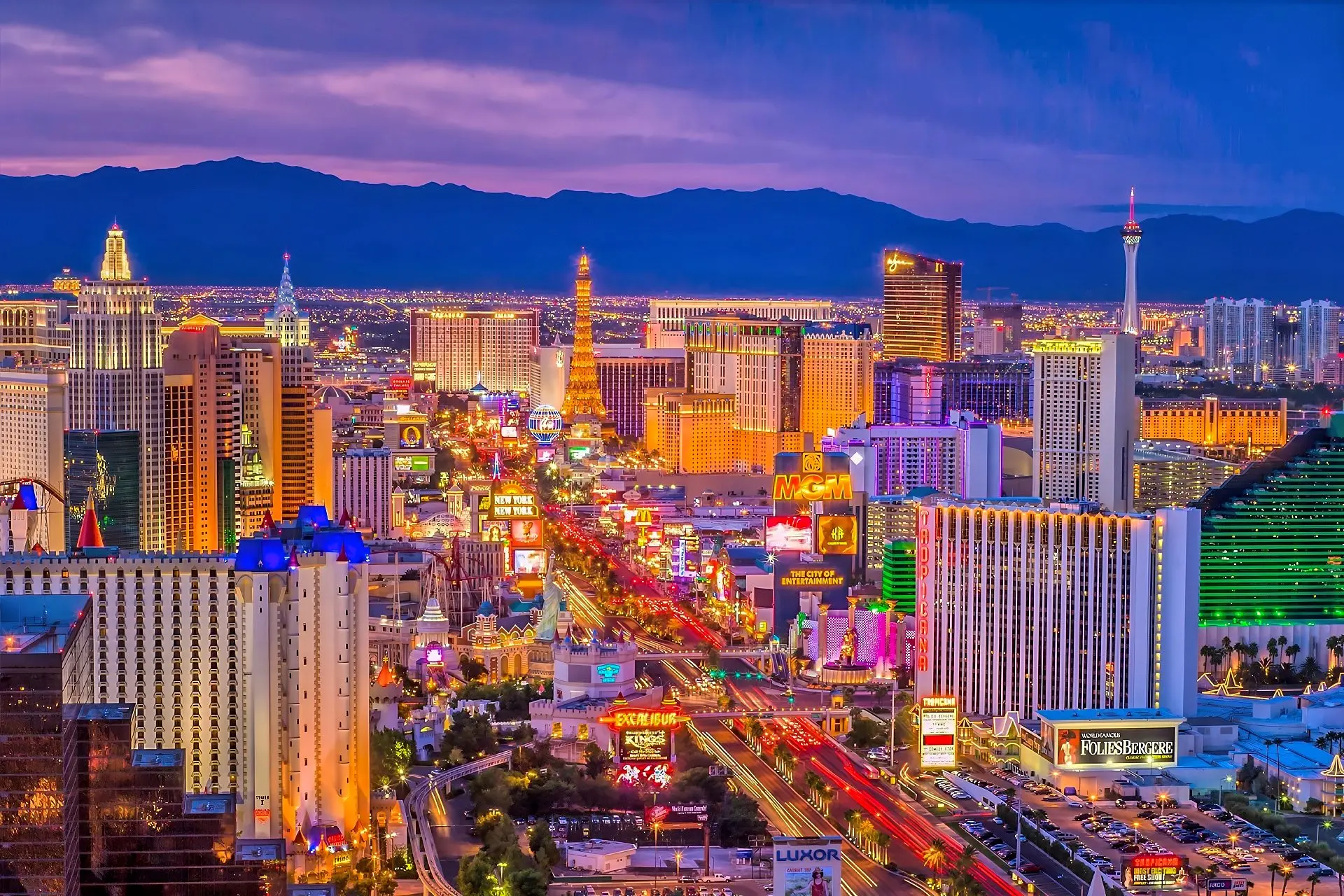
Las Vegas, USA – Entertainment Meets Desert Wilds

Las Vegas takes on a different character in spring. Daytime desert heat is still warming up: typical highs are in the 80s°F in April, rising to 90s by May. Evenings and mornings can be quite cool (40s–60s°F), so layers are advisable. The clear, dry air and abundant sunshine make it perfect for day and night fun. Pool season officially kicks off in March and runs through October. In March–May, Las Vegas pool parties are already in full swing, capitalizing on perfect sunny weather. Venues like Encore Beach Club or Wet Republic host internationally known DJs and spring-break crowds. For a more relaxed vibe, quieter resort pools or spa days are also available in spring, since peak heat hasn’t arrived yet.
Beyond casinos, Vegas melds city thrills with nearby wilderness. Simply strolling the neon Strip or catching a Cirque du Soleil show (often chilly indoors) suits mid-70s weather. Many visitors rent sports cars or go-karts in this period, since the roads are safe and visibility is excellent. Two marquee spring events draw sports fans: March Madness (NCAA basketball) may bring packed sportsbooks, and the NASCAR racing in April at nearby facilities is a spectacle for motorheads.
Nature excursions lie just minutes away. Red Rock Canyon National Conservation Area is ~20 miles west: a 13-mile scenic drive surrounded by red sandstone cliffs. In spring, the Mojave’s wildflowers dot the landscape. Hikers can explore dozens of marked trails through desert washes and canyons. On a similar note, Valley of Fire State Park (50 miles northeast) invites a day trip: its 46,000 acres of swirling red Aztec sandstone look especially spectacular under a bright blue sky. The slate-pink rocks often appear aflame in afternoon light. Closer to town, drives to Hoover Dam or tours of Mount Charleston (a cool forest at 7,000 ft) offer respite and scenery.
In town, Spring Supper Clubs or events may pop up, but the main draw is the 24-hour city life. For nightlife, Fremont Street Experience (downtown) has big screens and live music, while the Strip hosts headliners at The Colosseum or the Sphere. Shopping too: the Las Vegas Food & Wine Festival often occurs in spring.
- Pool Season: As reported, Las Vegas pool dayclubs like Ayu, Encore Beach, Drai’s, and Wet Republic are rocking by mid-March. Expect daytime highs in the 80s°F, so all the pools are tempting. Book weekend pool parties ahead for March/April if that’s on your agenda.
- Nature Tip: For a memorable sunset, hike to see the Red Rock Conservatory’s west-facing overlooks (like Calico Tanks trail). Keep water on hand – desert sun is potent.
Costa Rica – Adventure, Wildlife and Sunshine

Costa Rica’s diverse ecosystems shine in spring. Essentially, most of the country’s Pacific coast and Central Valley finish the dry season by April. One source notes that December–April is the best time to visit Costa Rica for sunny skies. In spring, the mornings are usually bright, especially in Guanacaste and Pacific lowlands. Daytime highs on the Pacific side often reach 30°C (86°F), with cool nights in the central mountains (San José or Monteverde can drop to teens°C). Rainfall is still minimal until about May, so hiking and beach-going are very pleasant.
Wildlife abounds. April marks the tail end of turtle nesting on the Pacific shores (e.g., Ostional or Nosara on the Nicoya Peninsula, and certain private beaches on the Osa Coast). Sloths and monkeys are active in jungle parks like Manuel Antonio and Corcovado, where trails are clear of muddy season and permit good visibility. Bird-watchers will relish the migratory birds and the splashes of scarlet macaws in Carara. Water adventures include snorkeling in the Caño Island marine reserve (south Pacific) or spotting dolphins off the Guanacaste coast. Inland, the Central valley’s volcanoes (Arenal, Poás) and cloud forests (Monteverde) are vibrant with spring flowers and wildlife like quetzals.
The dry spring weather also favors ziplining and whitewater rafting. Rivers that flood by July (during wet season) are still relatively gentle in April, ideal for family-friendly rafting. Canopy tours in rainforests are mostly open-air; spring’s sunshine is welcome for jungle hikes.
According to expert guides, travelers who “want to avoid the rain should plan their trips according to the seasons”. So for sunny conditions, aim for March–April when showers are rare. These months fall in the peak tourist season, but also bring the best climate. After late April, occasional showers start to appear (often passing by midday).
- Where to Go: – Guanacaste coast: Dry and sunny, with surf-friendly beaches like Tamarindo and Playa Hermosa. Great for families who want resorts or villa rentals by the beach. – Arenal/La Fortuna: High-altitude rainforest stays green and warm; hot springs are pleasant with cool evenings. – Monteverde Cloud Forest: Clear, sunny mornings (afternoon clouds) – perfect for hanging bridges and nature tours. – Southern Nicoya (Osa Peninsula/Manuel Antonio): More jungle, but still mostly dry by April, with superb wildlife in Corcovado NP and beaches in Puerto Jiménez or Manuel Antonio.
- Nature Tip: Spring in Costa Rica may see an increase in afternoon showers by late April, so schedule activities for mornings. Also, breeding wildlife (frogs, insects) is often more active at night, so consider a guided night walk in a reserve.
Punta Cana, Dominican Republic – All-Inclusive Beach Luxury

Punta Cana, on the Dominican Republic’s eastern tip, is a classic spring destination for sun-and-sand luxury. The climate is tropical maritime: dry season runs Dec–Apr, and rains (and hurricane risk) start in May. Thus spring (especially January–April) brings blue skies, low humidity, and breezes off the Caribbean. Average daytime highs are around 26–30°C (75–80°F), ideal for beach and water fun. The sea is warm (around 26–28°C, or 79–82°F), making swimming, snorkeling and watersports very pleasant.
Most visitors stay at all-inclusive resorts along Bavaro Beach or Cap Cana. These resorts line powdery shores and offer pools, shows, and kids’ activities. For families, many resorts have children’s programs and water parks. Couples might prefer an adults-only resort or a private villa. The region’s beaches are gentle and well-kept. Top-rated Punta Cana resorts include those on Bavaro, plus the luxury enclave of Cap Cana (noted for pristine sands and upscale hotels).
Activities abound within and outside resorts. The large, clear lagoon at Scape Park (in Cap Cana) offers snorkeling, zip-lines and cenote swimming. Catamaran cruises and parasailing on the Caribbean are popular; deep-sea fishing charters leave from local marinas. Golfers can play world-class courses (many oceanfront). Daytrips include a ferry to Saona Island (a national park with starfish-spotted shallows), ziplining excursions into the jungle, or a historic tour of Santo Domingo (two hours west, a UNESCO colonial city).
Cultural experiences are lighter here. Punta Cana’s nightlife centers on resort bars and occasional salsa or merengue shows. The town of Higüey (15 minutes inland) has a modern cathedral (Basilica of La Altagracia) and a local mercado. If timing aligns, you could catch a local festival: Punta Cana and nearby Punta Cana Circus sometimes host concerts or rodeos in spring (though not large-scale like Carnival). Dominican hospitality shines through cuisine: try plantain mofongo, fresh empanadas, and local rum.
According to travel guides, the peak season in Punta Cana is December–April, when the weather is ideal. Spring travelers in March enjoy nearly perfect beach conditions. Keep in mind spring break crowds from the U.S. can spill in March, so prices peak. If flexibility allows, late April can offer similar weather with slightly lower crowds.
- Resort Choices: For high-end luxury, consider the Cap Cana area with oceanfront villas. For lively beachfront, the Bavaro “resort corridor” has many big names (Punta Cana Palace, Iberostar, etc.). All-inclusive packages cover meals and activities; outside resorts, amenities like the Indigenous Eyes Ecological Park (freshwater lagoons) and 24-hour casinos can be enjoyed on day passes.
- What to Do: Lounge on Bávaro Beach or Playa Juanillo (Cap Cana). Swim with snorkel gear around coral reefs. Book an offshore diving trip. Plan at least one dinner outside the resort—Punta Cana Village offers restaurants and a lively strip.
Lisbon, Portugal – European Spring Charm

Portugal’s capital blooms in spring with fewer tourists than later summer. Lisbon’s hills see jacaranda and orange blossoms by April. The days are warm (15–20°C) but evenings can chill to 10–12°C. This weather is ideal for wandering the city’s seven hills on foot or by tram.
Spring in Lisbon brings several cultural events. In March, the Lisbon Half Marathon crosses the Tagus at dawn and finishes by the Jerónimos Monastery. By April, festivals like Indie Lisboa (a 10-day independent film festival) and Peixe em Lisboa (a seafood culinary festival in Eduardo VII Park) attract locals and travelers. In May, the Rock in Rio Lisboa music festival takes place at Parque da Bela Vista, drawing big names to Lisbon. Additionally, Lisbon observes Holy Week with special church services; the big feast of St. Anthony (mid-June) is preceded by street parties in Alfama and Bélem (mid-June, but spring-like weather).
The city itself is a mix of pastel plazas and tiled alleys. The Belém area, slightly cooler and windiest on spring afternoons, offers the Jerónimos Monastery and the Tower of Belém by the water. The Alfama quarter, though hilly, is bathed in azulejo-decorated charm; late afternoons in spring are perfect for an alfresco glass of Ginjinha liqueur. Iconic sites include the São Jorge Castle with sweeping views, and the modern MAAT museum on the waterfront. Lisbon’s trams and funiculars make exploring easy even in steeper quarters (e.g. vintage Tram 28 through Graça and Chiado).
- Beyond the city: Spring light and mild weather make day trips rewarding. Take the train to Sintra, a UNESCO cultural landscape (just ~40 minutes). Sintra’s palaces (Pena Palace, Moorish Castle, Quinta da Regaleira) are embedded in lush forest. By April, Sintra’s gardens and mossy rocks come alive, and foggy mornings give way to clear vistas. Cascais, a coastal town 30 km west, offers a lovely beach and marina; spring afternoon breezes make seaside cafes pleasant. Further out, the vineyards of Lisbon’s wine country (Colares, Setúbal’s palm-lined roads) open for tours.
Lisbon also serves as a gateway to Portugal’s Alentejo (ocher countryside) or Porto, though those are longer trips. Within Lisbon, neighborhoods like trendy LX Factory (an arts complex in a former factory) and the modernist Parque das Nações (site of Expo ’98) feel fresh with spring ambiance.
- Spring Events: Don’t miss April’s indie film and fish festivals. In May, if in town for Rock in Rio Lisboa, plan in advance.
- Cuisine: Sample grilled sardines, bacalhau dishes and pasteis de nata in sunshine outside.
Miami Beach, USA – Art Deco, Culture and Surf

Miami Beach melds island vibes with big-city amenities. In spring (March–May), South Florida enjoys warm, mostly dry weather: daytime highs are in the 70s–80s°F, perfect for beach lounging. Spring also coincides with major events: for example, April brings Miami Beach Pride and the Formula 1 Grand Prix (if scheduling permits). Outdoor nightlife and dining are at their peak before the summer humidity truly sets in.
South Beach remains the epicenter of activity. The iconic pastel Art Deco buildings along Ocean Drive and Collins Avenue glow in the spring sunlight. By day, visitors can stroll through the Art Deco Historic District or cycle on the Ocean Drive path. The broad sands of South Beach attract sunbathers and volleyball games. After sunset, its clubs and bars draw a young, trendy crowd (especially during Spring Break week, mid-to-late March). Those seeking calmer beach time can head north to 31st or 46th Street beaches, or explore quieter spots like Surfside or the Venetian Islands.
Cultural attractions are plentiful. The Art Deco Museum and Wolfsonian offer a dose of design history. Wynwood’s street-art walls are endlessly refreshing in spring sunlight, and its hip cafes host art shows. Little Havana’s Calle Ocho is lively with Cuban coffee stands and domino games. Don’t miss the Pérez Art Museum Miami (PAMM) or the Vizcaya Museum (a Mediterranean Revival villa with spring gardens). For a shopping break, open-air malls like Lincoln Road or the Design District have spring sales.
- South Beach vs Regular Spring: March can be jammed due to Spring Break crowds and college parties. By April, college crowds thin and families return (Easter vacation). Hotel rates often dip after early April. If avoiding the fray, consider timing your stay for late April or early May, when weather remains ideal but spring-break mayhem has ended.
- Neighborhoods: Explore beyond the beach. The upscale Brickell district (across Biscayne Bay) has chic restaurants and rooftop bars. The historic Little Haiti and Midtown areas showcase emerging art scenes. Vizcaya’s gardens and the Fairchild Tropical Botanic Garden are also sublime with early summer blooms.
- Events: Art Basel Miami (December) is past spring, but March sees the Miami Film Festival and Design Miami!/World during Art Week. The Skyline cruise (at sunset) offers a panoramic view of the pastel skyline meeting the colorful bay. After sunbathing, indulge in Cuban sandwiches or seafood ceviche at local markets and cafés.