

Homemade Croatian Fruit Jam & Compote
Course: Dessert Topping, SpreadCuisine: CroatianDifficulty: Moderate25
Tbsp20
minutes120
minutes45
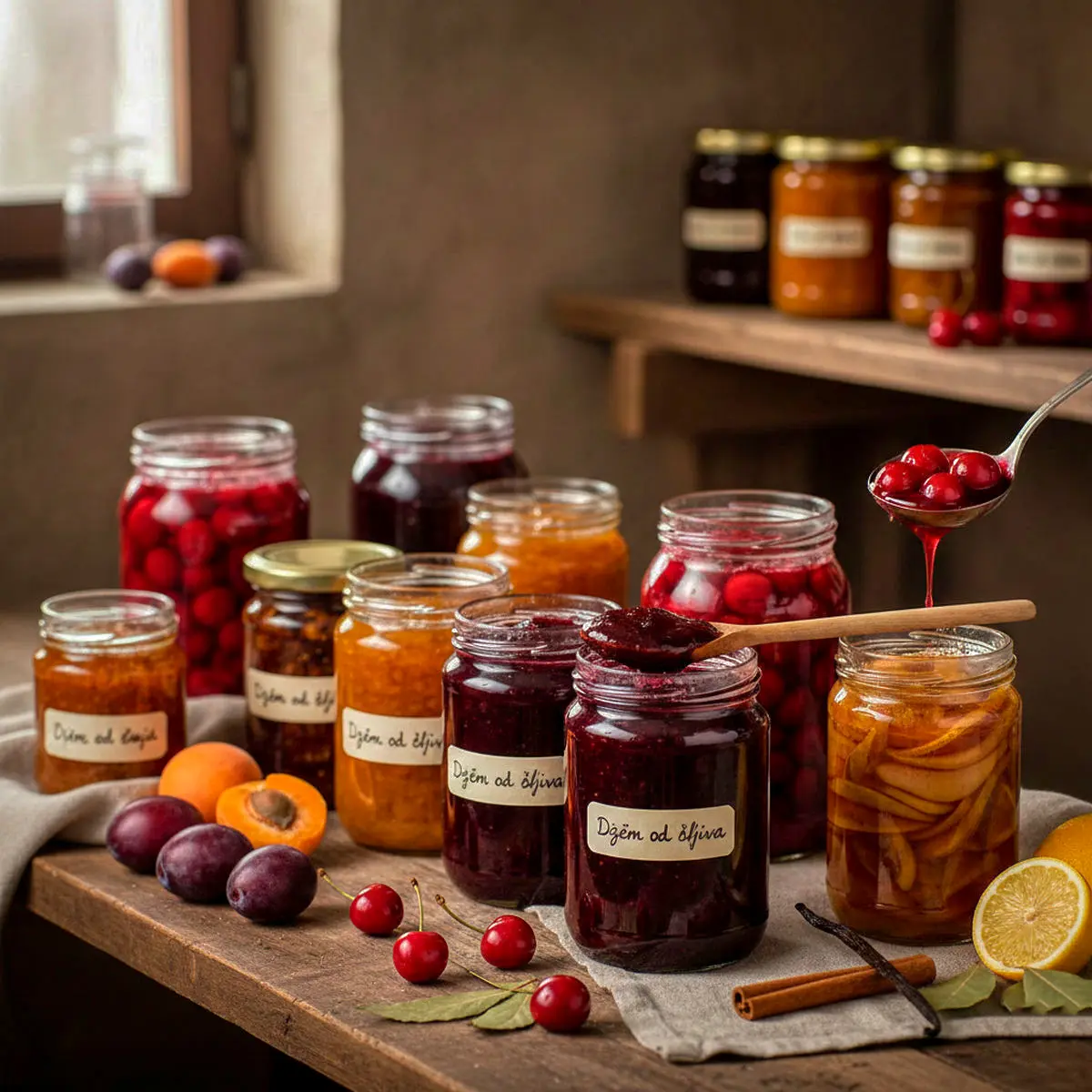
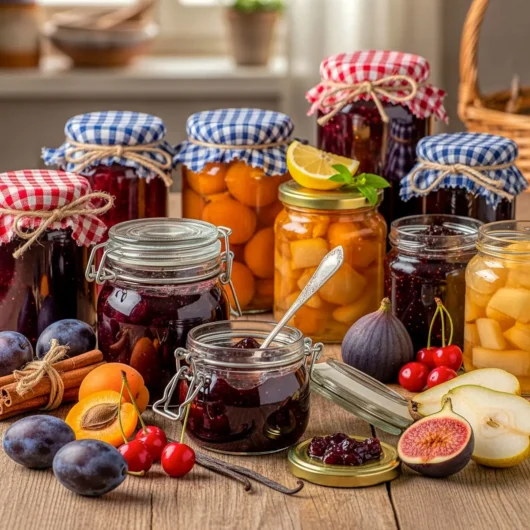
kcalThis recipe makes a classic Croatian plum jam, which can be used as an all-purpose fruit spread. It starts with pitted plums and sugar, cooked slowly until thick, then jarred hot. The ingredients include cinnamon and lemon for traditional flavor. The jam has a deep purple color and a balance of sweet-tart taste. As an alternative, the same recipe steps can yield a fruit compote: simply add a bit of water or juice at the start and cook the fruit pieces just until soft, without reducing to a thick consistency. The result is tender fruit in syrup, served warm or chilled over desserts. This jam can be enjoyed year-round, preserving summer fruits for holidays and everyday breakfasts.
Ingredients
4 cups (about 1.2 kg) ripe plums, pitted and roughly chopped – The main fruit. (Other stone fruits like apricots or cherries can be used similarly.)
2 cups (400 g) granulated sugar – The sweetener for preserving. Adjust to taste.
Juice of 1 lemon – Adds acidity to help the jam set and brighten flavor. (Substitute ¼ cup apple juice or a pinch of powdered pectin as needed.)
1 cinnamon stick (optional) – Infuses warm spice. Remove before jarring. (For compote, replace with 1–2 whole cloves or a slice of ginger for variety.)
1 vanilla bean or 1 tsp vanilla extract (optional) – For aromatic richness.
Sterilized glass jars and lids – For safely storing the jam.
Directions
Prepare jars: Thoroughly wash and sterilize your glass jars and lids by boiling them in water or running through a hot dishwasher. Keep them hot until use to prevent cracking when filled with hot jam.
Prep the fruit: Wash the plums, remove pits, and roughly chop the flesh. Smaller pieces cook down faster. (For other fruits: apricots halve and pit; berries can be left whole.)
Combine ingredients: In a large, heavy-bottomed pot, combine the chopped plums, sugar, lemon juice, cinnamon stick, and vanilla (if using). Stir well to coat the fruit. Let the mixture sit for 30 minutes (optional) so the fruit juices begin to release.
Cook the jam: Place the pot over medium heat and bring to a simmer. Cook, stirring frequently, to prevent sticking. Once it starts bubbling, reduce heat to medium-low. For jam: Stir often and gently mash the fruit as it softens. Cook for 1–2 hours, until the mixture thickens and reduces (it should coat the back of a spoon). Remove any foam that forms on top with a spoon. For compote: Add 1/2 cup water at the start and simmer more gently for 30–45 minutes, so the fruit becomes tender but the sauce remains syrupy and slightly runny.
Test doneness: To test jam set, place a small plate in the freezer while cooking. Spoon a bit of hot jam onto the cold plate and let it cool for a minute. If it wrinkles when pushed with a finger, it’s ready. If not, cook a bit longer and test again.
Jar the jam: Remove the pot from heat. Discard the cinnamon stick and vanilla bean (if used). Pour the hot jam carefully into the warm sterilized jars, leaving about 1/4 inch headspace at the top. Wipe rims clean and seal tightly with lids. Invert the jars for 5 minutes (optional) to ensure a good seal, then turn them upright. Let cool completely at room temperature. You may process the jars in a boiling water bath for 10 minutes to extend shelf life (optional).
Cool and label: Once cool, check seals. Label jars with the date and contents. Store unopened in a cool, dark place. Refrigerate after opening.
Tips, Troubleshooting & Variations
- Serving Suggestions & Pairings: Croatian fruit jam is delicious on fresh bread or toast at breakfast. It can also fill pastries (like Croatian štrukli or strudel) and desserts. Warm fruit compote is wonderful over vanilla ice cream, yogurt, or almond cake, and makes a simple dessert by itself. For drinks, use a spoonful of jam to sweeten and flavor herbal tea or mix compote juices into sparkling water or wine as a spritzer. When plating, garnish with mint leaves or a dollop of whipped cream for a festive touch.
- Storage & Reheating: Unopened jam jars last up to a year in a cool pantry. After opening, refrigerate and use within a few weeks. Jam keeps its flavor well, though it may crystalize or darken over time; if so, stir in a little water and gently reheat to restore spreadability. Homemade compote (if not shelf-canned) should be stored in the fridge and eaten within a week. To reheat compote, warm it on the stove or microwave, adding a splash of water if it’s become too thick.
- Variations & Substitutions: Different Fruits: Substitute any summer fruit for the plums. Strawberries or raspberries yield a quick jam (berry seeds give a natural pectin boost). Apricot or peach jam is similarly made with peach halves, sugar, and lemon. For a mixed fruit jam, use 1–2 pounds combined (e.g. 1 lb berries + 1 lb cherries). Low-Sugar Jam: Reduce sugar by up to 25% for a tarter jam (use ripe, sweet fruit to compensate). Add 1–2 tsp powdered pectin or a spoonful of lemon juice to ensure proper setting. Note that less sugar means a softer set and shorter shelf life. Spiced & Herbal: For a spiced compote, add 2 cloves, a cinnamon stick, or a strip of orange zest. You can also stir in a tablespoon of chopped fresh ginger or a splash of rum when cooking. Herbs like rosemary or mint can infuse a unique flavor when simmered with berries. Regional Twist: In Dalmatia, fig jam (smokvenjak) is popular—use chopped ripe figs and orange zest. In Slavonia, one might add a handful of walnuts or slivered almonds into peach compote. Sorbets or wines can be made by further fermenting unused fruit scrap.
- Chef’s Tips: Choose fully ripe, high-quality fruit with no bruises for the best flavor. Overripe or damaged fruit will make jam too runny or dark. Stir continuously especially as the jam thickens, because the mixture can stick to the bottom and burn easily. Keep heat moderate. A heavy-bottom pot distributes heat evenly and prevents scorching. If you see excessive foaming, skim it off to keep the jam clear.
- Optional Add-Ons: Shopping List: Glass canning jars and lids; fruit (plums or choice); sugar; lemon and spices like cinnamon or vanilla. Make Ahead: The jam will keep for months if properly canned. As it cools in jars, it continues to “set.” Plan to make it a day or two before you’ll start using it. During jam-making season, cook multiple batches at once.
- Equipment Needed: Heavy-bottomed pot or Dutch oven. Long-handled wooden spoon (for stirring). Ladle and funnel (for filling jars). Canning jars with lids (sterilized). Saucepan or boiling water bath canner .(optional, for sealing jars). Colander or strainer (if making a very smooth jam, to remove seeds or peels).









