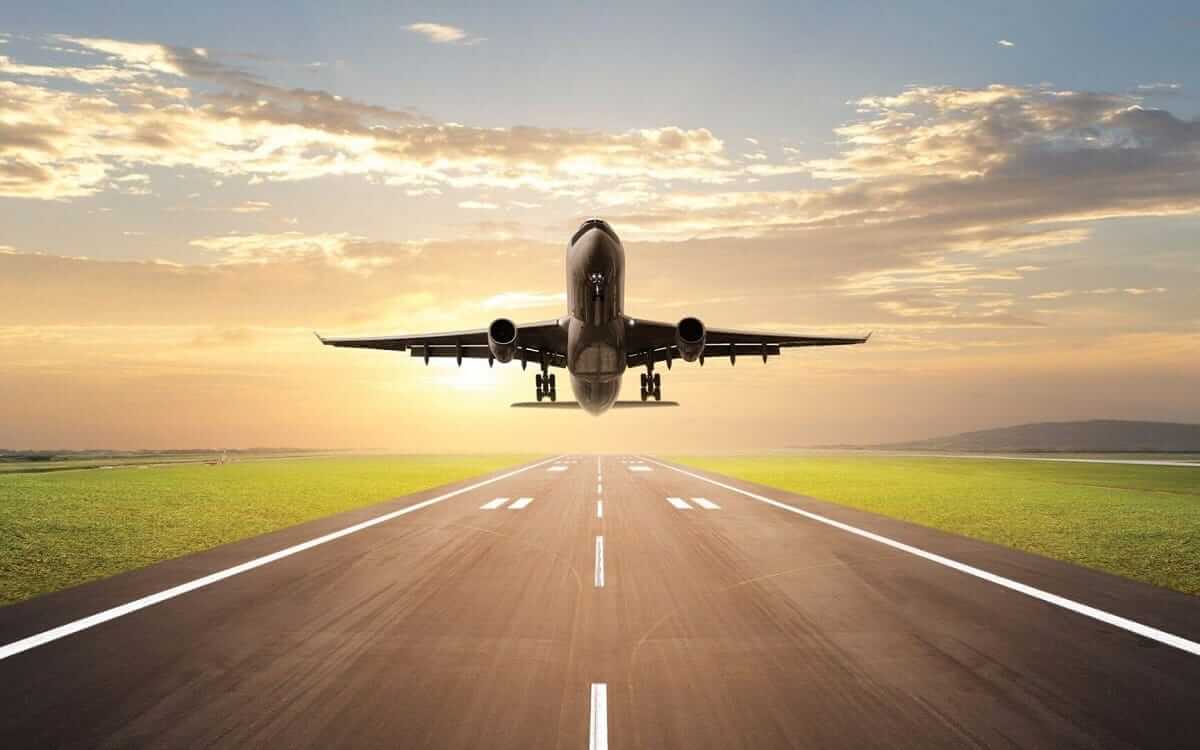
Flights: Questions and answers

Flights-Questions-and-answers
Passengers often wonder why oxygen masks suddenly appear or why cabin lights dim on takeoff. These are not random quirks but carefully engineered safety measures. With input from pilots, engineers, and regulations, this guide demystifies common in-flight procedures. Learn how cabin pressure works, why you must put on your own mask first, and what happens when lightning strikes or an engine fails. By understanding the design and data behind these rules, nervous flyers can relax: flying remains extraordinarily safe. (Flight safety facts with insider insights and official guidance.)

Commercial jet travel today is extraordinarily safe, yet routine safety procedures and equipment still prompt many questions. For instance, why do oxygen masks deploy when the cabin loses pressure? How can a gigantic aluminum tube withstand a lightning strike? Why are cabin lights dimmed at night? In what follows, an aviation veteran answers these concerns. Drawing on expert analyses, pilot training manuals, and insider accounts, this guide demystifies cabin pressure, oxygen systems, and the many layers of protection built into modern aircraft. Each explanation is grounded in factual detail and local aviation authority sources, so that curious travelers can fly informed rather than anxious. Above all, the numbers speak for themselves: data from the International Air Transport Association (IATA) imply that a typical passenger would have to fly every day for over 100,000 years to encounter a fatal crash. In practical terms, flying remains far safer than driving or many everyday activities. Still, understanding the “why” behind rules and equipment transforms mysterious routines into welcome precautions.

Understanding Cabin Pressure and Oxygen Systems

Commercial jets cruise at altitudes around 30,000–40,000 feet, where the outside air is too thin to breathe comfortably. To keep everyone alive, cabins are pressurized to a pressure equivalent of roughly 6,000–8,000 feet above sea level. Passengers typically feel only gentle ear “pops” as a result. Even so, the partial pressure of oxygen at 8,000 feet is significantly lower than at sea level – generally around 100 mmHg at about 12,500 feet. Above 12,500 feet cabin altitude, the blood oxygen level begins to fall below normal. For routine flight, this is only a warning: commercial crews and passengers need supplemental oxygen only if cabin pressurization fails and altitude climbs too high. FAA regulations reflect this physiology. Pilots must use oxygen if flying above 14,000 feet cabin altitude, and all occupants must be provided oxygen above 15,000 feet. In everyday flying, pilots keep a close eye on cabin pressure gauges to ensure it stays low. If the cabin ever creeps above roughly 14,000 feet equivalent, built-in sensors automatically release passenger oxygen masks, triggering the familiar red light and harness drop.

Humans typically lose consciousness rapidly if there isn’t enough oxygen. In fact, during a sudden loss of pressurization, the time of useful consciousness can be measured in seconds. Experimental data show that at 25,000 feet, a person may have only 3–5 minutes before hypoxia impairs them, and at 35,000 feet that time can shrink to 30 seconds or less. In practical terms, if cabin pressure suddenly falls, passengers have only a very short window – on the order of half a minute – to get an oxygen mask on before drowsiness and confusion set in. The “oxygen mask” bag under your seat moves more slowly; the actual oxygen comes as soon as you tug the mask forward. (Indeed, even if the bag does not visibly inflate, oxygen flow is already underway.) These figures explain why airlines emphasize the quick-onset danger: a passenger might feel fine a moment ago, but without supplemental oxygen severe impairment can come on almost instantly. The takeaway is simple: once masks fall, pull yours on immediately. It will supply roughly 10–14 minutes of pure oxygen – enough time for pilots to descend to safe altitudes (below about 10,000 feet) where supplemental oxygen is no longer needed.

Oxygen Masks: Everything Passengers Need to Know

Passenger oxygen masks are standard gear above every seat. They automatically deploy when cabin altitude climbs above about 13,000–14,000 feet. This happens because the cabin pressure control sensors have detected a dangerous altitude – think of it as a built-in alarm. Often it is caused by loss of pressurization, but cabin crew can also pull a release lever manually if needed. When you hear the click and see masks thud to the floor, at that moment oxygen is available.

Each mask is connected to a small oxygen generator, typically a sealed canister of chemicals. When you pull a mask toward you, it starts a chemical reaction inside the generator (usually sodium chlorate plus iron powder) that produces breathable oxygen on demand. There is no switch to click on – tugging begins the flow. An important note: the hood (bag) attached to the mask is not an inflation balloon or source of oxygen; it simply indicates flow. Even if the bag remains limp, oxygen is still flowing steadily into the mask. You must breathe normally; the mask’s contents will automatically blend with cabin air to yield about 40–100% oxygen concentration depending on altitude.

What are masks filled with? Once you pull the mask, it’s not a cylinder of pure oxygen. Instead, a chemical generator produces oxygen: commonly sodium chlorate and iron oxide burn in a quick, hot reaction to supply oxygen. These materials are safe to breathe, though you might smell something like burning metal dust (it is normal). The system is designed for one-time use; the chemical reaction cannot be stopped once started. That’s why the FAA mandates each commercial flight carry enough oxygen for at least 10 minutes of descent – the plane simply doesn’t need longer supplemental supply because pilots will aim to land below 10,000 feet within that time. In practice, an aircraft without pressure will descend rapidly; 10–14 minutes of oxygen in the mask is ample.

If you fly often, you may have noticed an instruction to “put your own mask on first, then help others.” This is crucial. Only about 30 seconds elapse before oxygen deprivation impairs thinking. A parent who tries to secure their child’s mask first risks losing consciousness before everyone is safe. In effect, securing your own mask first ensures you remain alert enough to help anyone else. Aviation safety experts emphasize that point bluntly: unconscious caregivers can’t assist children or co-passengers.

Why You Must Secure Your Own Mask First

The rule “put on your own mask first” often surprises people who want to help others. But consider how hypoxia works: without supplemental oxygen, mental clarity deteriorates fast. At cabin altitudes above 20,000 feet, unconsciousness can strike in under a minute. Even more modest loss of pressure (above 25,000 feet) gives only a few minutes. The net effect is that a panicked parent or helper might faint before assisting someone else, which would leave no one able to act. By taking a few seconds to secure your mask, you ensure that you remain conscious long enough to help others — a concept safety briefings take pains to underline.

Medical observations confirm this cascade risk. Early symptoms of hypoxia include euphoria, confusion, and poor coordination. A disoriented caregiver trying to fasten a child’s mask is the opposite of being helpful. In contrast, a moment’s delay to save yourself buys everyone more time: once you have oxygen, your brain functions are effectively restored to normal, letting you manage the situation calmly. In practice, flight crews have seen real examples where one pilot saved the flight because the other had succumbed to oxygen deprivation after improperly delaying mask use. That’s why both regulators and airlines stress this sequence — it is not a cold rule, but a life-saving priority.

How Pilots Handle Cabin Pressure Emergencies

Cockpit crews have their own oxygen systems and protocols for decompression. Each pilot has a quick-donning oxygen mask within arm’s reach – a mask designed to be secured with one hand in just a few seconds. (FAA rules require such masks be donnable in 5 seconds or less.) In an emergency, the captain or first officer pulls on their mask immediately. These masks initially deliver pure 100% oxygen and then gradually blend in cabin air as needed, a setting controlled by the aircraft’s system. High-altitude flights (above Flight Level 350) also require one pilot to keep their mask on whenever the other leaves the cockpit, ensuring that someone always has an oxygen source.

Simultaneously with donning masks, the pilots will announce “Emergency descent!” and begin the descent procedure. This is no panic; it is practiced and highly methodical. The aircraft will pitch down to lose altitude quickly but safely. As one aviation expert notes, to the passengers it may feel like a jolt, but to the pilots it’s a controlled maneuver to reach breathable altitudes (“below 10,000 feet”) before oxygen supplies run out. Every jetliner is certified to withstand sudden descents, with reinforced wings and stressed components tested against such forces. In parallel, they declare an emergency to air traffic control and prepare the cabin for possible evacuation, but the immediate priority is reaching denser air.

Throughout, redundancies kick in. Modern airliners typically have at least two independent systems for cabin pressurization. If one fails, the other sustains it long enough for human action. And even if pressurization is lost, an automatic system bleeds cabin air out gradually and starts descent protocols if needed. After descending into thicker air, pilots switch off emergency oxygen masks (once safely below about 10,000 feet) and level off. Passengers will see pressure gauge readings normalize. In short, pilots are trained and equipped to handle depressurization with split-second timing and built-in backup systems, minimizing danger for everyone on board.

Lightning Strikes and Aircraft: The Faraday Cage Effect

Lightning strikes are dramatic events that often leave passengers startled, but a strike almost never endangers a plane’s occupants. In fact, statistics show that commercial airliners are struck on average about once per aircraft per year (roughly once every 1,000 flight hours). More than 70 aircraft worldwide get hit by lightning every day. Yet modern aircraft are designed like giant Faraday cages: the metal skin conducts the electrical current harmlessly around the outside of the plane. A retired airline pilot explains it this way: even if lightning strikes the nose or wingtip, the current travels over the skin and exits from another extremity (usually trailing edges), with cabin interiors fully shielded.

In practice, what passengers notice is usually nothing more than a bright flash and a clap of thunder. Sometimes, cabin lights flicker briefly or electronic displays glitch for a moment. But thanks to engineering safeguards, critical systems (engines, navigation, avionics) remain protected. The aluminum fuselage — and on newer composite jets, conductive meshes embedded in the surface — create a continuous path for the current. It is rare to see any damage; at most, crews inspect for a small scorch mark at the strike point. Aviation safety records show that in the last several decades, very few incidents have been traced to lightning effects. As one expert quips, people often “go their whole flight not even feeling a thing” when lightning strikes their plane. In short, the lightning travels on the outside metal shell, making the interior just as safe as being in a car during a storm – the Faraday cage principle at work.

Engine Failure: Can Planes Fly on One Engine?

Contrary to dramatic movie scenes, the loss of a single engine is generally not catastrophic for modern commercial aircraft. Every twin-engine airliner is certified to continue flying on only one engine if necessary. In fact, regulatory standards known as ETOPS (Extended-range Twin-engine Operational Performance Standards) exist precisely to ensure that twin jets can safely operate far from diversion airports, often up to 180 minutes or more on one engine. During such a failure, the remaining engine (or engines, on four-engine jets) provides enough thrust to maintain flight or allow a controlled descent to an alternate. Pilots routinely train for single-engine scenarios in simulators.

How far can a plane glide with zero engines? In the extremely rare case of total power loss, jets still have long glide ranges. For example, the famous 1983 “Gimli Glider” incident (Air Canada Flight 143) saw a Boeing 767 — flying at 41,000 feet — glide over 70 miles to a safe field landing after running out of fuel. And the 2009 “Miracle on the Hudson” (US Airways Flight 1549) saw an Airbus A320 safely ditch after dual engine failure, largely because the pilots used glider techniques to reach the river. The design philosophy is that as long as at least one engine runs, or the plane is gliding under aerodynamic control, there is ample time and altitude to navigate to a safe landing zone. Moreover, aircraft have multiple redundant systems (hydraulics, electrical generators, control computers) so that losing an engine does not knock out more than propulsion. In short, a single engine out is treated as an emergency but not a disaster. Pilots know their craft can keep them aloft or gliding, and regulation requires that any commercial jet be able to do so safely.

Why Cabin Lights Dim During Nighttime Takeoff and Landing

If you’ve ever wondered why cabin lights are turned down at night for takeoff and landing, the reason lies in basic human vision. When eyes move from a bright environment into darkness, they require time (up to 20–30 minutes) to fully adapt. By dimming cabin lights just before darkness outside, the crew accelerates this adaptation. “When you want to see the stars at night, your eyes need time to adjust after bright light,” explains a senior pilot. Dim lighting allows passengers’ eyes to slowly adjust to dark, reducing the “adaptation time”. In an emergency evacuation after dark, this means people can see outside conditions and emergency path markers more quickly, instead of fumbling in blindness.

Flight attendants note that takeoff and landing are statistically the highest-risk phases of flight, so any measure that improves passenger readiness is welcome. Dimming lights also cuts interior glare on the windows. This means crew (and alert passengers) can spot fire, smoke, or debris outside more easily in case of trouble. Furthermore, with lights low, the photoluminescent cabin path markers along the floor and exits glow brighter, providing better visual cues. In practice, this dimming rule is a simple, precautionary safety step: it does not impact the aircraft’s systems at all, but it enhances everyone’s ability to see in an evacuation scenario without jerking eyes from bright cabin lights to darkness.

Electronic Devices and Flight Safety

Airlines still ask passengers to switch phones and electronics off or to airplane mode during takeoff and landing. Historically, this originated from concerns that radio-frequency signals from passengers’ devices might interfere with sensitive avionics and navigation instruments. In the 2000s, engineers found that in rare cases continuous transmissions could affect some landing systems. Consequently, regulations once required all devices to be off below 10,000 feet to eliminate any chance of electronic “noise” in critical phases.

However, decades of testing by the FAA and industry experts have shown modern jets are remarkably immune to such interference. A 2013 FAA review concluded that “most commercial airplanes can tolerate radio interference from portable electronic devices”. In fact, airlines now routinely allow tablets, e-readers and smartphones to remain on in airplane mode for the entire flight, including takeoff and landing. The focus today is on ensuring devices are stowed safely, not on fearing interference. (Cell phones are still put on airplane mode to avoid constant tower switching, which could overload ground networks – but this is a communications issue, not an airplane-safety issue.)

In short, the modern rationale for restricting electronics is primarily operational: passengers must pay attention to safety briefings and secure their belongings, not that the plane needs sanctuary from your music. Most devices emit only tiny radio signals that nothing in a well-shielded cockpit heeds. The FAA’s own tests and subsequent policy now emphasize that keeping a device on airplane mode has negligible impact on flight systems. As an FAA official explained, any possible interference cases occur so infrequently (perhaps 1% of flights under very low-visibility approaches) that in those rare instances devices may be asked to be off. Outside of those quirks, feel free to enjoy your downloaded music or movie once the wheels leave ground.

Aircraft Lavatory Safety and Design

Airplane lavatories have built-in safety features that many passengers never see. Notably, the lavatory door, while appearing locked solidly from inside, can be unlocked from the outside by crew. Usually hidden behind the outer “LAVATORY” sign is a small override catch. Flight attendants know where to flip the panel and slide the latch to free a stuck door. This mechanism exists for emergencies (e.g. a passenger collapses inside) and is mandated by aircraft design standards. As one travel writer puts it, “that cozy little bathroom might not be as private as you think” — but that’s a feature, not a bug. If you ever find yourself locked in and in trouble, pressing the attendant call button will summon help, and crew will often approach with this override ready to use.

Equally important is fire safety. Every lavatory is legally required to have a smoke detector. U.S. aviation regulations explicitly forbid smoking in any airplane lavatory, and also forbid disabling or destroying the smoke detector. By law, a warning placard and a hefty fine are posted right on the door. The intent is to make sure any cigarette or electronic smoking device (which is also banned) is promptly detected. If a passenger illegally lit up and tossed the burning item in the trash, the smoke alarm would trigger immediately, giving crew a chance to intervene. This system is a lesson from history: older accidents had actually resulted from passengers hiding cigarettes in waste bins. Today, detectors in every bathroom – tested before each flight – prevent that hazard.

The Mystery of Ashtrays on Smoke-Free Flights

You may wonder why ashtrays still exist on aircraft long after smoking was banned. The answer is simple safety, not nostalgia. Federal rules require at least one functioning ashtray in every lavatory, despite the absolute ban on smoking. Why? Because if a passenger ignites a cigarette anyway, they should have a safe place to extinguish it. Throwing a lit cigarette in a plastic trash bin (even a pill bottle they grab) can start a fire instantly. The tiny metal ashtray on the lavatory door is a safer repository if anyone breaks the rule. In effect, the ashtray is a clever “fire trap door”: it is never meant to be used by law-abiding flyers (who shouldn’t be smoking), but if someone violates regulations, that metal canister will contain the burn and not let it spread. It is a belt-and-suspenders approach that regulators decided is cheaper and safer than risking a cabin fire. In short, “smoking is forbidden – but just in case, here’s an ashtray to catch the daredevils”.

Pilot Meal Protocols and Food Safety

Crew meals follow strict safety protocols too, though they might not be obvious. Most airlines require pilots on the same flight to eat different meals – in part to reduce the chance that both get sick from the same dish. Food poisoning incidents have grounded flights before: in 1982, a dessert spoiled by bacteria sent six crew members of a Boeing 747 to the hospital after takeoff. Because of that, the two pilots would have eaten different entrées and at least one would have escaped the illness. Airlines enforce these policies by having crew order from separate menus or kitchens. Some carriers even stagger meal times. The idea is that if one pilot’s food is tainted, the other can still navigate the plane. (The FAA does not have a law on this, but it is industry-standard practice on long international flights.) Additionally, pilot meals are often nutritionally balanced and carefully portioned to keep both pilots alert and hydrated. Backup snacks and water are stored in the cockpit in case a flight is unexpectedly extended. In short, crews double-lock their food policies: it’s not just about catering comfort, it’s about preventing a simultaneous crew illness.

Traveling With Children: Battery and Toy Safety

Families flying with kids face specific safety considerations for toys and electronics. Any battery-powered toy should ideally have its batteries removed before takeoff. A loose coin cell or AA battery can accidentally power on if the toy is jostled – imagine a chirping doll or car racing uncontrollably down the aisle. Worse, a short-circuited battery can spark. Thus parents should either switch off toys or take out the batteries entirely for the flight.

Regulations treat lithium batteries with extra caution. Spare (uninstalled) lithium metal or lithium-ion batteries – such as power banks or extra AAAs – are forbidden in checked baggage. They must be carried in the cabin. If a battery overheats or catches fire, cabin crew can respond immediately, whereas a fire in the cargo hold would be hidden. All electronic devices containing lithium batteries (smartphones, tablets, some toys) are best kept in carry-on luggage as well. The FAA recommends that such devices be turned off or “protected from accidental activation” if carried on board. For practical travel tips: keep extra batteries in your carry-on, tape over the terminals, and stow spare ones in plastic bags to prevent shorts. Follow these steps and you greatly reduce any fire risk associated with children’s gadgets. In sum, airlines are stricter with batteries than with toys – always err on the side of “carry on, not checked” for lithium power sources.

Flight Attendant Etiquette and Tipping

Tipping cabin crew is a perennial question. The quick answer: in virtually all cases, it’s not expected and often not permitted. Most major airlines either forbid flight attendants to accept tips or discourage it strongly. Union contracts generally consider flight attendants as safety professionals, not service workers, and they draw a fixed salary. (Frontier Airlines is a notable exception; it actually provides a tip option during onboard purchases, though even there the flight attendant union protests this practice.) In practice, a warm smile and a sincere thank-you go further than a five-dollar bill. Passengers who want to express gratitude are advised to compliment a crew member to their supervisor or send an email note to the airline. Small gifts of appreciation (sealed chocolates or a small gift card) are usually welcome if offered discreetly. But under no circumstances should one feel obliged to tip flight attendants; they are simply not in a tipped-service industry. In the United States, writing a compliment or filling out a “thank-you” card in first class is the preferred way to highlight excellent service.

The Remarkable Resilience of Modern Aircraft

Between redundancies, rigorous testing, and continuous safety oversight, today’s commercial airplanes are built to be almost unfailingly reliable. Every critical system on a passenger jet has backups: hydraulic systems have duplicate pumps and fluid lines; flight control computers are in triplicate; even the electrical generators on each engine are backed up by auxiliary power units. New aircraft undergo intense certification tests – landing gear are dropped from height into the ocean, fuselages are pressurized repeatedly to extreme levels, wings are structurally stressed until they bend hundreds of feet over. Engines are designed to contain fan blades if one breaks off. Only after an aircraft repeatedly proves it can survive component failures is it allowed to carry passengers.

The statistics reflect this rigor. In the United States, commercial aviation fatalities have dropped by over 95% in recent decades. International data are similar: flying is measured in essentially zero deaths per million flights. For example, the IATA notes you would have to fly 365 days a year for more than 100,000 years before statistically encountering a fatal crash. That far exceeds the lifetime of anyone reading this. In short, accidents are so rare that they are almost cinematic exceptions. Every minor incident (an aborted takeoff, a medical diversion) is thoroughly investigated for lessons learned. The result is a safety culture where tiny problems are caught early by cockpit checklists and maintenance routines.

“If you ever see an airliner during testing, you’ll notice people douse it in fire retardant – literally pouring water to cool things as parts slam together,” notes an aviation engineer. “By the time a new plane flies passengers, engineers have almost convinced themselves it cannot catastrophically fail.”

This intentional over-preparation pays dividends. The commercial cockpit is designed so that a single failure never leads to tragedy. Even in rare dual-engine outcases (both engines failing), pilots have demonstrated they can glide enormous jets to safe landings. The control systems remain responsive thanks to backup hydraulics and windmilling generators. In practice, the “unsinkable ship” nature of aircraft means passengers very rarely experience anything beyond routine turbulence. Pilots train for emergencies endlessly so that, should the worst happen, redundant systems keep the airplane flying long enough for a safe outcome.

Frequently Asked Questions About Flight Safety

Why do I have to wear oxygen masks at 14,000 feet? – Because at that altitude the cabin pressure is so low that blood oxygen levels drop rapidly. Regulators set ~14,000 ft as the trigger so that masks come down before anyone reaches dangerous hypoxia.

What happens if all engines fail? – The plane will glide. Pilots will pick a landing spot (often an airport or flat field) and make an emergency landing. Modern jets have glide ratios allowing dozens of miles of flight even with no engines, as the “Gimli Glider” proved.

Why dim cabin lights during landing? – To let your eyes adjust to dark. In the event of an evacuation at night, you’ll be able to see outside hazards and cabin exit paths quickly.

Can I use my phone on takeoff? – Airplane mode only. Devices emit minimal interference now, but regulations still require airplane mode during takeoff/landing. The bigger reason is to keep passengers attentive to crew instructions, not electronic risk.

Are bathroom doors really locked from outside? – Yes. There’s a hidden latch behind the exterior “LAVATORY” panel. Crew will only use it if someone is trapped or in medical distress inside.

Why do pilots eat different meals? – To avoid simultaneous food poisoning. If one meal is contaminated, only one pilot falls ill and the other can safely fly.

Is it OK to tip flight attendants? – Generally no. Tipping them is rare and many airlines forbid it. A thank-you or written compliment is a better way to show appreciation.

Conclusion: Flying Is the Safest Form of Travel

By now, many flight safety “mysteries” have practical, reassuring answers. Oxygen masks descend because they must protect us from rapid altitude-related oxygen loss. Lights dim and doors unlock for the simple reason that cabin crew have anticipated emergency needs long before passengers spot them. Pilots eat different meals and in-flight protocols exist not as quirks, but as layers of precaution aimed at handling even the most improbable situations. Above all, the resilience of commercial aviation derives from rigorous design standards, constant training, and a culture of learning. Every safety drill, every regulation (down to maintaining ashtrays on a no-smoking jet) is part of a system that has been honed over decades.

The end result is that passengers need only focus on enjoying their trip, not fearing the odds. Statistically, you are exponentially safer in the cabin than on any highway or in many routine activities. Understanding the why behind each rule and device should give you confidence. You will know, for example, that the sudden roar and flash of a lightning strike is a surprisingly normal event, or that cabin lights dimming signals a precaution that actually helps you see better in darkness. By viewing these procedures through the lens of experience and expertise, travelers can fly informed. As pilots and engineers insist: “Safety is built-in, not bolted-on.” The next time you hear the oxygen-masking announcement or feel the plane jolt in turbulence, recall that behind each measure lies sober data and thousands of expert hours – all dedicated to ensuring you and everyone on board arrive safely.

Top 10 Must-See Places in France

Top 10 Must-See Places in France

France is recognized for its significant cultural heritage, exceptional cuisine, and attractive landscapes, making it the most visited country in the world. From seeing old ...
Read More →
10-WONDERFUL-CITIES-IN-EUROPE-THAT-TOURISTS-OVERLOOK

10 Wonderful Cities In Europe That Tourists Overlook

While many of Europe's magnificent cities remain eclipsed by their more well-known counterparts, it is a treasure store of enchanted towns. From the artistic appeal ...
Read More →
Amazing Places Small Number Of People Can Visit

Restricted Realms: World’s Most Extraordinary and Off-Limits Places

In a world full of well-known travel destinations, some incredible sites stay secret and unreachable to most people. For those who are adventurous enough to ...
Read More →
Exploring the Secrets of Ancient Alexandria

Exploring the Secrets of Ancient Alexandria

From Alexander the Great's inception to its modern form, the city has stayed a lighthouse of knowledge, variety, and beauty. Its ageless appeal stems from ...
Read More →
Venice-the-pearl-of-Adriatic-sea

Venice, the pearl of Adriatic sea

With its romantic canals, amazing architecture, and great historical relevance, Venice, a charming city on the Adriatic Sea, fascinates visitors. The great center of this ...
Read More →
10-Best-Carnivals-In-The-World

10 Best Carnivals In The World

From Rio's samba spectacle to Venice's masked elegance, explore 10 unique festivals that showcase human creativity, cultural diversity, and the universal spirit of celebration. Uncover ...
Read More →