Crete – A Paradise For Hedonists

Crete-A-Paradise-For-Hedonists
The biggest and most unquestionably beautiful of the Greek islands, Crete draws tourists from all over to savor its several joys. From the moment visitors set foot on its spotless beaches, this perfect location—lit by the brilliant glow of the Mediterranean sun—captivates them with its enchanted charm and irresistible attractiveness.

Located at the southern edge of Europe, Crete has emerged as “one of the world’s 10 hottest travel destinations”. As Greece’s largest island (8,450 km²) and the fifth-largest in the Mediterranean, Crete blends raw natural beauty with centuries of culture and comfort. Imagine sinking your toes into warm pink sand at Elafonissi, savoring a sunset cocktail after a gourmet feast of dakos and fresh seafood, and waking up to spa vistas of the Aegean – Crete was made for unrepentant indulgence. Visitors from around the globe now choose Crete to replenish both body and soul. From the olive groves of Chania to the ancient ruins of Knossos, every corner of Crete offers a hedonistic delight. The island’s Minoan heritage is itself a testament to pleasure and excess; historians call ancient Crete “Europe’s first luxury civilization.” Today, Crete continues that legacy with sun-drenched beaches, a world-class wine scene, delectable farm-to-table cuisine and boutique retreats, all wrapped in warm Cretan hospitality.

Table of Contents

The Beaches: Where Turquoise Waters Meet Pink Sands

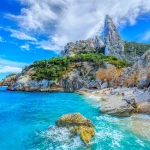
Crete’s coastline is legendary for its beauty. Powdery sands and crystal-clear seas set the stage for unforgettable afternoons of lounging and snorkeling. Elafonissi Beach, on the remote southwestern tip, feels like stepping into a dream: delicate pink-tinged sand (created by crushed shells and microscopic sea organisms) lines shallows that are safe and warm enough to wade for hundreds of meters. Protected as a nature reserve, Elafonissi’s fine sand and gentle waves are ideal for barefoot strolling and sunset watching. Just northeast of Elafonissi lies Balos Lagoon, often called the “Caribbean of Greece”. Its sweeping crescent of pale sand and sea grass frames a lagoon of hypnotic turquoise and emerald water.

Falassarna Beach on the far west coast adds another gem to Crete’s portfolio. Wide and sandy, Falassarna enjoys “clear turquoise waters, wide sandy shores, and beautiful sunsets”. It’s famously cited among Europe’s best beaches – perfect for sunbathing, swimming, and the classic ritual of watching the sun dip below the horizon. Further south, at the mouth of the dramatic Kourtaliotiko Gorge, Preveli Beach offers a rare sight in Europe: a natural palm-tree forest lining a freshwater lagoon that flows into the sea. The oasis of green palms meeting clear Libyan waters feels tropical. Beyond these must-sees, adventurous hedonists can uncover hidden coves: the fjord-like inlet of Seitan Limania (a steep hike reveals an azure cove), the remote gorge-beach of Agiofarago, and the secluded Menies. Each beach has its own character – from party-friendly Falassarna to tranquil Preveli – but all deliver sun, sea and that ultimate sense of carefree escape.

Beach

Location

Highlight

Elafonissi

SW Crete (Chania)

Shallow pink-sand lagoon in a protected nature reserve

Balos Lagoon

NW Crete (Chania)

Caribbean-turquoise lagoon with panoramic views

Falassarna

W Crete (Chania)

Powdery white sand & famed golden sunsets

Preveli

S Crete (Rethymno)

Unique palm-tree grove and river lagoon

(Hidden Gems…)

Various

Seitan Limania, Agiofarago, Paralia Menies – exotic, off-grid coves.

Crete-A-Paradise-For-Hedonists

Cretan Cuisine: A Gastronomic Journey Through Flavor

Crete’s cuisine is as rich and varied as its landscape, a harvest of mountain herbs, olive groves and sun-ripened produce. In fact, nutritionists credit the Cretan diet as the foundation of the modern Mediterranean diet. Research shows rural Cretans live longer and have remarkably low rates of heart disease – largely thanks to their seasonal, plant-rich meals. As one study observes, “Cretans consume between 9–12 servings of fruits and vegetables a day…and up to 37% of their calories from olive oil.”. Local extra-virgin olive oil is, quite literally, liquid gold: Cretan blends consistently win international awards, and Crete consumes more olive oil per capita than any other Mediterranean region. Pair that with wild herbs like oregano, thyme and wild greens (horta), and you have a cuisine designed for pleasure and health together.

The Cretan Diet: Why the World’s Healthiest Cuisine is Also the Most Delicious

At its heart, Cretan cooking is unfussy and communal. Menus at village tavernas change daily with the market: flaky fish grilled over open flames, cheese-filled pastries and lamb slow-roasted in earthen ovens. Cretans famously bake whole lambs buried under coals at festivals. Fresh goat and sheep cheeses (graviera, anthotyro, mizithra) lend nutty or tangy notes, often drizzled with thyme-honey. And of course there’s raki (tsikoudia): “the drink served on Crete on almost every occasion”. It’s tradition to toast every small triumph with a glass of this fragrant grape-brandy.

Nutritional study aside, the flavors come first. A simple dish like Dakos – a rye bread rusk soaked in olive oil and tomato, topped with feta – encapsulates Crete’s ethos: the freshest ingredients, coexisting harmoniously. As one Cretan olive oil producer notes, their diet’s lack of butter or lard and abundance of olive oil distinguishes it within the Mediterranean. The result? Dishes that taste luxuriously comforting yet leave you feeling content. Even casual ‘hippie’ flatbreads called khobetz lakonias, spread with garlic and oil, or light kolokythokeftedes (zucchini fritters) are utterly satisfying.

Essential Cretan Dishes Every Hedonist Must Try

Here are some mini-profiles of must-sample dishes, complete with local favorites for tracking them down:

  • Dakos: Often called a Cretan salad, this “simple peasant dish” tops rusks with diced tomato, herbs, olives and cheese. Try it at seaside tavernas in Chania (the Old Venetian Harbor) or local farm-to-table restaurants in Rethymno.
  • Koulouri Thessalonikis (Village Bread): Rustic crusty bread, still baked in stone ovens in villages like Archanes (near Heraklion). Perfect with honey or local cheeses for breakfast.
  • Kalitsounia: Sweet or savory cheese-topped pastries. In the mountain villages of Sfakia or Anogeia, watch grandmothers fill phyllo with mizithra and honey or with minced greens and feta.
  • Gamopilafo: Wedding rissoto. A rich rice dish cooked in meat broth (often goat or lamb), yielding a creamy nutmeg-scented comfort food, traditionally served at celebrations.
  • Kleftiko: Slow-cooked lamb or goat, seasoned simply, until tender. Best savored at a mountain taverna outside Agios Nikolaos or in rural Lasithi, where lambs roam free.
  • Fresh Seafood: Crete’s length means every port has fresh catch. Try grilled red mullet (barbounia), sea bass (lavraki), or that local delicacy, astakomakaronada – lobster pasta, in eastern Agios Nikolaos.
  • Cretan Cheese: Graviera, the island’s signature cheese (hard, nutty), pairs perfectly with local honey. Don’t miss sweet mizithra drizzled with thyme honey as a dessert.

Where to Eat: From Village Tavernas to Fine Dining

Whether you’re in a seaside taverna or a chic resort dining room, freshness is the common thread. Head to local markets – like the bustling Heraklion Municipal Market or Chania’s Agora – to inhale the aromas of local tomatoes, capers and herbs. For authentic tavernas, seek out family-run places off the tourist trail: the Xenia Inn in Vamos for locally foraged chanterelle mushroom pies, or Kastella in Chania’s historic district for braised goat and home-pressed olive oil. Many luxury hotels on Crete have embraced farm-to-fork, creating gourmet reinterpretations of classics – for example, one spa resort in Elounda offers a Michelin-starred tasting menu of lamb neck with wild thyme jus, married with an estate Vidiano wine.

For a different experience, join a communal table: ask around in island villages about gatherings at a kafenion or family taverna. English menus abound in tourist areas, but learning a few Greek words (your waiter might call dakos “ντάκος”) will win smiles. And if you have a sweet tooth, hunt down daktyla (date rolls filled with nuts) or kaltsounakia with apricot jam.

Cooking Classes: Becoming Part of the Tradition

There’s perhaps no better way to appreciate Cretan hedonism than cooking like a local. In towns like Heraklion or Hersonissos, dozens of half-day cooking classes teach traditional dishes. Professional chefs or even grandmothers will show you how to make koukouvagia (chicken with rice) or pick wild herbs for hortopita (wild greens pie). After the class, savor the fruits of your labor with new friends over raki toasts. For example, Kastelli Cooking School near Rethymno or Anoskeli Wine & Cheese in the Selinari Gorge offer hands-on classes using olive oil straight from their mill. These experiences reinforce Crete’s belief that food is communal joy – a true hedonist’s pleasure.

Crete-A-Paradise-For-Hedonists

Wine & Spirits: The Liquid Soul of Crete

Crete’s vineyards are as ancient as its olive groves. The island’s unique climate – hot days and cool nights – produces grapes of exceptional character. Crete’s winemakers are reviving old indigenous varieties and perfecting new blends. Two grapes stand out: Vidiano and Liatiko. Vidiano (sometimes called “Avidiano”) is a late-ripening white grape that flourishes in Crete’s Dafnes region. It produces white wines with “rich, fruity aromas” and great complexity. Liatiko, an ancient red dating to the Minoan era, has “perfectly adapted to the warm climate of Crete” to yield delicate, finely balanced wines. You’ll often see Liatiko and its partner Kotsifali blended, or find crisp wines from Vilana and Thrapsathiri.

Indigenous Grape Varieties: Vidiano, Vilana & Beyond

In the red wines, Vilana and Kotsifali have long been Cretan staples. But the new wave is all about reviving heritage grapes. Vidiano stands out as Crete’s “noble” white – intensely aromatic, it can rival Chardonnay or Viognier when oaked lightly. Liatiko is often compared to a cross of Pinot Noir and Nebbiolo for its bright acidity and spicy cherry notes. Notably, there’s a movement to protect these varieties: vineyards in the PDO regions of Peza, Dafnes and Sitia are dedicated to local grapes.

In practice: when you visit a winery, look for a Vidiano–Assyrtiko blend (fresh and mineral) or a late-harvest Malvasia from Sitia (sweet and floral). Even if you don’t drink wine, tasting Crete’s indigenous varietals is a form of cultural immersion.

The Best Wineries for Tastings and Tours

Crete’s wine country stretches from Akrotiri (Chania) to Peza (Heraklion) and beyond. Many family-run wineries offer tours: you can stomp grapes or stand by oak barrels. Here are a few to drop by (organized in a simple table for clarity):

Winery

Region

Highlights

Douloufakis

Peza (Heraklion)

Historic family winery; famous for sparkling Vidiano and aged reds.

Lyrarakis

Apokoronas (Chania)

Focus on rare Cretan varieties (Vidiano, Plyto), biodynamic methods.

Boutari

Peza (Heraklion)

Modern facilities, boutique Acropolis-style vineyard tour; known for Vilana.

Manousakis

Kalami (Chania)

Overlooks the sea, specialises in aromatic whites (Muscat, Plyto).

Monastery of Asomatos

Anogia (Rethymno)

Historic vineyard attached to a mountain monastery; rustic charm.

Book ahead, especially in summer, as tasting rooms can fill up. Ask for flight tastings: most wineries will serve 4–5 samples (reds, whites, maybe a rosé or dessert wine), often paired with local cheese or honey for balance.

Raki Culture: The Spirit of Cretan Hospitality

No hedonistic journey to Crete is complete without experiencing raki (locally called tsikoudia). As one Cretan food blogger succinctly puts it, raki is “the national drink of Crete” – “as a symbol of friendship and nobility and a sign of social communication”. It’s distilled from grape pomace after the wine harvest and typically 30–40% alcohol. Raki is clear, strong, and best enjoyed ice-cold. You’ll find a shot of it offered after almost every meal and at every village gathering.

To appreciate raki like a local: sip it slowly (no one forces you to “sniff” it like ouzo – that’s a mainland habit). The toast “yamas!” (“to our health!”) is obligatory and convivial. Traditional wisdom says it’s not meant to get you drunk, but to encourage laughter and conversation. In family-owned tavernas, the pita-bread-sniffing children may leave the table early while adults linger with raki, savoring sunset after a meal. It’s an acquired taste – fiery but smooth – and considered a rite of passage for any Cretan hedonist.

Olive Oil Trails: Liquid Gold Experiences

Cretans sometimes call olive oil “Liquid Gold,” and rightfully so. Crete’s ancient olive trees (some are over a thousand years old) produce a peppery, grassy extra-virgin oil that’s the centerpiece of the diet. Travelers can tour olive groves and mills, even taking part in harvests (October–December). For example, near the village of Anogeia in Rethymno, you can join local farmers picking olives and then press them at a community mill. Or visit a museum: Cretan Olive Oil Museum (Alikianos) shows traditional crushing methods and offers tastings. Many estates pair the oil with wine: a favorite pairing is a drizzle of Arbequina olive oil on local wild greens salad, or mixing oil with lemon for fresh anchovies.

Together with wine and food, Crete’s olive oil rounds out the island’s culinary hedonism. Squeeze some on your grilled feta at a taverna or ladle it into a bread dip of oregano and feta. You’ll quickly see why scientists link Cretans’ longevity to “being among the largest consumers of olive oil” – it’s a healthful indulgence.

Crete-A-Paradise-For-Hedonists

Luxury & Wellness: Rejuvenation Mediterranean-Style

After days of gastronomic delights and beach lounging, some hedonists may seek pampering. Crete’s luxury scene has blossomed. The north coast – especially around Elounda, Agios Nikolaos and Chania – is dotted with high-end resorts and boutique villas. For example, a recent Forbes feature notes the new JW Marriott Crete Resort & Spa (Kissamos) “offers 160 rooms, suites and villas with stunning sea views,” fulfilling modern luxury expectations. In Elounda, check out Blue Palace Resort & Spa (a Mediterranean Collection hotel) or Domes of Elounda by Hilton – both have cliffside infinity pools overlooking the Gulf of Mirabello. Further east, Daios Cove (near Agios Nikolaos) is famed for its private beach inlet and architect-designed villas.

Boutique Hotels & Luxury Retreats

In keeping with the hedonist theme, many luxury properties offer exclusive experiences. Imagine wine-pairing dinners under the stars (Greek wine list included, of course), private yoga on seaside platforms at dawn, or helicopter tours from your villa over Spinalonga island. Some upscale rural estates have converted Minoan-era houses into heritage guesthouses – think stone walls, candlelit courtyards and personalized farm dinners. In Chania city, a handful of boutique hotels occupy restored mansions where every room is unique (Murals on the walls? Check. A private plunge pool? Maybe!).

  • Recommendation: If privacy is key, consider a private villa rental. Many villas around Rethymno and Heraklion offer personal chefs and in-villa spa services. For a splurge: Villa Ilios (Heraklion) or Vista Luxury Villas (Rethymno) have their own pools, gardens and dedicated concierge.

Spa Experiences & Wellness Sanctuaries

Crete doesn’t have thermal springs like Santorini, but it makes up for it with sea therapies and luxe spas. Thalassotherapy (sea water therapy) is offered at top resorts: float in seawater pools rich in magnesium, or indulge in algae and salt wraps. Many spa menus feature olive-oil treatments – from olive-wrapped massages to honey scrubs. For yoga and meditation, some hilltop retreats (like Samaria Retreat Center in Sfakia) overlook gorges and offer digital detox packages. If inner peace is your pleasure, detach with traditional treatments like the Turkish hammam experience (widely available), followed by a rub-down with local olive oil-infused soap.

Private Villas with Aegean Views

For maximum indulgence, nothing beats having your own slice of Crete. The best villas come fully staffed: think gourmet private chefs, housekeepers and drivers at your beck and call. Many are perched on hillsides near Chania or Agios Nikolaos, with infinity pools that seem to pour into the Mediterranean. Book a villa with a personal boat option, and you can enjoy secluded bays on a whim. Privacy, personalized luxury, and – often overlooked – the view: some Cretan villas open their pool deck to endless blue sea from dawn ’til dusk. It’s an experience of pampered hedonism arguably unmatched by any hotel.

Sensory Experiences Beyond the Beach

Crete’s appeal isn’t confined to sand and supper. Turn the senses to sky, mountain and culture for a well-rounded hedonistic journey.

Sunset Rituals: The Best Golden Hour Moments

Sunset in Crete is practically sacred. In Chania’s Old Town, find a rooftop bar overlooking the Venetian Harbor: the silhouettes of Byzantine, Venetian and Ottoman architecture glow in pink-gold as the sun sets. In the south, hike (or take a donkey!) to the top of the Gramvousa or White Mountains in time for evening. And if you’ve chartered a sailboat, drop anchor off the coast of Matala or Elounda and sip rosé on deck while the sky ignites. Many local cafes and bars schedule live music or traditional lyra players at dusk – the perfect pairing for a cold Mythos beer or a chilled glass of Muscat with honeyed dessert.

Boat Excursions & Sailing Adventures

Water is at Crete’s heart, so take to the waves. Day cruises from Chania or Kissamos can whisk you to remote beaches, archaeological sites and snorkeling spots. A popular loop is: Gramvousa Island (see the 16th-century Venetian fortress ruins perched on rocky cliffs), then swim at Balos, then return via the sunset over Falassarna. For something more active, hire a private sailboat or catamaran. Weaving between islets like Dia (north of Heraklion) and diving into hidden coves of Crete’s east coast (like with Syrtaki Sailing from Sitia) will make any hedonist’s heart leap. Snorkel in underwater caves, fish for dinner, and enjoy a grilled catch right on deck.

Cultural Indulgence: Knossos, Chania & Living History

Even Crete’s rich history plays into indulgence. The famed Palace of Knossos (near Heraklion) evokes the opulence of Minoan royalty: imagine frescoed halls and bull-leaping rituals while walking among massive columns and sunken bathtubs (pre-book tickets to skip lines). In Chania’s old quarter, layers of history (Byzantine, Venetian, Ottoman) mingle with hip cafes and artisan shops – treat yourself to a handwoven Cretan rug or a silver “Minoan bee” pendant as a souvenir. The fishermen of Hania will proudly serve their catch with just a splash of local olive oil and a squeeze of lemon: here culture and cuisine are inseparable.

Crete-A-Paradise-For-Hedonists

Planning Your Hedonistic Escape

Best Time to Visit for Maximum Pleasure

For ideal weather and smaller crowds, plan your trip in late spring (May–June) or early autumn (September–October). Expect warm, sunny days (25–30°C) and empty beaches. The sea is cool in May but beautifully warm from June onward. July–August are hot (mid-30s) and busy, especially in July when all Europe is on holiday – you’ll have to arrive at popular spots like Balos at dawn to avoid lines. October can surprise with a few rainy days, but often you’ll still have 20°C sun and the entire luxury villa to yourself. Winter is mild (rare frosts) but many tavernas and hotels close December–March.

The 7-Day Hedonist’s Itinerary

Here’s a sample week to soak up Crete’s pleasures:

  1. Day 1 (East Coast): Arrive in Heraklion. Evening stroll along the old port. Dinner of grilled octopus and Cretan salad in historic Papadakis Taverna. Overnight in a luxury hotel with spa (e.g. Blue Palace, Elounda).
  2. Day 2 (Wine & Cuisine): Morning wine tour in the PDO Peza region; taste Vidiano and Liatiko blends. Afternoon cooking class in a village (learn to bake dakos and goat stew). Sunset spa session (thalasso pool + olive oil massage).
  3. Day 3 (Beach): Swim and relax at preeminent beach – Elafonissi in west Crete. Enjoy the pink sand and shallow water. Dinner at seaside tavern with local red wine.
  4. Day 4 (Chania Charm): Explore Chania Old Town, Minoan harbor and shops. Light lunch of meze and raki at an ouzeri. Afternoon sailboat trip to secluded bay (snorkeling stop). Sunset cocktails overlooking the harbor.
  5. Day 5 (Culture & Adventure): Morning hike in Samaria Gorge (longest in Europe), reward: wild mountain tea at the exit. Afternoon recover at a village spa with ouzo-and-honey body scrub. Eat fresh seafood at a beach taverna in Agia Roumeli.
  6. Day 6 (North Coast Luxury): Leisure day in private villa with pool. Private chef dinner at sunset (lamb kleftiko, local wine). Moonlit bath under the veranda.
  7. Day 7 (Heraklion & Departure): Visit Knossos Palace before crowds. Sample last feta & olives at the market. Afternoon flight or ferry out, spirit nourished.

Customize as you wish – add more beach days or split the gorge into two half-days to savor breakfast with a view. This kind of tailor-made travel is exactly how Crete’s pleasures unfold: slowly, sensually, and on your terms.

Practical Tips for the Pleasure Seeker

  • Getting Around: Rent a car for maximum freedom (drives on the right side; roads are good). Explore slowly; allow extra time for winding mountain roads.
  • Where to Stay: Chania, Rethymno and Heraklion offer the best infrastructure and choice of hotels (historic townhouses to 5-star resorts). For seclusion, consider an agriturismo (farm stay) inland or a beachfront villa in Elounda.
  • Local Etiquette: Cretans are laid-back but polite: cover shoulders/knees in churches, greet with a friendly “Kalimera”. Tipping isn’t required but appreciated (10%). Dress can be casual island-chic.
  • Health & Safety: Tap water in Crete is treated and generally safe to drink in towns (though it may taste metallic); bottled water is widely available if you prefer. Sunscreen and a hat are essential – the midday sun is intense.
  • Money: Credit cards are accepted in most hotels and restaurants; small villages may need cash.
  • Stay Connected: English is widely spoken in tourist areas, but learning “Efharisto” (thank you) and “Parakaló” (please/you’re welcome) always warms locals.

Frequently Asked Questions

Q: Is Crete a good place for couples or a honeymoon? A: Absolutely. Crete offers romance around every corner: private beach dinners in Elounda’s coves, sunset sails off the coast of Chania, couples’ spa treatments with Aegean views, and secluded villa rentals. Many newlyweds choose Crete for its combination of luxury (especially the upscale resorts of Crete’s north coast) and authenticity. The island’s mix of adventure (like kayaking south coast gorges) and relaxation (beachfront sunsets) means you can tailor-make the perfect couples’ retreat.

Q: What is Crete famous for? A: Crete is famed for its Minoan heritage (including the palace at Knossos), legendary beaches (Elafonissi, Balos, Falassarna), and the Mediterranean diet (Crete gave the world iconic dishes like dakos and celebrated wines from Vidiano and Liatiko grapes). It’s also known for its warm hospitality – in Greece saying “parea” (good company) is part of the culture here. Don’t forget the raki toasts and lively Cretan music; these sociable traditions are as much a draw as the natural beauty.

Q: How many days should I spend in Crete? A: To sample Crete’s hedonistic offerings, plan at least a week. That allows time for a few beaches, a couple of cultural sites, and leisurely meals. Ten days is ideal to slow down: mix 2–3 days on each coast (north and south) and a couple of inland nights. If time is tight (4–5 days), focus on one region (e.g., Chania area or Heraklion area) and hit the highlights: one beach, one mountain/gorge trek, one major archaeological site, and plenty of indulging in local food and wine.

Q: Is Crete expensive? A: Crete offers a range. You can feast and stay well for moderate prices compared to Western Europe, especially if you eat at local tavernas and stay in family-run lodgings. A dinner for two with wine at a village taverna might be €20-30 total. Luxury resorts and fine-dining restaurants (especially in Elounda/Chania) can be pricey, on par with the likes of Santorini. But overall, for hedonistic travelers Crete is a relative bargain: amazing food and drink, plus beautiful nature, at reasonable prices.

Q: What is the best area to stay in Crete? A: Chania (west) and Heraklion (center) serve as great hubs. Chania’s charming Venetian harbor and easy access to Falassarna/Balos make it ideal for beach lovers. Heraklion is close to Knossos and has many luxury hotels with spa facilities (and is not far from Elafonissi for a day trip). Rethymno (mid-west coast) blends historic old town vibes with great beaches, and Elounda/Agios Nikolaos (east coast) are wedding-vow-level romantic with high-end resorts and calmer seas. For pure relaxation, a private villa on the north coast (away from town centers) is unbeatable.

Q: Can you drink the tap water in Crete? A: Yes, tap water in Crete is treated to EU standards and generally safe in towns and hotels. It can taste a bit mineral or chlorinated, so many visitors stick to bottled water for taste or just to be cautious. But in villages or the countryside the mountain spring water is often very pure.

Q: Do I need a car in Crete? A: Almost certainly. Having your own car or renting one lets you reach the secluded beaches and mountain villages at your own pace. Public buses link the main cities, but beaches like Elafonissi or Balos (especially the parking lot for Balos) can be a 1–2 hour drive from the main towns. A car gives you the freedom to take spontaneous detours – say, to chase a particularly scenic sunset – which is part of the indulgence. Always drive slowly on the winding roads and enjoy the journey.

Q: What is traditional Cretan food? A: Staples include dakos (soaked barley rusk with tomato and feta), grilled goat or lamb, horta (wild greens salad), and graviera cheese with honey. Meze platters often feature marinated olives, tzatziki, and kalitsounia (cheese-stuffed pastries). For sweets: try xerotigana (honey-dipped fried dough) or fresh fruit with local thyme-honey. Many dishes are simple but made special by ultra-fresh ingredients and excellent olive oil.

Q: Are Crete’s beaches sandy or rocky? A: Crete offers both, but many famous beaches are sandy. Elafonissi, Falassarna and Balos all have very fine sand (with pink hues in places). Preveli has a sandy strip amid the palms. Some of the southern coast beaches (like Loutro or Matala) have pebbles. Shorelines can be rocky, but most major tourism beaches are either sandy or a mix. Always wear water shoes if exploring rocky coves or gorges, but rest assured, if it’s a well-known beach, sand is likely waiting.

Q: Is Crete better than Santorini? A: “Better” depends on what pleasures you seek. Santorini is more glamorous (and more expensive) with its cliffs and caldera, great for couples and wine. Crete, by contrast, is vast and varied – “Crete has everything” as a local might say. You get towering mountains and deep gorges, centuries of Minoan history, a wilder nightlife, and more authentic rural charm alongside luxury. If Santorini is a romantic postcard, Crete is a rich novel: a longer, more diverse story of indulgence. (Many lovers of Greek islands declare you must experience both – but if choice is head-to-head, Crete’s sheer variety and cultural depth make it unbeatable for a true hedonistic adventure.)

Top 10 Must-See Places in France

Top 10 Must-See Places in France

France is recognized for its significant cultural heritage, exceptional cuisine, and attractive landscapes, making it the most visited country in the world. From seeing old ...
Read More →
Top-10-EUROPEAN-CAPITAL-OF-ENTERTAINMENT-Travel-S-Helper

Top 10 – Europe Party Cities

From London’s endless club variety to Belgrade’s floating river parties, Europe’s top nightlife cities each offer distinct thrills. This guide ranks the ten best – ...
Read More →
Advantages-and-disadvantages-of-traveling-by-boat

Advantages And Disadvantages Of Cruising

Cruising can feel like a floating resort: travel, lodging and dining are bundled into one package. Many travelers love the convenience of unpacking once and ...
Read More →
Sacred Places - World's Most Spiritual Destinations

Sacred Places: World’s Most Spiritual Destinations

Examining their historical significance, cultural impact, and irresistible appeal, the article explores the most revered spiritual sites around the world. From ancient buildings to amazing ...
Read More →
Venice-the-pearl-of-Adriatic-sea

Venice, the pearl of Adriatic sea

With its romantic canals, amazing architecture, and great historical relevance, Venice, a charming city on the Adriatic Sea, fascinates visitors. The great center of this ...
Read More →
Lisbon-City-Of-Street-Art

Lisbon – City Of Street Art

Lisbon’s streets have become a gallery where history, tilework and hip-hop culture collide. From the world-famous chiselled faces of Vhils to Bordalo II’s trash-sculpted foxes, ...
Read More →