
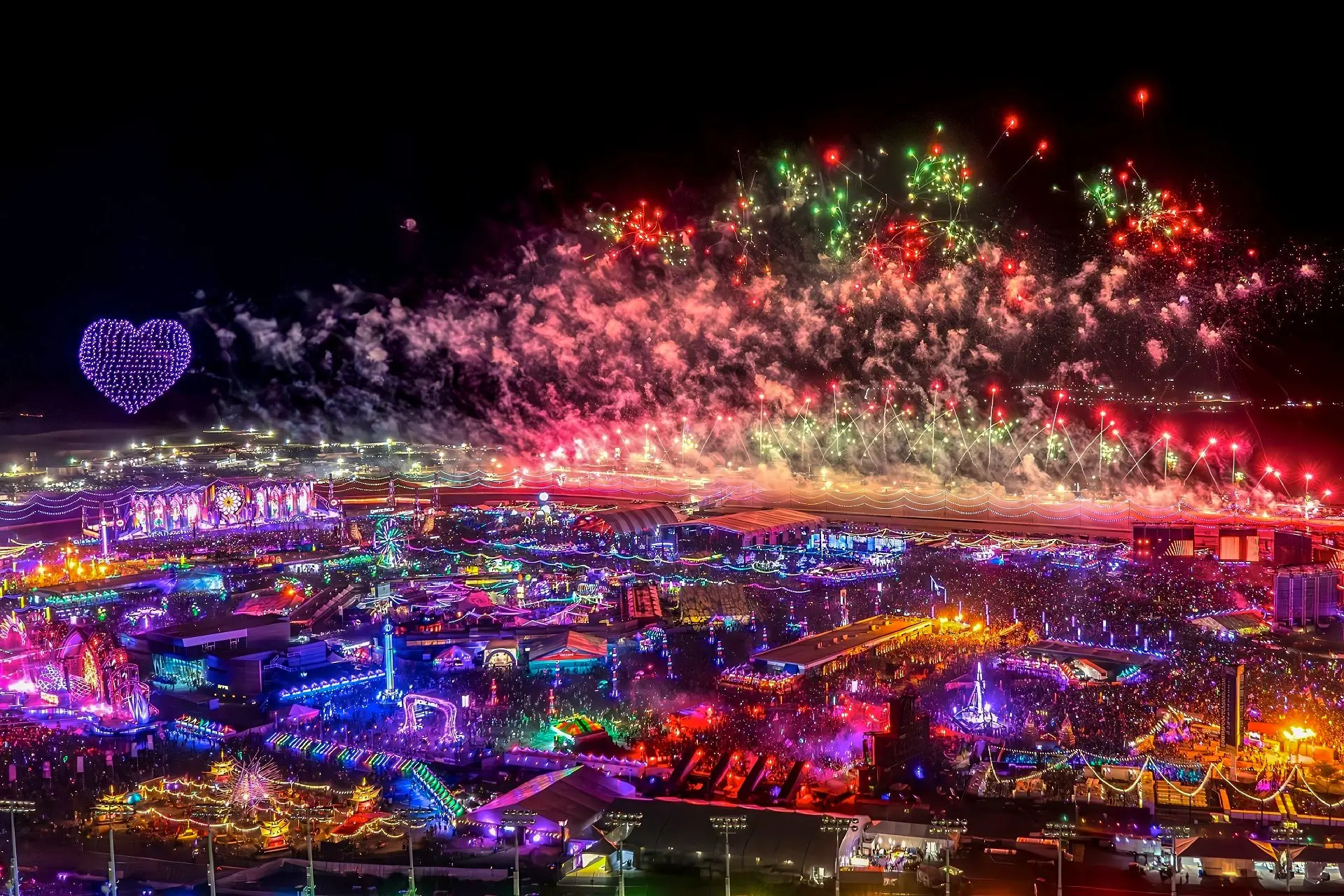
An electrifying season of global music festivals is on the horizon for 2025. From storied institutions to emerging gatherings, the calendar is packed with events that promise unforgettable experiences. In venues ranging from desert basins to mountain summits, fans will once again congregate to celebrate music, community, and culture. After pandemic disruptions, 2025 feels like a landmark year: festivals are returning at full scale with vast lineups and ambitious production. This guide surveys the fifteen must-attend festivals worldwide, explaining what makes each distinctive. It balances practical details (dates, location, logistics) with cultural insights, offering context on genre focus, iconic stages, and emerging trends. Readers will find a roadmap to the season ahead, with tips on choosing, planning, and enjoying their perfect festival adventure.
A broad survey of 2025’s premier events highlights a rich spectrum of music and experiences. The list below ranks the fifteen featured festivals by global prominence and variety. Each entry notes the location, dates, key genres, and a standout feature:
This list blends fan-voted polls and industry recognition (for example, Tomorrowland topped DJ Mag’s Top 100 poll again in 2025) with objective factors such as attendance, longevity, lineup diversity, and cultural impact. We considered genre spread and geographic coverage to ensure the roundup serves a variety of tastes. Emerging festivals gained points for buzz and innovation, while legends held rank by heritage and scale. Metrics include official attendance or capacity, media rankings, and first-hand accounts.
Festivals are spread almost year-round. Early spring bursts forth with Ultra Music Festival (Miami, Mar 28–30) and Coachella (Apr 11–13 & 18–20). Summer heats up: Primavera Sound (Barcelona, Jun 5–7), Glastonbury (Jun 25–29), then Tomorrowland (Jul 18–20 & 25–27) and Fuji Rock (late July). August features Sziget (Aug 6–11) and regional fests. Early autumn brings Rock in Rio (Sep, Rio de Janeiro) and Corona Capital (Nov 14–16, Mexico City). The year closes with Sunburn in Goa (Dec) and New Year’s Beyond The Valley in Australia (Dec–Jan). Most festivals release tickets months ahead; planning travel and lodging early is wise.

For many electronic-music fans, Tomorrowland is the dream festival. Held in Boom, Belgium, it returns July 18–20 and 25–27, 2025. Every summer, the artificial town of Boom becomes “People of Tomorrow” gathering territory, where state-of-the-art stages transform into fairy-tale kingdoms. Since its debut in 2005, Tomorrowland has become a symbol of immersive production and unity. In fact, DJ Mag notes that Tomorrowland’s “groundbreaking stage production with heavyweight line-ups and magical themes” has repeatedly set new standards for festivals. Headliners in 2025 include the biggest DJs across EDM genres – for example Swedish House Mafia and Carl Cox are expected to anchor the stages.
Attendance at Tomorrowland is immense: it now draws on the order of 400,000+ people each year from more than 200 countries. Fans wave national flags and chant in unison, exemplifying the festival’s global vibe. Stages like the main “Freedom” and a new 2024 “Sunrise” stage are built with acrobatic sets and 3D mapping. Fantasy is at the core: in 2025 the theme is “Orbyz” – a frozen wonderland where friends “journey to Orbyz, a frozen world” each night. Meanwhile DreamVille (official camping village) hosts fans across the site, and a ‘Global Journey’ package system makes travel easier for international attendees.
Securing Tomorrowland tickets is notoriously hard; they sell out within minutes. The DJ Mag coverage notes that this high demand reflects Tomorrowland’s “forward-thinking essence” and loyal fanbase. Accommodation around Boom ranges from local guesthouses to simple campgrounds; official DreamVille camping and caravanning options fill quickly. Practical tips: plan logistics early, and know that even area hotels outside Boom can be booked months in advance. Despite Belgium’s sometimes rainy summer, the communal spirit keeps energy high.
In addition to its size, Tomorrowland cultivates a sense of global community. EDMAddicts writes how attendees “share chants, speeches, and rituals” in a universal language. The festival’s ever-changing fantasy themes and top-tier lineup make it a bucket-list event. Also, Tomorrowland’s live streams and daily “Recap” videos let fans worldwide taste the magic.
Organizers promise an all-DJ lineup. Alongside headliners like Swedish House Mafia, expect legends (Carl Cox, Above & Beyond) and rising producers in trance, house, techno, dubstep and more. A broad EDM crowd finds styles from melodic to hard-hitting. DJ Mag specifically highlights star names such as Armin van Buuren and Charlotte de Witte as likely draws in 2025. The variety is key: Tomorrowland spans trance anthems and trap beats alike, so nearly any dance-music fan finds a niche.
Tickets go on sale in tiers (easy, comfort, global, group, cottage, etc.) via Ticketmaster or official channels. A fan lottery may be used. Demand is extreme: most passes vanish instantly, so join the Tomorrowland fan club (the “People of Tomorrow”) to get early or presale access. Be wary of resellers, as official ID checks and mobile ticket apps are strict.
Campers can book DreamVille on-site, which offers standard camping, furnished tents, and themed villas (increasingly premium). Nearby towns like Mechelen and Antwerp provide affordable hotels and hostels, reachable by train. (Some fans even stay in Brussels or Amsterdam and take the train.) For 2025, plan lodging the instant tickets are in hand. Boom itself is small but festive camping overflows into surrounding fields. The official Tomorrowland FAQ recommends arriving early to set up camp if needed.

Each April, the Coachella Valley in Southern California transforms into a pop-culture hub. Coachella 2025 occurred April 11–13 and 18–20 on the Empire Polo Club grounds. It is the U.S. festival on many bucket lists – a two-weekend extravaganza that blends chart-topping pop, hip-hop, rock and electronic music under the desert sun. Major headliners in 2025 included legends like Lady Gaga, Green Day, Post Malone, and Travis Scott, alongside dynamic young stars. (Weekend 1 had Gaga and Green Day; Travis Scott and Post Malone led Weekend 2.) The lineup also featured genre-spanning acts such as Lil Nas X, A$AP Rocky, and Charli XCX.
Coachella is famous not just for music but for its scene. The festival serves as a global trendsetting event – a hub for stylish influencers, celebrity sightings, and viral moments. A Cornell University report notes that Coachella has grown into “an iconic hub for fashion, music, and pop culture”. It is often described as a fashion show as much as a concert, with fans and artists sporting cutting-edge looks. (For better or worse, many come partly to be seen.) Coachella’s sprawling polo field stages include the massive Main Stage and music art installations, framed by palm trees and mountains.
Set against the Palm Springs backdrop, Coachella’s desert environment is part of the experience. The arid climate and wide-open venue mean preparing for sun exposure. Shaded lounge areas, hydration tents, and sunscreen stations are provided (and indeed health experts stress bringing a reusable water bottle for refill stations). Temperatures can be hot by day but cool at night, so many attendees wear layers. Sandals and boots are the norm.
Beyond the pyramid-shaped stage at Glastonbury, Coachella has its own iconography – notably giant lit-up arches and art installations. The event became a cultural touchstone, where reunions (e.g. Rage Against the Machine’s comeback) and debuts (Lady Gaga’s set) make headlines. As Los40 Spanish media observed, it offers “a wide variety of genres and plenty of surprises, iconic looks, and an unparalleled cultural phenomenon”. Its influence extends through social media and streaming: millions watch live streams and highlights. Coachella also frequently introduces global or niche acts to an international audience.
Since 2012 Coachella has run over two consecutive weekends with identical lineups. This 2025 edition required separate tickets for each weekend. Many fans attend only one, but “carry-over” tickets (used on either weekend) have been sold in some years. The schedule is carefully planned: headliners perform on Friday of each weekend, giving them peak billing. Minor logistics: expect heavy traffic getting to Indio, so camping at nearby sites or shuttles are popular. Coachella offers its own camping options (Emerald and outdoor camping), as well as nearby RV parks. Day-trippers often fly into Palm Springs or Ontario airports.
The Sonoran Desert climate can test unprepared attendees. Hydration is crucial – bring a refillable water bottle to use at free refill stations (plentiful around the venue). Sunscreen, hats, and shade are lifesavers during the midday. Comfortable shoes are a must for the grass field. Many sources recommend ear protection too, since stages can be very loud. For 2025, staff and medics remained on high alert: past Coachellas have taught organizers to crack down on overheating. Security checks at the gates are strict, so review the festival’s list of allowed items before packing.

Glastonbury Festival in Somerset stands as arguably the most storied music festival on Earth. Set on Worthy Farm near Pilton, it runs for five days (June 25–29, 2025) before a “fallow year” in 2026. Dating back to 1970, Glastonbury has nurtured rock, pop, folk, dance, and world music under its famous triangular Pyramid Stage. The 2025 headline acts were The 1975, Neil Young, and Olivia Rodrigo, with Rod Stewart in the special Sunday “Legends” slot. In 2025 the festival welcomed about 210,000 people at full capacity.
Glastonbury’s appeal goes far beyond the music. Its lore is entwined with counterculture: Pyramid Stage shows are theatrical highlights, but hidden stages and secret sets abound (no detailed lineup is public until tickets sell out). Visitors mingle among elaborate art structures, theatre, and political rallies. The festival infuses activism into its DNA. Long before “eco-friendly” became trendy, Glastonbury pioneered green initiatives. Remarkably, its producers achieved 100% renewable energy usage by 2023, powering stages on recycled cooking-oil biodiesel. Single-use plastic bottles have been banned, and nearly all tents brought by campers are now taken home (up from 70% a decade ago). Attendees participate in massive water-collecting efforts and bicycle-fuel projects to power lights. Its on-site “Solar Stage” is a symbol of this ethos.
The Pyramid Stage itself is legendary: built originally in 1971, it has hosted everyone from Hendrix and The Who to Beyoncé and Kanye West. It is flanked by fountains and acoustically designed for top clarity. Meanwhile, other zones (John Peel Stage, Other Stage, West Holts, Woodsies) give listeners a chance to discover new acts from indie rock to DJ sets, dance workshops and world music.
The Pyramid Stage (the main stage) often features the biggest acts and runs late into night. In 2025, it hosted headliners like The 1975 and Neil Young. The Other Stage offers another platform for major names (in 2025 Rammstein and Pet Shop Boys took that stage), while West Holts often focuses on dance and world music. The acoustic stage, Blocks, the Stone Circle, and Theatre and Circus fields provide niche experiences. Beneath the mud – yes, Glastonbury is famous for mud if rain falls – lies a tight logistical machine of drainage and walkways, a testament to decades of improvement.
Between sets, festivalgoers wander among giant sculptures, performance art, and stalls. Political activism is woven in: environmental NGOs and charities have had long-standing spaces (“Green Fields”) to engage the public. It’s not uncommon to hear impassioned speeches on sustainability or social justice amid the party atmosphere. For instance, Glastonbury’s charity “The Park” runs recycling centers and volunteer programs year-round.
Glastonbury famously sells tickets via a lottery-style registration. Fans register with photos in advance. Tickets (around 210,000 including staff) are drawn randomly, and those selected can purchase. Advance sales are often oversubscribed in minutes. The festival encourages resale and car-sharing. Because 2026 is fallow (a rest year to recover the land), 2027 tickets will be the next opportunity. In 2025, first-timers were advised to try the resale in spring if they missed the initial sale. Successful applicants pay upfront for the festival plus a small reservation fee.

Ultra Music Festival has long been the global launch pad for the festival season. Based in Miami, it anchors the city’s Winter Music Conference and Miami Music Week. In 2025, Ultra returned to Bayfront Park from March 28–30. The park, set on Biscayne Bay, becomes a sea of LED lights and dance tents.
This festival epitomizes the American EDM experience. It attracts top DJs and producers of trance, techno, house, bass, and more. The 2025 lineup (announced via DJ Mag) included over 250 artists on 10+ stages, headlined by the likes of Armin van Buuren, Charlotte de Witte, Richie Hawtin, Skrillex, Carl Cox, Tiësto and Martin Garrix. Also present were rising stars in techno and house, plus big-name MCs and live acts. The atmosphere is electric: with palm trees, bay breezes, and the Miami skyline as backdrop, Ultra’s stages pulse until early morning.
Ultra’s stage production is renowned: each stage (Live Stage, MegaStructure, Worldwide Arena, etc.) has its own theme with colossal light rigs and pyrotechnics. In 2025, for example, the Main Stage has been referred to as a “Sky Deck” rising high above the crowd. Ultra also features daytime boat parties and pool parties leading into the festival nights.
Beyond Miami, the Ultra brand tours the world (like Ultra Europe, Ultra Japan, Ultra Korea), but the Miami original remains a marquee event.
Ultra set the tone for EDM becoming mainstream. Since 1999 it has championed new trends in electronic music. It’s notable for premiering new tracks and techniques live. The festival often serves as a global gathering of the dance community; fans come from all continents, and organizers emphasize inclusivity. The synergy with Miami (a nightlife hub) makes it feel like a citywide party rather than just a standalone festival.
Ultra coincides with Miami Music Week – a month of concerts and industry events around Miami. Thus, if Ultra is the festival’s finale, the city is alive with club shows and pop-up raves all week. In fact, Wikipedia notes Ultra is held alongside the Winter Music Conference and Miami Music Week, linking it to a larger context of DJ conferences and networking.
Bayfront Park is downtown. Nearby hotels (InterContinental, Hyatt Regency, etc.) are within walking distance. Budget travelers sometimes stay further out (downtown or South Beach) and take cabs/Ubers. Because Ultra runs into late hours, staying close by is convenient. Buses and car rentals are plentiful, but parking near the park can be tight – many prefer Miami transit or rideshares to avoid congestion.

Originally a U.S. tour in the 1990s, Lollapalooza evolved into one of the world’s largest multi-genre festivals. Its flagship is in Chicago’s Grant Park (July 31–Aug 3, 2025), but today Lolla also takes place in places like Berlin and Paris. It spans four days and eight stages in Chicago.
The Chicago 2025 festival welcomed pop-rock-rap-soul headliners across genres. Notable acts included Olivia Rodrigo, Sabrina Carpenter, Tyler, the Creator, TWICE, Rüfüs Du Sol and A$AP Rocky. Lollapalooza’s lineup is intentionally eclectic. On a single day you might hear everything from indie folk to electronic dance to hip-hop. For instance, 2025’s Friday featured Rodrigo (pop) and Charli XCX (electro-pop), while Saturday had Tyler (hip-hop) and K-pop group Twice. Additional weekend slots brought rock bands and EDM DJs.
Each Lolla day packs a wide audience, and the festival is famous for drawing 400,000+ people over the weekend, making it one of the U.S. biggest. The grounds in Chicago create a natural amphitheater against the skyline. Outside the U.S., Lolla has become a major festival brand: Lolla Berlin (Tempelhof or Olympiapark) and Lolla Paris attract European fans to similar lineups (often with different headliners). The wiki page notes Lollapalooza ran about 400,000 attendees each July, cementing its scale.
While Chicago remains the flagship, each edition has local flavor. For example, Lolla Berlin might skew more electronic and techno (reflecting Berlin’s scene), whereas Chicago includes a broad mix including emerging American acts. Fans sometimes debate “which Lollapalooza should I go to?” based on lineup and travel. Weighing factors: for sheer international variety Chicago is a benchmark (and often sells out), but Berlin and Paris are excellent options for similar lineups with European flair.
Americans often flock to Chicago’s summer festival in Grant Park. In Europe, Lolla Berlin (mid-July) and Lolla Paris (June) often share artists with Chicago. If you crave K-pop or Latin acts, check which edition features them. Also consider travel: Chicago in August can be hot and humid. The lakeside park has grassy fields and required sweat-friendly attire. International sites can involve camping or just day-use parks (e.g., near Paris). Lollapalooza loyalty is global; some fans plan multi-city trips to catch different Lollas.
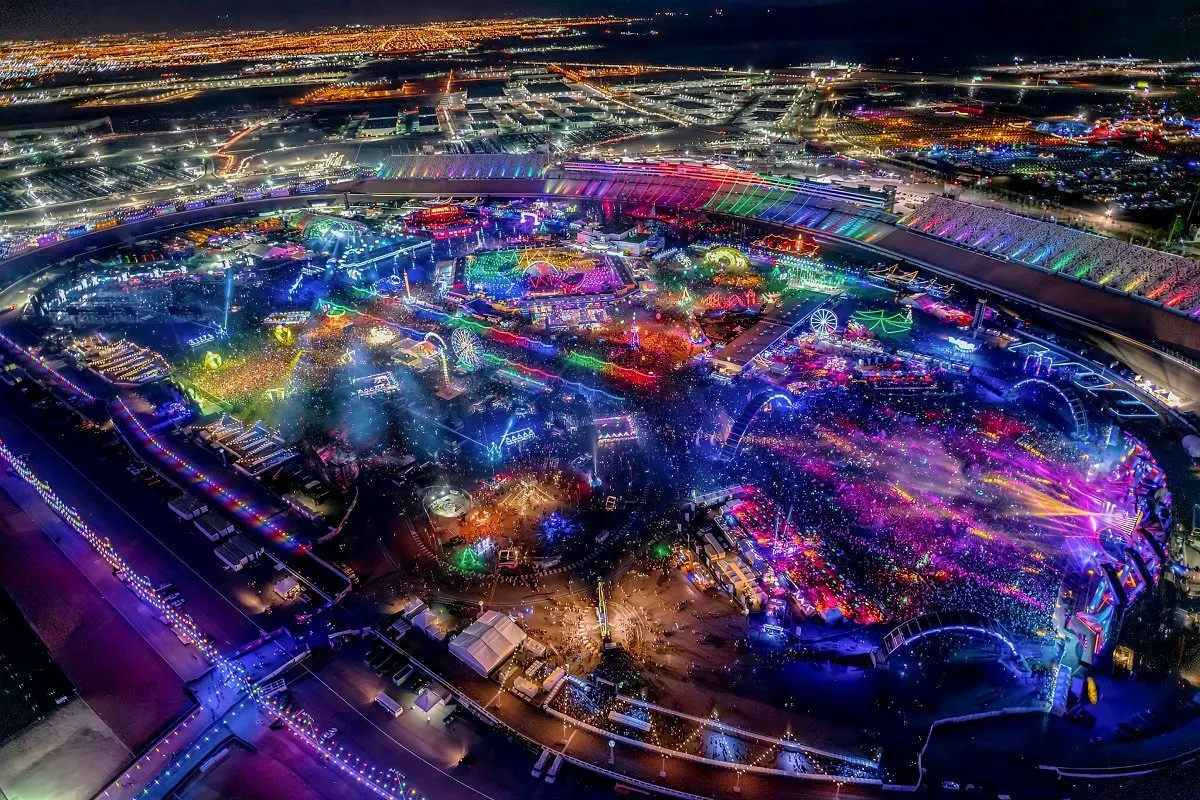
Electric Daisy Carnival (EDC) Las Vegas is a spectacle of lights and sound. In mid-May 2025 (May 16–18), the Las Vegas Motor Speedway is transformed into “Electric Daisy Carnival” – a carnival wonderland of EDM. The festival features towering LED art pieces, carnival rides (ferris wheels, roller coasters), and eight stages draped in neon glow.
EDC caters to the dancer’s heart with all-night sets. Even with a DJ set lasting after midnight, the music continues well into dawn. The lineup for 2025 was massive: DJ Mag reports over 250 artists on 16 stages. Standouts included superstar DJs and producers like Charlotte de Witte, Armin van Buuren, DJ Snake, Above & Beyond, Alesso, Zedd, and many more. Genres skew heavily to trance, house, dubstep, and big-room dance – it’s known as the premier U.S. EDM event.
What sets EDC apart is its sense of spectacle. KineticFIELD (the main stage) often towers with LED towers and pyrotechnics. Carnival Midway games and rides add a fair-like atmosphere – indeed, the 2024 event teased a neon-lit ferris wheel and a UFO-shaped stage. Many attendees don costumes or light-up outfits. The emphasis is on pure dance indulgence, with a rough policy of just one loop of the speedway’s oval (no multi-day camping on the grounds itself). Heat and dust can be challenging, so fans stock up on electrolytes and dust masks. Shade structures and frozen towels are prized freebies.
EDC Las Vegas feels more like a fantasy fairground than a mere concert. As night falls, throngs of neon-wearers flow between stages and midway. The atmosphere is friendly and euphoric; EDC’s tagline is “no one is alone.” The Lights After Dark sets and art cars that move through the crowd add to the immersion. Rain usually isn’t an issue (May in Nevada is dry), but high desert heat means fans must guard against heat exhaustion. Water refill stations and volunteer “hydration squads” are a familiar sight (some EDCs even have staff walking through crowds with water, a practice inspired by pioneering festivals). The scale is such that even a rainout would be legendary (though it rarely happens).
For avid EDM lovers and festival-goers, the consensus is yes. It stands out among North American festivals for size, visuals, and dance culture. Just be prepared: hotel costs in Vegas may spike, and roads out of the speedway bottle-neck post-finale. Camping options (Glamping packages near the track) are available through EDC’s site. If you go, bring earplugs (sound levels are intense), stay hydrated, and plan rest breaks. The community is vibrant; many fans form “families” that reunite yearly. Ultimately, EDC offers an immersive escape where fans dance until sunrise amid an otherworldly carnival ambiance.

Barcelona’s Primavera Sound festival (June 5–7, 2025) has earned a reputation for cutting-edge, genre-blending lineups. Set at Parc del Fòrum by the Mediterranean, it feels like a mix of city festival and beach party. Primavera’s focus is on indie rock and alternative acts, but it also embraces pop and electronica. The 2025 headliners included Charli XCX and Troye Sivan, Sabrina Carpenter, Chappell Roan, and Central Cee, signaling a strong pop presence alongside indie cred.
Primavera is unique in that it markets itself as a forward-thinking, eclectic festival. You might wander from an indie folk set to a DJ dance tent. The “Primavera Bits” electronic stage and the Primavera Pro industry conference during the week suggest its serious music-industry clout. Beach atmosphere seeps in: food stands serve tapas, and festival goers often stroll to nearby beaches between sets. The weather in early June is typically sunny and mild, inviting casual attire and sunscreen.
Primavera deliberately crosses borders between “rock festival” and “pop festival.” For example, alongside British rock veterans or international indie stars, one finds Latin trap or techno DJs. Barcelona itself is a draw: many visitors combine the festival with sightseeing (La Sagrada Família, beaches, nightlife). The synergy of music and tourism is strong here. Performers often play at both Primavera and the Barcelona pool parties that happen in early June, making it a full City+Festival experience.
Aside from concerts, plan time to enjoy Barcelona’s culture and climate. The festival is partially open-air (some stages are under shade sails, some outdoors). The sea breeze helps in the heat. Logistics: transit from city center to Forum is straightforward by metro (Line 4) or bike. Many attendees fly into Barcelona (BCN) or nearby Girona airport. The city’s vibrant food and nightlife make it a top choice for international fans.

Rock in Rio, originally launched in Brazil in 1985, remains South America’s grand festival spectacle. Its Brazilian editions (next slated for September 2025) draw massive crowds to Rio de Janeiro’s Cidade do Rock. Rock in Rio mixes genres—everything from classic rock and metal to pop and MPB (Brazilian pop). The stages often include global stars; in 2024, headliners ranged from Metallica to Justin Bieber and P!nk. It’s common to see chart-topping rock bands and Latino pop acts on the same bill.
What makes Rock in Rio truly stand out is scale and setting. Up to 100,000 people pack in each night across multiple stages. The event runs for about a week with concerts nightly. Brazilian cultural elements infuse the vibe: Samba beats might echo in the arenas, and you’ll see fans in carnival masks or national jerseys alongside metalheads. The “Palco Sunset” stage is known for unique collaborations of Brazilian and international artists. At Rock in Rio, rock legends share space with iconic pop and hip-hop stars. For instance, past editions have paired Foo Fighters and Ivete Sangalo on consecutive nights.
Multiple giant metal archways and ferris wheels light up the park. Large video screens ensure everyone gets a view. Rock in Rio has since expanded globally (Lisbon, Madrid, USA) but Brazil is the original. Its homecoming editions (called Rock in Rio Brasil) are cultural festivals in their own right, with amusement rides, themed bars, and volunteer programs.
In 2025, expect Rock in Rio to continue its tradition of mixing musical styles and entertaining massive crowds with Brazilian flair. Those attending should prepare for warm weather (Rio’s spring) and bring earplugs if near loud metal sets. The festival’s structure (often Friday-Sunday in blocks) allows travel planning; many tourists fly to Rio and combine the festival with Carnival or Ipanema beach visits.

Sziget is a week-long music and cultural extravaganza on Óbuda Island in Budapest (Aug 6–11, 2025). Marketing itself as “The Island of Freedom,” it lives up to that name: attendees can wander into daytime workshops or dance all night under neon art. Sziget’s lineup is extremely diverse, spanning pop, rock, electronic dance, jazz, and folk. The 2025 headliners included Charli XCX, Shawn Mendes, Post Malone, and Kid Cudi, illustrating how it blends international pop and hip-hop with up-tempo festival mainstays.
The island setting gives Sziget a unique atmosphere. It truly is a small temporary city, with its own “metro system” of trains between stage areas, and even a mosque and synagogue adapted into concert spaces. With eight days of nonstop programming, there’s a 24/7 festival vibe. People frequently leave one stage for an art exhibit or yoga class, then return at midnight for electronic DJs or rock acts.
Cultural fusion is key at Sziget. Alongside global headliners, one finds Hungarian and other Eastern European artists, as well as world music (flamenco, Balkan, etc.). Notably, Sziget is considered budget-friendly: Eastern Europe’s lower costs mean many Westerners attend for less than a Western festival of similar scale.
Sziget stands out for offering more than concerts. It includes a huge array of non-music attractions: kayaking on the Danube, circus performances, tattoo parlors, a “Magic Mirror” mystery house, and more. There’s also a popular “Freedom Market” where attendees exchange crafts or acts (like a flash mob dance). The festival’s slogan “Try yourself” reflects this experimental spirit. You might catch a silent disco on the grass or attend a political debate by the Speakers’ Corner.
A full Sziget week is like a mini vacation. Attendees often buy the full seven-day pass to fully explore the island. On Wednesday before the music starts is a wild openers party (“ZeroDay”) with special guests. Between headliners you can recharge in one of the many spa/massage tents. The campsite is well-organized with hygiene facilities and boat ferry to the city (one night out in central Budapest is easily done). For budget planning, food and drink are reasonably priced, and there are grocery shops inside the campsite.

Since 1997, Fuji Rock has been Japan’s premier outdoor festival, held high in the Naeba Ski Resort (Niigata) mountains around late July. The 2025 edition (dates usually end of July) offers a rare festival setting: lush forested slopes and streams under towering peaks. Attendees come for a lineup mix (rock, indie, electronic, and Japanese music) in one of the world’s most scenic venues.
Fuji Rock prides itself on environmental consciousness. The organizers have planted thousands of trees on-site and promote recycling vigorously. Rain gear is essential (the festival ran in torrential rain in 2000 and 2023). But sunny weather brings cool mountain breezes that make camping pleasant. Unlike many festivals, Fuji encourages attendees to walk or bike short distances between stages, maintaining a laid-back vibe.
European and American bands often share the bill with popular Japanese acts (e.g., Asian Kung-Fu Generation, Perfume). In recent years Fuji has hosted everyone from Gorillaz to LCD Soundsystem. Given Japan’s love of festivals, the crowd is generally respectful and enthusiastic. Facilities (real restaurants, on-site lodging options beyond camping) are top-notch by festival standards.
Fuji Rock has been a leader in sustainability. There are extensive recycling stations and even musical instruments made from recycled materials. The festival has run electricity partially on renewable sources. For example, sources note that Fuji Rock generates much of its own power via hydro and biomass. In essence, Fuji Rock invites festival-goers to enjoy nature responsibly.
July in Niigata can be humid but cooler at altitude. Afternoon showers are common. Festival veterans advise packing good rain boots, jackets, and layers. It’s wise to bring both sunblock and poncho. The reward is pristine alpine air and spectacular sunset vistas over Mt. Fuji on clear days.

Since 1967, Montreux Jazz Festival has been a jewel of Europe. Nestled on the shores of Lake Geneva in Montreux, Switzerland, this festival (July 2025, typically two weeks) attracts roughly 250,000 visitors. Its “Jazz” name is a bit of a misnomer: Montreux’s stages now present jazz, soul, blues, rock, and even pop. The festival cherishes musical excellence across genres. The venues range from the large Stravinski Auditorium to intimate lakeside pavilions.
The setting is extraordinary. Surrounded by Swiss Alps on one side and a glistening lake on the other, the acoustics and ambiance are special. Many describe seeing a concert on Lake Geneva under crisp mountain sky as unforgettable. For performers, playing Montreux is prestigious: many jazz legends and modern stars have made historic recordings there (see Frank Zappa, Deep Purple, Prince).
Artists in recent lineups include big names from jazz (Herbie Hancock) to pop (Adele) to rock (Radiohead, Kendrick Lamar). Montreux’s curators like to balance veteran stars with rising talent. Swiss efficiency shows in logistics: stages are arranged within walking distance along the lakeside promenade. Food offerings lean toward fondue and raclette stands alongside global cuisine booths.
Montreux has a storied reputation for once-in-a-lifetime gigs. For instance, in 1996, Miles Davis played what became his final concerts there. In 2016, Prince’s Montreux set was released as a tribute album. Each year attendees hope for that magical surprise moment – and often get it. The festival’s documentary series and archives celebrate these moments.
Because Montreux is by the lake, nights can be surprisingly cool even in July. Bring a light jacket. The Swiss franc is in use, and prices on-site are steep by festival standards, so plan accordingly. Many international visitors stay in nearby Lausanne or Geneva and take trains; Montreux’s local hotels are luxurious but book up fast.

Untold Festival in Cluj-Napoca is Romania’s answer to the great EDM festivals – and in recent years it has cracked global Top 10 lists. Running Aug 7–10, 2025, Untold continues its 10th anniversary edition as one of Europe’s fastest-growing events. In DJ Mag’s 2024 poll it was ranked 3rd worldwide, behind Tomorrowland and Awakenings.
Untold is centered on electronic dance music. Its lineup in 2025 featured headliners like Martin Garrix, Armin van Buuren, Tiësto, Alan Walker, Fisher, and Adam Beyer B2B Maceo Plex. These global superstars played across eight stages. Untold also brings some pop and hip-hop (e.g. Post Malone, Becky Hill) for variety. The festival site is in Cluj’s city green space, creating a mix of urban convenience and big outdoor production.
What also sets Untold apart is its cultural flair. Romania’s local DJs and street art are part of the scene, and the crowd includes regional fans (Hungary, Serbia, etc.) who appreciate Untold as an affordable destination. City amenities are excellent: attendees often stay in downtown hostels or hotels. Notably, special “Backstage” and “Ultra Gardens” areas add VIP elements. The city itself is lively at night; festivalgoers say they get more sleep and better food here than at some marathon festivals.
Attendance at Untold is huge – the 2024 edition reportedly had around 400,000 people over four days. The community vibe is enthusiastic: many fans celebrate Untold as their festival home. Pro tip: get Romani lei (currency) before arriving, or use cards, as on-site pricing can be high.

In Turin’s industrial Parco Dora, the annual Kappa FuturFestival stands as Italy’s benchmark electronic music festival. Held July 4–6, 2025, it focuses squarely on techno and house. Unlike the multi-genre giants, Futur is intentionally niche. The 2024 and 2025 lineups were packed with techno luminaries: Carl Cox, Charlotte de Witte, Solomun, Nina Kraviz, Adam Beyer, and Peggy Gou. Promoters highlight that Futur’s minimal genre approach makes it a rare haven for underground dance in southern Europe.
Parco Dora’s old factory warehouses serve as stages (the ex-Michelin factory’s high ceiling gave the name “Sci-Fi District” to one area). Futur’s atmosphere is sleek and urban: expect laser shows in concrete lots and steam-and-techno club vibes. The crowd is dedicated; this festival emphasizes dancefloor culture over VIP frills. Attendee numbers (over 100,000 in 2024) mean it’s on par with larger EDM fests, but its programming stays true to hard-hitting beats.
Kappa FuturFestival also includes art installations, and F1-enthusiasts rave about Turin’s summer racing season coincidence, since the festival sometimes overlaps an F1 weekend.
Parco Dora was a scrap yard-turned-park before Futur put it on the map. The setting has rail tracks, graffiti walls and an energy that matches the music. It’s outdoor, but the stages built from shipping containers and metal give it a raw aesthetic. The minimalist black T-shirts and techno logo merchandise are more common here than tie-dye.
For first-timers: it’s hot in Turin in July, but the party rages into the night, so plan for cool post-sunset weather. Lodging in Turin city is inexpensive (Italian standards). Many fans book weeks in advance, and the city’s public transport (especially the metro line to Parco Dora) is reliable. Unlike some events, Futur’s afterparties are mostly local clubs; international attendees might plan a day trip to Milan or visit Turin’s famous museums while in town.

Sunburn Festival, held in Goa, has grown into Asia’s flagship EDM event. The 2024 edition took place December 27–30, making it a popular New Year’s destination for South Asian and global fans. Goan resort fields and beaches host the stages, usually by candlelight and lasers at night. Sunburn’s tagline is “Asia’s Biggest Dance Festival,” and it often draws 350,000 people over a week across multiple venues.
The musical focus is dance and electronic. Sunburn brings in top house and techno DJs (past headliners include Armin van Buuren, Skrillex, Martin Garrix). It also spotlights regional talent—Goa has its own trance heritage, and young Indian DJs from across the subcontinent appear. The environment combines full-throttle partying with the laid-back beach vibe of Goa. Many attendees wear tropical outfits or beachwear.
Budget travelers note that India’s festival scene is far cheaper than Europe: Sunburn tickets and local costs are low in comparison. The official site even advertises group passes and “heliticket” entries. Stage production at Sunburn is leaner than in Europe, but vibrant LED visuals and fireworks are staples. In 2024, viral images showed a glowing ferris wheel and a beach setting.
Sunburn infuses local flavor: Bollywood clips and bhangra beats often seep into set visuals. The crowd is younger on average, and weekends coincide with holiday festivities. Unique challenges include monsoon rains if delayed, so organizers often schedule it after hurricane season. Layover at Sunburn means combining crazy nightclub energy with Goa’s famed chill-out bars and shacks.
As well as international headliners, Sunburn prides itself on exposing Asian electronic acts. In 2024, sets by India’s own Nucleya and Asaase Sound (from Ghana) broadened the style mix. The festival also recently expanded beyond Goa to other Indian cities, but Goa remains the spiritual home. The festival’s ranking as #8 globally underscores Asia’s growing presence on the EDM map.

For fans of harder dance styles, Defqon.1 Netherlands (June 26–29, 2025) is hallowed territory. Founded in 2003 by Dutch promoter Q-dance, Defqon.1 is the leading festival for hardstyle and hardcore (fast, pounding EDM variants). It’s held on Biddinghuizen’s festival grounds, famed for metal-themed stage designs and all-night energy.
Defqon.1’s claim is nearly peerless in its niche: in 2024 it drew around 300,000 attendees and has multiple stages (Freedom Stage, Red Stage, etc.), each dedicated to subgenres like rawstyle or hardcore gabber. The audience is almost entirely hard dance devotees, known for energetic participation (jump kicks and sing-alongs are the norm).
Headliners are superstar hardstyle DJs (Headhunterz, Brennan Heart, Zatox, etc.) and on the raw/noise side there are names like Angerfist. The festival’s harder beats set it apart from the rest of this list – it’s not for casual listeners, but for a devoted scene. Dutch festival organization is top-tier: despite the intense experience, amenities and crowd control are meticulously managed.
Defqon.1 stages are decorated with steel and flames. The “Festival Anthem” (a new track each year) unites all parts of the crowd in a closing singalong each day. Fans often dress in “Defqon.1 Blue” or “Gold” styles (hardstyle and raw sections have flag colors) – it’s very community-driven.
The spirit at Defqon is camaraderie. Unlike mainstream festivals, nearly everyone there shares an appreciation for the same high-speed genres. Even if you don’t know the songs at first, it’s easy to feel included – just follow the dance moves! Organizers emphasize safety too: many attendees are staunch about ear protection and travel in well-knit friend groups.
Prepare for loud, relentless sets. Staying hydrated and taking breaks is vital. Note that Defqon.1 has bars selling specialized energy drinks tailored to hardcore dancing. As the day ends, many fans camp right on-site (a “holiday pack” ticket includes camping). The sunrise often finds people still dancing or resting for the next day. In summary, Defqon.1 delivers an immersive, full-tilt dance marathon every June.
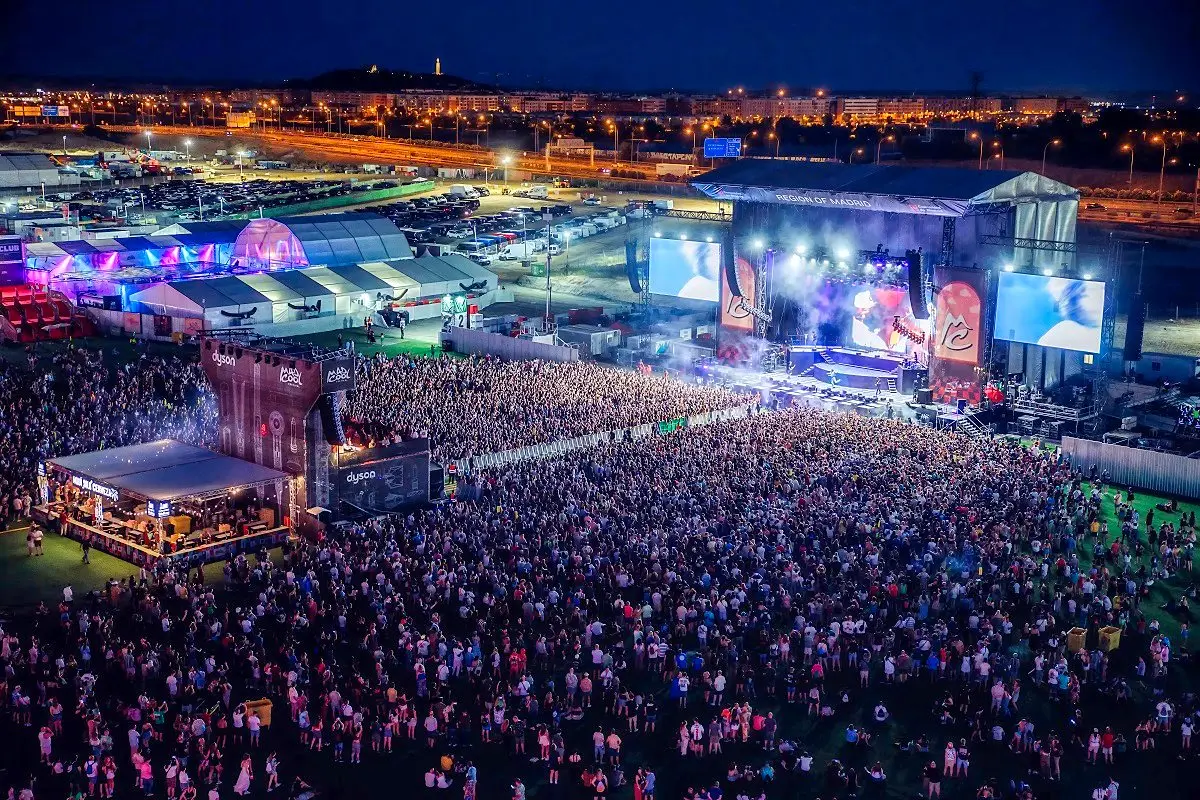
While the above fifteen anchor the festival world, several newer events are gaining international buzz. These rising festivals offer fresh vibes and often lower costs. Noteworthy examples:
These emerging festivals share traits: strong local scenes, savvy marketing, and unique identities. Mad Cool’s indie-rock lean pulls crowds in Spain’s capital, with the added draw of Mediterranean summer. Lost Village and Electric Castle craft narrative-driven experiences – walking into their grounds feels like entering another world (whether a mythic village or gothic castle). Corona Capital fills a gap for North American tours in Latin America, capitalizing on Mexico City’s nightlife culture. Beyond The Valley taps Australia’s vibrant music market around New Year’s festivities, offering seaside escape with top international acts. They often provide more affordable tickets and travel packages than Western Europe events.
For fans wanting an “off the beaten path” experience: Lost Village and Electric Castle are both highly immersive and smaller-scale (10k–50k attendees) compared to the mega-fests. If you prefer big names in a fresh locale, Mad Cool (Spain) and Corona (Mexico) deliver top talent with less hassle than Coachella/Lolla. For Southern Hemisphere EDM, Beyond The Valley (Dec/New Year) is rapidly reaching global status. Each has its niche, so pick based on music style (rock, electronic, or eclectic) and travel opportunity.
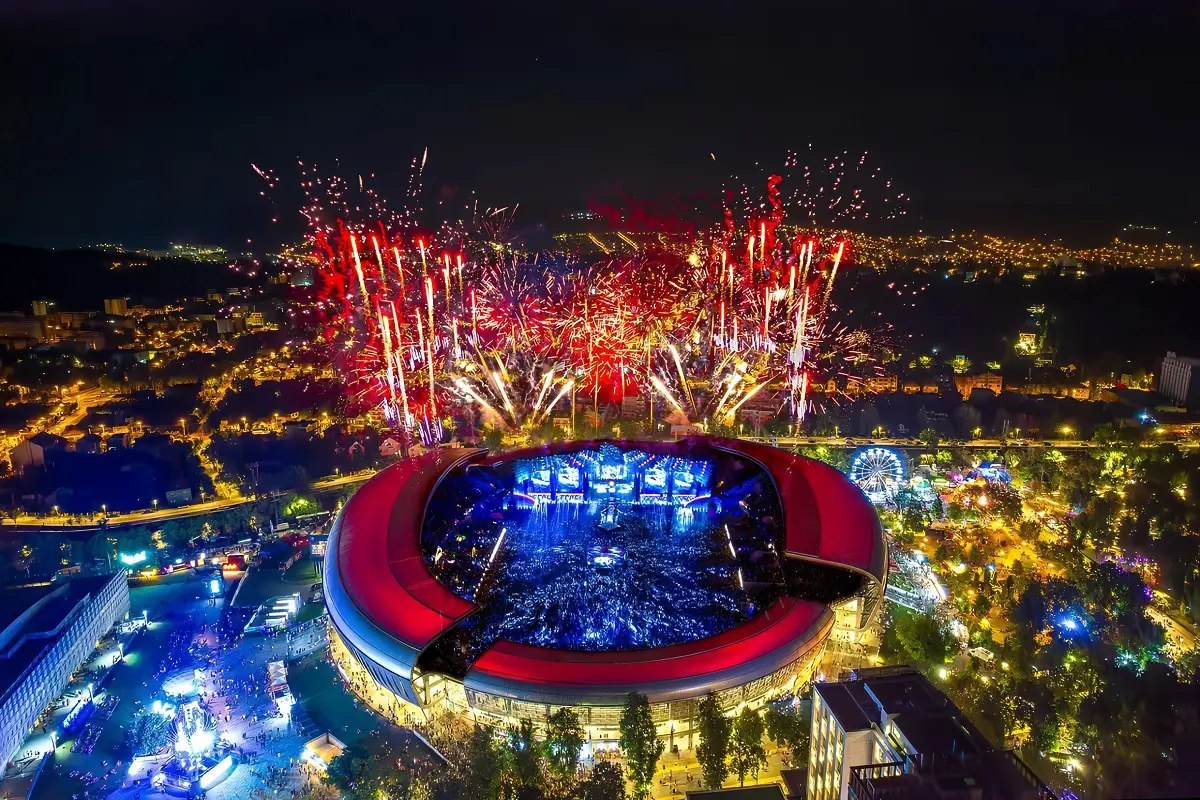
Going to any of these festivals, especially internationally, requires good planning. Below are practical tips for tickets, travel, lodging, and budgeting. These insights will help first-timers and veterans alike turn a wild weekend into a smooth adventure.
Timing is everything. Most major festivals announce tickets at least 6–12 months in advance. For example, Coachella and Glastonbury usually sell winter-spring before the festival, while Tomorrowland’s first releases are often a year ahead. Watch the festival website and social media for pre-sale dates. Joining a festival’s mailing list or fan club (e.g. Tomorrowland’s “People of Tomorrow” forum) can grant early access. If initial sales sell out (they often do in minutes), many festivals have a second-wave sale months later, or limited resale markets (like Ticketmaster or official forums). Some festivals offer payment plans for tickets in installments.
Always buy from official sources. Beware of scammers and inflated resale sites. Many festivals allow transfers or resales on approved platforms. Check the festival’s policy: some use mobile app tickets locked to IDs or wristbands that need pickup. For insurances, consider a refundable ticket option (if available), or travel insurance covering festival cancellation. Plan to book airfare when lineup is announced, but beware of refund policies if the show is canceled.
Accommodation varies widely:
Visas: Check visa requirements ASAP. Many festivals draw global visitors. If traveling to the EU, the Schengen visa allows entry to multiple countries (Spain, France, Germany, etc.) with one visa. For the UK (Glastonbury), the US (Coachella), Brazil (Rock in Rio) or elsewhere, ensure passport validity (6+ months is standard) and apply for any needed entry visas early. Some festivals require proof of return flight on entry.
Flights: Festivals often land on a weekend date. If possible, arrive a day early, travel fatigue-free. Depart the next day, because flights Monday morning can be expensive. Book flights well in advance (especially transatlantic). Use flight alert tools or bundles (often festivals coordinate with airlines).
Shuttles and Local Transport: Many festivals run official bus or train shuttles from airports/cities (e.g. Montreux trains, Ultra Miami Metrorail offers special passes, or Coachella shuttle from Palm Springs). For European festivals, regional rail is a good plan (for example, Łódź festival in Poland can be reached by train from Warsaw). Always look for official links on festival websites – they may partner with transit or set up dedicated services. Once at the fest, always note transport schedules: some festival cities provide late-night trains (London for Glasto), others rely on chartered buses.
Packing Essentials by Climate: Check the climate of your destination. Summertime in Europe is hot, so pack light, breathable clothes, hats, and sunscreen. For rainy locales (Glastonbury, Fuji Rock, Untold), bring boots and raincoats. Desert festivals (Coachella, EDC Las Vegas) need extra sun protection and lightweight long sleeves (to avoid sunburn). Northern festivals (Montreux) might cool off at night; pack layers. Always include a reusable water bottle if allowed (many fests have refill stations), earplugs, a portable phone charger, and a small flashlight. For multi-day events, a lightweight daypack is invaluable.
Budgeting depends on region and style of travel:
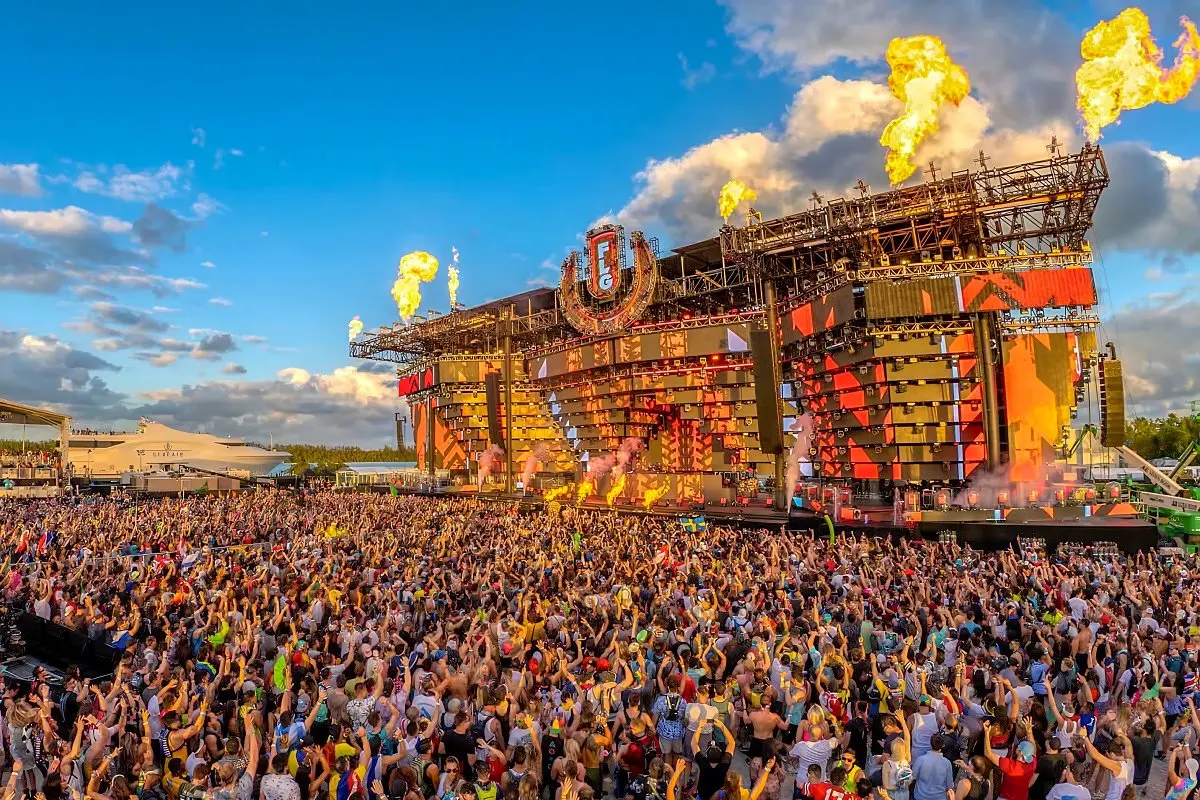
With so many options, how does one choose? Consider your music taste, budget, travel willingness, and social style. We suggest the following approach:
Some readers like quizzes, but here’s a quick guide: If you’re outgoing and love a big party – think Mega-fests like Tomorrowland or EDC. If you’re a culture explorer who loves art and politics, Glastonbury or Sziget could thrill you. For city & convenience, Coachella or Lolla Chicago fit an urban vibe. If you crave escapism with art installations and workshops, Lost Village or Electric Castle suit you. Relaxed indie lover? Primavera or Montreux. The right festival amplifies your style – whether that’s full-tilt dancing, communal festival camping, or simply chilling in an all-day lounge.
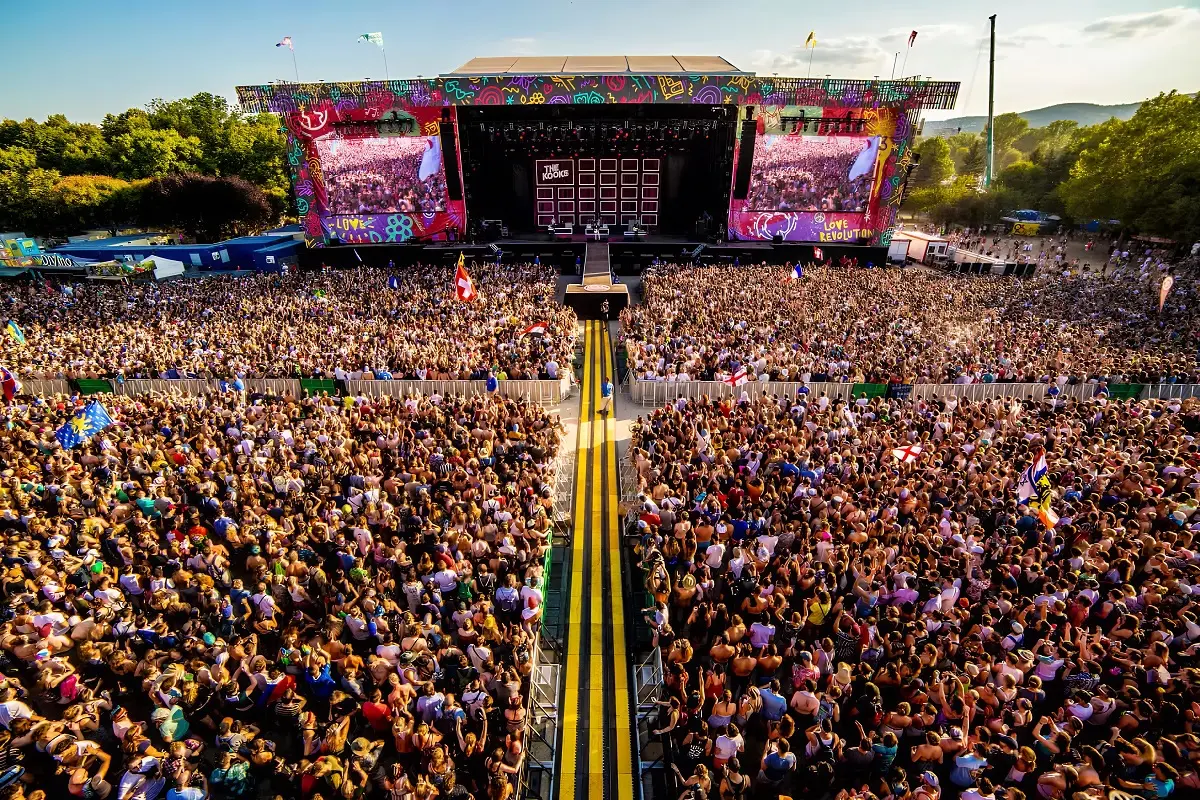
A fun festival requires staying safe and healthy. Here are expert-recommended practices:
By following these safety and health guidelines, and learning from past festivals’ experiences, you can focus on enjoying the music and atmosphere without undue risk. Festivals thrive on community, so keep an eye on your friends and strangers alike.

From Europe’s fields to Asia’s shores, 2025 offers an unrivaled spectrum of festivals. Whether you chase EDM at Tomorrowland, wander Glastonbury’s creative utopia, groove by a Swiss lake at Montreux, or discover a hidden Balkan gem, there is something for every fan. By matching your tastes, budget and travel plans with the festival profiles above, you can turn overwhelming choice into an exhilarating plan. Remember the practicalities: book tickets and travel early, pack wisely, and prepare for the climate. Embrace community and respect local cultures. The reward is monumental: unforgettable performances, new friends across borders, and memories captured in artful stages. The long days and warm nights of festival season promise joy and discovery. Now is the time to secure those tickets and passports – your 2025 music adventure is ready to begin.


