
As travelers seek fresh experiences beyond the usual hotspots, a select group of places stands out today yet promises even richer rewards tomorrow. These are the under-appreciated corners of the world – sites still off the beaten path but on the cusp of growth. By venturing early, visitors enjoy authentic encounters, lower costs, and genuine interactions with locals, all before crowds arrive. For example, a Virtuoso survey found 76% of travelers deliberately choose off-season trips to avoid crowds, while 31% seek lesser-known spots. This suggests a strong shift toward discovery travel.
The destinations highlighted here each mix natural beauty, culture, and recent infrastructure investments. Most enjoy new airline links or hotel projects that hint at rising interest. Our approach blends data and local insight to profile each place in depth: top experiences, itinerary suggestions, budgets, and responsible travel advice. Readers will find practical tips – from the best season and how to get there to sample 7-day itineraries and family-safety notes. Throughout, we emphasize mindful travel: how to relish these sites without trampling local life or environment.
This guide is more than a list. It’s a toolkit for readers to make informed decisions: spot emerging hotspots, plan trips with nuance, and travel ethically. Whether you’re an adventurous solo traveler, a family planner, or just craving novelty, the following 10 places are ripe for exploration now. Scroll down to see uniform deep-dives on each, and use the links or the downloadable checklist to jump to specifics. Experience them before they hit the mainstream – before someone else writes about them – and taste a richer side of the world on your own terms.
Travel today is as much about discovery as relaxation. Popular cities and islands grow louder and more congested every year. By contrast, “underrated” spots still offer serenity and authenticity. In plain terms, an underrated destination is one that remains relatively unknown or less-frequented despite having much to offer. It might lack glitzy marketing or Hollywood fame, and so its trails see fewer footprints. Many such places are emerging onto travelers’ radar only now, thanks to new flights, hotels, or word-of-mouth.
Visiting these places before they crowd brings clear perks. Travelers find better value on flights and lodging, more respectful interactions with residents, and an opportunity to experience local culture before it bends to tourist trends. Many attractions and restaurants retain a local flavor rather than a mass-tourism feel. In short: you often get the “pristine” version of a place – uncrowded temples, private beaches, or tableside homestyle meals.
Of course, there are caveats. Infrastructure in newly popular places can lag behind demand. Roads may be rough, local transport scarce, and medical facilities limited. Weather or seasonal closures might matter more. That means planning extra carefully: check recent reviews and government advisories, pack appropriately (extra toiletries or medications, for example), and invest in good travel insurance. The rewards, however, can outweigh the effort. As one travel report notes, “You’ll explore more comfortably with fewer crowds in less-touristed destinations or during off-peak seasons”. In short, going early means getting the best seats now, even if the show is just starting to sell out.
An underrated place often has rich culture or nature but low visitor numbers. It may not appear on glossy travel lists yet. Indicators include few guidebook pages, limited flight options, or an economy not yet dependent on tourism. Some are waiting for a “signal event” – a new airport route, major hotel, festival, or even social media buzz – to trigger a rise in interest.
We used exactly such signals to compile the list below. For example, record airline data suggests that global air traffic is surging: 5.2 billion passengers are expected in 2025, a 6.7% jump over last year. New direct flights are popping up from the U.S. and Europe even to remote places, quietly lifting these destinations from obscurity. Likewise, an increase in luxury lodging or multi-destination tour packages can be a hint. (Marriott’s news even trumpeted that a new W Hotel is opening in Sardinia in 2025.) We also noted where Virtuoso and travel editors name-checked a place as “next hot spot.” By combining such data with on-the-ground research, the chosen locations below are those we believe strike the sweet spot now: worth visiting before they become too familiar.
Timing is everything. When you visit an undiscovered spot early, you often enjoy lower prices and a slower pace. Anecdotal reports and surveys back this: for example, a luxury travel consortium found many clients are actively avoiding traditional peak-season cities, instead favoring off-season or hidden gems. That spreads tourism more evenly across the year and world. Early travelers can also often save money. Before a high-end resort or tour package saturates an area, rates are comparatively modest. Think vineyard stays, safaris, or river cruises still under the radar – tomorrow’s wealthy itineraries, today’s deal.
There is another benefit: an authentic experience. Without throngs of tourists, you see how people really live. Markets and neighborhoods operate as they have for generations, not reshaped for visitors. In many cultures, residents extend greater warmth to fewer tourists; you can have genuine conversations rather than rehearsed sales pitches. Plus, you learn local stories and gain unique memories. (As one travel writer put it, some roads and villages are “home to traditions that have changed little in centuries,” still awaiting those curious enough to discover them.)
However, going early also carries responsibilities. Without established tourist trails, it’s easy to inadvertently intrude or burden a community. It’s crucial to travel respectfully: hire local guides, patronize locally owned businesses, and follow posted rules in sacred or sensitive sites. Be aware that amenities like pharmacies or ATMs may be limited. Some rustic destinations lack reliable internet or public transport; planning for these quirks is part of the adventure. And always double-check safety advisories – remote areas can sometimes mean limited emergency response. In other words, get excited about the serenity and authenticity, but also plan responsibly. The tips in this guide, from itineraries to insurance advice, aim to prepare you for both sides of the coin.
Spotting tomorrow’s hotspots is not magic. It involves watching trends, data, and local developments. Several concrete signals help:
With those strategies, you can build your own list. Check tourism board newsletters, use flight alert apps (Skyscanner, Google Flights) and follow travel journalists or organizations on social media. But also trust local guides’ instincts – sometimes the best insights come from people who live and breathe the region.
Not every “quiet” corner is truly hidden, and not every widely labeled “less-known” spot is worth visiting. To find authentic under-the-radar gems:
With these approaches, you avoid the trap of thinking a place is “underrated” when it’s simply inaccessible or unsafe. Truly underrated means ready for visitors who come prepared, not stranded because of lack of basic services.

Nestled on a peninsula where the Mekong and Nam Khan rivers meet, Luang Prabang is a UNESCO World Heritage town of striking temples, French-colonial mansions, and traditional markets. It has long been one of Laos’s most charming towns, but it remains far less crowded than Chiang Mai or Bangkok. Recent developments suggest that could change: Laos opened a high-speed rail to China in late 2023, making Laos’s north far easier to explore. New direct flights (via Vientiane or regional hubs) and glitzy eco-lodges are arriving. Travel+Leisure editors note Luang Prabang’s “beautiful landscapes, waterfalls, and outstanding restaurants and boulangeries”. Add to that stately temples perched on hilltops and dozens of saffron-robed monks in the morning, and you have an experience that rivals any Asian capital, minus the crowds.
The dry season (November–May) is ideal. Days are warm and clear (20–30°C), which suits both river trips and temple-climbing. The cool season (Nov–Feb) is especially pleasant. Monsoon rains run roughly June–September; these come in brief downpours, making afternoons hot and muddy on trails. Because Luang Prabang is small but intriguingly detailed, plan at least 4–5 days. Many visitors find themselves lingering – one traveler meant to stay 3 days but spent a week here. That said, if short on time, a 3-day whirlwind still covers the essentials (temples, falls, market).
Luang Prabang Airport (LPQ) has daily flights from Vientiane, Bangkok, or Chiang Mai. Overland, it’s a bumpy but scenic 8-hr bus from Vientiane or a slow boat trek from the Thai border. Once in town, everything is walkable; tuk-tuks or bicycle rentals (~15,000 LAK/day) cover trips to waterfalls or caves.
Luang Prabang is generally inexpensive. For example, street meals cost <$1, local beer $1, and tuk-tuks ~50¢/km. (At 16,000 LAK per US$, these LAK prices convert to very modest USD.)
Most visitors like to stay in or near the French Quarter/Old Town (east of the river). Neighbourhoods along the Nam Khan River or Riverside area are charming. Budget options include guesthouses and hostels (~$10–20 USD/night). For mid-range, boutique riverside hotels or French villas ($30–60) are common. High-end choices (Laos Garden Villas, Satri House, or resorts along the river) run $150+. Map tip: accommodation clusters are walkable to temples and the night market.
Laos has a proud Buddhist culture. Dress modestly at temples (cover shoulders/knees) and remove shoes when entering shrines. During the alms ceremony, watch respectfully from the sidelines; as a rule, do not shove cameras in monks’ faces. Bargain gently at markets, and avoid buying wildlife products – local markets may sell animal carvings or furs, but these harm endangered species. Carry a refillable water bottle to reduce plastic waste. If renting mopeds or bikes, do so from reputable shops and wear helmets.
Luang Prabang is generally safe and peaceful. Petty theft is rare but always use common sense (lock your bike or door). The water tap is not safe to drink; bottled water is cheap (~5000 LAK) and widely available. Routine vaccines (measles, etc.) are advised, plus Hepatitis A and Typhoid. Malaria risk is low in town but exists in surrounding jungle and rural areas; consider prophylaxis if you plan remote hikes. Medical care: there is a small clinic locally; for serious issues, airlift to Vientiane or Thailand may be needed. Thus travel insurance with medical evacuation is recommended.

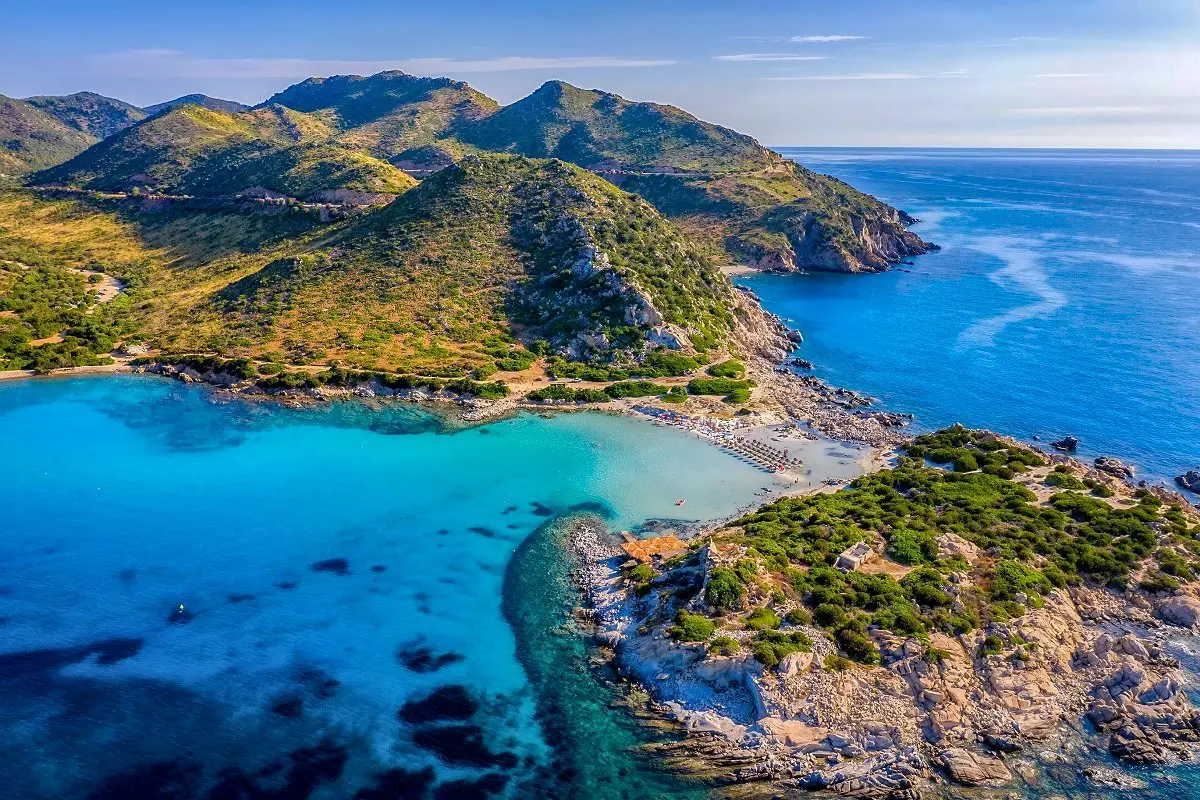
Long off global radar, Sardinia offers Europe’s best of nature and culture for a fraction of the fuss. Italy’s second-largest island (about the size of New Hampshire) is a mosaic of rugged mountains, craggy gorges and thick forests, all set against an emerald coast. It boasts powdery beaches from Costa Smeralda to ancient gravel shores, and medieval towns that feel frozen in time. Sardinia’s cachet has grown recently – the Italian luxury W brand is opening a novel 154-room resort this summer on the north coast – but it still flies under many radar screens outside Europe. Travel writers describe it as “breathtaking” and note its mix of celebrity-studded seaside resorts and secluded interior villages. Locals hail it as Italy’s hidden gem – a place where Italians themselves have historically summered quietly. By going now, you outrun the future crowds that follow direct flights and five-star investments.
Spring (May–June) and early autumn (September–October) are ideal: warm sunny days (20–28°C) and far fewer crowds than mid-summer. July–August brings Italian holiday crowds and peak heat. Winter is mild near the coast but snowy up high. Plan 7–10 days to cover one or two regions. For example, 5 days to circle the island’s north (Costa Smeralda, La Maddalena archipelago, Alghero) and 3–5 days south (Cagliari, heritage sites). Sardinia’s large size and rugged roads reward a road trip or internal flights.
Three airports serve Sardinia: Cagliari in the south, Olbia in the northeast (Costa Smeralda), and Alghero in the northwest. In summer they handle many international charters; otherwise reach Sardinia via Rome or Milan. Regular ferries also run from mainland Italy (Genoa, Livorno, Civitavecchia). Once there, renting a car is highly recommended, as trains and buses only connect major towns.
Italy can be pricey by Sardinian standards. Per-day budgets (EUR) might be roughly: backpacker €60–80 (hostel dorm or campervan, simple groceries), mid-range €150–200 (3-star hotels, restaurants), upscale €400+ (boutique resorts on the coast, fine dining). In shoulder seasons expect off-peak discounts. A pasta meal might run €12–15, a beach chair €10/day, and car rental €30–50/day. Wine tours add a splurge option. Remember: Sardinians take pride in hospitality, so tipping is moderate by Italian norms (a few euros for service).
A strategy: Combine one or two nights on the plush coast with nights in smaller towns or countryside to save money and see contrast.
Sardinia’s environment is delicate. Stay on marked paths in parks (like Gennargentu) to protect endemic flora and wildlife. Don’t collect sea urchins or shells – the UNESCO sites and beaches must be preserved. Water is scarce here in summer; choose accommodations that practice conservation (some use desalination). Support local economies by buying Sardinian specialties (wine, honey, ceramics from artisans). In villages, a firm handshake and polite Italian greetings (Buongiorno, Grazie) go far. Respect the slow pace – rural life has gentle rhythms. Italians here may speak Sardinian dialect; a smile and basic Italian “per favore” are appreciated.
Sardinia is very safe. Usual precautions apply (watch belongings on busy ferries or beaches). Tap water is generally safe, but many prefer bottled. Sun protection is a must on open beaches. Mosquito repellent may be useful in humid marshy areas (like southern wetlands). Medical care is good in cities; each province has hospitals in main towns. For rural adventures, bring any personal medications; pharmacies (“farmacia”) carry common drugs. Ensure your travel insurance covers auto rentals if driving.

Baja California stretches 775 miles from the U.S. border down to the tropics. It’s a land of deserts meeting the Pacific and Sea of Cortez, colorful villages, and extraordinary wildlife. Yet it remains off many travelers’ maps. Inland, valleys like Valle de Guadalupe are earning acclaim as Mexico’s Napa for wine, while the rugged coast has pristine surf breaks and calm bays. Travel+Leisure highlights the region’s “valleys and vineyards” and whale- and sea-life. Indeed, Baja offers everything from luxury Baja wines and spa resorts to barren dunes and hidden beaches. New investments are emerging: upscale eco-resorts (such as Banyan Tree’s project) and wellness retreats are on the rise. For now, much of Baja feels blissfully untouched — but partly because U.S. and Canadian visitors have only recently started venturing much further down the peninsula.
Baja’s climate is generally warm year-round. The coolest, driest conditions are late fall through spring (Nov–Apr) – ideal for outdoor activities and marine life viewing (whales December–March). Summers (June–Sept) are hot inland, but cooler on the coast; late summer is prime whale shark season (mid-year). Plan 7–10 days at minimum to appreciate the distances. A typical trip: 2–3 days around San Diego/Cabo for flights, 3–5 days exploring Baja California Sur (Cabo and La Paz region), and 2–3 days in northern Baja (Ensenada, Valle de Guadalupe, beachside Riviera).
San Diego, Los Angeles, or Phoenix are gateway airports for northern Baja. For the south, fly into Los Cabos (SJD) or La Paz (LAP). Ferries run between mainland Mexico and La Paz. Driving down the highway (via toll roads) is popular from California; a 4×4 vehicle is recommended for desolate stretches.
Mexican prices are generally lower than comparable U.S. vacations. Budget tiers (USD): $40–$60 (hostel/budget hotel, local eateries, public buses), $100–$150 (mid-range hotels, some tours and dining), $250+ (boutique resorts, private excursions). A high-end meal might be $30–50, local lunch plate $5–10. Gasoline is moderate in price; car rental is a large part of the mid/high budget.
La Paz & Loreto: Hostels (~$15) and small boutique hotels (~$50) are available. Waterfront areas in La Paz have many mid-range hotels, and the city has a small luxury entry (like One&Only Palmilla, Cabo, for ultimate splurge).
Valle de Guadalupe: Agritourismos and vineyard inns (some with price from $80 to $300 per night); camping and glamping are also options.
Todos Santos: Beachfront inns and hacienda-style hotels ($100–200). Many budget-friendly guesthouses exist.
Ensenada: Mid-range hotels on the bay (~$60–100).
When visiting remote beaches or parks, camping or basic cabins are often the only options (book in advance where possible).
Baja’s natural settings are fragile. Respect wildlife rules: when swimming with whale sharks or visiting breeding lagoons, follow guide instructions and never feed or touch the animals. Coral reefs (like Cabo Pulmo) must not be walked on; use reef-safe sunscreen. Water is scarce in desert areas – conserve it at lodgings. Support the local economy by hiring local guides and eating locally made food (like Baja honey or fish tacos from stand-alone stalls). Tipping 10–15% in restaurants and small gratuities to guides is customary. Greet people warmly in Spanish (“Buenos días,” “Gracias”). Remember that gas stations and ATMs may be few in remote stretches – plan accordingly.
Generally, touristic Baja is safe; serious crime is rare compared to some other regions of Mexico. Use standard precautions (avoid remote roads at night, watch belongings). The ocean current can be strong – heed warning flags on beaches. Sun protection is vital (desert sun is fierce). Mosquitoes may appear at dusk by lagoons; carry repellent to avoid bites. Tap water is technically potable, but many visitors stick to bottled water. Basic medical facilities exist in major towns (e.g. La Paz Hospital), though deserts have none. Malaria is not a concern in Baja, but check recommended vaccines (Hepatitis A and routine immunizations at least).

Unique almost to a fault, Madagascar is an entire continent’s worth of wildlife on one island. Its forests harbor lemurs, chameleons, and tenrec mammals found nowhere else on Earth. Towering baobab trees make for Instagram magic. Yet until recently, Madagascar’s sheer remoteness kept tourists away. A new airline route (via Addis, Paris or Dubai) and luxury lodges now puncture that isolation. As travel advisors note, Madagascar’s blend of forest, desert and reef is often compared to the Galápagos. Tourism is still small-scale, even though big players (e.g. Relais & Château, Time + Tide) have set up lodges. The appeal is clear: nature so abundant that even kids thrill at spotting lemurs swinging through the trees, or watching humpback whales in season. By going now, you enter what one expert calls “a place that feels like paradise”, before international tour packages flood in.
Madagascar’s dry season (May–October) is generally best for wildlife viewing and trekking. It avoids the cyclone season (December–March) on the east coast. Peak safari season is July–September (when trails are dry). However, if you’re keen on baby lemurs or plants, late summer can be rewarding too. To cover the highlights while respecting travel’s pace, budget 10–14 days. Madagascar is huge, roads are often slow, and internal flights are costly. A safe split: ~4 days in the north (Tsingy/Nosy Be), 4 in the east (rainforest and canal), and 3–4 in the south/center (Isalo, baobabs, capital).
The main international airport is Antananarivo (TNR). Routes exist via Addis Ababa (Ethiopian Airlines), Nairobi, Paris (Air France), or via Johannesburg. Once on island, there are limited domestic flights (but they can be full or canceled). Many travelers opt for private 4×4 hire for overland routes, which can be rough. Seaports (Toamasina, Mahajanga) and ferry to small islands are seasonal.
Madagascar can be surprisingly affordable on site. Hotels range from ~$10/night hostel dorms to $100/night mid-range lodges, and $300+ for luxury. Meals at street stalls or market are $1–3, nice restaurants $10–15. By island standards, give yourself about $30/day for bare-bones backpacking, $70 for moderate comforts, and $150 for high-end travel (including guides and internal flights). Entrance fees to parks and wildlife reserves are modest (~$10–20 each). Note: transport (4×4 rental, bush taxis) is often the largest expense outside lodging.
Accommodations are far apart, so plan ahead. In Tana, many mid-range hotels (e.g. Boutique Hotel Le Relais des Plateaux) are $50–100. Near national parks and beaches, cheap bungalows exist (~$15), plus guesthouses ($40–70). For a splurge, Relais & Château’s lodges (like Princesse Bora in Nosy Be) or eco-camps (Time+Tide’s Masoala Forest Camp) cost $300+. If on a budget, simple beach huts and campsite rooms are widespread. Travel tip: book inland hotels that include dinner; outside cities, few eateries operate at night.
Madagascar’s wildlife is fragile and many species are threatened by habitat loss. Always stay on park trails and listen to guides: do not chase or touch lemurs (they carry disease and can bite). Don’t buy exotic wood crafts or shell souvenirs; this inadvertently fuels illegal trade. Use reef-friendly sunscreen for snorkeling (some lagoons ban single-use plastic). Be respectful: Malagasy are often shy; say hello in Malagasy (“Salama”) or French, and dress conservatively (cover shoulders/legs). It is polite to ask before photographing people, especially children. South of Tana, many Malagasy still live by ancestor traditions—avoid interrupting rituals or gravesites. Lastly, support community projects if possible: some parks offer tree-planting or cultural tours that directly benefit villages.
Urban areas can have petty crime; keep valuables secure. The biggest health risks are malaria (all of Madagascar except the highlands) and dengue. Malaria prophylaxis is strongly recommended for most itineraries here. Vaccines for typhoid and Hepatitis A are advisable. Carry antidiarrheals and water purification tablets (water quality outside hotels is poor). Roads are notoriously dangerous; drive cautiously or hire a trusted 4×4 driver. Local clinics exist in towns, but serious cases require evacuation to Antananarivo or Réunion Island. Check travel insurance carefully for medevac coverage.

Often overlooked in guidebooks, Albania is now drawing adventurous travelers with its dramatic coastline and mountain scenery. Tony Wheeler (Lonely Planet co-founder) calls it “the next big thing” – a Mediterranean gem with glittering turquoise beaches and barely any crowds. In fact, one expert notes Albania offers a French Riviera feel at a fraction of the people and price. From UNESCO-listed Ottoman towns to rugged fjord-like lakes, its appeal is growing. A ferry across Lake Komani (pictured above) shows the dramatic Albanian Alps like a Scandinavian fjord, yet few outside the Balkans know it. Iconic spots like Ksamil (near Sarandë) are only now getting international attention. Budget airlines have added Tirana flights, and boutique hotels are sprouting on the coast. The travel media is catching up: one list of top under-the-radar cities highlights Gjirokastër, and another mentions hiking in Kotor, Montenegro — both near Albania’s border. Essentially, Albania is a land where old-world charm meets emerging tourism.
Summer (June–August) brings beach and hiking weather, though coastal areas do get busy. Spring (May) and early fall (Sept–Oct) are lovely – wildflowers or autumn colors in the mountains, with still-warm Adriatic water. Winters can be snowy in the north but mild on the coast. Plan 7–10 days to do Albania justice. One week can cover Tirana/Kruja (1–2 days), Berat and Gjirokastër (1–2 days each), plus a couple days exploring the southern coast and Komani Lake. Add extra if you want to include the Albanian Alps extensively.
Tirana International Airport (TIA) now has flights from many European cities. Tirana is centrally located for north/south travel. Alternatively, Corfu (Greece) and Montenegro (Tivat airport) are close by (ferries connect from Corfu to Sarandë, a southern Albanian port). Driving is popular: a new highway links Tirana to Greece (Kukës), and coastal roads run along the Ionian Sea.
Albania is very affordable. $30–40/day covers a hostel or budget hotel, street food or home cooking, and bus travel. $70–100/day allows private rooms and nicer restaurants; $150+ brings boutique hotels and private tours. A typical meal might be $5–10 (savory pies, byrek, or grilled lamb). Taxi fares are minimal. Komani ferry costs only a few dollars (often ~1500 lek, under $15). Its economy is still developing, so your tourist dollars go far.
Albanian communities are tight-knit. Greet people with “Mirëdita” (hello) and a handshake. Tipping ~5–10% in restaurants is appreciated but not expected. Respect rural customs: many southern villages observe quiet Thursdays or spend weekends attending family farms. The countryside, especially the Albanian Alps, has fragile ecosystems. Don’t litter trails or disturb wildlife. Komani Lake is a drinking water source for locals; avoid throwing trash overboard on the ferry. Support local crafts (wool shawls, wood carvings) that keep traditions alive. If invited for home cooking or coffee, it’s polite to accept at least a taste.
Albania is relatively safe for travelers. Petty crime (theft of phones or cameras) can occur in any city’s crowded market; secure valuables. A recent State Dept. advisory notes “increased caution” mainly from rural banditry, but typical tourist areas are generally peaceful. Tap water quality can vary; stick to bottled water. In mountains, cell coverage may vanish – carry a physical map. Health clinics are found in towns, but remote areas have only volunteer medics. No malaria risk in Albania; vaccines should be up-to-date (routine immunizations and Hep A advised). Emergency services are improving, but having travel insurance is wise.

At the crossroads of East and West, Georgia has quietly reinvented itself as a must-see. Its UNESCO churches and mountain landscapes burst onto 2025 trend lists, praised for “a tapestry of snow-capped peaks, ancient wonders and a wine and food culture that feels like paradise”. Indeed, few countries offer such diversity: Tbilisi’s old city has Ottoman baths and avant-garde architecture, the Caucasus mountains (like Kazbegi) tower above rustic alpine villages, and the lowlands (Kakheti) boast fertile vineyards with a 8,000-year-old winemaking tradition. Georgia also opened its borders broadly (many nationalities have visa-free entry) and has added new hotels, making it easier and cheaper to visit. Travelers describe it as hospitable and safe, and priced far below Western Europe. In short, Georgia is on the rise for its scenery and its soul.
Georgian weather varies. Late spring to early autumn (May–Sept) brings warm weather ideal for hiking and wine country. Summers can be hot in the lowlands; late summer turns golden with vineyard harvest. Winter skiing in Gudauri or Bakuriani is possible. The best combo for all highlights: 8–10 days. Example: 3 days in Tbilisi (and Mtskheta), 2–3 days in Kazbegi/Kakheti, and 3–4 days in western Georgia (Kutaisi/Svaneti). Each city and region merits a night or two at minimum.
Tbilisi International Airport (TBS) is well-serviced by flights from Europe, the Middle East, and beyond. Daily connections exist from Istanbul, Dubai, European capitals, and Moscow. There are border crossings from Turkey, Armenia, and Azerbaijan (but we recommend flying in). Within Georgia, trains and marshrutka minibuses link main cities; renting a car is also popular.
Georgia is very affordable. Daily costs (USD): $30 on a shoestring (dorm or simple guesthouse, markets, marshrutkas), $60–$100 mid-level (comfortable hotels, restaurants, car hire), $150+ upscale (luxury boutique hotels, guided tours, wine tastings). For example, a meal at a local restaurant is often $8–15, taxi rides are cheap, and domestic train journeys under $10. Gruzinski (Georgian restaurant) tippers typically leave 10%.
Georgians are renowned for hospitality; they love to host. When offered suppli (a toast), it’s polite to clink glasses and say “Gaumarjos!” (cheers). Tipping ~10% is standard in restaurants. In rural areas, ask permission before photographing people. Be mindful on hikes: leave no trace in highland paths. Georgian Orthodox sites require shoulders/knees covered. Support local by shopping at small wineyards (many produce unique varietals) and trying street food (like Churchkhela fruit-nut candy). The landscape – from alpine rivers to ancient monoliths – is fragile; treat it as a guest.
Georgia is very safe for tourists. Violent crime is rare; petty theft happens but is minimal compared to many cities. Transportation is generally reliable, though mountain roads can be narrow – drive carefully. Tap water in city areas is drinkable; bottled water is wise in remote areas. Mosquitoes are few except near stagnant water; insect repellent can improve comfort. No malaria risk exists. Health care in cities is adequate; in very remote villages (especially Svaneti) it’s limited, so carry basic meds and have travel insurance. Medical costs in emergencies (e.g. evacuation from mountains) should be insured.

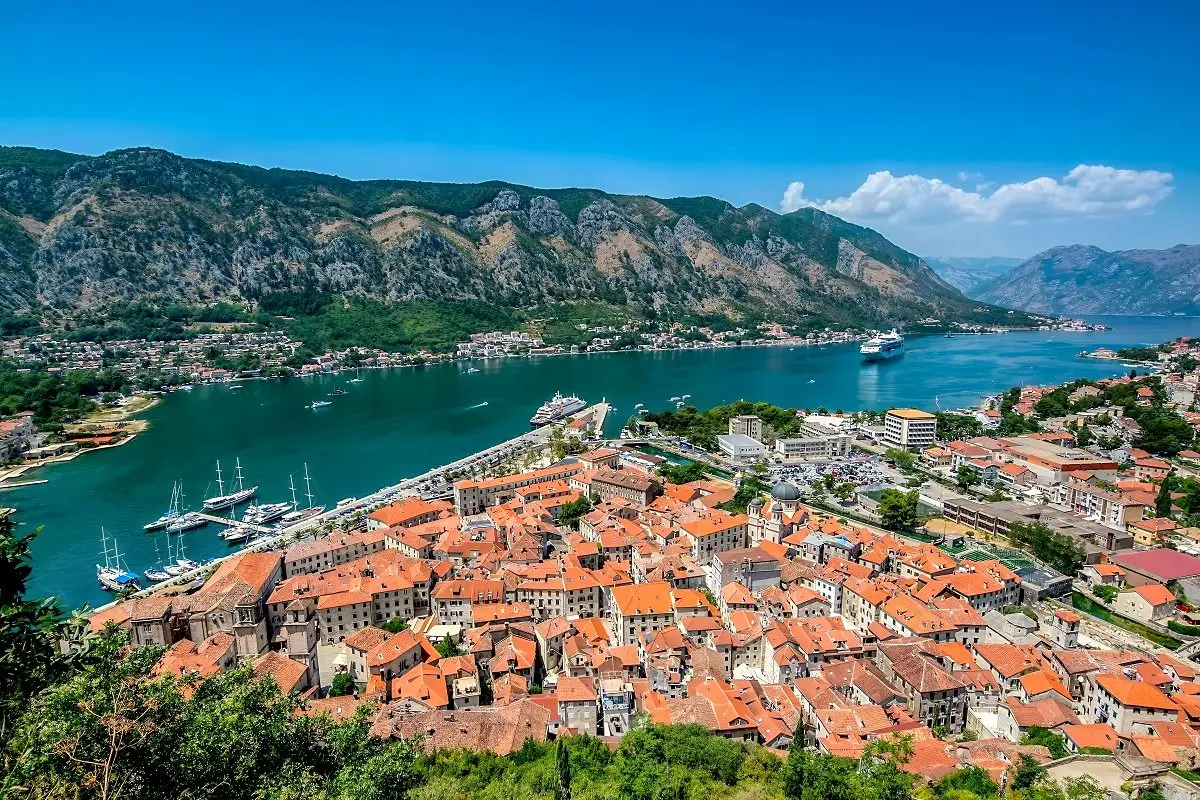
Tucked into a stunning bay often called the “southernmost fjord of Europe,” Kotor is a postcard medieval walled town surrounded by steep limestone cliffs. Despite being in Europe, it has a tucked-away feel – no airport on the bay means many visitors simply pass by to Croatia. But Montenegro’s tourism is growing; new hotels and restored historical sites have put Kotor on the radar of savvy travelers. TripEasy praises it specifically for adventure – noting “hiking in Kotor” as a key experience. Indeed, each summer a cruise ship at the dock was once rare; now a few arrive daily, yet the town retains old-world charm: cats wander through stone lanes, fishermen mend nets on the quay, and squares bustle with cafes. Go now to climb its fortress and breathe crisp mountain air before Kotor becomes the next Dubrovnik.
Peak season is July–August, when Mediterranean crowds and high-season prices apply. Shoulder months (May–June, September) are cooler and less crowded but still pleasant (Daytime mid-20s°C). Winters are quiet; many hotels close but you have the place to yourself (though rain is common). Kotor and its surroundings can be enjoyed in 3–4 days: two days to soak in the bay and old town, one day trip to Lovćen or Durmitor NP, and one half-day exploring nearby Perast or local beaches.
The nearest airport is Tivat (20 min drive); it handles European charters. Podgorica (1.5 hr away) and Dubrovnik (1.5 hr) are international options. Buses run along the bay from Cetinje or Budva. A car rental is useful for flexible day trips (roads around the bay are scenic and winding).
Montenegro is more budget-friendly than Western Europe but more expensive than Balkans neighbors. Plan $40–60/day on budget (hostel or guesthouse, local restaurants, public buses), $100–150 mid-range (nice hotels, guides, private transfers), $250+ luxury (boutique waterfront hotel, fine dining). For reference, a standard hotel room is $60–100 in mid-season; a simple meal is $8–15.
Inside Kotor’s walls, the ambiance is unbeatable but rooms are small. Options include hostels (~$15 bunk), guesthouses ($40–60), or boutique hotels ($100+). For fewer steps, Montenegro’s coastal highway has modern hotels (often with pools) in Dobrota or Đenovići bay, about 10 minutes drive. Lovćen area has mountain lodges ($30–80) if you want serenity over town access.
Kotor’s ecosystem and heritage are delicate. The old town is car-free; help protect its cobbles by carrying provisions inside. On boat tours, be mindful of fuel spills and feeding fish. Hiking trails in Lovćen have fragile flora – stick to paths. During a Vespa or e-bike tour, follow local speed limits in villages. Montenegro itself is multi-ethnic; be polite and use “dobar dan” (hello) or “hvala” (thank you) in Montenegrin/Serbian. Respect Orthodox customs: churches require covered shoulders.
Kotor is safe. Petty theft is rare; remain cautious of your belongings on crowded promenades or beaches. The steep stair climb to the fortress can be strenuous; do it in daylight, with water and good shoes. The sea is generally calm in the bay, but swim in designated areas (coast outside may have stronger currents). Medical facilities exist in Kotor; hospitals with emergency care are in Tivat and Podgorica. Drink bottled water if you have a sensitive stomach. There’s no malaria; ensure routine vaccines are up-to-date.

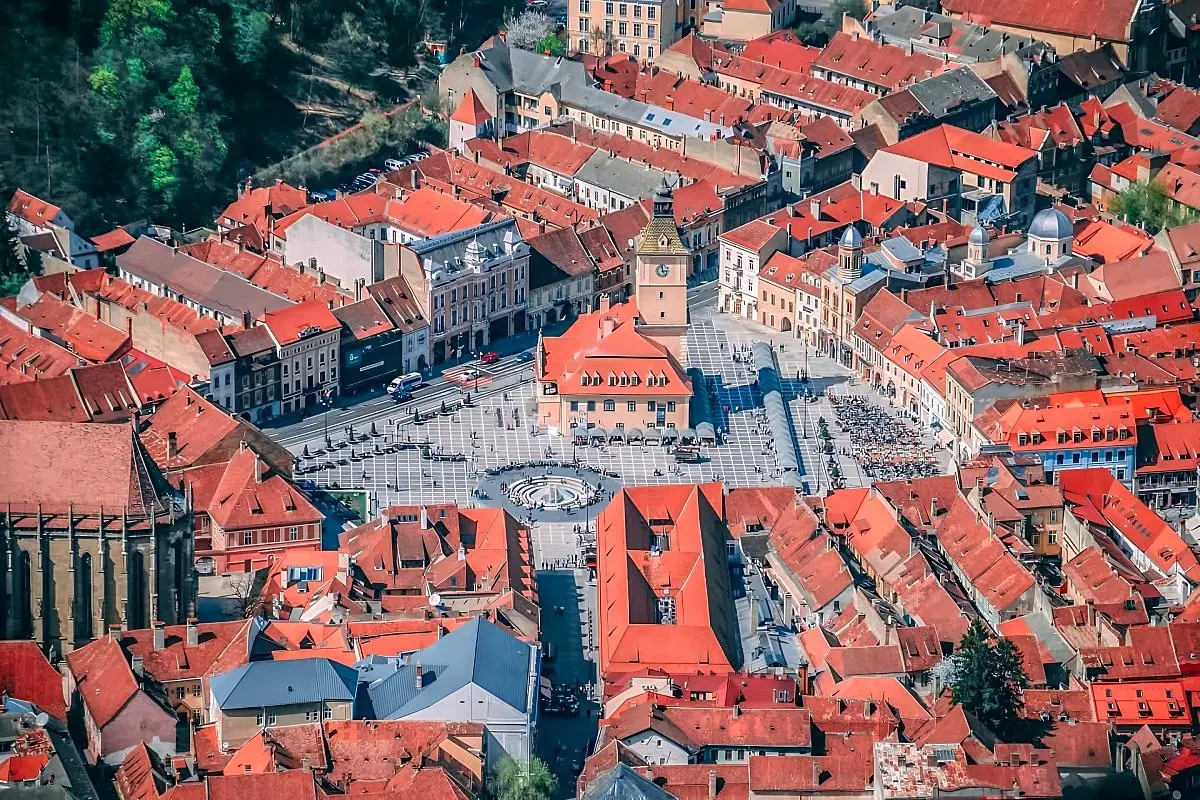
Set beneath the Carpathian Mountains in Transylvania, Brașov combines fairytale charm with accessible adventure. Cobblestone squares ringed by pastel baroque buildings, and steep streets that climb to panoramic castle ruins, give it a medieval feel without the crush of Prague or Salzburg. As a bonus, Dracula’s Bran Castle and ski areas are just a short drive away. In recent years a younger generation of Romanians has revitalized the city with craft breweries and artisan cafes, quietly raising its profile. It retains a sense of calm – even in high season, the Old Town never feels packed by European standards. Travel bloggers note Romania’s affordability as a strong draw, so Brasov is increasingly on budget travelers’ lists (see e.g. TheWanderfulMe’s roundup of hidden gems, which features Transylvania). In summary, Brasov is getting better-known, but it’s not booming yet – a perfect timing for visitors who value a genuine medieval town experience sans crowds.
Brasov’s temperate climate is nice from late spring through early fall. May–June and Sept–early Oct offer warm days (20–25°C) and beautiful foliage (wildflowers or autumn gold). Summer brings tourists but it’s never stiflingly hot. Winters can be snowy and fairytale-like (Brașov’s ski slopes open in December). A 3- to 4-day stay is ideal: that covers town plus a day trip or two. Families might add another day for theme parks (e.g. Libearty Bear Sanctuary near Zărnești).
Brașov’s airport (with seasonal international flights) is at low volume. More often visitors arrive via train or bus from Bucharest (2–3 hours) or the Black Sea (Constanța) and then hop a short bus or taxi to the Old Town. The city itself is pedestrian-friendly; stroll to many sites on foot.
Transylvania is cheap. Daily budgets (USD): $25 is enough for hostels and street eats; $60–$80 for mid-range hotels and moderate dining; $150+ for historic guesthouses or 4-star city center hotels. Meals might be $5–10 for hearty local fare. Public transport (train/bus) is inexpensive; trains (Brașov–Bucharest) run often for ~$10.
In the Old Town on or near Piața Sfatului is ideal – it cuts travel time. Budget hostels are around $15/night. Charming 2-3 star hotels and guesthouses in Saxon-style houses run $30–60. For splurging, there are boutique 4-star hotels ($80–150) and historic manor B&Bs in the surrounding hills. Nearby Poiana Brașov is a ski resort area with larger hotels if you prefer alpine facilities.
Brașov’s residents are used to tourists but also proud of local customs. Small acts help: separate recyclables where bins are marked, avoid litter on mountain trails. When visiting religious sites (e.g. Orthodox church or monastery), modest dress is appreciated (cover shoulders/legs). As in much of Romania, wait your turn calmly and speak softly in queues. Tipping ~10% is standard in restaurants. Support local artisans by buying saffron mushrooms, rye bread, or painted icons from market stalls – these crafts keep traditions alive.
Brașov is very safe for travelers, even at night in Old Town. Street crime is minimal, but keep an eye on belongings in crowded markets. Be cautious of parking – break-ins to vehicles have been reported in Romania. The surrounding forests are home to bears and wolves (rarely seen) – heed warnings if hiking outside town. No special vaccinations are required; tap water is safe to drink. Medical clinics are available in town, and Bucharest hospitals are reachable for serious cases. Wearing sturdy shoes in Old Town is wise (cobbles can be uneven).

Holbox (pronounced “hol-bosh”) is a tiny island off Mexico’s Yucatán coast that feels like time slowed down. Just a few miles long, it has no cars – everyone gets around by golf cart or bicycle on sandy lanes. The beaches are wide and shallow with gentle Caribbean surf. Flamingos and pelicans wade in the lagoons, and at certain times of year whale sharks drift by the reef. Holbox remained off many travel radar partly because it’s car-free and a bit remote; that’s changing as Cancun and Tulum grow overcrowded. New boutique inns and chilled art communities (with murals and reggae bars) have sprung up. The result: travelers who care to find it are greeted with pastel sunsets on a wooden dock and cheap seafood tacos under palm trees. It’s an island of relaxation. It may not be as dramatically scenic as some places, but its laid-back bohemian vibe is unique – and on the verge of being discovered by wider crowds.
Holbox is best visited December through April, when the sky is clear and rain unlikely. Summer brings humidity and the threat of hurricanes (July–October). If you want whale sharks, come June–September. With only a few streets, you could “do” Holbox in 2 days; however, the real joy is slowing down. We recommend at least 3–4 days: sunrises, slow evenings, and enough time to perhaps paddle to Isla Pajaros (bird sanctuary) or Isla Pasión (peaceful gulf island). Seasonally, early winter can get busy with holiday travelers, but it’s still subdued compared to Cancun.
Holbox is reached by ferry from Chiquilá, a fishing village on the mainland about 2.5 hours drive north from Cancún or 2 hours from Mérida. The ferry takes 15–30 minutes. Once on Holbox, everything is walkable. Golf carts and bicycles are the main transport rentals. The island’s small airport sees mostly charter flights, but it’s easier to arrive via Cancun International and transfer by road + ferry.
Holbox remains fairly budget-friendly. $30–$40/day covers a hammock in a hostel dorm, street food (tacos, fruit juices) and bike rental. $80–$120/day gets a private cabana or mid-range hotel and restaurants. $200+ means a beachfront bungalow or luxury eco-hotel. Meals run about $5–15. A snorkel or kayak rental is under $20. Keep pesos handy: fewer vendors accept credit cards on the island.
All accommodations are small-scale. The village center has pensions and cabanas ($50–100). For more privacy, eco-lodges and boutique resorts fringed by jungle or beach run $150–300. Try to book at least one night in a beachfront property (Amansala, Holbox Dream, or similar) – waking to the sound of waves is a highlight. Note: power and water can be sporadic; don’t expect 24/7 air-conditioning everywhere.
Holbox prides itself on a laid-back spirit. Its wildlife and ecosystems are extremely delicate. Never sit or walk on dunes – they are nurseries for turtles and birds. Do not feed wildlife or pet the flamingos. Boats should follow established channels to protect seagrass beds. Avoid bringing plastic (even straws) – some restaurants are now straw-free. Since it’s a small local town, speak softly at night and dispose of trash properly (bins are limited on the street). Try to support local family-run spots rather than impersonal chains.
Holbox is tranquil and safe. Crime is minimal, mostly petty (watch wallets on market corners). The biggest caution is the sun – with very bright tropical light, use high SPF sunscreen and a hat. Getting around by golf cart takes a moment to learn (they yield to pedestrians). Tap water is not drinkable; stick to bottled or filtered water to avoid stomach issues. There are a few pharmacies on the island, but major medicine refills may require a trip to Cancún. Watch for jellyfish in summer months (signposted on beaches) – lifeguards/locals will advise. Otherwise, enjoy the simple pleasures without worry.

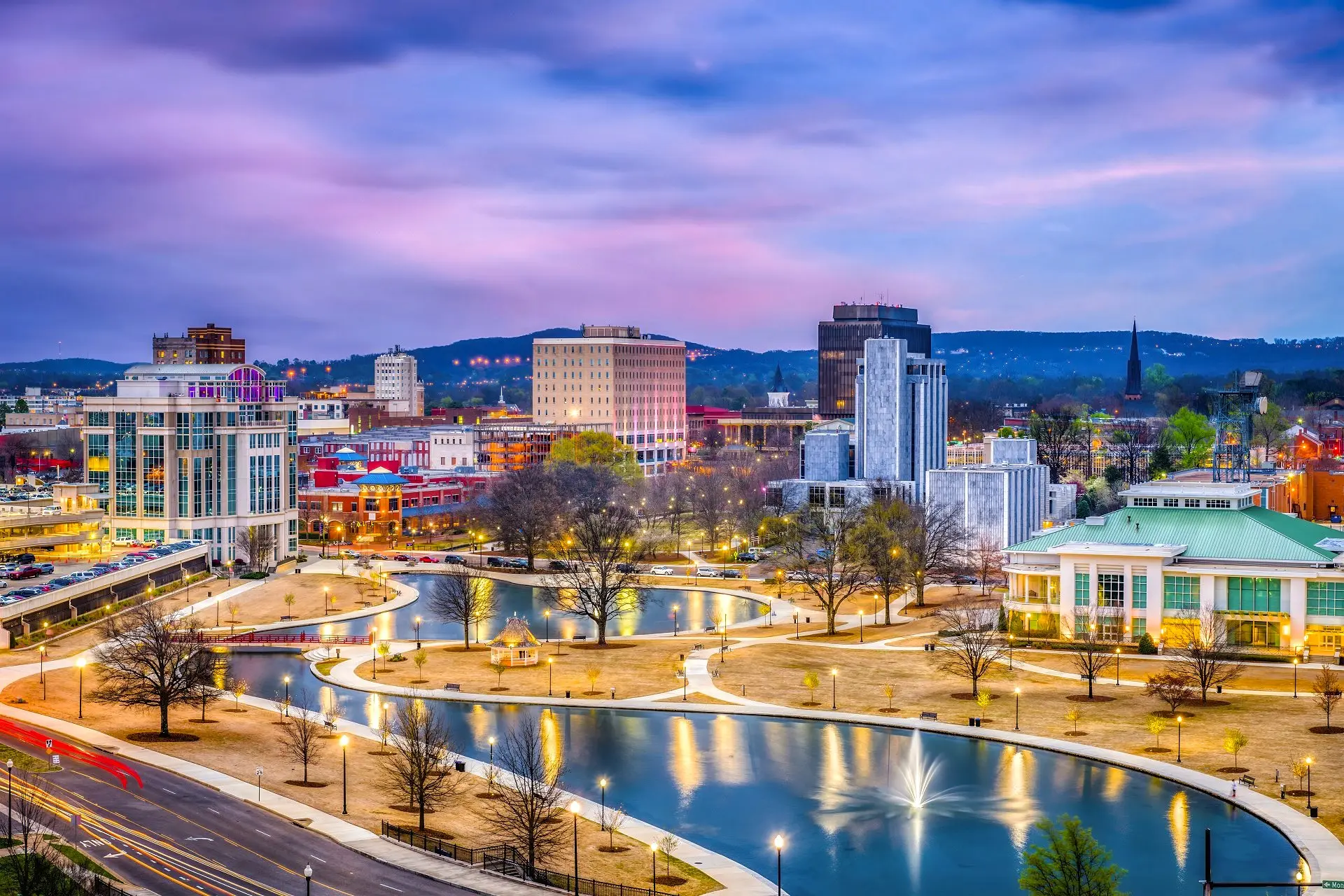
Space City? Yes – Huntsville is nicknamed the “Rocket City” because it houses NASA’s Marshall Space Flight Center. It is one of the United States’ hidden travel gems, offering a mix of technology history, Southern charm, and surprising nature. The city is quietly reinventing itself: new science museums (like US Space & Rocket Center) and revitalized downtown areas draw visitors beyond its academic origins. It’s been featured as an “emerging travel destination” in multiple U.S. travel lists. Compared to traditional Southern cities (New Orleans, Nashville), Huntsville sees far fewer tourists. Those who come experience a friendly college-town vibe and can easily access Appalachian foothills just outside the city. Its profile is rising, but not nearly to the level of Charleston or Austin, which makes now an opportune moment for discovery.
Huntsville has four seasons. Spring and fall are most pleasant (temperatures 15–25°C) with wildflower blooms or fall foliage. Summers can be quite hot and humid (upper 30s°C). Winter is mild (rarely freezing). 2–3 days lets you hit the major sites. Science museum (half-day), outdoor park or gardens (half-day), and downtown/history (half-day). If you add day trips (e.g. to nearby Little River Canyon in Alabama or Tennessee’s Great Smokies), extend to a week.
Huntsville International Airport (HSV) has direct flights from many U.S. hubs (Atlanta, Charlotte, Dallas, etc.). The airport is about a 20-minute drive south of the city center. Interstate 565 connects downtown to I-65 (north-south) and I-565 (east-west). Rental cars or rideshare are handy. Once in Huntsville, most attractions are a short drive or Lyft ride away.
Even visitors from abroad find U.S. domestic travel rates reasonable here. Budget travelers might spend $100/day (hostel or budget hotel, cooking some meals or fast food, minimal taxis). Mid-range is $200–250 (nice hotel, restaurants, rental car). Luxury travelers can spend $400+ (4-star hotels, high-end dining, private tours). A meal might range $10–20 (casual) to $40 (fine dining), and museum admission (e.g. ~$30).
As in much of the South, Southern hospitality means locals will greet you warmly if you do the same. Address people as “Mr.” or “Mrs.” with surnames until invited to use first names. Don’t be surprised if someone strikes up friendly conversation in line or at a café. Carry reusable water bottles and mug for coffee — this region loves sweet tea in to-go cups. Driving is the norm here; petrol stations allow self-serve (no tipping station pumps). Support local businesses: Huntsville has an active craft beer scene (visit Yellowhammer Brewing, for example), and farm-to-table Southern cuisine is on the rise. Preserve the city’s image of cleanness and hospitality by not littering and sticking to posted smoking areas (non-smoking indoors is common).
Huntsville is a safe city by U.S. standards. Crime rates are near national average; exercise common sense in any urban area (lock car, don’t flash cash). The largest crowds will be at tourist sites (rocket center) and peak evening downtown. Traffic can jam around the Space Center at peak hours. Healthwise, Huntsville has good hospitals and clinics. Tap water is safe. Summers bring strong sun – sunscreen is advised, as is an allergy relief medication in spring when pollen counts are high. There are no exotic disease risks. The primary caution is to bring rain gear if visiting spring/fall, as showers come quickly.

Before heading off-grid, take care of formalities:
Visas & Entry: Requirements vary widely. Many Western passports enjoy visa-free entry in our list destinations. For example, U.S. citizens can visit Albania without a visa for up to a year. Brazilians and EU nationals also enjoy visa-free access to much of Latin America and Europe. Countries like Laos, Sri Lanka, and Madagascar offer eVisas or visas on arrival (though check if you need to apply in advance, as with Madagascar’s cheap landing visa for most). Italy (Sardinia) and Romania (Brasov) fall under the Schengen area rules – ensure a Schengen visa if required. Always consult your country’s embassy website for the latest rules. In some places, border authorities may also require proof of onward ticket or tourist card (e.g. Mexico issues an FMM tourist card on arrival, often attached to your passport).
Health & Vaccinations: Refer to CDC/WHO for each location, but broadly speaking: routine immunizations (MMR, polio) should be up to date. Hepatitis A vaccination is recommended for all countries listed here (food hygiene varies). Typhoid vaccine is wise for Southeast Asia and Madagascar. Malaria prophylaxis is needed in Madagascar (and parts of Southeast Asia, Africa), though not in Italy/Europe or high-altitude Laos. Yellow fever vaccination certificates may be required if arriving from Africa (per WHO guidelines) for places like Laos and Madagascar, so check that. On trip: carry prescription meds in original bottles, a basic first-aid kit, and insect repellent.
Travel Insurance: For any remote adventure, insurance is a must. Beyond covering canceled flights, ensure your policy includes medical evacuation (e.g. from islands or jungles). Protect against hospital bills, lost luggage, and other mishaps. EU citizens should get a Global Health Insurance Card for Europe and consider extra coverage elsewhere.
Local Laws & Customs: Familiarize yourself with cultural norms and laws to avoid faux pas. Examples: dress modestly in temples or mosques, avoid public displays of affection in conservative areas, don’t drink tap water in rural Asia/Africa, and respect local religious fasting days or holidays. Learn a few key phrases in the local language (hello, thank you, sorry).
Documents: Photocopy or photograph your passport and visa page. Carry copies of travel insurance details. Use credit cards wisely: in very remote spots, ATMs may be scarce, so have some local cash on arrival. Notify your bank of travel dates to avoid card holds.
By ticking off these pre-trip items early, you can focus on the joy of discovery once you’re there.
Budgeting for hidden destinations can be tricky because deals and costs vary widely. Here are key tips:
Using these budget tactics, you can stretch dollars without missing key experiences. As always, when in doubt, a little extra planning goes a long way in these far-flung locales.

When exploring lesser-known destinations, safety and suitability vary:
In essence, our picks require the usual smart travel habits. The thrill of “first to get there” is best enjoyed when you’re aware and prepared. A sensible traveler adapts; a bold one also explores.
Every destination has its timeline. The transition from quiet to busy can happen rapidly once tipping points occur. Often it goes: interest + investment + accessibility → exponential growth. For instance, think of how quickly Thailand’s Maya Bay (Ko Phi Phi) went from hidden to hordes after The Beach movie. In Europe, Cinque Terre saw huge tourist surges after train links improved in the early 2000s.
Typically: a buzz begins with travel features or new routes. We’ve seen the pattern: a place that seems quiet today may get noticed through social media or festivals, then airlines or hotels move in, then mainstream tour operators start marketing it. That can take anywhere from 3–10 years, depending on geopolitics and marketing budgets.
Mini case study: Ahr Valley, Germany – It was a quiet wine region. Then a local train line was restored in 2015 and travel writers started touting its old world charm. By late 2010s, luxury resorts and hiking enthusiasts flocked there. This shows the multiplier: one infrastructure change (the railway) made it exponentially more accessible.
Likewise, watch for signs in our list: if a destination builds an international airport terminal (Sardinia just did at Olbia), or the government removes visa restrictions, its visitor numbers can quickly climb. On the flip side, a negative event (like Venice capping day tourists) can keep a popular city full but force travelers to seek lesser-known alternatives nearby – that’s an opportunity for places like Verona or Ljubljana.
In short, the secret is to go before those signals fully bloom. Once the Instagram feed is clogged with geotags of a place, or cruise ships dock daily, the “early” window has likely passed. For now, check back on things like Google flight trends, UNESCO news (new designations often bring visitors), and region tourism board forecasts. These can hint if “now or never” is truly now.
What makes a destination “underrated”? We define it as a place with substantial appeal that remains relatively unknown or under-visited by mainstream tourism. It often has fewer search hits, limited flights, or few international tour packages. In practice, it means the site offers high-quality attractions but without the crowds. Our picks show these characteristics.
Why visit a place before it becomes popular? Early visits mean authentic experiences and better value. You’ll enjoy attractions at leisure, interact more with locals, and often pay less (hotels and tours can double in price as popularity rises). It also means you can provide feedback or support that shapes tourism positively from the start.
How can I predict which places will become popular next? We discussed key signals in the “How to Predict” section: watch for new flights or high-speed trains, major hotel or resort openings, growing online search interest, or media coverage. If multiple indicators align (e.g. Google Trends spikes and new airline routes), a destination is likely on the brink.
What are the risks of visiting early? Limited infrastructure is the main concern. This can mean fewer amenities (sometimes unreliable electricity or Wi-Fi), basic medical facilities, or fewer choices of lodging. Politically, most of these places are stable, but always check recent travel advisories. Language barriers and cash-only transactions are common issues in developing areas. Mitigate risk with thorough research, travel insurance, and a flexible attitude.
How to find truly off-the-beaten-path places? Go beyond standard guidebooks. Use data tools (Google Trends, Skyscanner explore, Reddit/travel forums). Follow niche travel writers, and look for UNESCO or conservation news. Engage with local tourism boards or bloggers from the region of interest. This approach is covered in our “Finding Off-beaten-Path” section.
Which underrated destinations are most worth visiting right now? Our top 10 above represent a range of continents and experiences – from Lao temples to Albanian beaches to a U.S. space city. Each stands out due to unique culture, natural beauty, and signs of impending popularity (new infrastructure, media buzz, local development).
For each destination: What to see & do (top 5 experiences)? See each destination section above for curated highlights. We’ve bullet-listed the most unmissable activities under each “Top 5 experiences.”
Best time to visit & why? Likewise, each entry has a “Best time to visit” part, based on weather and local events. Generally, shoulder seasons (pre- and post-high-season) are ideal to avoid peak crowds while enjoying good conditions.
How many days to plan per destination? In our itineraries, we’ve indicated suggested 3–7 day stays per place. Typically, 4–5 days allow a thorough visit to most destinations, except the largest (Sardinia, Madagascar) which may need a week.
Suggested one-week sample itinerary? We’ve included sample multi-day plans for each destination, usually for a full week or so, to give readers a concrete roadmap.
Budget estimate (low/mid/high) and tips? Every destination section lists approximate budgets for backpacker, mid-range, and luxury tiers. We also sprinkled in money-saving tips (street food, local transport, off-season travel) drawn from sources like Nomadic Matt and The Wanderful Me.
How to get there (nearest airports/transport)? Details on airports, ferry ports, or main highways are provided. Most places have one or two access points (e.g. Luang Prabang Airport, Olbia for Sardinia, La Paz for Baja). Where relevant, we note local bus or boat connections.
Where to stay (neighbourhoods & 2-3 properties)? We give neighborhood advice (e.g. “Old Town center” or “beachfront district”) and ballpark price bands for lodging. We left out specific hotel names except as examples (since availability can change), focusing instead on types of accommodation in each category.
Responsible travel & local etiquette? Each section’s end covers cultural do’s and don’ts, such as dressing modestly at temples, using reef-safe sunscreen, tipping norms, or simply greeting in the local language. We also emphasize environmental tips (carry your trash out, avoid wildlife exploitation) custom-tailored to each spot.
Quick safety & health notes (vaccines, cautions)? We conclude each destination block with safety advice: whether to use malaria pills, common scams to watch for, altitude issues, local medical care notes, etc. This is based on CDC and State Dept guidelines (for example, Madagascar needs malaria prophylaxis, [64] notes Albania’s crime advisory, etc.).
Which underrated places are best for solo travelers? Almost all our destinations welcome solo visitors. Those with established hostel scenes (Luang Prabang, Brasov, Kotor) are especially solo-friendly. Risk-wise, Asia and Europe picks have low crime; hiking destinations can be done via small group treks. The travel tips in “Safety & Solo” above highlight any concerns.
Family-friendly or accessible? Beach and city spots (Sardinia, Baja, Holbox, Brasov) have infrastructure for kids. Laos and Madagascar require more stamina and might be challenging with young children or for mobility issues. We have flagged where steep climbs or remote roads exist. If traveling with kids or elders, consider extra days for rest and check each hotel’s amenities (e.g. crib availability, wheelchair access).
Are these places safe (crime, political stability, health risks)? We chose relatively stable, non-conflict countries. Local safety is addressed per destination: typical advice is to use normal caution against pickpockets. Politically, none are in active conflict. Always check your government’s travel site for the current security level. Health-wise, we discussed required vaccines and precautions (e.g., drink bottled water in Laos/Madagascar, watch out for rabies risk in Asia, etc.).
Visa/entry requirements? We cannot cover every nationality’s rules here, but all relevant info for e.g. U.S. citizens or EU passports is in the visa subsection above. The most important rule: check with official sources. For example, U.S. travelers get 90 days in Schengen (Italy) and a year in Albania. Passports generally need 3–6 months validity and blank pages. Some countries have tourist cards or reciprocity fees (e.g., Madagascar has a small visa-on-arrival fee, Mexico requires an immigration card). Embassies’ websites and travel.state.gov are recommended.
How to avoid accelerating over-tourism? The ethos of this guide is anti-overtourism. Practical steps: follow low-impact travel (we covered in “Responsible Travel”). Example: don’t pile an entire festival’s visitors into a fragile ecosystem. Consider visiting during off-peak days (e.g. a weekday or shoulder-month). In places like Laos or Albania, spreading visits outside big events (like local religious festivals) avoids stress on infrastructure. If an attraction becomes overtouristed (e.g., overcrowded photo spot), seek alternative viewpoints or go early in the morning. Support community-run initiatives rather than large operators. Essentially, travel consciously and don’t hunt for the same selfie everyone else is.
Travel insurance coverage for remote areas? At a minimum, insure against medical emergencies (with air evacuation for remote areas like Madagascar). Include trip cancellation and theft cover. Some insurers have specific “adventure” add-ons (for hiking, canoeing, etc.). We suggest calling providers about each planned activity (off-roading, jungle touring, etc.) to ensure it’s covered.
Finding local guides/authentic experiences? Ask at guesthouses or tourist info centers for vetted guides. Websites like Viator or GetYourGuide list licensed local tours for many offbeat places. Alternatively, community tourism orgs (often non-profit, discoverable online) can connect you with villagers offering homestays or crafts workshops. Social media groups and forums can yield personal recommendations. Look for guides with good reviews and credentials (especially if trekking or wildlife watching). Often, hiring a local guide in a national park is mandatory and beneficial.
Food and lodging availability? All our picks have ample lodging, though standard varies. In remote areas, “lodging” might be guesthouses or lodges, not international hotels. We provide examples of neighborhoods with most options (e.g., “Riverside in Luang Prabang” or “Historic Center in Brasov”). Regional cuisines exist everywhere: beach fish dishes in Baja, pasta in Sardinia, local curries or stews in Asian entries. If you have dietary needs (gluten-free, vegetarian), a little advance research helps. In a pinch, supermarkets in towns usually carry basics.
Technology/apps for remote travel? The “Tech & Tools” section lists useful apps. Additionally: install offline translators (most can work via camera for signs/menus). Carry spare power banks – remote spots may have unreliable electricity. If hiking or boating alone, consider a GPS tracker app (like Cairn or FindMeSpot) that shares location with a friend.
Packing tips? This varies by climate: lightweight breathable fabrics for Laos/Mexico, layers for chilly nights in Sardinia/Georgia. Always pack rain protection (poncho or umbrella) in tropics. Good walking shoes are a must for uneven terrain (temple steps in Laos, cobbled streets in Brasov, mountain trails in Albania). A headlamp or flashlight is useful in places with spotty lighting (local villages, campsites). Neutral clothing can help you blend in; bright “tourist” looks can draw pickpockets. Weaving the specific climates: e.g., snorkel gear for Baja, monocular/binoculars for Madagascar wildlife, insect repellent for Asia/Africa.
Family-friendly notes (kid activities, healthcare)? Several entries mention child-friendly highlights (luang prabang’s Kuang Si has shallow pools kids love, Baja’s calm lagoons, Kotor’s beaches). Travel to places like Sardinia’s beaches or Disneyland-esque trips (Bran Castle) suit families. However, remote jungle treks or altitudinal mountains (Georgia) might not. On healthcare, some destinations are far from modern hospitals; carrying basic meds and knowing emergency numbers is crucial. Research local pediatric/children’s facilities if traveling with young kids.
Vaccines/health precautions? We covered general advice. To repeat briefly: stay current with routine vaccines, get HepA (typhoid for Asia/Africa), take malaria tabs where needed (Madagascar, Laos). Many of these places are low altitudes, so altitude sickness isn’t common except maybe Kotor’s hill climbs or Georgian hikes, which are mild by Andes standards.
Booking responsibly (local businesses)? When booking hotels and tours, opt for local companies or smaller national chains. Look for accommodations with eco-certifications or fair trade labels. In freelancing sites like Viator or Airbnb, read reviews for any complaints about exploitation. Small guesthouses often advertise if they help local schools or co-ops. Try to pay directly or through local offices (not always large online travel agencies) so funds reach local owners.
Budgeting for late/remote travel? If booking last minute, be flexible. Use alerts and stay calm about price spikes. Some remote flights sell for high late, so consider multi-stop itineraries via hubs. In places like Asia, local ferries or buses can cut costs over expensive flights. For cash, ATMs in remote areas may impose high withdrawal limits or fees; plan to withdraw more at once in towns. Carry some emergency cash in a hidden pouch.
How long until a place gets popular? There’s no set timeline, but often within 5–10 years of a major change (like a new airport or hotel). For example, Vietnam’s Sapa boomed after train/bus connections improved, and Sri Lanka after ending its civil war. Keeping an eye on tourism statistics (UNWTO releases, country tourism board data) can show early growth spurts. We advise checking each destination’s year-over-year arrival figures if available.
How to spot overtourism early? Early warnings include social media saturation (every influence posting the location), skyrocketing hotel prices, or UNESCO “warning” signs (some sites label Lijiang in China, Maui in USA, etc. as overtourism areas). If you notice multiple tour coaches in a small village photo or a once-empty trail getting footfall, it’s a sign. In that case, try visiting at midnight or sunrise (often quietest times), or pick an alternate site nearby that serves a similar purpose (eg, visiting an adjacent village’s market instead of the main town’s).


