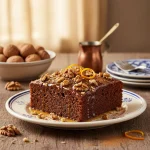
Spoon Sweets (Glyka tou Koutaliou) – Greek Fruit Preserves Recipe
Course: DessertCuisine: GreekDifficulty: Medium8
hours15
minutes70
kcalGreek spoon sweets are candied fruits (or other produce) simmered in simple syrup until translucent and tender. This recipe shows how to make a basic Glyko koutaliou using your favorite fruit (e.g. cherries or figs). Fruit is poached gently in water, then left to stand with sugar so juices draw out. The next day, the fruit is boiled with sugar and lemon juice to form a thick syrup. After cooling, whole fruits in syrup are jarred. Each spoon sweet – one sugar-coated cherry, fig, or nut – is served in a tiny dish alongside coffee or yogurt. The syrup is silky and glossy, and the fruit captures the bright flavors of its season. These tiny, jewel-like sweets are at once luxurious and humble: a sweet spoonful of Greek tradition.
Ingredients
Seasonal fruit (about 2 cups, 500 g): Choose whole fruits that fit in a spoon (sour cherries, figs, small berries, grapes, etc.). Peel or pit if needed (e.g., pit cherries). Fruit should be firm and ripe-but-not-soft for best texture.
Granulated sugar (2 cups, ~400 g): Equal weight to the fruit (approximate). Sugar is the preserving agent.
Water (½ cup, ~120 ml): Used to extract fruit juices before adding sugar. (An initial soak step.)
Lemon juice (2 tablespoons): Added at the end of cooking to balance sweetness and prevent crystallization.
Optional spices: A cinnamon stick or vanilla pod can be simmered with the fruit for subtle spice; remove before jarring.
Pickling lime (optional, 1 tsp): If available, dissolving fruit in lime water first makes some fruits (like apricots, plums) firmer. Rinse thoroughly after soaking.
Directions
Prepare the fruit (if needed): Wash fruit thoroughly. Pit cherries or slice larger fruits in half. If using figs or grapes, you can leave them whole or slit a few to allow syrup penetration. (For fruits needing it, the day before, soak in 1 tsp pickling lime dissolved in water for firming; then rinse well.)
Extract fruit juices: Place the prepared fruit and ½ cup water in a saucepan or bowl. Sprinkle about ½ cup sugar over the fruit and stir gently. Cover and let sit overnight (or at least 8 hours) at room temperature. The fruit will release natural juices and some sugar will dissolve.
Cook the syrup: The next day, add the remaining sugar to the fruit and juices. Add any spice (cinnamon stick, vanilla) now, if using. Heat over medium, stirring until sugar fully dissolves. Bring to a gentle boil, then reduce heat. Skim any foam from the surface as it forms. Simmer uncovered for 5–10 minutes until syrup is thickened (test by dripping a bit on a cold plate – it should cling).
Finish with lemon: Remove spices from the pot. Stir in the lemon juice. Continue to simmer 30 more seconds. The syrup should appear glossy and clingy. (Don’t overboil or fruits will break down.)
Jar the sweets: Using a slotted spoon, pack the whole fruits into sterilized glass jars (keeping them intact and decorative). Then pour the syrup over them to fill the jars, pressing fruits down to minimize air pockets. Seal immediately. Let jars cool to room temperature, then refrigerate. The syrup will thicken more as it cools.
Serve: Spoon a small amount (usually 1–2 pieces of fruit plus a bit of syrup) into a demitasse or saucer. Traditionally served with a small cup of strong Greek coffee and a glass of water.
Tips, Troubleshooting & Variations
- Serving Suggestions & Pairings: Glyka tou koutaliou are the ultimate accompaniment to Greek coffee or tea. Serve them by the spoonful with each cup – the sweetness balances the bitter brew. You can also use them as a topping: a fig spoon sweet on yogurt or a cherry spoon sweet on ice cream. Packaged in pretty jars, they also make thoughtful gifts.
- Storage & Shelf Life: Spoon sweets keep for months if sealed properly. Once opened, refrigerate and consume within 2–3 weeks. The syrup prevents spoilage. If syrup thickens too much, stir in a tablespoon of water when warming the jar to loosen it. Spoilage is rare due to high sugar content; however, always check for mold or fermentation.
- Variations & Substitutions - Rose Petal Spoon Sweet: Use fresh rose petals blanched briefly in water, then cook as above for a fragrant “rose petal jam.” Lemon Peel Preserve: Sliced thick lemon or bergamot peel can be candied the same way (blanch first to remove bitterness). Nut Spoon Sweet: Young green walnuts can be boiled in lime water first, then cooked in syrup to make a classic Greek karydopita spoon sweet. Low-Sugar Method: Use ½ cup honey and 1½ cups sugar in syrup, or a sugar substitute suitable for preserves. Expect a slightly less clear syrup.
- Chef’s Tips - Fruit size matters: Use fruits of uniform size so they cook evenly. If some fruits are very large, consider halving them. Prevent crystallization: Always finish with lemon juice (or a bit of lemon peel) in the syrup to keep it syrupy rather than grainy once cool. Sterilization: Boil jars and lids before use, or fill them hot with the fruit and hot syrup to create a vacuum seal. This ensures safe, long storage. Optional Add-Ons: Shopping List: A bottle of Greek mountain tea to serve alongside; extra spoons. Make-Ahead: Start the process 1–2 days before serving (fruits soak overnight and can be used 1–2 days after cooking once fully chilled).
- Equipment Needed: Medium saucepan (for soaking and cooking fruit), Sterilized glass jars with lids (for storage), Slotted spoon (for jar-filling), Small bowls or spoons for serving.