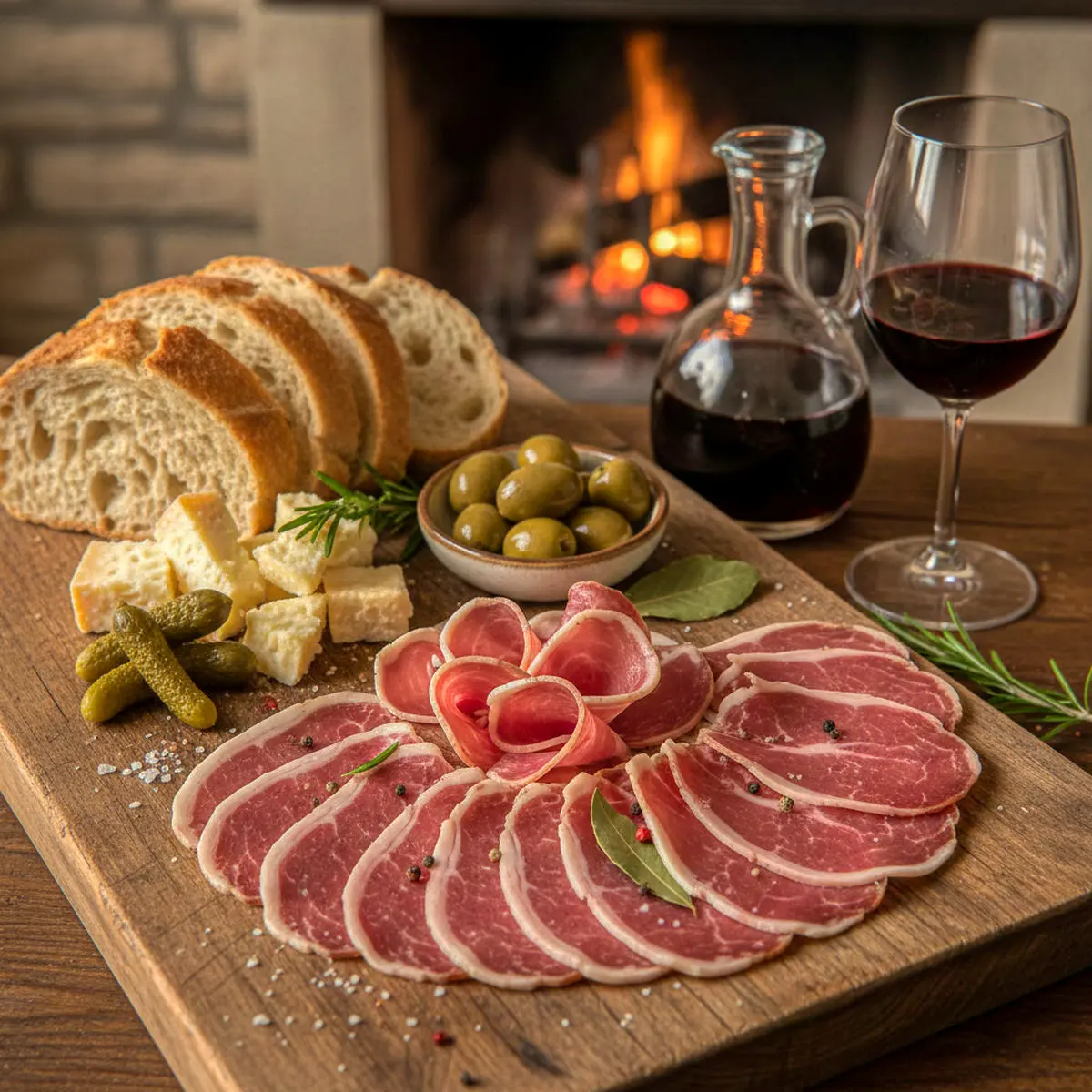
Ombolo – Istrian Cured Pork Loin

Ombolo – Istrian Cured Pork Loin

Ombolo is a classic cured pork loin from Croatia’s Istria peninsula, a region often called the “Tuscan of Croatia.” This lean, tender cut is transformed through a centuries-old process of salting, spicing, and air-drying. Once cured, Ombolo has a rich but refined flavor that combines savory pork with subtle aromatic notes of bay leaf and black pepper. Families in Istria have passed down recipes for Ombolo across generations, making it a beloved tradition at holiday feasts and village gatherings. In winter, slabs of Ombolo would hang in cool stone cellars, infusing the air with a warm, spiced scent that recalls wood smoke and festive banquets.

What makes Ombolo special is its purity of taste and texture. Unlike fattier salumi, Ombolo is almost entirely lean, producing a tender bite rather than a melt-in-your-mouth fat. The curing process also draws out moisture, concentrating the meat’s natural sweetness. When sliced paper-thin, Ombolo takes on a rosy hue and a delicate marbling. On the palate it is savory and gently salty, with a hint of herbal perfume from the bay leaves used in the cure. Slight peppercorn heat and a touch of rosemary or allspice may also come through, depending on regional variations.

In Istria, Ombolo is often served with pršut (Istrian prosciutto) and local cheeses on wooden platters alongside olives, crusty bread, and a glass of robust red wine or Teran. It also partners beautifully with softened sauerkraut or braised cabbage, which adds bright acidity. Though it was once reserved for special occasions and winter sustenance, Ombolo can now be found year-round on tavern menus and charcuterie boards. Its enduring appeal lies in the contrast of cultures: an ancient curing craft meets a straightforward flavor that’s accessible to modern gourmands. Whether enjoyed as a simple appetizer or as part of a hearty winter soup (such as jota, Istrian bean soup), Ombolo embodies the depth and simplicity of Croatian coastal cuisine.

Ombolo – Istrian Cured Pork Loin

Recipe by Travel S HelperCourse: AppetizerCuisine: Croatian, IstrianDifficulty: Advanced
Servings

4

servings
Prep time

15

minutes
Curing Time

3

weeks
Calories

200

kcal

Ombolo is made by heavily salting a whole pork loin and seasoning it with bay leaf and pepper. After a multi-week curing period, the meat is air-dried until firm. When ready, the loin is sliced very thin. These slices can be eaten raw on a charcuterie platter or briefly pan-seared until edges are crisp. The final dish is intensely flavored but tender, requiring little more than good bread and perhaps some marinated vegetables or cabbage on the side. Ombolo adds a rustic, meaty note to any appetizer spread and carries the aroma of Istrian woodlands and seasalt in its depth.

Ingredients

  • Boneless pork loin (ombolo): about 2 kg (4.5 lbs), trimmed of external fat

  • Sea salt: 100–150 g (about ¾ cup) for curing, plus more for brining if needed

  • Black peppercorns: 1–2 tablespoons, coarsely crushed

  • Bay leaves: 3–5 dried, crumbled into bits

  • Garlic cloves: 2, thinly sliced (optional, adds pungency)

  • Rosemary or allspice: 1 teaspoon each, dried and crushed (optional regional herbs)

  • Cheesecloth or netting: for wrapping the meat during drying (not an ingredient, equipment note)

Directions

  • Curing Ombolo
  • Prepare the seasoning: In a small bowl, combine the sea salt, crushed black pepper, crumbled bay leaves, and any optional herbs or garlic. Mix well. (Prep: 5 minutes)

  • Rub the pork loin: Rinse the pork loin and pat it completely dry. Rub the salt-and-spice mixture all over the meat, coating every surface thoroughly. (Action: 2 minutes)

  • Rinse and repeat (optional): If any liquid pools in the container, drain it after a week and re-rub the loin with a bit more salt and spice mix before sealing again. This deepens the flavor.

  • Drying Ombolo
  • Drying setup: After curing, remove the loin, rinse off excess salt, and pat dry. Wrap it loosely in cheesecloth or tie with butcher’s twine. Hang it in a cool, well-ventilated place away from direct light. (A cool cellar or garage, ideally 10–15°C, works well.)

  • Air-dry: Let the pork loin air-dry for 21 days (about 3 weeks). It can be longer (up to 90 days) for a firmer texture and stronger flavor. By the end, it should feel firm and have lost a good amount of weight. (Drying time: 21–30 days)

  • Serving Ombolo
  • Slice thinly: When ready to serve, unwrap the Ombolo and slice it with a very sharp knife into paper-thin slices. If you prefer it warm, you can pan-sear slices: heat a drizzle of olive oil in a skillet over medium-high heat, then quickly sear each slice about 30 seconds per side until edges caramelize. (Cook: 0–5 minutes)

  • Plate and garnish: Arrange slices on a platter. Serve simply with chunks of crusty bread and accompaniments like marinated olives, sharp cheese, or garlicky sautéed sauerkraut. A few cornichons or roasted peppers complement the rich meat. For a heartier presentation, add buttered polenta or roasted potatoes on the side.

Equipment Needed

  • Large non-reactive container (glass or ceramic) or heavy-duty plastic bag for curing. Sharp chef’s knife and cutting board for trimming and slicing. Butcher’s twine or hooks for hanging the loin. Cheesecloth or clean cotton fabric (to wrap the meat during drying). Skillet or grill pan (optional, for crisping slices).

Tips, Troubleshooting & Variations

  • Serving Suggestions & Pairings: Ombolo shines on a charcuterie board. Plate it with Istrian pršut (prosciutto), Pag cheese, and crusty olive bread. Fresh melon or figs can cut the saltiness. Pair with a robust red wine (like Istrian Teran) or a crisp white. Warm Ombolo slices are wonderful alongside autumnal stews or bean soups – the rendered edges stir into broths for depth.
  • Storage & Reheating: Once cured, Ombolo can keep in the fridge for 3–4 weeks wrapped in cloth or butcher paper. For longer storage, vacuum-seal slices. It does not freeze well (the texture suffers). To refresh a day-old Ombolo slice, toast it briefly in a hot pan or oven – this enhances the aroma and crisps it slightly. Avoid microwaving (it becomes greasy and chewy).

Variations & Substitutions:

  • Vegetarian Twist: For a plant-based charcuterie flair, marinate eggplant or tofu in smoked paprika, garlic, and sea salt; then bake until firm and slice thin. (It won’t truly mimic Ombolo, but offers a similar smoky-salty note.)
  • Gluten-Free: Ombolo itself is gluten-free. Serve with gluten-free bread or crispbreads if needed. Ensure any brine or pickles used have no added gluten.
  • Faster Method: Use store-bought cured loin or prosciutto slices in a pinch. Alternatively, use a pressure canning method to cure pork loin quickly (though the flavor and texture will differ).
  • Regional Twist: Try making Zarebnjak, a variation from nearby regions: use a heavier dose of laurel (bay) and a hint of smoked paprika in the rub. This yields a spicier, slightly smoky Ombolo reminiscent of Dalmatian salumi.

Chef’s Tips:

  • When hanging the loin to dry, ensure good airflow on all sides to prevent spoilage. A thin kitchen towel can cover it to keep dust off, but change the cloth weekly.
  • Invest in a very sharp knife or a meat slicer for paper-thin slices – this really showcases the texture of Ombolo.
  • Trim visible fat carefully before curing to speed drying. While a thin ribbon of fat is fine, thick layers should be removed for safety and texture.

Optional Add-Ons:

  • Shopping List: Bay leaves, coarse sea salt, black peppercorns (whole), a whole pork loin. (Check local butcher for “Istrian-style” pork loin if available.)
  • Make-Ahead: The curing process is the main waiting game. Once cured, you can slice and refrigerate Ombolo up to a week in advance of serving. Marinades or pickled sides (olives, peppers) can be prepared days ahead.

Nutrition Facts (per 100g)

Calories

Carbohydrates

Protein

Fat

Fiber

Sodium

Allergens

214 kcal

0 g

28 g

10 g

0 g

~800 mg

None

Quick notes: Sea salt is crucial; it preserves and flavors the meat. Coarse kosher salt will work if sea salt isn’t available, but reduce the amount slightly. The crushed bay leaves add a savory aroma – if you can’t find bay, use dried rosemary or thyme as a substitute. There are no allergens in traditional Ombolo itself (it’s pure pork), but eaters should note it is high in sodium due to the cure. Some people brush off excess salt or soak the cured meat briefly in water before slicing if it’s too salty.

August 12, 2024

Top 10 – Europe Party Cities

Discover the vibrant nightlife scenes of Europe's most fascinating cities and travel to remember-able destinations! From the vibrant beauty of London to the thrilling energy…

Top-10-EUROPEAN-CAPITAL-OF-ENTERTAINMENT-Travel-S-Helper




