




Top 10 – Europe Party Cities
Discover the vibrant nightlife scenes of Europe's most fascinating cities and travel to remember-able destinations! From the vibrant beauty of London to the thrilling energy…


4
servings15
minutes35
minutes350
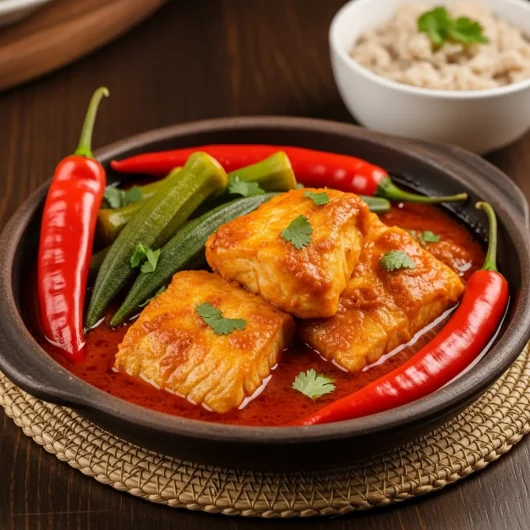
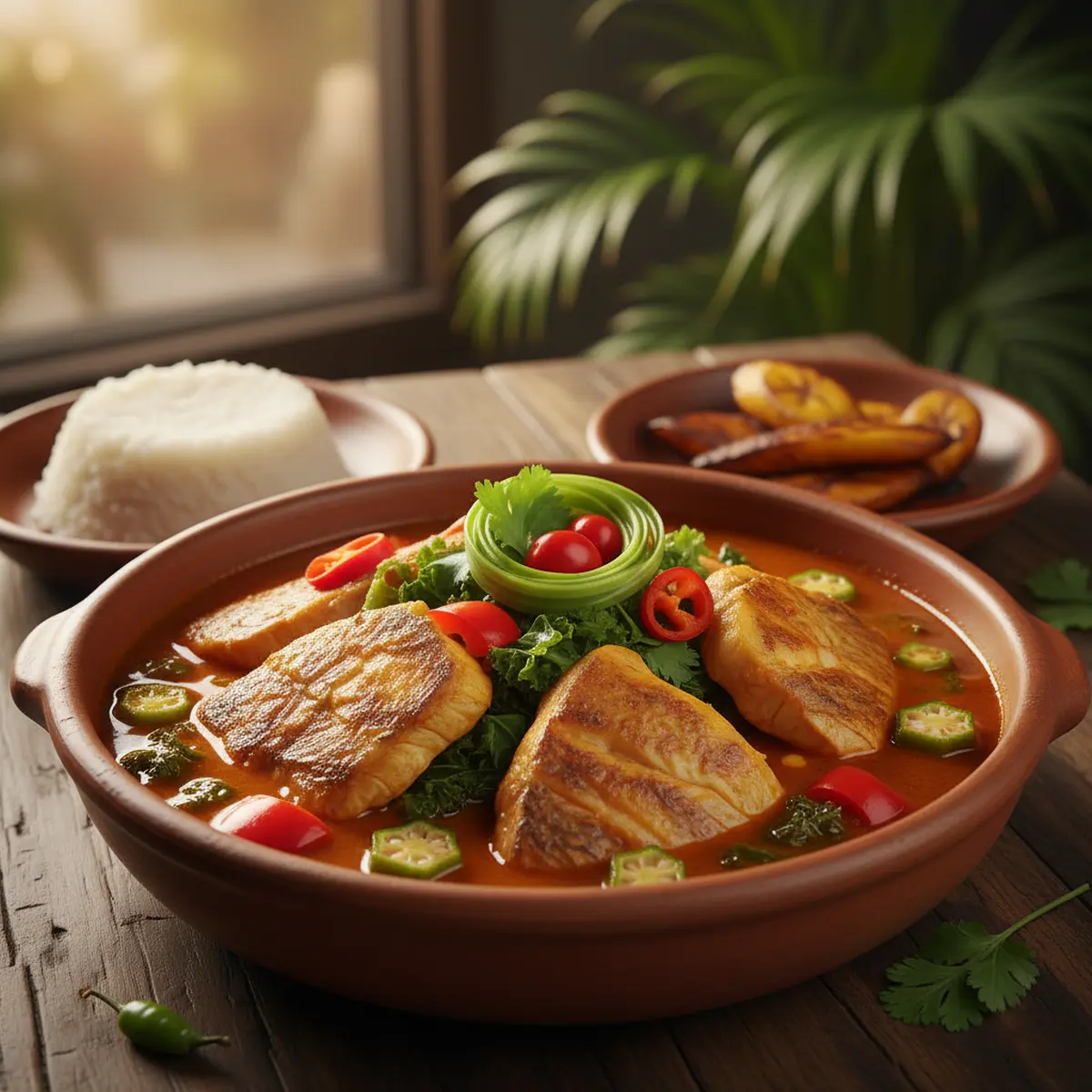
kcalMuamba de Peixe is a traditional Angolan fish stew in which tender chunks of firm white fish are simmered in a vibrant broth of red palm oil, tomatoes, and spices. The fish is first marinated briefly in citrus and seasoning, then cooked with onions, garlic, bell pepper, and spices. Red palm oil gives the stew its characteristic color and depth of flavor. Sliced okra is added toward the end to give the stew a slightly thicker, silky texture. This hearty, aromatic stew is typically served piping hot with funge (cassava porridge) or rice, offering a taste of Angola’s rich culinary heritage. It can be ready in under an hour, making it perfect for bringing a taste of Luanda to your table any day of the week.
Firm white fish: 800 g (about 1¾ lbs) of boneless fish fillets or steaks (tilapia, cod, snapper, or grouper), cut into large chunks. Use fresh or thawed frozen fish.
Red palm oil: 3 tbsp. This oil gives Muamba de Peixe its deep reddish color and signature flavor. (Substitute: equal parts vegetable oil and butter plus a pinch of paprika.)
Onion: 1 large, chopped. Adds sweetness and a flavor base.
Garlic: 4 cloves, minced. For aroma and depth.
Bell pepper: 1 medium, diced (any color). Brings mild sweetness.
Tomatoes: 3 medium, chopped (or 400 g canned tomatoes). Provide acidity and body to the broth.
Okra: 1 cup, sliced. Thickens the stew and adds a smooth texture. Optional: substitute green beans or eggplant.
Fish stock or water: 2 cups (480 ml). Use fish or vegetable broth for best flavor.
Lemon juice: 1 tbsp (about ½ lemon). Brightens the dish.
Chili flakes or fresh chili: ¼ tsp (or 1 small malagueta pepper, chopped). Adds mild heat; adjust to preference.
Bay leaf: 1 (optional). Adds a subtle herbal note.
Salt and black pepper: to taste.
Season the fish: In a bowl, rub fish chunks with lemon juice, salt, black pepper, and a pinch of chili or paprika. Let marinate 10–15 minutes while you prepare the other ingredients.
Sauté the onion: Heat the palm oil in a large pot over medium heat. Add the chopped onion and cook about 3 minutes until softened.
Add garlic and vegetables: Stir in the minced garlic, bell pepper, and tomatoes. Cook for 2–3 minutes, stirring, until the tomatoes break down and release their juices.
Pour in stock: Add the fish stock (or water) and toss in the bay leaf, if using. Bring the mixture to a gentle simmer.
Cook the fish: Carefully place the fish pieces into the pot. Cover and simmer on low heat for 12–15 minutes, until the fish is just cooked through (opaque and flaky).
Add okra: Stir in the sliced okra and cook another 3–5 minutes until the okra is tender and the stew has slightly thickened.
Season and finish: Remove the pot from heat and discard the bay leaf. Taste and adjust seasoning with more salt, pepper, or lemon juice if needed.
Serve: Ladle the hot Muamba de Peixe into bowls and serve with funge, rice, or crusty bread. Garnish with chopped cilantro or parsley and enjoy.
Discover the vibrant nightlife scenes of Europe's most fascinating cities and travel to remember-able destinations! From the vibrant beauty of London to the thrilling energy…
Greece is a popular destination for those seeking a more liberated beach vacation, thanks to its abundance of coastal treasures and world-famous historical sites, fascinating…

Lisbon is a city on Portugal's coast that skillfully combines modern ideas with old world appeal. Lisbon is a world center for street art although…

While many of Europe's magnificent cities remain eclipsed by their more well-known counterparts, it is a treasure store of enchanted towns. From the artistic appeal…

France is recognized for its significant cultural heritage, exceptional cuisine, and attractive landscapes, making it the most visited country in the world. From seeing old…
