



10 Best Carnivals In The World
From Rio's samba spectacle to Venice's masked elegance, explore 10 unique festivals that showcase human creativity, cultural diversity, and the universal spirit of celebration. Uncover…


4
servings20
minutes40
minutes930
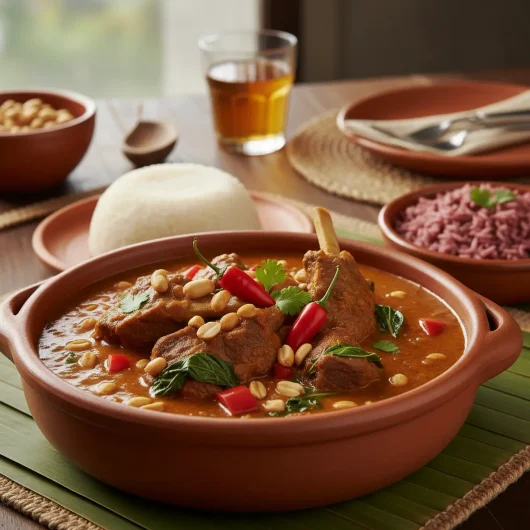
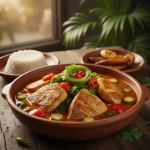
kcalMboKata (Guisado de Ginguba) is a traditional Angolan peanut stew featuring meat (often chicken) or firm fish, slow-cooked in a fragrant peanut sauce. Roasted peanuts are ground into a paste that thickens the broth and lends a deep, nutty flavor. The protein is first marinated in lime and seasonings, then simmered with onions, tomatoes, garlic, and okra. The final stew is subtly spiced with chili and served piping hot, typically over funge (cassava porridge) or rice. Each bite combines velvety sauce, tender protein, and bright aromatics for a satisfying taste of Angola’s coastal traditions. The use of okra and citrus makes it slightly different from thicker West African stews, offering a unique balance of savory, nutty, and tangy notes.
Chicken or fish: 1 kg (about 2 lbs) of chicken pieces (thighs or drumsticks with bone). Alternatively, use 800–900g firm white fish (tilapia, cod, or grouper) for a seafood version. The protein forms the hearty base of the stew. (Substitute: tofu or chickpeas for a vegetarian option.)
Raw peanuts (ginguba): 300 g (about 2 cups), roasted and skinned. Grind in a blender with a little water to make a smooth paste, or substitute ½ cup natural peanut butter. This peanut paste thickens the stew and provides its signature nutty flavor. (Allergen: peanuts.)
Okra: 1 cup, sliced (fresh or frozen). Okra adds body and a silky texture as it cooks. (Substitute: green beans or eggplant.)
Tomatoes: 2 medium, chopped (or 400 g canned diced tomatoes). Tomatoes add acidity and body to the sauce.
Onion: 1 large, finely chopped. Provides sweetness and aroma as a flavor base.
Garlic: 3 cloves, minced. For depth and fragrance.
Chili pepper (jindungo or piri-piri): 1 small, chopped (or ½ tsp dried chili flakes). Adds gentle heat. Adjust or omit to taste. (Substitute: red bell pepper and a pinch of cayenne.)
Red palm oil or vegetable oil: 2 tbsp. Traditional Angolan stews use red palm oil for color and flavor; olive or another vegetable oil is an alternative.
Lemon or lime juice: from 1 lime (about 1 tbsp). Added to the marinade and/or at the end to brighten flavors.
Water or stock: ~2 cups (480 ml) for cooking. Chicken or vegetable stock deepens the taste; water is fine if needed.
Salt and black pepper: to taste. Season generously to balance the rich peanut base.
Marinate (optional): In a bowl, toss the chicken or fish with lime juice, a pinch of salt, and some black pepper. Let stand 15 minutes to infuse flavor.
Sauté the aromatics: Heat the oil in a large pot over medium heat. Add the chopped onion and cook 3–4 minutes until translucent.
Add garlic and chili: Stir in minced garlic and chopped chili pepper; cook 30 seconds until fragrant.
Cook the tomatoes: Add the chopped tomatoes and cook 2–3 minutes, stirring, until they soften and begin to release juices.
Add peanut paste and broth: Stir in the ground peanut paste (or peanut butter) and pour in the water or stock. Mix well to dissolve the paste. Bring the mixture to a gentle simmer.
Simmer with protein: Return the marinated chicken or fish to the pot. Cover and simmer on low heat for 20–25 minutes, until the protein is cooked through and tender.
Add okra: Stir in the okra slices and cook 3–5 more minutes, until they are tender and the stew has slightly thickened.
Season and serve: Taste and adjust with more salt, pepper, or lime juice as needed. Ladle the stew into bowls, garnish with chopped cilantro or parsley, and serve hot over funge or rice.
From Rio's samba spectacle to Venice's masked elegance, explore 10 unique festivals that showcase human creativity, cultural diversity, and the universal spirit of celebration. Uncover…
With its romantic canals, amazing architecture, and great historical relevance, Venice, a charming city on the Adriatic Sea, fascinates visitors. The great center of this…

France is recognized for its significant cultural heritage, exceptional cuisine, and attractive landscapes, making it the most visited country in the world. From seeing old…

In a world full of well-known travel destinations, some incredible sites stay secret and unreachable to most people. For those who are adventurous enough to…

While many of Europe's magnificent cities remain eclipsed by their more well-known counterparts, it is a treasure store of enchanted towns. From the artistic appeal…
