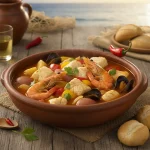
Chikuanga

Chikuanga Kikwanza – Cassava-root “bread” steamed in banana leaves; slightly sour, eaten with stews or grilled meatfish.

Chikuanga (also known as cassava bread or kikwanza) is a storied Angolan staple with roots in rural tradition. This fermented cassava loaf, steamed in banana leaves, has a dense, chewy texture and a mild sour aroma. In northern Angola, households prepare it days ahead: freshly harvested cassava tubers (manioc) are peeled and soaked in water for 2–3 days to ferment and soften. After rinsing, the tubers are mashed and kneaded into a dough. The dough is then tightly wrapped—traditionally in banana or plantain leaves—and boiled for hours. The finished loaf has an earthy, slightly tangy flavor that harmonizes with the hearty sauces of Angolan stews and grilled meats. Despite its simplicity, chikuanga reflects the blend of African ingenuity and Portuguese influence: cassava itself arrived via colonial trade, but local fermenting and cooking techniques make the root safe and delicious to eat.

Because cassava contains natural toxins, the lengthy soaking process is essential to make chikuanga safe and flavorful. Once steamed, the loaf is smooth and pale, almost bread-like in appearance. It can be served warm or at room temperature; often, Angolan families slice it at meals and use it to mop up moamba (chicken stew), calulu, or grilled fish. The banana leaves not only keep the loaf moist but also impart a subtle vegetal aroma. In many communities, chikuanga is a comfort food enjoyed at everyday dinners as well as festivals. It keeps well wrapped at room temperature for several days, making it practical in settings without refrigeration. Today, though some cooks shortcut the process with cassava flour or banana leaf foil packets, traditionalists still swear by the old method for its authentic flavor and texture.

Chikuanga – Angolan Cassava Bread

Recipe by Travel S HelperCourse: SidesCuisine: AngolanDifficulty: Difficult
Servings

6

servings
Prep time

48

hours
Cooking time

120

minutes
Calories

240

kcal

To make chikuanga, cassava tubers are peeled and soaked in water for 2–3 days to ferment. The softened cassava is then mashed into a smooth paste and mixed with water, then the excess water is drained off. The remaining dough is cooked briefly until it firms up. Next, it’s shaped into logs or blocks and wrapped tightly in banana leaves (or foil). Finally, the wrapped cassava is boiled or steamed for about 2 hours until fully cooked. After cooling slightly, the chikuanga is unwrapped and sliced. The result is a firm but tender cassava cake with a mild tang. It is best served alongside saucy dishes, allowing the bread to soak up the accompanying flavors.

Ingredients

  • Cassava (manioc) tubers: 4 medium (about 2 kg total) – peeled and chopped. This starchy root is the only major ingredient. You can use fresh cassava or store-bought raw cassava flour; soak to ferment if using fresh.

  • Water: Enough for soaking and boiling (several liters). Used for fermenting and cooking.

  • Banana leaves (or plantain leaves): 4–6 large leaves – wiped clean and cut into pieces. Traditional wrapping; if unavailable, use parchment or aluminum foil.

  • Salt: 1 tsp (optional) – to taste, added after fermentation for flavor.

  • Oil: 1 tbsp (optional) – a little oil kneaded into the dough can improve texture, though not traditional.

Directions

  • Step Timings: Soaking requires 2–3 days (unattended), boiling ~2 hours, other steps are quick prep.

  • Soak the cassava (48–72 hours). Cover the peeled cassava chunks with water in a non-reactive bowl or bucket. Keep fully submerged (use a weight) and change water daily if possible. Fermentation sours and softens the cassava.

  • Prepare the dough (30 minutes). Drain and rinse the fermented cassava. Remove any fibrous cores. Pound or process into a smooth puree. Transfer to a pot, add a little fresh water, and cook on low heat while stirring, until it forms a thick dough that pulls away from the pot (about 5–10 minutes). Remove from heat.

  • Shape and wrap (15 minutes). Knead the hot dough briefly on a floured (with cassava flour) surface until smooth. Divide into two or three portions and roll into logs or blocks. Wrap each log tightly in a piece of banana leaf, folding the edges securely. Tie with kitchen twine if needed to hold shape. Ensure leaves cover the dough completely to prevent leaking.

  • Steam/boil chikuanga (2 hours). Place the wrapped loaves in a large pot of boiling water (enough to cover them), or set up a steamer. Cover and simmer gently for 2 hours. The leaves may brown; this is normal. The chikuanga is done when the block inside is firm and opaque.

  • Unwrap and serve (5 minutes). Remove chikuanga from pot and let cool just until manageable. Unwrap and slice into wedges or rounds. Serve warm or at room temperature, with stews or grilled meats.

Equipment Needed

  • Large bowl or container (for soaking cassava)
  • Knife and cutting board (to peel cassava)
  • Large pot (for boiling dough and steaming)
  • Wooden spoon or spatula
  • Banana leaves or parchment/foil (for wrapping)
  • Twine or kitchen string (to tie bundles, optional)
  • Steamer basket (optional, if not boiling directly)
  • Strainer/sieve (to drain and press cassava pulp)

Tips, Troubleshooting & Variations

  • Serving Suggestions & Pairings: Slice chikuanga and present it as a neutral base alongside saucy dishes. It’s ideal with Moamba de Galinha (Angolan chicken stew), Calulu (fish or vegetable stew), grilled beef or fish, or spicy sauces. Drizzle a little palmoil-pepper sauce (piripiri) on the side for heat. In some regions, it’s also eaten for breakfast with tea or fruit preserves. Chilled slices can be pan-fried in oil for a crispy bite.
  • Storage & Reheating: Leftovers keep well wrapped in banana leaves or plastic in the fridge for 3–4 days. The texture firms up on standing. To reheat, steam again until hot, or microwave briefly covered. Chikuanga can also be frozen in portions (wrapped tightly), then thawed and reheated by steaming. Note: refrigerating may intensify the sour flavor.
  • Variations & Substitutions: For a faster method, use store-bought cassava flour: mix 3 cups cassava flour with 3 cups water to form a paste, cook it into dough, and proceed with wrapping. Some cooks add a pinch of grated garlic or scallion to the dough for extra flavor. If banana leaves are unavailable, use large foil pieces and trim the exposed ends after cooking. For a sweeter twist, lightly brush sliced chikuanga with coconut sugar syrup (non-traditional dessert style).
  • Chef’s Tips: 1) Drain fermented water carefully and squeeze out excess moisture from the cassava puree to ensure a firm dough. 2) If the dough feels too dry after cooking, knead in a teaspoon of water at a time. If too wet, shape and cook it longer unwrapped on a plate to evaporate liquid. 3) Always check that wraps are tight to prevent breakage during boiling. Use toothpicks or twine if necessary.
  • Optional Add-Ons: Shopping List: Cassava tubers, banana leaves, salt. Prep Ahead: You can prepare and wrap the dough 1 day before cooking (refrigerate wrapped, then boil next day). The dough can also be made in advance and refrigerated unwrapped; reshape and wrap right before steaming.

Nutrition Facts (approx. per serving)

Nutrient

Amount per 150g serving

% Daily Value*

Calories

240 kcal

Total Fat

0.3 g

<1%

Saturated Fat

0 g

0%

Sodium

14 mg

<1%

Total Carbohydrate

60 g

20%

Dietary Fiber

2 g

8%

Sugars

2 g

Protein

2 g

4%

August 8, 2024

10 Best Carnivals In The World

From Rio's samba spectacle to Venice's masked elegance, explore 10 unique festivals that showcase human creativity, cultural diversity, and the universal spirit of celebration. Uncover…

10-Best-Carnivals-In-The-World