
Italy’s lakes offer a striking mix of mountain grandeur, Mediterranean warmth, and crystalline waters, making them ideal for summer escapes. Nestled from the Alpine foothills to the volcanic hills of central Italy, these lakes benefit from long, warm days and milder temperatures than Italy’s high mountains. Their shores provide a pleasing alternative to crowded sea beaches: visitors can swim and paddle in fresh water, dine on lakefront promenades, or wander through hilltop villages. Many lakes—especially those at lower elevations—warm up nicely by midsummer. For example, Lake Como is often only comfortably swimmable in July and August when the shallow beaches heat up, while smaller or shallower lakes like Orta and Bolsena warm earlier in summer.
- Lake Como – The Celebrity Favorite
- Lake Garda – Italy’s Largest Lake
- Lake Maggiore – The Elegant Escape
- Lake Orta – The Hidden Romantic Gem
- Lake Braies – The Dolomites’ Jewel
- Lake Carezza – The Rainbow Lake
- Lake Trasimeno – Central Italy’s Water Sports Hub
- Lake Bolsena – Europe’s Largest Volcanic Lake
- Lake Bracciano – Rome’s Summer Escape
- Lake Dürrensee – The Warm Alpine Lake
- Lakes Lesina and Varano – Gargano’s Twin Lakes
- Essential Summer Activities at Italian Lakes
- Planning Your Italian Lakes Summer Trip
- When to Visit (Summer Season Guide)
- Getting to the Italian Lakes
- Where to Stay: Lake Towns and Accommodations
- Italian Lakes Comparison Guide
- Lake Como vs Lake Garda: Which Is Better?
- Northern vs Central Italian Lakes
- Best Lakes for Different Travel Styles
- Practical Tips for Summer Lake Visits
- What to Pack for Italian Lakes in Summer
- Italian Lakes Budget Guide
- Italian Lakes Safety and Regulations
- Hidden Gems and Alternative Lakes
- Frequently Asked Questions
Beyond natural comforts, Italy’s lakes carry deep cultural and historical resonance. Grandeur and heritage abound: Roman ruins overlook Maggiore’s shores; medieval castles loom over Bracciano; Benedictine monasteries dot San Giulio Island on Orta. These waters have also long drawn artists and aristocrats—Villa Balbianello and other historic villas line Como’s banks, and gardens bursting with exotic plants fringe Maggiore’s islands. The result is an enchanting ambiance of serene beauty and storied tradition that feels just right for summer relaxation. In short, the Italian lakes bring together warm sunshine, clean clear water, dramatic scenery, and living history in a single package.
Italy’s major lakes fall into two broad zones. In the north, lakes nestle at the foot of the Alps and Dolomites. Here one finds glacial and alpine lakes—Como, Garda, Maggiore, Orta, and the Dolomites’ Carezza and Braies—ringed by dramatic peaks and pine forests. These lakes enjoy a somewhat Mediterranean climate in summer, despite their altitude. For example, Lake Garda benefits from Alpine shelter and a “temperate Mediterranean climate”, with warm breezes that favor water sports. Unlike more northern Alpine regions, daytime highs can reach well into the 20s°C even at these high-elevation water bodies. Accessibility is excellent: Milan is only about an hour from Lake Como, and trains or highways connect from Venice and Verona to Garda and Maggiore.
In central Italy lie shallower, often volcanic lakes amid rolling hills. The great central lakes include Trasimeno (Umbria) and Bolsena (Lazio)—both formed by ancient volcanic activity—and Bracciano on the fringe of Rome. These sit in hotter, drier terrain. For instance, Lake Bracciano is less than 30 km from Rome and served as its medieval water reservoir, so summers are hot and the lake is calm. For planning, note that major city hubs open travel options: Milan gives quick rail or road access to Como and Garda, and Rome provides bus and train service (or car) to Bolsena, Bracciano, and Trasimeno. (As one guide notes, Lake Bracciano is conveniently reached in about an hour from Rome.) In all, northern lakes tend to be larger, deeper and cooler at night, while central lakes are shallower and warmer by midday. This geographic variety means Italy’s lakes serve many tastes: from the lofty blue Dolomitic waters to the calm, sunbaked basins of the Lazio countryside.
[lwptoc]
Lake Como – The Celebrity Favorite

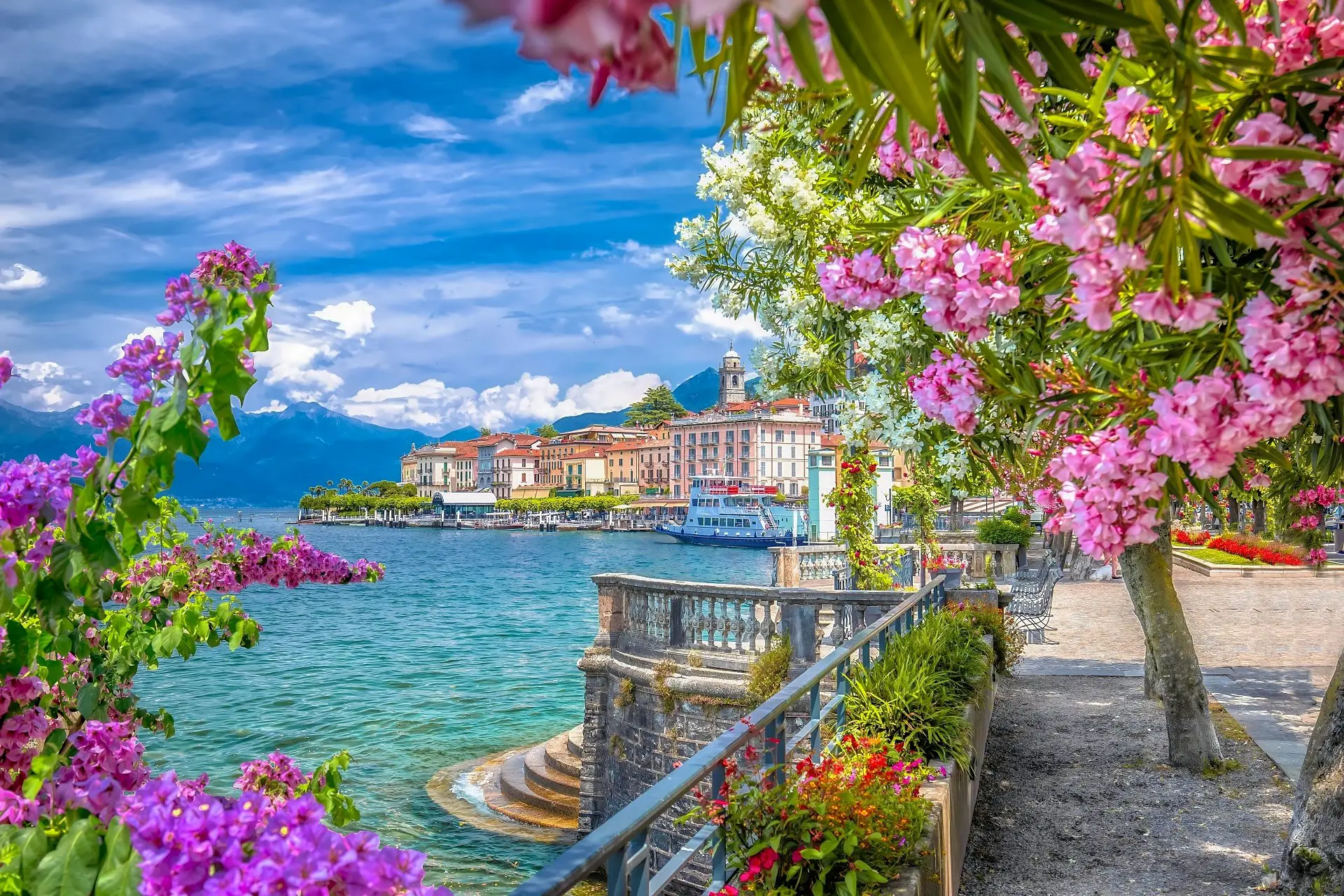
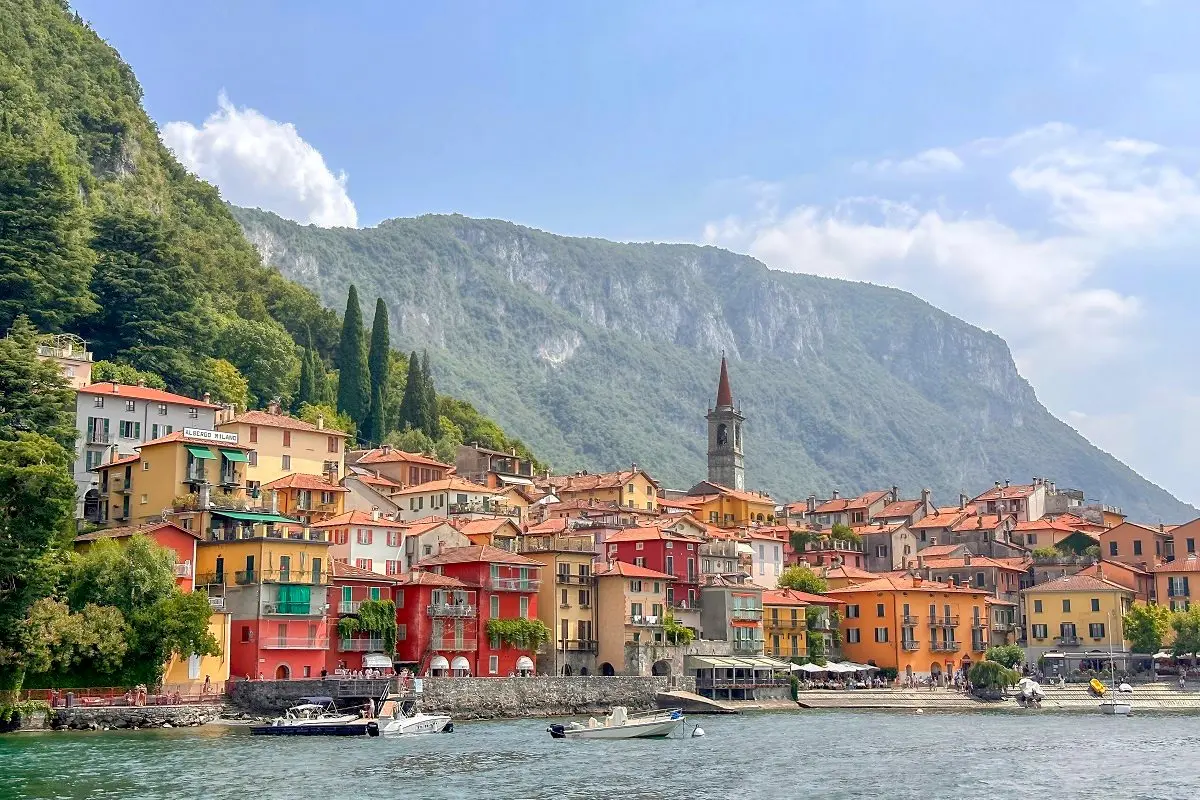
Lake Como is Italy’s most famous lake, combining dazzling Alpine scenery with elegant resorts. Shaped by ancient glaciers, it’s the third-largest lake in Italy and also the deepest, plunging some 410 meters. Como sits in Lombardy just north of Milan, a convenient gateway for travelers. In summer its surface warms around the sheltered bays, so swimming and stand-up paddleboarding become pleasant by July. Popular towns include Como City (historic center with a Gothic duomo), Bellagio (chic boutiques and gardens at the Y’s tip), and Varenna (quieter charm). Jet-setting celebrities and visitors alike are drawn to Como’s gilded villas and gardens (Villa Carlotta, Villa Balbianello) that line the shores. The backdrop of forested hills and mountains gives the lake a romantic feel for which it’s often celebrated.
Como offers a full slate of summer activities. Public ferries and private boats connect towns around the lake, making boat tours easy. Adventurers can sail or kayak, or hike the surrounding trails (such as the Sentiero del Viandante, an historic path along the eastern shore). Beachgoers find several lidos and small pebbly beaches near Bellagio and Menaggio. One classic lakeside pursuit is relaxing at a café as yachts bob in the blue water – a leisurely “dolce far niente” moment. In short, Lake Como combines glamour and natural beauty: it feels intimate in its narrow arms, yet impresses with its grandeur. Its legendary celebrity cachet only adds to the allure, but visitors find that the most memorable luxury is the scenery itself.
Lakeside hotels and villas abound around Como. Como City has historic hotels with waterfront views; Bellagio and Varenna host luxury resorts and family inns. Many visitors choose the peninsula towns (Bellagio’s tip, or Menaggio’s shoreline) as a base. These centrally ferried towns allow day trips around the lake and easy boat connections. Budget travelers also find guesthouses and B&Bs in the smaller villages. For a romantic stay, Bellagio’s upper villas and lakeside gardens are especially enchanting.
Lake Como’s ferry network (Navigazione Laghi) is extensive, linking Como, Bellagio, Varenna, Menaggio, and other points. The fleet runs year-round (with full summer frequency). Frequent service makes island hopping between towns simple. Key routes include Como–Bellagio–Varenna and Como–Cadenabbia–Menaggio. Seasonal or private boat tours (Venetian-style boats) also operate in peak season. Visitors should check updated summer timetables (online) but can generally expect boats every 30–60 minutes between the main towns.
Swimming is a classic Como summer activity. The water is clearest in the northern branches (Colico area), but swimmers also enjoy lidos like Lido di Cernobbio and Lido di Bellagio. The quieter eastern bay at Varenna has a small public beach and welcoming entry points. Unlike hot Mediterranean seas, Como’s water remains refreshingly cool even at summer peak – hence the swimable season is typically mid-July to late August. Always use caution in mountain-fed water (safety buoys and lifeguards are limited), but many hilly coves provide calm stretches perfect for a dip.
Lake Garda – Italy’s Largest Lake

With nearly 370 km² of surface, Lake Garda is Italy’s largest lake by area. Its vast expanse stretches south from the Alps between Lombardy, Veneto and Trentino. The lake’s north end is narrow and mountainous, funneling the famous winds (Pelér and Ora) that make it Europe’s windsurfing capital. Legend says thousands of windsurfers grace its waters on a breezy day, and indeed Torbole and Riva del Garda (northern shore) host dozens of sailing and windsurf schools. Meanwhile the broad southern basin enjoys a much gentler climate: olive groves bloom on sunny terraces and the water is relatively warm and calm.
Summer on Garda means choice. Water-sport enthusiasts flock to Riva, Torbole and Campione for windsurfing, kiteboarding or sailing lessons. Hikers and cyclists love the sweeping trails of Monte Baldo (accessible by cable car from Malcesine) and the ancient Ponale bike path clinging to the lake’s cliff wall. Families and couples find a gentler scene at the southern towns: Sirmione boasts thermal spas and a mediaeval Scaligero castle on its peninsula, plus beaches in the summer sun; Bardolino and Lazise offer resort promenades and theme parks (Gardaland and Caneva World are nearby) for day visitors. Roman ruins at Sirmione’s Grottoes of Catullus add history to the mix.
In winter Garda is mild, but summer is the lake’s true show. Clear turquoise waters invite swimmers, especially in the south, and large public beaches (such as Jamaica Beach in Sirmione) accommodate sunbathers. Numerous marinas and boating outfits allow private sail and motorboat rentals for island-hopping or sun-tanning on the water. With its combination of soothing warm pools (Thermal Baths of Sirmione), rugged mountains and idyllic towns, Lake Garda offers a complete holiday puzzle: adrenaline and repose side by side.
Summer bathers on Garda enjoy a variety of beaches. The southern towns (Sirmione, Punta San Vigilio, Desenzano) have sandy or pebbly lidos with facilities. Sirmione’s thermal waters (the famous Terme di Sirmione) also feed jacuzzi-like pools, providing a spa-summer hybrid. Further north, the beach at Jamaica in Sirmione and Lido di Moniga del Garda are popular. The water temperature at mid-lake can reach the low 20s°C by late July, warmer than most lakes up north. Safety is good, but as always swimmers should heed posted signs (Garda is deep, and currents can form near dams and outflows).
Lake Garda is often called the windsurfing capital of Europe. In fact, wind experts note that the northern lakeside towns “are considered the mecca and spawning ground of European windsurfing”. Between Torbole and Riva del Garda, thousands of windsurfers and kiteboarders can be seen harnessing the Ora breeze each afternoon. Sailing is equally popular: clubs dot the waterfront, and regattas are common. Beginners flock to the many sailing schools along the shore. Even if you’re not an athlete, watching the colorful sails dance on the waves is a must. Those seeking gentler boat time can charter a sailboat or hop on a leisurely ferry for a panorama of Garda’s castles and cliffs.
Unique to Garda are its famous thermal spa towns. At Sirmione’s tip sit the Terme di Sirmione (Aquaria Thermal Spa), where mineral-rich springs produce indoor/outdoor pools heated year-round to about 36°C. According to spa brochures, bathing in these treatments can be “a healing experience”. The spa culture is a draw: after hiking Monte Baldo or windsurfing, visitors often unwind in saunas and herbal steam baths overlooking the lake. For a relaxing day, many travelers combine a morning at Gardaland or Verona with an afternoon at Sirmione’s wellness center. In this way, Garda blends high adventure with high-end pampering, a balance few other lakes offer.
Lake Maggiore – The Elegant Escape

Bordered by both Italy and Switzerland, Lake Maggiore is Italy’s second-largest lake. Its banks span Lombardy, Piedmont and Ticino. Maggiore is celebrated for its sophistication and Mediterranean flair: subtropical gardens, rose-scented promenades, and quaint towns with grand hotels. The royal Borromean Islands are Maggiore’s signature: Isola Bella’s baroque palace and terraced gardens, Isola dei Pescatori’s fisherman’s village, and Isola Madre’s botanical park are major attractions. In contrast to Garda’s windsurfing frenzy, Maggiore’s placid waters are better known for easy boating and sightseeing. Varese, Stresa, and Verbania are popular bases for exploring.
Maggiore’s mix of Italy and Swiss influences lends a cosmopolitan air. Ferries regularly traverse to the islands and between Italian towns (Stresa to Arona, etc.). Mountain hikes are readily accessible; for instance, from Stresa a cable car rises to Monte Mottarone for views of all three lakes (Orta is visible on clear days). Water sports are present but low-key: sailing clubs and kayak rentals can be found in Angera and Cannobio. With water lapping against grand villas (Villa Taranto’s azalea blooms are world-famous) and a backdrop of Alps, Maggiore feels utterly refined.
A highlight of Maggiore is visiting its islands. From Stresa or Baveno, ferries and private boats serve Isola Bella, Isola Madre, and Isola dei Pescatori. Each island has distinct charm: ornate palaces and peacocks on Bella, botanical gardens on Madre, and a lovely fishing village on Pescatori. Embarking on this loop gives a microcosm of Maggiore’s elegance. Beyond the famous three, smaller islands (San Giulio on Orta or smaller islets) invite peaceful picnics.
Stresa, on Maggiore’s western shore, is famed for refined hotels. Lakeside grand hotels dating to the Belle Époque still welcome guests (some with villa suites). On-island villas and lakeside resorts offer upscale pools and spas in view of the Alps. Travelers note that even moderate lodgings in Stresa provide lake views and balconies. Budget options also exist inland around Arona and Verbania. Generally, Maggiore’s towns cater to mature travelers seeking comfort: expect formal lobbies, Italianate gardens, and lakeside dining terraces.
Lake Orta – The Hidden Romantic Gem

Smaller and quieter than its famous neighbors, Lake Orta is a gem in Piedmont’s hills. It lies west of Lago Maggiore and is often described as Italy’s most intimate lake. The entire lake has been spared mass tourism, and in 2024 Travel + Leisure hailed it as “one of the cleanest lakes in all of Europe”. Its charm centers on Orta San Giulio, a picturesque village under Monte Mottarone’s shadow, with cobbled streets and pastel buildings stepping down to the water. In the lake’s center floats the tiny Isla San Giulio, topped by a hill crowned with a 4th-century basilica – a view often photographed from the shore.
Orta’s atmosphere is hushed and romantic. No large resorts or highways intrude; instead, visitors find lakeside promenades, boutique hotels and small cafés. Summer activities include swimming at clean beaches like Orta’s Lido di Gozzano or hidden coves near Pettenasco. The village offers boat rentals for a quiet spin around the lake or a crossing to the island. Inland, a gentle forest trail climbs to the Sacro Monte di Orta (a small pilgrimage mount with chapels) for panoramic lake views. Evening life is mellow – after dining on lake trout or local tajarin pasta, one can stroll on the waterfront under lanterns. For couples or anyone seeking serenity, Lake Orta is a romantic retreat away from crowds.
Lake Braies – The Dolomites’ Jewel

Lago di Braies (Pragser Wildsee) lies high in the Dolomites of South Tyrol, and its emerald waters are legendary on social media. It is the largest natural lake in the Dolomites and one of the region’s most pristine. Surrounded by towering limestone peaks, Braies looks like a fairytale scene – a storybook setting for afternoon rowing or alpine hikes. In summer the lake becomes a popular destination for photographers and nature lovers. A rowboat can be rented from spring through early autumn, allowing visitors to gently paddle out onto the glassy surface under the reflex of mountain pines.
Land activities at Braies include easy shoreline walks (the main trail circles the lake in about an hour) and hiking into the surrounding pastures and valleys. Near the lake are mountain refuges serving hearty Tyrolean fare – perfect after a day on the water. The tiny lakeside village has a historic hotel from the 19th century, but otherwise keeps a simple, traditional feel. Importantly, strict limits on parking and development (only a small bus park operates) keep Braies from ever feeling overbuilt. Photography tip: early summer mornings and evenings (sunrise/sunset) are when the light on the water’s surface is most magical. Though Braies sees peak numbers in July-August, its high altitude (around 1500m) ensures the air is cool, making it refreshing even when crowds arrive.
Braies’ popularity can lead to congestion on summer weekends. Visiting in June or September offers the best chance to enjoy the lake peacefully: the weather is still warm enough for a dip and boat ride, but the tour buses are far fewer. Early weekday mornings and late afternoons are particularly peaceful. Regardless of timing, remember the simple rule posted there: no swimming in the lake (it is reserved for boating only). By planning off-peak or early, one can capture Braies’ turquoise beauty without the bustling crowds and make the most of its alpine tranquility.
Lake Carezza – The Rainbow Lake

Lago di Carezza (Karersee) is a tiny but stunning lake in the heart of the Dolomites. It is nicknamed “Rainbow Lake” due to the way sunlight creates shifting rainbows in its emerald-green water. Carezza rests below the Latemar massif, fringed by spruce forests on one side and dramatic cliffs on the other. Hiking trails encircle the lake, making it easy to enjoy from any angle. A short loop trail (about 30 minutes) offers postcard viewpoints, especially at dawn or dusk when the surface shimmers in shades of green and blue.
In legend, a spectral rainbow arch resides over the lake, inspiring its romantic name. Today’s visitors come to marvel at the mirror-like stillness and unusual color. The lake is small (just under 9 acres) and shallower than many Alpine lakes, so the water temperature can be relatively mild (though still cool). The nearby village of Carezza supplies rustic restaurants and parking, but the lake area retains a remote feel. This emerald jewel is best enjoyed in quiet contemplation: perhaps with a sketchbook or camera in hand. Because it is a conservation area, the experience is low-impact and highly photogenic. In a land of scenic lakes, Carezza stands out as a fairytale spot where nature’s palette is the main attraction.
Lake Trasimeno – Central Italy’s Water Sports Hub

Lake Trasimeno, in the heart of Umbria, is a shallow and gently-sloping lake (maximum depth just 6–7 meters). Spanning about 128 km², it is Italy’s fourth-largest lake. Despite its size, it feels calm and pastoral compared to the Alpine giants. Ancient hilltop towns like Castiglione del Lago, Passignano sul Trasimeno and Tuoro ring its shores, each offering castle ruins, waterfront promenades and lakeside villages. Being only about two hours’ drive from Rome, Trasimeno is a favored Roman summer day trip.
In summer, Trasimeno’s warm, shallow waters make it perfect for active fun. The lake is popular for windsurfing, kitesurfing, wakeboarding and sailing – the flat surface and steady winds attract schools of instructors and enthusiasts. Most of these activities center around local clubs on the north shore near Passignano and Tuoro. Ferries and small motorboats connect to the lake’s three islands: Isola Maggiore (with its Fishermen’s Island village and lace museum), the uninhabited Polvese (a nature preserve), and tiny Minore (closed to the public). One can hire a sailboat or even a homemade flatboat to tour around these islands on a sunny afternoon.
For land-lovers, Trasimeno also boasts a popular 60–70 km cycling path encircling the entire lake. Cyclists and runners follow quiet country roads and bike trails, passing olive groves and vineyards along the way. The route is mostly flat, suitable for families. Hikers can amble through rolling farmland or climb to panoramic medieval watchtowers that survey the lake. After water-sports or a long bike ride, visitors often unwind with a plate of freshly caught fish (the famous Persico reale, or perch) and Umbrian red wine in one of the cafes lining Castiglione del Lago’s old castle piazza. In sum, Lake Trasimeno is Umbrian charm meets adventure – a pastoral lake with plenty of summer sun and variety.
Lake Bolsena – Europe’s Largest Volcanic Lake

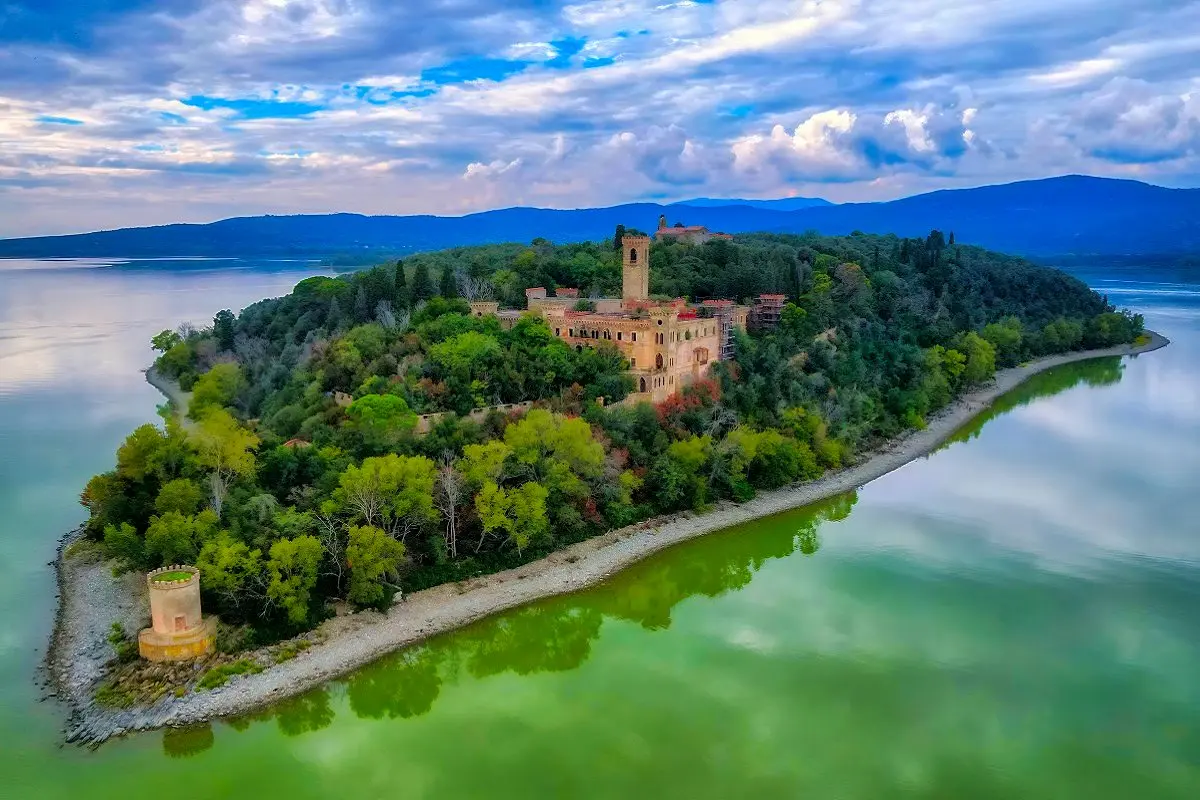
Lago di Bolsena is a deep crater lake in northern Lazio, formed by the collapse of an ancient volcano. Covering 113.5 km², it is the largest volcanic lake in Europe. Bolsena’s water is remarkably clear and pure, as residents (and travelers) often note. The waters have a gentle spring that keeps it thermally refreshing even on hot summer days. On its verdant shores lie two charming medieval towns: Bolsena on the west, with cobblestone streets and a fortress overlooking the lake; and Marta on the north, with pastel houses that tumble to the water.
Summer life on Bolsena revolves around its beaches and bays. There are many small sand-and-pebble beaches (free and attended) where families swim and picnic in the fine-grained ash. Small sailboats and pedalos can be rented at marinas. Fishing is a part of local culture: anglers cast for carp, pike and eels, reminiscent of Bolsena’s Celtic-era fishing traditions. Active visitors can also rent kayaks to explore the gentle coves or hike part of the Via Francigena (the old pilgrimage route that skirts the lake). The scene at sunset is famously tranquil: fishermen on the pier, coffee shops opening their lights, and the lake reflecting pink Alpine peaks of Montefiascone. As one Italian blogger writes, “The water is clear and transparent, and you will find beaches everywhere along its shores”.
Lake Bracciano – Rome’s Summer Escape

Just 25 kilometers north of Rome lies Lago di Bracciano, a long, volcanic lake ringed by hills. It is one of the largest lakes in Lazio. Unlike the city’s Tiber River, Bracciano’s water is crystal clear – so much so that motorboats have been banned to protect its quality. The lake therefore feels remarkably unspoiled and tranquil for being so close to a major metro area. Its shoreline is mostly undeveloped, with fringes of pine forest and citrus groves meeting the water.
The principal town is Bracciano itself, dominated by the imposing Orsini-Odescalchi Castle (15th century), which looms over the northern bay. Small villages like Trevignano Romano and Anguillara sit on the eastern shores, each with quaint piazzas and marina docks. In summer, Romans flock here for a quick getaway. Beach clubs and public lidos on sandy spits invite swimmers to sunbathe in the freshwater (notable ones are at Sant’Isidoro and Martignano). Boating is a draw: kayaks, canoes and sailboats are allowed. Near the center, a popular lakeside park offers trails and barbecue areas. Accessibility is very good – one can take the FL3 regional train from Rome’s San Pietro or Ostiense station to Bracciano in about an hour.
Bracciano’s tourist vibe peaks on weekends, but even weekday visits feel relaxing. Romantics may prefer renting a sailboat for an evening dip as the sun sets behind the castle. Families appreciate the safe, regulated environment (swimming areas are clearly zoned). Despite its proximity to the capital, Lake Bracciano feels like a countryside haven – a blue mountain mirror beneath history-steeped walls.
Bracciano is easily reached by public transport from Rome. Regional trains run hourly from Roma San Pietro or Ostiense directly to Bracciano (about 1 hour, €4–8). Alternatively, one can drive north on the SS2 via Cerveteri (Etruscan ruins en route). Ferries do not operate on the lake (due to its protected status and elongated shape), but local buses connect the lakeside villages. From the station, the lakeside town center is a short walk. Many day-trippers hire bikes or scooters to circle the lake’s perimeter.
Lake Dürrensee – The Warm Alpine Lake

Among the lofty lakes of South Tyrol, Lago di Dobbiaco (also known as Dürrensee in German) is unique. It lies near Toblach/Dobbiaco in the Alps, but because it is very shallow and well-sheltered, its water warms much more than typical mountain lakes. Local sources note that “the waters of Lake Landro are warmer compared to other mountain lakes at the same altitude”. On a hot summer day, the surface can approach pleasant bath temperature (around 20°C), which is rare for alpine lakes.
The setting is splendid: Durressee sits in a broad valley below the famous Tre Cime di Lavaredo peaks. The shores are fringed by larch forests and dotted with campgrounds, giving it a leisurely family vibe. Visitors can easily rent rowboats or stand-up paddleboards at the lakeside hut. Popular activities include gentle walks around the lake’s perimeter and day hikes to nearby alpine plateaus. At night, Dobbiaco town just north has hotels and eateries serving Tyrolean specialties, making a comfortable overnight stop. Although smaller than some more famous Dolomite lakes, Durressee’s claim to fame is its warm alpine waters and stunning scenery – a rare combination at 1600m elevation.
Lakes Lesina and Varano – Gargano’s Twin Lakes

In far southern Italy, on the Gargano peninsula of Puglia, lie two large coastal lagoons: Lago di Lesina and Lago di Varano. These brackish lakes are the largest in southern Italy, having volumes split by a thin land barrier. Varano (about 60.5 km²) is officially “the largest coastal lake in Italy”, while Lesina (about 51 km²) comes in second. Both are protected by the Gargano National Park and are fed by a mix of spring water and the Adriatic Sea (via canals).
Summer visitors often come for nature and relaxation rather than swimming (the water is shallow and more like a lagoon). Lesina and Varano are famous for fishing (especially eel and carp), and bird-watchers enjoy the reeds that fringe the shores. Small fishing villages (like San Lorenzo al Mare on Varano) offer lively summer markets with freshly caught seafood. An adventure park and water sports center near Varano provides kayaking and biking for families. Overall, these lakes are off-the-beaten-path gems: peaceful and wild, they give a glimpse of Italy’s diverse lake environments beyond the well-known Alpine north.
Essential Summer Activities at Italian Lakes

Water Sports and Swimming
Italian lakes deliver a broad spectrum of water fun.
- Swimming: Many have designated beaches and lidos (especially Garda, Maggiore, Bolsena, Bracciano, Orta). Clean water quality makes swimming appealing in summer. For example, Lake Orta’s purity earned it acclaim as “one of the cleanest lakes in Europe”. Even relatively cool water can be refreshing – Garda’s south end warms into the low 20s°C by August, and smaller lakes like Bracciano and Orta can reach similar temperatures for swimmers. Always check local advice on currents or water safety; generally, north-lake water remains coldest due to snowmelt.
- Windsurfing & Sailing: Lake Garda leads for wind sports. Its northern towns generate reliable afternoon breezes, and as one windsurf magazine notes, the northern shoreline towns “are considered the mecca and spawning ground of European windsurfing”. Trasimeno in Umbria is another windsurf hotspot (shallow and open). Sailboats operate on almost all big lakes. Many lakes have public sailing clubs: on Garda and Maggiore you can find moorings for personal sailboats; on smaller lakes you can rent sailboats by the day.
- Kayaking & Paddleboarding: These can be enjoyed on nearly any lake. Calm waters of Maggiore, Orta, Braies and Durrensee make them ideal for stand-up paddleboarding. Rentals are common in tourist towns (e.g. Varenna on Como, Torbole on Garda, Bolsena town).
- Fishing: Native trout, carp, eels and tench thrive in many Italian lakes. In Trasimeno, local guides will direct you to best spots for perch and eel. Gargano’s Lesina and Varano are also famed for eel fishing. In short, if casting a line is your idea of fun, Italian lakes are plentiful with fish.
Shallow lakes and those at lower elevation heat up most. Bolsena and Bracciano, both under 200m altitude, can reach very agreeable temperatures. Garda’s shallow southern branches near Sirmione likewise warm up nicely. Even high alpine lakes can become swim-friendly in lullwater coves (Lake Carezza’s small size means its water can appear emerald and inviting in still weather). Among the Dolomites, Lago di Dobbiaco stands out for its unexpected warmth. In contrast, the deeper, glacier-fed northern waters (Como, Maggiore up north) remain cooler longer.
Most lake beaches in Italy are equipped with warning flags and swim zones. Always swim in buoyed areas, and heed local flag signals (green = safe, yellow = caution, red = no swimming). Life jackets are required for activities like boating or paddleboarding. Keep in mind that mountain-fed lakes (Como, Garda up north, Maggiore at altitude) stay cold; avoid extended swims there without acclimatization. Never dive into unknown lake spots—visible depth drops can occur near weirs or river mouths (especially at Garda’s northern rivers). In general, these lakes are safe in summer, but treat them respectfully with common-sense precautions.
Boating and Ferry Services
Public ferries crisscross most of Italy’s bigger lakes. On Lake Como, the company Navigazione Laghi runs year-round service connecting main towns (Como, Bellagio, Varenna, Menaggio). Lake Garda has its own ship lines linking Desenzano, Peschiera, Riva and other ports. Maggiore ferries run from Stresa and Verbania to the Borromean Islands. Even smaller lakes like Orta and Trasimeno have passenger boats (Tratese on Orta and a weekly summer ferry to Trasimeno’s Isola Maggiore).
For private boating, most lakes allow motorboat or yacht rentals (Garda and Maggiore have many charter offices). Note the exception: Lake Bracciano prohibits gasoline and diesel motorboats. Private electric boats and pedal boats can still be rented on Bracciano, Orta and Garda. An excellent way to explore is island hopping. For example, on Maggiore or Garda, one can hop off at castles, parkland or beaches in different towns. On Trasimeno, one can circle the three islands by sailboat. For many travelers, simply chartering a small motorboat for an hour is a highlight (the views from the middle of a silent lake, with the shore receding, are unforgettable).
Hiking and Cycling
Land activities around the lakes are plentiful.
- Hiking: The Alpine lakes (Como, Garda, Maggiore, Braies, Carezza, Durrensee) are surrounded by trails of all levels. Day hikes in the Dolomites like the Runde Weg around Braies or the easy loop around Lake Carezza offer fairytale views. In the Alps, more strenuous treks ascend peaks (e.g., Monte Piana near Dobbiaco, Monte Baldo near Garda) but even gentle lakeside walks reveal hidden chapels and ancient mule tracks. Many lakesides have nature reserves too; for instance, Garda’s north has protected olive groves, and Maggiore’s shores include wetland preserves on Mottarone’s slopes.
- Cycling: Many lakes feature scenic bike routes. Trasimeno is known for a flat 60 km loop around the whole lake (most of it dedicated bike path). Lake Garda’s perimeter is long, but cyclists often shuttle to ride popular stretches like Riva–Torbole or Bardolino’s flat lakeside route. Mountain biking is also popular in the hills above Garda and Maggiore. Even modest embankments on central lakes have bike lanes into scenic farmland. Family cycling is generally easy and safe along these shores, and bike rentals are readily available.
In short, land-based options supplement every lake’s water fun. A typical summer day might combine a morning hike in the hills with an afternoon swim, or a cycling loop followed by lakeside dining.
Spa and Wellness Experiences
Several Italian lakes are known for their thermal springs and spa resorts. Lake Garda is famed for the Sirmione thermal springs: the Terme di Sirmione complex (Aquaria) offers hot outdoor and indoor pools fed by the sulfur springs, plus spa treatments. These waters have been valued since Roman times for their healing properties. Lake Maggiore’s vicinity also has historic spa towns: Premia and Bognanco are Alpine thermal baths near the Ossola and Antigorio valleys, often combined into a mountain retreat. Many wellness hotels there advertise warm mineral pools and saunas.
On smaller lakes, boutique spa experiences have arisen. For example, Lake Orta’s luxury hotel Laqua by the Lake features a contemporary spa right on the shore, blending modern treatments with lakeside views. In general, these lakes’ spas leverage local mineral waters or hydrotherapy. Visitors often schedule a massage or thermal circuit after active mountain days, citing improved muscle relief and relaxation. While hotel pool spas exist at most big lakeside resorts, the quintessential experience is soaking in Sirmione’s healing pools or Piccolo Sanremo’s (on Maggiore) hydrotherapy. In short, the wellness culture of the lakes adds an indulgent option to any summer itinerary.
Planning Your Italian Lakes Summer Trip

When to Visit (Summer Season Guide)
Peak season for Italian lakes is mid-July through August, when the weather is hottest and school holiday crowds arrive. Lakes are busiest around Ferragosto (mid-August) when Italians vacation. If avoiding crowds is a concern, consider shoulder seasons: late June or September often have warm, pleasant weather but fewer tourists. Many businesses (ferry lines, restaurants) still operate on regular summer schedules through September. By late September, days shorten and some services wind down, but lakeside autumn foliage can be beautiful. Weather patterns vary: northern lakes (Como, Garda) may have occasional thunderstorms in July, while central lakes (Trasimeno, Bolsena) can be very hot and dry. Always check forecasts for evening mountain storms.
Regardless of when you go, pack layers: alpine evenings can chill even in summer. Note that Italy in August can reach 35°C, so plan activities (hikes, city visits) for morning or late afternoon if possible. If peak-season lodging costs or crowds are an issue, April–May and mid-September–October can still yield mild weather at lower elevations.
To enjoy the lakes more privately, visit during weekdays or off-peak months, or explore lesser-known spots. For example, instead of ferrying at 11 am, try a sunset cruise, or swap busy Bellagio for the quieter Varenna on Como. Early mornings are beautifully serene: many will be asleep while you kayak or jog along an empty lakeshore. Rural central lakes (Bolsena, Trasimeno) see far fewer visitors, so they make excellent alternate options for hot summer days.
Getting to the Italian Lakes
Major cities serve as gateways to the lake districts. From Milan: One can reach Lake Como in about 40 minutes by train (to Como or Varenna). Ferries from Milan Malpensa also go to Orta and Maggiore. To reach Garda, take a train to Verona (then a short bus) or to Desenzano/Peschiera on the lake’s south shore. From Rome: Trains and buses go to Orvieto or Viterbo, from which buses run to Bolsena. A regional train (FL3) connects Rome to Lake Bracciano in roughly one hour. Umbria’s Trasimeno has a station in Castiglione del Lago (accessible by changing trains at Orvieto), or reachable by bus from Perugia and Assisi.
Public transit on the lakes is generally good. Most big lakes have both train and ferry: Como, Garda, Maggiore all have rail-served towns. Bracciano has its FL3 train stop. If traveling to Orta, take a train to Novara or Omegna and bus the final stretch. Renting a car offers freedom (especially on smaller lakes like Braies or Garda’s rugged west shore), but remember that in high summer parking at top sights may require advance booking (Braies, Sirmione castle). Many visitors combine trains and lake ferries: for example, one can take a train to Desenzano, hop a boat across Garda, and then continue on.
Lakes Como and Garda are the most rail-accessible. Como has direct rail lines from Milan and a suburban network around the lake. For Lake Garda, trains reach Desenzano and Peschiera on the south shore; from there, local buses and ferries fan out. Lake Maggiore’s northern basin has a rail line (Stresa and Verbania are stations on the Milan–Domodossola line). Lago di Orta can be reached via the Novara train station plus bus. Trains serve Bracciano (FL3), and Umbrian Trasimeno has stations at Castiglione del Lago. (The Dolomite lakes require a car or regional bus from the nearest city train station.) In summary, most northern lakes have train service to major towns, whereas southern and mountain lakes often require a short bus or drive after the train.
Where to Stay: Lake Towns and Accommodations
Each lake region has its own charm towns and lodging styles. Generally, accommodations range from five-star resort hotels to rustic agriturismi (farm stays) and B&Bs. Families often choose lakes with lots of amenities: Lake Garda and Maggiore have many family resorts, holiday parks and apartments. Couples and luxury travelers might prefer Lake Como’s boutique hotels (Como town, Bellagio, Menaggio) or Maggiore’s lakeshore castles. Budget travelers will find that smaller towns or villages on the outer edges are more affordable.
Key towns for bases: Como or its nearby Cernobbio/Villa Olmo (for Lake Como); Sirmione, Desenzano or Gardone Riviera on Garda; Stresa, Verbania or Baveno on Maggiore; Orta San Giulio on Orta; Castiglione del Lago on Trasimeno; Bolsena town itself; Bracciano town; and Dobbiaco for Lakes Braies & Carezza. These towns offer a range of hotels, from grand lakeside resorts (often historic 19th-century properties) to casual lakeside pensions. Booking lakeside usually means higher prices, but it maximizes the view. Inland villages 5–10 km off the lake can cut costs (and quiet the noise) while giving easy lake access by car or local bus.
In the Dolomites (Braies, Carezza, Durrensee), many visitors stay in mountain lodges, inns or farmhouses rather than big hotels. Look for “rifugi” (mountain huts) or aparthotels near ski lifts. These are often well-equipped and open in summer. For example, near Lago di Braies the two lakeside hotels (built 1890s) are the main hotels, but smaller pensions and self-catering apartments in Braies village are nearby.
If romance is the goal, plan a stay in a lakeside villa or a classic lakeshore hotel with a veranda (choices abound on Como and Maggiore). If adventure or privacy is the goal, consider agriturismi or smaller villages at quiet lakes (Bolzano, Bolsena, Orta). Since Italians often travel in August, spring (May–June) is easier for last-minute bookings. Whichever style you choose, the common feature is that virtually every lakeside town has at least a handful of lodging options – so overnight stays are widely available even in high season.
Italian Lakes Comparison Guide
Lake Como vs Lake Garda: Which Is Better?
Lake Garda and Lake Como are Italy’s two most famous lakes, each with its own character.
- Size & Landscape: Garda is much larger (about 370 km²) and stretches long and narrow between mountains, whereas Como is smaller (~146 km²) with a distinctive Y-shape. Garda’s climate is slightly warmer with a Mediterranean flair all along its shores, while Como’s water is cooler and the northern reaches (near Colico) get alpine chills.
- Activities: Garda offers a broader variety of adrenaline sports. Windsurfing, mountain biking, climbing and theme parks are prevalent there. By contrast, Como is known for leisurely boating, historic villas and golf. It’s often described as more serene. A travel blogger notes that Garda “gets the edge” for sporty activities and windsurfing, while Como favors tranquil boat rides and fishing.
- Crowds & Atmosphere: Both lakes get busy in high summer. Many sources caution that traffic and tourists can pile up between June and early September. Garda, being more expansive and with many town developments, can feel more crowded overall – though its wide open water disperses visitors. Como feels narrower and sometimes more upscale and luxurious, attracting a wealthy crowd. In fact, travelers often say “Garda is more family-friendly while Como is more luxurious”. Como’s towns have a refined, historic Italian glamour; Garda’s are often busier and busier with international hotel chains and bustling piazzas.
- Family vs Romance: If traveling with children, Garda might be more practical: it has many family resorts, easy swims, and fun parks. The same travel writer notes Garda’s resorts are generally very family-oriented. For couples seeking romance, Lake Como is iconic, with intimate ferries and candlelit dinners overlooking the water. That said, each lake can suit any group – it often comes down to itinerary: e.g. combining a northern Italy and Dolomites trip might lean one toward Garda, while linking Switzerland and Milan points toward Como.
- Budget: Generally, Como is seen as pricier. Luxury hotels (like Villa d’Este in Cernobbio or Grand Hotel Tremezzo in Bellagio) can be quite expensive, and lakeside property values are high. Garda offers a broader range of mid-budget hotels and camping options. However, summer crowds drive prices up on both lakes, so early booking is wise.
In conclusion, “which is better” depends on travel style: for active families and sunny beaches, Lake Garda often wins; for romantic retreats and scenic charm, Lake Como is preferred. Both offer stunning views and quality experiences.
Northern vs Central Italian Lakes
Italian lakes split into two moods by region.
- Northern lakes (Como, Garda, Maggiore and the Dolomites lakes Braies, Carezza, Durrensee) are mostly glacial or tectonic in origin, set against Alpine and Dolomite peaks. These lakes tend to be deeper and colder (especially at altitude), with dramatic mountain backdrops. The towns here often feature pine forests, ski lifts and Mediterranean gardens (olive and citrus groves fringe Garda and Maggiore). Services are very tourist-oriented, reflecting the long-established lake tourism industry, including English and German language in many menus and guides.
- Central lakes (Trasimeno, Bolsena, Bracciano) are typically volcanic or fluvial, in warm interior regions (Umbria, Lazio). They are shallower, and their waters warm quickly in summer. The surrounding landscape is rolling farmland and olive groves rather than towering Alps. Towns around these lakes are smaller, more rustic and often dates back to Medieval or Etruscan times. For example, Bolsena’s medieval castle (Rocca Monaldeschi) and Trasimeno’s fishing villages give a very different feel than the grand villas of Como. These lakes were unknown outside Italy until recent years, so they remain relatively uncrowded. For travelers seeking authenticity and mellowness, the central lakes offer “Umbrian charm and island sensibility” without the tourist saturation of the big northern lakes.
Northern lakes are cooler at night; central lakes sit in hotter summer air. All major northern lakes are within 2–3 hours of airports (Milan, Venice, Munich for the Dolomites). In contrast, central lakes like Bolsena and Bracciano cluster around Rome, making them ideal for Romans’ weekend getaways or day-trippers. In either case, Italy’s efficient rail and road network connects them to big cities.
In short, northern Italian lakes deliver alpine grandeur and resort development, while central lakes deliver warmth and rustic relaxation. Both types are equally photogenic, but their character is distinct: the lake you “get” depends on whether you prefer Alps or farmland, adrenaline or tranquility.
Best Lakes for Different Travel Styles
Italian lakes can be matched to any travel preference. For families with children, look to lakes with beaches, gentle waters and plenty of attractions. Lake Garda tops the list: it offers waterparks (Caneva, Gardaland), shallow beaches at Sirmione and Desenzano, and family resorts with pools. Lake Maggiore also has parks (like Minitalia Leolandia) and large lidos. Smaller family-friendly picks include Trasimeno (with its small amusement park) and Bolsena, which has playgrounds right on the shore.
For romantic couples, think intimate settings. Lake Orta is famously quiet and lovey-dovey, with the San Giulio island mistily in view. Lake Orta’s narrow lake and charming inns encourage slow evenings. Lake Como’s luxury hotels and secluded villas (in Varenna or Bellagio) also foster romance, as do the gondola-like boats on Garda at sunset. Even smaller lakes like Durrensee (quaint mountain lodge) or Lake Vico (hidden in Lazio) could be idyllic escapes for two.
Adventure seekers will find paradise in the north. Wind-surf, kitesurf and mountain bike on Garda; rock climb and trail-run around Como; hike and kayak in the Dolomites at Braies. Lakes with diverse terrain (Como and Garda especially) offer a bit of everything. For true off-the-grid adventure, the forests around lakes like Carezza (hiking Dolomite trails) or Durrensee (trek to Tre Cime) are ideal.
For those seeking quiet and relaxation, look to the lesser-known. Apart from Orta and Bracciano, small alpine lakes like Lago di Scanno (Abruzzo) or Lago Santo (Tuscany) provide silence and unspoiled nature. Gargano’s Lesina and Varano are so remote that they feel more like bird sanctuaries than tourist spots. In general, any lake described in local travel blogs as “quiet” or “off the beaten path” will yield the solitude that big names (Como, Garda) cannot.
Practical Tips for Summer Lake Visits
What to Pack for Italian Lakes in Summer
Pack layers: it can be hot by day but cool off at night, especially on alpine lakes. Beach gear is a must: swimsuits, water shoes (many beaches are pebbly), quick-dry towels. If planning hikes, bring sturdy walking shoes, a hat, and sunscreen (mountain sun is strong). A light rain jacket or windbreaker is advisable, as sudden afternoon storms can flare up in the mountains. For boating, a life jacket is required for kids; many rental shops provide them. In general, casual resort wear is suitable at lakeside cafés – the vibe is relaxed but neat. Don’t forget insect repellent when visiting central lakes or wooded shores (especially at dusk). And yes, an Italian phrasebook still comes in handy for small towns (though major lake areas often have English-speaking staff).
Italian Lakes Budget Guide
Costs vary by lake. In general, northern lakes (Como, Garda, Maggiore) are in wealthier regions and often pricier. Expect mid-range hotels on Garda and Como to average €150–€250 per night in peak season; camping or agriturismi can be under €100. Central lakes (Trasimeno, Bolsena, Bracciano) are typically more affordable—rooms around €80–€150 for comparable lodging. Meals can be expensive on terraces at famous lakeside hotels; however, trattorias and pizzerias in small towns remain quite reasonable (€10–€15 for pasta, €5 pizza). Boat tours and ferries have fixed prices (for instance, Lake Como ferries are €5–€10 per crossing).
Money-saving tips: look for pensions or B&Bs a bit away from the lakefront (15–30 minutes by bus), where prices drop significantly. Picnic lunches on the beach or supermarket dinners (cheese, bread, salami bought locally) can also trim costs. Many public beaches are free or only charge a small fee; choose those over paid lidos if on a tight budget. Finally, consider a tourist card where available (some lake towns offer city cards with discounts on ferries, museums, parking). Overall, highest costs come in August and at luxury resorts – traveling in shoulder season (June or mid-September) will save hundreds.
Italian Lakes Safety and Regulations
Italian lakes are generally safe, but observant travel is important.
- Swimming: Always swim in designated areas. Watch the flag system: green (swim allowed), yellow (caution), red (no swimming). Some lakes (Como, Garda) have surprisingly steep drop-offs; avoid diving unless an area is clearly marked safe for diving.
- Boating: If you rent a motorboat, ensure you have the required boating license or take a skipper. On Lake Bracciano, note that only electric boats are allowed (no fuel engines) to protect the drinking water supply. On Garda and many lakes, boats are welcomed but speed limits and life jacket rules apply. Always respect “no-go” zones (especially near dams or wildlife areas).
- Environmental regulations: All lakes have rules to protect their ecology. Littering is illegal and frowned upon (carry out your trash, even cigarette butts). Don’t pick flowers or disturb wildlife in protected areas. On Laghi Maggiore and Como, for instance, fishing licenses are required to fish; info available at town halls. Emergency contacts: Dial 112 (Europe-wide) or 118 (medical) for emergencies. Lakes are patrolled by local lifeguards only at major beaches; small lakeside swimming areas might have none, so swim with a buddy.
Hidden Gems and Alternative Lakes
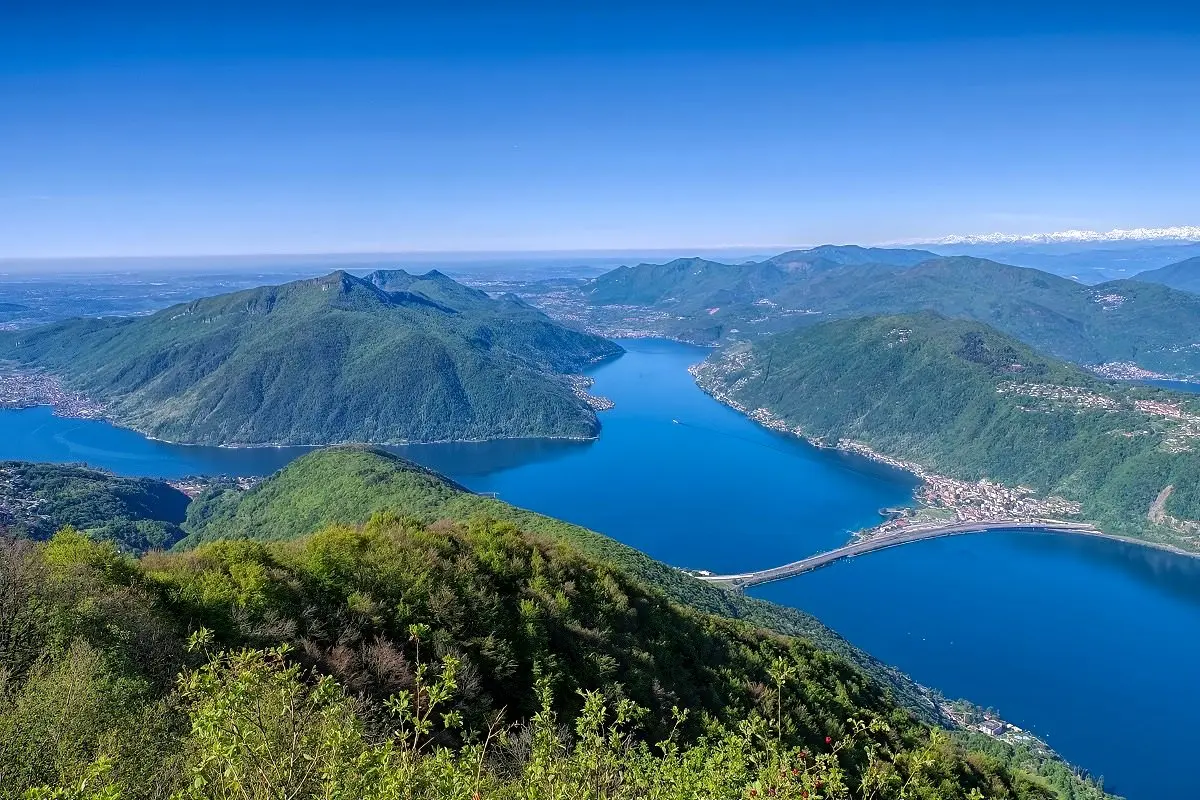
Outside the headline destinations lies a treasure trove of lesser-known lakes. In the Alps, small mirror lakes like Lago di Scanno (Abruzzo) or Lago di Viverone (Piedmont) offer quiet swims among mountains. Tucked away in Umbria is Lago di Piediluco, a scenic spot known to Italians but little visited by foreigners, famed for its ancient castle and rowboat rentals. In Tuscany, Lago Santo above Garfagnana is a secret hiking reward. Even near the Mediterranean coast, Italy has hidden lakes: Lake Miseno (Campania) sits by a village of the same name, and the sunset views over water are incredible.
For a truly offbeat experience, consider Monte Baldo’s alpine ponds (there are dozens at 2000+ m elevation on the Garda side), or glacial Lake Palù on the Lombardy-Swiss border. Smaller wetlands like Sicily’s Stagno di Catania are birdwatcher havens. The Dolomites have dozens of tiny high-altitude lakes off the beaten track: Lago di Sorapis near Cortina, for example, is a weekday trek visited by far fewer people. These hidden waters typically lack formal facilities, so they reward adventurous travelers who bring provisions and a spirit of exploration.
Uncrowded lakes also exist even at major circuits: Lake Iseo (Lombardy) has a quiet vibe compared to Garda/Como, and last I checked, the Monte Isola-Idro ferry. Lake Vico (Lazio) is a tranquil crater lake encircled by Monte Venere forest. Lake Campotosto (Abruzzo) is a high reservoir known for kite-surfing in solitude. In short, virtually every Italian region has a little lake or two that feels like a local’s secret. Exploring these gems can be as rewarding as seeing the big names – just be prepared for fewer amenities.
Frequently Asked Questions
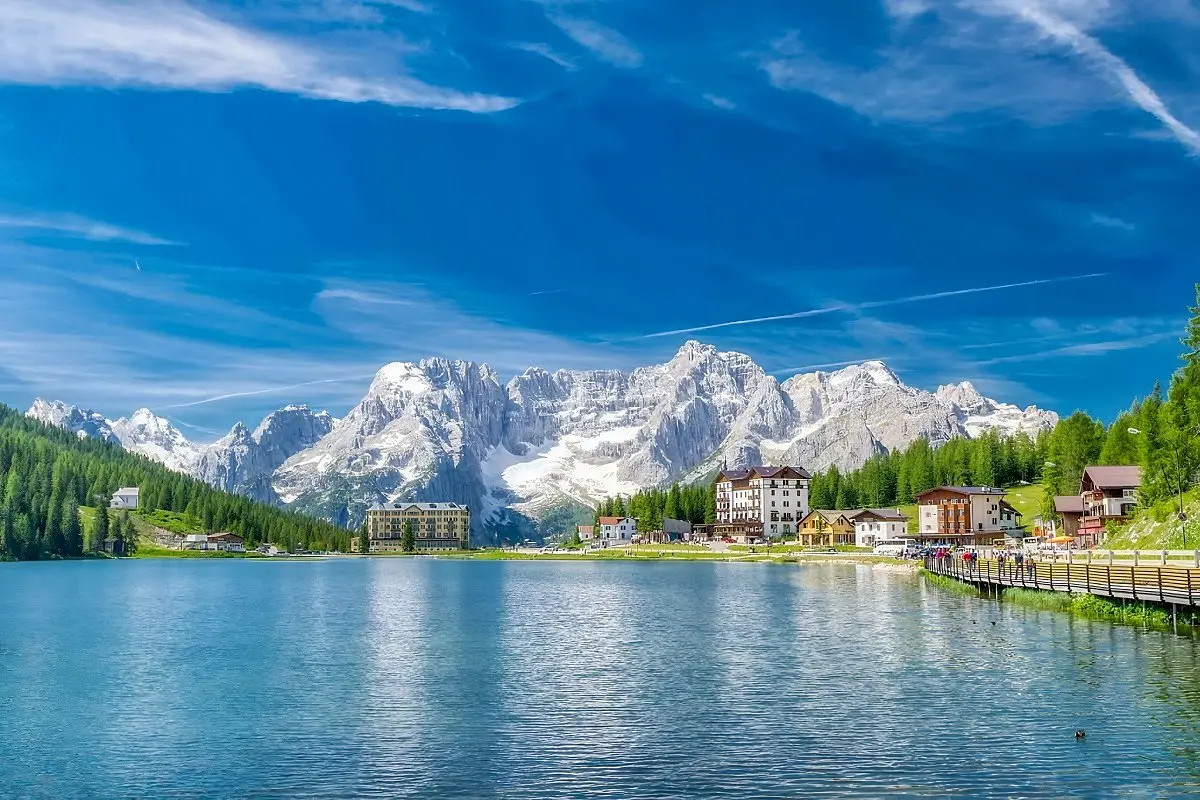
Can You Swim in Italian Lakes?
Yes – summer temperatures generally allow comfortable swimming. Many lakes have beaches, from sandy shores on Garda and Bolsena to public lidos on Como and Maggiore. The water on most Italian lakes is clean and clear. For instance, Lake Orta has been praised as “one of the cleanest lakes in all of Europe”. In northern alpine lakes (Como, Maggiore north, Garda north), water stays cold (15–18°C) even in summer, so swimmers tend to stick to shallow coves. On smaller or lower lakes (Bracciano, Garda south, Orta), water can reach the low 20s°C. Always check local conditions (currents and depths) before jumping in, but in general Italian lakes are very swimmable in summer with lifeguarded beaches available at major resorts.
Which Italian Lake Has the Clearest Water?
Clarity varies, but Lake Bracciano and Lake Orta are often noted for exceptional purity. Bracciano’s waters are so clear that Italians use the lake as a drinking water source[4]. Tourists frequently remark on its “crystal clear” appearance. Orta’s cleanliness has international recognition. Among high Alpine lakes, Lago di Braies is known for its striking emerald hue, while Garda’s green-blue depths are famously transparent (divers in Garda can see 20+ meters down in places). In short, “all Italian lakes have very good water quality”, but protected lakes like Bracciano and smaller ones like Orta top the list.
Are Italian Lakes Warm Enough for Swimming in June?
It depends on the lake. Southern and shallower lakes (like Bolsena, Bracciano, Orta) often reach around 20°C by early June, which many swimmers find pleasant. Garda’s southern waters may also be around 18–20°C by late June. However, large northern lakes (Como, Maggiore) usually only hit swimmable temperatures (~18°C) by mid-late June. So June can be borderline in cold lakes. By July and August, basically all Italian lakes have inviting water temperatures (many in the low 20s°C). If you travel in early summer, plan to swim in midday when the sun is highest, and choose shallower coves if possible.
Do Italian Lakes Have Sandy Beaches?
Most have pebble or shingle beaches rather than true sand. Some beaches are artificially “sanded.” For example, Sirmione (Garda) and Bolsena have areas of fine gravel and imported sand to create a beach feel. On Como, the famous Lido di Cernobbio and private “lidos” often have sand or rubber matting. Central lakes like Trasimeno have the closest to real sand (some beaches were naturally sandy). If sand is a must, check in advance – the larger lakes usually list their beach type on tourism sites. Even on pebble beaches, the water is typically very clean. For comfort, water shoes are a good idea everywhere.
Which Lakes Allow Motorboats?
Most lakes permit motorboats with proper licensing, except a few. Lake Bracciano explicitly forbids fuel-powered motorboats, to protect its potable water. On that lake you can rent electric launches or pedal boats, but no jet skis or speedboats. Similarly, Orta restricts high-speed boats near the island of San Giulio, but small electric boat rentals do exist there. All other major lakes (Como, Garda, Maggiore, Bolsena, Trasimeno, etc.) allow motorboats, subject to speed limits and local regulations. A boating license (patente nautica) is required on lakes with speeds over 40 km/h (e.g. Garda). Always confirm at a rental dock: boats requiring licenses often have blue tags, while simpler launches (Garda ~40 hp, no license needed on some parts) are green-tagged.
How Many Days Do You Need for Italian Lakes?
It depends on pace, but at least a week is ideal to sample multiple lakes. However, one can see the highlights of a single lake in 2–3 days: e.g., 2 days on Como (Bellagio, villas, boat), 3 days on Garda (north and south shores), or 2 days on Maggiore (Islands plus gardens). If combining with cities, most itineraries use 1–2 city days (Milan, Venice) and several lake days. For travelers focused solely on lakes, a 10-day trip could cover 3–4 lakes (e.g. Como + Garda + Maggiore + Orta). If you must choose, consider the activities you want (sports, sightseeing, relaxation) and check travel times: it takes about 1 hour to circle Garda by car, but 4 hours to circle Como’s tip-to-tip road. Remember to factor in travel days to/from the lakes (train or drive), especially if you’re using a weekend.
Is Lake Como or Lake Garda Better for Families?
Generally, Lake Garda is regarded as more family-friendly. It has numerous attractions for kids (family resorts, adventure parks, safe beaches, gentle boardwalks) and a wide range of accommodation types. Many places on Garda have playgrounds and informal beach clubs that cater to children. Como can be enjoyed by families too, but it’s sometimes seen as more sophisticated and expensive (fewer budget camping options, for example). That said, Como has beautiful calm water and easy pedestrian promenades (Bellagio’s lakeside path, for instance) which also suit families. If deciding, think “action-packed vacation” (Garda) vs. “scenic lake retreat” (Como). Either way, both lakes are family-friendly compared to, say, steep mountain destinations or big cities.
Which Italian Lakes Are Free to Visit?
All Italian lakes themselves are public, meaning anyone can access the shoreline and enjoy the scenery at no charge. That said, beach facilities (lidos) often charge an entrance fee and sunbed rental. Public boat or ferry services have ticket costs. Walking along lakeside promenades and public piers is always free. Many forested trails and picnic areas by the lakeside are also free. So in practice, you can picnic, hike or sit by nearly any lake without spending money. Expect to pay only for added services (beach lounges, tours, parking). Notably, places like Villa Carlotta gardens (Lake Como) or certain archaeological sites (Trajan’s area in Sirmione) have small entry fees. But to answer simply: just viewing and experiencing the lake is free.