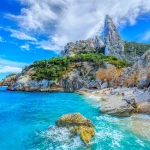
The Caribbean is a crown of more than 7,000 islands, cays and reefs scattered across emerald and sapphire seas. Its beaches range from miles of powdery white coral sand to rare volcanic black and rosy-hued shores. These beaches enjoy year-round warmth and glittering waters — some lapped by calm lagoons, others by surf-tossed reefs. In weaving this definitive guide, each beach was evaluated for beauty, water clarity, setting and experience. The result is a rank-ordered journey from iconic coastlines to hidden coves, allowing travelers to match each visitor to the sand and surf that suit them best. The Caribbean’s beach portfolio is uniquely diverse: palm-fringed family bays stand beside remote snorkel havens, and luxury resort beaches sit alongside intimate hideaways. This article curates the ultimate 25, offering vivid detail on each, practical tips for visiting, and insider perspective on what makes them truly special.
- Grace Bay, Providenciales (Turks and Caicos)
- Seven Mile Beach, Grand Cayman (Cayman Islands)
- Eagle Beach, Aruba
- Trunk Bay, St. John (USVI)
- Pink Sand Beach, Harbour Island (Bahamas)
- Tahiti Beach, Elbow Cay (Abacos, Bahamas)
- Grand Anse Beach, Grenada
- Crane Beach, Barbados
- Flamenco Beach, Culebra (Puerto Rico)
- Shoal Bay East, Anguilla
- Rendezvous Bay, Montserrat
- Baradal Beach, Tobago Cays (St. Vincent & Grenadines)
- Owen Island, Little Cayman (Cayman Islands)
- Tintamarre Beach, St. Martin (Île Tintamarre)
- Sandy Island, Carriacou (Grenada)
- Magens Bay, St. Thomas (US Virgin Islands)
- Lindquist Bay (Smith Bay), St. Thomas (USVI)
- Grapetree Bay, St. Croix (USVI)
- Seven Mile Beach, Negril (Jamaica)
- Playa Rincón, Samaná Peninsula (Dominican Republic)
- Dunn’s River Falls Beach, Ocho Rios (Jamaica)
- Half Moon Bay, Antigua
- Cocles (Playa Cocles), Puerto Viejo (Costa Rica)
- Baie Longue, Martinique
- Bamboo Bay (Tuscan Bay), Virgin Gorda (British Virgin Islands)
- Conclusion: Planning Your Caribbean Beach Adventure
Beyond the countless islands, what defines Caribbean beaches is variety. One finds coral-sand strands brushed by gentle turquoise surf, fierce surf breaks on volcanic shores, the pink sands of the Bahamas, and the dramatic twin-peaked backdrop of St. Lucia’s Pitons. Many top beaches lie within protected marine parks or national parks, preserving reef gardens and nesting grounds for turtles. Whether celebrated by awards or beloved by locals, each featured beach here has something to distinguish it. This guide will educate and inspire without hype, blending factual description with human-scale impressions of sea breezes, sunsets, and beach culture.
Among the obvious splendors and secret escapes, a few themes run through the list. Turquoise clarity from offshore reefs (as at Grace Bay or Trunk Bay) makes snorkeling near-perfect. Powder-white sands (Seven Mile, Grand Anse) cradle graceful palms, while pink-tinged sands (Harbour Island) and black volcanic sands (Dominica’s Rosalie Bay) tell geological stories. Many top beaches are family-friendly, with calm shallows and lifeguards, while others are romantic and remote. Island lore and local culture subtly flavor each location — from Barbados’ laid-back island style to Antigua’s leisurely beach-collecting lifestyle. Throughout, seasonal factors like hurricane risks and tourism waves enter planning. By highlighting these 25 beaches, we aim to give travelers the depth needed to pick their ideal Caribbean getaway.
Grace Bay, Providenciales (Turks and Caicos)

Grace Bay stretches along Providenciales as a seemingly endless ribbon of ultra-fine white sand and crystal-clear, shallow water. An offshore coral reef parallels the shore at Grace Bay, blocking Atlantic swells and keeping waves peaceful. The result is calm, tranquil water that stays knee-deep for many yards out – ideal for leisurely wading and spotting tropical fish and rays. The sand here feels like sifted sugar; it lies perfectly smooth and free of rocks or seaweed. Grace Bay is lined by luxury resorts, a scattering of shops and restaurants set amid palms and almond trees. The scene is refined, but never harried. Early mornings see joggers and birdwatchers, while afternoons find families building sandcastles or snorkeling off the beach. The heat of midday is often tempered by breezes through the fronds, though one can always retreat to a shaded cabana.
The shoreline at Grace Bay measures roughly three miles, though some publications cite up to seven or even twelve miles when including adjoining stretches. In truth, the famed “Grace Bay Beach” is those contiguous three miles of world-class sand, with nearby Leeward Beach and The Bight as its neighbors. Yet even at three miles, it is impressively long. The Turks and Caicos National Trust protects much of this coastline as part of Princess Alexandra National Park, ensuring that development does not encroach on its beaches and reef. Snorkelers flock to Grace Bay’s fringes, where the submerged reef comes close to the surface. Colorful coral heads support schools of parrotfish, grunts and sergeant majors. Hawksbill turtles feed on sponges there. The reef also shelters the bay, so its waters remain a gentle aquamarine for pool-like swimming.
Travelers often note that Grace Bay lives up to the hype. It consistently appears on “best beach” lists and was voted a Top 10 World Beach by global tourism surveys. A local historian might mention that Grace Bay was named after the pilot’s wife of an early airline that landed there, and that the island’s seafarers prize it in their songs. Indeed, the scene is calm and elegant rather than wildly tropical. By night, the horizon deepens from turquoise to indigo, and resort lights shimmer on the water. Grace Bay has become an icon of Caribbean beach life – not in the sense of a packed party spot, but as a model of serene island luxury. Its luxury hotels offer fine dining just steps from the tide’s edge, and beach bars stay open late. Yet even these bustle only with the muffled sounds of gentle waves. This blend of natural beauty and understated amenity makes Grace Bay feel both exclusive and accessible – exactly the kind of Caribbean beach that draws both honeymooners and snorkelers alike.
Seven Mile Beach, Grand Cayman (Cayman Islands)

The Grand Cayman Seven Mile Beach is famous – and rightfully so. Its white coral sand, ground from ancient reefs, stretches about 5½ miles (not a full seven) along the western coast of the main island. This length of shoreline is remarkably flat, lapped by clear sea in a broad gentle arc. The color of the water is a stunning blue-green, reminiscent of Caribbean postcards. The entire bay enjoys shallow depths far from shore: one can wade for 100 yards and still have water only waist-deep. These shallow flats warm in the sun, attracting children and beginners to paddleboard and snorkel. At low tide the water may only reach knee-height for many yards.
Seven Mile Beach is lined with hotels and condos, but much of it remains open to the public. Sandpipers and plovers sometimes strut the shallows, unfazed by swimmers. If one turns to walk the shore, there are volleyball nets and rental chairs scattered in the sand. The public beaches near George Town have picnic areas and snack stands. Beach volleyball games are a familiar sight in the warm afternoon breeze. The environment is friendly and active: families, retirees and romantic couples mingle here, everyone enjoying a clear view across the water to a hazy horizon. At one end of Seven Mile Beach, kiteboarders take advantage of consistent wind, while at the other, snorkelers launch kayaks toward the fringing reef (just off Governor’s Beach). The coral reef begins only a few hundred yards offshore, protecting the bay and creating calm swimming lagoons. This reef holds sea turtles, eagle rays, and myriad reef fish; on a snorkeling tour one might glide beside barracuda or herds of blue tangs.
Even though it is built-up, Seven Mile Beach never feels overcrowded. The generous width of sand gives room for each group to spread out under coconut palms. The iconic pastel Caribbean sunset is visible from here, and nightly, crowds gather on the west end to watch the sun sink like an orange coin behind the sea. Because of these qualities – powdery sand, shallow clear water, beach amenities – Seven Mile Beach is often voted one of the Caribbean’s top beaches. Visitors comment on how the gentle conditions make it easy for children. While cruise ships sometimes schedule stops here, many local patrons arrive by car and set up day picnic. In sum, the beachfront is lively and family-friendly, yet sprawling enough that it does not feel cramped.
Eagle Beach, Aruba

Situated on Aruba’s quiet western coast, Eagle Beach offers a wide sweep of near-deserted ivory sand. Its sand is exceptionally soft and broad – travelers often use all ten toes to dig into it. The shoreline gently slopes into calm shallow waters that sparkle with the relentless trade wind sun. Two beloved Divi-Divi trees (Aruba’s bent coast-savannah trees) sit near the waters’ edge like natural markers, favored by photographers. The trees lean at a jaunty angle, symbolizing the island’s steady trade winds. People often compare the azure blue sky with the equally vivid waters at Eagle Beach. The combination of flat sand, clear warm sea, and year-round sunny weather led to Eagle Beach being voted as Aruba’s favorite by travelers.
Eagle Beach is less congested than nearby Palm Beach. It lacks huge high-rises, so much of the shore remains accessible public space, bordered by a few resorts and guesthouses behind a line of casuarina and palm trees. The scene at high season is pleasantly lively without being overrun: local vendors might set up carts of beach gear or coconut water, and occasional breezes carry the sound of calypso or reggae from a seaside café. Children gather driftwood and shells at the surf line; some nights, starfish cover the sand as the sea calms and retreats. From roughly April through October, Aruban sea turtles come to these shores to nest. Volunteers may place stakes around turtle nests at dusk, and visitors at dawn have a chance to see hatchlings scurrying into the waves. The fact that endangered leatherbacks and loggerheads choose Eagle Beach for nesting underscores its gentle night-time tide and soft sand.
The waters at Eagle Beach invite families. For almost 50 yards out, the bottom stays smooth and flat. A wading adult can see across a long corridor of vivid turquoise. Closer to shore, little ones play in ankle-deep water. A swim competition here would be one of endurance rather than power. The visibility is very high even in shallow water. Snorkelers stick near the fringes of the bay, for the reefs lie beyond the calm mid-bay; even so, the clarity is such that one can easily see the patches of coral fringe. The absence of big waves (year-round) means typical beach activities – volley ball games, building sand art, swimming – all proceed undisturbed.
Not much disturbs the feeling of expanse: traffic and city sounds are distant. In fact, at Eagle Beach the only constant soundtrack is the whispering wind and occasional laughter on the sand. The vista is broad enough to feel private, even when the beach hosts a hundred sunbathers at midday. The early morning light turning the white sand pinkish, and a pastel sunrise framed by the leaning Divi trees, are highlights that many photographers covet. In late afternoon, the atmosphere relaxes further: couples stroll along the waterline, and families pack up with smiles from a full day. It is the sort of place where locals might say, “come ready to relax – this beach means quiet joy.”
Trunk Bay, St. John (USVI)

Trunk Bay is the textbook image of a Caribbean bay. Framed on both sides by steep green hills of the Virgin Islands National Park, it holds half a mile of stunning white sand beach in its crescent. The sand is coarse-grained coral sand, very bright under the sun. The entire bay arc gives way to calm, crystal-clear water that shifts from aquamarine near shore to deeper blues at the drop-off. An offshore reef rings Trunk Bay, keeping its water tranquil. On the reef sits a 400-foot-long underwater trail marked by metal posts with snorkeling guides fixed on them – each displays a labeled illustration of the fish or coral at that spot. The snorkel trail at Trunk Bay is famous: it was one of the first of its kind in the world, inviting visitors to glide above brain coral formations, colorful sponges and schools of fish while reading about them underwater.
Above the water, the shore is capped by thickets of mahoe and cedar trees. A few jungle vines hang low, but only the island’s beige iguanas and the occasional songbird roam here. Trunk Bay’s gentle slope into the sea means that even beyond the obvious snorkeling areas, many can simply walk in ankle-deep while watching hundreds of tiny fish swirl around their legs. The bottom is mostly sand with occasional coral rubble patches. Because the water is so clear, snorkelers see reef fish nearly as vividly as if peering through glass. Bright parrotfish and blue tangs feed among coral heads. On a good snorkeling day one might spot juvenile yellowtail snapper or green turtle cruising by.
Back on shore, people frequently gather under the shade of almond trees that form a natural canopy behind the sand. These trees also drop nuts that float into the bay, occasionally attracting sea turtles. Visitors can picnic or nap on benches set in the shade. Restrooms and picnic tables are available within the National Park’s area, but no large hotels stand on Trunk Bay. There is a snack bar, but otherwise the beach feels untouched beyond its routine patrol by park rangers. In the late afternoon, lifeguards may blow a whistle to signal closing time. However, in the morning it often begins nearly empty. Early risers might have Trunk Bay to themselves, enjoying the idyllic quiet – the only sound being soft waves and coquis. By mid-morning, families and couples trickle in, yet even in peak season it rarely feels cramped.
Trunk Bay has been called one of the best beaches in the world by many publications. The National Park service carefully maintains it, explaining the surrounding ecosystem. Signage warns visitors not to step on coral. The atmosphere merges natural beauty with easy access. If one needed to experience the classic Caribbean paradise in one location, Trunk Bay is usually at the top of the list.
Pink Sand Beach, Harbour Island (Bahamas)

On Harbour Island in the Bahamas lies a famously unique shore: Pink Sand Beach. For three miles along the Atlantic coast, the sand carries a warm blush hue. This pink tint comes from finely ground red foraminifera (tiny single-celled organisms) mixed into the white sand. When waves lap the beach, they blend pink and white, and sunlight intensifies the rosy tones. Many visitors find themselves gazing at this unusual color, especially where wet sand sparkles next to dry. At sunrise and sunset, the pink sands glow almost iridescently, likened to powdered shell.
The beach is straight and wide, facing open ocean toward the east. Most parts are very gently sloped, and the waters are mild. Yet depending on season there can be waves suitable for body-surfing, particularly on the eastern end. Notable is that even when waves arrive, the water seems shallower at Pink Sands – one can wade out tens of yards before it deepens. Offshore lies a reef that further protects the bay. In daily trade winds, little chop usually keeps the sea at a pleasant level.
Harbour Island’s village lies just a short walk or golf-cart ride from Pink Sands. The vibe here is quietly upscale. Low-rise boutiques, restaurants and pastel homes sit behind the dunes and sea grapes. Some luxury boutique resorts have small beachfront areas along Pink Sand. These resorts lend an air of refined exclusivity, but much of the beach is still easily reachable by the public via several access paths. A handful of palapa-style bars and eateries offer conch fritters and rum punch. In the low season, a beach walk might find one or two casuarinas and a dog or two for company; in high season, a smattering of sunbathers spaced apart.
Despite the resorts, Pink Sands feels relaxed and a bit “vintage Bahamas.” The enormous dunes and grassy halophyte plants are protected habitat. Visitors often describe the mood as romantic. Honeymooners might stroll hand-in-hand in ankle-deep water tinted a turquoise-pink. Nature lovers might lie still on a towel watching pelicans drift by. Kids may collect clamshells (their white undersides showing in contrast to the pink sand). Green sea turtles sometimes nest at dusk, and lucky wanderers witness hatchlings scuttling to the waves. The beach’s soft gradient and gentle surf also make it safe for families.
In the end, what defines Pink Sands is its color and scale. Few places on Earth match a turquoise sea against a stretch of pastel-hued sand. Its quiet luxury is balanced by the sense that one is in a pristine Bahamian paradise. With a few strokes of sun-bleached architecture and palms, the scene feels like a painting. It is no wonder the beach is famed for romance and photo shoots – but really, one feels it most in real life by walking in its sands, where each footstep leaves a delicate pale print in pink.
Tahiti Beach, Elbow Cay (Abacos, Bahamas)

Tahiti Beach is a more secluded gem in the Abacos. Lying on the southern tip of Elbow Cay (the island with the famous lighthouse), Tahiti spans about three-quarters of a mile in a sheltered curve. To reach it, one must venture off paved roads: either a bike ride, a hike, or a short boat ride from the village of Hopetown. The effort to get there pays off in near-solitude. The soft, almost blinding-white sand and tranquil water feel unspoiled. The setting is remote – nothing tall obstructs the view of sky or sea, only a sea breeze rustling through salt-and-pepper shrubs and a few coconut palms at one end.
One of Tahiti’s special features is its underwater topography. At low tide, a sandbar emerges well offshore; at certain spots the water is mere inches deep for tens of yards. This creates a habitat full of starfish and sand dollars, often visible to those wading along the bar. Many visitors have collected dozens of starfish (just to hold briefly – returning them gently to the sand after observation). Families snorkel the quiet shallow lagoon, finding rays, small reef fish, and occasionally a turtle coming to feed. The bottom is mostly flat sand and eelgrass. Along the edges, patches of stubby coral or rock harbor crabs and angelfish. Given its protected nature, the water is almost always clear and warm.
Tahiti Beach lacks commercial amenities. There are no shops or formal concessions. A few shade shelters appear inconspicuously, but generally you bring what you need. This relative isolation adds to its charm. People often note that for several hours, one can have the sand entirely to oneself. A lone angler might cast lines from the shallows, and if a charter boat drops anchor offshore, guests tread quietly onto the shore to picnic and swim. The feeling is akin to a private island experience. Indeed, beyond palm trees, the horizon shows only occasional sailboats against the sky.
It is precisely the remoteness and intimacy that give Tahiti Beach a mystical aura. On a calm day, the still lagoon is like a natural infinity pool blending into the horizon. The solitude invites introspection: one might spend an hour just floating motionless with rays gliding under the translucent water. By mid-morning, sea turtles sometimes nose along, and bright nudibranchs linger on shallow rocks. In short, Tahiti is for slow days and quiet wonder. Locals call it a hidden paradise. After leaving, visitors swear they’ve discovered “their own private beach,” one that very few outsiders ever find.
Grand Anse Beach, Grenada

Grand Anse’s gently curving two-mile shore is the most celebrated beach in Grenada. It lies on the southwest coast of the main island, fronting the town of St. George’s across a sparkling bay. The sand here is soft and pale, and the water shimmers a clear mint green near the beach. One notices from the start that the surf here is typically calm and welcoming. Instead of crashing waves, Grand Anse usually offers a long gentle swell; it is safe for wading and mellow swimming. Parents relax under swaying almond and coconut trees while children paddle or build sandcastles where the breakers hardly reach.
One reason families flock to Grand Anse is its convenient amenities. The beach is built out with vendors selling fresh fruit, roasted corn, and local lunches under palms. Lodgings from boutique inns to modern resorts back up to the shore, meaning a short walk to a restaurant or bathroom. Beach chairs and umbrellas are rented by friendly locals. The overall vibe is active yet family-friendly: groups play frisbee or volleyball toward the water’s edge, while snorkel gear hangs drying on a rack. A paved boardwalk runs along part of Grand Anse, linking hotels and eateries, making it easy to stroll from one end of the beach to the other. Despite these conveniences, the beach is never entirely built over; wide stretches of sand are always open to the public.
Environmentally, the bay is protected by a reef farther out, keeping the surf small. This reef also provides snorkeling opportunities. Colorful reef fish – parrotfish, angelfish, and sometimes lionfish – can be seen not far beyond the breakers. At low tide one might find tide pools and small conch on the edges. Furthermore, Grand Anse has won praise from travel publications: it was named in USA Today’s readers’ poll as one of the Caribbean’s best beaches. In conversation, visitors note its “great powder sand” and “breathtaking sunsets” over Carriacou Bay. Sunset on Grand Anse is indeed a spectacle: streaks of gold and pink splinter through the sky, the bay turning purple and orange. Even after dusk, lanterns on the terrace bars cast a warm glow on the sand, as live calypso may play.
Despite its popularity, Grand Anse never quite feels crowded. The sheer length of it helps distribute people along the curve. On a weekday one might see only a handful of other tourists for each coconut-shaded umbrella. Its wide swing of shoreline invites sprawling towel setups; each group can feel they have a bit of private seaside. At its far ends, the distant outline of Grenada’s high hills frames the bay. This combination of breadth, gentle sea, and local warmth gives Grand Anse a friendly vibrance. It is the kind of beach where one might drop everything to take an afternoon swim, knowing it’s a supremely safe and scenic spot.
Crane Beach, Barbados

Nestled on Barbados’s southeast coast, Crane Beach is a striking cove of sand edged by coral cliffs. From the beach one looks up at cliffs rising roughly 80 feet high, their bases dotted with palm trees. The sand is finely textured and has a noticeable pinkish cast in many places, caused by iron content. Unlike many Atlantic beaches, Crane Beach is sheltered by offshore reefs on one side, which break the waves so they roll in as mild, white-capped breakers. This makes swimming relatively gentle near the shore, though occasional set waves do form for brief boogie-boarding.
One of Crane’s enduring charms is its old-world ambience. The beach adjoins the historic Crane Beach Hotel, which began as a plantation in the 1700s. Along the sands there are a few colorful canopies and rum shacks, but no large high-rises loom above. Guests often arrive by a narrow stairway carved into the cliff, a romantic remnant of the early 20th century. Once on the beach, visitors feel tucked away from the modern world. Couples walk hand in hand along the tide, and photographers are everywhere, capturing the iconic palm against coral-rock backdrop. Children sprawl on the sand and splash in the lapping surf, while others climb the craggy rocks exposed at low tide to find hermit crabs.
The reef protection means the water is a translucent turquoise for much of the beach’s length. Snorkelers often head left (northeast) from the shore where coral patches lie, seeking hawksbill turtles or parrotfish. Because of the reef, large waves rarely come crashing, so swimming lessons are common here. Crane’s lifeguards keep a watchful eye; their stations are shared with a small marine-awareness office where kids gather for fish identification flyers. The gentle waters have earned the beach a reputation for safety.
Crane Beach has been lauded internationally. Travel guides and media have called it among the world’s finest – not just for its natural features, but for its atmosphere of elegance. The sand’s blush hue is often highlighted. (It was one of CNN’s “World’s Best Beaches,” for instance.) In practical terms, though, Crane is family-friendly rather than trendy. Its novelty may be more historical: grandparents might recall early Caribbean travels, and bring grandchildren to dig in the same warm sand. The experience on Crane is as much about stepping back in time as swimming forward. At day’s end, the view from Crane is of the Atlantic horizon, with maybe a lone sail. One can hear only wind and laughter. This is a beach where island folklore lives: tales of pirates and sugar barons mingle with the salt air.
Flamenco Beach, Culebra (Puerto Rico)

Flamenco Beach on Culebra Island is frequently voted one of the world’s top beaches – and for good reason. It is a wide horseshoe bay with impossibly white sand and remarkably calm sea. The reef sits close enough offshore that waves virtually vanish, making the bay’s waters glassy and inviting. The surface is so clear that on a good day one can see down 30–40 meters, a world-class visibility. The bottom is mostly sand and scattered seagrass, which is why turtles and stingrays often graze there unseen by swimmers. Since waves are minimal, snorkelers and waders can stroll far out without getting deeper than their knees. Many travelers describe the water as bathtub-warm.
One unusual sight on the Flamenco shoreline is three M4 Sherman tanks. These rusted army tanks were left on the beach by the US military decades ago; they have since been painted with beach art and graffiti. Visitors find them a curious background for photos. Locals regard the tanks with a fond shrug: nowadays they serve as shadier spots (and odd conversation pieces) more than anything else. Beyond these relics, the beach’s backdrop is undeveloped greenery. The hills behind the bay are steep with shrubs and live oak, enhancing the feeling of seclusion. (Only a handful of small kiosks stand by the parking area, selling coconut water or snacks.)
Flamenco’s sand is so bright it almost aches the eyes under midday sun. Its texture is finely granular and soft. As a result, lying on it feels as comfortable as a mattress. Families often spread blankets along the middle of the beach, where they can keep an eye on children. Snorkeling here is easy because of the sand bottom, but the actual coral reef start is somewhat to the east and west ends of the bay. Keen snorkelers will swim out or take a kayak to reef patches visible on the horizon. There are coral heads within a few hundred feet of either exit, hosting parrotfish, damselfish, and flinty brain coral. On calm mornings, sea turtles occasionally float above the grasses at the bottom, and the water’s clarity allows lucky swimmers to wave at them.
Flamenco remains unassuming. A small lifeguard station watches the center of the beach, making it fairly safe for children to splash about. Despite its global fame, the island’s limited size and ferry or air access mean crowds tend to space out along the curve. Even so, in peak season one sees dozens of kayaks line up offshore, each carrying explorers. On the shore, local vendors restock beach equipment rentals. And, traditionally, there are many barbecue grills for public use, where families cook catch-of-the-day (freshly grilled fish is a local specialty). Still, the overall feeling is of unspoiled beauty. Many compare it to a Mediterranean cove in its serenity, but with that unmistakable Caribbean white-and-blue palette. As daylight wanes, visitors remain tucked in the sand or return to town on golf carts – the tanks aging to silhouettes against a burning Caribbean sunset.
Shoal Bay East, Anguilla

Shoal Bay East is a two-mile arc of pure white sand draped on Anguilla’s northern shoreline. Its fine powder sand extends into a bay of exceptionally calm, clear water. The bay is so shallow and still that it takes on the gentle turquoise of polished glass, with no fierce surf to speak of. Anguillians often say that Shoal Bay’s sand has a faint pinkish glow at sunrise, likely when shell fragments catch the light. This gentle color coupled with the bay’s placidity gives it a nearly magical quality at daybreak.
The beach is backed by a row of coconut palms and a few open-air beach bars and grills. One of the most famous is “Blanchards” at the eastern end – a simple palapa roof spot known for rum punches and conch fritters. Despite these amenities, Shoal Bay never feels overdeveloped. Most of the beachfront is undeveloped flat dunes. The population of beachgoers stays fairly low. Even on busier days, patrons are well-spaced: the soft coral sand always seems to absorb visitors. There is a rumor locals passed down that Shoal Bay is meant to remain tranquil; indeed, there are limits on new construction. As a result, to the visitor it feels like a paradise preserved.
Shoal Bay is an ideal place for novice snorkelers. The water is shallow and slow-moving. Coral heads lie scattered about maybe 50–100 yards from shore. These outcrop gardens host juvenile angelfish, sergeant majors, and sometimes a spotted eagle ray cruising the channel. By paddleboard or kayak, one can cross to nearby Scrub Island, which sits just offshore, to explore more reef. However, most recreational focus is in the bay itself. The bottom is clean sand interspersed with patches of turtle grass, so it’s easy to walk in until fish nibble at your ankles. No lifeguards patrol, but the gentle conditions make self-rescue trivial.
Space is Shoal Bay’s greatest luxury. The expanse of empty sand and water around each group makes even a crowd feel isolated. Toward evening, the western end offers a sweeping sunset over the Atlantic. It’s said that on a calm night, the entire beach with its coconut trees under a moonlit sky can seem ghostly still. Others call the morning and evening hours at Shoal Bay simply “heavenly.” There is a sense that time moves slower here. Some families come day after day of a week-long vacation, drawn by the simplicity – the sea, sand, and some buddies. Children scatter chickens and dogs along the shore at midday (there is always at least one friendly goat tied up quietly in the shade). As local fisherfolk paddle home, visitors wave in passing, and the afternoon’s golden light on white sand feels almost nostalgic. This is a place where one can deliberately do nothing but let the Caribbean quietly sing.
Rendezvous Bay, Montserrat

Rendezvous Bay is something of a rarity: Montserrat’s only significant sandy beach. This crescent of imported white sand sits in a sheltered cove on the northwest coast, overshadowed by the island’s green hills. Getting here is part of the charm. There is no road directly to Rendezvous. A narrow hiking trail leads down from Mountain Road, or one can kayak around the headland from nearby rocky coves. In either case, visitors know they’re in a special spot once they reach the bottom: a lush emerald bay with calm clear water and warm shallow tides.
The most intriguing backstory is that the sand here was brought in. Montserrat’s terrain is volcanic, giving its original shores black sand. In the early 2000s, a nonprofit community project made a one-time import of pale sand to create a proper white beach. Locals and historians might smile when telling this; the outcome, however, feels completely natural now. The sand matches the hundreds of coconuts and sea grapes that fringe the crescent. The contrast of the light sand with the dark volcanic rocks on either side is indeed striking. Such a scenario is unusual enough that sailors in the Caribbean jokingly refer to Rendezvous Bay as the place “where a desert drifted to an island.”
This import had an environmental plus. Today, families swim in the warm lagoon that this sand holds. The bay’s shape – with headlands at both ends – keeps the surf minimal, making it a safe natural pool. At high tide, the water is a comfortable chest-deep for many yards, and when the tide runs low, shallow bars and pools form perfect paddling spots. The water is clear enough to watch parrotfish nibble at seaweed on the bottom. On quiet days, one can even see stingrays coursing by. The bay also serves as a coral nursery: just beyond the shallow, workers have planted young corals that are now home to tiny reef fish.
Infrastructure at Rendezvous is minimal. There are no formal lifeguards or vendors, only a few picnic tables and barbecue pits placed under shady trees. The feeling is akin to a community spot, where neighbors come to swim after church or in the afternoon. Kids from local villages sometimes race across on paddleboards. The bay’s serenity is such that it attracts yoga classes at sunrise – Montserratians believe the combination of sand and forest is peaceful energy. Anglers also frequent the edges with poles in hand, hoping for snapper, but always giving way quickly if swimmers approach. If anything distinguishes the atmosphere, it is the immediate sense of seclusion: at Rendezvous Bay, one looks around and sees green hills or the distant figure of Montserrat’s Soufrière Hills volcano covered by forest. There is rarely any sign of the outside world beyond a small sailboat moored quietly. By afternoon, the sun filters through coconut palms lining the back of the beach; families might have barbecue feasts of grilled fish or chicken, listening to the peaceful wash of water.
When the time comes to leave, many find themselves reluctant. Even one night spent camping on the sand – quietly permitted under certain conditions – is an unforgettable experience. Locals say that in the starry darkness, one can hear the Atlantic quietly slapping the volcanic outcrops, and Montserrat feels very far away. Rendezvous Bay is proof that sometimes, a bit of sand and shelter in a volcanic archipelago can create a genuine Caribbean oasis.
Baradal Beach, Tobago Cays (St. Vincent & Grenadines)

Baradal is a tiny sandspit on an uninhabited islet in the Tobago Cays Marine Park. It embodies the ultimate remote beach: an isolated peninsula of white coral sand fringed by a warm turquoise lagoon. To reach it, visitors must take a boat – perhaps a day sail from Union Island or Mustique. Once there, one finds that the shoal is only a few dozen meters across at its widest, surrounded on all sides by shallow sea. The water is so calm it acts like a mirror, and if the sky is cloudless, that lagoon water nearly disappears. Standing on the sand spit, one faces only the open Caribbean Sea and a few distant cays dotting the horizon. No people live here except the few sailors at anchor. The feeling is total seclusion.
The lagoon and reef form one of the Caribbean’s most protected marine sanctuaries. Stingrays glide placidly near the sand. Green turtles are almost guaranteed on any snorkel here. The air and sea temperatures remain consistently warm year-round, and there are no amenities of any kind – only the sound of palm fronds. The entire archipelago is a designated marine park, so visitors must adhere to guidelines: no fishing, no anchoring on coral. These protections pay off: the snorkeling around Baradal and its sister cays yields abundant life, from queen angelfish to hawksbill turtles. The reef coral, often Elkhorn and brain coral, is remarkably vibrant – thanks to limited human impact.
The beach itself, when uncovered by the tide, is dazzling. The white sand sinks softly underfoot; coconut palms onshore offer shade when needed. Small seashells and starfish are found on the inner lagoon side. It is not unusual to see dozens of startled squirrelfish or a spiny lobster scuttle into a crack as one approaches. The water is so clear that a snorkeler can lie on the surface and watch parrotfish grazing below or even a barracuda cruising in deeper water nearby. Because Baradal is tiny, the lagoon edge is always within a few feet – you never swim far from shallow water. Occasionally a pelican or frigatebird will circle overhead, curious about boats.
Landing at Baradal feels like something out of a fairy tale. One must climb out of a dinghy onto the sand, and then the island immediately feels like one’s private paradise. Much of the day is spent snorkeling in knee-deep water or hiking barefoot to the far end of the sand spit to see how much time one has taken. A boat anchor set here sways under gentle waves; otherwise, the only footprints are your own in the white sand. It is no surprise that many visitors eat lunch on Baradal and spend the whole afternoon on its sands, taking afternoon naps in the shade, and watching the changing light on the lagoon as clouds drift by. Many say it is the closest thing to being a castaway they have ever experienced. Baradal is a reminder that the Caribbean’s greatest luxury can be the simple gift of untouched nature and empty space.
Owen Island, Little Cayman (Cayman Islands)

Off Little Cayman’s southern shore lies Owen Island, a small, deserted islet. Its charm comes from feeling entirely untouched by development. The “island” is really a sand shoal fringed by a narrow ring of land; the main beach sits on this sand shelf that connects a tiny patch of forest to a mini cay. Anyone visiting Owen must do so by kayak or sailboat, as no roads or services exist. But those who arrive step onto something akin to a private park. The sand around Owen is the palest imaginable, with a slight gold tint. It gleams under the sun as if polished.
The water around Owen Island is famously calm. The bay on the north side, where most visitors land, is protected by a natural shallow reef, so wading in even with a normal breeze is like entering a clear mirror. Those who snorkel just a few yards out often see southern rays gliding under the surface and sometimes nurse sharks lazily seeking shade in rock crevices. The bottom coral and seagrass are home to parrotfish, even juvenile octopus. It’s not unusual for an intrepid visitor to float for an hour among rays, occasionally spotting a green turtle munching on algae at the edge of the reef.
Because Owen Island is so small and uninhabited, it’s never crowded. On a typical day, one boat might be anchored in the bay, but there are no beach chairs or music vendors, just the rustling of coconut palms. Hammocks tied between slender trees invite quiet naps. Bathers appreciate the steep dropoff – they can snorkel a short distance to deeper coral – but even then the water remains unbelievably serene. The island’s interior is thick with low scrub, hosting iguanas and Caribbean hermit crabs. These animals pass unsuspecting tourists. The only thing missing is a shop; if needed, one brings own lunch.
Visitors often compare Owen Island to a private wilderness escape. Because no cars or roads mar the view, one can gaze around 360 degrees at unbroken ocean horizon. Birds, notably herons and frigates, sometimes land on the sand to fish. At dusk, it is common to see bioluminescence around one’s feet in shallow water – a natural nightlight caused by plankton disturbed by gentle paddling. This remote cay feels exactly like a Robinson Crusoe scenario made real: a stretch of sand, a couple of palms, and the vast Caribbean. It provides total detachment from any sense of development. Many say you can believe you are on a deserted island. In fact, Little Cayman locals occasionally celebrate sunrise with a swim at Owen, because the water then is glass-smooth and the sunrise moment is uninterrupted by anything artificial.
Tintamarre Beach, St. Martin (Île Tintamarre)

Tintamarre is a nature reserve island just north of St. Martin. Its western bay holds a broad stretch of fine white sand beneath gently sloping hills. When one first arrives by boat from St. Martin, the lagoon looks like an aquamarine pool hemmed in by low-growing hardwood forest. The beach here is calm and shallow because a protective reef wraps around the island’s coast. Waves break quietly on the reef, leaving a smooth, mirror-like surface on the sand’s edge.
Here on Tintamarre no hotels or shops stand. The only structures on the island are ruins of WWII airplane hangars and a derelict military runway – evidence that Tintamarre once hosted a small airstrip. Today all that remains are sandy lots overgrown with tropical brush. This means visitors must plan to be self-sufficient: pack snacks and water and remember everything must go out with you. In return, beachgoers find pristine conditions. One quickly notices bright red starfish sometimes lying in the shallows, looking for sea cucumbers or being watched by snorkelers. Shoals of snapper and blue tang swim within arm’s reach in the shallow surf. Families who take rented kayaks often paddle around the perimeter, sometimes surprised to see a sea turtle surface nearby.
A trip to Tintamarre feels like an escape into the Caribbean of old. At midday, people picnic under the few almond and casuarina trees that dot the sand. Children play by digging holes in the warm sand and filling them with water from the gentle shore. The northern corner offers a separate cove where small breakers roll in, sometimes with just enough push to make simple body surfing fun. But mostly, the beach is flat and tranquil. It’s common to enter the sea waist-deep and simply float, gazing at St. Martin’s mountains on the horizon. Experienced snorkelers benefit from the reef just offshore. The ridge has a healthy coral community where one sees butterflyfish and the occasional lobster. Yet even casual swimmers spot bright pink and orange anemones glistening on rocks.
Tintamarre is both a point of departure and arrival. By mid-morning, charter boats from Orient Bay (St. Martin) drop passengers onto the beach. But after a few hours of sun and splash, everyone leaves. The island empties again by late afternoon, often before sunset is fully set. The parting light streaking the sky – seen over quiet beach chair rows – is breathtaking. Locals might say that a day on Tintamarre is simply a day of perfect beach bliss. It is the sort of place where the concept of an “unspoiled beach” finally makes sense.
Sandy Island, Carriacou (Grenada)

Just off the western coast of Carriacou’s main bay lies Sandy Island – a palm-speckled sandbar barely three acres in size. It is more a sandbank than an island, circled by a thin ribbon of dazzling white beach. The orientation is almost square, and at high tide a shallow lagoon covers its core, clear enough to see one’s toes and dozens of minnows. The water on the south side of Sandy Island is especially calm; on a typical day, it is a shallow mirror under the palms. The flat water’s color is a soft turquoise on sandy bottom, an ideal wading pool for swimmers.
Off its shores, Sandy Island sits within a marine protected area. The coral reefs around the island are healthy. Snorkelers find sponges, brain coral, and even small barracudas circling. It is widely reported that hawksbill turtles routinely feed just offshore in the warm shallows. Small stingrays also glide by. The clarity is so good that a snorkeler does not need to plunge deep to see these creatures – often they are visible by simply floating face-down at the surface.
The island itself is dotted with a dozen or so young coconut palms and sea grape shrubs. These provide sparse shade, and the effect underfoot is akin to a natural dappled umbrella. Sailors love to anchor on Sandy Island’s sheltered west side; day trippers often beach their craft on the sand for lunch. The water is usually so clear that anchored boats seem to levitate. The protected shallow pool surrounding Sandy is also a playground for kids. At low tide, families can wade out far and find sand dollars or sea urchins in knee-deep water without even needing fins. This exploration often yields stories of finding an exotic shell or touching the spine of a urchin.
Sandy Island is a popular spot for simple relaxation. Visitors spread blankets under palms to read or nap. There is no development, so all “amenities” are natural: say, a breeze rustling coconut husks overhead, or a school of rainbow wrasse darting through one’s feet. Tourists often take endless photographs here (the symmetry of one’s reflection in still water is a favorite). Often there is a sense of having stumbled upon a souvenir shot in real life. Because of that photogenic quality, Sandy Island is frequently captioned “postcard-perfect.” Many boat captains will tell guests that on a calm sunny day, it looks as if one is standing in an ocean photo frame. And indeed, the five minutes walk around its perimeter on the sand often feels like a quick tour of a Caribbean idyll – without another person in sight.
Magens Bay, St. Thomas (US Virgin Islands)

Magens Bay is arguably St. Thomas’s signature beach. A mile-long crescent opens to the north, but the bay’s round shape keeps its waters unusually calm. The beach is lined with a tropical hill on one side and a gently sloping reef on the other. This reef and the bay’s shape mean waves break harmlessly far off, leaving a lagoon of soft ripple. As a result, the first 100 yards off Magens Bay’s sand remain flat and shallow. Families flock here year-round; it is noted by locals as ideal for children. The water color is a pale turquoise near shore, deepening to bright blue beyond.
Magens Bay Park manages the area meticulously. It features lush lawns with picnic tables beneath graceful royal palms. Facilities are excellent: clean restrooms, shaded picnic pavilions, and a beach shop offering rentals. In most of the Caribbean this would sound touristy, but here it feels appropriate and well done. The park charges a small entry fee, which is used for upkeep – one of the reasons the beach is kept immaculate. A paved boardwalk runs along much of the sand, and even for those with mobility issues there are ramps and flat paths down to the beach. Lifeguards, a rarity in the region, are on duty daily. These visible precautions make Magens Bay known as a very safe beach to visit.
The setting is scenic. Behind the white sand, the hillside is covered in lush green and dotted with bright flowers. Birds, like bananaquits and parrots, flit overhead. Often when the surf is low, sea turtles come ashore at dawn or dusk. When they do, beachgoers quietly watch these prehistoric visitors lumber into the shallows. At lunch, people picnic with sandwiches or a casual meal from the beachside concession. Margaritas are blended by the gazebo bar, whose patrons eat conch salad under a ceiling of palms. All of this gives Magens Bay a family-park atmosphere rather than a pure nature reserve feel.
Kids (and adults) love the long sand bar that forms off the north end at low tide. It emerges as a smooth extension of the beach, enabling guests to walk far out in thigh-deep water. There is even a pair of floating playgrounds that tether and track from that point. The water transparency is high; one can easily see the white sand bar below as it stretches out. Occasionally spotted eagle rays glide past the sandbar at sunrise. By afternoon, when the tide rises again, the entire bay is too deep to see bottom in the middle – that’s the cue for snorkelers. The reef at the mouth of the bay is small but thriving, so as swims go, Magens Bay offers a safe introduction to reef ecology for beginners.
In short, Magens Bay remains a beloved entry on any Caribbean beach list because it merges convenience with beauty. A family can literally park their car, pick up lunch, picnic under a palm, nap on sand, swim the calm bay, and never need to move. All of this takes place in the shadows of hills covered in gospel music drifting from invisible hilltop churches. For many travelers, its guaranteed tranquility and service – from summer through winter – mean it’s synonymous with a perfect Caribbean day.
Lindquist Bay (Smith Bay), St. Thomas (USVI)

Lindquist Bay, often called Smith Bay, is a long quiet beach on the island’s northeast coast. It cuts a slim half-mile curve at the edge of a protected nature park. The sand here is nearly white and very fine, just like at nearby Magens Bay – though Lindquist’s sand actually has a faint pink hue where sun hits. The eastern trade winds warm the beach daily, but the small bay shape breaks any large swell. Swimmers can relax with waves only lapping at the shoreline. One local writer described the water here as “electric turquoise” – a vivid blue-green shimmer that stays consistently clear and shallow. In late afternoon, the setting sun often casts a peach glow on the sand, making it glow almost iridescent.
Behind the sand lies a fringe of sea grape and almond trees, providing welcome shade. Park-maintained picnic tables and low wooden fences show that the government bought the whole 21-acre bay to keep it pristine. Indeed, unlike much of St. Thomas, there are no vendors, no rentable jet skis, just parking and one lifeguard tower. Families almost always pack a cooler; like Lindquist regulars say, you bring in everything you need – all groceries, coolers, parasols. For most of the day the beach is utterly silent aside from the sound of wind and surf. That quiet is Lindquist’s greatest asset. On weekdays especially, the bay is often almost empty. Locals adore it for its privacy. One conservationist noted, “[here] wildlife gets first rights – humans adapt.” Iguanas sun on fallen logs, and at dawn herons skitter along the shore.
A favored activity at Lindquist is walking the north end sandbar. At low tide, a wide sand shelf appears off the exposed end of the bay. People wade along this shelf for fun and exploration. Under the warm water, wild flocks of minute crabs or conch trail along; small needlefish occasionally flash in the shallows. Snorkeling at Lindquist can be rewarding. The sandy bottom is interlaced with seagrass beds, which themselves harbor fish and urchins. Even off the main beach one might gently swim into a bed of manatees grass, spotting moorish idols or sergeant majors. Because there is no heavy surf, the snorkeling is peaceful – one might lounge face-down in shallow water, watching a neon reef fish do loops around coral while having tea.
When visitors finally leave Lindquist, it is common to hear a quiet “wow” at just how tranquil the day was. Many claim it felt like their own private beach. The adjacent hillside park includes a light hiking trail, where onlookers often pause to admire the bay from above – a sweeping panorama of white sand, swaying palms, and the pastel islands of the U.S.V.I. on the horizon. Lindquist’s draw is that it has “the perfect amount of privacy,” as one guidebook puts it. It is not flashy. But, in fact, its isolation is its luxury. Those who find it treasure the undisturbed calm of this tucked-away St. Thomas gem.
Grapetree Bay, St. Croix (USVI)

On the secluded east end of St. Croix lies Grapetree Bay, a small, gentle crescent of golden sand. Unlike the tourist beaches on the north and south coasts, Grapetree’s charm is its tranquility. It is bordered by low private homes and condos, giving it an intimate neighborhood feel. The water here is as calm as a lake. For hundreds of feet from shore, the bottom is sandy and then gradually deepens. Snorkelers will find a rocky shelf only when they venture out a long distance. This makes Grapetree especially safe for children; parents often say they can see their kids swimming knee-deep while sitting on the sand.
The sand itself is finer than on nearby beaches, more akin to powdered sugar. It stays cool even at noon. Along the bay, palm trees and sea grapes offer shifting shade patterns. Because of the Bay’s eastern exposure, mornings are especially lovely: the rising sun glints off the water, casting long crepuscular rays across the bay. There’s a long wooden pier that extends into the bay; around it, schools of bright fish swirl, and snorkelers often drop from the end to investigate. Occasionally spotted rays glide under the dock. Adults take turns jumping or diving off the pier, while toddlers splash in the shallows below the pier’s shadow.
A short walk from the bay stands the Grapetree Bay Hotel and Villas, a charming 1960s resort that reopened after renovations. From its beachfront eatery – the Sea Terrace Restaurant – one can enjoy a quiet lunch while watching gentle waves lap. The hotel offers a small pool and rent equipment on request; locals and guests mingle at its snack bar. For those not staying at the resort, the waters of Grapetree are still accessible via a public parking area nearby. In the water, snorkelers often see conch shells among the rocks. The adjacent national wildlife refuge (Salt River Bay) ensures that half of this water is no-take zone, so wildlife flourishes. Green turtles are seen feeding in the seagrass bordering Grapetree.
In sum, Grapetree Bay is best described as “gentle and homey.” It doesn’t have a long stretch or flashy sunsets, but it offers a perfect hammock swing beach day. The typical afternoon might involve a family building sand castles, some friends playing paddleball in chest-high water, and others reading under palm shade. A soft breeze keeps mid-day heat mild. Visitors say it feels like a hidden cove just for neighbors and friends. Even if one has seen many famous Caribbean beaches, there is still something to be said for this quiet corner of St. Croix, where the pace of life on the sand matches that of the unhurried east end itself.
Seven Mile Beach, Negril (Jamaica)

Negril’s Seven Mile Beach on Jamaica’s west coast is a legendary stretch (note: 7 miles of sand, unlike Grand Cayman’s shorter namesake). From end to end, the sand is pale and soft, turning buttery underfoot in the glare of mid-afternoon. The ocean here is the classic Caribbean turquoise; thanks to a gentle offshore reef, the surf on the bar side is moderate rather than rough. In fact, the shallows of Negril run very smooth for a considerable distance. A swimmer can venture a long way before losing depth, making the shoreline very safe for all ages. The result is a magnet for families.
Unlike some remote beaches above, this Seven Mile is fully developed along much of its length. It is lined by a vibrant mix of public and private spots – local beach bars, guest houses, and modern resorts interspersed with natural hammocks and palms. Morning or evening strolls along Seven Mile often feature steel drum bands, reggae music, and vendors selling jerk chicken or coconut water. Yet, even with this development, the beach remains extraordinarily spacious. Each resort or restaurant tends to have its own cluster of loungers, with vast open stretches of sand between property lines. That spacing means one group’s beach party doesn’t intrude on another’s peace. At sunrise, it’s quiet; only fishermen in small canoes dot the waves, and handfuls of early-risers jog or yoga on the beach. By noon the crowd picks up, but the 7-mile length prevents a sense of overcrowding.
Recreationally, Seven Mile offers it all. Swimmers enjoy the calm water for lazy paddling. Snorkelers can find fish along the reef edges near snorkeling spots or paddle out toward the reef-protected outer edge. Rental operators will set out kayaks, glass-bottom boats or paddleboards. There is also a water park and party ferries, especially by Bloody Bay (the north tip of Negril) just beyond the proper Seven Mile Beach, which we distinguish here. Meanwhile, sunbathers claim stretch after stretch of sand. One can see beach chairs and hammocks practically everywhere – even set afloat on shallow water platforms.
Cultural life on Seven Mile is as notable as the surf. Travelers gather in beachfront bars for sunset “jammin’” evenings with live reggae, and locals might cap the day at Rick’s Cafe nearby, famous for cliff diving. The sunsets over Negril pier are legendary: entire crowds turn westward to watch deep reds and oranges bleed into the Caribbean horizon. Many say that the sky here is as dramatic as any painting.
In summary, Negril’s Seven Mile Beach may not be the quietest of our list, but it is famous for good reason: it has every amenity a family or party group might want, all set on an impressively long, soft white beach with warm, safe water. Yes, it’s busy and commercialized in parts, but the quality of sand and sea truly stands out. Its broad curve also means every guest feels they have space to claim – not unlike a small town stretched along the coast, full of life but with ample shores.
Playa Rincón, Samaná Peninsula (Dominican Republic)

Playa Rincón is often hailed as one of the Caribbean’s most beautiful hidden bays. On the remote northeastern coast of the Dominican Republic, it occupies a green-fringed horseshoe bay embraced by jungle-covered hills. The sand here is a dazzling white, very powdery to the touch. The bay opens to calm, blue-green water because two mountainous points shield it from direct Atlantic swells. On a typical day the sea is almost motionless beyond a few small ripples, so swimmers wade out until their waist and still remain far from the drop-off. Visibility is high – one sees bright sand under the water as far as the eye can focus.
Rincón’s landscape is striking: it feels like a jungle oasis. The steep tree line comes right down to the beach on both sides. The backdrop is often dotted with coconut palms at the western rim of the bay. Nearly no buildings are visible from the sand – only a scattering of rustic palm-thatched kiosks serving fresh fish, tostones, and cold drinks. Except for these few snack huts toward the entry point, the beach feels undeveloped. The lack of pavement or permanent infrastructure reinforces that one has reached something wild and untouched. Visitors arrive by a bumpy dirt road or by a boat taxi, so many days the only sounds are the surf, birds, and the breeze.
What Rincón offers is pure tranquility. Families lay down mats under a lone casuarina tree and let the kids swim just yards from the towel. Teens and couples snorkel out to find rainbow parrotfish and sergeant majors roaming through coral outcroppings at the edges of the bay. At dusk, people sometimes watch for humpback whales migrating right in front of the beach (Samana Bay is one of the planet’s great whale sanctuaries in winter). Sunsets here are also magical: the line of palms becomes a dark silhouette on a peach-pink sky.
All told, it is a bit of a trek to get to Playa Rincón, and that’s why it stays uncrowded. But most travelers who make the journey find its reward to be a Caribbean beach experience in its most authentic form: nearly empty sands, verdant wild backdrop, calm translucent sea, and only the simplicity of sand and sky to focus on. Rincón is both one of the region’s most photographed beaches and one of its calmest – an unlikely pair. It exemplifies how remote access and minimal development have preserved a sense of solitude that feels truly Caribbean.
Dunn’s River Falls Beach, Ocho Rios (Jamaica)

The beach at Dunn’s River Falls is small compared to some others, but it has unique features. It sits immediately at the base of Jamaica’s famed Dunn’s River Falls. The sand here is a mixture of golden and white grains, fine and warm underfoot. The surf in this bay is moderate to lively; occasional waves roll in from the east Atlantic, so swimming is energetic but generally safe. A distinctive emerald lagoon lies just behind the waves, fed by the falling river water that tops over the cliffs, cascading into pools. Visitors often climb Dunn’s River and then splash in these jade pools or tumble down shallow cascades on their way to the beach.
Families often combine visits to both the falls and the beach. Surrounded by tropical gardens, this shoreline has lifeguards patrolling the swimming area. It is also one of the few beaches on Jamaica with a lifeguard, courtesy of its tourism authority. Children and novices can play in the calm lagoon area near the falls’ edge. A line of umbrellas and deck chairs offer places to rest. The falls themselves spill directly into the sand at high tide, so at some hours there is virtually no distinct break between water from the river and water from the sea. This creates unique emerald pools right at the seaside.
Beyond the falls’ reach, the southern end of the beach has a slightly deeper bar where swimmers can splash in small sets. The sand stretches in a gentle crescent with beachside stalls selling jerk chicken, patties and cold drinks. Although the beach is not very wide, there are a few standalone rest benches and picnic tables under the trees. It gets quite busy when cruise ships dock at nearby Ocho Rios – dozens of tour groups can descend here at midday. Yet by evening, especially on weekdays, much of the crowd departs and only locals and some hotel guests remain.
The setting is immersive tropical beauty. One wall of the beach is a verdant cliff of ferns and palms, and periodically a waterfall from Dunn’s River falls even onto the sand. That means at one spot you feel the mist from waterfalls while hearing the ocean. It’s an unusual juxtaposition: On one side, turgid turquoise river water rushing by, and on the other, the vast Atlantic. Travelers often remark it is like bathing at the foot of a living waterfall. A final note: at sunset the sea turns deep blue and the cliffs behind cast long shadows; a modest calm returns to the beach. Because the falls become pitch-black after dark, many beachgoers plan to leave by dusk. Still, all who come treasure the rush of the falls mixed with salt spray – a fusion of mountain river and Caribbean sea that is truly distinctive to Jamaica.
Half Moon Bay, Antigua

Antigua’s Half Moon Bay is a sheltered horseshoe cove on the island’s rugged southeast coast. Its beach is sugar-white sand, flanked on both sides by rocky promontories. The high point is the reef and spit on the south end which partly encloses the bay. This reef keeps the northern reaches of the bay very calm, with water often mirror-flat by day. The whole bay is perfectly named – from above it indeed looks like a half moon of sand and palm trees.
The bay’s surf is minimal. Even in windy weather, the waves break mainly at the bay’s center on the southern reef. The north cove stays placid. Kids can splash knee-deep for a very long distance without any danger. The color is a pastel blend of aquamarine and jade green. Starfish and small sand dollars frequently wash in to the shore, especially at night or very early morning. It’s a favorite activity to walk into the shallow water as dawn breaks to look for these quiet treasures of the bay.
A few rustic shacks along the shore (Smiling Harry’s is famous) serve traditional lunches. Local fishermen also launch from Half Moon Bay. Despite the facilities, the bay retains a relaxed, local aura. There are only modest umbrellas and lounge rentals. Visitors arrive via a winding unpaved road or by boat; whichever, the approach always feels like leaving development behind. The beach curves tightly so each vantage point looks straight into tranquil water and distant cays.
Half Moon Bay is often described as “Antigua’s most beautiful beach.” It is sheltered, serene, and relatively secluded (no large resorts here). Many arrive by afternoon catamaran tours, but since tourist traffic is moderate, the feeling is still laid-back. Natives know it for sunbathing and swimming rather than partying. Photographers prize its symmetry and the flock of palms leaning overhead. If one had to choose a single word, “tranquil” captures it: a calm lagoon, pastel sand, and a horizon unharmed by city. At sunset, the sky often bursts into gold and fuchsia, tinting the bay’s water. For families and nature lovers alike, Half Moon Bay delivers the classic Antigua dream: swaying palms and peaceful waves in a protected crescent of sand.
Cocles (Playa Cocles), Puerto Viejo (Costa Rica)

Although Costa Rica is Central America, its Caribbean coast brings a distinctly West Indies flavor – and Playa Cocles epitomizes this. A mile-long arc of golden sand stretches out beneath swaying coconut palms and almond trees. The waves here are bigger than in many Caribbean islands; Cocles is known for a consistent surf break. Yet the beach is broad enough that families find plenty of flat sand to build castles. When the surf is mild – and on most mornings it is – swimmers can still play near the shore with only gentle waves.
Puerto Viejo’s lively Afro-Caribbean heritage infuses Cocles with color. Along the treeline, wooden shacks and thatched huts serve Caribbean curries and fresh fruit shakes. Reggae music drifts through the palms. You may see Rastafarian fishermen pulling lobster traps or local youths kicking a soccer ball on the beach. It’s a relaxed surf culture – lessons and board rentals line the sands. One impression is how much Cocles feels like Jamaica or the Bahamas dropped on the American mainland. The vegetation and climate are the same sweltering tropics; the vibe is warm and rhythmic.
Cocles also has practical amenities. It has a lifeguard stand (a rarity in Costa Rica) and small shops for snacks and beach gear. The sand is soft, made from coral and shell fragments, giving it a light tan color. At low tide, tide pools form near the rocks to the south, where children search for crabs and small fish. Snorkeling is possible near those rocks, though not as impressive as in islands; however, one can often see parrotfish and blue tangs without diving.
For a visitor exploring the Caribbean, Playa Cocles provides a useful comparison. It is not on an island, but it is firmly in the regional spirit – warm, informal, and nature-focused. It serves as a beach base for exploring nearby jungle, wildlife refuges, or the town of Puerto Viejo itself. In effect, Cocles offers a touch of Caribbean beachfront life – sun, surf, and reggae – in a mainland setting. For tourists spending time in Limón Province, it’s a relaxed alternative to Panama hats and Pacific waves. Many say Cocles reminds them of Jamaica’s beaches, yet with Central American wildlife just beyond the palms.
Baie Longue, Martinique

Baie Longue is a remote, windswept beach on the northern tip of Martinique’s Caravelle Peninsula. The shoreline runs nearly two miles without interruption, but with no buildings or services except a small police station. The sand is very white and fine, backed by high rolling dunes and green hills. The water along Baie Longue is generally calmer than the exposed Atlantic coast, because to its right (east) it is semi-sheltered and to its left lies a lagoon. Still, breezy days can stir up moderate waves on the exposed sides of the bay. More often, though, swimmers find peace: the water is clear and shallow near the shore, often cooling after walking in.
Reaching Baie Longue requires effort: a rough dirt road and sometimes a short hike through scrub. As a result, it remains largely uncrowded. Locals prize it as a day-trip spot, usually arriving around mid-morning and leaving before dusk. Its rewards are simplicity and space. Lacking tourist infrastructure, every visitor brings their own shade or uses shade from beach almond trees and a high dune. There are no lifeguards, so swimmers rely on their own judgment.
What visitors do find is a sense of solitude. The high dune on one end looks like something out of the Sahara, and the gentle green hills on the other end plunge into the sea. Birds of prey (kites and frigates) sometimes circle overhead. When calm, the water reflects the sky. Snorkelers may discover fields of sea grass within a few feet of sand, with rays grazing there. A handful of surfers have been known to catch waves on breezy days. The constant here is that Baie Longue never feels complete: one can walk forever without seeing development on either side.
This beach is treasured by Martinique’s own residents. It’s common to see families from Fort-de-France picnicking here. The atmosphere all day is quietly reflective. Some collect sand dollars at the high-water line, which remains surprisingly pristine. The ocean noises are rhythmic and gentle. Any visitor who stays through sunset sees why Baie Longue is so special: at golden hour, the dunes turn amber and the entire cove glows. One can easily imagine earlier ages, when islands had no hotels. For those yearning for a “wild” Caribbean beach, Baie Longue delivers exactly that experience.
Bamboo Bay (Tuscan Bay), Virgin Gorda (British Virgin Islands)

Bamboo Bay sits at the end of Oil Nut Bay resort’s territory on Virgin Gorda’s east side. Uniquely, its brilliant white sand was imported from Barbados to create a picture-perfect family beach. This horseshoe cove is small – only a few hundred meters across – but it feels open. The resort’s gentle reef extends from either side of the bay, keeping the water shallow and safe. With adults’ permission, children often splash with confidence far from shore, and fins are optional. The water here is a clear turquoise, warmed by the Caribbean sun.
Because Bamboo Bay lies within a private resort, public access is limited. In practice, it is almost exclusively used by resort guests. The resort staff keep the sand impeccably groomed and set up umbrella-shaded chairs daily. Waiters circulate with trays of drinks. This private service makes the bay unusually serene. For all practical purposes, it functions as an exclusive community beach. Sailboats may anchor in the bay for lunch, but they must use the resort’s facilities or be invited ashore. In other words, the only non-resort feet on Bamboo Bay sand are occasional visitors allowed from nearby public beaches or approved boats.
The net effect is the almost silent exclusivity: the bay is extremely quiet. Not a single parrotfish is heard – only sips of cocktails and the faintest light jazz from the resort lounge, perhaps. The atmosphere is highly relaxed. One can sunbathe on the sand bar mid-bay (the water is only waist-deep even in the middle), in cool shade beneath palms, or paddle right into the next cove’s coral gardens. Because Oil Nut Bay has imposed strict ownership controls around this bay, visitors find it clean and calm. This contrasts with many public beaches where chairs crowd the sand. Bamboo Bay’s empty space is its luxury.
In daily life here, a guest might stroll the entire bay in a few minutes to appreciate its panorama: on one side a sloping reef of finger coral and on the other the green hillside of Oil Nut Bay. They might float on their back, looking up at white clouds drifting, palms leaning in reflection. If they dive, they see butterflyfish and trunkfish around the underwater gardens. For a parent, Bamboo Bay offers peace of mind watching kids. For a writer or weary traveler, it offers pure quiet. It is one of those places where being waited on by a concierge feels more natural than fending for oneself. When the sun sets, the pink and orange light on the imported sand is an odd but beautiful reminder of why one came: the bay was made to feel like a lost white-sand cove. In the British Virgin Islands where any sea view is beautiful, Bamboo Bay stands out as specially pristine and pampered.
Conclusion: Planning Your Caribbean Beach Adventure

From the legendary to the little-known, these 25 beaches show how varied the Caribbean coast can be. Whether one seeks active water sports, family safety, honeymoon seclusion, or simply the clearest cerulean sea, the perfect stretch of sand awaits. Plan with seasons in mind (e.g. avoid the rainiest months or the few hurricanes), and consider practicalities like port access or boat transport for the remote spots. If time allows, island-hop – nothing replaces seeing a new beach in person. When booking, use this guide to match the beach’s character to your needs: white-sand glam, puffy-tank quirkiness, or off-the-grid idyll. Above all, embrace the Caribbean beach ethos: relax in the shade, swim in clarity, and let the horizon expand your day’s mood. The turquoise waters and gentle trade winds will do the rest. Safe travels to your slice of paradise!