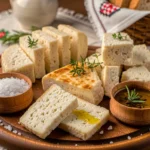

Paški Sir – Pag Island Sheep Cheese (Salty & Herb-Infused)
Course: Cheese, AppetizerCuisine: CroatianDifficulty: Hard10
servings60
minutes9
months480
kcalPaški sir is traditionally made by heating raw sheep’s milk to around 32–37°C, then adding rennet to form curds. After setting, the curds are cut small, gently heated, and pressed into round cheese molds. The formed cheese rounds are salted and brined for about one day. They are then aged in cool, humid cellars for anywhere from 2 months up to a year or more, developing a natural rind. The cheese requires at least two months to be called Paški sir (though many producers age it 6–8 months for extra complexity). The final product is a hard, savory cheese with a firm, slightly crumbly texture and a salty-herbal profile. It is often enjoyed shaved on salads, grated over pasta, or simply sliced with dried fruit and wine as an appetizer.
Ingredients
Sheep’s milk: 25 liters (preferably from Pag sheep, if available)
Rennet: 5–10 mL liquid rennet (or appropriate amount of powder), suitable for sheep’s milk
Cheese salt: non-iodized salt (about 200–300 g, fine salt, in brine or dry salting as per method)
Cheese culture (optional): mesophilic starter (for safety in home settings)
Olive oil: for rubbing rind during aging (optional, typically used by pros)
Directions
Heat the milk: Pour the sheep’s milk into a large stainless steel pot and slowly heat it to about 32°C (90°F), stirring gently. (Time: ~20 minutes)
Add rennet: Remove from heat and add the liquid rennet (per package directions) while stirring. Cover and let the milk sit undisturbed for ~45 minutes, allowing a firm curd to form. (Time: 45 minutes)
Cut and cook curd: Once set, cut the curd into pea-sized pieces using a long knife or curd cutter. Slowly heat the curds to 38–40°C (100–104°F) over 20–30 minutes, stirring gently. (Time: 30 minutes)
Drain curds: Transfer the curds into cheese molds lined with cheesecloth. Press lightly (around 10–15 pounds pressure) for about 4 hours, flipping halfway, so excess whey drains out and a solid cheese mass forms. (Time: 4 hours)
Brine the cheese: Remove the newly formed cheese wheels from the molds. Submerge them in a 20% salt brine (200 g salt per liter of water) for 18–24 hours. This flavors and preserves the surface.
Age: Take cheeses out of brine, pat dry, and place on wooden shelves in a cool (~12°C) humid (85% humidity) environment. Flip and wipe each cheese daily. Let them age a minimum of 2 months; traditionally 6–18 months. (Aging: 60+ days, up to 2 years)
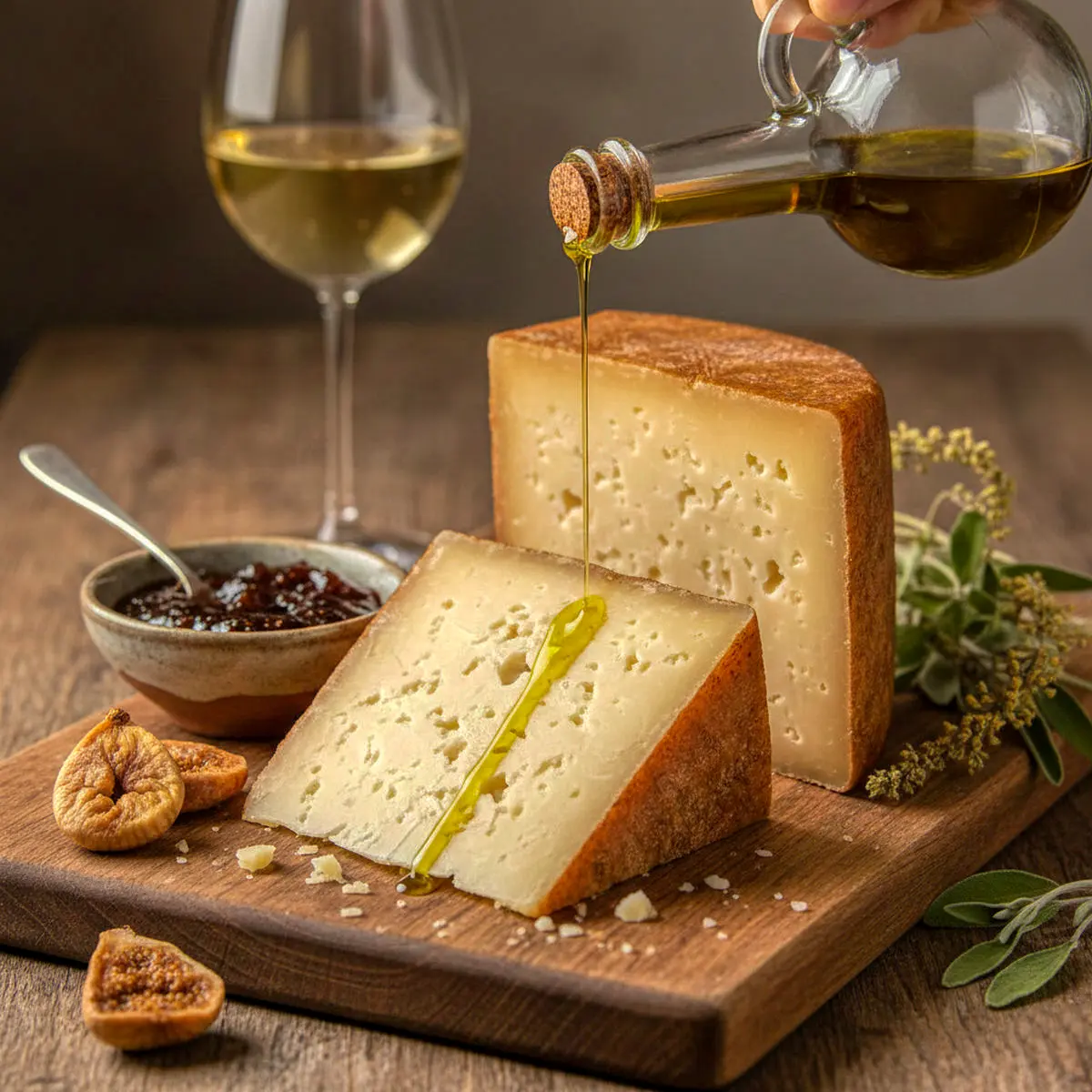
Serve: When mature, let the cheese come to room temperature. Slice or grate it. For an appetizer, serve wedges with fig jam and olive oil. To use in recipes, grate it like Parmesan over pasta or salad.
Tips, Troubleshooting & Variations
- Quick notes: Real Paški sir uses raw milk from local Pag sheep, which has a high fat content and distinctive herbaceous note. If making at home, you may pasteurize the milk first (Pastry milk is common in domestic production). The only allergen is dairy. Use kosher or cheese salt to avoid additives.
- Serving Suggestions & Pairings: Paški sir is at its best with contrasting flavors. Serve thick slices with slices of ripe pear or melon for a sweet note. Drizzle robust extra virgin olive oil or pair with honey to complement its savory bite. It also goes well crumbled atop bruschetta or stirred into risotto in place of Parmesan. A strong aromatic white wine or a dry red works beautifully with it. At festive gatherings, you’ll often see Paški sir on cheese platters alongside cured meats and olives.
- Storage & Reheating: As a hard cheese, Paški sir stores well. Keep a wedge wrapped in wax paper inside the fridge; it will stay good for months (especially if the rind is rubbed with oil). Avoid freezing – the texture will suffer. If the cut surface dries out, simply cut off the exposed part and use the fresh interior. There is no “reheating” needed – it is eaten at room temperature or added directly to dishes.
- Variations & Substitutions: Vegetarian (Rennet-Free): Use microbial or vegetable rennet to make a similar hard cheese. It will lose some of the classic tang but works well for homemade versions. Cow/Goat Milk Version: If sheep’s milk is not available, try combining goat or full-fat cow’s milk. The texture will be softer and the flavor less salty, but the method remains similar (aging times may need adjusting). Smoked Paški: Some producers lightly smoke young Paški sir as a variation. You can mimic this by placing young wheels in a smoker box for a few hours after brining and before aging. Younger Creamy Style: For a fresh take, enjoy a 2–3 month old Paški sir. It will be creamier and milder. In Croatia, this is sometimes called “Paški sir svježi” (fresh Pag cheese).
- Chef’s Tips: Use cheese mats or spruce boards if aging at home – they help maintain humidity and flavor. Oil the rind with olive oil (as done traditionally) to prevent cracks and mold. Reapply weekly during aging. For homemade brine, use whey from the curd draining for a flavor boost.
- Equipment Needed: Large stainless-steel pot (5+ liters) with lid for heating milk. Dairy thermometer (to monitor milk temperature). Long knife or curd cutter. Cheese molds or heavy-duty containers. Cheesecloth or butter muslin for draining. Cheese press (home version with weights or a DIY setup). Brine container (food-safe bucket or tub). Aging shelf or cool spot (wine fridge, cheese cave, or basement).