


10 Best Carnivals In The World
From Rio's samba spectacle to Venice's masked elegance, explore 10 unique festivals that showcase human creativity, cultural diversity, and the universal spirit of celebration. Uncover…


Table of Contents
24
servings30
minutes15
minutes220
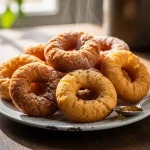
kcalThis Makroudh recipe uses a simple ratio of semolina, liquid and oil to form a pliable dough. The filling is made from sweet dates (often blended or finely chopped) mixed with a pinch of cinnamon and sometimes nuts. Each log is sliced into diamond shapes and deep-fried or oven-baked until just crisp. Finally, the hot cakes are soaked in warm honey syrup infused with orange blossom water. The finished Makroudh are tender and moist inside, with a crunchy exterior. Serve them with mint tea or coffee for a satisfying sweet snack during Ramadan, Eid or any celebration.
Medium Semolina: 3 cups (about 360 g) – coarse semolina forms the base. (Fine semolina yields a more delicate texture, coarse gives a rustic bite.)
All-Purpose Flour: ½ cup (60 g) – helps bind the semolina. (Chickpea flour is a traditional alternate.)
Baking Powder: ½ teaspoon – optional, for slight puffiness.
Salt: ¼ teaspoon – balances the sweetness.
Sugar: 1 tablespoon – very little; the syrup will sweeten the pastry. (Omit for a less-sweet dough.)
Butter or Olive Oil: ¼ cup (50 g) melted – for moisture and richness. (Use neutral oil or melted clarified butter; some recipes use only olive oil.)
Water: ~1 cup, lukewarm – to form the dough (add gradually until malleable). Some use orange blossom water (2–3 tablespoons) in place of part of the water for fragrance.
Ground Dates: 2 cups (about 300 g) – Medjool or Deglet Nour dates pitted and mashed into a paste. (Store-bought date paste can substitute.)
Ground Almonds (optional): ½ cup (50 g) – for mixing into the date filling for texture (or use ¼ cup of finely chopped walnuts).
Cinnamon: 1 teaspoon – blended into the date filling. (Cardamom or nutmeg can also be used.)
Orange Blossom Water: 2 tablespoons – in the syrup, to perfume the honey. (Rose water or vanilla extract can add variation.)
Honey: 1 cup (300 g) – for the syrup to soak the fried cakes. (Or use pure cane sugar syrup.)
Water (for syrup): ½ cup – to make a honey syrup (if needed; often honey is thinned with water or fruit juice).
Lemon Juice: 1 tablespoon – keeps syrup from crystallizing and adds brightness.
For a nut filling variation, replace the date paste with almond paste or a mix of ground figs. Gluten-free bakers can use a gluten-free flour blend instead of wheat flour (final texture will be more sandy). If honey is scarce, a simple syrup of 1½ cups sugar + 1 cup water (with a little orange blossom water) can be used.
Prepare Dough: In a bowl, combine semolina, flour, baking powder, sugar, and salt. Pour in melted butter and mix so crumbs form. Gradually add lukewarm water (or part orange blossom water) and knead to form a soft dough that holds together (should be moist but not sticky). (Time: 10 min)
Rest: Cover the dough and let it rest for at least 30 minutes. This hydrates the semolina, making the dough easier to shape. (Time: 30 min)
Make Filling: Combine the mashed date paste with ground almonds (if using), cinnamon, and a pinch of salt. Knead or press until you have a smooth, firm filling (add a drop of oil if too crumbly). Roll into a log and set aside. (Time: 10 min)
Divide Dough: Roll the dough into one large log or divide into 2–3 smaller logs (depending on preference). Flatten each log slightly.
Form Cakes: Using your thumb, create a long hollow channel in the dough log (like a trough). Place the date log inside, then enclose it completely by pinching the dough together around it. Roll gently to smooth the seam. You now have one filled log. (Time: 5 min)
Cut Diamonds: Using a sharp knife, cut the filled log on a slight diagonal into diamond shapes, about 2 inches (5 cm) wide. Alternatively, cut cubes by making a grid of diagonal and straight cuts. The shape should allow oil to surround each piece.
Fry: Heat enough oil (vegetable or light olive oil) in a deep skillet over medium heat. The oil should be about 350°F (175°C). Carefully slide a few diamonds into the oil (do not overcrowd). Fry until golden brown on both sides, flipping as needed (about 2–3 minutes per side). Drain on paper towels. Repeat with remaining pieces. (Time: 15 min)
Make Honey Syrup: In a small saucepan, combine honey, water, and lemon juice. Warm gently until fluid and mix well. Remove from heat and stir in orange blossom water. (If using sugar syrup instead, boil sugar and water until syrupy, then add orange blossom water off heat.) (Time: 5 min)
Soak Makroudh: While the makroudh are still warm, carefully dip each piece into the warm syrup, or pour syrup over them in a shallow dish. Allow them to soak for a minute or two, turning to coat completely. Place the soaked makroudh on a rack or tray. They should appear glossy but not syrup-dripping.
Cool and Serve: Let the cakes cool to room temperature so the syrup sets. The surface will become tacky. Serve these honey-drenched date cakes at room temperature, alongside tea or coffee.
From Rio's samba spectacle to Venice's masked elegance, explore 10 unique festivals that showcase human creativity, cultural diversity, and the universal spirit of celebration. Uncover…
With its romantic canals, amazing architecture, and great historical relevance, Venice, a charming city on the Adriatic Sea, fascinates visitors. The great center of this…

In a world full of well-known travel destinations, some incredible sites stay secret and unreachable to most people. For those who are adventurous enough to…

Discover the vibrant nightlife scenes of Europe's most fascinating cities and travel to remember-able destinations! From the vibrant beauty of London to the thrilling energy…

Boat travel—especially on a cruise—offers a distinctive and all-inclusive vacation. Still, there are benefits and drawbacks to take into account, much as with any kind…
