


Nightlife today means far more than just dance clubs under neon lights; it spans street-side jazz, rooftop cocktail bars, all-night arts spaces and festival after-parties. A recent Time Out survey of 18,500 city residents highlights this broader spectrum of nocturnal culture. In that 2025 ranking Las Vegas is crowned the world’s nightlife capital, with Madrid and Paris following. The ranking assessed each city on local opinions of both nightlife quality and affordability. For U.S. cities, the list spotlights the unique blend of music, drink and community that keeps each city awake after dark. This guide examines America’s top ten party cities in depth, drawing on the latest survey data and local insights to cover neighborhoods, venues and cultural scene — from mega-clubs to hidden speakeasies — for travelers and locals alike.
- Quick Overview: America’s Top 10 Nightlife Cities
- 1. Las Vegas, Nevada: The Undisputed Nightlife Capital
- 2. Chicago, Illinois: Rooftop Bars, Blues and Legendary Dive Bars
- 3. New Orleans, Louisiana: Where Music Never Stops
- 4. Miami, Florida: Glamour, Beach Clubs and Latin Rhythms
- 5. New York City, New York: The Original “City That Never Sleeps”
- 6. Los Angeles, California: Hollywood Glamour Meets Beachside Chill
- 7. Austin, Texas: Live Music Capital of the World
- 8. San Diego, California: Sophisticated Beach Vibes
- 9. Nashville, Tennessee: Honky-Tonks and Modern Country
- 10. Denver, Colorado: Craft Culture Meets Mountain Nightlife
- FAQs About US Nightlife Cities
- Finding Your Perfect Nightlife City
Quick Overview: America’s Top 10 Nightlife Cities
- Las Vegas, NV: Nevada’s entertainment capital tops every list. Renowned for its mega-nightclubs on the Strip, Vegas has seen a recent shift toward low-key cocktail lounges in the Arts District. Locals gave Vegas an overwhelming endorsement: 88% rate its nightlife “good” or “amazing”. The city offers 24/7 party energy (EDC rave in May) and dozens of hidden bars (speakeasies behind a barber shop, in the Mob Museum, etc.). Best for: Clubbing variety, pool parties, bachelor parties. Cost: Very high (cover charges and drinks costly).
- Chicago, IL: The Midwest heavyweight blends urban sophistication with deep musical roots. It features iconic rooftop bars (with skyline views), historic blues clubs and the birthplace of house music. Chicago matches New York’s late-night energy (noon-to-dawn covers), yet much nightlife happens neighborhood by neighborhood: River North lounges, Wicker Park dive bars, and South Loop venues. Best for: Rooftop drinks, live blues and jazz, underground dance. Cost: Moderate-to-high (cocktails $10–15, moderate cover fees).
- New Orleans, LA: Louisiana’s cultural capital offers a nonstop music scene. Frenchmen Street in the Marigny is famed for its live jazz, reggae and brass bands pouring out into the street. Lower Bourbon Street, by contrast, embraces wild tourist revelry with open-air bars and neon lights. The entire city hums with 24/7 music — from street performers to late-night jazz clubs — especially during Mardi Gras and festival season. Best for: Jazz and brass music, second-line parades, free live shows. Cost: Moderate (no cover at many venues, drinks ~$5–10).
- Miami, FL: A glamorous tropical party town with a Latin flair. South Beach’s clubs (LIV, Mango’s, etc.) are world-famous, and Wynwood’s arts district adds hip cocktail lounges and craft breweries (e.g. Cerveceria La Tropical). Downtown Miami’s E11EVEN is a 24/7 ultraclub. Strong Hispanic influence means salsa nights and reggaeton, plus large LGBTQ+ venues (Twist South Beach, etc.). Miami’s nightlife peaks during spring breakers and Art Basel week. Best for: Beach clubs, Latin dance, pool parties. Cost: High (dinner and drinks are expensive).
- New York City, NY: The original “city that never sleeps” with unparalleled variety. Manhattan’s rooftop bars and speakeasies coexist with Brooklyn’s warehouse parties and underground jazz clubs. NYC’s 4:00 AM last call cements its all-night status. Beyond dancing, there are Broadway musicals, comedy clubs and late-night theater. Every borough has its flavor: Manhattan glitz, Brooklyn indie music, Queens cosmopolitan clubs and the LGBTQ+ scene in Midtown. Best for: Endless variety (clubs, jazz, comedy, theater). Cost: Very high (cover charges common; drinks $12–15).
- Los Angeles, CA: A sprawling scene mixing Hollywood glamor and beach cool. West Hollywood’s Sunset Strip is lined with high-profile lounges and celebrity-studded clubs. Downtown LA and Koreatown offer edgy speakeasies and rooftop bars (Time Out notes L.A. rooftops provide cocktails amid “beautiful sunsets”). In Silver Lake and Echo Park, dive bars and craft cocktail lounges fuel the hipster crowd. Beachside nightlife (Santa Monica, Malibu) is more relaxed with ocean-view bars. Best for: Scenic rooftop bars, celebrity party spots, laid-back beach bars. Cost: High (LA is big-ticket for dining and drinks).
- Austin, TX: Texas’s “Live Music Capital of the World.” Sixth Street (downtown) is closed to traffic on weekends and packed with venues blaring live music. Rainey Street’s bungalow bars offer relaxed vibes; Red River Cultural District hosts rock shows. Hundreds of live acts (country, rock, blues) play nightly — music is as ubiquitous as tacos. SXSW and ACL festivals bring global visitors each spring. Best for: Live bands of every genre, casual honky-tonks, outdoor concerts. Cost: Moderate (covers low, beers ~$4–6).
- San Diego, CA: Combines Southern California sunshine with an urban nightlife core. The Gaslamp Quarter in downtown is a historic hub of bars, clubs and live music. Pacific Beach draws a college-age crowd to beachfront clubs, while Hillcrest is the lively LGBTQ+ district. San Diego’s scene is a “vibrant playground” of options: in Gaslamp you’ll find nightclubs and lounges, and even rooftop pools (by day). Craft breweries and cocktail bars pepper neighborhoods, ensuring something for every taste. Best for: Nightlife mixed with outdoor vibes; rooftop lounges with skyline/ocean views. Cost: Moderate (drink prices typical for California).
- Nashville, TN: Country music meets party town. Broadway’s strip of honky-tonks is so iconic it’s called the “Honky Tonk Highway,” where live bands play from 10 AM until 3 AM daily (often with no cover charge). Rooftop bars and whiskey lounges line the street, and famed venues showcase local up-and-comers for free. Beyond Broadway, East Nashville offers a hip bar scene with indie rock and dive bars. Overall, nearly 100% of the city pulses with music 24/7. Best for: Country and modern music, bar-hopping on Broadway. Cost: Moderate (many bars free music; cover often $5–10).
- Denver, CO: An up-and-coming nightlife gem with a laid-back vibe. Downtown LoDo (Lower Downtown) and the adjacent RiNo (River North) district are packed with breweries, whiskey bars and nightclubs. Denver is nationally known for craft beer (“Napa of beer”), and many brewery taprooms turn into live music hangouts at night. The outdoor Red Rocks Amphitheatre stages legendary concerts under the stars. Colorado’s legal cannabis culture also gives Denver a unique edge (with dispensary lounges and 420-friendly events). Best for: Craft beer bars, live music at Red Rocks, relaxed late-night scene. Cost: Moderate (beer-centric, cover fees modest).
1. Las Vegas, Nevada: The Undisputed Nightlife Capital

Las Vegas captures the imagination with its Strip superclubs, but its recent nightlife renaissance runs deeper. Time Out’s global 2025 ranking leads with Vegas, noting that while residents still flock to epic EDM and hip-hop nights in mega-clubs, “in recent years there has been a shift to a more low-key nightlife venue: the cocktail bar,” especially in a transformed Arts District downtown. Today the Arts District buzzes with inventive lounges – bars like Stray Pirate, Doberman and Nocturno – drawing locals away from the casinos. Even as legendary clubs like Hakkasan and Omnia pack the Strip, visitors find equal thrill in hidden speakeasies: from a bar under a working barbershop to a basement lounge in the Mob Museum. Las Vegas is also home to world-famous festivals: every May, Electric Daisy Carnival turns the Motor Speedway into a giant outdoor rave.
Throughout the city, late-night drinking options are virtually 24/7. Time Out reports that 88% of Vegas residents call their nightlife scene “good” or “amazing” – the highest rating of any city surveyed. For visitors, that translates to any budget. Budget-minded travelers can hit free pool parties at day clubs, low-cover nights at Fremont Street’s Golden Nugget or cheap beers at downtown dives. Mid-range party-goers enjoy the Strip’s large bars and chain clubs (House of Blues, Drai’s) for $50–100 cover and cocktails around $15–20. Splurge-level patrons reserve VIP tables in clubs or restaurant-clubs (LAVO, Marquee) – a night out can easily exceed $1,000 with bottle service and tips.
Highlights: The Las Vegas Strip (resort clubs, casinos, late-night 24-hour restaurants), Fremont Street Experience (live free music under neon canopy), the downtown Arts District (trendy cocktail lounges and bars, craft brewpubs), and the endless themed parties (from circus acts to EDM festivals).
See Also: Hidden speakeasies like The Laundry Room (speakeasy requiring reservation) or Commonwealth. Outdoor shows and fireworks, plus endless Cirque du Soleil productions as part of nightlife culture.
2. Chicago, Illinois: Rooftop Bars, Blues and Legendary Dive Bars

Chicago offers a rich urban nightlife. Its welcoming city ordinances allow bars to stay open late – Chicago even “matches New York’s late-night energy,” with weekday 2:00 AM last calls. That means after-hours crowds migrate to the many rooftop bars and lounges for skyline views. Well-known spots include the LondonHouse Rooftop (see River and Michigan Avenue), Cindy’s Rooftop (Millennium Park vista), and Navy Pier’s huge Offshore bar. These sky-high venues let patrons sip craft cocktails as the sun sets over Lake Michigan.
Chicago is also the birthplace of house music and a cradle of blues and jazz. In Fulton Market and River North, small dance clubs play house, techno, and hip-hop deep into the night. Meanwhile, the South Loop and Uptown host iconic live music institutions: the Green Mill Cocktail Lounge (Prohibition-era jazz haunt), Buddy Guy’s Legends (blues club by the blues legend), and jazz rooms like Andy’s or the Jazz Showcase. Neighborhoods add flavor: Wicker Park and Logan Square have dive bars, indie music pubs and beer gardens, and Latino clubs on the near Northwest Side pulse with salsa and cumbia.
Highlights: The Chicago Riverwalk’s evening bars, Navy Pier rooftop lounges, and Millennium Park concerts (Grant Park hosts free summer concerts). Lincoln Park and Lakeview have sports bars and Irish pubs. Every summer, neighborhood festivals from Taste of Chicago to Lollapalooza (Grant Park) extend the nightlife scene.
3. New Orleans, Louisiana: Where Music Never Stops

New Orleans is legendary for its 24/7 musical culture. Unlike many U.S. cities, live music in New Orleans isn’t confined to late-night clubs – it spills into the streets day and night. Frenchmen Street is a prime example: it is “recognized as one of New Orleans’ best spots for finding live music. The sounds of jazz, reggae, and blues spill out of clubs lining the corridor”. Here, intimate clubs like Snug Harbor and The Spotted Cat fill every evening with improvisational jazz and brass bands. The Bourbon Street corridor, by contrast, offers a raucous, tourist-friendly spectacle of open-air bars, neon signs and second-line parades. Both co-exist: Bourbon’s chaos and free-flowing drinks draw college crowds, while Frenchmen’s smaller venues attract local aficionados.
At its core, New Orleans nightlife is organic and community-based. Street performers play brass band music on Canal and Royal, and impromptu jazz second lines (parades with drummers and dancers) wander neighborhoods after sporting events or weeknight gatherings. Mardi Gras and Jazz Fest season amplify this ethos: Bourbon Street and the French Quarter erupt in non-stop partying, but you’ll find live brass bands on street corners and porch balconies citywide. Even on a regular night, walking through the Quarter late at night almost guarantees hearing live music wafting from a doorway.
Highlights: Bourbon Street’s famous honky-tonks and open bars (Pat O’Brien’s, Tropical Isle), Frenchmen Street’s laid-back clubs and intimate jazz joints. The historic Preservation Hall (traditional jazz) and Maple Leaf Bar (blues) for authentic local music experiences. Bourbon Street’s clubs often have cover charges, but most Frenchmen spots are cheaper and often free with drink minimums.
Travel Note: Best times to visit are Mardi Gras (February/March) or Jazz Fest (April/May), though crowds are immense. Fall months and warm-weather weekdays have lively but less overwhelming nightlife.
4. Miami, Florida: Glamour, Beach Clubs and Latin Rhythms

Miami’s nightlife meshes sun, sand and dance. Miami Beach “made the nightlife scene here famous,” with 24/7 energy on Ocean Drive and Collins Avenue. Clubs like LIV (Fontainebleau) and Story bring superstar DJs, while nightlife legends like Twist South Beach (open 25 years) anchor the city’s LGBTQ+ scene. Downtown Miami now hosts E11EVEN, a 24-hour ultraclub packed any night of the week.
The city’s diverse cultures define its after-dark vibe. Latin influences shine in Little Havana’s salsa bars and Wynwood’s Latin clubs. The official tourism site highlights this fusion: Spanish-language dance nights (reggaeton, salsa) at Wynwood’s bars and at fixtures like Ball & Chain in Little Havana. Wynwood itself, an arts district by day, becomes a neon-lit gallery of nightlife by night – craft cocktail lounges here (e.g. Gramps, Cerveceria La Tropical) offer a relaxed vibe after hours. Even upscale cuisine can turn into a party: many stylish restaurants and hotel bars double as nightlife venues after dinner.
Highlights: South Beach’s beachfront clubs and bars (wet clubs and pool parties during spring break/summer). Ocean Drive’s sidewalk bars and drag shows. Wynwood’s eclectic lounges and breweries. Downtown Miami’s Brickell area, now filled with rooftop bars and whiskey clubs. Cost Tip: Miami nightlife is expensive; expect $20+ cocktails, expensive cover charges, and cover fees even at pool parties.
Safety Note: Stick to well-populated areas like South Beach and Brickell; take cabs or rideshares at night.
5. New York City, New York: The Original “City That Never Sleeps”

New York City sets the standard for 24/7 nightlife. Its 4 AM last call (state law in NYC) truly lives up to “city that never sleeps”. Manhattan offers everything: iconic rooftop bars (230 Fifth, The Press Lounge), speakeasies (Like PDT behind a hot-dog sign), and music venues (from cutting-edge clubs in Williamsburg to jazz bars in Harlem). Brooklyn’s nightlife is equally vibrant, with warehouse raves in Bushwick, indie rock dives in Greenpoint, and craft beer bars in Bed-Stuy.
But NYC nightlife goes beyond dancing. The city’s theatrical culture means theaters, comedy clubs (Comedy Cellar, Upright Citizens Brigade) and live music (the East Village jazz scene, Broadway productions) fill late nights. For instance, one could spend evening watching a Broadway show, then hit a Harlem jazz club or Greenwich Village comedy basement afterwards. Even when clubs end at 4:00 AM, diners and hookah lounges stay open to accommodate night owls.
Highlights: Manhattan’s clubs (Marquee, 1 OAK), rooftop lounges (Westlight in Brooklyn, Le Bain in Chelsea). Coney Island’s boardwalk bars and nightlife in summer. Lower East Side dive bars (White Horse Tavern). Practical Tip: NYC’s extensive subway (running 24h) and yellow cabs make moving around easy. Dress in layers – rooftop bars can be chilly in winter.
6. Los Angeles, California: Hollywood Glamour Meets Beachside Chill

Los Angeles nightlife is as spread out as the city itself. Hollywood and West Hollywood (WeHo) are the epicenters of star-studded club life. Here, “see and be seen” spots abound – The Abbey nightclub, PDT LA speakeasy, and Poppy’s secret Tiki lounge draw trendsetters. Downtown LA’s Arts District and Koreatown meanwhile have launched edgy speakeasies and breweries. Time Out notes Los Angeles’ many rooftop bars where “the views rightfully rival the booze” – for example, a drink at a Santa Monica pier-top bar watching the sunset is quintessential L.A. nightlife.
At the same time, LA has a relaxed “beach chill” side. Santa Monica, Venice and Malibu host ocean-view bars (The Bungalow Venice, Malibu Farm) that stay open late in summer. Silver Lake and Echo Park cater to indie-rock and craft-cocktail crowds, with neon-lit dive bars and vinyl lounges. San Fernando Valley’s NoHo district and Pasadena’s Old Town add additional nightlife options, and the myriad comedy clubs (Laugh Factory, The Comedy Store) ensure non-drinkers can have their fun.
Highlights: Hollywood Bowl and Staples Center offer concerts and events. West Side rooftop bars (Broken Shaker on Sunset, The Highlight Room). L.A. Live entertainment complex downtown. Celebrity Factor: It’s common to spot a movie star or musician in WeHo/West Hollywood clubs.
Cost: High – many clubs impose strict dress codes and cover charges can be steep.
7. Austin, Texas: Live Music Capital of the World

Austin’s nightlife is rooted in live music. The city proudly wears the “Keep Austin Weird” slogan, reflecting its quirky bar culture. Sixth Street (Downtown) is quintessential Austin party: a half-mile of block after block of bars and clubs, so packed with music and crowds that the street itself closes to car traffic on weekend nights. Here, every venue (from Country Music Hall of Fame-themed dives to Irish pubs) offers local bands and jukebox tunes into the wee hours. Sixth Street alone can be wall-to-wall revelers on weekends.
Just south of Downtown, Rainey Street transforms bungalow houses into backyard bars with live DJs and food trucks. And in East Austin’s industrial blocks, venues like Mohawk and Stubb’s host rock, country and blues acts nightly. Americana and country bars like The Broken Spoke keep traditional dance halls alive. SXSW and Austin City Limits festivals bring an annual flood of global talent and party-goers each spring and fall.
Highlights: Esther’s Follies (satirical comedy-magic show), Mangos (outdoor Latin club on 6th), Antone’s (legendary blues club), and the Hyatt’s Rooftop (modern lounge).
Budget: Austin is relatively affordable – craft beer $5–6, no-cover jams possible.
Dress Code: Very casual (T-shirt and boots).
8. San Diego, California: Sophisticated Beach Vibes

San Diego blends an upscale nightlife scene with coastal ease. The downtown Gaslamp Quarter is the heart of night action. As the Gaslamp Association puts it, this historic district “brings a bright fire to any night out”. Here you’ll find everything from laid-back taverns and comedy clubs to chic nightclubs and rooftop lounges. Outdoorsy San Diego advantages: many bars have rooftop patios with skyline or harbor views. The city’s tourism site calls San Diego “a vibrant playground” where neighborhoods transform after dark.
By day, pool bars serve craft cocktails under the sun; by night, the same rooftop spaces host DJs and dancing. North Park and Hillcrest neighborhoods add flavor – the latter is known for its lively gay bar scene and festivals like Pride. Pacific Beach and Mission Beach draw younger crowds to beachfront bars and taco stands at night (think fire pits and nightlife along the boardwalk). San Diego’s craft beer culture also influences nightlife: evenings might start with brewery tours that lead into casual beer halls open late.
Highlights: Gaslamp’s hotspots (Fluxx, Stingaree) and rooftop Club Solamar. Waterfront bars (On The Rox on Harbor Island). Little Italy’s upscale wine bars and Little France-style breweries. Seasonal Note: San Diego nights are busiest in summer and around Comic-Con (July) when visiting fans fill the downtown scene.
9. Nashville, Tennessee: Honky-Tonks and Modern Country

Music runs through Nashville’s nightlife bloodstream. The entire city feels like a permanent festival, especially along Lower Broadway where the famous honky-tonks double as music venues. Known collectively as “Honky Tonk Highway,” this strip features bars pumping live country and rock tunes into the street from 10 AM to 3 AM. Remarkably, most Broadway clubs charge no cover – the philosophy is “music should be shared with all”. Tourists and locals alike can hop between honky-tonks (Robert’s Western World, Tootsie’s Orchid Lounge, Dierks Bentley’s) to catch free live bands and grab a $5 whiskey drink.
Beyond Broadway, Nashville’s scene is diversifying. East Nashville offers hipster bars and music halls with indie rock, jazz and Americana. Trendy new lounges and rooftop bars in The Gulch and Midtown (e.g. L.A. Jackson, Bobby’s Idle Hour) serve craft cocktails to city-dwellers. Classic institutions like the Bluebird Cafe bring songwriter nights for intimate acoustic sessions. Impressively, as the city’s tourism board notes, “the best part is that most music can be enjoyed for free,” with locals estimating 365 days of live tunes without a cover.
Highlights: Live-event venues (Ryman Auditorium concerts, CMAFest in June). Late-night dance bars and electric guitar bars. Rooftops (W Nashville’s Undertow) with city skyline views. Tip: Weekends on Broadway are always busy; weekdays can offer more breathing room. Bachelorette parties and country festival crowds also flock to Nashville, so nightlife can get boisterous.
10. Denver, Colorado: Craft Culture Meets Mountain Nightlife

Denver has quietly risen as a nightlife hotspot, blending its active outdoor lifestyle with a robust party scene. Lower Downtown (LoDo) is packed with brewpubs, cocktail lounges and the occasional nightclub. Denver proudly calls itself the craft beer capital of the US, so even after dark, many locals head to breweries with live music – the taprooms effectively become lively late-night hangouts. The River North Art District (RiNo) similarly interweaves trendy brewpubs and distilleries with street art and dance floors.
An iconic Denver experience is a concert at Red Rocks Amphitheatre – a natural open-air venue that hosts world-renowned music shows under the stars. Even on a regular city night, outdoor lifestyle spills into nightlife: neighbors often gather at rooftop patios and mountain-view bars. Denver is also known for being cannabis-friendly; while public smoking is banned, several cities now allow 420-friendly tours and lounges, making a buzz-worthy niche in the nightlife mix (though of course patrons must go off-peak to legally partake).
Highlights: District Nightclub (EDM), Larimer Square’s cocktail bars, Mile High Stadium concerts. Capitol Hill’s relaxed lounges and dive bars. Late-Night: Colorado law allows 24-hour liquor sales, so bars do stay open later. Cost: Generally moderate – happy hours are common, though downtown drinks run $5–10.
FAQs About US Nightlife Cities
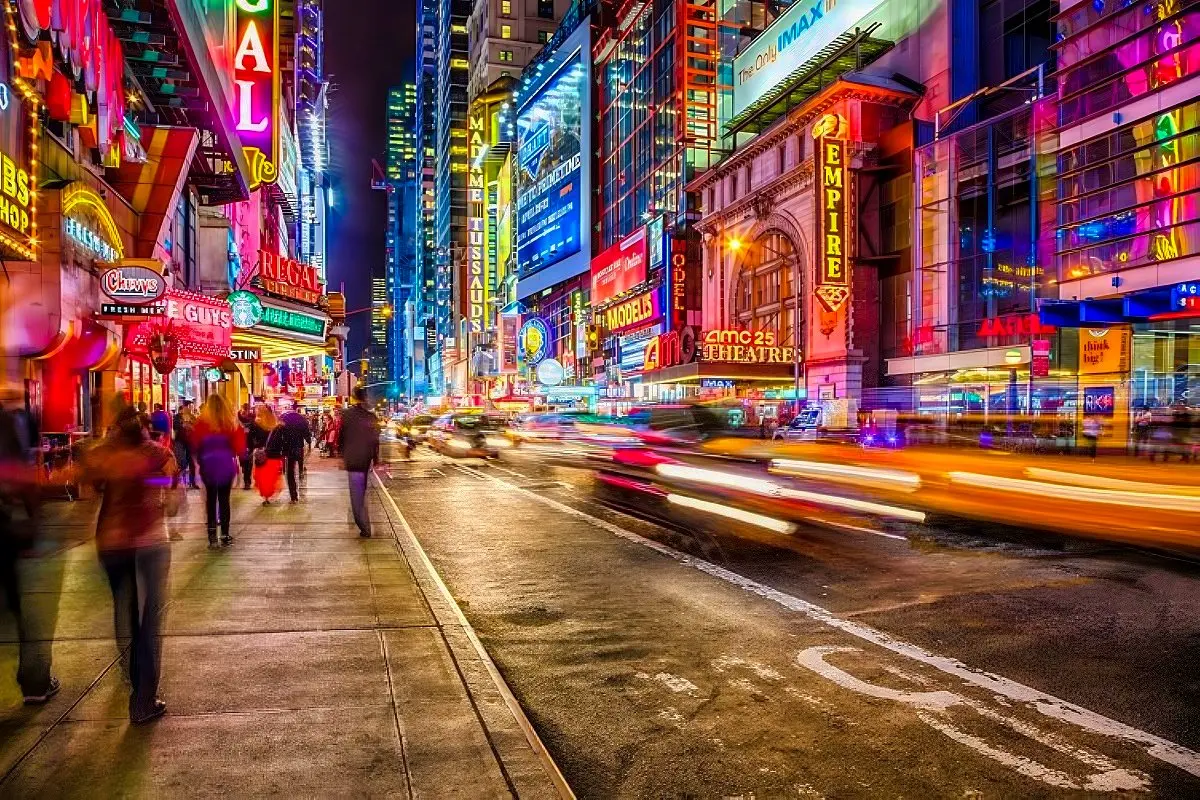
- Which U.S. city has the most 24-hour venues? Las Vegas and Miami lead here. Vegas practically never sleeps – many casinos and clubs operate 24/7 and even non-gambling areas stay late. Miami’s E11EVEN is a literal 24-hour nightclub. New York’s subway and some bars stay open until 4 AM, and New Orleans has live music at all hours.
- What’s the most affordable party city? Among these ten, Austin, Nashville and Denver tend to be lighter on the wallet. All offer free or cheap live music (especially Nashville and Austin), modest cover charges, and lower drink prices than coastal cities. San Diego and Chicago also offer many happy-hour deals. Cities like Vegas and Miami can be very expensive after tipping and cover fees.
- Which cities are best for LGBTQ+ nightlife? Several have vibrant scenes. New York City (West Village/ Hell’s Kitchen), Miami (South Beach, Wynwood) and San Diego (Hillcrest) stand out. Miami & Beach have long been LGBTQ+ party hubs. Also notable are New Orleans (Bourbon Street gay clubs) and Los Angeles (West Hollywood, WeHo’s legendary bars). Many other cities have active LGBTQ nights (e.g. Vegas, Austin, Chicago), but those five are often ranked highest in community events and clubs.
- Where should first-time visitors start? Begin in each city’s iconic district: Las Vegas’s Strip and Fremont Street; Bourbon Street in New Orleans; South Beach in Miami; Broadway in Nashville; Times Square/Midtown in NYC; Sunset Strip/WeHo in LA; Sixth Street in Austin; Gaslamp Quarter in San Diego; the Chicago Loop and River North for Chicago; Denver’s LoDo and RiNo. These give a taste of each city’s flavor. However, to avoid tourist traps, venture out to local-favorite neighborhoods (e.g. East Nashville vs Broadway, Frenchmen vs Bourbon, Wynwood vs Lincoln Road, Wrigleyville vs River North).
- What cities offer nightlife without clubbing? Many do! Jazz/cocktail bar culture in New Orleans or Chicago; comedy and jazz in NYC; brewpubs and concerts in Denver or Austin; speakeasy lounges in LA or Vegas; barbecue and music halls in Nashville; late-night beach walks and live bands in Miami. Each city’s cultural offerings — art shows, theaters, outdoor music — mean you don’t have to hit a dance club to enjoy the night.
- How do U.S. cities compare to international nightlife? American nightlife tends to emphasize clubs, live venues and 18+ bar scenes. By contrast, some international cities (Madrid, Berlin, Tokyo) are famed for all-night street culture and unique traditions. Time Out’s global survey shows the U.S. capturing some top spots (e.g. Vegas #1 globally), but European cities often excel at affordability and alternative scenes (Paris’s new underground parties, Berlin’s techno marathons). Overall, the U.S. offers big-scale entertainment and diversity, while global capitals may offer more age-integrated or avant-garde options.
Finding Your Perfect Nightlife City

Each city on this list has a clear nightlife identity. Las Vegas is unmatched for sheer extravagance; New Orleans and Austin live by music; Miami radiates tropical late-night glamour; New York and Chicago offer endless variety and energy. More laid-back cities like San Diego and Denver pair sophistication with comfort, while Nashville and Los Angeles blend tradition and starpower.
When choosing where to go, match your taste to the city’s strengths. If you crave nonstop clubbing and showmanship, head to Vegas or Miami. For live local music and bar-hopping, Nashville or Austin will satisfy. If rooftop views and cocktails are a priority, try Chicago, NYC or Los Angeles. Solo travelers might enjoy New Orleans for its friendly street scene; group trips and bachelorette parties often flock to Las Vegas or Miami.
Above all, plan smart: check peak seasons, set a budget, and use transportation wisely. With that done, simply soak in each city’s unique flavor — whether it’s jazz drifting through the French Quarter, an Austin honky-tonk band on Sixth, or a high-rise toast under San Diego’s skyline. Whatever your scene, the perfect U.S. nightlife city awaits.









