Abruzzo’s Wild Horse Sanctuary: Gran Sasso & Campo Imperatore

Abruzzo’s Wild Horse Sanctuary

Campo Imperatore’s broad plateau in Abruzzo’s Gran Sasso NP is famous as Italy’s “Little Tibet” – home to herds of semi-feral horses that roam its summer meadows. This article is the definitive guide on where and how to observe these horses respectfully. It covers the plateau’s geography, park wildlife, and the best viewing spots and times. Practical travel advice is provided for reaching Campo Imperatore by car or cable car, finding parking, and choosing guided or self-guided options. Ethical viewing protocols are emphasized: keep distance, never feed or chase the horses, and follow park regulations. Sections address safety around animals and mountain weather, and suggest gear and itineraries. Detailed FAQs answer every visitor question – from “Are the horses wild or feral?” to “Which tours and lodgings to choose?” – ensuring readers can plan a responsible, enriching horse-watching adventure in Abruzzo’s high country.

World’s Best Botanical Gardens

World’s Best Botanical Gardens

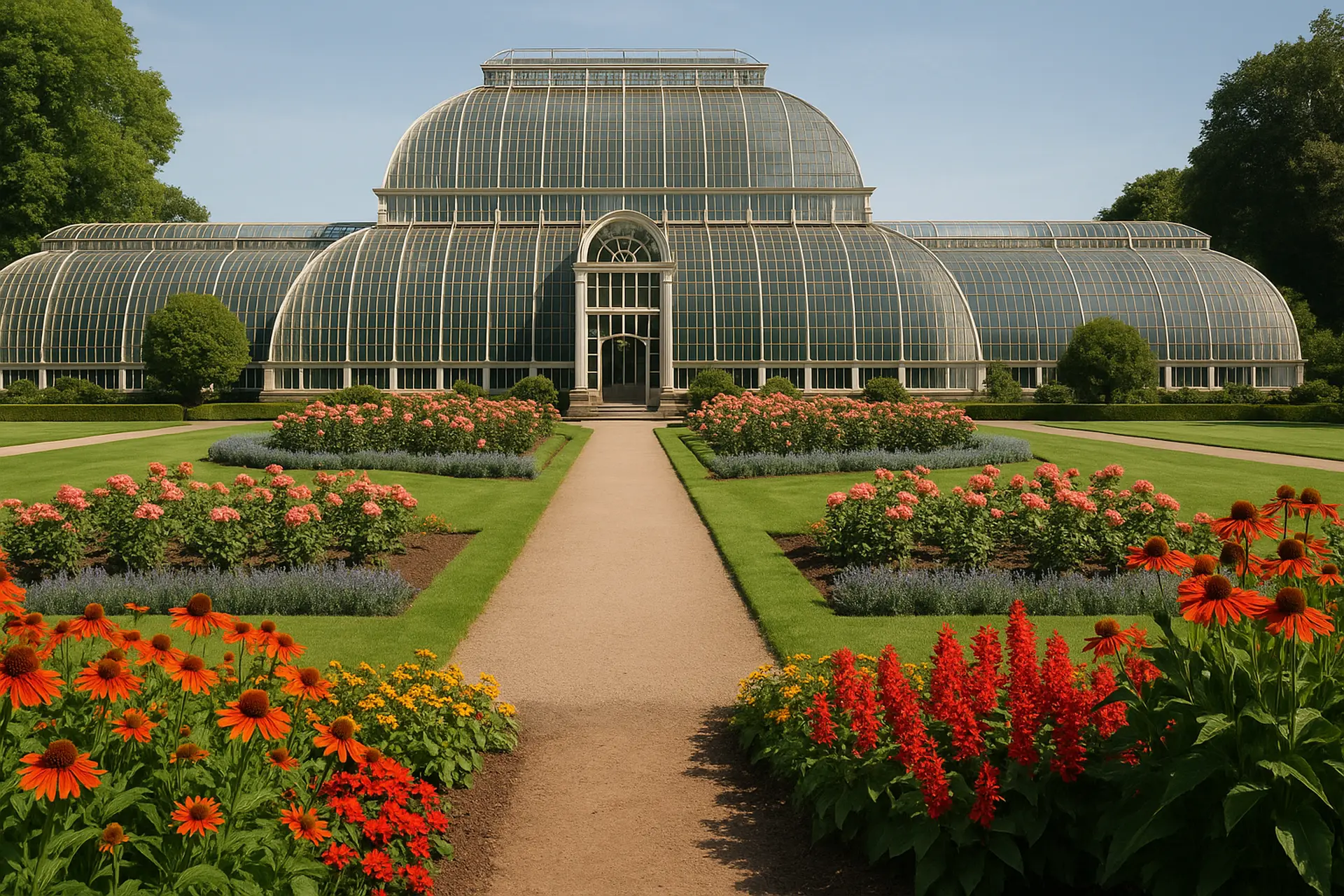
The world’s top botanical gardens blend science, history and horticulture into living museums. Iconic sites like London’s Kew Gardens, Cape Town’s Kirstenbosch and Singapore’s Botanic Gardens are celebrated not just for their beauty, but for their scientific legacy. Kew, a 300-acre UNESCO site, holds over 50,000 plant species and runs the world’s largest seed bank. Singapore’s tropical gardens helped launch the rubber industry. Padua’s 1545 garden, in contrast, pioneered botanical science – housing 6,000 plants and a 50,000-volume library. Across continents, the best gardens protect native flora (for example 7,000 species at Kirstenbosch), foster conservation research, and welcome visitors to walk among rare plants. In every case, a trip through these gardens is also a walk through our shared botanical heritage.




