French Recipes

Crêpes bretonnes sucrées

Thin, supple Breton wheat crêpes rested cold, cooked one by one on a hot 24 cm pan and served in a measured semi-salted butter-and-sugar style.

French Recipes
Share
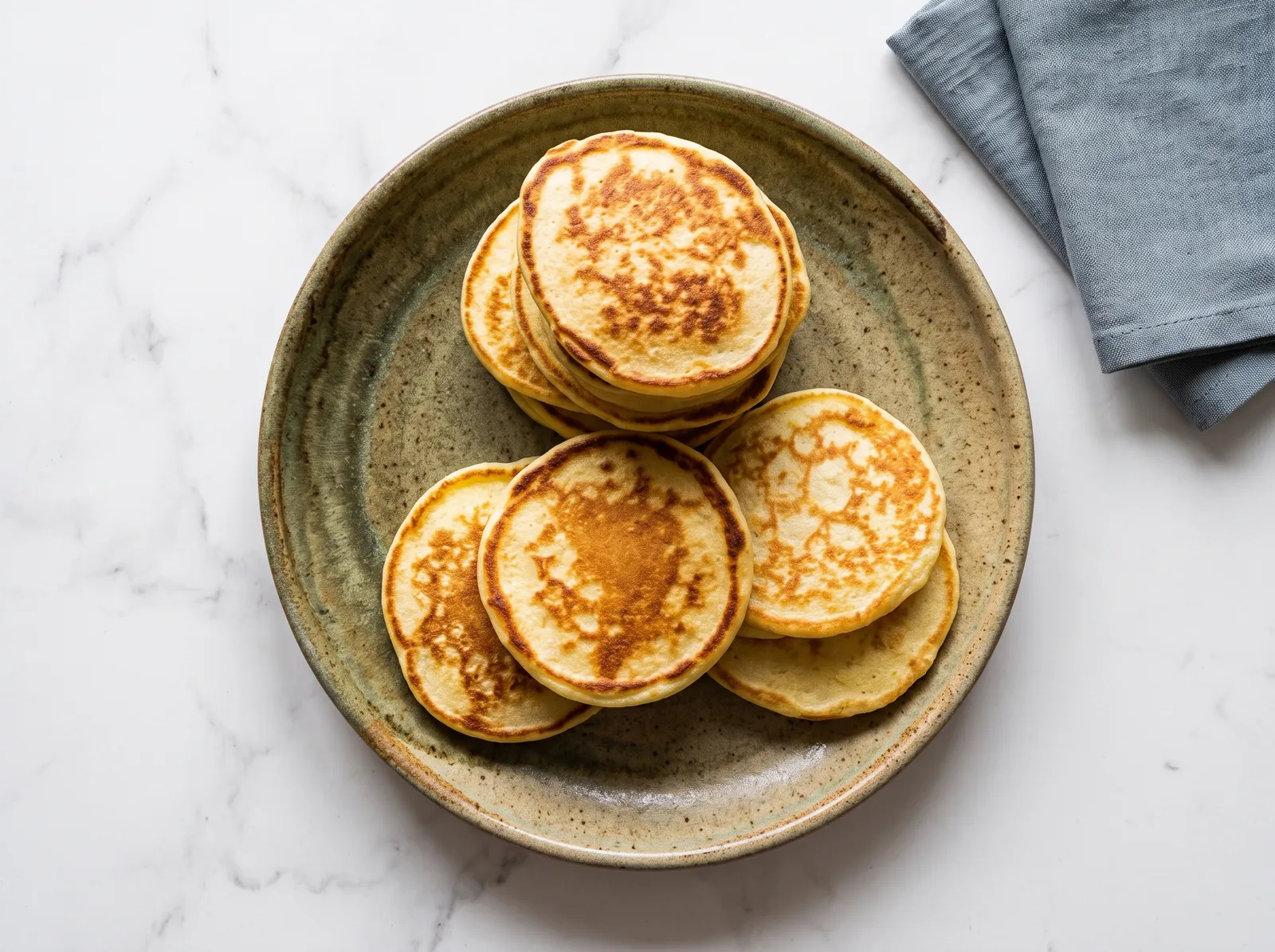
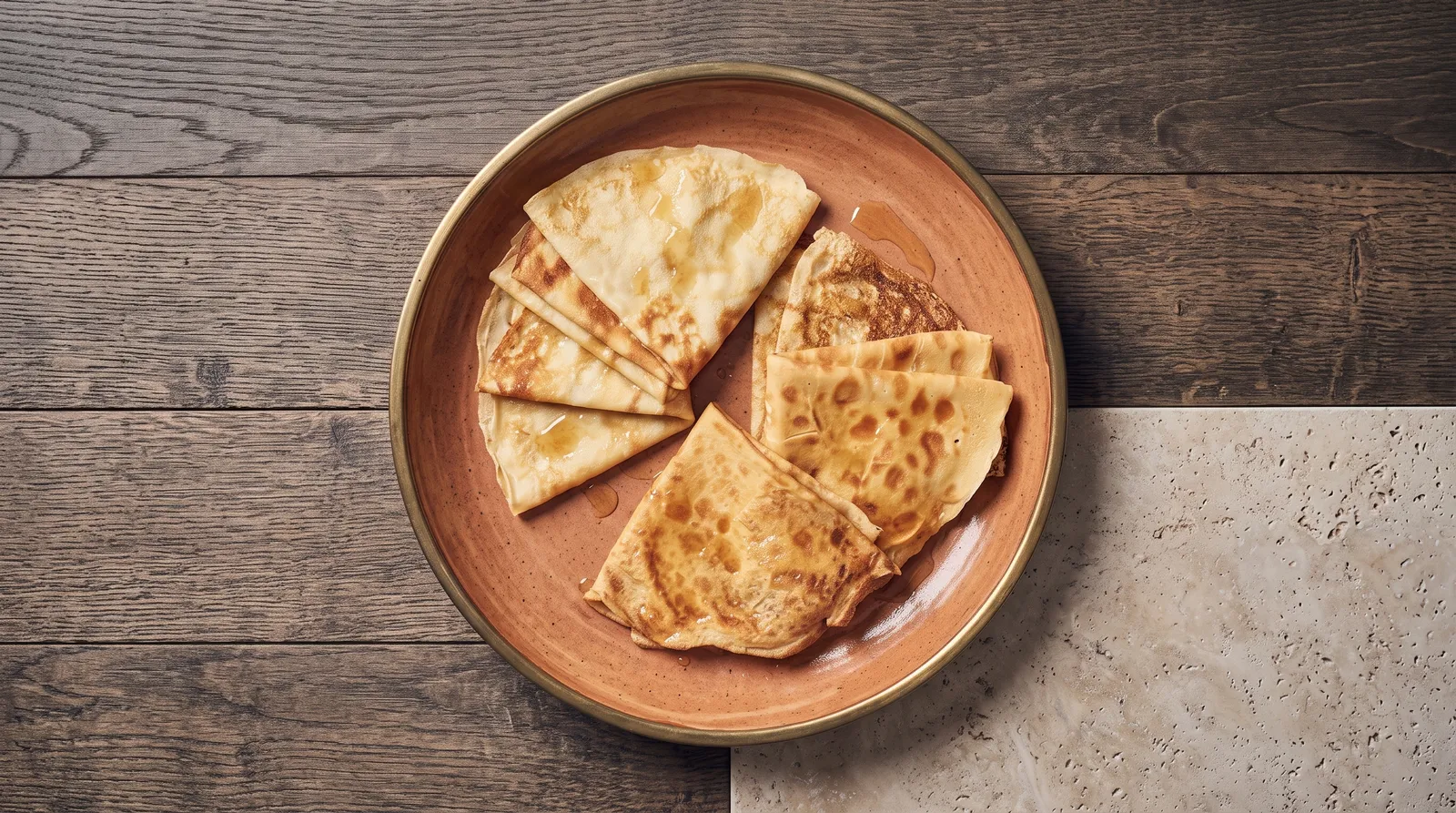
Crêpes bretonnes sucrées — served on a plate
Prep 15 minutes
Cook 29 minutes
Total 104 minutes
Yield 12 crêpes, about 24 cm
Introduction and overview

Crêpes bretonnes sucrées — thin wheat crêpes with beurre-sucre

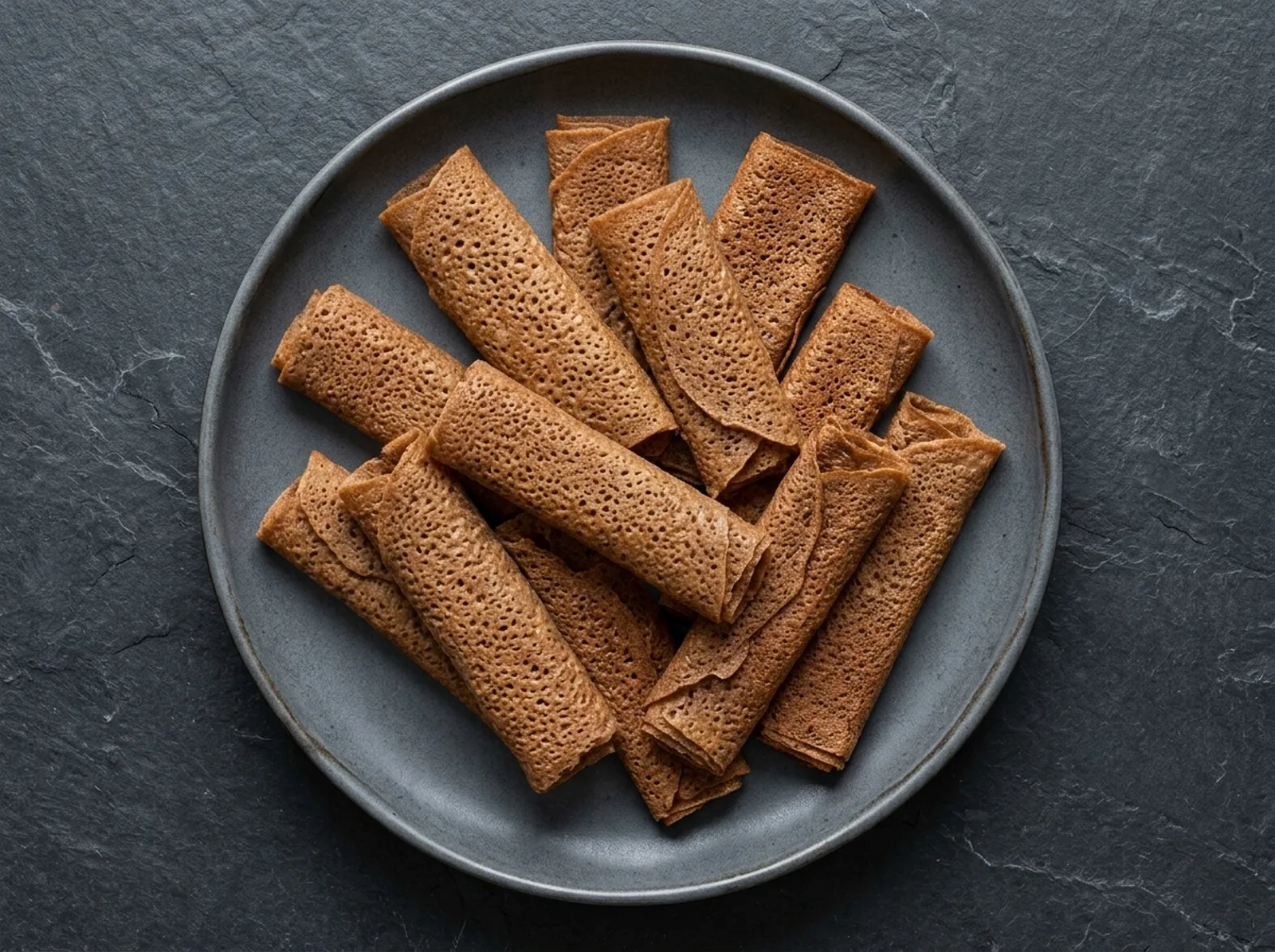
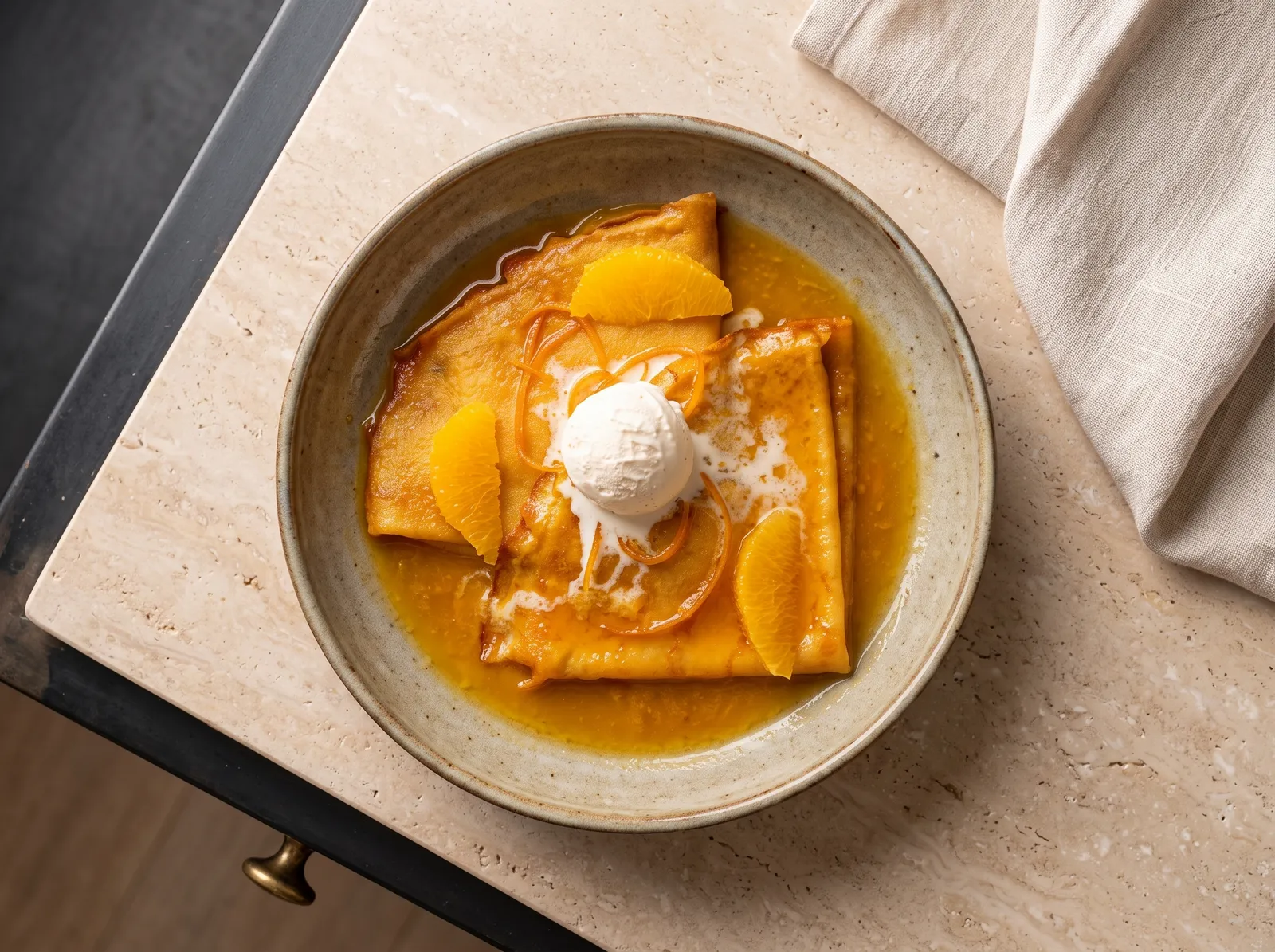
Sweet Breton crêpes are made from wheat flour—froment—not the buckwheat batter used for savoury galettes. The distinction matters because wheat gives the soft, flexible structure expected here. These crêpes are also intentionally different from crêpes dentelle, which are dried until brittle, and from Crêpes Suzette, which are glazed in orange-butter liqueur sauce.

The batter begins thick so the flour can be whisked smooth before the remaining milk is added. After melted butter is incorporated, the mixture rests for a full hour under refrigeration. That pause hydrates the flour and relaxes the batter; it should still pour in a thin ribbon when it comes back to the pan.

A 24 cm pan at about 185 °C takes roughly 65 ml batter per crêpe. The first side cooks until the surface loses all wet sheen and the edge lifts; the second side needs only enough time for light speckling. The fixed Breton service is beurre-sucre: 5 g semi-salted butter and 8 g sugar per crêpe, folded while warm so the result stays supple rather than crisp.
Success points

Success points

  • Whisk a thick base first, then dilute gradually.
  • Rest the batter cold for the full hour.
  • Use about 65 ml per 24 cm crêpe and keep the pan around 185 °C.
  • Cook only until supple with no wet batter; do not dry into dentelle texture.
Ingredients

Ingredients

Batter

  • 250 g plain wheat flour
  • 500 ml whole milk, cold
  • 200 g whole egg, about 4 large eggs without shell
  • 30 g caster sugar
  • 2 g fine salt
  • 25 g unsalted butter, melted and cooled

Pan and service

  • 15 g semi-salted butter, for greasing the pan
  • 60 g semi-salted butter, softened, for serving
  • 96 g caster sugar, for serving
Method

Method

Batter and rest

  1. Build a smooth batter base. Whisk the flour, 30 g sugar and 2 g salt together; make a well, add the eggs and about 150 ml of the milk, and whisk for 4 minutes until smooth. Tool or vessel: large bowl + whisk. Heat: none. Temperature: cool room temperature. Readiness: The batter base is thick, smooth and free of dry flour pockets. Why it matters: Starting thick makes lumps easier to remove. Safety: Do not taste raw flour or egg batter.

  2. Thin the batter with milk and butter. Gradually whisk in the remaining 350 ml milk, then whisk in the 25 g melted cooled butter for 3 minutes. Tool or vessel: same bowl + whisk. Heat: none. Temperature: cool. Readiness: The batter flows in a thin continuous ribbon and has no visible butter droplets. Why it matters: Gradual dilution creates a fluid batter for thin crêpes.

  3. Rest the batter under refrigeration. Cover and refrigerate the batter for 60 minutes at 4 °C or below. Tool or vessel: covered bowl + refrigerator. Heat: none. Temperature: ≤4 °C. Readiness: The rested batter remains pourable and looks slightly more cohesive than before resting. Why it matters: Resting hydrates flour and relaxes gluten. Safety: keep raw egg batter refrigerated.

Cook the crêpes

  1. Heat and lightly butter the pan. Heat a 24 cm crêpe pan for 5 minutes to about 185 °C and wipe with a very thin film from the 15 g semi-salted butter. Tool or vessel: 24 cm crêpe pan. Heat: medium-high. Temperature: about 185 °C pan surface. Readiness: A small drop of batter begins to set immediately without smoking or scorching. Why it matters: A thoroughly heated pan gives thin, even cooking. Safety: Avoid smoking the butter.

  2. Cook twelve thin crêpes. For each crêpe, add about 65 ml batter, immediately swirl into a thin layer, cook about 75 seconds until the top has no wet batter and the edge lifts, turn with a spatula, then cook about 45 seconds until lightly speckled; repeat for 12 crêpes, re-greasing lightly as needed, for about 24 minutes total batch cooking. Tool or vessel: same pan + heatproof spatula. Heat: medium to medium-high. Temperature: about 180–190 °C pan surface. Readiness: Each crêpe is thin and supple, with no wet batter remaining and light golden speckling rather than a dry crisp surface. Why it matters: Consistent batter volume and pan heat give a reproducible 12-piece yield. Safety: keep uncooked batter refrigerated between batches if the kitchen is warm.

Beurre-sucre service

  1. Finish with beurre-sucre. Spread each warm crêpe with 5 g semi-salted butter and 8 g caster sugar, then fold into quarters; serve two per person. Tool or vessel: work surface or warm plate. Heat: none. Temperature: warm. Readiness: The butter melts into the thin crêpe, the sugar remains lightly granular, and the folded crêpe stays soft rather than crisp. Why it matters: Measured beurre-sucre fixes the Breton service and nutrition basis.

Serving and practical guidance

Practical

Substitutions

- Pan: A smooth 24 cm skillet or a flat billig may be used if the same batter volume and surface temperature can be maintained. A different diameter changes thickness and therefore yield.

Troubleshooting

Troubleshooting

  • Problem 1Check the cause and correction. If crêpes are thick and bready, too much batter was used; keep each pour near 65 ml.
  • Problem 2Check the cause and correction. If they tear, the first side was turned before the top lost its wet sheen or the pan cooled too much.
Nutrition per serving

Nutrition per serving

  • Serving size2 beurre-sucre crêpes
  • Calories445 kcal
  • Carbohydrate57.0 g
  • Protein11.3 g
  • Fat18.9 g
  • Fibre1.1 g
  • Sodium282 mg
Allergens and food safety

Allergens and food safety

Allergen: Gluten from wheat.

Allergen: Egg.

Allergen: Milk.

Safety: Do not taste raw flour-and-egg batter.

Safety: Keep resting batter at 4 °C or below.

Safety: Cook both sides until no wet batter remains.

Closing

Closing

  • Result: Thin, supple Breton wheat crêpes rested cold, cooked one by one on a hot 24 cm pan and served in a measured semi-salted butter-and-sugar style.
  • Decisive technique: Whisk a thick base first, then dilute gradually.