
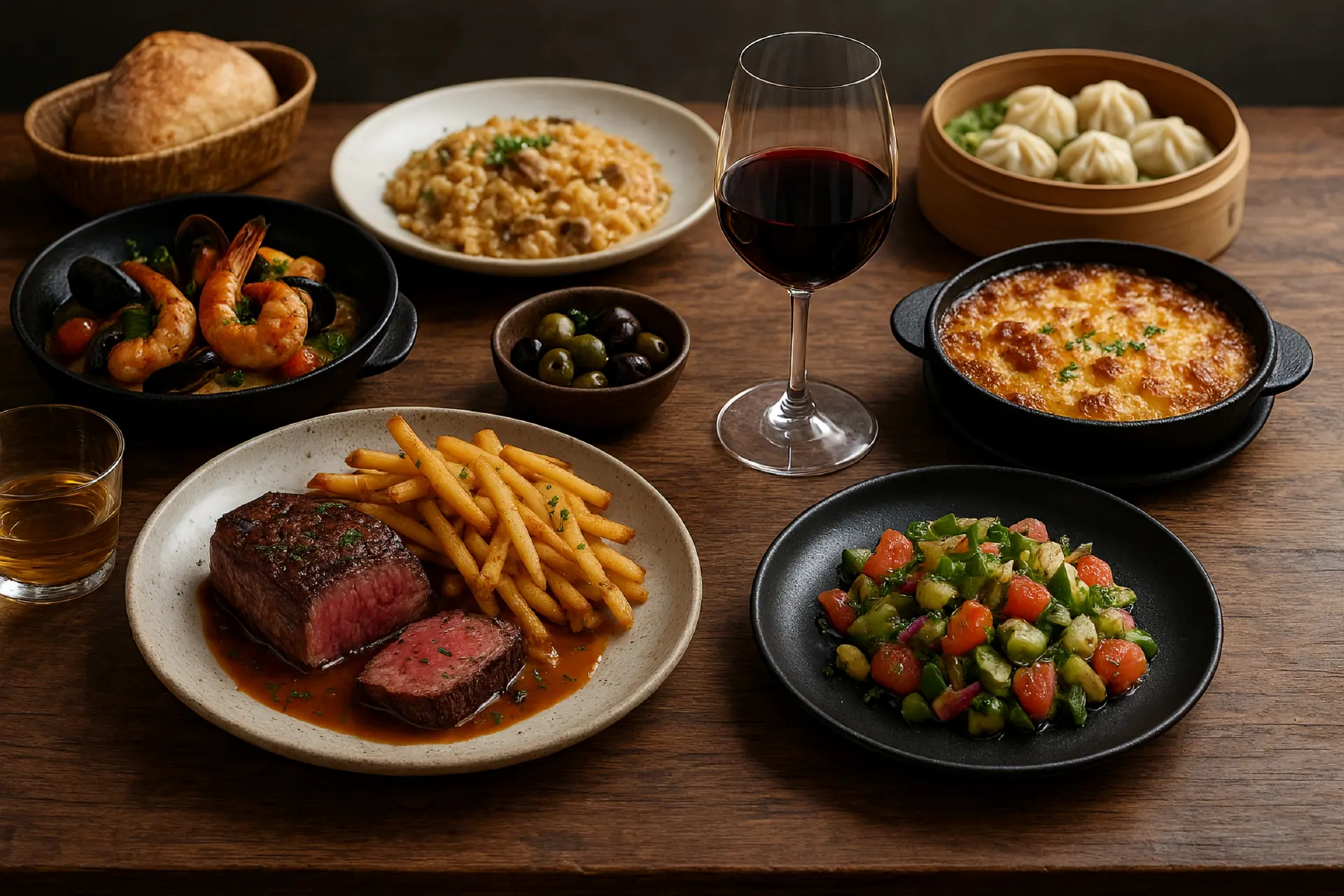

Za mnoge putnike danas, tanjiri su jednako važni kao i mesta. Kulinarski turizam je brzo postao vodeći trend u putovanjima: jedan izveštaj iz industrije napominje da „2025. godine, putovanje se podjednako odnosi na tanjir koliko i na mesto,“ sa gastronomskim iskustvima na vrhu liste želja putnika. Zaista, ankete pokazuju da skoro devet od deset bogatih putnika smatra otkrivanje nove hrane i gurmanskih avantura veoma važnim pri izboru destinacije. Čak i putnici iz popularnih krajeva planiraju oko obroka: prema studiji Hiltona iz 2025. godine, otprilike polovina svetskih turista rezerviše restorane pre nego što rezerviše letove, a 60% luksuznih putnika daje prednost hotelima sa odličnim restoranima u okviru hotela.
- Zašto putovati zbog hrane? Uspon gastronomskog turizma
- Kako odabrati svoju sledeću destinaciju za gurmane
- Definitivna lista: Najbolje gastronomske destinacije, rangirane i zašto
- Meksiko Siti — Moderni klasici susreću drevne tradicije
- Lima — prestonica sevičea u Južnoj Americi
- Tokio — Od pultova sa sušijem do soulfud hrane
- Osaka — Japanska kuhinja: Meka ulične hrane
- Kjoto — Bezvremenske tradicije i zeleni čaj
- San Sebastijan (Španija) — Pinksos i jabukovača u Baskiji
- Barselona — Katalonska kreativnost na tanjiru
- Bolonja i Toskana (Italija) — testenine, parmezan i netaknuta vina
- Bangkok — Živahna ulična kuhinja Tajlanda
- Hanoj i Ho Ši Min — Vijetnamski dragulji hrane
- Penang i Kuala Lumpur (Malezija) — Začinske ulice tropa
- Oahaka (Meksiko) — Mole, Meskal i Kukuruz
- Marakeš i Fes (Maroko) — Začinske pijace i tažini
- Kejptaun (Južna Afrika) — Braai kultura i vinogradi
- Kulinarska iskustva koja ne smete propustiti
- Kako isplanirati i rezervisati odmor za gurmane
- Novac i budžetiranje za putovanja sa hranom
- Bezbednost, zdravlje i dijetetske potrebe
- Sezonski i festivalski kalendar
- Špargalice za komšiluke i pijace
- Saveti za pakovanje, logistiku i putovanja za gurmane
- Putovanja za gurmane za različite publike
- Suveniri od hrane i carinski propisi
- Česta pitanja
Ukratko: hrana je postala centralno sočivo kulture. Degustacija lokalnih specijaliteta – bilo na užurbanim pijacama ili za finim trpezama – uranja posetioce u istoriju i mesto. Ovaj vodič pruža sveobuhvatni priručnik za putovanja usmerena na hranu: od inspirativnih destinacija i jela koja morate probati do praktičnih saveta za planiranje (primerni planovi putovanja, saveti za budžet, kontrolne liste za rezervacije i smernice za bezbednost). Bez obzira da li imate dane za lutanje pijacama ili nedelje za obilazak regiona, ovde ćete pronaći detaljne korake kako da svoje gastronomske fantazije pretvorite u pravo, ukusno putovanje.
Zašto putovati zbog hrane? Uspon gastronomskog turizma
Putovanja radi kulinarskih otkrića su eksplodirala poslednjih godina. Nekada niša, „gastronomski turizam“ je sada globalna industrija vredna XX milijardi dolara (najbrže rastuća u luksuznim putovanjima). Hrana otkriva dušu mesta: na kolicima na uglu ulice ili u porodičnim tavernama, lokalni sastojci i tehnike pričaju priče o istoriji, trgovini i zajednici. Kultura hrane stvara veze preko granica, jer studije pokazuju da većina ljudi preferira autentična, nova kulinarska iskustva u inostranstvu. U praktičnom smislu, to znači da meniji i pijace sve više oblikuju planiranje putovanja: putnici istražuju regionalna jela, prodavce i festivale koliko i radno vreme muzeja.
Kulinarski turizam se takođe poklapa sa širim trendovima putovanja. Moderni posetioci traže iskustvene i impresivne avanture: učenje kuvanja vijetnamskog karija ili traženje tartufa dublje odjekuje od obeležavanja generičkih znamenitosti. Analitičari primećuju da putnici iz 2025. godine kažu da je hrana glavni motivator za izbor mesta za putovanje. U jednom istraživanju, 88% ispitanika je ocenilo „otkrivanje nove hrane ili gurmanskih avantura“ kao važno ili veoma važno u svojim odlukama o putovanju. U međuvremenu, operateri izveštavaju o rastućoj potražnji za turama sa temom hrane, časovima kuvanja i posetama farmama. Drugim rečima, jelo je postalo sastavni deo putovanja kao spavanje ili razgledanje.
Kao rezultat toga, čak i tradicionalno popularna mesta za odmor ističu svoju jestivu privlačnost. Glavni vodiči iz Mišlen, Konde Nast Treveler, National Geographic, Jedec a drugi sada objavljuju godišnje liste najboljih gastronomskih destinacija, od globalnih gradova do proizvođača u selima. Iako takvi pregledi (i vodiči za restorane koji stoje iza njih) ističu popularne restorane i scene ulične hrane, malo ko ide dalje od inspiracije u stvarno planiranje putovanja. Ovaj vodič ima za cilj da premosti taj jaz: kombinovanjem sadržaja koji inspiriše želju za putovanjima sa praktičnim, korak-po-korak savetima.
Kako odabrati svoju sledeću destinaciju za gurmane
Sa toliko ukusnih opcija, kako neko odabere mesto za odlazak? Počinje usklađivanjem vaših kulinarskih interesovanja i potreba za putovanjem. Zapitajte se: Da li žudite za obilaskom uličnih grickalica ili za degustacijom finih restorana? Da li želite da istražite vina i sastojke iz regiona ili da uživate u poznatim jelima jednog grada? Da li postoje zdravstveni ili dijetetski faktori, poput alergija ili vegetarijanstva, koje treba uzeti u obzir? Odgovori će vas voditi ka najboljem izboru.
- Kuhinje i nivo iskustva: Neke destinacije su poznate po uličnoj hrani i svakodnevnim ukusima, druge po visokoj kuhinji sa više jela. Na primer, noćne pijace i tezge na trotoarima u Bangkoku nude začinjenu, duševno toplu tajlandsku uličnu hranu, dok se u Kjotu ili San Sebastijanu traži prefinjena tradicija (kaiseki večere, baskijski pinčos barovi). Odlučite da li želite svakodnevnu lokalnu hranu ili luksuznu gastronomiju. Možete čak i kombinovati oboje: mnogi gradovi (Meksiko Siti, Lima, Marakeš, itd.) nude bogatu scenu ulične hrane. i vrhunski restorani.
- Trajanje putovanja i budžet: Duža putovanja omogućavaju pokrivanje većeg područja. Vikend u Tokiju može obuhvatiti ulice sa ramenom i Mišlenov obrok; desetodnevno putovanje u Japan može uključivati jakitori, školu sušija u Osaki i vinski region na Hokaidu. Ako je vremena malo, razmotrite destinacije sa visokom gustinom hrane (mnogo dobrih obroka u jednom kraju). Budžet je takođe ključan: neki gradovi (Delhi, Hanoj, Lisabon) mogu vas ukusno nahraniti za 30–50 dolara dnevno, dok drugi (Osaka, Napa, Pariz) mogu koštati 150 dolara dnevno ili više kada se uključi fina večera. Stranice sa destinacijama u ovom vodiču uključuju široke raspone budžeta tako da možete planirati u skladu sa tim.
- Sezona i vreme: Mnoge gastro-ideje se vrte oko sezonskih karakteristika. Na primer, poseta Italiji u oktobru znači tartufe i mlado vino; jesen u Japanu donosi kaiseki sa macutake pečurkama; prolećno putovanje u Maroko može se poklopiti sa berbom citrusa i pijacama začina na otvorenom. Pogledajte napomene „Najbolje vreme za posetu“ za svako mesto ispod – mnogi gradovi takođe imaju festivale hrane (od sajmova sira do ekstravagancija morskih plodova) koje vredi pratiti.
- Dijetetska ograničenja: Srećom, globalna kuhinja je inkluzivnija nego ikad. Skoro svaka prestonica hrane sada nudi vegetarijanske/veganske opcije (jela od pirinča, kari, salate itd.), a mnogi regioni sa muslimanskom većinom ili kulturno mešoviti regioni imaju obilje halal/košer hrane. Ipak, ako imate stroge zahteve (alergije, ishrana bez glutena itd.), obavite dodatno istraživanje. Potražite lokalne specijalizovane prodavnice ili aplikacije (npr. HappyCow ili HalalTrip) i razmislite o kratkim vodičima ili prilagođenim turama za vašu ishranu. Ispod svake destinacije uključujemo napomene o vegetarijanskim, alergijskim ili kulturnim normama u vezi sa hranom gde je to relevantno.
Ukratko, izaberite mesto gde će vrsta Količina dostupne hrane usklađena je sa onim što želite da jedete – i kako želite da putujete. Ako volite sirovu ribu, Japan ili priobalna Italija trebalo bi da budu visoko na vašoj listi. Ako sanjate o jarkim pijačnim začinima i uličnom kariju, Jugoistočna Azija ili Meksiko bi vas mogli pozvati. Kada imate nekoliko ideja, istražite njihove praktične profile u nastavku: klima, špic sezone i logistika putovanja takođe mogu uticati na vašu konačnu odluku.
Definitivna lista: Najbolje gastronomske destinacije, rangirane i zašto
U nastavku je naš izbor svetskih prestonica i regiona hrane, za svaki od njih praćen je detaljnim mini-vodičem. Za svaku istaknutu destinaciju (ili upareni region), pokrivamo:
- Obavezno probajte hranu: kultna lokalna jela i pića. (Naći ćete osnovne namirnice koje možete odmah naručiti ili potražiti, od uličnih grickalica do svečanih jela.)
- Komšiluci i pijace: gde jesti (od ulica sa hranom i pijaca do poznatih restorana).
- Primer trodnevnog plana putovanja: kako bi neko ko prvi put dođe u posetu mogao da organizuje tri puna dana za gurmane (vreme, obroci i sporedne posete).
- Rezervacije i rezervacije: saveti o obezbeđivanju važnih mesta (npr. koliko unapred rezervisati sto u poznatom restoranu ili lokalni bonton).
- Budžetiranje: približna dnevna potrošnja za putnike sa budžetom/srednjim/luksuznim cenovnim rangom.
- Lokalni saveti: sve zdravstvene ili kulturne napomene (kao što su norme za bakšiš, nivo začina, pomoć pri alergijama).
Ova lista kombinuje stalno omiljena mesta sa onima koja tek počinju da se pojavljuju. Destinacije su grupisane po regionu ili temi. Pročitajte je od korica do korica ili pređite na mesto koje vas inspiriše – svaki odeljak je samostalan, ali svi su povezani zajedničkim ciljem nezaboravnog gurmanskog putovanja.
Meksiko Siti — Moderni klasici susreću drevne tradicije
- Zašto ići sada: Kulinarski ugled Meksiko Sitija je naglo porastao. On spaja vrhunsku kuhinju svetske klase sa živom kulturom ulične hrane i pijačnim životom. Poznati kuvari (npr. iz Pujola i Kintonila) privlače svetske pohvale, ali podjednako blistavu hranu ćete naći i na lokalnim pijacama i u takerijama. UNESKO je čak proglasio meksičku kuhinju nematerijalnom kulturnom baštinom zahvaljujući tradicijama poput pripreme kukuruza, molea i barbakoe. Svaka četvrt Meksika ima svoje posebne ukuse: Polanko za luksuznu fuziju i meksičku finu hranu; Roma i Kondesa za moderne kafiće i takerije; Kojoakan i Merkado La Mersed za klasičnu uličnu hranu. Jela koja morate probati: Takos al pastor (marinirani takosi sa svinjetinom), karnitas (dinstana svinjetina), enčilade, mol poblano, kesadilje, Tlakojos (punjene kolače od masa kolača), tost, čuros sa toplom čokoladom.
- Najbolji kvartovi/pijace: Polanco-ovi vrhunski restorani (ne propustite Pujol ili Kuintonil, ali rezervišite unapred). Za uličnu hranu idite u Roma Norte/Condesa (npr. Mercado Roma food hall), Centro Historico (Calle Regina takuerias, Historic Mercados) ili šarenu pijacu Coioacan (probajte tlacoios i elotes). Ogromne pijace La Merced i San Huan predstavljaju regionalne specijalitete i insekte (čapuline, itd.). Napomena: Ulična kolica su generalno bezbedna ako su gužva i služe toplu hranu – zapamtite savete CDC-a: „Potpuno kuvana hrana koja se služi vruća... je najbezbednija“Pijte flaširanu vodu ili je prokuvajte.
- Primer trodnevnog plana putovanja: Dan 1: Jutro u La Mersedu, degustacija čilakilesa i tlakojosa; podne takosi al pastor u El Uekitu; popodne u Fridi Kalo Kasa Azul (Kojoakan) i čurosi na trgu. Veče fini restoraniRezervišite Pujol ili Kvintonil (mesecima unapred). Dan 2: Doručak sa tamales i atol sa ulične tezge; poseta Nacionalnom muzeju antropologije; ručak u fondi za mol poblano; večera sa takosima u Kondesi (takosi de suadero, kampečano, itd.). Predveče: degustacija meskala u Romi. Dan 3: Obilazak flote pijaca – npr. pijaca San Huan za egzotično meso, nakon čega sledi čas kuvanja (naučite da pravite tortilje/mole). Veče: ručak na krovu sa pogledom na grad (terasa Teskoko ili Limosneros).
- Rezervacije i budžeti: Putnici sa ograničenim budžetom mogu da uživaju u uličnim takosima i brzoj hrani za 10–20 dolara dnevno; srednji rang (jednostavni restorani, jedna lepa večera) ~50 dolara; razbacivanje (dnevna fini ručavanja, privatne ture) 150 dolara+. Javni prevoz (metro/metrobus) je jeftin i obiman; Uber/taksiji su brojni za kasne noći. Bakšiš: 10–15% u restoranima. Španski je koristan, ali mnogi restorani govore engleski.
- Kada ići: Meksiko Siti je odličan tokom cele godine, ali najbolji Novembar–april (sušna sezona) kako bi se izbegle letnje kiše. Novembar takođe donosi svečanosti Dana mrtvih (videti odeljak Oahaka za detalje). Leto (jun–septembar) je vruće sa popodnevnim pljuskovima, ali pijace i restorani ostaju živi.
- Lokalne napomene: Nadmorska visina Meksiko Sitija (oko 2.250 m) znači da ćete se u početku lako umoriti. Opustite se 1. dan. Higijena na uličnim tezgama je poboljšana, ali koristite dezinfekciono sredstvo za ruke pre jela. Vegetarijanci? Mnogi restorani i pijace nude takose i tamales sa sirom, jajima ili povrćem. Za alergije, imajte na umu da krtica može da sadrži orašaste plodove, a sve može biti ljuto – pitajte ako vam treba blaže.
Lima — prestonica sevičea u Južnoj Americi
- Zašto ići sada: Lima se često naziva „Gastronomska prestonica Amerike.“ Peruanska kuhinja meša autohtone sastojke sa japanskim, kineskim i španskim uticajima. Lima je 2023. godine čak osvojila prvo mesto na listi 50 najboljih restorana na svetu (Central). Pored fine hrane, ulični prodavci i pijace Lime su kultni: saznajte više o sevičeu i njegovim srodnicima ili probajte desetine malih zalogaja na živahnim trgovima Merkado de Surkiljo ili Merkado Central. Jela koja morate probati: Seviče (marinirana sirova riba u citrusima), lomo saltado (pržena govedina sa pomfritom, sojom), pečena piletina (piletina sa ražnja sa zelenim sosom), antikučos (pečena goveđa srca), Ahi de Galina (kremasti pileći gulaš), krompir na način Huankaina (sir-krompir), pikaroni (slatki prženi uštipci sa sirupom). Takođe probajte pisko kiselo, nacionalni koktel Perua.
- Komšiluci/tržišta: Trougao „Baranko – Miraflores – San Isidro“ je kulinarsko srce Lime. U Mirafloresu ćete pronaći sevičerije sa morskim plodovima (La Mar, El Muele) i moderne bistroe. Boemske ulice Baranka imaju žarišta fuzijske kuhinje i lokalne restorane. Velike pijace Lime (kao što je Surkiljo) nude najsvežije proizvode i ulične zalogaje (ne propustite antikučos na malim tezgama). Za ulične grickalice, isprobajte noćne tezge u Aveniji La Paz ili oko parka Kenedi u Mirafloresu.
- Primer trodnevnog plana putovanja: Dan 1: Jutarnja šetnja u Mirafloresu, doručak hleb sa svinjskim kožicama (sendvič sa prženom svinjetinom) od uličnih prodavaca. Sredinom prepodneva obilazak Merkado Surkilja (probajte leche de tigre, seviče „čorbu“). Popodne u muzeju Larko (ili vožnja biciklom obalnom stazom). Večera: klasična sevičerija (Kanta Rana ili La Mar). Dan 2: Kolonijalna tura Baranka; ručak u Nikei restoranu (peruansko-japanski, npr. Maido – rezervisati 3+ meseca unapred). Veče: pogledajte živu kriolju muziku uz pisko kiseloDan 3: Čas kuvanja sa fokusom na seviče i kauzu (slojevito jelo od krompira); kasni ručak u lokalnom restoranu fonda Ahi de Galina ili sušena jagnjetina (jagnjeći gulaš). Noćna pijaca ili kasni ručak na tezgama hrane u Parku Kenedi.
- Rezervacije i budžeti: Lima je veoma pristupačna. Ručkovi sa uličnom hranom mogu biti jeftini i od 5 do 10 dolara, dok degustacioni meni vrhunskog restorana košta 100 do 150 dolara po osobi. Srednji dnevni budžet je oko 30 do 50 dolara. Taksiji i prevoz su jednostavni (cenkanje na ulici nije potrebno ako koristite aplikacije). Bezbednost: Stanovnici Limene dobro poznaju uličnu hranu, ali se ipak drže zdravog razuma (jedite vruće na punim tezgama). Nosite toalet papir i sredstvo za dezinfekciju ruku – mnogi toaleti na pijacama zahtevaju plaćanje.
- Kada ići: Najbolje vreme je od decembra do aprila (sunčano leto). Zime (maj-oktobar) su hladnije i oblačnije, ali i dalje blage (osim ako vam nije potrebno sunce). Anjo Nuevo i Božić su praznično vreme sa posebnim menijima (papita, peciva). Lima je domaćin Nedelje gastronomije i festivala hrane Mistura krajem leta – ljubitelji hrane mogu planirati oko ovih događaja za impresivna iskustva.
Tokio — Od pultova sa sušijem do soulfud hrane
- Zašto ići sada: Tokio ostaje nesumnjivo prestonica hrane. Sa više Mišelinovih zvezdica nego bilo koji grad na svetu, njegov asortiman je zapanjujući: naći ćete ramen sa ukusom nanbana u zatvorenom prostoru, ručkove iz suši barova sa trakom za trčanje i besprekorni kaiseki (višestepenu kuhinju). Pa ipak, Tokio nije samo prestonica fine hrane u Japanu; ima isto toliko zadovoljstva u jakitori restoranima ispod železničkih pruga ili vrelim činijama udona koliko i u luksuznom restoranu. Jela koja morate probati: Suši (posebno nigiri i sašimi), ramen (varijante šoju, miso ili tonkocu čorbe), tempura (hrskavi prženi morski plodovi/povrće), jakitori (ražnjići sa roštiljane piletine), kaiseki (sezonski degustacioni meniji), pas, miso supaNe propustite japanska jela za utehu poput kari pirinča ili okonomijakija (slane palačinke) u specijalizovanim okruzima.
- Komšiluci/tržišta: Cukidži (ili njegova nova spoljna pijaca) je obavezan za morske plodove i grickalice – probajte sveži nigiri ili tamago-jaki suši omlet. Omoide Jokočo u Šindžukuu i Nonbei Jokočo u Šibuji su uličice malih jakitori barova i prodavnica rezanaca. Za ulične grickalice i gjoze, uputite se na pijacu Amejoko u Uenu. Za luksuzne obroke, rezervišite sto u Ginzi ili Ropongiju. Raspoloženi ste za hale u stilu ulične hrane? Posetite depačiku (hale sa hranom u podrumu robnih kuća) kao što su Isetan ili Daimaru – gozba spremne za jelo Japana.
- Primer trodnevnog plana putovanja: Dan 1: Rana poseta spoljnoj pijaci Cukidži; probajte sveži suši i grilovane kapesante. Jutarnja šetnja po Asakusi (senzacionalna lepinja sa pasuljem) nikuma, prodavnica slatkiša tajaki). Ručak u porodičnoj prodavnici ramena. Popodne: vrtovi Carske palate. Večera: degustacija kaisekija u Ginzi (rezervišite nedeljama unapred). Dan 2: Jutarnji kurs kuvanja (naučite tehnike sušija ili tempure). Ručak u čuvenoj kući tempure (Daikokuja u Asakusi ili Kimuraja na stanici Tokio). Veče u Šindžukuu: obilazak jakitorija u Omoide Jokoču; piće pred spavanje u sake baru. Dan 3: Poseta Cukišime (ulica palačinki monja-jaki) ili isprobajte suši bar u Cukidžiju. Istražite Šibujine hale hrane. Kasni zalogaj: udon rezanci blizu Univerziteta u Tokiju ili okonomijaki u Akihabari.
- Rezervacije i budžeti: Japan može biti skup. Obroci u prodavnicama koštaju oko 5 dolara. Ručak za sedenje može biti 10–20 dolara; ležerna izakaja večera 20–40 dolara; suši ili kaiseki po fiksnoj ceni lako 100–200+ dolara. Planirajte unapred za popularna mesta – mnogi restorani u Tokiju dozvoljavaju rezervacije onlajn 1-2 meseca unapred. Japanska železnička propusnica pokriva metro (iako se troškovi gradske železnice dodatno naplaćuju); taksiji su skupi po zapadnim standardima. Napomena o bontonu: Pristojno je reći „itadakimasu“ pre jela i „gočisosama“ posle. Kante za smeće su retki na ulici, zato budite spremni da nosite otpad dok ne pronađete kantu.
- Kada ići: Proleće (kraj marta–april) za sezonu cvetanja trešnje i blago vreme. Jesen (oktobar–novembar) za jesenje lišće i najsvežije morske plodove (jesenja žutorepa!). Leto je vruće i vlažno (festivali i vatromet su bonus). Zimske gužve se proređuju, ali suši tezge ostaju odlične tokom cele godine. Napomena: neki luksuzni restorani se zatvaraju 2 nedelje u avgustu zbog praznika Obon, pa proverite dostupnost.
Osaka — Japanska kuhinja: Meka ulične hrane
- Zašto ići sada: Osaka ponosno sebe naziva „Kuhinja nacije“Prizemna i zabavna, njena gastronomska scena je zasnovana na uličnoj hrani i utešnoj hrani. Dok Tokio naglašava formalnost, Osaka nudi obilne ukuse i opuštenu barsku kulturu. Ovde ćete uživati u klasicima. takoiaki (loptice od hobotnice) i okonomijaki (slane palačinke) direktno sa kolica. Osaka se takođe može pohvaliti istaknutim ramen prodavnicama i izakaja (pabovima) koji služe sve, od kušikacua (prženih ražnjića) do sašimija od hobotnice. Jela koja morate probati: Takoiaki (kuglice od hobotnice u testu), Okonomijaki u stilu Osake, kushikatsu (pohovani prženi ražnjići od mesa i povrća), kitsune udon (udon rezanci sa slatkim prženim tofuom), šabu-šabu, jakisoba, Moje verovanje (meso sa roštilja).
- Komšiluci/tržišta: Ne propustite Dotonbori u Nambi: neonski kvart pored reke pun uličnih prodavaca (potražite veliki bilbord sa Gliko čovekom). Probajte takojaki na originalnoj tezgi Kukuru i probajte ramen ili jakiniku u blizini. Područje Umeda (Kita) ima luksuzne restorane, uključujući fine pultove sa sušijem. Pijaca Kuromon Ičiba u blizini Nipombašija je „kuhinja“ Osake: tezge koje prodaju sveže morske plodove, voće i proizvode – savršeno mesto za ručak da uživate u sušiju, prženim ostrigama i baou od dinje. Za kasnonoćnu barsku hranu, uputite se u Šinsekai: retro područje kule Cutenkaku ima desetine štandova sa kušikacuom (zapamtite, jedan prženi štapić, bez dvostrukog umakanja!).
- Primer trodnevnog plana putovanja: Dan 1: Obilazak ulične hrane u Dotonboriju (takojaki, okonomijaki, portret osvetljen neonskim svetlom sa džinovskim rakom!). Ručak: udon u Umedi sa kicuneom (slatki tofu) prelivom. Popodnevna poseta zamku u Osaki ili neboderu Umeda. Večera: izakaja veče u Ura Nambi – probajte kušikacu, a zatim završite sa grilovanim ražnjićima od govedine Kobe. Dan 2: Izlet u Kjoto ili Naru (oba udaljena oko 1 sat) za hramove i specijalitete iz Kjota (judofu, matča slatkiši). Povratak u Osaku na večeru u Mišlenovom stilu ili jakitori. Dan 3: Doručak na pijaci Kuromon (sašimi, voće, ulični suši). Popodne u akvarijumu u Osaki ili Spa Vorldu. Zalazak sunca: Uživajte u jakiniku roštilju (odrezak u korejskom stilu sa samostalnog roštilja) u ulici Hozendži Jokočo. Završna pića u baru na krovu iznad svetala Dotonborija.
- Kada ići: Osaka ima blagu klimu poput Tokija. Cvetovi trešnje (mart-april) i jesenje lišće (novembar) su prelepi. Leta su veoma vruća/vlažna (ali vreme je za festivale – pokušajte takoiaki (u macuriju). Zima je hladna; obilni čorbe i vruće sake su odličnog ukusa nakon istraživanja prodavnica Konamon (brašnaste hrane).
Kjoto — Bezvremenske tradicije i zeleni čaj
- Zašto ići sada: Kjoto je istorijsko srce Japana, a njegova gastronomija odražava to nasleđe. Poznat je po kaiseki (razraditi sezonske obroke od više jela) i Riokan (tradicionalne gostionice koje služe kaiseki večere), Kjoto takođe nudi čuvenu uličnu hranu. To je dom tradicije ceremonije zelenog čaja (mača) i iudofu (kuvani tofu) u blizini drevnih hramova. Kjoto kuhinja je često lakša i elegantnija u poređenju sa robusnim jelima Osake. Jela koja morate probati: Kaiseki, slatkiši od matče (moči, sladoled), šabu-šabu, saba-zushi (rolnica od sušija sa skušom), iatsuhashi (slatki pirinčani kreker), Chavanmushi (slani krem od jaja), okonomijakiTakođe uživajte u regionalnim poslasticama kao što su Obanzai (domaća jela od povrća) i degustacija sakea iz obližnjih pivara Fušimi.
- Komšiluci/tržišta: Čuvena pijaca Nišiki je „kuhinja“ Kjota: niz tezgi koje prodaju kisele krastavčiće, jela od tofua, krokete od morskih plodova i čajeve. Ne propustite brzi mača parfe ili jubu (kožicu od tofua). Za kaiseki ili hramovsku kuhinju (Šojin rjori), rezervišite unapred u Gionu ili Pontoču. Ulica Hanami-kodži u Gionu ima šarmantne stare čajdžinice (čovani). Područja Staze filozofa i Arašijama imaju čajdžinice i male restorane.
- Primer trodnevnog plana putovanja: Dan 1: Jutarnja poseta Kinkaku-džiju (Zlatnom paviljonu), zatim pijaci Nišiki za uličnu užinu tsukemono (kiseli krastavčići) i takoiakiPopodnevna poseta hramu Kijomizu-dera; užina jacuhaši (moči sa cimetom presvučen šećerom). Večernja kaiseki večera u Gionu. Dan 2: Istražite Arašijama: počnite sa iudofu (ljuti tofu) blizu bambusovog gaja. Ručak: soba rezanci u tradicionalnoj prodavnici. Vreme za čaj: probajte ceremoniju matča ili slatkiše od zelenog čaja u kafiću. Večera: šabu-šabu ili sukijaki (ljuti lonac) sa govedinom u kjoto stilu. Dan 3: Nišiđin ili oblast Carske palate za kisele krastavce iz Kjota i Karinto (prženo testo). Popodnevna šetnja pored reke, uživajte jakitori ražnjići pored vode. Završna večera: lokalna izakaja sa sašimijem (Kjoto takođe ima dobru svežu ribu).
- Rezervacije i budžeti: Kjoto može biti skup kao Tokio kada je u pitanju hrana. Putnici sa ograničenim budžetom uživaju u prodavnicama mešovite robe i grickalicama na pijaci (oko 20 dolara dnevno), srednji cenovni rang oko 50 dolara, luksuzni oko 150 dolara+. Smeštaj u rjokanu (japanski hotel) sa kaiseki večerama je raskošan, ali je svetske klase. Imajte na umu da se restorani u Kjotu često zatvaraju između ručka i večere. Napojnica se ne očekuje.
San Sebastijan (Španija) — Pinksos i jabukovača u Baskiji
- Zašto ići sada: San Sebastijan je raj za pinčose. Ovaj mali primorski grad u španskoj Baskiji može se pohvaliti velikom gustinom gurmanske kreativnosti – više Mišelinovih zvezdica po glavi stanovnika nego skoro bilo gde. Ali ono što svaki posetilac voli jeste obilazak barova zbog pinčosa („mali zalogaji hleba“), uparenih sa lokalnim vinom tksakoli ili jabukovačom. Uličice starog grada (Parte Vijeha) mešaju doručak sa večerom, jer se tapas služe ceo dan. Izvan grada, obližnja provincija Gipuskoa nudi kuće jabukovače i tradicije priobalne morske hrane. Jela koja morate probati: Primeni (grickalica od ražnjića sa inćunima), bakalao pil-pil (bakalar u emulziji od belog luka), biftek (odrezak), pinčo sendviči (npr. kroketi, tortilja od krompira na hlebu), Baskijski čizkejk (pita sa prepečenim kremom). Naručite rundu kuća jabukovače (kuhinja jabukovače) grickalice: omlet od slanog bakalara i talo (kukuruzni hleb) sa čorizom.
- Komšiluci/tržišta: El Centro (stari grad) je četvrt pinčo barova – lutajte ulicama Estafeta i 31 de Agosto od bara do bara. Posetite Merkado de la Breča ili pijacu San Martin ujutru za lokalne proizvode (morski plodovi, sir Idijazabal). Plaža La Konča ima luksuzne restorane sa morskim plodovima ako želite živopisan obrok. Za seoski predel, potražite txox (festival točenja jabukovače) ili pljunuti (ražnjić) van grada.
- Primer trodnevnog plana putovanja: Dan 1: Jutarnja šetnja Plažom de la Konča; pauza za užina doručak (lokalni omlet ili inćuni). Podnevni piknik na plaži: uzmite bokadilose (sendviče) i proizvode na pijaci. Popodne: pešačite uz Monte Urgul radi pogleda. Pinčosi se uveče penju kroz Parte Vijehu: probajte. Gildas, kroketi, bakalarSrknite hladni tksakoli na svakoj stanici. Dan 2: Baskijska kuća jabukovače (Astigaraga) za džinovske biftek biftek i čorizo sa rustičnim jabukovačom. Ručak u malom primorskom gradu (uzmite svežeg oslića, lignje). Vratite se po pinčose koje ste propustili, a za desert ćete dobiti baskijski čizkejk. Dan 3: Jednodnevni izlet u Bilbao (128 km). Istražite tržni centar Merkado de Ribera u Bilbau i oblast Gugenhajm. Probajte pinčose u starom gradu Bilbaa pre nego što se vratite.
- Kada ići: April–jun i septembar–oktobar imaju najbolje vreme i manje gužve (letnja sezona plaža može biti veoma prometna). Ako je moguće, posetite krajem proleća kada su ulični pinčo barovi puni života, a parkovi cvetaju. Božićno vreme je donosi praznične baskijske slatkiše (turon, marcipan). Napomena: Nedeljom su neke pijace i prodavnice zatvorene; planirajte unapred za svežu hranu.
Barselona — Katalonska kreativnost na tanjiru
- Zašto ići sada: Barselona kombinuje vrhunsku gastronomiju sa opuštenom kulturom tapasa. Katalonska kuhinja je ponosno lokalna (pomislite na maslinovo ulje, vina, morske plodove iz Mediterana), ali grad je takođe magnet za avangardne kuvare. Posetioci mogu da prošetaju između vekovnih pijaca i modernih menija za degustaciju. Jela koja morate probati: Hleb sa paradajzom (hleb sa paradajzom), krema katalana (krem desert), opečen (salata od pečenog patlidžana/paprike), kobasica kobasice, podela (salata od slanog bakalara). Ne propustite Iberijska šunka i lokalni tapas (patatas bravas, bombas). Piće kava (penušavo vino) i katalonski vermut iz bureta.
- Komšiluci/tržišta: Pijaca Bokerija pored ulice La Rambla je svetski poznata po svežim proizvodima i tezgama sa šunkom. U četvrti El Born nalaze se udobni tapas barovi i taverne sa morskim plodovima. Barseloneta (stara luka) služi paelju i ribu sa roštilja u blizini plaže. U Ešampleu, moderni restorani nude katalonsku fuziju. Za noćnu atmosferu, četvrti Poble Sek i Grasija imaju moderne barove i pinčo restorane.
- Primer trodnevnog plana putovanja: Dan 1: Doručak u Bokeriji (sveži voćni sok, peciva). Šetnja kroz Gotičku četvrt, grickanje tapasa (mančego, bokerone). Ručak: paelja blizu obale. Popodne u Sagrada Familiji i Kasa Mila (razvićete apetit). Veče: Katalonska večera sa više jela (rezervišite u predgrađu L'Ospitaleta ili Sidžesa). Dan 2: Vožnja biciklom ili šetnja Monžuikom, piknik sa sirom i sušenim mesom. Popodne kupanje na plaži u Barseloneti. Tapas prolaz kroz El Born za podela i krema katalana. Završite uz kraft koktel ili kavu. Dan 3: Jutro na pijaci Sant Antoni (branč na Pumpe i patatas bravas). Rano popodne sendvič sa paradajzom i vermutom u lokalnoj vinarnici. Večernji flamenko šou sa večerom od tapasa kao prilogom.
- Kada ići: Barselona je prijatna veći deo godine. Proleće i jesen nude blaže vreme; leto je vruće i vlažno (i dalje popularno, ali očekujte visoke cene i duga čekanja u restoranima). Izbegavajte tihu zimsku nisku sezonu, osim ako vam ne smetaju kraći dani (barovi će ceniti vašu kupovinu). Od novembra do februara se u Kataloniji održavaju festivali tartufa i sajmovi maslinovog ulja.
Bolonja i Toskana (Italija) — testenine, parmezan i netaknuta vina
- Zašto ići sada: Epicentar hrane severne Italije je Emilija-Romanja (Bolonja je „la grassa“ – debela dama – poznata po bogatoj hrani). To je rodno mesto ragua (bolonjezea), tortelina, pršute i parmezana. Obližnja Toskana dodaje vina svetske klase i maslinova ulja. Zajedno, ovaj region je duo kulinarske moći: obilne paste u gradu, elegantni seoski krajolik Kjanti. Jela koja morate probati: Taljatele sa bolonjez sosom, tortelini u čorbi, lazanje po bolonjeze, Milanski kotlet (u obližnjem Milanu), polumesec hleb sa sušenim mesom. U Toskani: Florentinski biftek (T-bon sa roštilja), ribolita (hlebno-povrtna čorba), papardele sa divljom svinjom (divlja svinja), ribolita, sa ukusom tartufa jela. Ne zaboravite regionalne sireve (parmezan, pekorino) i balzamiko sirće.
- Komšiluci/tržišta: U Bolonji, prošetajte područjem Merkato dele Erbe ili Kvadrilatero – prodavci prodaju salumi, tortelini i espreso. Za časove pravljenja testenine, rezervišite u lokalnim tratorijama. U Toskani, firentinski Merkato Čentrale je igralište za ljubitelje hrane (sveža testenina, sladoled). Vinski gradovi (Sijena, Montepulčano, San Điminjano) nude degustacije u srednjovekovnim uličicama. Za tartufe, Alba (u Pijemontu, na kratkoj udaljenosti) održava godišnje sajmove (oktobar).
- Primer trodnevnog plana putovanja: Dan 1 (Bolonja): Jutarnja tura po pijaci (degustacija pršute i mortadele). Ručak: taljatele al ragu u porodičnoj osteriji. Popodnevni kurs kuvanja (učenje sveže testenine). Veče: aperitiv (špric) na Pjaca Mađore, nakon čega sledi večera sa tortelonima i parmezanom. Dan 2 (Firenca): Voz za Firencu; ručak sa lampredotom (sendvič sa goveđim želucem) na uličnoj tezgi. Popodne poseta Uficiju. Večera u naselju Oltrarno: bisteka Fiorentina i vino Kjanti. Dan 3 (selo Toskane): Iznajmljivanje automobila ili pridruživanje turi. Poseta Sijeni; piknik sa salamom, pekorinom i vinom na poljima. Popodne u vinariji u Kjantiju ili Montalčinu. Završna večera u toskanskom brdskom gradu, možda sa testeninom sa tartufima ako je u sezoni.
- Kada ići: Jesen (septembar–novembar) je sezona berbe grožđa i maslina – mnoga sela slave festivalima hrane. Zima (decembar–februar) može biti hladna, ali zimski tartufi (beli tartuf Alba u oktobru-novembru) privlače gurmane. Proleće je divno (cveće, jagnjetina, artičoke). Leto (posebno avgust) zatvara neke restorane zbog Feragosta – planirajte unapred.
Bangkok — Živahna ulična kuhinja Tajlanda
- Zašto ići sada: Bangkok je prestonica ulične hrane koja je neuporediva po raznolikosti. Užurbane noćne pijace, elegantne hale sa hranom i lokalne tezge mame. Tajlandska kuhinja je poznata po balansiranju slatkog, kiselog, ljutog i slanog u svakom zalogaju. Bangkok je primer ovoga na globalnom nivou: pad taj i tom jum sa uličnih kolica, lepljivi pirinač sa mangom sa pijace ili zeleni kari u restoranu pored reke. Gradski kuvari modernizuju klasike u stilskim restoranima, ali u srcu ćete pronaći ukuse voka na otvorenim tezgama. Jela koja morate probati: Tom Jum Gung (ljuto-kisela čorba od škampa), Pad Taj (prženi pirinčani rezanci), Ja sam tamo (ljuta salata od papaje), zeleni kari, lepljivi pirinač sa mangomTakođe, popijte ča jen (tajlandski ledeni čaj) i probajte korak po korak (palačinke sa kokosom) od prodavaca.
- Komšiluci/tržišta: Kineska četvrt (Jaovarat) je legendarna po uličnoj hrani – pratite grickalice u baru „Crvena majica“ i beskrajne tezge sa grilovanim morskim plodovima i dim sumom. U oblasti Spomenika pobede nalaze se prodavnice sa brodskim rezancima i pečenom patkicom. Vikend pijaca Čatučak (JJ) i pijaca Or Tor Kor su odlične za popodnevne zalogaje (sladoled od pečenog kokosa, sveže voće). Okrug Sukhumvit ima međunarodni šarm, ali i dalje ima lokalne restorane sa karijem i grilovanom piletinom. Uvek pazite gde se meštani ređaju uveče.
- Primer trodnevnog plana putovanja: Dan 1: Jutro u lokalnom kafiću za Kao Tom (pirinčana čorba) ili tajlandska kafa. Posete Vat Fou i Velikoj palati (sa grickalicama sladoleda od kokosa između hramova). Ručak: Pad Taj na čuvenoj tezgi (Tip Samai). Popodnevno opuštanje pored reke Čao Praja. Veče: Obilazak kineske četvrti sa hranom (palačinke sa mladim lukom, pečena patka, degustacija durijana). Dan 2: Čas kuvanja ujutru (pasta od kari i kari). Popodnevna pauza za masažu. Večera: vrhunska tajlandska hrana u Silomu (Nam ili Bolan) uz kontrast sa uličnom hranom. Večernja šolja: bar na krovu (npr. Skaj bar) sa pogledom na siluetu grada. Dan 3: Istraživanje pijace Čatučak; ručak sa brodskim rezancima kod Spomenika pobede. Popodneva vožnja biciklom oko Bang Kračaoa („ostrvo zelenih pluća“) sa pauzama za piće od kokosa. Kasno uveče: pijaca ulične hrane poput pijace Rod Faj (retro vibracije, grickalice iz celog Tajlanda).
- Kada ići: Hladna/sušna sezona (novembar–februar) je najprijatnija (mada su i najprometnije/najhladnije noći). Monsun (maj–oktobar) je vruć i kišovit, ali kiše obično padaju kasno popodne, tako da je jelo na otvorenom i dalje moguće. Tajlandska Nova godina (Songkran, sredina aprila) uključuje vodene borbe, ali je jedinstveno iskustvo (neke pijace i prodavci mogu biti zatvoreni).
Hanoj i Ho Ši Min — Vijetnamski dragulji hrane
- Zašto ići sada: Vijetnam je poznat po svojoj svežoj, živoj uličnoj kuhinji, a ova dva grada su njegove najbogatije žile. Hanoj (Severni Vijetnam) je poznat po fo supi sa rezancima i složenim kafama za doručak; njegova stara četvrt je prepuna tezgi sa roštiljem i rezancima. Ho Ši Min (Južni Vijetnam) nudi smelije, slađe ukuse – zamislite hu tieu (južnjačku supu sa rezancima), obilne sendviče (ban mi) i bezbroj vegetarijanskih opcija iz mnogih budističkih kuhinja. Oba grada nude jela koja se brzo naručuju, uz sofisticirane kolače sa francuskim uticajem i kulturu kafe. Jela koja morate probati: Ханој: супа са резанцима (goveđa čorba sa rezancima), вермичели са грилованом свињетином (pečena svinjetina sa rezancima), prolećna rolnica (prolećne rolnice), bun rieu (čorba od rakova). Ho Ši Min: хлеб, резанци, lomljeni pirinač (lomljeni pirinač sa dodacima), чај (slatka desertna supa). U oba grada, popijte jaku vijetnamsku ledenu kafu sa mlekom.
- Komšiluci/tržišta: U Hanoju, prošetajte pešačkim ulicama Starog kvarta (Ta Hijen za pivo i grickalice, Hang Be Market za meso i začine). Ne propustite čajdžinicu Ngok Son na jezeru za čaj od lotosa i sok od gloga. U Ho Ši Minu, posetite pijacu Ben Than za lokalnu robu i istražite uličice Distrikta 1 oko Kalmeta i Ngujen Thi Minh Kaja za kuće rezanaca. Oba grada sada imaju moderne hale hrane (npr. u Vinkom Centrima), ali duša je na ulici.
- Primer trodnevnog plana putovanja: Dan 1: (Hanoj) Jutarnji fo na trotoaru. Posete Hramu književnosti i jezeru Hoan Kiem. Ručak bun ča u Staroj četvrti. Veče u Ta Hijenu: grilovani kukuruz i bia hơi (točeno pivo). Dan 2: Voz ili let za Ho Ši Min. Popodne u Muzeju ratnih ostataka. Veče: šetnja ulicom Ngujen Hue sa uličnim grickalicama (ban trang nuong, ražnjići od morskih plodova). Dan 3: Čas kuvanja u regionu Mekonga ili kulinarska tura u kineskoj četvrti Hošimin (Čolon) uz degustaciju dim sum ban tet. Večera u zalazak sunca na rečnom brodu ili u baru na krovu.
- Kada ići: Najbolje vreme u Hanoju je Septembar–novembar i Mart–aprZime (decembar–februar) mogu biti maglovite i hladne (oblačite se u slojevima za fo!). Hošimin je topao tokom cele godine; sušna sezona (decembar–april) je sunčanija, monsun (maj–novembar) je topliji i vlažniji, ali i „vansezona“ mirnija. Tet (Lunarna Nova godina, januar/februar) je prazničan, ali mnogi restorani se zatvaraju 3–7 dana; međutim, ulični prodavci često otvaraju pre i posle praznika.
Penang i Kuala Lumpur (Malezija) — Začinske ulice tropa
- Zašto ići sada: Malezijska multikulturalna kuhinja blista u njenim gradovima. Penang (ostrvo uz zapadnu obalu) se često naziva prestonicom ulične hrane u Aziji: njegovi prodavci služe jela iz njonje (peranakan), indijski kari i kineske klasične ulične hrane uporedo. Kuala Lumpur (KL), glavni grad, spaja malajske, kineske, indijske i arapske ukuse – pomislite na pirinčane kolače nasi lemak, ljutu lakšu i obilnu vegetarijansku hranu. Oba mesta su riznice pristupačne, bogate hrane. Jela koja morate probati: Penang: Čar Kvej Teou (prženi pirinčani rezanci), pirinčani rezanci (mešani kariji), roti kanai (ravni hleb), kisela laksa (riblja čorba od tamarinda). Kuala Lumpur: prženi pirinač (kokosov pirinač sa sambalom), kari laksa, sataj (ražnjići sa roštilja), Penang Asam laksa, cendol (desert sa glazurom od palminog šećera).
- Komšiluci/tržišta: U Džordžtaunu na Penangu, prođite kroz centar za uličnu hranu Gurni Drajv i prodavnice rezanaca u ulici Armenijan. Probajte tezge na Džalan Makalisteru (sada je to područje ulične hrane pod zaštitom UNESKO-a). Sam grad Pulau Pinang (ostrvo Penang) je mali i veoma pogodan za pešačenje. U Kuala Lumpuru, noću se uputite ka Džalan Alor zbog osvetljenih tezgi ispod drveća. Okruzi Damansara Utama i SS2 su malezijske „naselja“ pune odličnih kafića i indijsko-muslimanskih restorana. Ogromna pijaca u ulici Petaling (Kineska četvrt) je noćni bazar sa uličnom hranom.
- Primer trodnevnog plana putovanja: Dan 1: (Penang) Jutarnji roti kanai doručak. Izlet do kolonijalnog jezgra Džordžtauna: potraga za uličnom umetnošću i ručak sa asamskim lakšama na tezgi uličnog prodavca. Popodne pokupka njonja kuiha (grickalica) na porodičnoj tezgi. Večera u ulici Gurni Drajv: probajte grilovanu ribu i omlet od ostriga. Dan 2: (Kul) Let ili trajekt za Kul. Posetite kule Petronas i kulu Kul. Ručak nasi lemak u lokalnoj prodavnici. Popodnevni čaj od Te Tarika (cepkanog čaja) i apam balika (slatke palačinke). Večernja ulica Džalan Alor: desert od rezanaca, sataja i durijana. Dan 3: Pećine Batu i vegetarijanske tezge u ulici Batu (kineski budisti). Kasni ručak u Maloj Indiji (kari od bananinog lista). Završna večera u luksuznom malajskom/arapskom restoranu ili degustacija durijana na ulici (ako ste avanturistički nastrojeni).
- Kada ići: Oba grada su vruća/tropska tokom cele godine. U Kuala Lumpuru najobilnije kiše su od oktobra do decembra; u Penangu su od septembra do novembra (mada su pljuskovi obično intenzivni, ali kratki). Decembar-januar mogu biti praznični (kineski/malajski/indijski praznici). Izbegavajte nedelju Raja Aidilfitrija (Eid) zbog umerenih gužvi.
Oahaka (Meksiko) — Mole, Meskal i Kukuruz
- Zašto ići sada: Ime Oahake postalo je sinonim za gastronomsku avanturu. U surovim brdima južnog Meksika, ovaj region čuva autohtone kuhinje stare vekovima. Bogati kukuruz, čili papričice i začinsko bilje se transformišu u najmanje sedam vrsta krtica sosovi, šareni sirevi i ručno pravljene tortilje. Lokalna žestoka pića (meskal, raičilja) i maglovite šume doprinose privlačnosti. Kulinarska spisateljica Dija Koli naziva Oahaku „mestom za uživanje svim čulima“, ističući njena tradicionalna jela i kulturu meskala. Jela koja morate probati: Crna/crvena/zelena krtica (sosovi od krtica preko piletine), tlajudas (džinovska tortilja sa pasuljem i mesom), sir (sir u nitovima), skakavci (prepečeni skakavci), kukuruzni tamale (slatki kukuruz tamal), plus meskal degustacije. Vruća čokolada se služi sa hleb od žumanca (hleb sa šafranom) je lokalna tradicija.
- Komšiluci/tržišta: Centralna pijaca grada Oahake (Mercado Benito Juárez) je raj za mole, čili papričice, sir i kesadilje. Manos talentosas (vešti prodavci) prže kakao i začine na kamenim metatama; posmatrajte ih kako ručno prave tortilje. Noćna pijaca na Badnje veče (Mercado Navideño) je poznata po zabavama pečenja mole. Danju, istražujte rukotvorine u ulici Kalje Makedonio Alkala i pijuckajte meskal u intimnim palenke barovima.
- Primer trodnevnog plana putovanja: Dan 1: Obilazak pijace sa vodičem (degustacija čapulina, memelasa, palete mole - degustacija). Ručak u komedoru (porodični restoran) za mole almendrado. Popodne: oblast Santo Dominga (Muzej mole). Večera: tlajudas i meskal sa muzičarima na trgu Zokalo. Dan 2: Jednodnevni izlet do obližnjih zanatskih sela – npr. San Martin Tilkahete za tekstil, San Bartolo Kojotepek za crnu grnčariju. Svako ima lokalne specijalitete (testo od insekata pinjole, jela od mole baro negro). Povratak na obilazak takosa u Oahaki (karnitas, barbakoa). Dan 3: Rana šetnja/piknik (tamales za doručak u hacijendi sa meskalom u planinama). Popodnevni kurs kuvanja u gradu uz omiljena jela Oahake. Zalazak sunca: koktel od meskalite i demonstracija molea na festivalu ulične hrane ili pop-ap lokaciji.
- Kada ići: Oahaka je brdovita oblast (1.550 m), tako da je klima blaga tokom cele godine, mada noći mogu biti hladne. Kišna sezona (jun–septembar) je topla, ali obratite pažnju na popodnevne pljuskove. U oktobru/novembru se proslavlja Dan mrtvih – veliki kulturni i kulinarski događaj (mnoge porodice pripremaju ogromne gozbe od krtica u čast predaka). Ne propustite: Festival Gelageca (jul, sa regionalnom hranom i plesom) i Nacionalni dan krtica (krajem oktobra).
Marakeš i Fes (Maroko) — Začinske pijace i tažini
- Zašto ići sada: Marokanski carski gradovi su gozba za čula. Marakeš i Fes nude vekovne tradicije hrane među užurbanim medinama. Na trgu Džema el-Fna (Marakeš), gomile se okupljaju noću oko roštilja na otvorenom – osećaju se arome tažina pomešane sa začinima. Pijace su prepune svežih maslina, sušenog voća, začina i orašastih plodova. Drevna medina Fesa slično mami putnike čorbama u glinenim loncima, čajem od mente i slatkim pecivima. Jela koja morate probati: Tažin (sporo kuvana čorba u zemljanom loncu), kuskus (griz kuvan na pari sa mesom/povrćem), tablet (slano-slatka pita od mesa sa filo testom), u tom pogledu (čorba od sočiva i paradajza), mečui (pečena jagnjetina). Završite obroke sa prhkim sperma palačinke ili prelivene medom Čebakija kolačići, uz čaj od mente.
- Komšiluci/tržišta: U Marakešu, tokom dana posetite pijace začina u medini (Kisarija suk). Kada padne noć, uputite se u jedan od kafića na krovu Džema el-Fne na tažin sa pogledom. U Fesu istražite staru jevrejsku četvrt (Melah) i prostrane sukove u blizini Bab Bu Dželuda. Ne propustite štavionice i užurbane sukove Atarine i Hene, koji takođe nude ulične tezge i prodavce hrane duž oboda. Oba grada imaju udobne rijade novog stila gde možete iskusiti tradicionalnu domaću kuhinju.
- Primer trodnevnog plana putovanja: Dan 1: Marakeš: Jutarnja tura po bazaru začina. Ručak sa jagnjećim tažinom u dvorištu rijada. Popodne istraživanje palate Bahija i Saadskih grobnica. Veče na Džema el-Fna: gozba sa grilovanim ćuftetama i harira čorbom sa tezge. Dan 2: Jednodnevni izlet iz Marakeša do Atlasskih planina – ručak sa berberskim omletom i čajem od nane u planinskom selu. Povratak po marokanske kolače i masline na baštenskom trgu. Dan 3: Putovanje u Fes. Poseta četvrti Al-Karavijin i medrese Bu Inanija (sa užinom od ovčije čorbe od prodavaca). Večera sa fasi bastiljom (pita od golubova) i kuskusom u starom gradu. Opciono piće za noć u salonu koji služi čaj od nane i marokansko vino.
- Kada ići: Proleće (mart–maj) i jesen (septembar–novembar) su idealni – blagi dani i hladnije noći. Leta su vruća, ali festivali (poput muzičkog festivala Gnava u Esauiri) mogu privući gužve. Sezona Ramazana (datumi variraju) znači da prodavnice prilagođavaju radno vreme; ulična hrana je i dalje dostupna nakon gozbi u zalazak sunca. Pokušajte da uključite obrok u petak (kada mnogi Marokanci uživaju u velikim ručkovima od kuskusa) ili da se poklopite sa verskim festivalima da biste videli lokalne proslave hrane.
Kejptaun (Južna Afrika) — Braai kultura i vinogradi
- Zašto ići sada: Kejptaunska gastronomska scena je mešavina uticaja. Naići ćete na smele kape malajske karije, sveže atlantske morske plodove i klasični južnoafrički roštilj (pržiti) tradicije sve u jednom gradu. Pijace poput Neighbourgoods Market-a (Old Biscuit Mill) predstave gurmanske južnoafričke sastojke. Obližnje vinske oblasti (Stellenbosch, Franschhoek) proizvode vina svetske klase koja se slažu sa lokalnim sirevima i mesom divljači. Jela koja morate probati: Boboti (pečeno mleveno meso sa karijem) i bobotijerođaka zečja hrana (kari u činiji za hleb); pečeno meso (kobasica ili biftek sa roštilja); Puding od sleza (slatki biskvit sa karamelom); kalupi za kolačiće (pržene korice od testa u sirupu). Takođe probajte meso divljači (noj, kudu) u čorbama i pijuckajte smeli Pinotaž ili Šenin Blan iz lokalnih vinograda.
- Komšiluci/tržišta: U gradu posetite Old Biskvit Mil (subotnja pijaca hrane) ili obalu Viktorije i Alberta (turistička je, ali ima gurmanske restorane i ogromnu halu sa hranom). Ne propustite malajsku četvrt Bo-Kap – probajte deningvlejs (gulaš sa rta Malaj) i koeksisters kod lokalnih prodavaca. Pecajte na doku u zalivu Haut ili zalivu Kalk (kolibe za roštilj pored pristaništa) i uživajte u ribi sa roštilja. Pešačenje do planine Sto ili Lavlje glave može biti praćeno piknikom biltonga (sušenog mesa) i lokalnog voća.
- Primer trodnevnog plana putovanja: Dan 1: Jutarnja šetnja uz Lavlju glavu; piknik sa doručkom biltong, avokado. Ručak: morski plodovi u restoranu Viktorija i Alfred Voterfront (lignje sa roštilja, riba i pomfrit). Popodnevna šetnja u bašti Kompanije (francuski kafić Mon Dje ili malajske samose u blizini). Večera: kari sa Kejp Malaja i bobotie u domaćem restoranu Bo-Kaap. Dan 2: Izlet u vinski region Stelenboš. Degustacija vina i ručak u vinogradu (daske sira, suvomesnati proizvodi). Popodnevna poseta farmi (mlečni proizvodi ili maslinovo ulje) u povratku. Veče: roštilj u lokalnom pansionu (probajte burevorse i bo-kos, reliš od paradajza). Dan 3: Botanička bašta Kirstenboš (finbos piknik). Ručak u Kamps Beju ili Kliftonu: šisa njama (roštilj) na plaži ili riba i pomfrit sa pogledom na okean. Zalazak sunca: žičara na Stonoj planini i koktel u zalazak sunca na vrhu. Noć: pabovi sa zanatskim pivom ili koktel barovi u Kejptaunu (probajte piće sa čajem rojbos).
- Kada ići: Kejptaun je grad na južnoj hemisferi, tako da je leto (decembar–februar) sezona plaža i ručavanja na otvorenom. Zima (jun–avgust) donosi kiše i hladnoću (obilni čorbe i ljuta čili papričica postaju utešni). Od septembra do novembra (proleće) cveta divlje cveće u Zapadnom Kejpu – Vinska zemlja izgleda spektakularno. Od 26. decembra do 2. januara je vreme lokalnih praznika („gužva na Maratonu dva okeana“), i imajte na umu da su lokalne prodavnice zatvorene za božićne/novogodišnje praznike.
Kulinarska iskustva koja ne smete propustiti
Pored restorana i pijaca, organizujte posebne kulinarske avanture kako biste podigli svoje putovanje na viši nivo:
- Obilasci ulične hrane: Ture u malim grupama su uobičajene u gastronomskim prestonicama (Bangok, Istanbul, Meksiko Siti). Vodič može da se snađe u jeziku, istakne lokalne favorite i nauči vas kako da naručite. Iako je moguće sami se kretati kolicima, ture pružaju kontekst i bezbednost. Generalno, ture koštaju oko 30–50 dolara po osobi za nekoliko sati i mogu zameniti obrok (ješćete na 4–6 tezgi). Ako ste sami, pratite gužvu i izbegavajte sve što je stajalo napolju ili izgleda nedovoljno kuvano. Zapamtite smernice CDC-a: „Potpuno kuvana hrana koja se služi vruća... je najbezbednija“Nosite sredstvo za dezinfekciju ruku i koristite flaširanu vodu za pranje zuba/piće.
- Šetnje po pijaci i časovi kuvanja: Izlet na pijacu sa kuvarom plus praktični kurs kuvanja jedno je od najisplativijih iskustava. Potražite kombinovane ture (popularne u Limi, Čijang Maju, Oahaki itd.) koje uključuju kupovinu sastojaka na tezgama, a zatim kuvanje obroka od više jela. Cene se kreću od 50 do 100 dolara po osobi i obično traju pola dana. Uronite vas u lokalni sistem ishrane i naučite recepte koje možete poneti kući.
- Ture sa vinom, pivom i žestokim pićima: Uparite hranu sa pićem posetom vinogradima ili pivarama. U evropskim destinacijama, poludnevne ili celodnevne degustacije vina kroz vinske regione (Bordo, Toskana, Napa) uključuju gurmanske ručkove. U Aziji, razmislite o plantažama čaja ili pivarama sakea (Japan). Uvek rezervišite vođenog ili privatnog vozača ako mnogo degustirate – nikada ne vozite za vinom ili žestokim pićima.
- Sakupljanje hrane i proizvodnja od farme do stola: U nekim regionima možete se pridružiti šetnji u potrazi za hranom (tartufi u Toskani, lisičarke u Francuskoj) ili obilasku farme (berba maslina u Grčkoj, pirinčana polja u Japanu). Ovo su sezonski i specijalizovaniji obilasci (često skuplje jednodnevne ture ili višednevni agroturistički paketi). Oni nude jedinstvene uvide u sastojke „sa tanjira“.
- Lokalni kursevi ishrane: Ponekad je najbolji čas improvizovan: pitajte ljubaznu baku na pijaci ili domaćina na štandu sa hranom za savete o kuvanju. Na mnogim mestima ljudi rado dele kako prave svoja specijalna jela. Kao kulturnu razmenu, dajte velikodušan bakšiš ili poklonite nešto malo iz svog doma.
Prilikom izbora iskustava, proverite recenzije (TripAdvisor, Viator, itd.) radi kvaliteta i autentičnosti. Izbegavajte previše turističke „fiksne menije“ i insistirajte na malim grupama. Pitajte da li kurs ili tura uključuje preuzimanje iz vašeg hotela ili mesta sastanka. Politike otkazivanja se razlikuju – neki će vratiti novac do 24–48 sati pre, ali je pametno rezervisati najmanje 1–2 nedelje unapred za popularne ture.
Kako isplanirati i rezervisati odmor za gurmane
Pretvaranje inspiracije u stvarnost zahteva organizaciju. Evo plana korak po korak, posebno za putovanje od 1-2 nedelje:
- Istraživanje i plan putovanja: Počnite 3–6 meseci unapred. Izaberite svoje odredište/destinacije i okvirne datume proveravajući informacije o sezoni (videti odeljak iznad). Napravite plan po danima, uključujući glavne atrakcije. i ciljevi u vezi sa hranom. Na primer, zabeležite da li želite da jedete u poznatom restoranu X drugog dana uveče ili da obiđete pijacu Y trećeg jutra. Uključite vreme obroka: mnoge ture sa hranom ili večere se održavaju samo u određeno vreme (podne, 18 časova itd.), tako da je sinhronizacija ključna. Koristite Google mape da biste označili pijace, restorane, vinarije koje ne želite da propustite.
- Smeštaj: Za putovanja u potrazi za hranom, lokacija je ključna. Boravak u ili blizu najboljih ugostiteljskih četvrti (stari grad, gastronomski bario) znači da možete šetati između obroka i vraćati se na podnevne pauze (veoma važno u vrućim klimatskim uslovima poput Bangkoka ili Marakeša). Rezervišite hotele/pansione sa kuhinjom ako želite dane kada kuvate na pijaci. Razmislite o kombinaciji: gradski hotel plus jedna ili dve noći u seoskom odmaralištu usmerenom na hranu (npr. vinariji ili ribarskom selu).
- Prevoz: Rezervišite letove rano za najbolji raspored. Ako posećujete više gradova, uporedite lokalne letove u odnosu na voz u odnosu na automobil. Na primer, u Italiji brzi vozovi povezuju veće gradove (rezervišite 1-3 meseca unapred u Evropi ili 3-6 u Aziji). Unutar gradova, istražite aplikacije za javni prevoz: Citymapper radi u velikim gradovima širom sveta; koristite lokalne taksije ili aplikacije za deljenje vožnje (Uber/Ola/Grab) za kasne noći. U vinskim/gastronomskim regionima (Toskana, Napa, Bordo) razmislite o iznajmljivanju automobila ili privatnog vozača, jer je javni prevoz ograničen.
- Rezervacije za velike restorane: Pronađite sve restorane koje „morate“ posetiti i rezervišite ih što pre. Za restorane sa Mišelinovim zvezdicama ili popularne restorane često je potrebno 2-3 meseca. Koristite njihove veb stranice ili aplikacije poput OpenTable, TheFork, Chope ili Resy da biste rezervisali. Ako onlajn rezervacija nije dostupna, kontaktirajte ih putem e-pošte ili zamolite hotelskog konsijerža za pomoć. (Oni često znaju kako da kontaktiraju poznate kuvare ili se pridruže listama čekanja.) Imajte na umu lokalno radno vreme obroka: neki fini restorani ne rade za ručak osim određenim danima.
- Obilasci i časovi: Rezervišite sve kurseve kuvanja, gastronomske ture ili druge aktivnosti 1-3 meseca unapred, posebno u sezoni. Uz to, često možete pronaći manje ture sa kratkom najavom u gradovima sa velikom posećenošću turista, ali popularni kursevi (npr. pravljenje sušija u Tokiju, lov na tartufe u Italiji) će biti popunjeni. Držite kopije svih potvrda pri ruci (štampane ili digitalne).
- Budžetiranje: Procenite dnevni budžet za hranu pre putovanja. Koristan trik: potražite tipičan ručak ili večeru sa više jela u lokalnom omiljenom restoranu putem menija na mreži (ako su dostupni). Planirajte dodatnih 20–30% preko onoga što piše na meniju – hrana je često oduševljavajuća i verovatno ćete probati više na licu mesta. Ponesite malo gotovine za hitne slučajeve za uličnu hranu koja se ne može platiti karticom (posebno u Aziji, delovima Latinske Amerike). Obavestite svoju banku o datumima putovanja kako biste izbegli zamrzavanje kartica prilikom plaćanja u inostranstvu.
- Pakovanje: Pogledajte kontrolnu listu za pakovanje ispod, ali ključne stvari za gurmane uključuju: udobne cipele za sve hodanje između obroka, flašu za vodu sa filterom koja se može puniti (dobra za bezbednu vodu tokom pijačnih dana), sredstvo za dezinfekciju ruku/antibakterijske maramice, malu sklopivu torbu ili lagani ranac za kupovinu na pijaci i mali set pribora za jelo ako planirate da kupujete grickalice sa ulice. Termometar za hranu ili mini hladnjak obično nisu potrebni – samo kupite kvarljive namirnice (sir, suvomesnate proizvode) istog dana kada letite kući i spakujte ih sa gel ledom.
- Dokumentacija: Neke zemlje dozvoljavaju uvoz hrane bez carine; druge zabranjuju sir, meso ili proizvode. Proverite carinske propise svoje zemlje za unošenje suvenira od hrane (više o tome u nastavku). Generalno, dobro čuvajte tvrde sireve u foliji i bezbedno spakujte žele ili mešavine začina. Uvek nosite informacije o alergijama u restoranu na lokalnom jeziku (npr. za one koji govore vijetnamski: nije ljuto = није љуто, bez magarećeg ulja = vegetarijanac, itd.).
Razlaganjem planiranja na ove korake, planina detalja putovanja postaje upravljiva. Važno je napomenuti da unapred uključite rezervacije hrane u plan putovanja tako da ručak i večera budu raspoređeni oko razgledanja znamenitosti, a ne obrnuto. Koristite aplikacije (kao što su Google kalendar ili TripIt) da biste rasporedili ture i rezervacije po datumu/vremenu kako se ništa ne bi preklapalo.
Novac i budžetiranje za putovanja sa hranom
Jedenje širom sveta može odgovarati svakom novčaniku. Evo kako da procenite i rastegnete svoj budžet:
- Primeri dnevne potrošnje: Kao okvirni vodič, troškove delimo na skromne / srednje klase / raskošne. Na primer, u Meksiko Sitiju, putnik sa skromnim troškovima može potrošiti 15–20 dolara dnevno na lokalnim pijacama i uličnim kolicima. Srednja klasa može biti 40–60 dolara (uključuje umeren obrok u restoranu). Raskoš bi mogao biti preko 120 dolara (degustacija u Mišlen restoranu, kokteli). U Tokiju, razmislite o 25 dolara za konbini obroke i ramen, 70 dolara za izakaja večeru ili preko 200 dolara za suši i sake. U Bangkoku, 10–15 dolara kupuje rezance sa broda i ulične grickalice ceo dan, 30 dolara pokriva kari srednje klase i koktele, a preko 100 dolara vas stavlja na otmenu večeru na krovu. (Lokalni let, voz ili hotel se dodatno naplaćuju.) Izračunajte sami po gradu: često turistički vodiči ili veb stranice sa cenama po zemljama mogu dati približne dnevne budžete, ali uvek dodaju 20–30% za pijačne troškove.
- Saveti za štednju: Širom destinacija, pojavljuju se određeni obrasci. Ulične pijace i restorani nude najbolju vrednost: možete se počastiti rezancima, knedlama ili takosima za 1–5 dolara po komadu u Aziji ili Latinskoj Americi. (Savet: preskočite naknadu za sto na uličnim tezgama tako što ćete poneti hranu u kornetu ili činiji.) Jedite kao meštanin – specijaliteti za vreme ručka radnim danima (tali, fiksna cenaili ručkovi) su uobičajeni u Evropi i Japanu po ceni koja je znatno niža od cene večere. U nekim gradovima, turističke agencije nude opcije „ručak u X“ po nešto nižoj ceni nego direktno rezervisanje. Takođe, potražite ponude za finu hranu „rane ptice“ (neki Mišelin restorani nude posebne menije od 17 časova).
- Zamena i plaćanje: Dajte prednost lokalnoj valuti; mali prodavci često ne prihvataju kartice. Bankomati su obično dostupni u gradovima, ali podižite novac u jednom ili dva veća iznosa kako biste smanjili naknade. Kreditne kartice su u redu u restoranima i prodavnicama. Obavestite svoju banku kako biste izbegli blokade zbog prevare. Pametno je imati rezervnu karticu (Visa i MasterCard su široko prihvaćene).
- Bakšiš i PDV: U Evropi i Americi, bakšiš od 10–15% u restoranima sa mogućnošću sedenja je uobičajen; u Aziji i na Bliskom istoku, bakšiš se manje očekuje (neki luksuzni restorani automatski dodaju uslugu). Ako niste sigurni, sledite savete lokalnog stanovništva ili kulturu restorana. Mnoge zemlje dozvoljavaju povraćaj PDV-a na robu (kao što su vino ili pokloni u obliku hrane) ako dovoljno kupujete – čuvajte račune i pitajte na aerodromu.
Realnim budžetiranjem (i rezervisanjem nekoliko velikih obroka unapred), izbeći ćete finansijski stres tokom putovanja. Ako se odlučite za dodatne stvari (na primer, rezervisanje iznenađujućeg kuvarskog stola ili večere sa tartufima), smanjite troškove na drugim mestima: jedan suvenir manje, jedan jednostavniji ručak itd.
Bezbednost, zdravlje i dijetetske potrebe
Putovanje zbog hrane je uglavnom zadovoljstvo, ali nekoliko mera predostrožnosti je od velike koristi:
- Lista za uličnu hranu: Kako CDC napominje, mudro je dati prednost toploj, potpuno kuvanoj hrani. Gužve na tezgama sa gomilom meštana su obično bezbednije od praznih kolica. Koristite sredstvo za dezinfekciju ruku pre jela koje se jede prstima i nosite salvete/vlažne maramice. Pijte samo flaširanu ili prokuvanu vodu (pitajte da li se pića prave sa ledom). Samostalno ljuštenje voća je dobar način da u njemu bezbedno uživate. Ako imate blage stomačne tegobe, lekovi koji se izdaju bez recepta iz apoteke (npr. soli za rehidrataciju, loperamid) obično rešavaju problem. Za ozbiljne probleme preporučuje se putno osiguranje – mnoge polise pokrivaju hitnu pomoć ako se otrujete hranom daleko od kuće.
- Alergije i dijete: Ako imate alergije na gluten, orašaste plodove ili morske plodove, planirajte unapred. Kod mnogih namirnica na ulici postoji rizik od unakrsnog kontakta (npr. deljeno ulje za prženje). Jasno obavestite svog vodiča ili restoran. Nosite lekarsko uverenje na lokalnom jeziku ako je moguće (npr. „bez školjki“ na tajlandskom ili španskom). Veganska i vegetarijanska ishrana je lakša nego ikad: azijske pijace često imaju tofu/tempeh, a indijska područja imaju mnogo povrtarskih karija. Muslimanski putnici će pronaći obilje halal opcija (potražite džamije ili halal sertifikate; u jugoistočnoj Aziji, islamski meniji su široko rasprostranjeni; u Japanu, čak i neke prodavnice ramena sada označavaju halal čorbu). Postepeno se prilagođavajte začinjenoj hrani i bogatim sastojcima: jedite manje začinjene verzije („blago*” na menijima) u početku kako bi se vaš stomak prilagodio.
- Lokalni bonton: Istražite sva pravila „kulture hrane“. Na primer, u Japanu je pristojno reći „Itadakimasu“ pre jela i ne sipati sebi sake (sipajte drugima, a oni vama). U mnogim zemljama jugoistočne Azije, ruke se koriste za hranu – brišite se peškirom sa strane, a ne prstima po zajedničkom posuđu. U kulturama koje izbegavaju davanje napojnica (Japan, Kina, Novi Zeland), dovoljan je mali poklon ili zahvalnica. Uvek posmatrajte kako meštani jedu hleb (desnom rukom na Bliskom istoku) ili kako koriste so/biber (često nema kuhinjske soli u delovima Azije).
Ovi koraci će vam omogućiti da putovanje bude u toku čak i ako vam stomak malo protestuje. Međutim, na većini mesta, jak apetit je norma, a prodavci ulične hrane su higijenski nastrojeni – samo primenite mere predostrožnosti zdravog razuma i možete istraživati bez straha.
Sezonski i festivalski kalendar
Tajming može obogatiti vaše gastronomsko putovanje. Evo nekih svetskih znamenitosti koje treba uzeti u obzir:
- Leto: Morski plodovi i cvet trešnje – U Japanu, april–maj znači cvetanje trešnje i hanami žurke sa poslasticama na temu sakure i svežim sakura močijem. Priobalna Evropa (Španija, Portugal) slavi festivale morskih plodova leti (npr. festivali sardina sa roštilja, galicijski sajmovi hobotnica). Pijace voća su prepune (breskve, bobičasto voće). Švajcarska, Italija i Francuska imaju velike festivale sira i alpskog bilja na letnjim pašnjacima.
- Jesen: Berba grožđa i pečuraka – Vinski regioni Evrope beru grožđe (Oktoberfest u Nemačkoj, festivali berbe u Francuskoj i Italiji). Počinje lov na tartufe (Italija i Francuska, posebno od oktobra do novembra; videti plan putovanja za Italiju iznad). Berba nara i smokava na Bliskom istoku. U Americi, septembarska berba donosi festivale meksičkih čapulina i argentinske berbe grožđa (malbek događaji).
- Zima: Udobna hrana i praznici – Pijace začina u Indiji (slatkiši za Divali), Latinskoj Americi (Dan mrtvih u Meksiku donosi gozbe od krtica). Skijaški regioni prave fondi i raklet; alpske pijace prodaju kuvano vino. Gozbe povodom lunarne Nove godine u jugoistočnoj Aziji (Kineska Nova godina u Aziji). Neke prestonice hrane usporavaju (Evropa), ali severna Italija osvetljava sajmove tartufa i festivale čokolade.
- Proleće: Nagrada i obnova – Pijace su prepune zelenila i jagnjetine. Tajlandski Songkran (aprilski festival vode) uključuje ulične gozbe nakon toga. Japanski beli jajeti Hanami dango i korejski festival zelenila (dan pileće supe Samgjetang). Bliskoistočno bilje (za'atar) i sezona cvetanja maslina.
Za svaku destinaciju, u našim gornjim odeljcima pominju se svi glavni meseci (npr. prolećne trešnje u Tokiju, sezona berbe u Napi, letnje vrućine u Marakešu u odnosu na sezonu festivala). Po pravilu, razmotrite prelazne sezone (proleće/jesen) za prijatno vreme i živopisnu kulinarsku scenu, osim ako posebno ne ciljate na sezonski događaj.
Špargalice za komšiluke i pijace
Kratak pregled vodećih pijaca i prehrambenih oblasti:
- Meksiko Siti: Pijaca Kojoakan (tamales, čuros), Tržište San Huan (egzotično meso, omiljeni sastojci kuvara), Naselje Roma/Kondesa (Hleb za Dan tri kralja, butik kafići). Najbolje ulice za takose: Koapa, Takubaja (pastor) i bilo koja takerija sa al pastorom pečenim na ražnju.
- Lima: Centralna pijaca (plodovi mora i seviče), Surkiljo (voće, vlašac); Miraflores Central za organsku hranu. Ulaznice za Bario: okrug Baranko (otmeni bistroi naspram uličnih antikučosa), Čoriljos (seviče pored mora).
- Tokio: Cukidži spoljna pijaca (sašimi, tamagojaki), Pijaca Amejoko (Ueno) (prženi ražnjići, marinirana govedina), Ulica Nakamise (Asakusa) za slatkiše sa mačom. Potražite aleju sa Mišlenovim ramenom u Šin-Jokohami ako se upuštate van grada.
- Osaka: Kuromon Ichiba (štandovi sa morskim plodovima, voćem, sušijem), Šinsekai (kušikacu), Tenjinbashisuji Shopping Street za ulične grickalice i poslastice iz pekare.
- Kjoto: Nishiki Market („Kjotova kuhinja“), Gion Hanami-koji (grickalice sa maiko temom, čajdžinice), Plaza bambusovog gaja Arašijama (meki servirani mača, sladoled od tofua).
- San Sebastijan: Atari Gastroteka oblast oko Plaza de la Constitucion, Pijaca San Martin. Stari grad zona barova (ulice Estafeta, Fermin Kalbeton) – svaki bar ima svoj potpis pintko.
- Barselona: La Bokerija (sveži tapas, šunka), Pijaca Santa Katerina (modernistička pijačna hala), Rođeni (užurbani tapas calle Comerc). Grejs za boemsku atmosferu i vermut na ulici.
- Bangkok: Ili pijaca Tor Kor (čisti, visokokvalitetni proizvodi i gotova hrana), Vikend pijaca Čatučak (grickalice u izobilju), Noćna pijaca Patpong u Silomu (za kasne noćne obroke).
- Hanoj: Pijaca Dong Sjuan (severni hladni rezanci, grilovani kukuruz), Ta Hijen u starom kvartu. Ho Ši Min: Pijaca Ben Than (sve kuhinje), Distrikt 5 (Čolon) za kinesko-vijetnamske pekare i jela od pirinča, Pijaca Bin Taj u Kineskoj četvrti za čorbe.
- Kejptaun: Neighbourgoods Market (Subotnja zanatska hrana), Stari mlin za biskvite, Istočna bazar hrane (jeftina halal/indijska hrana). Pijaca Bo-Kaap (holandsko-indonežanski začini).
Saveti za pakovanje, logistiku i putovanja za gurmane
- Šta spakovati: Razmislite o udobnosti i praktičnosti. Cipele: Cipele za hodanje (možete prosečno preći preko 16 kilometara hodanja na putovanju sa puno hrane!). Odeća: Odeća koja diše ako posećujete vruće pijace ili vlažne gradove. Lagana marama/pašmina može biti korisna (za skromne posete hramovima ili brisanje ruku). Osnovne stvari: Flaša za vodu za višekratnu upotrebu (mnogi gradovi imaju stanice za dopunjavanje). Dezinfekciono sredstvo za putovanje i vlažne maramice za jelo u pokretu. Sklopiva torba za kupovinu proizvoda sa pijace. Plastične kese sa zatvaračem za sve ostatke koje želite da spakujete (samo obeležite stvari). Tehnologija: Prenosni punjač – prometni restorani i noćne pijace neće imati mnogo utičnica za punjenje telefona.
- Kretanje: Propusnice za javni prevoz često štede novac (dnevne karte za metro). U mnogim gradovima, metroi izbegavaju površinski saobraćaj. Za zgusnute večernje rasporede, razmislite o rezervaciji taksija ili prevoza unapred za svaku noć (saobraćaj može biti nepredvidiv tokom gužve zbog večere u gradovima poput Bangkoka ili Meksiko Sitija). U Evropi, vozovi između gradova su brzi i zabavni (kupite železničke karte ili međugradske karte rano za povoljne cene). U vinskim ili tržišnim regionima bez javnog prevoza (Toskana, Napa, centralni Meksiko), toplo se preporučuje iznajmljivanje automobila ili rezervacija privatnog vozača.
- Kupovina hrane i suvenira: Ako donosite hranu kući, investirajte u čvrste posude ili vakuumske kese (dostupne u prodavnicama turističke opreme). Proverite carinske propise: često su dozvoljeni tvrdi sirevi ispod 2 kg; sirovo meso je skoro uvek zabranjeno. Med i džemovi obično imaju ograničenja; alkohol (vino, pivo, žestoka pića) se obično može uneti u roku od jednog ili dva litra bez carine. Napunite svoj kofer grickalicama kupljenim usput (sušene kobasice, začini, slatkiši) kako bi bile izolovane i kako bi mirisi sprečili da izlaze.
- Komplet za hitne slučajeve: Ponesite sve lične lekove (i dodatne stvari poput ibuprofena ili Pepto-Bismola). Nekoliko flastera bi moglo pomoći ako vam se pojave plikovi od sveg tog hodanja. Ako imate teške alergije na hranu, ponesite svoj injektor adrenalina i obaveštenje o alergijama na lokalnom jeziku. Napomena za sebe: „Alergični ste na ___, molimo vas da ne uključujete ovaj sastojak“ na kartici (mnoge zemlje imaju kartice o alergijama za kuvare).
Sa ovim pripremama, spremni ste za kretanje po aerodromima sa sirom u torbi, železničkim stanicama sa poslasticama i gradskoj džungli tezgi sa hranom. Poslednja milja putovanja sa hranom često je samo dolazak do obroka, zato se pobrinite da prtljag bude minimalan, a mobilnost maksimalna.
Putovanja za gurmane za različite publike
- Samostalni putnici: Gastronomska putovanja mogu biti veoma društvena ili veoma introspektivna. Ljudi koji ručaju sami trebalo bi da potraže kuvarske šankove ili zajedničke stolove, gde je lako razgovarati sa komšijama. Mnogi hosteli i mali hoteli u gradovima gurmana organizuju grupne časove kuvanja ili ture, što je odličan način za upoznavanje ljudi. Verujte svojim instinktima na uličnim tezgama – gužva je generalno dobra. Instagram/aplikacije za ručavanje mogu vam pomoći da izaberete mesta sa drugim strancima ako želite društvo.
- Porodice: Deca se mogu umoriti od dugih iskustava sa ručkom, pa pomešajte neke opuštene pauze za hranu (kao što su sladoled ili palačinke u Italiji, palačinke u Japanu, čurosi u Meksiku). Pijace su zabavne za porodice koje mogu da istražuju zajedno – svako može da izabere omiljenu užinu. Istaknite temu prilagođenu porodici: u Španiji, idite na obilazak tapasa rano uveče; u Tajlandu, šetnja noćnom pijacom sa razigranom uličnom hranom. Napomena o bezbednosti: uvek pazite na mališane na prepunim pijacama i ponesite mali set pribora za jelo za mališane ako je potrebno.
- Parovi i mladenci: Romantizujte to uz vinske seoske ili privatne časove kuvanja. Rezervišite barem jedno raskošno veče za stolom kuvara ili degustacioni meni. Izađite napolje uveče na večeru pored plaže ili uveče na krovu kuće u vrelom gradu. Kulturni smeštaj (parador, rjokan, rijad) sa uključenim večerama može dodati intimnost. Planirajte iznenađenje: možda piknik u vinogradu ili doručak u pekari ispod Ajfelovog tornja.
- Pristupačnost: Istražite unapred: mnogi stari gradovi su kaldrmisani, zato proverite prevoz (neki gradovi poput Lisabona, San Sebastijana nude javne liftove ili uspinjače za strme brda). Slepi ili gluvi putnici mogu pronaći ture koje odgovaraju njihovim potrebama (audio ture za videće ili vizuelne menije za druge). Pomoćna sredstva za mobilnost mogu biti izazovna na gustim pijacama, pa možete angažovati privatnog vozača ili vodiča koji može da primi invalidska kolica ili da uživa u panoramskim pogledima automobilom. Ključno je tražiti lokalne turističke informacije o restoranima ili pijacama prilagođenim invalidskim kolicima.
Gastronomski turizam je po prirodi inkluzivan – to je jezik zadovoljstva – ali malo dodatnog planiranja može osigurati da svi bezbedno okuse radost.
Suveniri od hrane i carinski propisi
Donošenje kući ukusa vašeg putovanja je deo zabave, ali propisi se razlikuju:
- Najbolji jestivi suveniri: Razmotrite namirnice koje se ne kvare: sušene začine, lokalno proizvedena maslinova ulja, sirće, zrna kafe/čaja, čokoladu, bombone. Male tegle džema, senfa, kiselog kupusa ili kimčija (ako su zatvorene) mogu putovati. Regionalni specijaliteti poput turona u Španiji ili vagaši slatkiša (japanske poslastice) dobro se čuvaju. Izbegavajte sireve koji nisu pasterizovani (neke zemlje ih zabranjuju). Biltong ili sušeno meso su često u redu; sveža kobasica nije. Alkohol je obično bezbedan za pakovanje (samo dobro umotajte flaše i deklarišite ih).
- Saveti za pakovanje: Mehurićasta folija ili podstavljene putne futrole za vino za flaše. Liofilizovana ili dehidrirana hrana (kao što su instant miso, baze za supe) su u redu. Vakuumski zatvoreno sušeno meso ili salama obično prolaze carinu. Izbegavajte tečnosti veće od 100 ml u ručnom prtljagu (stavite ih u predati prtljag). Koristite čvrste posude: mnoge prodavnice suvenira prodaju čvrste limenke (npr. konzerve italijanskog maslinovog ulja) savršene za putovanja.
- Carinski propisi: Carina svake zemlje dozvoljava uvoz određene hrane bez carine (npr. u SAD, do 5 kg biljnih proizvoda i alkohola do 1 l za osobe starije od 21 godine). Uvek proverite najnovija pravila na mreži pre putovanja. Generalno zabranjeno: sveže voće, povrće, meso i mlečni proizvodi iz mnogih zemalja (da bi se sprečile štetočine). U slučaju sumnje, pitajte na aerodromu ili ostavite kvarljivu robu.
Donošenje tegle čili de arbola, zanatskog balzamikoa ili kesice sveže pržene kafe jednog porekla omogućava vam da uživate u putovanju dugo nakon povratka kući. Označite sve, prijavite to ako je potrebno i često ćete lako proći carinu.
Česta pitanja
Šta je gastronomski odmor / gastro putovanje?
Gurmanski odmor je putovanje usmereno na kulinarska iskustva – degustaciju lokalnih jela, posetu pijacama, ručavanje u poznatim restoranima i kuvanje sa lokalnim stanovništvom. Može se kretati od opuštenih obilazaka ulične hrane do luksuznih menija za degustaciju.
Koje zemlje imaju najbolju kulinarsku scenu?
Mnoge zemlje se ističu. Klasici uključuju Italiju, Francusku, Japan i Tajland. Nove scene: Meksiko, Peru, Vijetnam, Turska i skandinavske (nove nordijske) zemlje. Potražite raznolikost: gradovi poput Njujorka ili Londona su takođe poznate gastrodestinacije.
Koji su najbolji gradovi u svetu po pitanju hrane u 2025. godini?
Na osnovu trendova, gradovi poput Tokija, Meksiko Sitija, Lime, Bangkoka, Barselone i Lisabona često se nalaze na vrhu lista za 2025. godinu. Ali „najbolji“ je lično pitanje – ljubitelji ulične hrane mogu izabrati Hanoj ili Delhi, dok bi se ljubitelji vina mogli fokusirati na Bordo ili Stelenboš.
Kako da izaberem mesto za putovanje fokusirano na hranu?
Prilagodite destinaciju svom ukusu. Ako žudite za začinima i uličnoj hrani, Azija ili Latinska Amerika su dobre. Ako volite testeninu i vino, isprobajte Italiju ili Kaliforniju. Uzmite u obzir i ograničenja putovanja: kratko vreme znači manje gradova; određene dijetetske potrebe mogu zahtevati određenu kuhinju.
Koliko dugo treba da traje gurmanski odmor da bi se „uradio kako treba“?
Čak i trodnevni gradski odmor može pokriti najzanimljivije tačke. Ali da biste u potpunosti uživali u kuhinji neke zemlje, ciljajte na najmanje 5-7 dana. Duža putovanja omogućavaju sporedne izlete (npr. vinski region, tržni grad) izvan matičnog grada. Više dana takođe znači da možete sebi priuštiti opuštanje između velikih obroka i da se ne osećate žurno.
Koja su jela koja morate probati u Meksiko Sitiju?
Ključna jela uključuju takose al pastor (takose sa svinjetinom sa ražnja), karnitas (dinstana svinjetina), kesadilje, tamale, enčilade, mole poblano (bogat čili-čokoladni sos) i ulične grickalice poput kesadilja ili tlakojosa na pijacama. Ne propustite čuros i školjke (slatki hlebovi).
U kojim kvartovima bi trebalo da jedem u Meksiko Sitiju?
Najbolje oblasti za jelo su Polanko (luksuzna hrana, takođe i Guzina Oahaka za mole), Roma/Kondesa (moderni kafići i takerije), Istorijski centar (takosi i antohiti) i Kojoakan (autentične pijace i ulična hrana). Svaka nudi različite nivoe cena.
Koje pijace ne smete propustiti u Meksiko Sitiju?
Merkado de San Huan (specijalno meso, egzotični sastojci), Merkado de Kojoakan (tamales, čuros), La Mersed (velika pijaca proizvoda/mesa), San Anhel ili Miskoak za zanatske proizvode i hranu. Pešačka tura bilo koje centralne pijace je obavezna za užinu.
Gde pronaći najbolju uličnu hranu u poređenju sa Mišlenovom hranom?
Često koegzistiraju. U Tokiju, na primer, jedite suši na Mišlenovom šalteru (rezervišite unapred) i ramen u prodavnici udaljenoj jedan blok. Slično tome, u Meksiko Sitiju možete podeliti jedan dan između Kvintonila (Mišlen) i El Vilsita (mesto gde se prodaju takosi do kasno u noć). Pitajte lokalno stanovništvo ili hotel za savet specifičan za taj dan (neki prodavci rade samo noću ili određenim danima).
Kada je najbolje doba godine za posetu (gradu/zemlji) zbog hrane?
Sezonnost varira: za žetvu ili pijace na otvorenom, proleće/jesen su idealni. Leto može značiti sezonu morskih plodova i voća (na primer, avgust je sezona jastoga u Mejnu, tartufa u Italiji u jesen). Proverite sezonske proizvode svake destinacije. Takođe, proverite lokalne kalendare festivala (berba vina u septembru-oktobru, božićne pijace u decembru, budistički post gde je vegetarijanska hrana istaknuta).
Da li postoje festivali hrane ili sezone žetve oko kojih bi trebalo da planiram putovanje?
Da, mnogo. Primeri: Milanska nedelja hrane (maj), Oktoberfest/Ludvigsburg festival bundeve (septembar), Gilroj festival belog luka (avgust), Čizfest (mart), pijace začinskog bilja za Dan Svetog Jovana (jun), Nacionalni dani hrane (kao što je Nacionalni dan pice). Planirajte rano i proverite da li se mogu rezervisati meniji ili ture oko njih.
Koliko košta odmor za gurmane (budžetski/srednji/luksuzni)?
Troškovi se značajno razlikuju. Kao smernica: putnici sa ograničenim budžetom mogu potrošiti 30–50 dolara dnevno (ulična hrana, hosteli ili skromni hoteli), srednjeg ranga 100–150 dolara dnevno (kombinacija restorana srednje klase i nekih boljih obroka), luksuznih 300 dolara+ (luksuzni hoteli i fini restorani svake večeri). U nekim pristupačnim zemljama (npr. Vijetnam, Meksiko), potrošićete manje; u skupim (Skandinavija, Japan), više.
Koliko dana mi je potrebno u svakom gradu da bih se dobro hranio/jela?
Opšte pravilo je najmanje 3 puna dana po većem gradu. To omogućava vreme za 6–9 obroka (doručak/ručak/večera), plus grickalice i posete pijacama. Vikendi (4 dana) su idealni za gradske odmore. Ako nemate mnogo vremena, fokusirajte se na 5 najboljih jela ili jedan kraj kako biste maksimalno iskoristili svoje vreme.
Kako da rezervišem Mišlen/popularne restorane? Kada treba da rezervišem?
Planirajte 2-3 meseca unapred za najbolja mesta. Koristite njihove veb stranice ili OpenTable, ili imejl. Za veoma poznate restorane, konsijerž ili organizator putovanja mogu vam pomoći. Imajte na umu da neki objavljuju onlajn termine samo određenim danima. Ne oslanjajte se na one koji dolaze bez zakazivanja, jer mnogi od ovih restorana imaju dugačke liste čekanja.
Da li se gastronomske ture isplate? Kako odabrati dobrog turističkog operatera?
Gastronomske ture mogu biti vredne truda zbog orijentacije i bezbednog degustiranja hrane na ulicama. Dobre ture balansiraju popularne znamenitosti (npr. kinesku četvrt ili popularnu pijacu) sa skrivenim draguljima i razjašnjavaju sastojke. Proverite recenzije i pozadinu vodiča (neko iz lokalnog stanovništva ili kuvar je idealan). Mala grupa (8-12 ljudi) je idealna ponuda. Očekujte da ćete platiti otprilike 30–70 dolara po osobi za tročasovnu grupnu turu (uključujući hranu).
Mogu li da organizujem gastronomsko putovanje sa ograničenim budžetom? (saveti i taktike)
Apsolutno. Fokusirajte se na ulične pijace i lokalne restorane, koji su jeftini i ukusni. Na mnogim mestima, doručak i ručak su mnogo niži nego u turističkim restoranima. Pijte vodu iz slavine ako je bezbedno i nosite flašicu vode da je dopunite. Skuvajte jedan obrok ako boravite u stanu ili kuhinji hostela (mnogi hosteli sada to podstiču). Putujte van sezone zbog nižih cena smeštaja i letova.
Da li je ulična hrana bezbedna? Kako izbeći bolesti koje se prenose hranom?
Ulična hrana je generalno bezbedna na većini mesta ako se pridržavate nekoliko pravila. Jedite tamo gde jedu meštani: gužva na tezgi znači promet i svežu hranu. Uverite se da je meso dobro kuvano (bez ružičaste unutrašnjosti). Birajte toplo umesto sirovog. Izbegavajte voće i povrće koje ne možete oljuštiti ili niste videli oprano. CDC savetuje da „Potpuno kuvana hrana koja se služi vruća i ona koju sami pripremite je najbezbednija“Konačno, nosite sa sobom ORS (soli za oralnu rehidrataciju) u slučaju putničke dijareje i izbegavajte led u napicima ako niste sigurni u kvalitet vode.
Šta ako imam dijetetska ograničenja (veganska, halal, košer, alergije)?
Moderni gradovi sa hranom su sve inkluzivniji. U muslimanskim regionima ili Indiji, halal i vegetarijanske opcije su brojne (mnogo karija i uličnih kolica). Veganski blogovi o putovanjima (NomadicMatt, Vegan Society) nude savete specifične za grad (koristite aplikacije poput HappyCow). Za alergije, naučite ključne lokalne termine (npr. bez glutena u Estoniji, bez glutena (u Rusiji). Konzumiranje sveže i jednostavne hrane (meso sa roštilja, pirinač/rezanci, voće) često izbegava skrivene sastojke. Ako je stanje ozbiljno, ponesite lekove i uvek proverite sa kuvarima/konobarima. Na svim destinacijama, pokazivanje na jela i pitanje da li sadrže alergen je bezbednije nego pretpostavljati.
Šta ako imam dijetetska ograničenja (veganska, halal, košer, alergije)?
Mnoge kuhinje su prilagodljive. Za vegansku ili vegetarijansku ishranu, fokusirajte se na jela od pirinča/povrća (kao što su tajlandski kari ili indijski dal). U muslimanskim zemljama, halal meso je podrazumevano. U gradovima poput Jerusalima ili delovima Njujorka/Pariza mogu se naći košer restorani. Proverite sa svojim smeštajem ili vodičem za lokalne vodiče za vegetarijanske/halal obroke. Takođe je dobro poneti prevodilačku karticu koja objašnjava vaša ograničenja.
Da li se običaji za davanje bakšiša razlikuju od zemlje do zemlje? Šta bi trebalo da znam?
Da, običaji davanja bakšiša se veoma razlikuju. U SAD i Kanadi, standard je 15–20% bakšiša u restoranima. U Evropi (Ujedinjeno Kraljevstvo, Nemačka, Italija), uobičajeno je 5–10%, često zaokružujući račun. Japan i Kina to rade. ne U restoranima uopšte ne dajte bakšiš (može biti čak i uvredljiv). U jugoistočnoj Aziji (Tajland, Vijetnam), bakšiš nije potreban, ali se rado prihvata; gosti često ostavljaju sitan novac. Zemlje Bliskog istoka često uključuju naknadu za uslugu; u suprotnom je 10% ljubazno. Ukoliko niste sigurni, pitajte lokalno stanovništvo ili onlajn vodiče. Ako je usluga bila odlična, lepo je nešto ostaviti (čak i 5–10% u lokalnom smislu), ali se nemojte osećati obaveznim kao u SAD.
Koje vrste gastronomskih iskustava mogu da dodam?
Pored jela, iskustva su u izobilju: časovi kuvanja, degustacije vina/piva/viskija, radionice „od pijace do stola“, ture o sakupljanju hrane/urbanom baštovanstvu, seminari o pravljenju čokolade ili sira, čak i ture fotografisanja hrane. U Italiji ili Španiji možete ići u potragu za tartufima sa psima. U Francuskoj, događaj sa sirom i tartufima u Dordonji. Potražite ona specifična za region: obilazak farme maslinovog ulja u Grčkoj, koliba sa javorovim sirupom u Vermontu. Ova nišna iskustva dodaju dubinu i često se mogu rezervisati preko lokalnih turističkih sajtova ili platformi za iskustva.
Kako spojiti gastronomske destinacije u jedno putovanje?
Odaberite regione sa lakom povezanošću: npr. Španija-Portugal sa portugalskim vinima i španskim tapasom; ili krug Jugoistočne Azije (Bangkok–Čijang Maj–Puket). Putovanja u više gradova najbolje funkcionišu po temama: „Put pirinča i začina“ (Bangkok, Hanoj, Kerala) ili „Vino i ručak“ (Pariz-Bordo, Napa-Sijetl). Rezervišite letove za više gradova ili karte sa otvorenim aerodromom. Obezbedite najmanje 2-3 dana po zaustavljanju (više ako je svako mesto veliki grad sa velikom ponudom hrane). Na primer, Detaljna analiza EvropeStići u Barselonu, vozom do Liona po sir, leteti do Bolonje po testeninu, vozom do Firence. Pobrinite se da vam dani tranzita ne pojedu celo vreme za obroke.
Kako isplanirati odmor sa hranom i vinom?
Ciljajte poznate vinske i gastronomske regione: Napa/Sonoma (SAD), Toskana (Italija), Bordo/Šampanj (Francuska), Mendoza (Argentina), Kejp Vajnlends (Južna Australija), Jara/Mornington (Australija). Kombinujte obilaske vinograda (sa degustacijama) i posete vinskim restoranima ili piknicima. Razmislite o vremenu održavanja festivala berbe ili radionica mešanja. Ako volite zanatsko pivo ili žestoka pića, uključite te scene (npr. viski u Škotskoj, pivo u Belgiji/Nemačkoj). Rezervacija biciklističke ture kroz vinograde takođe može biti divna (mnoge kompanije nude vođene biciklističke + vinske ture).
Koji su dobri pokloni/suveniri kao prehrambeni proizvodi i carinska pravila?
Kao što je gore pomenuto: najbolja je nekvarljiva, dobro upakovana roba. Popularni jestivi pokloni uključuju lokalne džemove, slatkiše, čokolade, sušenu testeninu ili začine. Većina carina dozvoljava do 1-2 kg prerađene hrane; velike farme sira/voća su obično zabranjene. Uvek proverite najnovije smernice na veb stranici carine vaše zemlje. Spakujte ih u predati prtljag sa jastukom. Koristan pristup: ponesite prazne tegle ili konzerve u kofer, kupite specijalitet po dolasku i zapečatite/deklarišite pri izlasku kako biste izbegli prekoračenje taksi.
Kako se kretati po gradu hrane (javni prevoz naspram taksija naspram hodanja)?
Hodajte što je više moguće – videćete skrivene prodavce, manje prodavnice i sagorećete kalorije. Koristite javni prevoz za duže udaljenosti: metroi i autobusi brzo i jeftino povezuju većinu centara grada. Mnogi gurmanski kvartovi su blizu jedan drugom. Taksiji ili prevoz u kompaniji su dobri za kasne noćne vožnje ili veoma kratke vožnje (posebno ako se vaš obrok završio posle ponoći). Pokušajte da naučite da koristite lokalnu aplikaciju za javni prevoz (Tokio Metro, Seul Metro, Rim ATAC) – štedi novac u odnosu na taksije. Prevoz u kompaniji (Uber, Grab) u Aziji i Americi je obično pouzdani; u Evropi, lokalne aplikacije za taksi mogu biti bolje.
Šta spakovati (osim opreme za jelo)?
Pored uobičajenih stvari za putovanje, ljubitelji hrane bi trebalo da spakuju:
– Dezinfekciono sredstvo za ruke i maramice – za štandove sa hranom bez sudopera za pranje ruku.
– Pribor za višekratnu upotrebu – sklopive štapiće za jelo ili spork ako planirate puno ulične hrane.
– Mali ranac/torba – posete pijacama znače da morate da nosite svoj plen.
– Lekovi – za stomačne tegobe (npr. Pepto-Bismol, Imodijum) i osnovni vitamini.
– Užine za hitne slučajeve – proteinska pločica ili instant rezanci mogu biti spasioci zdravog razuma tokom kašnjenja u tranzitu ili dugih čekanja.
Koje aplikacije/resursi pomažu u pronalaženju najboljih lokalnih restorana?
– Jelp/TripAdvajzor – Klasični sajtovi koje su recenzirali korisnici. Mogu biti uspešni ili neuspešni (neke liste „Top 10“ kriju dragulje).
– Zomato / OpenRajs (Azija) – Dobro za korisnike specifične za Aziju, prikazuje menije i fotografije korisnika.
– HappiCov – Odlično za vegane/vegetarijance širom sveta.
– Blogovi o hrani i Instagram – Pratite haštagove poput #BerlinFoodie, #SeoulEats za najnovije savete. Budite oprezni – neki su sponzorisani, ali mnogi meštani objavljuju autentična otkrića.
– Google mape „Popularna vremena“ – Tajni savet: Gugl prikazuje redove i špiceve uživo. Gužva u odnosu na praznu tezgu može biti značajna razlika.
Da li postoje pravila bezbednosti hrane/šverca za unošenje lokalne hrane kući?
Da. Sveže meso, mlečni proizvodi, voće i povrće su obično ilegalni za uvoz sirovih. Prerađeni i zapečaćeni proizvodi su bezbedniji. Na primer, možete pakovati salamu ako je vakuumski zatvorena, ali ne i sveže kobasice. Proverite veb stranicu carine vašeg odredišnog aerodroma. U mnogim slučajevima, prijavite sve prehrambene proizvode (čak i začine i slatkiše) po dolasku kako bi izbegli kazne. Carinici obično pregledaju samo nasumične vreće, ali najbolje je biti iskren – često jednostavno konfiskuju sve što nije dozvoljeno bez kazne ako je prijavljeno.
Najbolje turističke ture sa hranom za porodice / solo putnike / parove?
Prilagodite ture svojoj grupi. Porodice mogu uživati u privatnim šetnjama sa hranom ili časovima kuvanja za porodice (gde deca mogu učestvovati). Samostalni putnici mogu rezervisati grupne ture (ture u malim grupama vam pomažu da steknete prijatelje). Parovi bi mogli da preferiraju romantični čas kuvanja za dvoje ili paket vina i večere. Niša: ture „hrana i istorija“ povezuju obroke sa lokalnim nasleđem, što mnogi operateri nude.
Najbolji paketi za krstarenje hranom ili hrana + festival?
Postoje rečna krstarenja sa kulinarskim temama (npr. kroz vijetnamski Mekong ili francusku Rajnu sa demonstracijama hrane na brodu). Veliki festivali (Nedelje tartufa, Gastronomske nedelje itd.) često imaju prateće ture koje kombinuju vođeno razgledanje sa festivalskim događajima. Proverite sajtove turističkih sajmova i turističke operatere specijalizovane za kulinarska putovanja (kao što su Scenic ili Abercrombie & Kent Gourmet Journeys).
Najbolje vreme za jeftine letove + festivale hrane?
Niska turistička sezona (vremeni prelaska sezone) može doneti jeftinije letove. Za festivale, planiranje je ključno: npr. prisustvujte berbi grožđa krajem septembra (još uvek je gužva zbog vina, ali manje nego leti). Zima na Mediteranu ima blago vreme, ali jeftinije karte (samo izbegavajte izuzetno uske praznične nedelje). Prijavite se za obaveštenja o cenama i pratite datume festivala – ako se poklapaju sa letovima van špica, to je idealno.
Kako isplanirati medeni mesec/romantično putovanje sa hranom?
Spojite uživanje sa intimnošću: uživajte u kuvarskom stolu ili luksuznom pikniku u vinogradu. Odsednite u butik hotelima ili privatnim vilama prilagođenim gurmanima gde kuhinja može čak i pripremiti poseban obrok za dvoje. Putovanje rano ili kasno u sezoni može značiti manju gužvu i više privatnosti. Planirajte iznenađenja: privatni čas sušija, iznenađujuću večeru na krovu. San Sebastijan, Pariz, Napa i Venecija (čiketi barovi) su često birani za romantične obroke.
Gde pronaći kurseve kuvanja za početnike?
Potražite časove koji su eksplicitno označeni kao „početnici“ ili „prilagođeni porodicama“. U velikim gradovima, škole kuvanja često nude poludnevne osnovne časove (jutarnji obilazak pijace + jednostavni recepti). Airbnb Experiences sada ima mnogo praktičnih časova (sa recenzijama). Čak i veliki lanci hotela mogu ponuditi jednostavan čas kao deo svojih kulturnih programa.
Najbolji izvori za rezervacije restorana i otkazivanja u poslednjem trenutku?
OpenTable, Resy, TableAgent i aplikacije za lokalne restorane. Neki gradovi imaju aplikacije za liste čekanja: npr. Nowait u Njujorku vam omogućava da unapred dodate svoje ime u mnoge restorane. Ako se sto oslobodi, aplikacija vas obaveštava. Takođe proverite društvene mreže (neka mesta objavljuju dostupnost u poslednjem trenutku na Tviteru/Instagramu).









