

Utolsó frissítés Ellenőrzött
Források ellenőrizve: Hivatalos látogatás Szenegál éghajlati információi a száraz évszak és az esős évszak tervezéséhez, beleértve a november-május száraz évszakot és a június-októberi esős évszakot; Az UNESCO Világörökségi Központ listája a Gorée-sziget, Saint-Louis, Saloum Delta, Djoudj Nemzeti Madárrezervátum, Niokolo-Koba Nemzeti Park, Bassari ország és a Senegambia kőkörei számára; Az Egyesült Államok külügyminisztériuma és az Egyesült Államok nagykövetségének Dakar utazási tanácsadása Szenegál biztonsági környezetével és a Casamance figyelmeztetésével kapcsolatban; Az Egyesült Királyság Külföldi, Nemzetközösségi és Fejlesztési Hivatalának útmutatása a regionális kockázatokhoz, útviszonyokhoz, éjszakai vezetési óvintézkedésekhez és Casamance utazási megjegyzésekhez; A CDC utazói egészségügyi információi a szenegáli malária megelőzésére, a vakcina tervezésére, az élelmiszer- és vízre vonatkozó óvintézkedésekre, valamint a szúnyogcsípés megelőzésére; Repülőtéri és légitársasági referenciák a Blaise Diagne nemzetközi repülőtér távolságára és a DSS érkezési-átadási tervezésére; Dakar közlekedési referenciák a BRT, TER, taxik, kompok, buszok és helyközi utazási kontextushoz; Jelenlegi valutahivatkozások a nyugat-afrikai CFA Franc, XOF és a fix euró kapcsolatra; és az aktuális látogatói tervezési referenciák Dakar, Gorée Island, Saint-Louis, Touba, The Petite Côte, Saly, Somone, Somone, Popenguine, Joal-Fadiouth, The Sine-Saloum Delta, Bandia Reserve, Djoudj, Niokolo-Koba, Casamance, Ziguinchor, Cap Skirring, Élelmiszer, strandok, szállás, szállás, biztonság, költségek, SIM-kártyák és gyakorlati szenegáli utazási alapok.
Szenegál Nyugat-Afrika egyik legkifizetődőbb és legmegközelíthetőbb utazási célpontja, amely egyesíti az atlanti strandokat, a nyüzsgő városokat, az UNESCO-listán szereplő örökséget, a zenét, az ételeket, az ételeket, a vizes élőhelyeket, a vallási nevezetességeket és a meleg mindennapi vendégszeretetet egy olyan országban, amely könnyebben navigálható, mint sok első alkalommal a látogatók elvárják. A legtöbb utazó Dakarból, a Zöld-foki-félsziget energikus fővárosából indul, majd a Gorée-szigetre, Saint-Louis-ra, a Petite Côte-ra, a Sine-Saloum Deltára, a Touba, a Nemzeti Parkokba vagy a zöldebbre indul. Casamance déli régiója. Szenegál különösen érdemes ellátogatni azoknak az utazóknak, akik éppúgy vágynak a kultúrára, mint a tájra: egy ideutazás az egykori rabszolga-kereskedő szigetre való kompútról a grillezett halat tartalmazó tengerparti ebédre, a mbax zenével, a mangrove-görcsökön átívelő pirugálra és a lassú beszélgetésre. Attaya tea.
Szenegál vonzereje abból fakad, ahogyan többféle utazást egyesít egy kompakt, de változatos országban. A Dakar egy merész bevezető, szörfös strandokkal, piacokkal, galériákkal, mecsetekkel, éjszakai élettel, forgalommal, utcai ételekkel, kortárs művészettel és egymástól nagyon eltérő városrészekkel. A Plateau praktikus az üzleti életben, a múzeumokban és a Gorée-szigetre tartó komp számára; Az Almadies és a Ngor éttermeket, tengeri levegőt és tengerparti estéket hoz; Mamelles és Ouakam hozzáadja az afrikai reneszánsz emlékművet, az istenség mecsetjét és drámai atlanti nézőpontokat. Dakar nem egy csiszolt üdülőváros, és ez az értékének része. Mozgalmas, kreatív, zajos, stílusos, és mélyen kapcsolódik Szenegál modern identitásához.
Közvetlenül Dakar mellett a Gorée-sziget Szenegál egyik nemzetközileg elismert emlékét adja. Pasztell gyarmati házai, keskeny sávjai, tengerfalai, múzeumai és a Maison des Esclaves az ország egyik legfontosabb kulturális látogatásává teszik. A Gorée-t nem szabad gyors fotózásként kezelni. Gyönyörű, de jelentése az atlanti rabszolga-kereskedelemhez, a gyarmati hatalomhoz, az emlékezéshez és a tiszteletteljes látogatás felelősségéhez kötődik. A fél nap a minimum, míg egy lassabb teljes nap több időt ad a sziget megértésére a képeslapok nézetein túl.
Dakaron túl Szenegál különálló régiókra nyílik, amelyek különböző utazási stílusokhoz illeszkednek. A Petite Côte a legkönnyebb tengerparti menekülés, különösen Saly, Somone, Popenguine és Joal-Fadiouth környékén. Saly jól működik az üdülőhely kényelmében, a családokban, az éttermekben és a kirándulásokon, míg valakinek csendesebb a lagúna légköre, a popenguine pedig falusibb. A Casamance-i Cap Skirring zöldebb és távolabbi déli strandélményt kínál, pálmákkal, rizsföldekkel, jola kultúrával és lassabb ritmussal, de a távolság és a regionális biztonsági megfontolások miatt több tervezést igényel. A korlátozott idővel rendelkező utazók számára a Petite Côte általában az egyszerűbb tengerparti választás; A két hetes vagy több hetesek számára a Casamance az utazás egyik legemlékezetesebb részévé válhat.
Szenegál is erős célpont a természet számára, bár nem a klasszikus Big Five szafari értelemben. A Saint-Louis közelében található Djoudj National Bird Sanctuary Nyugat-Afrika egyik nagy madárvédelmi helyszíne, vizes élőhelyi táj csatornákból, tavakból, holtágakból, pelikánokból, pelikánokból, gémekből, kanalascsőrökből, kormoránokból és vándormadarakból. A Szenegál délkeleti részén található Niokolo-Koba Nemzeti Park vadabb és igényesebb, szavannával, galériás erdőkkel, folyókkal és fontos természetvédelmi értékkel, de a legjobb az utazók számára idővel, türelemmel, vezetővel és reális elvárásokkal. A Bandia Reserve könnyebben meglátogatható Dakarból, Salyból vagy valakiből, és könnyebben elérhető szafari stílusú kirándulást kínál nagy állatokkal, kezelt rezervátumban. A szinuszos szalum-delta másfajta természeti élményt ad: mangrove csatornák, kagylószigetek, pirogue kirándulások, madárvilág, halászfalvak, csendes páholyok és naplementék, amelyek jutalmazzák a lassú utazást.
A történelem és a kultúra központi szerepet játszik a szenegáli utazásban. Saint-Louis, az egykori gyarmati főváros a Szenegál folyó torkolatánál, erős északi bázis az örökség utcákhoz, folyóparti sétákhoz, zenéhez, horgászélethez és Djoudjba vagy Langue de Barbarie-ba tett kirándulásokhoz. Touba, a Mouride Testvériség spirituális központja az ország egyik legfontosabb vallási városa, a nagy mecset Szenegál szufi iszlám tájának szívében áll. A látogatóknak szerényen kell öltözniük, tiszteletteljesen mozogniuk, és meg kell érteniük, hogy Touba aktív szent város, nem pedig hétköznapi városnéző megálló. Országszerte a teranga ötlete, amelyet gyakran vendégszeretetnek fordítanak, otthonokban, piacokon, éttermekben, falvakban, taxikban és vendégházakban alakít ki találkozásokat. Az üdvözlet számít. A türelem számít. Wolof néhány szava, még az alapvető francia mellett is, megváltoztathatja a beszélgetés hangját.
Az étel egy másik ok arra, hogy lassan utazzunk Szenegálon. A Thiéboudienne, vagy a Ceebu Jën, a rizs-hal étel, amelyet széles körben nemzeti ételnek tartanak, elengedhetetlen, de ez még csak a kezdet. Yassa citromot, hagymát, mustárt és grillezett csirkét vagy halat hoz; A Mafé gazdag mogyorószószt kínál; Ceebu Yapp kiadós szenegáli formát ad a húsnak és a rizsnek; A tengerparti éttermek pedig grillezett halat szolgálnak fel lime-mal, chilivel, hagymával, rizzsel, krumplival vagy salátával. Az olyan harapnivalók, mint a fataya és a pasztellszínek a piacokon és az utcai standokon jelennek meg, míg a Bissap, a Bouye, a Ginger Juice, a Café Touba és az Attaya Tea ugyanolyan emlékezetessé teszik a napi ivást, mint a hivatalos étkezés. Szenegálban az étkezés gyakran szociális, nagylelkű, és a közös tányérok ritmusához kötődik.
A legjobb idő Szenegál látogatására általában a novembertől májusig tartó száraz évszak, különösen decembertől márciusig, amikor az utazási körülmények könnyebbek, a páratartalom alacsonyabb, az égbolt tisztább, a strandok, az országúti kirándulások, a városnézés és a madármegfigyelés kényelmesebb. A júniustól októberig tartó esős évszak zöldebb tájakat hoz, különösen Casamance és vidéki területeken, de nagyobb páratartalom, felhőszakadás, sáros utak és rugalmasabb tervezési igények is. Az első utazás általában 7-10 nappal működik a legjobban: Dakar és Gorée, majd a Petite Côte, a Saint-Louis vagy a Saloum Delta. Két héttel az utazók hozzáadhatják a Casamance-t, vagy teljesebb útvonalat építhetnek át északon, parton, deltán és délen.
Szenegál nem sietős úti cél. Jutalma a gyakorlati tervezés és a nyitottság egyensúlyának megteremtéséből adódik: elegendő időt hagyva a forgalomra Dakarban, a kompok és a repülőjegyek menetrendjének ellenőrzésére, a nyugat-afrikai CFA frankok készpénzének szállítására, a maláriakockázatra való felkészülésre és az élelmiszer-víz-víz óvintézkedésekre, valamint a regionális utazásokhoz szükséges útmutatók vagy sofőrök kiválasztásából. Ha jól csináljuk, egy szenegáli utazás inkább rétegzettnek, mint sietősnek tűnik. Atlanti-óceáni fényt, zenét sötétedés után, nehéz történelmet, bőkezű ételeket, vallási mélységet, folyami városokat, tengerparti falvakat, mangrove-piacokat, piacokat és azt a fajta emberi melegséget kínál, amely az útiterv befejezése után még sokáig megmarad az utazókban.
Navigate This Guide
Tartalomjegyzék
Ez a szenegáli útikalauz a praktikus ország áttekintéséből a legnépszerűbb látnivalókba, a Dakarba, a Gorée-szigetbe, a strandokba, a nemzeti parkokba, a szinuszos delta, a Casamance-ba, a kultúra, az élelmiszerek, a tartózkodási hely, a közlekedés, a legjobb idő a látogatásra, az útvonalak, a biztonság, a biztonság, Pénz, SIM-kártyák, utazási tippek és gyakran ismételt kérdések a teljes első utazás megtervezéséhez.
Szenegáli útikalauz
Szenegál áttekintése
Szenegál egy nyugat-afrikai ország, amely Dakar atlanti energiájáról, Gorée-sziget nehéz emlékéről, Saint-Louis gyarmati korszakának építészetéről, szinuszos mangrove-járól, Casamance zöldebb déli részéről és a rizs által formált étkezési kultúráról ismert, Hal, földimogyoró, köles, tamarind és vendégszeretet.

Ország identitás
Szenegál Nyugat-Afrika egyik legelérhetőbb és kulturálisan legbefolyásosabb országa. Ez nem egy témájú célpont. Dakar városi, Atlanti-óceán felé néz, míg Saint-Louis, Gorée, Touba, a Petite Côte, a Sine-Sineum, a Casamance és a Keleti Nemzeti Parkok az ország történelmének, tájaknak, hitnek, különböző változatait tárják fel. Konyha, és a mindennapi élet.
Az utazók számára Szenegál különösen értékes, mert a távolságok regionális szabványok szerint kezelhetők. Egy jól megtervezett utazás művészeti galériákat, strandokat, történelmi szigeteket, madárrezervátumokat, zenei helyszíneket, halászvárosokat, kézműves piacokat és falusi tartózkodásokat kombinálhat anélkül, hogy több országot átkelne.
Földrajz és környezet
Szenegál Afrika legnyugatibb szárazföldi szélét foglalja el. Mauritániával, Malival, Guineával, Bissau-Guineával, Gambiával és az Atlanti-óceánnal határos. Gambia mélyen behatol a Gambia folyó körüli országba, létrehozva Nyugat-Afrika egyik legjellegzetesebb politikai és földrajzi formáját.
Az északi és a belső tér száhelinek és száraznak tűnik, míg a dél zöldebbé válik Casamance felé. Az Atlanti-óceán partvidéke alakítja a turizmust Dakar, a Petite Côte, Saly, Popenguine, Somone, Somone, Cap Skirring, halászfalvak, szörfözési szünetek, szigetek és mangrove torkolatok körül.
Miért számít
Szenegál számít, mert több nagy nyugat-afrikai történetet kapcsol össze: a gyarmatosítás előtti királyságok, az iszlám ösztöndíj, az atlanti kereskedelem, a francia gyarmati uralom, a függetlenség korszakának politikája, a zene, a migráció, az irodalom, a halászati gazdaságok és a modern városi kultúra. Ezek a rétegek láthatók az építészetben, a piacokon, a mecsetekben, a kikötőkben, az élelmiszerekben, a nyelvben és a közéletben.
Az ország egyben erős bevezetés a régióba. Jelentős nemzetközi repülőtérrel, nyüzsgő fővárossal, elismert örökségvédelmi helyszínekkel, megalapozott tengerparti turizmussal és a társadalmi melegség hírnevével rendelkezik, amelyet gyakran helyileg írnak le az ötlet révén. teranga.
Dakar és atlanti kultúra
Dakar Szenegál kulturális és közlekedési csomópontja, ahol galériák, zenei helyszínek, piacok, strandok, kávézók, szörfös helyek, kormányzati intézmények és kompok találhatók a Gorée-szigethez.
Gorée és Saint-Louis
A Gorée-sziget és Saint-Louis alapvető örökségi állomások, különösen az atlanti történelem, a gyarmati építészet, a memória, a múzeumok és a városvédelem iránt érdeklődő utazók számára.
Mangroves & Birdlife
A Saloum-delta és a Djoudj Nemzeti Madárrezervátum fontossá teszi Szenegált a vizes élőhelyek, a vándormadarak, a pirogue utak, a szigetek, a sósvízi csatornák és a természetvédelmi utazások szempontjából.
Coast & Casamance
A Petite Côte könnyű tengerparti menekülést kínál Dakarból, míg Casamance bujabbnak, lassabbnak és kulturálisan különállónak tűnik, a Cap Skirring pedig a legismertebb tengerparti bázisa.
Történelem röviden
Szenegál története inkább rétegzett, mint lineáris. A gyarmatosítás előtti politikák, a transzszaharai és atlanti kereskedelem, az iszlám ösztöndíj, a Wolof, a Serer, a Pulaar, a Jola, a Mandinka, a Soninke és más közösségek mind a modern határok létezése előtt formálták az országot.
Az európai part menti érintkezés a 15. századtól bővült, majd a francia gyarmati irányítás, Saint-Louis és Dakar növekedése, valamint a Gorée-hez kapcsolódó fájdalmas atlanti rabszolga-kereskedelmi emlék. Szenegál 1960-ban vált függetlenné, és a régió egyik leglátványosabb politikai köztársaságává fejlődött.
gyarmatosítás előtti világok
A királyságok, a folyami kereskedelem, a halászati közösségek, a mezőgazdasági rendszerek és az iszlám tanulás formálta a korai szenegáli társadalmakat.
Atlantic Contact
A part menti kereskedelem, az európai erődök, a misszionáriusi tevékenység, a kereskedelmi kikötők és a kényszermigráció összekapcsolta Szenegált a tágabb Atlanti-óceán történelmével.
gyarmati városok
Saint-Louis, Gorée, Rufisque és Dakar a francia gyarmati közigazgatás, kereskedelem, tervezés és építészet különböző nyomait őrzik.
modern köztársaság
Szenegál a függetlenedés óta erős kulturális identitást alakított ki a politika, a zene, az irodalom, a sport, a vallás, az élelmiszerek és a migráció révén.
Utazási földrajz és regionális útvonalak
A legtöbb szenegáli útvonal Dakarban kezdődik, majd északra Saint-Louis-ig és Djoudjig, délre a Petite Côte mentén Saly és Joal-Fadiouth felé, délkeleten a Saloum-deltáig, vagy délebbre a Ziguinchorig kazamance.
A hosszabb utak közé tartozhat Touba, Kaolack, Tambacounda, Kedougou, Niokolo-Koba Nemzeti Park és Bassari kulturális tájak. Az utak változnak, a távolságok valósak, és a magánvezetők vagy a szervezett transzferek gyakran gördülékenyebbé teszik az utazást, mintha túl sokat próbálnának önállóan kombinálni.
Dakar-félsziget
A legjobb múzeumokhoz, éjszakai élethez, művészethez, éttermekhez, piacokhoz, szörfözéshez, strandokhoz és a Gorée komphoz.
északi útvonal
Saint-Louis, Djoudj, a Szenegál folyó, a gyarmati utcák, a madármegfigyelés és a sivatagi táj.
Petite Côte & Saloum
Tengerparti városok, halászfalvak, kagylószigetek, mangrove, pirogue lovaglás és lassabb tengerparti tartózkodás.
Casamance & East
Zöldebb tájak, Jola falvak, Cap Skirring strandok, Ziguinchor, Kedougou és a National-Park Travel.
Dakar
Használja Dakart éttermek, galériák, piacok, éjszakai élet, szörfözés, az afrikai reneszánsz emlékmű, a Plateau, a Ngor, az Almadies, a Mamelles és a kompok fő érkezési bázisaként.
Gorée-sziget
Egy rövid kompútra Dakarból Gorée Szenegál egyik leglátogatottabb öröksége, amely a gyarmati utcákat, múzeumokat, az atlanti emlékeket és a kompakt szigeti környezetet ötvözi.
Saint-Louis
Az egykori gyarmati főváros szigetmagjáról, erkélyeiről, hidairól, elhalványult építészetéről, zenei örökségéről, folyami környezetéről, valamint a Djoudj National Bird Sanctuary-hoz való hozzáféréséről ismert.
szinuszos salum
Ez a delta régió a legjobb pirogue kirándulásokhoz, mangrove csatornákhoz, kagylószigetekhez, halászfalvakhoz, madárvilághoz, csendes szállásokhoz és lágyabb ritmushoz, mint Dakar.
Petite Côte
Saly, Somone, Popenguine és a közeli tengerparti városok olyan utazóknak megfelelnek, akik az Atlantic Resort kényelmét, tenger gyümölcseit, egynapos kirándulásokat és könnyű hozzáférést szeretnének Dakarból.
kamance
Casamance zöldebb és kulturálisan különálló, Ziguinchor, Cap Skirring, folyami tájak, rizsföldek, pálmaligetek és falusi utazási lehetőségekkel.
tuba
Touba a Mouride Testvériség spirituális központja, és Nyugat-Afrika egyik legjelentősebb mecsetének ad otthont, amely tiszteletteljes öltözködést és viselkedést igényel.
Kelet-Szenegál
Kedougou, Bassari Country, vízesések, dombok és a Niokolo-Koba Nemzeti Park több idővel, türelemmel, hőtűréssel és rugalmas logisztikával jutalmazza az utazókat.
Szenegál öt mérföldkőben
A legjobb idő Szenegál látogatására
A legjobb idő Szenegál látogatására általában a száraz évszak, novembertől májusig, amikor Dakar és a tengerpart könnyebben élvezhető, az utak kiszámíthatóbbak, és az északi vizes élőhelyeken erős a madármegfigyelés. Decembertől márciusig különösen kényelmes sok utazó számára.
Az esős évszak, általában júniustól októberig, meleget, páratartalmat, zöldebb tájat, hevesebb záporokat és nagyobb kihívást jelentő vidéki utazásokat hoz. Ez továbbra is kifizetődő lehet, különösen a Casamance-ban, de az útvonalaknak rugalmasságra van szükségük.
Az első látogatók kiemelései
Töltsön el legalább két-három éjszakát Dakarban, mielőtt strandokra, Saint-Louis-ba vagy a Saloum Deltába költözne.
Látogassa meg Gorée-t a nap elején, és kezelje történelmét emlékhelyként, nem csak fotómegállóként.
Használjon útmutatót vagy megbízható sofőrt hosszabb útvonalakhoz, különösen akkor, ha több régiót kombinál egy úton.
Építsd be az ételt az útitervbe: a Thiéboudienne, a Yassa, a Mafé, a grillezett hal, a bissap és a helyi gyümölcslevek központi élmények.
Gyakorlati orientáció
A Blaise Diagne nemzetközi repülőtér Dakaron kívül, Diass közelében található, és a Dakar központjába vezető transzfer általában 50-60 kilométeres közúton történik. Az utazóknak előre meg kell tervezniük a reptéri transzfereket, különösen a késői érkezések esetén.
Dakaron belül a forgalom lassú lehet, ezért a környék választása számít. A Plateau megfelel az üzletnek és a kompnak, az Almadies és a Ngor öltönyös éttermeknek és a tengerparti tartózkodásoknak, míg a pénztárcabarát utazók gyakran keresnek praktikus vendégházakat a közlekedési folyosók közelében.
A biztonság normál városi tudatosságot igényel
Szenegált általában Nyugat-Afrika egyik könnyebb országának tartják a látogatók számára, de továbbra is számítanak az apró lopások, a közlekedési kockázatok, a strandbiztonság és a regionális figyelmeztetések. Az utazóknak ellenőrizniük kell az aktuális tanácsokat, mielőtt Casamance-ba vagy távoli határterületekre látogatnának.
A francia segít, Wolof ajtót nyit
A francia a hivatalos nyelv, de a Wolof széles körben hallható Dakarban és számos látogatóban. Az egyszerű üdvözlések elsajátítása, a tiszteletteljes formák használata és az emberek fényképezése előtti kérdezés javítja a napi interakciókat.
Ne csomagolja túl az útvonalat
Szenegál a térképen kompaktnak tűnik, de a hőség, az útidő, a forgalom, a kompok és a regionális eltérések lassúak az utazásban. Egy erősebb útiterv általában a Dakar plusz két régiót választja, ahelyett, hogy az egész országot átrohanná.
Érdemes ellátogatni Szenegálba?
Szenegált érdemes meglátogatni azoknak az utazóknak, akik kulturálisan gazdag, tengerparti, történelmileg rétegzett bevezetésre vágynak Nyugat-Afrikába. Legerősebb utazásai egyensúlyban tartják Dakar modern energiáját legalább egy örökségi megállóval, egy természeti tájjal, és elegendő sietetlen idővel az ételekre, zenére, beszélgetésekre és helyi ritmusra.
Referenciák
- Világbank adatai – Szenegál ország mutatói
- Világbank-csoport – Szenegál ország áttekintése
- UNESCO – Szenegál országprofilja és a világörökség száma
- UNESCO Világörökségi Központ – Szenegál állampárti profil
- Az Egyesült Államok külügyminisztériuma – Szenegáli utazási tanácsadás
- Az Egyesült Királyság külföldi utazási tanácsai – Szenegál biztonsága
- Avion Tourism – Dakar Blaise Diagne repülőtéri közlekedési információ
Legjobb élmények
A legjobb dolgok Szenegálban
Szenegálban a legjobb tennivalók egyesítik Dakar atlanti kultúráját, a Gorée-sziget történelmi utcáit, a Saint-Louis folyóparti építészetét, a Sine-Saloum mangrove csatornáit, a Casamance pálmákkal szegélyezett strandjait és a nemzeti parkokat, ahol A madárvilág, a szavanna és a vizes élőhelyek az ország elterjedését mutatják.

Fedezze fel Dakar atlanti energiáját
Dakar a természetes kiindulópont egy szenegáli utazáshoz. Látogassa meg a Plateau kerületet, a piacokat, galériákat, az afrikai reneszánsz emlékművet, az Istenség mecsetjét, Ngort, Almadiest, Yoffot és a város nyüzsgő atlanti strandjait. A főváros akkor működik a legjobban, ha az utazók időt hagynak a forgalomra, az étkezésre, a zenére és a környékbeli vándorlásra, ahelyett, hogy egyéjszakás megállóként kezelnék.
Menjen komppal Gorée-szigetre
A Gorée-sziget Szenegál legfontosabb rövid útja Dakarból. Csendes sávjai, gyarmati házai, kikötői kilátásai, múzeumai és emlékhelyei tiszteletteljes tempót követelnek. A sziget gyönyörű, de egyben az atlanti rabszolga-kereskedelemhez köthető emlékhely is, így a legerősebb látogatás ötvözi a fotózást az értelmezésre és az elmélkedésre.
Sétáljon át Saint-Louis-on
Saint-Louis más ritmust ad Szenegálnak, mint Dakar. A szigetváros gyarmati korszakbeli épületeiről, erkélyeiről, folyóparti utcáiról, halászati kultúrájáról, zenei örökségéről és a Faidherbe hídjáról ismert. A Djoudj National Bird Sanctuary és a Szenegál folyó bázisaként is működik, így az ország egyik legjobb kulturális-természet kombinációja.
lovagolni egy pirogue-t a Saloum-deltában
A Saloum Delta Szenegál egyik legkifizetődőbb lassú utazási régiója. A piroguák mangrove csatornákon, kagylószigeteken, halászfalvakon, madarak élőhelyein és csendes vízi utakon haladnak át, ahol az ország puhábbnak és tágasabbnak tűnik. Toubacouta, Foundiougne, Palmarin és Mar Lodj hasznos átjárók a szállásokhoz és a vezetett hajókirándulásokhoz.
Nézze meg a madarakat Djoudjban
A Djoudj National Bird Sanctuary a Szenegál folyó deltájában található, és Nyugat-Afrika egyik fő vizes élőhelye. Különösen kifizetődő a száraz évszakban, amikor a vándormadarak csatornák, tavak és nyílt víz körül gyülekeznek. Sok utazó látogat el Saint-Louisból vezetővel, sofőrrel és korai kezdéssel.
Utazás Touba
Touba Szenegál egyik legjelentősebb vallási városa és a Mouride Testvériség spirituális központja. Nagy mecsetje uralja a várost, szerény öltözködést, tiszteletteljes magatartást igényel, és tudatában van annak, hogy Touba nem egy hétköznapi városnéző megálló. A kulturálisan kíváncsi utazók számára betekintést nyújt a hitbe, a zarándoklatba, a tudományosságba és a szenegáli közéletbe.
Lazítson a Petite Côte-n
A Dakartól délre fekvő Petite Côte Szenegál legkönnyebb tengerparti régiója sok látogató számára. Saly üdülőhelyi infrastruktúrát kínál, valaki csendesebbnek és lagúna-központúnak érzi magát, a Popenguine helyibb helyi hangulatú, Joal-Fadiouth pedig emlékezetes Shell-szigetet és halászvárosi környezetet biztosít. Praktikus választás azoknak az utazóknak, akik bonyolult logisztika nélkül szeretnének strandokat.
Menjen délre Casamance-ba
Casamance zöldebb, lassabb és kulturálisan különbözik északtól. Ziguinchor, Oussouye, Cap Skirring, folyami tájak, pálmaligetek, rizsföldek és atlanti strandok teszik ideálissá a régiót a több idővel utazók számára. A járatok leegyszerűsíthetik a hozzáférést, míg a közúti utak gondos tervezést igényelnek, mivel Gambia elválasztja Casamance-t Észak-Szenegál nagy részétől.
Lásd a vadon élő állatokat
A Bandia Reserve az egyik legegyszerűbb vadvilági kirándulás Dakarból vagy Salyból. Ez nem egy távoli vadon élmény, de gyakorlati bevezetést kínál Szenegál szavanna tájaiba és családbarát játékhajtásaiba. A látogatók általában kombinálják a bandiát a Somone Lagoon, a Petite Côte vagy a Dakartól délre fekvő tengerparti tartózkodással.
gondosan tervezze meg Niokolo-Kobát
A Niokolo-Koba Nemzeti Park Szenegál legnagyobb és legambiciózusabb vadonbeli élménye, délkeleten szavanna, galériaerdő, vízi utak és vadon élő állatok élőhelye. A legjobb azoknak az utazóknak, akik megértik a távolságot, a hőséget, a szezonalitást és az idegenvezetői követelményeket. Tervezett expedícióként kell kezelni, nem pedig Dakar gyors kiegészítőjeként.
Visit Lompoul Desert
Lompoul Dakar és Saint-Louis között egy kompakt, sivatagi dűnékből álló tájat kínál Szenegálnak. Az utazók általában naplemente kilátást, tevelovaglást, tábori tartózkodást, valamint a tengerparthoz és a városokhoz való változást keresnek. A legjobban egy északi útvonal részeként működik, nem pedig önálló úti célként.
reálisan közelítse meg a Retba-tót
A Retba-tó, amelyet gyakran Lac Rose-nak vagy Rózsaszín-tónak neveznek, szokatlan színéről és sótermő tájáról vált híressé. A rózsaszín tónus az évszaktól, a sótartalomtól, a fénytől, az algáktól, a csapadéktól és a környezeti feltételektől függően változhat, így a látogatók nem számíthatnak garantált, élénk rózsaszín tóra minden utazás alkalmával. Leginkább akkor érdemes, ha a közeli tengerparti vagy dakari megállókkal kombináljuk.
Hogyan válasszuk ki a megfelelő szenegáli tapasztalatokat
Az első látogatóknak általában dakarral és gorée-val kell kezdeniük, majd az utazási stílus alapján egy vagy két régiót kell hozzáadniuk. A Saint-Louis megfelel az örökségnek és a madármegfigyelésnek, a Petite Côte a strandokhoz és a könnyebb logisztikához, a szinuszos szalon a csendes természethez és a pirugusos utazáshoz, a Casamance pedig az olyan utazóknak, akik zöldebb, lassabb délre vágynak, több idővel. útiterv.
Amit nem szabad elsietni
Gorée-nek érzelmi térre van szüksége, Saint-Louis legalább egy éjszakát megérdemel, a Saloum Delta pedig akkor a legerősebb, ha az utazók a víz közelében alszanak, ahelyett, hogy gyors megállóként kezelnék. A Casamance is profitál az időből. Vonzása a ritmusból, a tájból, a helyi interakcióból és a nyüzsgőbb északtól való távolságból fakad.
Szenegál a térképen kezelhetőnek tűnik, de a hőség, az útidő, a forgalom, a kompok és a regionális eltérések alakítják az utazás valós ütemét. Egy átgondolt útvonal kifizetődőbb, mint egy ellenőrző lista, amely minden híres nevet megpróbál.
Legjobb első látogatóknak
A Dakar, a Gorée, a Petite Côte és a Sine-Salum a legkiegyensúlyozottabb bevezetést teremti meg, a városi élet, az örökség, a strandok, az ételek és a mangrove tájak egyetlen kezelhető útvonalon.
A legjobb a természet szerelmeseinek
A Djoudj, a Saloum, a Bandia, a Langue de Barbarie és a Niokolo-Koba Szenegál legerősebb természeti élményeit kínálja, de az időzítés és a logisztika többet jelent, mint a parknevek hozzáadása.
A legjobb a kulturális mélységhez
Gorée, Saint-Louis, Touba, Dakar piacai, Casamance falvak, zenei helyszínek, vallási fesztiválok és étkezési élmények Szenegált a strandokon és a fő látványosságokon túl tárják fel.
Mik a legjobb dolgok Szenegálban?
Szenegálban a legjobb tennivalók Dakar felfedezése, Gorée-sziget meglátogatása, Saint-Louis-i időtöltés, a Saloum-deltán keresztüli pirogue megtekintése, a Birdlife at Djoudj, a pihenés a Petite Côte-n, a Touba tisztelettel való megtapasztalása és a déli utazás a casamance-hoz, ha az idő engedi. Ezek a helyek együtt Szenegált tengerparti, kulturális, történelmi és természetesen változatos célpontként mutatják be.
Fővárosi útmutató
Dakar útikalauz és a főváros kiemelt eseményei
Dakar Szenegál fővárosa, fő nemzetközi átjárója, kulturális motorja és a leghasznosabb első bázis. A város ötvözi az atlanti strandokat, galériákat, piacokat, zenéket, éttermeket, mecseteket, műemlékeket, üzleti negyedeket, szörfös helyeket és komphozzáférést a Gorée-szigetre, mindezt a forgalom, a tengerparti földrajz és az erős környékbeli kontrasztok alakítják.

Fennsík
A Dakar-Plateau a történelmi és adminisztratív mag, amely hasznos a Place de l'Indépendance-hez, a kikötőhöz, az üzleti szállodákhoz, a komphoz a Gorée-hez, a gyarmati korszak utcáihoz, a kávézókhoz és a város régebbi nevezetességeihez.
Almadies
Az Almadies Dakar egyik legjobb területe éttermek, éjszakai élet, tengerre néző kilátások, nemzetközi szállodák, nagykövetségek, késői vacsorák és egy nyugodtabb tengerparti bázis a városközponti rohanástól távol.
görcsös
A Ngor megfelel a tengerpartra koncentráló utazóknak, szörfösöknek, a tenger gyümölcsei szerelmeseinek és a látogatóknak, akik hajóhoz szeretnének bejutni a Ngor-szigetre, egy kompakt menekülésre homokkal, vízzel és lágyabb ritmussal.
Mamelles és Ouakam
A Mamelles és az Ouakam hasznosak az afrikai reneszánsz emlékműhöz, az Istenség mecsetéhez, a tengerparti kilátókhoz, a lakóutcákhoz, valamint a félsziget nyugati széléhez való hozzáféréshez.
joff
Yoff hosszú strandjáról, halászati kultúrájáról, szörfözési lehetőségeiről és helyi tengerparti életéről ismert. Mindennapibbnak és kevésbé csiszoltnak tűnik, mint az Almadies vagy a központi szállodanegyedek.
Médina
Médina egy sűrű, energikus negyed, amely piacokkal, utcai élettel, falfestményekkel, helyi élelmiszerekkel, mecsetekkel és városi kultúrával társul. Megjutalmazza a kíváncsiságot, de leginkább tudatossággal fedezhető fel.
fann és pont e
A FANN és a Point E praktikus lakó- és intézményi területek, ahol könnyebben elérhetők az egyetemek, klinikák, irodák, éttermek, valamint a Plateau és a Nyugati-félsziget közötti központi útvonalak.
kikötő és komp
A kikötői zóna fontos az utazók számára, mert a Gorée-be tartó kompok Dakar központjából indulnak. Inkább praktikus, mint festői, ezért fontos az időzítés és a forgalomtervezés.
Kezdje a Place de l'Indépendance-nál
A Place de l’Indépendance hasznos tájékozódási pont Közép-Dakarban. Az utazókat a Plateau adminisztratív utcái, régebbi kereskedelmi épületek, szállodák, bankok, kávézók, valamint a kikötő és a kompterminál felé vezető útvonalak közelében helyezi el. Nem az egész város, de segít az első látogatóknak megérteni Dakar történelmi központját.
Látogassa meg az afrikai reneszánsz emlékművet
Az afrikai reneszánsz emlékmű a Mamelles-hegység fölé emelkedik, és Dakar egyik legismertebb látképét adja. A látogatók a léptékért, a szimbolikáért és a kilátásért jönnek a félszigeten. A környező terület a közeli Ouakam, Mamelles és tengerparti megállókkal is jól működik.
Lásd az Istenség mecsetjét
Az Istenség mecsete drámaian az Atlanti-óceán partja közelében, Ouakamban található, sziklák és tengeri levegő mögött. Ez Dakar egyik legfotogénebb vallási nevezetessége, de a látogatóknak tisztelettel kell közeledniük, szerényen öltözniük kell, és emlékezniük kell arra, hogy aktív istentiszteleti hely.
Fedezze fel Dakar piacait
A Sandaga piac és a Kermel piac Dakar kereskedelmi életének különböző oldalait mutatja be. Sandaga forgalmas, utcaszintű és intenzív, míg Kermel történelmibb piaci környezettel rendelkezik. Keresse meg a szöveteket, gyümölcsöket, fűszereket, kézműves foglalkozásokat, mindennapi jeleneteket és az alkudozás ritmusát, de tartsa biztonságban az értékeket, és kérdezzen, mielőtt lefényképezné az embereket.
Használja a Dakart Gorée kapujaként
A Gorée-szigetre tartó komp Dakar egyik legfontosabb látogatói útvonala. A legtöbb utazó a központi kikötő területéről száll fel, így a Plateau kényelmes kiindulópont a korai induláshoz. Gorée elég közel van egy egynapos kiránduláshoz, de lassan és tiszteletteljesen meg kell látogatni.
Töltsön időt Ngor és Yoff strandjain
Dakar strandjai szociálisak, városiak és tele vannak helyi élettel. Ngor népszerű a szigeti hozzáférésben, a szörfözésben és a tenger gyümölcseiben, míg Yoffnak van egy hosszú ideig működő strandja halászhajókkal és nyílt homokkal. Az úszás körülményei eltérőek, ezért a látogatóknak követniük kell a helyi tanácsokat, és sötétedés után kerülniük kell az elszigetelt szakaszokat.
Keressen művészetet, zenét és galériákat
Dakar Nyugat-Afrika egyik legnagyobb kreatív fővárosa. Galériái, élőzenés helyszínei, fesztiváljai, falfestményei, divatterei és kortárs művészeti színtere adják a városnak a város identitásának nagy részét. A kultúra iránt érdeklődő utazóknak inkább nyitva kell hagyniuk az estéket, mintsem minden órát megtölteni nappali városnézéssel.
Látogassa meg a múzeumokat és a történelmi nevezetességeket
A Dakar múzeumi köre magában foglalhatja az Ifan Afrikai Művészeti Múzeumot, a Fekete Civilizációk Múzeumát és kisebb kulturális tereket az időtől és a nyitási ütemtervtől függően. Ezek a megállók segítenek összekapcsolni Szenegál fővárosát a tágabb nyugat-afrikai történelemmel, művészettel, régészettel és szellemi élettel.
Egyél az egész félszigeten
Dakar az egyik legjobb hely Szenegálban, ahol az ételeken keresztül lehet megérteni az országot. Keresse a Thiéboudienne, a yassa, a grillezett halakat, a pasztellszíneket, a fataya-t, a Bissap-ot, a Bouye-t, az Attaya-t, a tengerparti tenger gyümölcseit, a modern szenegáli éttermeket és a késői vacsorákat Almadiesben vagy Ngorban.
Hány napra van szüksége Dakarban?
Az első látogatóknak legalább két teljes napot Dakarban kell tölteniük. Egy nap lefedheti a fennsíkot, egy múzeumot, egy piacot és egy tengerparti vacsorát, míg a második nap jól működik a Gorée-szigeten vagy a Mamelles, Ouakam, Ngor és Almadies útvonalon. A három nap több lélegzetet biztosít a városnak, és időt hagy a zenére, a strandokra, az éttermekre és a forgalom késésére.
Eljutás a Dakar repülőtérről a városba
A Blaise Diagne nemzetközi repülőtér Dakaron kívül, Diass közelében található, így a transzfer hosszabb, mint azt sok első látogató várná. Az út a fennsíkra vagy a Nyugati-félszigetre általában 50-60 kilométer körüli, és forgalmas időszakokban körülbelül egy órát vesz igénybe, vagy tovább tarthat.
Az előre megbeszélt transzferek és a hivatalos taxik általában a legegyszerűbb választási lehetőségek a poggyászokkal, késői repülésekkel vagy az első látogatásokkal. A tömegközlekedés hasznos lehet a tapasztalt utazók számára, de Dakar forgalma és a repülőtértől való távolság fontossá teszi az érkezés tervezését.
Gondosan válassza ki az alapot
Maradjon fenn a fennsíkon a kompok és a központi üzleti kényelem érdekében, Almadies éttermek és éjszakai élet, strandok és szörfözés, vagy Mamelles és Ouakam a kilátókért és a lakóépületibb tengerparti hangulatért.
forgalomra számítani
A Dakar forgalom a rövid távolságokat lassú utakká változtathatja. Tervezzen kevesebb megállót naponta, csoportosítsa a látnivalókat a környéken, és kerülje a szűkös reptéri transzfer ütemezését délutáni vagy esti városnézés után.
Respect Local Rhythm
Dakar energikus, de nem csak egy ellenőrzőlista város. Legjobb élményei gyakran étkezések, piacok, zene, strandolás, beszélgetés és a lassabb esti tempó a napi meleg után történnek.
Mik a legjobb dolgok Dakarban?
A legjobb tennivaló Dakarban a fennsík felfedezése, az afrikai reneszánsz emlékmű meglátogatása, az Istenség mecsetjének megtekintése, a Sandaga vagy a Kermel piac böngészése, a komppal a Gorée-szigetre, a Ngor és Yoff strandok körüli idő eltöltése, a múzeumok meglátogatása és galériák, és tapasztalja meg a város éttermeit, zenéjét és éjszakai életét. Dakar Szenegál átjárója és az egyik legkifizetődőbb úti célja.
Az UNESCO szigeti útmutatója
Gorée-szigeti látogatói útmutató
A Gorée-sziget Szenegál legfontosabb egynapos kirándulása Dakarból, egy kis atlanti szigetről, amely a gyarmati utcákról, múzeumokról, tengerre néző kilátásokról, élő közösségi életről és a transzatlanti rabszolga-kereskedelem emlékéről ismert. Gyönyörű, de soha nem szabad csak festői megállóként kezelni.

kikötő érkezése
A komp Gorée kis kikötője közelében érkezik, ahol a látogatók közvetlenül a sávokból, udvarokból, kávézókból, galériákból, múzeumokból és tengerre néző kilátókból álló tömör szigetre lépnek.
járható elrendezés
Gorée gyalogosan is könnyen felfedezhető. Mérete inkább lassú útvonalra ösztönöz, mintsem a rohanó ellenőrzőlista, különösen az emlékhelyek és a lakóutcák környékén.
Gyarmati építészet
A sziget házai, redőnyök, erkélyei, kőfalai és pasztell homlokzatai több évszázadon át portugál, holland, angol és francia hatást mutatnak.
élőközösség
Gorée nem csak múzeumi táj. Az emberek itt élnek, dolgoznak, imádnak, tanulnak, eladnak, eladnak, főznek, festenek és fogadnak látogatókat, így a mindennapi élet tisztelete számít.
Látogassa meg a Maison des Esclaves-t
A Maison des Esclaves vagy a rabszolgák háza a sziget legelismertebb emlékhelye. Szobái, udvara és szimbolikus ajtaja, ahol nincs visszatérés, az atlanti rabszolga-kereskedelem emlékéhez kötődnek. A látogatóknak hagyniuk kell itt a csendet, és kerülniük kell az épület gyors fotózásként való kezelését.
Sétáljon a történelmi utcákon
Gorée sávjai az élmény részét képezik. Piros, okker, sárga és pasztell homlokzatok árnyékolt sarkokat, lépcsőket, udvarokat és kis műhelyeket kereteznek. Az építészet vonzó, de jelentése az elegáns kereskedőházak, az egykori tárolóterek és a sziget atlanti történelemben betöltött szerepe közötti kontrasztból fakad.
Szünet a tengerparton
A sziget sziklás szélei és nyílt atlanti-óceáni kilátásai a múzeumok érzelmi súlya után teret kínálnak. Ezek a tengerparti nézőpontok segítenek a látogatóknak megérteni Gorée helyzetét Dakarral szemben, szemben a történelmét és modern identitását, mint emlékhelyet.
Látogassa meg a sziget múzeumait
Gorée számos kulturális és történelmi térrel rendelkezik a Maison des Esclaves mellett. A nyitvatartási időtől függően a látogatók a nők történelméhez, a tengeri emlékezethez, a helyi örökséghez, a művészethez és a sziget tágabb helyéhez kapcsolódó múzeumokat és kiállításokat találhatnak a szenegáli és atlanti történelemben.
Találkozzon helyi művészekkel és eladókkal
Művészeti stúdiók, kézműves standok, textilek, ékszerek, festmények, képeslapok és kis galériák a Gorée látogatói gazdaságának részét képezik. Az alkudozásnak udvariasnak és tisztességesnek kell lennie. Ha közvetlenül a helyi gyártóktól vásárol, akkor a látogatás jobban összetartozik, mint egyszerűen egy fényképezőgéppel való áthaladás.
Maradjon egy lassabb étkezésre
Egy egyszerű ebéd vagy ital Gorée-n segít lelassítani a látogatást, és támogatja a helyi vállalkozásokat. A tenger gyümölcsei, a rizses ételek, a gyümölcslevek és a kávézói teraszok a szigeti élmény gyakori részei. A fő múzeumlátogatás utáni étkezésnek az utazóknak is van idejük a látottak feldolgozására.
Hogyan látogassa meg a Gorée-szigetet Dakarból
A Gorée-szigetet Dakar kikötőjéből utasszállító komppal érik el. A kompok naponta többször közlekednek, de a menetrendek, a viteldíjak, a sorok, az időjárás, az ünnepek és a különleges események befolyásolhatják az utazást, ezért az utazóknak ellenőrizniük kell az aktuális menetrendet, mielőtt elindulnának. A nap korábbi érkezése általában több teret ad a látogatásnak, és csökkenti a visszaküldés kockázatát.
Mennyi időre van szüksége?
A rohanó Gorée-látogatás néhány óra alatt elvégezhető, de a legtöbb utazónak fél nap a minimum. Egy teltebb nap jobb mindenkinek, aki gondosan meg akarja látogatni a Maison des Esclaves-t, nyomás nélkül sétálni a szigeten, leülni a tengerpartra, helyben étkezni, és megérti a gorée-t, mint emlékhelyet és élő közösséget.
A fennsíkon tartózkodó látogatók általában kombinálhatják a gorée-t egy központi dakari estével. Az Almadiesben, Ngorban, Yoffban, Mamellesben vagy a városon kívüli utazóknak több időt kell hagyniuk a közúti forgalomra a komp előtt és után.
gondosan látogassa meg
Gorée szépsége nem tompíthatja történelmi súlyát. A legerősebb látogatás a sziget vizuális varázsát és az emlékezés, a gyász, az értelmezés és a megbékélés helyeként betöltött szerepét egyaránt elismeri.
kérdezzen, mielőtt embereket fényképez
Tisztelettel fényképezzen épületeket, sávokat, tengerre néző kilátást és köztereket. Kérdezze meg, mielőtt portrékat készít, árusokat fényképez, vagy embereket rögzít otthonok, műhelyek, vallási terek vagy emlékterületek közelében.
Kerülje el az ellenőrzőlista mentalitást
Gorée közel van Dakarhoz, de nem lehet gyors szuveníres megálló. Hagyjon időt a csendre, a kontextusra, a helyi interakcióra és a lassabb ritmusra, amely a szigetet értelmessé teszi.
Hogyan látogatod el a Gorée-szigetet Dakarból?
Ha meglátogatja a Gorée-szigetet Dakarból, menjen a kikötő területén lévő utasszállító terminálhoz, ellenőrizze az aktuális komp-menetrendet és a visszaküldési időt, menjen a rövid átkeléssel a szigetre, és legalább fél napot biztosítson a Maison des Esclaves, történelmi utcák, múzeumok, tengerpartok, helyiek. művészek, és egy tiszteletteljes séta a sziget élő örökségi táján.
Tengerparti és tengerparti útmutató
Strandok, tengerparti és üdülőterületek Szenegálban
Szenegál legjobb strandjai a nyüzsgő Dakar szörfös helyektől és horgászstrandoktól a Petite Côte üdülőhelyeiig, a Somone körüli csendes lagúnákig, a Popenguine-i vallási és tengerparti nyugalomig, valamint a Casamance-i Cap Skirring tenyérrel szegélyezett atlanti partjaiig.

Ngor-sziget és Ngor Beach
Ngor Dakar egyik legegyszerűbb tengerparti menekülése, különösen az Almadies vagy a Nyugati-félsziget környékén tartózkodó utazók számára. Kis hajók kötik össze a szárazföldet a Ngor-szigettel, ahol a homok, a tenger gyümölcsei, a vendégházak, a szörfös kultúra és a tiszta vízre néző kilátások kompakt kikapcsolódást biztosítanak a városi forgalomtól. Inkább szociális, mint félreeső, és a hétvégék mozgalmasak lehetnek.
yoff strand
Yoff hosszú atlanti stranddal, aktív halászati kultúrával, nyílt homokkal és mindennapi dakari légkörrel rendelkezik, mint a Ngor vagy az Almadies. Megfelel azoknak az utazóknak, akik érdeklődnek a helyi tengerparti élet, a hosszú séták, a piroguák és a szörfözési lehetőségek iránt. Az úszás körülményei eltérőek, ezért a látogatóknak követniük kell a helyi tanácsokat, és sötétedés után kerülniük kell az elszigetelt szakaszokat.
Virage és Almadies-part
A Virage és az Almadies tengerpartja hasznos azoknak az utazóknak, akik éttermekhez, szállodákhoz, éjszakai élethez és Dakar nyugati negyedeihez közel szeretnének strandhoz jutni. Nem ez az ország legcsendesebb tengerparti övezete, de jól működik rövid tartózkodáshoz, naplemente italokhoz, tengerparti étkezésekhez, valamint a tengerparti időtöltéshez a városnézéshez.
kirakás
Saly Szenegál legismertebb üdülőterülete és a Petite Côte legfejlettebb tengerparti bázisa. Olyan utazóknak felel meg, akik szállodákra, medencékre, éttermekre, kirándulásokra, vízisportokra, golfozásra, éjszakai életre, valamint a Bandia Reserve, a Somone Lagoon, az Mbour, a Joal-Fadiouth és a Popenguine könnyű hozzáférésére vágynak. Kényelmes, de kevésbé meghitt, mint a kisebb tengerparti falvak.
Somone-lagúna
A Somone szelídebb alternatívája Salynak, amely lagúnájáról, madárvilágáról, pirogue túráiról, tenger gyümölcseiről, vendégházakról és nyugodtabb tengerparti légköréről ismert. Erős választás párok, családok és utazók számára, akik strandolásra vágynak anélkül, hogy elveszítenék az éttermekhez, a természethez és az egynapos kirándulásokhoz a Petite Côte mentén.
Popenguine
A Popenguine falusibb tengerpartot kínál, sziklákkal, tengerpartra néző kilátással, vallási jelentőséggel, csendes vendégházakkal és lassabb ritmussal, mint Saly. A legjobb azoknak az utazóknak, akik a hangulatot részesítik előnyben az üdülőhelyi infrastruktúrával szemben. A strand hétköznap békés lehet, míg a zarándoklatok és a helyi rendezvények bizonyos időpontokban más energiát hoznak.
Joal-Fadiouth
Joal-Fadiouth nem csak egy strandmegálló. Ez egy halászváros és a Shell Island élmény, amely jól működik egy kulturális egynapos kirándulásként Salyból, Somone-ból vagy a Petite Côte-ból. Jöjjön el piroguékra, tenger gyümölcseire, hidakra, kagylóösvényekre, vallási együttélésre és a tengerparti életre, nem pedig egy klasszikus üdülőhelyi strandnapra.
sapkaszegény
Cap Skirring Szenegál leghíresebb strandterülete Casamance-ban, pálmákkal, hosszú homokkal, nyugodt vendégházakkal, üdülőhelyekkel és zöldebb déli környezettel. Távolabbnak tűnik, mint a Petite Côte, és megjutalmazza azokat az utazókat, akiknek van idejük Ziguinchorra, Oussouye-ra, falulátogatásokra, folyami tájakra és egy lassabb kamance-útvonalra.
Tengerparti pirogue és tenger gyümölcsei megállók
Szenegál legjobb tengerparti élményei közül néhány nem csak a strandok. A halászkikötők, a pirogue partraszállások, a grillezett halak, a tengerparti kávézók, a lagúna kirándulások és a naplemente séták gyakran erősebben határozzák meg a partot, mint az egyedül úszás. A legkifizetődőbb tengerparti napok általában keverik a tengeri időt az ételekkel, a helyi piacokkal és a rövid kirándulásokkal.
Melyik Szenegál strandot válassza?
Szenegál partja gyorsan változik a városi Dakar strandoktól a fejlett üdülőzónák, csendesebb halászfalvak, lagúnák és távolabbi Casamance-homokok felé. A megfelelő bázis kiválasztása attól függ, hogy a kényelem, a szörfözés, a helyi élet, az éttermek, a természet vagy a Dakartól való távolság a legfontosabb.
| tengerparti | Legjobb | utazási stílus | jó alap | vigyáz vmire |
|---|---|---|---|---|
| görcsös | Dakar strandszünet, szörfözés, sziget hozzáférés, tenger gyümölcsei | Városi, szociális, könnyű az Almadiestől | Rövid tartózkodások, városi és tengerparti kirándulások | Hétvégi tömegek és hajólogisztika |
| joff | horgászkultúra, hosszú tengerparti séták, helyi hangulat | Mindennapi Dakar-part | Az utazók, akik kíváncsiak a helyi tengerparti életre | változó úszási körülmények és értékek homokon |
| kirakás | üdülőhelyek, éttermek, kirándulások, kényelem | Fejlett strandturizmus | családok, első látogatók, könnyű logisztika | Kevesebb helyi intimitás, mint a kisebb falvak |
| valaki | lagúna, madárvilág, tenger gyümölcsei, csendesebb tartózkodás | Nyugodt és természet-szomszédos | párok, családok, lassú tengerparti napok | Az árapály és a lagúna körülményei eltérőek |
| Popenguine | Csendes tengerpart, sziklák, falusi hangulat | független és visszafogott | Lassú utazók és hétvégi szökések | Limited resort infrastructure |
| sapkaszegény | Hosszú strandok, pálmák, Casamance légkör | Távoli, zöldebb, lassabb | Hosszabb utak és Dél-Szenegál útvonalak | Távolság Dakartól és szezonális logisztikától |
üdülőhely vagy független tengerpart?
Válassza Salyt a legegyszerűbb üdülőhelyi stílusú tengerparti nyaraláshoz Szenegálban. Szállodák, éttermek, kirándulások és szolgáltatások legszélesebb skálája található, így praktikus családok, első látogatók és utazók számára, akik túl sok logisztikát szeretnének strandolni.
Válasszon valakit, popenguine-t, ngor-t, yoffot vagy sapkát, ha helyi, lassabb vagy függetlenebb tengerparti tartózkodást szeretne. Ezek a helyek hangulatosabbak lehetnek, de nagyobb rugalmasságot igényelnek a közlekedés, az árapály, az éttermek és a napi tervezés során.
Úszás, szörfözés és strandbiztonság
Szenegál Atlanti-óceán partja lehet szép, de nem egyöntetűen nyugodt. A körülmények a strandtól, az árapálytól, az évszaktól, a széltől, az áramlattól és a helyi földrajzi elhelyezkedéstől függően változnak. Egyes strandok jobbak sétálni, szörfözni, horgászkultúrát vagy tengerre néző kilátást nyújtani, mint nyugodt úszásra.
Kérdezze meg a helyi lakosokat, a szálloda személyzetét, szörfiskolákat vagy idegenvezetőket, mielőtt belép a vízbe. Kerülje az egyedül úszást, kerülje a durva szörfözést, ha bizonytalan, tartsa távol az értékeket a nyílt homoktól, és sötétedés után másként kezelje az elszigetelt strandokat. A Dakar-i strandok élénkek és kényelmesek, de a normál városi tudatosság továbbra is érvényes.
A legjobb első strandterv
Kombinálja a dakart és a gorée-t két vagy három éjszakával a Petite Côte-n. Saly vagy Somone könnyű átmenetet biztosít a fővárosból a strandokra, a tenger gyümölcseire, a lagúnákra, a Bandia Reserve-re és a Joal-Fadiouthra.
A legjobb strand egy hosszabb utazáshoz
A Cap Skirring akkor a legerősebb, ha a Casamance-i utazás részeként kezelik, nem pedig egy gyors strandkiegészítőként. Vonzása a távolságból, a zöldből, a tempóból és a körülötte lévő déli régióból származik.
A legjobb tengerparti étkezési élmény
Look beyond resort dining. A horgászstrandok, a grillezett halak, a tengerparti kávézók, az osztrigák, a helyi gyümölcslevek és a lagúna melletti ételek gyakran emlékezetesebbé teszik Szenegál partjait, mint a homokot egyedül.
Hol vannak Szenegál legjobb strandjai?
Szenegál legjobb strandjai: Ngor-sziget és Yoff a Dakar Beach Life számára, Saly az üdülőhely kényelmét, valaki egy csendesebb lagúna tartózkodásra, popenguine a falu partjára, Joal-Fadiouth a horgászatra és a shell-szigeti kultúrára, valamint a skirályra. Pálmákkal szegélyezett strandok Casamance-ban. A helyes választás attól függ, hogy az utazók városhoz való hozzáférést, üdülőhelyi létesítményeket, helyi hangulatot vagy lassabb déli menekülést szeretnének-e.
természet és vadon élő állatok
Természet, nemzeti parkok és vadvilág Szenegálban
Szenegál természeti tapasztalatai a madarakkal teli vizes élőhelyektől és mangrove csatornáktól a szavannarezervátumokig, a folyami tájakig, a baobab vidékekig és a távoli nemzeti parkokig terjednek. Nem egy klasszikus Big Five szafari célpont, de jutalmazza azokat az utazókat, akik értékelik a madárvilágot, a tájakat, a természetvédelmi történeteket és az irányított regionális utazásokat.

joudj nemzeti madárrezervátum
Djoudj Szenegál egyik legfontosabb természeti helyszíne és Nyugat-Afrika egyik legnagyobb madárrezervátuma. A Szenegál-folyó deltájában található, és védi a vizes élőhelyeket, csatornákat, tavakat és a hatalmas számú vándorló és lakó madár által használt nyílt vizet. A pelikánok, gémek, kanalasgémek, kócsagok, kormoránok, kacsák és más fajok különösen kifizetődővé teszik a száraz évszakban.
Niokolo-Koba Nemzeti Park
Niokolo-Koba Szenegál legnagyobb és legambiciózusabb vadon területe, ahol szavanna, galériaerdő, folyók, tavak, száraz erdők, sziklás lejtők és fontos vadon élő állatok találhatók. Ez az ország legkomolyabb nemzeti parkexpedíciója, de időt, hőtűrést, útmutatót és gondos tervezést igényel Dakarból, Tambacoundából vagy Kedougouból.
Mesterséges tartalék
A Bandia Reserve a legkönnyebb vadon élő állatok kirándulása sok látogató számára, mert elérhető Dakartól, Salytól, Somone-tól és a Petite Côte-tól. Vezetett autózást kínál egy kezelt tartalékos tájon, ahol az utazók zsiráfokat, orrszarvúkat, antilopokat, bivalyokat, majmokat, krokodilokat, teknősbékákat és madarakat láthatnak. Praktikus, családbarát, és leginkább hozzáférhető tartalék élményként érthető.
szinuszos szalum delta madárvilág
A Saloum Delta egy szelídebb természeti élmény, amely a mangrove-, árapálycsatornák, kagylószigetek, halászfalvak és madárvilág köré épül. Az olyan helyekről, mint Toubacouta, Foundiugne, Palmarin és Mar Lodj pirogue kirándulások olyan tájat tárnak fel, ahol a víz, a só, a fák és a falusi élet elválaszthatatlanok.
Barbár nyelv
A Saint-Louis közelében található Langue de Barbarie tengerparti dűnéket, folyótorkolatokat, halászati kultúrát és madárvilágot ad egy észak-szenegáli útvonalhoz. Természetesen párosul Saint-Louis-szal és Djoudjjal, különösen azoknak az utazóknak, akik folyami, óceáni, homokos és vizes tájak keverékét szeretnék anélkül, hogy mélyen a belső térbe utaznának.
baobab és szavanna tájak
Szenegál legemlékezetesebb természeti pillanatai közül néhány a formális parkokon kívül történik: baobab sziluettek naplementekor, száraz évszakos síkságok, akácos bozót, tengerparti lagúnák, sós síkságok és a régiók közötti közúti utak. Ezek a tájak segítenek az utazóknak megérteni Szenegált, mint a szaheli szárazság, az atlanti páratartalom, a folyórendszerek és a szezonális változások által formált országot.
Melyik szenegáli természeti élményt válassza?
Szenegál természeti területei különböző típusú utazókat szolgálnak ki. Egyesek könnyű egynapos kirándulások, mások többnapos regionális utazásként működnek a legjobban, és a Niokolo-Koba a legnagyobb elkötelezettséget követeli meg. A legjobb választás az időtől, az évszaktól, a vadon élő állatok elvárásától, az úttűréstől, valamint a madarak, tájak vagy vezetett szafari stílusú utak iránti érdeklődéstől függ.
| természeti terület | Legjobb | utazási stílus | Javasolt bázis | vigyáz vmire |
|---|---|---|---|---|
| joudj | vándormadarak, vizes élőhelyek, hajókirándulások, fotózás | Szezonális madárrezervátum látogatás | Saint-Louis | legjobb a vándorló hónapokban; Az esős évszakhoz való hozzáférés korlátozott lehet |
| bandia | Könnyű vadhajtás, családok, rövid utak | menedzselt tartalékos kirándulás | Saly, valaki, Dakar | Nem egy távoli vadon élmény |
| Saloum-delta | mangrove, pirogue, madarak, falvak, csendes páholyok | lassú ökokulturális utazás | Toubacouta, Foundiougne, Palmarin | Az árapály, a hajó tervezése és a szállás helyének kérdése |
| Barbár nyelv | folyó torkolata, tengerparti madarak, dűnék, északi táj | félnapos vagy egynapos kirándulás | Saint-Louis | A körülmények az évszaktól és a helyi hozzáféréstől függően változnak |
| niokolo-koba | Távoli szavanna, folyók, természetvédelem, komoly parkutazás | többnapos expedíció | Tambacounda vagy Kedougou útvonalak | Fűtés, távolság, útidő, Útmutató logisztika, szezonalitás |
A legjobb idő a vadon élő állatokra és a madárlesre
A száraz évszak általában a legkönnyebb időszak Szenegál természeti utazására, mert az utak kiszámíthatóbbak, a hőség egyes területeken jobban kezelhető, a vadon élő állatok pedig a víz körül koncentrálódnak. Djoudj különösen kötődik a vándormadarak évszakához, a legerősebb látogatások jellemzően késő ősz és tavasz között esnek.
Az esős évszak zöldebb tájakat, nehezebb páratartalmat, nehéz pályákat és bonyolultabb hozzáférést hoz egyes parkokban. Lehet szép, különösen délen, de az utazóknak kerülniük kell azt a feltételezést, hogy minden tartalék, út vagy hajóút olyan zökkenőmentesen fog működni, mint a száraz hónapokban.
Reális vadelvárások
Szenegál kiváló vadélményt kínálhat, de nem szabad közvetlenül összehasonlítani a kelet- vagy dél-afrikai szafari körökkel. A madárvilág, a vizes élőhelyek, a baobab tájak, az antilopok, a majmok, a hüllők, a folyami élőhelyek és a természetvédelmi történetek megbízhatóbbak, mint a drámai ragadozók észlelése.
Bandia a leginkább hozzáférhető tartalék azoknak az utazóknak, akik hosszú expedíció nélkül szeretnének nagy állatokat látni. Niokolo-Koba vadabb és ökológiailag fontosabb, de a megfigyelések az időtől, az évszaktól, az útmutató minőségétől, az útviszonyoktól és a türelemtől függenek.
Az útmutatók számítanak
Használjon minősített útmutatókat parkokhoz, tartalékokhoz, pirogue utakhoz és madarászáshoz. Javítják a biztonságot, az értelmezést, a vadon élő állatok megfigyelését, a helyi támogatást és a természetvédelmi kérdések megértését.
A hőség megváltoztatja a napot
A korai kezdés általában jobb a vadon élő állatok, a madarak és a kényelem szempontjából. A déli hőség intenzív lehet, különösen a parttól távol és a szárazföldi hosszú utakon.
Tartsa tiszteletben a törékeny élőhelyeket
Tartson távolságot a vadon élő állatoktól, kerülje a fészkelő madarak zavarását, csökkentse a műanyaghulladékot, maradjon a jóváhagyott pályákon, és válasszon olyan üzemeltetőket, akik tiszteletben tartják a park szabályait és a helyi közösségeket.
El tudsz menni szafarira Szenegálban?
Szenegálban mehetsz szafarira, de a legjobb élmény az elvárásoktól függ. A Bandia Reserve a legegyszerűbb lehetőség egy rövid vezetett vadvilágra, a Djoudj kivételes a madarak számára, a Saloum Delta ideális mangrove és pirogue utazásokhoz, a Niokolo-Koba Nemzeti Park pedig Szenegál legkomolyabb vadon utazását kínálja az utazók számára. idő, türelem és útmutató.
Mangrove Delta
Szinuszos szalum delta és mangrove utazás
A szinuszos szalum-delta Szenegál egyik leghangulatosabb régiója, ahol a mangrove csatornák, kagylószigetek, halászfalvak, madárvilág, madárvilág, pirogue kirándulások, sós vizű patakok és csendes páholyok lassabb alternatívát teremtenek Dakarral, Saly-val, és a nyüzsgő part.

Vegyünk egy pirugált a mangrove-fák között
A pirogue kirándulás az alapvető Saloum Delta élmény. A helyi hajósok átkalauzolják az utazókat Bolongokon, keskeny csatornákon, mangrove gyökereken, madárélőhelyeken, osztrigaterületeken, halászati zónákon és szigeti megközelítéseken keresztül. A reggeli és késő délutáni kirándulások gyakran nyugodtabbak, hűvösebbek, és jobbak a fény és a vadon élő állatok számára.
Maradjon Toubacoutában
Toubacouta az egyik leghasznosabb kiindulópont a delta felfedezéséhez, különösen a Dakarból, Salyból vagy a Petite Côte-ból érkező utazók számára. Lodalmakat, hajókirándulásokat, madármegfigyelést, horgászkirándulásokat, szigetlátogatásokat és könnyű hozzáférést kínál csendesebb vízi utakhoz anélkül, hogy túl távolinak érezné magát.
Fedezze fel Foundiougne-t
A Foundiougne a Saloum folyó mellett található, és jól működik azoknak az utazóknak, akik csendesebb városi légkörre, folyami átkelőhelyekre, helyi piacokra és delta-útvonalakra vágynak. Kevésbé üdülőszerű, mint Saly, és inkább helyi, folyóvárosi karaktert kölcsönöz az utazásnak.
Használja a Palmarint a Coast és a Delta számára
A Palmarin ötvözi a tengerparti környezetet a mangrove csatornákhoz, sós serpenyőkhöz, halászfalvakhoz, madárvilághoz és csendesebb vendégházakhoz. Azoknak az utazóknak megfelel, akik azt szeretnék, hogy a szalum vizesnek és tengerpartinak érezze magát, tengerparti levegővel, pirogue kirándulásokkal és lassabb vidéki légkörrel.
Látogassa meg Mar Lodj és szigetfalvakat
Mar Lodj és a közeli szigetközösségek intimebb ütemben tárják fel a deltát. A látogatók homokos pályákra, falusi életre, baobabokra, pirogue-hozzáférésre, csendes vendégházakra és kulturális találkozásokra érkeznek. Egy helyi idegenvezető segít abban, hogy a látogatás tiszteletteljes és tartalmasabb legyen.
Keresse a madarakat és a kagylós tájakat
A delta mangrove, árapály-síksága, szigete és vízi útja gémeket, pelikánokat, jégmadárokat, kócsagokat, kormoránokat, ragadozókat és sok szezonális látogatót vonz. A kagylódombok és a kagylószigetek egy újabb réteggel egészítik ki a természeti környezetet a halászat, a gyűjtés, a temetés és a letelepedés hosszú történetével.
Hol szálljon meg a Saloum Deltában
A legjobb bázis az útvonaltól, a költségvetéstől és a preferált ritmustól függ. Egyes utazók könnyű hozzáférést szeretnének a szálláshoz, mások a szigetet csendben, mások pedig egy folyami kapcsolatokkal rendelkező várost. Ha legalább két éjszakát eltölt, a Delta inkább úti célnak tűnik, mint egy rohanó kirándulásnak.
| Bázis | Legjobb | Légkör | hasznos | vigyáz vmire |
|---|---|---|---|---|
| tubakóuta | szállások, hajókirándulások, madárvilág, első delta tartózkodás | megközelíthető, nyugodt, látogatóbarát | Dakar vagy Petite Côte útvonalak | Choose lodge location carefully if boat access matters |
| alapítvány | Folyó-város hangulata, kompkikötők, helyi élet | praktikus és kevésbé üdülőhelyszerű | Utazók, akik városbázist keresnek | Kevésbé csiszolt, mint a szállásra összpontosító területek |
| palmarin | tengerpart, sótartók, falvak, madárvilág, csendes vendégházak | Vidéki, tengerparti, tágas | Beach-delta kombinációk | A közlekedéstervezés kérdései a szétszórt páholyok között |
| Mar Lodj | Szigeti tartózkodások, falusi séták, lassú utazás, piroguak | csendes, meghitt, közösségi alapú | Az utazók lassabb szigetritmusra vágynak | A hozzáférés a hajó transzfertől és az árapály-tudatos tervezéstől függ |
| szakma | Pirogue indulás, szigeti hozzáférés, egyszerű szolgáltatások | Gateway Village Feel | Rövid hajókirándulások és szigeti kapcsolatok | elfoglaltabbnak érezheti magát az indulási pontok körül |
Hogyan tervezzünk meg egy szinuszos szalum delta utazást
A Saloum Delta két-négy éjszakás tartózkodásként működik a legjobban Dakar, a Petite Côte és Közép-Szenegál között. Az utazók érkezhetnek Saly vagy valaki után természetes tempóváltás céljából, vagy a deltát is magukba foglalhatják, mielőtt továbbmennének Kaolack, Foundiougne vagy hosszabb útvonalak felé.
A privát transzfer a legegyszerűbb lehetőség sok látogató számára, különösen a csomag- vagy szálláson. Független utazás lehetséges, de lassabban, a közös közlekedéssel, kompokkal, helyi taxikkal és hajókapcsolatokkal nagyobb rugalmasságot igényel.
Miért érzi magát másnak a delta
A Saloum Delta nem egy hagyományos tengerparti üdülőterület és nem egy gyors városnéző megálló. Vonzása a vízen való mozgásból, a változó árapályból, a vezetőkkel folytatott beszélgetésekből, a mangrove-fákból felemelkedő madarakból, a kagylóösvényekből, a szigetkereszteződésekből és az estékből fakad, amikor a táj elcsendesedik.
Azok az utazók, akik éjszakai életre, nagy szállodákra és állandó tevékenységre számítanak, inkább Salyt részesítik előnyben. Azok, akik nyugalomra, természetre, falusi életre és pirogue-alapú felfedezésre vágynak, általában Szenegál egyik legemlékezetesebb részének találják a Deltát.
Használjon helyi útmutatókat
A helyi hajósok és idegenvezetők biztonságosabbá és tartalmasabbá teszik a Deltát. Megértik a csatornákat, az árapályt, a madárvilágot, a falusi etikettet, a halászati területeket, a szent tereket és a felelős útvonalakat.
Tartsa tiszteletben a mangrove élőhelyeket
A mangrovák védik a partvonalakat, támogatják a halászatot, menedékmadarakat és fenntartják a helyi megélhetést. Kerülje a szemetelést, a fészkelőhelyek megzavarását, az ágak letörését vagy az érzékeny zónákba való belépéshez vezető nyomást.
Utazás az árral
A hajóutak, a szigeti hozzáférés, a horgásztevékenység, a madárles, és a lagúna kilátása az árapály és az évszak függvényében változhat. A rugalmas időbeosztás jobban működik, mintha óránként próbálnánk irányítani.
Miről ismert a Saloum Delta?
A Saloum-delta mangrove vízi utakról, pirogue kirándulásokról, madárvilágról, kagylódombokról, halászfalvakról, szigetházakról, brakkcsatornákról, valamint az UNESCO által jegyzett kultúrtájról ismert, amelyet évszázados halászat, kagylógyűjtés, település és tengerparti élet formál. Szenegál egyik legjobb régiója a lassú utazáshoz, a felelősségteljes vezetéshez és a természetben gazdag napokhoz a várostól távol.
Dél-Szenegál
CASAMANCE útikönyv
Casamance Szenegál zöldebb déli régiója, amely pálmapartokról, rizsföldekről, folyami tájakról, jolai kultúráról, falusi útvonalakról, falusi útvonalakról, sapkás siklóról, Ziguinchorról, Oussouye-ról és a lassabb légkörről ismert, amely különbözik Dakartól, Saint-Louistól és a Petite Côte.

Ziguinchor
Ziguinchor Casamance gyakorlati fővárosa és sok utazó fő déli átjárója. A Casamance folyón fekszik, és jól működik a piacokon, a folyóparti sétákon, a gyarmati korszak utcáin, a közlekedési kapcsolatokban, a vendégházakban, az éttermekben, valamint a Cap Skirring, Oussouye, Carabane vagy falusi területek felé történő továbbutazásban.
sapkaszegény
Cap Skirring Casamance legismertebb tengerparti célpontja, hosszú atlanti homokkal, pálmákkal, nyugodt szállodákkal, tenger gyümölcseivel, vendégházakkal és hozzáféréssel a közeli falvakhoz. Azoknak az utazóknak megfelel, akik lágyabb déli tengerparti tartózkodásra vágynak, nem pedig Saly nyüzsgőbb üdülőhelyére vagy Dakar városi strandjaira.
oussouye
Oussouye Alsó-Casamance egyik kulturálisan legjellegzetesebb állomása. Jola hagyományokról, szent ligetekről, rizsföldekről, pálmatájokról és a közeli falvakról ismert. Egy helyi idegenvezető segíthet a látogatóknak megérteni az etikettet, a történelmet és a kulturális kontextust anélkül, hogy a területet városnéző előadásra csökkentenék.
Karabán Sziget
A Carabane-sziget lassabb folyami-szigeti hangulatot kínál, gyarmati nyomokkal, pálmafákkal, homokos ösvényekkel, horgászélettel és hajók hozzáféréssel. A legjobban azoknak az utazóknak működik, akik jól érzik magukat az egyszerű logisztikában, és azt szeretnék, hogy a Casamance távolinak érezze magát a közúti forgalomtól és a nagyobb tengerparti városoktól.
kafountine
Kafountine egy nyugodt tengerparti falu a Casamance folyótól északra, amely a horgászatról, a zenéről, a tengerparti életről és a visszafogott, független utazási helyszínről ismert. Kevésbé csiszolt, mint a Cap Skirring, de kifizetődőbb lehet a hangulatot, a helyi ritmust és a csendesebb partot kereső utazók számára.
Folyó és falu útvonalai
A Casamance akkor a legerősebb, ha az utazók egyetlen strandon túlra tekintenek. A pirogue túrák, a rizsföldek, a pálmaligetek, az impluvium stílusú házak, a falusi utak, a piacok, az erdők és a folyóparti megállók felfedik, hogy a régió kulturálisan és földrajzilag miért elkülönül Szenegál északi részétől.
Hol szálljon meg Casamance-ban
A megfelelő casamance bázis attól függ, hogy az utazás a strandokra, a kultúrára, a közlekedésre, a folyami utazásokra vagy a lassú falusi útvonalakra összpontosít-e. Sok utazó kombinálja a ziguinchort sapka siklóval vagy oussouye-val, ahelyett, hogy csak egy helyen maradna.
| Bázis | Legjobb | Légkör | hasznos | vigyáz vmire |
|---|---|---|---|---|
| Ziguinchor | Közlekedés, piacok, folyópart, első érkezés | Praktikus, helyi, városi folyó környezet | Casamance útvonal indítása és befejezése | Kevésbé strandközpontú, mint a Cap Skirring |
| sapkaszegény | Long Beach, pálmák, vendégházak, üdülőhely kényelme | Nyugodt, tengerparti, látogatóbarát | Tengerparti tartózkodások és kirándulások a közeli falvakba | Szezonális csendes időszakok és távolság Dakartól |
| oussouye | Jola kultúra, falusi útvonalak, rizsföldek | Kisvárosi, kulturális, belterületi zöld | irányított helyi látogatások és regionális kontextus | Tiszteletteljes útmutatás és etikett kérdés |
| Karaban | Sziget csendes, hajó bejárat, folyó tájak | lassú, egyszerű, hangulatos | Azok az utazók, akik szeretik a visszafogott szigeti tartózkodást | csónak transzferek és rugalmas időzítés |
| kafountine | halászfalu élet, zene, független tengerparti tartózkodás | bohém, helyi, nyugodt | Hosszabb lassú menetútvonalak | korlátozottabb formális infrastruktúra |
Hogyan juthatunk el Dakarból Casamance-ba
A Dakarból Ziguinchorba vagy Cap Skirringbe tartó járatok általában a legegyszerűbb módja annak, hogy elérjük Casamance-t, amikor a menetrendek és a viteldíjak működnek. Jelentős időt takarítanak meg, és elkerülik a Gambia közúti átkelésének bonyolultságát. Az utazóknak a foglalás előtt meg kell erősíteniük az aktuális útvonalakat, a poggyászszabályokat és a reptéri transzfereket.
A közúti utazás lehetséges, de lassabb. Az Észak-Szenegálból Casamance-ba tartó útvonalak magukban foglalhatják Gambia átkelését vagy megkerülését, folyami átkelőhelyeket, határformaságokat, kompok időzítését, közös közlekedést és hosszú órákat. A magánsofőrök megkönnyíthetik az utazást, de a nappali utazás és a főutak kifejezetten előnyben részesítendők.
Kinek érdemes meglátogatnia Casamance-t?
A Casamance azoknak az utazóknak a legjobb, akik Szenegál zöldebb, lassabb, kulturálisan jellegzetesebb oldalára vágynak. Megfelel a visszatérő látogatóknak, a többletidővel rendelkező tengerparti utazóknak, a fotósoknak, a kulturális utazóknak, a madármegfigyelőknek és mindenkinek, aki érdeklődik a jola közösségek, a folyami tájak, a rizstermesztés, a pálmaerdők és a falusi utazások iránt.
Kevésbé alkalmas azoknak a látogatóknak, akik csak néhány napot töltenek Szenegálban, nem szeretik a hosszú transzfert, nagyon kiszámítható logisztikára van szükségük, vagy egy egyszerű üdülőhelyre vágynak Dakar közelében. Az utazók számára a Petite Côte általában könnyebb.
ellenőrizze az aktuális feltételeket
Casamance széles körben látogatott a főbb turisztikai területeken, de a körülmények útvonalonként és határzónánként változhatnak. Ellenőrizze az aktuális utazási tanácsokat, mielőtt elhagyja Dakart, és módosítsa a terveket, ha az útmutatás megváltozik.
Utazás nappal
Használjon megbízható közlekedést, kerülje az éjszakai utakat, tartsa a főutakat, és fordítson többletidőt a transzferekre. Ez különösen fontos, ha Ziguinchor, Cap Skirring, Oussouye és távolabbi területek között utazik.
Látogassa meg tisztelettel a falvakat
Casamance kulturális gazdagsága az élő közösségektől függ, nem a színpadi díszletektől. Használjon helyi idegenvezetőket, kérdezzen, mielőtt embereket vagy szent tereket fényképezne, öltözködjön tiszteletteljesen, és hallgassa meg, mielőtt értelmezi a hagyományokat.
Biztonságos a Casamance a turisták számára?
A Casamance biztonságos lehet a turisták számára a főbb látogatói területeken, mint például Ziguinchor, Cap Skirring és Oussouye, amikor az utazók aktuális tanácsokat, megbízható közlekedést, nappali közúti utazásokat, főbb útvonalakat és helyi útmutatást vesznek igénybe. A régió Szenegál egyik legkifizetődőbb területe, de több tervezést igényel, mint Dakar, Saly vagy Saint-Louis, a távolság, az útlogisztika, a határközelség és a regionális biztonsági szempontok miatt.
kultúra és etikett
Kultúra, vallás, zene és mindennapi etikett Szenegálban
A szenegáli kultúrát a vendégszeretet, a családi élet, az iszlám, a szufi testvériségek, a zene, a nyelv, a piacok, az ételek, a nyilvános üdvözlet és az erős társadalmi tisztelet alakítja. Azok a látogatók, akik megtanulnak néhány helyi kifejezést, átgondoltan öltözködnek, és türelemmel mozognak, általában melegebben és mélyebben élik meg Szenegált.

megérteni a terangát
A Teranga az egyik ötlet, amelyet az utazók leggyakrabban Szenegálban hallanak. Megjelenik a közös étkezésekben, a hosszú üdvözletekben, a tea-ajánlatokban, a vendéggondozásban, a környékbeli életben, és abban, ahogy a házigazdák igyekeznek elismerni a látogatókat. Az utazóknak melegen kell fogadniuk a vendéglátást, anélkül, hogy azt feltételeznék, hogy minden gesztus a turisták előadása.
Vedd komolyan az üdvözletet
Az üdvözlés nem formalitás Szenegálban; A társadalmi rend részét képezik. Egy egyszerű helló, adott esetben kézfogás, az egészséggel kapcsolatos kérdés, és néhány szó a Wolofban megváltoztathatja a csere hangját. Az árak, az útbaigazítás vagy a kérdések felé sietni hirtelen érzés lehet.
felismerni Szenegál vallási táját
Szenegál túlnyomórészt muszlim, és az olyan szufi testvériségek, mint a Mouride, a Tijaniyya, a Qadiriyya és a Layene Orders fontos szerepet játszanak a közéletben, a zarándoklatban, a zenében, az öltözködésben, a jótékonyságban, az oktatásban és a társadalmi szervezetekben. A vallási identitás látható, de Szenegál a különböző közösségek közötti mindennapi együttélésről is ismert.
Látogassa meg Touba tisztelettel
Touba a Mouride Testvériség spirituális központja és Szenegál egyik legfontosabb vallási városa. A látogatóknak szerényen kell öltözniük, csendesen viselkedniük, kérdezniük kell, mielőtt lefényképeznék az embereket, és meg kell érteniük, hogy a nagy mecset inkább aktív szent tér, mint alkalmi emlékmű.
Hallgassa meg az Mbalaxot és a Sabart
A zene központi szerepet játszik Szenegál kulturális identitásában. Az Mbalax a modern populáris zenét ötvözi a Sabar ütőhangszerekkel és a régebbi griot hagyományokkal, míg a Dakar hip-hopot, jazzt, elektronikus hangzásokat és élő zenekarokat ad hozzá. Egy zenei éjszaka ugyanolyan világosan megmagyarázhatja a várost, mint bármely múzeum.
Bargain With Patience
Az alkudozás gyakori a piacokon, taxikon, kézműves foglalkozásokon és informális környezetben, de barátságosnak kell maradnia. A mosolygás, az első üdvözlés, az árak higgadtsága és annak elfogadása, hogy a tárgyalás részben szociális, általában jobb interakciókat hoz létre, mint az agresszív alkudozás.
öltözz átgondoltan
Dakar stílusos és változatos, de a szerény ruha még mindig hasznos a vallásos városokban, mecsetekben, falvakban, piacokon és családi környezetben. A strandruházat a tengerparthoz tartozik, nem a városi utcákhoz vagy szent helyekhez. A világos, bő ruházat jól működik az éghajlatnak és az etikettnek egyaránt.
kérdezzen, mielőtt embereket fényképez
Szenegál vizuálisan gazdag, de nem szabad mindent szabadon fényképezni. Kérdezze meg, mielőtt portrékat készít, piaci árusokat rögzít, gyerekeket fényképez, forgat, vagy embereket örökít meg otthonok, mecsetek, emlékhelyek és szent terek közelében.
megérteni a teát és a közös étkezést
Az Attaya, a körökben elkészített erős zöld tea a társasági élet része. A közös rizsételek, a tenger gyümölcsei ételei, a családlátogatások és a hosszú beszélgetések az utazás fénypontjaivá válhatnak. Amikor meghívják enni, kövesse a házigazda ritmusát, és figyelje meg, hogyan osztoznak mások a tányéron.
Hasznos francia és wolof kifejezések
A francia a hivatalos nyelv, de a Wolofot széles körben használják a mindennapi életben. Még néhány Wolof-üdvözlet is enyhítheti a cserét Dakarban, piacokon, taxikban, falvakban és családi vendégházakban.
Mit kell tudni Szenegál látogatása előtt
Szenegál társadalmilag meleg, de a látogatók nem tévesztik össze a melegséget az informalitással. Üdvözlet, türelem, szerénység a megfelelő helyeken, az idősek tisztelete és a vallási terek tudatosítása mind számít. A piacokon és a taxikon a jókedv gyakran jobban működik, mint a nyersesség. A falvakban, szent ligetekben, családi épületekben és vallási városokban a helyi útmutatás értékes.
Dakar modernnek és kozmopolitának érezheti magát, míg Touba, Casamance falvak, Saint-Louis negyedek és Saloum Delta közösségek eltérő ritmusúak. Szenegálban a jó utazás abból fakad, hogy alkalmazkodunk a környezethez, nem pedig mindenhol ugyanúgy viselkedünk.
zene, fesztiválok és közélet
Szenegál kulturális naptárát vallási ünnepek, zenei események, családi ünnepségek, esküvők, keresztelők, zarándoklatok, sportéletek és nyilvános összejövetelek alakítják. A Touba Grand Magal a legnagyobb mouride-i zarándoklat, és erősen befolyásolhatja a közlekedést, a szállást és a mozgást az egész országban.
A zene különösen fontos Dakarban, Saint-Louisban, Casamance-ban és a helyi szertartásokon. A Mbalax, a Sabar dobolás, a Griot Praise Traditions, a hip-hop és a kortárs zenekarok az élő előadást teszik az egyik legjobb módnak Szenegál sötétedés utáni megtapasztalására.
mecsetetikett
Öltözz szerényen, távolítsd el a cipőt, ahol szükséges, kövesd a helyi utasításokat, tartsd alacsonyan a hangokat, és kerüld a korlátozott területekre való belépést. Az aktív vallási helyszíneken a hívők mindig a fényképek előtt állnak.
Piaci etikett
A piacok közösségi terek és bevásárlóhelyek. Először üdvözölje, alkudjon nyugodtan, figyelje meg a holmikat, kerülje a bódék elzáródását, és kérdezzen meg, mielőtt árusokat vagy árukat fényképez.
faluti etikett
Használjon helyi bemutatkozást, tisztelje az időseket, kerülje a privát terek filmezését, öltözzön óvatosan, és hallgasson útmutatást a szent helyekről, rizsföldekről, szertartásokról és családi telepekről.
Mit kell tudniuk a turistáknak a szenegáli kultúráról?
A turistáknak tudniuk kell, hogy a szenegáli kultúra értékeli a vendégszeretetet, az üdvözletet, a vallási tiszteletet, a zenét, a családi életet, a szerény viselkedést a szent terekben és a türelmes társadalmi interakciót. A francia a hivatalos nyelv, a Wolofot széles körben beszélik, az iszlám és a szufi testvériségek alakítják a közéletet, és az olyan apró gesztusok, mint a megfelelő üdvözlés, a fényképezés előtti kérdezés, az átgondolt öltözködés és néhány Wolof-szó megtanulása, nagyban javíthatják az utazási élményt.
Étel és ital
étel és ital Szenegálban
Szenegálban az ételek nagylelkűek, tengerparti, rizsalapúak, mélyen szociálisak és tele vannak réteges ízekkel. A legjobb ételek a Thiéboudienne-től és a Yassa-tól a földimogyoróban gazdag maféig, a grillezett halakig, a tengerparti tenger gyümölcseiig, a piaci harapnivalókig, a hibiszkusz italokig, a baobab-lé és a hosszú Attaya teaig terjednek.

Thiéboudienne / Ceebu Jën
A Thiéboudienne Szenegál jellegzetes étele: hal, törött rizs, paradicsom, fűszernövények, zöldségek, szárított tenger gyümölcsei és chili, amelyet mélyen zamatos, egyedényes ételbe főznek. Gyakran közös tálból szolgálják fel, és az egyik legfontosabb étkezési élmény az országban.
Igen
A yassát általában citromban, hagymában, mustárban, fokhagymában és fűszerekben pácolt csirkével vagy hallal készítik, majd rizzsel tálalva élénk, csípős szószba főzik. Különösen kielégítő azoknak az utazóknak, akik merész ízre vágynak, erős hőség nélkül.
pajtás
A Mafé egy gazdag földimogyoró alapú pörkölt, amelyet húsból, csirkéből, halból vagy zöldségekből készítenek paradicsom-mogyorószószban. Melegítő, laktató és elterjedt Nyugat-Afrikában, de a szenegáli változatok gyakran nagyvonalú, lassan főtt mélységgel rendelkeznek, amely gyönyörűen működik rizzsel.
Ceebu Yapp
A Ceebu Yapp egy hús-rizs étel, amelyet általában marha- vagy bárányhúsból, hagymából, fűszerekből és zöldségekből készítenek. Erős választás azoknak az utazóknak, akik szeretik a Thiéboudienne szerkezetét, de inkább a húst, mint a halat.
Grillezett hal és tengerparti tenger gyümölcsei
Dakar partja mentén, a Petite Côte, Saint-Louis, Casamance és halászfalvak mentén a grillezett hal Szenegál egyik legmegbízhatóbb öröme. Keressen egyszerű készítményeket hagymás szósszal, chilivel, lime-mal, rizzsel, krumplival, salátával vagy helyi fűszerekkel.
fataya és pasztellszín
A fataya és a pasztell népszerű harapnivalók, amelyeket gyakran hallal, hússal, hagymával vagy fűszeres szósszal töltenek meg. Gyakoriak a piacokon, utcai standokon, strandterületeken és hétköznapi éttermekben, így könnyen beléphetnek a szenegáli utcai ételekbe.
Százezer
A Lakh egy köles alapú étel, amelyet gyakran édesített erjesztett tejjel vagy joghurtszerű szósszal tálalnak. Megjelenhet reggelinél, családi étkezéseknél, ünnepségeknél, vagy üdítő kontrasztként a nehezebb rizs- és szószos ételekkel.
Fónió
A Fonio egy ősi nyugat-afrikai gabona, amely könnyebb ételekben, zabkásakban, kuszkusz stílusú elkészítésekben és modern éttermi menükben jelenik meg. Különösen érdekes azoknak az utazóknak, akik a rizsen túl is szeretnének megkóstolni és regionális gabonákat felfedezni.
piaci ételek és családi stílusú tányérok
A legjobb szenegáli ételek közül néhány nem formális éttermi étel, hanem közös tálak, piaci ebédek, út menti grillsütők, családi kantinek és tengerparti kunyhók. A környezet gyakran éppúgy számít, mint a recept: az étel a fogadtatás, a beszélgetés, a ritmus és a nagylelkűség része.
szenegáli italokat kipróbálni
Szenegál italai színesek, frissítőek és társaságiak. A gyümölcslevek lehűtik a meleget, míg az Attaya tea a szünetet a beszélgetés és a vendégszeretet rituáléjává változtatja.
Hol lehet enni Szenegálban
Dakarban a legszélesebb éttermek találhatók, a családi kézben lévő szenegáli konyháktól és tengerparti tenger gyümölcseitől a modern éttermekig, a libanoni kávézókig, a francia hatású pékségekig és az Almadies vagy Ngor késő esti helyeiig. Saint-Louis kiválóan alkalmas halakra, rizses ételekre, folyóparti étkezésekre és a Ceebu Jënhez kapcsolódó ételtörténetre.
A Petite Côte-n az ételek gyakran a grillezett halak, garnélarák, osztriga, rizs, saláták és üdülőhelyi étkezés körül forognak. A Saloum-deltában és Casamance-ban a szállások, a falusi étkezések, a folyami halak, a pálmavidéki alapanyagok és a közös tányérok gyakran úgy érzik, hogy az ételek jobban kapcsolódnak a tájhoz.
Hogyan kell tisztelettel étkezni
Szenegálban gyakran megosztanak étkezést, különösen otthonokban vagy családi éttermekben. Fontos a kézmosás evés előtt, és ha közös tányért használnak, az étkezők általában az előttük lévő részből esznek. A jobb kezet hagyományosan étkezésre és étkezésre használják.
A vendégek kövessék a házigazda ritmusát, fogadják el kedvesen a vendégszeretetet, és kerüljék a nagylelkűen elkészített ételek kritizálását. Az éttermekben a fűszerszintről, a halcsontokról, a földimogyoró szószokról és a napi ételekről kérdezősködhet az első látogatók kényelmes választása.
Válassza a forgalmas helyeket
Az állandó helyi forgalommal rendelkező éttermek és standok általában jobb fogadások, mint a csendes ételkiállítások. A frissen főtt rizs, a grillezett hal, a pörköltek és a meleg harapnivalók biztonságosabbak, mint a túl sokáig hagyott étel.
Legyen óvatos a vízzel és a jéggel
Használjon palackozott vagy megfelelően szűrt vizet, hacsak nem biztos, hogy a csapvíz biztonságos. Legyen óvatos a jéggel, a mosott salátákkal és a hámozatlan gyümölccsel az alapvető körülmények között.
Kérdezzen a földimogyoróról és a halról
A földimogyoró, a hal, a kagylók, a szárított tenger gyümölcsei és az alapkockák számos ételben és szószban megjelennek. Az allergiás utazóknak világosan és ismételten kell kérdezniük evés előtt.
Mit kell enni Szenegálban?
A szenegáli alapvető ételek a Thiéboudienne vagy a Ceebu Jën, a Yassa, a Mafé, a Ceebu Yapp, a grillezett hal, a tengerparti tenger gyümölcsei, a fataya, a pasztellszínek, a lakh, a fonio és a piaci harapnivalók. Italként próbálja ki a Bissap, Bouye, Ginger Juice, Café Touba és Attaya tea. Együtt mutatják be a szenegáli konyhát, mint nagylelkű, tengerparti, társasági, rizsalapú, és mélyen kötődnek a vendéglátáshoz.
Szállodák és bázisok
Hol szálljon meg Szenegálban
A legjobb szállás Szenegálban az utazástól függ: Dakar a kultúrához és az érkezésekhez, Saly a könnyű tengerparti üdülőhelyekhez, valaki egy csendesebb lagúna tartózkodáshoz, Saint-Louis az örökséghez és a madármegfigyeléshez, a Saloum Delta szállásokhoz és mangrove-fákhoz, valamint Cap Skirring Egy lassabb Casamance Beach menekülésért.

Dakar-fennsík
A Plateau a legjobb azoknak az utazóknak, akik komphoz szeretnének eljutni a Gorée-szigetre, a központi üzleti kényelemre, a régebbi városi utcákra, bankokra, éttermekre, múzeumokra és egy praktikus első éjszakai bázisra. Kevésbé tengerpartos, mint a Nyugati-félsziget, de időt takarít meg a központi városnézés és a korai kompra.
Almadies
Az Almadies Dakar egyik legkényelmesebb területe éttermek, éjszakai élet, tengerre néző kilátások, nemzetközi szállodák, nagykövetségek és késői vacsorák számára. Azoknak az utazóknak megfelel, akik csiszoltabb tengerparti bázisra vágynak, de a Plateau és a komp forgalma időt vesz igénybe.
görcsös
A Ngor egy erős Dakar-bázis a strandhoz való hozzáféréshez, a szörfkultúrához, a tenger gyümölcseihez, a vendégházakhoz és a Ngor-szigetre tett kirándulásokhoz. Nyugodtabbnak érzi magát, mint a fennsík, és helyibb, mint egyes Almades Hotel övezetek, bár az utazóknak továbbra is a városi forgalom körül kell tervezniük.
Mamelles és Ouakam
A Mamelles és az Ouakam jól működik azoknak a látogatóknak, akik az afrikai reneszánsz emlékművet, az Istenség mecsetét, a tengerparti kilátókat, apartmanokat, vendégházakat és lakóházakat szeretnék. Hasznosak azoknak az utazóknak, akik a Nyugati-félszigetet részesítik előnyben Dakar központjával szemben.
joff
A Yoff hosszú strandhoz való hozzáférést, horgászkultúrát, szörfözési lehetőségeket és mindennapi dakari hangulatot kínál. Jó lehet a pénztárcabarát utazók, szörfösök és hosszabb tartózkodások számára, de kevésbé kényelmes a fennsíkon.
kirakás
Saly Szenegál legegyszerűbb üdülőbázisa a Petite Côte-n, szállodákkal, éttermekkel, medencékkel, strand-hozzáféréssel, kirándulásokkal, éjszakai élettel, valamint családok és első látogatók számára. Praktikus a Bandia Reserve, a Somone Lagoon, a Joal-Fadiouth, a popenguine és a nyugodt, tengerpartra összpontosító tartózkodás számára.
valaki
Valaki csendesebb, mint Saly, lagúnával, mangrovákkal, tenger gyümölcseivel, vendégházakkal, tengerparti bárokkal és szelídebb tengerparti ritmussal. Pároknak, családoknak és utazóknak megfelel, akik könnyen hozzáférhetnek a Petite Côte-hoz anélkül, hogy a legfejlettebb üdülőzónában maradnának.
Popenguine
A popenguine jó választás egy lassabb faluparthoz, sziklákhoz, csendes vendégházakhoz, vallási jelentőségű és helyi hangulathoz, mint Saly. Ez a legjobb azoknak az utazóknak, akik értékelik a légkört a nagy szállodai infrastruktúrával szemben.
Saint-Louis
Saint-Louis a legjobb északi bázis a Heritage utcákhoz, folyóparti szállodákhoz, halászati kultúrához, jazzhez, gyarmati korszak építészetéhez és egynapos kirándulásokhoz a Djoudj nemzeti madárrezervátumhoz. Legalább egy éjszaka ajánlott, és két éjszaka több lélegzetet biztosít a városnak.
Saloum Delta páholyok
A Saloum-delta a legjobban a Toubacouta, Foundiougne, Palmarin, Ndangane vagy Mar Lodj környéki szállásokon vagy vendégházakban tapasztalható. Maradjon itt pirogue kirándulások, mangrove, madárvilág, kagylószigetek, csendes esték és lágyabb ritmus, mint Dakar vagy Saly.
Ziguinchor
Ziguinchor a praktikus kiindulópont a Casamance-ba érkezés, a továbbjutás megszervezése, a piacok felfedezése, a folyóparton való sétálás és a Cap Skirring, Oussouye, Carabane vagy Kafountine közötti csatlakozás. Azoknak az utazóknak megfelel, akik a strand előtt keresik a casamance kontextust.
sapkaszegény
A Cap Skirring a legismertebb tengerparti bázis Casamance-ban, pálmákkal, hosszú homokkal, üdülőhelyekkel, vendégházakkal, tenger gyümölcseivel és lassabb déli légkörrel. Kifizetődő azoknak az utazóknak, akiknek elegendő idejük van a repülés vagy a hosszú szárazföldi utazás igazolására.
A legjobb szenegáli bázisok utazási stílus szerint
Szenegál akkor működik a legjobban, ha a szállást útvonal szerint választják ki, nem csak a szállodai besorolás alapján. A Dakar-forgalom, a repülőtéri távolság, a strandhoz való hozzáférés, a kompok, a belső járatok és a regionális közúti utak mind befolyásolják, hogy az utazóknak hol kell aludniuk.
| Bázis | Legjobb | Jó autó nélkül | Családbarát | tipikus tartózkodás | vigyáz vmire |
|---|---|---|---|---|---|
| Dakar-fennsík | Gorée komp, központi városnézés, üzleti szállodák | Igen, központi útvonalakra | Mérsékelt | 1-3 éjszaka | Kevesebb tengerparti légkör |
| Almadies | Éttermek, éjszakai élet, kényelem, tengerre néző kilátás | Részben taxival | Jó | 2-4 éjszaka | forgalom a fennsíkra és kompra |
| görcsös | strand, szörfözés, vendégházak, Ngor-sziget | Részben taxikkal és helyi hajókkal | Jó | 2-4 éjszaka | Hétvégi tömeg és forgalom |
| kirakás | üdülőhelyek, családok, kirándulások, tengerparti kényelem | Igen, szállodai transzferekkel és taxikkal | Nagyon jól | 3-5 éjszaka | fejlettebb és kevésbé helyi |
| valaki | lagúna, tenger gyümölcsei, csendesebb part, párok | Részben | Nagyon jól | 2-4 éjszaka | Szállítás szétszórt helyek között |
| Saint-Louis | Örökség, folyópart, Djoudj, zene | Igen a történelmi magban | Jó | 1-3 éjszaka | Hosszú útidő Dakarból |
| Saloum-delta | páholyok, piroguek, mangrove, madárvilág | általában nem | Jó a megfelelő páholyhoz | 2-4 éjszaka | Hajó transzferek, dagályok, szállás helye |
| sapkaszegény | Casamance strand, pálmák, lassú déli tartózkodás | Részben érkezés után | Jó | 3-6 éjszaka | menetrendek vagy hosszú közúti hozzáférés |
Hogyan válasszuk ki a szenegáli bázist
Az első utazáshoz a legegyszerűbb szállásterv a Dakar plusz egy tengerparti vagy természeti bázis. Dakar hozzáférést biztosít a Gorée-hoz, a múzeumokhoz, éttermekhez, galériákhoz és az érkezési logisztikához. Saly vagy valaki könnyű strandolást biztosít. A Saloum Delta mangrove- és pirogue-utazást ad hozzá. Saint-Louis örökséget és madármegfigyelést ad hozzá. A Casamance zöldebb, lassabb délt ad hozzá, amikor az útiterv elég hosszú.
Az autóval nem rendelkező utazóknak előnyben kell részesíteniük a Dakar-fennsíkot, az Almadiest, Ngort, Salyt, Somone-t és Közép-Louis-t. A Saloum Lodges, a Popenguine, a Palmarin és a Casamance falvak önvezetés nélkül is kifizetődőek lehetnek, de az átutalásokat előre meg kell szervezni.
költségvetési, középkategóriás és luxus tartózkodások
Szenegálban olcsó vendégházak, tengerparti táborok, városi szállodák, üzleti szállodák, családi szállások, ökoszállások, butikingatlanok, üdülőszállodák és magasabb kategóriás tengerparti tartózkodások találhatók. Dakar és Saly általában a legszélesebb árkategóriát kínálja, míg a Saloum és a Casamance inkább a szállás helyétől, a transzferektől, a szezontól és az étkezéstől függ.
A pénztárcabarát utazóknak alaposan meg kell vizsgálniuk a szállítási költségeket, mert a strandoktól, kompoktól, éttermektől vagy főutaktól távol eső olcsó szoba megdrágulhat a taxikban. A családoknak előnyben kell részesíteniük a medencéket, a megbízható transzfereket, a strandbiztonságot, a szobaméretet és az egyszerű étkezési lehetőségeket. A párok előnyben részesíthetik a lassabb tartózkodás érdekében valakit, popenguine-t, szalumházat vagy sapkás szállást.
könyv a környéken
Ne csak az ár alapján válassza a Dakar szállást. A Plateau, az Almadies, a Ngor, a Mamelles és a Yoff nagyon különböző utazási napokat hoznak létre, mert a forgalom mindent alakít.
Párosítsa a partot az utazással
Válasszon Saly-t az üdülőhely könnyedségéhez, valakit a nyugodtabb lagúnához, a popenguine-t a falu partjához, és a Cap Skirlinget egy hosszabb Casamance-i tengerparti tartózkodáshoz.
Gondolj a szobán túlra
Saloumban, Saint-Louisban és Casamance-ban a legjobb szálláslehetőség gyakran a transzfertől, az idegenvezetőktől, a hajóhoz való hozzáféréstől, az étkezéstől, a szezontól és a következő útvonaltól való távolságtól függ.
Hol szálljanak meg az első látogatók Szenegálban?
Az első látogatóknak általában Dakarban kell maradniuk a kultúra, az érkezések, az éttermek és a Gorée-sziget miatt, majd hozzáadni Saly-t vagy valakit a könnyű strandoláshoz, Saint-Louis-t a Heritage and Djoudjhoz, vagy a Saloum-deltát a mangrove- és csendes szállásokhoz. A Cap Skirring, a Ziguinchor és a Casamance kiválóan alkalmas hosszabb utakra, de több utazástervezést igényelnek, mint Dakar, Saly vagy a Petite Côte.
szállítás és transzfer
Szenegál és repülőtéri transzferek megkerülése
Szenegál megkerülése akkor a legegyszerűbb, ha az utazási napokat reálisan tervezik. A Dakar-forgalom, a Blaise Diagne nemzetközi repülőtértől való távolság, a kompok menetrendje, a helyközi közúti idő, a belföldi járatok, a közös taxi, a buszok és a regionális biztonsági szempontok mind befolyásolják, hogy az ország mekkora része lehet kényelmesen belefoglalni egy utazásba.

Repülőtéri taxik és privát transzferek
A legtöbb első látogató számára a repülőtéri taxi, a szállodai átvétel vagy az előre megbeszélt privát transzfer a legegyszerűbb módja annak, hogy elérje Dakart a DSS-ről. Ez különösen igaz a későn érkezőkre, a családokra, a poggyászos utazókra és bárkire, aki Almadiesben, Ngorban, Yoffban, Mamellesben vagy a Plateau-n kívül tartózkodik.
Dakar taxik és fuvarozás
A taxikat széles körben használják Dakarban, de az árakat indulás előtt meg kell állapodni, amikor a jármű nincs mérve. A fuvarozás hasznos lehet ott, ahol rendelkezésre áll, különösen a tisztább árképzés és az átvételi pontok esetében. A forgalom a fő kihívás, így a látnivalók környék szerinti csoportosítása időt takarít meg.
Dakar BRT
A Dakar elektromos busz gyorstranzit folyosója a főváros modern közlekedési hálózatának fontos részévé vált, különösen az észak-déli tengelyen. Hasznos lehet konkrét városi mozgásoknál, de a látogatóknak továbbra is ellenőrizniük kell az útvonalakat, az állomásokat, az üzemidőt, a jegyértékesítést, és azt, hogy szállodájuk milyen messze van a folyosótól.
ter vonat
A Train Express Régional összeköti a Dakar régió egyes részeit, és hasznos néhány ingázó stílusú utazáshoz. A repülőtéri vasúti hozzáférést és a szolgáltatási mintákat az utazás közelében kell ellenőrizni, mert nem minden látogató kezelheti a vonatot egyszerű háztól házig reptéri transzferként egy szállodába.
Autós Rapides, Ndiaga Ndiaye és helyi buszok
A színes autós Rapides és az Ndiaga Ndiaye kisbuszok a szenegáli utcai élet ikonikus részei. Lehetnek olcsók és emlékezetesek, de nem mindig a legpraktikusabb választás a poggyászokkal, szűkös menetrenddel, korlátozott francia vagy wolof vagy ismeretlen útvonalakkal rendelkező látogatók számára.
Helyközi buszok
A helyközi buszok összekötik Dakart a nagyobb városokkal és régiókkal, beleértve a Saint-Louis, Kaolack, Tambacounda, Ziguinchor és más közlekedési csomópontok felé vezető útvonalakat. Általában kényelmesebbek, mint a rögtönzött helyi közlekedés, de a menetrendeket, a poggyászszabályokat, az indulási pontokat és az útidőt ellenőrizni kell.
Szeptember-helyi megosztott taxik
A szeptemberi taxik közös helyközi autók, amelyek tele vannak, és sok várost összekötnek. Hasznosak a független utazók számára, de a kényelem, az indulási idő, a csomagtér, a közúti biztonság és a türelem eltérő. A legjobban olyan rugalmas utazók számára működnek, akik megértik a közös közlekedési ritmust.
magánvezetők
Gyakran a magánsofőrök jelentik a legsimább lehetőséget a vidéki útvonalakon, különösen Dakarból Saint-Louisba, Dakarba a Petite Côte-be, a Saloum Delta Lodge Transfers-be, a Bandia Reserve-be és a többmegállós útvonalakba. Többe kerülnek, de időt takarítanak meg és csökkentik a bizonytalanságot.
Belföldi járatok és kompok
A belföldi járatok hasznosak a Casamance számára, különösen a Ziguinchor és a Cap Skirring számára, amikor a menetrend működik. A kompok és hajók a Gorée-sziget, a Ngor-sziget, a Saloum-delta páholyok, a folyami útvonalak és néhány kaszamance-kapcsolat esetében is számítanak. Mindig erősítse meg az aktuális menetrendet, mielőtt szigorú útvonalat készít.
közös szenegáli útvonalak és reális tervezési megjegyzések
A szenegáli távolságok egyszerűnek tűnhetnek a térképen, de a forgalom, az útviszonyok, a hőség, a kompok időzítése, a reptéri transzferek, valamint az üzemanyag- vagy rendőrségi ellenőrzések leállítása lassíthatja az utazást. Az alábbi tartományok tervezési becslések, nem garantált menetrendek.
| Útvonal | Közös opciók | Tipikus tervezési idő | Legjobb | Fontos megjegyzések |
|---|---|---|---|---|
| DSS repülőtér Dakarba | Hivatalos taxi, privát transzfer, szállodai átszállás, transzfer vagy tömegközlekedés, ahol praktikus | kb 1 óra kisebb forgalomban; hosszabb a forgalmas időkben | Érkezések és indulások | Előzetes foglalás késői járatokhoz, poggyászokhoz, családokhoz vagy első látogatásokhoz |
| Dakar a Gorée-szigetre | Taxi a kompterminálhoz, utasszállító komp, séta a szigeten | minimum félnapos | Heritage day trip | Ellenőrizze az aktuális kompok menetrendjét és induljon vissza |
| Dakar Salyba vagy valakibe | Privát sofőr, taxi, busz, közös közlekedés, szállodai transzfer | Általában néhány óra a forgalomtól és a megállóktól függően | Könnyű tengerparti útvonal | Jó első part menti transzfer Dakar után |
| Dakar Saint-Louisnak | Privát sofőr, helyközi busz, közös taxi | Az utazási nap nagy része megállókkal | örökség, folyópart, djoudj | Legalább egy éjszakázás javasolt |
| Dakar a Saloum Deltába | Privát sofőr, szállás transzfer, busz plusz helyi taxi, hajó, ahol szükséges | Fél nap a legtöbb bázisra | mangrove, páholy, pirogue | A szállás helye és a hajó transzfer számít |
| Dakar Ziguinchornak | Belföldi repülés, busz, közös taxi, magánút, komplehetőségek működés közben | a repülés a leggyorsabb; A közúti és kompútvonalak több időt igényelnek | CASAMANCE átjáró | Ellenőrizze a menetrendeket, a határ- vagy kompviszonyokat, valamint a regionális tanácsokat |
| ziguinchor sapka skirring | taxi, privát transzfer, közös szállítás | inkább regionális transzfer, mint városi ugrás | Casamance Beach tartózkodás | Előnyben részesítjük a nappali utazást és a megbízható közlekedést |
Hogyan tervezzük meg a szállítást Szenegálban
A legerősebb szenegáli útvonalak elkerülik a túlterhelt utazási napokat. Egy reális első utazás magában foglalhat privát transzfert a DSS-ből Dakarba, taxit vagy a városon belüli fuvarozást, a kompot Gorée-be, sofőrt vagy átszállást Salyba vagy valakibe, valamint egy páholy által szervezett transzfert a Saloum Deltába.
A független utazók használhatnak buszokat, közös taxikat, helyi kisbuszokat és kompokat, de a kényelem és az időzítés eltérő. Minél távolabb van a cél, annál fontosabbá válik az indulási pontok, a poggyászszabályok, a fizetési mód, az érkezési idő és a továbblépések megerősítése.
vezetés, közúti biztonság és éjszakai utazás
Szenegálban az önvezetés a tapasztalt utazók számára lehetséges, de a legtöbb első látogató számára nem ez a legegyszerűbb választás. Az utak, a forgalmi viselkedés, a rendőrségi ellenőrző pontok, a hajózás, az állatállomány, a gyalogosok, a kivilágítatlan szakaszok és a hirtelen késések a vártnál megerőltetőbbé tehetik a vezetést.
Az éjszakai közúti utazást általában kerülni kell a jól ismert városi területeken kívül, különösen az ismeretlen útvonalakon. A Casamance, a távoli határok és a vidéki transzferek, a nappali utazások, a főutak, a helyi tanácsadás és a megbízható sofőrök különösen fontosak.
Ne becsülje alá a Dakar forgalmat
A Dakar-félsziget alakja és a forgalmas utak azt jelentik, hogy a rövid távolságok a vártnál tovább tarthatnak. Készítsen pufferidőt kompok, reptéri transzferek, találkozók és éttermi foglalások előtt.
Ellenőrizze az utazáshoz közeli menetrendeket
Változhatnak a kompok, belföldi járatok, buszok, vonatközlekedések és regionális transzferek. Erősítse meg az időpontokat röviddel az indulás előtt, különösen ünnepek, időjárási események vagy nagyobb vallási összejövetelek körül.
Használja a megfelelő szállítást az útvonalhoz
Válasszon taxit Dakarba, kompokat Gorée-ba és szigetekre, sofőröket több megállóhelyű úti napokra, szállásokat delta transzferre, és repülőjáratokat, amikor a Casamance távolság többet számít, mint a költségek.
Hogyan juthat el a Dakar repülőtérről a városközpontba?
A Blaise Diagne nemzetközi repülőtérről Dakar városközpontjába a legegyszerűbb módja annak, hogy előre megbeszélt privát transzferrel, szállodai átvétellel vagy hivatalos repülőtéri taxival utazhasson el. A DSS a városon kívül, Diass közelében található, általában körülbelül 50-60 kilométerre Dakar központjától, így az utazóknak legalább egy órát kell hagyniuk jó körülmények között, és több időt kell hagyniuk a nagy forgalom idején. A rugalmas utazók számára tömegközlekedés lehetséges, de az első látogatók általában könnyebbnek találják a lefoglalt transzfert.
Időjárás és évszakok
A legjobb idő Szenegál látogatására
A legjobb idő Szenegál látogatására a száraz évszak, novembertől májusig, amikor tisztább az ég, alacsony a csapadék, könnyebben kezelhető a páratartalom, és jobbak az utazási feltételek Dakar, Gorée, Saint-Louis, a Petite Côte, a Saloum Delta, nemzeti parkok, és a legtöbb közúti utazás.

Száraz évszak: novembertől májusig
A száraz évszak a legmegbízhatóbb időszak a szenegáli utazások számára. Kevés a csapadék, könnyebb az utak, alacsonyabb a páratartalom, a strandok kényelmesebbek, és a városnézés Dakarban, Gorée-ben, Saint-Louis-ban, Touba-ban, Saly-ban, Somone-ban és a Saloum-deltában egyszerűbb. Decembertől márciusig általában a szezon legkényelmesebb magja.
Esős évszak: júniustól októberig
Az esős évszak meleget, páratartalmat, délutáni felhőszakadásokat, zöldebb tájakat és bonyolultabb utazásokat hoz egyes vidéki területeken. Továbbra is kifizetődő lehet, különösen azoknak az utazóknak, akik buja tájra vágynak Casamance vagy csendesebb turisztikai időszakokban, de elengedhetetlen a rugalmas tervezés.
harmattan és por
A száraz évszak egyes részein a Harmattan száraz, poros levegőt hozhat a Szaharából. Lágyíthatja a fényt, csökkenti a láthatóságot, irritálhatja a szemet vagy a torkot, és homályosabbá teheti a napfelkeltét és a naplementét. A légzésérzékeny utazóknak ennek megfelelően kell pakolniuk.
part menti időjárás
Dakar, Saint-Louis, Saly, Somone és az Atlanti-óceán partja általában enyhébb, mint a belső, mivel a tengeri szellő mérsékelt. Ennek ellenére a páratartalom az esős évszakban emelkedik, és a kitett strandok szelesnek vagy változékonynak érezhetik magukat a szörfözéstől és az áramlatoktól függően.
Casamance és a dél
Casamance zöldebb és nedvesebb, mint Észak-Szenegál. Az esős évszak bujavá és széppé teheti a régiót, de az utak, a páratartalom és a helyi transzferek több türelmet igényelnek. Novembertől februárig gyakran a legkényelmesebb ablak a déli strandon és a falusi utazásokon.
belső hőség
Az olyan szárazföldi területek, mint a Tambacounda, Kedougou és a Niokolo-Koba felé vezető útvonalak melegebbek, mint Dakar és a tengerpart. Az itteni utazást a legjobban tervezik korai kezdéssel, árnyékos szünetekkel, elegendő vízzel és valósághű napi távolságokkal, különösen a száraz évszak késői szakaszában.
Szenegál időjárás és utazás hónaponként
Ez a hónapról hónapra útmutató gyakorlati tervezési útmutatást ad az első alkalommal látogatóknak. A pontos időjárás régiónként változik, Dakar és a tengerpart enyhébb, a belső tér melegebb, a kamance pedig általában zöldebb és nedvesebb.
| Hónap | Évad | utazási feltételek | Legjobb | tervezési megjegyzések |
|---|---|---|---|---|
| január | Száraz évszak | Kényelmes, napos, általában alacsony páratartalom | Dakar, Beaches, Saint-Louis, Djoudj, Saloum | az egyik legegyszerűbb hónap az első utazáshoz |
| február | Száraz évszak | Meleg napok, hűvösebb éjszakák, többnyire száraz | madárles, városnézés, kirándulások | Jó sokoldalú hónap; Lehetséges harmattan köd |
| március | Száraz évszak | Még mindig erős az utazáshoz, a szárazföld belseje | Strandok, Saloum, Saint-Louis, kulturális útvonalak | Kiváló a késői szezon előtti hőség |
| április | késői száraz évszak | melegebb, különösen távol a parttól | part menti tartózkodások és rövidebb regionális útvonalak | Tervezze meg a belső utazások korai megkezdését |
| május | késői száraz évszak | meleg és egyre párásabb egyes régiókban | Dakar, tengerpart, rugalmas tengerparti utazás | kevésbé kényelmes belföldön; Eső közeledhet |
| június | Kezdődik az esős évszak | emelkedik a páratartalom; a záporok valószínűbbé válnak | Zöld tájak és az alacsonyabb évszakos utazások | Legyen rugalmas az úttervek, különösen Dakaron kívül |
| július | Esős évszak | párás, erősebb záporokkal és zöldebb tájjal | Casamance, lassabb utazások, fotózás | Az utazási késésekre és helyenként nedves utakra számíthat |
| augusztus | Csúcseső | gyakran a legnedvesebb és legpárásabb hónapok között | buja tájak, kevesebb tömeg | Nem ideális szűk közúti útvonalakhoz vagy parkhoz való hozzáféréshez |
| szeptember | Esős évszak | Még mindig nedves és párás, különösen délen | Zöld kamance és rugalmas tartózkodás | A közúti és vidéki utazások továbbra is nehézkesek lehetnek |
| október | Esős évszak vége | Az eső fokozatosan enyhül; A páratartalom megmaradhat | Átmeneti utazás és zöldebb táj | A körülmények a hónap vége felé javulnak |
| november | A száraz évszak visszatér | Csökken az eső, tiszta az ég, enyhül a pára | Országos utazás, strandok, Dakar, Saloum | Kiváló váll hónap a főszezon előtt |
| december | Száraz évszak | kényelmes, világos és általában megbízható | Első kirándulások, strandok, madármegfigyelés, közúti útvonalak | Az egyik legjobb hónap, de foglaljon előre az ünnepekre |
tevékenység szerint a legjobb idő
A klasszikus szenegáli útvonalhoz Dakar, Gorée, Saint-Louis, Saly, Somone és a Saloum Delta társaságában válassza a Decembertől a márciushoz. A Djoudjban és más vizes élőhelyeken végzett madármegfigyeléshez a száraz évszakos vándorlási időszak a legerősebb. A tengerparti üdülőhelyek esetében a novembertől májusig tartó általában kényelmesebb, decembertől áprilisig különösen népszerű.
A Casamance számára novembertől februárig jó egyensúlyt kínál a zöld, az alacsonyabb páratartalom és a könnyebb mozgás. A Niokolo-Koba és a belvízi útvonalak esetében kerülje el a legmelegebb késői száraz időszakokat, ha a hőség aggodalomra ad okot, és ellenőrizze a szezonális hozzáférést, mielőtt megtervezné a parkközpontú utazást.
időjárási különbségek régiónként
Dakar és az Atlanti-óceán partvidéke általában enyhébb, mint Szenegál szárazföldi részén, de az esős évszakban még mindig párás lehet. Saint-Louis és Észak szárazabb, mint a dél, ami megkönnyíti az örökségvédelmi és a madarászutak számára a száraz hónapokban.
Casamance több esőt kap, és zöldebb marad, míg a Tambacounda, Kedougou és a keleti útvonalak nagyon melegek lehetnek. A Dakarban kényelmesnek tűnő útvonal sokkal nehezebbnek érezheti magát a szárazföld belsejében, ezért az útiterv, az árnyék, a hidratálás és a korai kezdés számít.
Száraz évszakos csomagolás
Csomagoljon be könnyű légáteresztő ruhákat, fényvédőt, napszemüveget, sapkát, hidratálót vagy ajakbalzsamot száraz levegőhöz, és könnyű réteget a hűvösebb estékhez vagy légkondicionált járművekhez.
Esős évszakos csomagolás
Vigyen magával gyorsan száradó ruhát, szandált vagy cipőt, amely elbírja a nedves utcákat, rovarriasztót, kompakt esőkabátot, vízálló táskákat és extra türelmet a szállítási késések miatt.
regionális csomagolás
A Casamance és a vizes élőhelyekhez adjon hozzá rovarvédelmet és légáteresztő hosszú ujjakat. A belső térben előnyben részesítse a vizet, a napvédőt, a korai indítást és a hőségtudatos ingerlést.
Mikor a legjobb idő Szenegálba látogatni?
A legjobb idő Szenegál látogatására novembertől májusig, a száraz évszakban, a decembertől márciusig tartó decembertől márciusig pedig a legkényelmesebb egyensúlyt kínálja a napsütés, az alacsonyabb páratartalom, a könnyebb utak, a strandok, a városnézés, a városnézés, a madárles és a regionális utazás. Júniustól októberig az esős évszak; Zöldebb tájakat és csendesebb utazást hoz, de páratartalmat, felhőszakadást, sáros utakat és rugalmasabb tervezési igényeket is, különösen Casamance és vidéki területeken.
útiterv
szenegáli útvonalak
Az erős szenegáli útiterv egyensúlyba hozza Dakart, Gorée-szigetet, az Atlanti-óceán partját, a Saint-Louis-t, a Saloum-deltát és a Casamance-t anélkül, hogy megpróbálna minden régiót rohanni. A legtöbb első látogatónak legalább 7 napra van szüksége a kielégítő bemutatkozáshoz, míg a 10-14 nap mélyebb északi, part, delta vagy déli útvonalat tesz lehetővé.

3 nap Szenegálban: Dakar és Gorée
Ez a rövid útiterv a legjobb Szenegál megállójához vagy első ízelítőjéhez. Egyszerűvé teszi az utazást, és elkerüli az időveszteséget a hosszú utakon.
5 nap Szenegálban: Dakar és Petite Côte
Ez az útvonal ideális azoknak az utazóknak, akik kultúrára és strandolásra vágynak bonyolult logisztika nélkül. Dakart és Gorée-t párosítja Saly-vel, valakivel vagy popenguine-nal.
7 nap Szenegálban: klasszikus első útvonal
Egy hét Szenegálban akkor működik a legjobban, ha az útvonal koncentrált marad. Kombináld a dakart, a gorée-t, a petite côte-t és a szalumot vagy a Saint-Louis-t.
10 nap Szenegálban: Dakar, Saint-Louis és Saloum
Ez az egyik legkifizetődőbb szenegáli útvonal, mert ötvözi a városkultúrát, az atlanti történelmet, az északi örökséget, a madárvilágot, a strandokat és a mangrove utazást.
2 hét Szenegálban: Adjon hozzá Casamance-t
Két hét lehetővé teszi, hogy Szenegál megfelelően megnyíljon. Az útvonal magában foglalhatja Dakart, Gorée-t, Saint-Louis-t, a Petite Côte-t, a Saloumot és a Casamance-t anélkül, hogy minden nap átszállássá válna.
családbarát szenegáli útvonal
A családok általában rövidebb transzferekkel, könnyebb bázisokkal, medencékkel, vadon élő állatokkal, strandidővel és nyugodt tempóval járnak a legjobban. Dakar, Gorée, Saly, Somone, Bandia és a Saloum Delta könnyebb, mint egy rohanó Casamance útvonal.
A legjobb szenegáli útvonal utazási stílus szerint
A megfelelő szenegáli útvonal attól függ, hogy az utazás a kultúra, a strandok, a természet, a családi kényelem vagy a lassú utazás köré épül-e. A legtöbb utazónak egy fő irányt kell választania Dakaron túl, ahelyett, hogy minden régiót egyszerre próbálna lefedni.
| utazási stílus | A legjobb útvonal | ideális hosszúság | Legjobb alapok | Mit kell elkerülni |
|---|---|---|---|---|
| Első látogató | Dakar, Gorée, Petite Côte, Saloum vagy Saint-Louis | 7–10 nap | Dakar, Saly, Somone, Toubacouta, Saint-Louis | Casamance hozzáadása 10 napnál rövidebb idő alatt |
| Kultúra és Történelem | Dakar, Gorée, Saint-Louis, Touba, Saloum falvak | 10 nap | Plateau, Saint-Louis, Toubacouta vagy Foundiougne | Gorée vagy Touba gyors fotómegállóként való kezelése |
| tengerparti nyaralás | Dakar, Gorée, Saly, Somone, Popenguine vagy Cap Skirring | 5-10 nap | Almadies, Ngor, Saly, Somone, Cap Skirring | Minden strandra számítva nyugodt úszás lesz |
| természet és vadon élő állatok | Dakar, Bandia, Saloum, Saint-Louis, Djoudj | 7–10 nap | Saly, Somone, Toubacouta, Saint-Louis | Szenegál összehasonlítása a klasszikus Big Five Safari áramkörökkel |
| lassú utazás | Saloum Delta, Casamance, Saint-Louis, folyó és falu útvonalai | 14 nap vagy több | Mar Lodj, Palmarin, Ziguinchor, Oussouye, Cap Skirring | Túlütemezési transzferek és egyéjszakás tartózkodások |
Hogyan készítsünk szenegáli útvonalat
Kezdje Dakarral, mert a legtöbb nemzetközi utazás ott kezdődik vagy ér véget. Adja hozzá a Gorée-szigetet korán, majd válasszon egy irányt: északra Saint-Louis és Djoudjig, délen a Petite Côte és Saloumig, vagy délebbre Casamance-ig. Egy héttel legfeljebb két régiót válasszunk Dakaron túl. 10 nappal három régió működhet. Két héttel a Casamance sokkal könnyebbé válik.
A közúti idő többet számít, mint az egyenes távolság. A Dakar-forgalom, a reptéri transzferek, a kompok, a szállások, a belföldi járatok, a határ- vagy komplogisztika a Casamance-ban, a hőség és a szezonális időjárás egyaránt megváltoztathatja az útvonal ütemét.
Közúti idő és ingerlési figyelmeztetések
A szenegáli útvonalak gyakran meghiúsulnak, ha az utazók túl sok egyéjszakás megállót terveznek. Saint-Louis megérdemel legalább egy éjszakát, és lehetőleg kettőt. A Saloum sokkal jobb két-három éjszakával. A Casamance-t nem szabad egyetlen rohanó tengerparti tartózkodásra redukálni, hacsak a járatok nincsenek tökéletesen időzítve.
A magánsofőröket használó utazók több terhet tehetnek kevesebb stressz mellett, míg a buszokat, közös taxikat, kompokat és helyi transzfereket használó független utazók több pufferidőt adnak. Az esős évszakban a vidéki útvonalak és a Delta vagy Casamance utazások extra rugalmasságot igényelhetnek.
A legjobb első utazás
Dakar, Gorée, Saly vagy Somone és Saloum a legegyszerűbb egyensúlyt teremtik meg a kultúra, a strandok, az ételek, a természet és a kezelhető transzferek között.
Legjobb északi kiegészítő
Saint-Louis és Djoudj ideális azoknak az utazóknak, akik az örökséget, a folyami tájakat, a gyarmati építészetet, a madármegfigyelést és a lassabb északi ritmust részesítik előnyben.
A legjobb hosszabb kiegészítő
A Casamance a legjobb a 10-14 napos vagy annál hosszabb utazók számára, különösen azoknak, akik pálmapartra, jola kultúrára, rizsföldekre, folyókra és zöldebb délre vágynak.
Hány napra van szüksége Szenegálban?
A legtöbb utazónak legalább 7 napra van szüksége Szenegálban Dakarba, Gorée-szigetre, valamint a Petite Côte-ra, a Saloum-deltára vagy a Saint-Louis-ra. A 10 napos útiterv lehetővé teszi a Dakar, Gorée, Saint-Louis, Djoudj, a Coast és a Saloum egyesítését. A két hét a legjobb a kaszamencia hozzáadására rohanás nélkül, különösen, ha az utazás Ziguinchort, Oussouye-t, Cap Skirringet, folyami utazást vagy falusi felfedezést tartalmaz.
Biztonság és egészség
Biztonsági, egészségügyi és gyakori utazási hibák Szenegálban
Szenegál Nyugat-Afrika egyik leginkább megközelíthető úti célja, de az utazóknak továbbra is körültekintően kell tervezniük. Az apró lopás, a forgalom, a strandviszonyok, a hőség, a malária kockázata, az élelmezési és vízi óvintézkedések, a Casamance-i regionális figyelmeztetések és a gyakori első hibák mind számítanak a biztonságos, magabiztos utazáshoz.

Dakar és a városi apró lopás
Dakar élénk és kifizetődő, de a normális várostudat számít. A zsebtolvajlás és a táskarablás nagy valószínűséggel zsúfolt piacokon, közlekedési területek, éjszakai életzónák, strandok, kompterminálok és forgalmas utcák környékén zajlik. Tartsa diszkréten a telefonokat, kerülje a kamerák vagy táskák lelógatását, és használjon taxit vagy lovaglást sötétedés után, amikor a gyalogos útvonalak bizonytalannak érzik magukat.
Strand- és vízbiztonság
Szenegál atlanti strandjai gyönyörűek, de a körülmények zordak lehetnek. Az áramlatok, a szörfözés, a sziklák, az árapály, a halászati tevékenység és az elszigetelt szakaszok óvatosságra szorulnak. Úszás előtt kérdezze meg a szálloda személyzetét, szörfiskolákat, vízimentőket vagy a helyi lakosokat, és ne hagyja az értékeket a homokon.
Közúti biztonság és éjszakai utazás
A közúti utazás az egyik legnagyobb gyakorlati kockázat Szenegálban. Kerülje a felesleges éjszakai vezetést, különösen Dakaron és a főbb városi területeken kívül. Használjon jó hírű sofőröket, használja a biztonsági öveket, ahol rendelkezésre áll, építse be a pufferidőt az útvonalakba, és ne becsülje alá a fáradtságot, a hőt, az állatállományt, a gyalogosokat, az ellenőrző pontokat vagy a ki nem gyújtott utakat.
kaszamance biztonság
Casamance fő turisztikai területei, köztük Ziguinchor, Cap Skirring és Oussouye, fogadják a látogatókat, de a régió több gondozást igényel, mint Dakar vagy Saly. Használjon aktuális utazási tanácsokat, maradjon a főutakon, utazzon nappal, válasszon megbízható közlekedést, és legyen óvatos a távoli határterületek közelében a múltbeli szeparatista erőszak és egyes zónákban továbbra is taposóaknák miatt.
csalások, útmutatók és pénz
A legtöbb interakció barátságos, de az utazók felfújt taxiárakkal, nem hivatalos útmutatókkal, állandó eladókkal, jutalékvezérelt ajánlásokkal és figyelemelterelési taktikákkal találkozhatnak. Állapodjon meg az árakon a szolgáltatások előtt, használjon hivatalos útmutatót, ahol lehetséges, tartsa külön a kis készpénzt, és kerülje a pénz felvillantását a piacokon, strandokon vagy közlekedési csomópontokon.
Élelmiszer és víz óvintézkedések
Az étel a szenegáli utazások nagy részét képezi, de a gyomorbetegség hatással lehet a látogatókra. Válasszon nyüzsgő éttermeket és standokat, fogyasszon frissen főtt és melegen felszolgált ételeket, használjon palackozott vagy megfelelően szűrt vizet, legyen óvatos a jéggel, és fokozottan ügyeljen a hámozatlan gyümölccsel, salátákkal és tenger gyümölcseivel az alapvető körülmények között.
malária és szúnyogvédelem
A malária komoly kockázatot jelent Szenegálban, ezért az utazóknak az indulás előtt beszélniük kell egy utazási egészségügyi szakemberrel a maláriaellenes gyógyszerekről és a rovarok óvintézkedéseiről. Használjon riasztót, aludjon háló alatt, ahol szükséges, viseljen hosszú ujjú este, és utazás után komolyan vegye be a lázat.
vakcinák és utasbiztosítás
Az utazóknak át kell tekinteniük a rutin vakcinákat és a célpont-specifikus ajánlásokat, mielőtt Szenegálba látogatnának. A sárgaláz szabályai függhetnek az utazási előzményektől és az átviteli kockázattal járó országokon való áthaladástól. Az átfogó utasbiztosításnak tartalmaznia kell az orvosi ellátást, az evakuálást, a közúti utazást, a lopást, a lemondásokat és az olyan tevékenységeket, mint a hajókirándulások vagy a vadon élő állatok kirándulásai.
Fényképezés és tisztelet
A felelős fotózás a biztonságos utazás része. Kérdezzen, mielőtt embereket, gyerekeket, árusokat, szertartásokat, otthonokat, szent tereket, biztonsági erőket, hivatalos épületeket és emlékhelyeket fényképezne. A tiszteletteljes megközelítés elkerüli a konfliktusokat, és jobb interakciókat hoz létre, mintha minden jelenetet gyorsan megörökítenének.
gyakori biztonsági helyzetek és mit kell tenni
A jó szenegáli utazás biztonsága többnyire praktikus: védje meg az értékeket, tervezze meg gondosan a közlekedést, készüljön fel a trópusi egészségügyi állapotokra, alkalmazzon helyi tanácsokat, és kerülje el a kis kockázatok súlyos problémákká alakítását elhamarkodott döntésekkel.
| Helyzet | fő kockázat | ahol a legfontosabb | A legjobb válasz | általános hiba |
|---|---|---|---|---|
| piacok és tömegek | zsebtolvajlás, figyelemelvonás, túltöltés | Dakar, Sandaga, kompterületek, buszpályaudvarok | Tartsa biztonságban az értékeket, vigyen magával kis készpénzt, nyugodtan állapodjon meg az árakon | A telefonok lazán tartása vagy a pénztárcák kinyitása a tömegben |
| Strandok | Áramlatok, lopás, elszigetelt területek sötétedés után | Yoff, Ngor, Virage, Casamance, távoli part | Kérjen helyi tanácsot, ússzon gondosan, biztosítsa a holmikat | Feltéve, hogy minden atlanti strand biztonságos az úszáshoz |
| közúti transzferek | forgalom, fáradtság, éjszakai vezetés, nem biztonságos járművek | Dakar kilép, Saint-Louis Road, Saloum, Casamance | Használjon megbízható illesztőprogramokat, utazzon nappal, adjon hozzá pufferidőt | Szoros, aznapi repülőtéri vagy kompjáratok tervezése |
| kamance | Regionális biztonsági figyelmeztetések, határterületi kockázat, útproblémák | Távoli területek, határok, másodlagos utak | Ellenőrizze az aktuális tanácsokat, használja a főutakat, kerülje az éjszakai vezetést | A Casamance Logistics kezelése, mint a Saly vagy a Dakar |
| étel és víz | Utazói hasmenés és kiszáradás | Alapvető éttermek, utcai standok, vidéki területek | Egyél forró friss ételt, igyál biztonságos vizet, moss gyakran kezet | figyelmen kívül hagyva a jeget, salátákat, hámozatlan gyümölcsöt vagy vízforrást |
| Egészségügyi felkészülés | malária, hőségbetegség, oltási hiányosságok, biztosítás hiánya | országos, különösen vidéki és nedves évszakos utazás | forduljon egy utazási klinikához, használjon szúnyogvédelmet, biztosítsa megfelelően | Megvárásig várni, hogy a malária megelőzéséről gondolkodjon |
Egészségügyi előkészítés utazás előtt
Szenegál látogatása előtt az utazóknak elég korán be kell ütemezniük az utazási-egészségügyi konzultációt, hogy megvitassák a malária megelőzését, a rutin elleni védőoltásokat, a sárgaláz-megszakításokat, a hepatitis A-t és B-t, a tífuszt, a veszettség kockázatát bizonyos útvonalakra és a személyes egészségügyi szükségletekre. A gyógyszerek elérhetősége és a klinika minősége helyenként változik, ezért hasznos egy ésszerű orvosi készlet becsomagolása.
A krónikus betegségben szenvedő utazóknak eredeti csomagolásban kell felírniuk a recepteket, a receptek másolatát, a tartalék gyógyszereket és a biztosítási dokumentációt. Bárki, aki utazás közben vagy után lázasodik, azonnal forduljon orvoshoz, és említse meg a maláriaveszélyes országban eltöltött időt.
Sürgősségi számok Szenegálban
A hasznos sürgősségi számok közé tartozik a 17-es rendőrség, a 15-ös mentőautó és a 18-as tűzoltóság. Az utazóknak a szállodai elérhetőségeket, a sofőrszámokat, a biztosítási segélyvonalakat, valamint a nagykövetség vagy a konzulátus offline elérhető adatait is meg kell őrizniük.
Vészhelyzetben a helyi segítség gyakran a szállodával, vezetővel, sofőrrel, szállásvezetővel vagy házigazdával kezdődik, különösen Dakaron kívül. Tartson feltöltött telefont, tartalék akkumulátort, offline térképeket és elegendő készpénzt a szállításhoz, ha régiók között utazik.
Hiba: rohanó transzferek
A Dakar forgalom, a repülőtéri távolság, a kompok, a rendőrségi ellenőrzések és az útviszonyok az egyszerű terveket stresszes napokká változtathatják. Építsen időpuffereket a DSS repülőtér, a Gorée Ferries, a Saint-Louis, a Saloum és a Casamance körül.
Hiba: figyelmen kívül hagyva az egészségre való felkészülést
A malária megelőzését, a vakcinákat, a biztonságos vizet, a kézhigiéniát, a rovarvédelmet és a hőkezelést érkezés előtt meg kell tervezni. Szenegál barátságos, de a trópusi egészségügyi kockázatok továbbra is előkészítést igényelnek.
Hiba: túl szabadon fényképez
Emberek, piacok, vallási helyszínek, emlékművek, gyerekek, otthonok és hivatalos épületek gondozást igényelnek. Az engedélykérés megvédi a magánéletet, csökkenti a feszültséget, és tiszteletet mutat a helyi élet iránt.
Szenegál biztonságos a turisták számára?
Szenegál általában biztonságos a szokásos óvintézkedéseket alkalmazó turisták számára, különösen a Dakaron, Gorée-szigeten, Saint-Louis-on, Saly-n, Somone-on, Somone-on, Somone-on, a Saloum-deltán és a főbb Casamance-látogatókon keresztül. A legfontosabb óvintézkedések az értékek tömegben való védelme, a kockázatos éjszakai közúti utazások elkerülése, a Casamance és a határ menti régiókra vonatkozó aktuális tanácsok ellenőrzése, a maláriára és az élelmiszer-víz biztonságára való felkészülés, a megbízható sofőrök és útmutatók használata, valamint az egészségügyi vészhelyzetekre és evakuálásra kiterjedő utasbiztosítások kötése.
költségek és alapvető dolgok
Költségvetés, pénz, SIM-kártyák és gyakorlati utazási tippek
Szenegál a nemzetközi utazási szabványok szerint mérsékelt árú, de a költségek régiónként, évszakonként, közlekedési stílusonként és szállásonként meredeken változnak. Az utazóknak a nyugat-afrikai CFA frank körül kell tervezniük, készpénzt kell vinniük a nagyobb szállodákon kívül, gondosan kell használniuk az ATM-eket, korán el kell intézniük a mobiladatokat, és helyet kell hagyniuk a költségvetésben az átutalások, útmutatók, tippek és regionális utazások számára.

Használja a nyugat-afrikai CFA Franc-t
Szenegál a nyugat-afrikai CFA frankot használja, amelyet általában XOF, CFA vagy FCFA-ként mutatnak be. Több szomszédos nyugat-afrikai országban is használják, és az euróhoz 1 euró = 655,957 XOF. A piacokon, taxikon, éttermekben, vendégházakban és közlekedésben az árakat általában a CFA-ban jegyzik.
készpénzt hordani, különösen Dakaron kívül
A hitelkártyák hasznosak nagyobb szállodákban, egyes éttermekben, utazási irodákban és jobban bevált vállalkozásokban, de Szenegál továbbra is készpénzes célpont. Vigyen magával elegendő apró jegyzetet taxikhoz, piacokhoz, borravalókhoz, harapnivalókhoz, kompokhoz, idegenvezetőkhöz, tengerparti kávézókhoz, falusi megállókhoz és vidéki útvonalakhoz.
gondosan használja az ATM-eket
Az ATM-eket Dakarban és nagyobb városokban lehet a legegyszerűbb megtalálni, de a gépek lehetnek üresek, offline vagy korlátozottak a fővároson kívül. Használjon bankhoz kapcsolódó ATM-eket biztonságos helyeken, kerülje a késő esti pénzfelvételeket, védje a billentyűzetet, őrizze meg a nyugtákat, és ne hagyatkozzon egyetlen kártyára.
megérteni a mobilpénzt
A mobilpénzt széles körben használják helyben, de a rövid távú látogatók továbbra is inkább a készpénztől, a kártyáktól és az előre fizetett telefonhiteltől függhetnek. Azok az utazók, akik hosszabb ideig tartózkodnak, helyi idegenvezetőkkel dolgoznak, vagy helyi szolgáltatásokat vesznek igénybe, hasznosnak találhatják a mobilfizetési lehetőségeket, ha lehetséges a helyi SIM és a fiók beállítása.
Vásároljon helyi SIM-kártyát vagy ESIM
A helyi sim vagy utazás ESIM megkönnyíti Szenegál navigálását. Az Orange, a Free és az Expresso gyakran előforduló üzemeltetők, előre fizetett opciókkal a városokban, az üzletekben és néha a repülőtér közelében. Vigyen magával útlevelet a regisztrációhoz, és ellenőrizze az adatlefedettséget a távoli útvonalak előtt.
Tervezze meg a dugókat és a töltést
Szenegál áramellátása 230 V és 50 Hz. Megjelenhetnek a C, D, E és K dugótípusok, ezért hasznos egy univerzális adapter. A legtöbb modern telefon- és laptoptöltő 100–240 V-ot kezel, de az utazóknak ellenőrizniük kell a készülék címkéit, mielőtt egyfeszültségű berendezést csatlakoztatnának.
alkudj jó humorral
Az alkudozás gyakori a piacokon, a taxikban, a kézművességben és az informális szolgáltatásokban. Az első köszöntés, a mosolygás és a nyugodt tárgyalás általában jobban működik, mint az agresszív alkudozás. Indulás előtt állapodjon meg a taxi viteldíjakról, az útmutató díjakról, a hajóárakról és a kirándulási költségekről.
Tipp, ha a szolgáltatás hasznos
A borravaló nem mindig kötelező, de a jó szolgáltatásért nagyra értékeljük. Apró tippek gyakoriak a vezetők, sofőrök, hordárok, szállodai személyzet, hajósok és éttermi szolgáltatások esetében, ha a díjat még nem tartalmazza. Tartsa elérhetővé a kis CFA-jegyzeteket.
Foglaljon előre kulcsfontosságú logisztikát
Foglaljon reptéri transzfereket, népszerű szállásokat, belföldi járatokat, vezetett parklátogatásokat, Saloum Delta hajótranszfereket és Casamance Transportot, ha az időzítés számít. Szenegál jutalmazza a rugalmasságot, de egyes útvonalakat nehezebb improvizálni, mint a térképen.
Szenegál napi költségvetése utazási stílus szerint
Ezek gyakorlati tervezési tartományok, nem fix árak. Dakar, Saly, privát transzferek, belföldi járatok, főszezoni tengerparti szállodák és távoli szállások emelhetik a költségeket, míg a helyi ételek, vendégházak és a megosztott közlekedés továbbra is alacsonyabb kiadásokat jelenthetnek.
| utazási stílus | hozzávetőleges napi költségvetés | Szállás | Élelmiszer és közlekedés | Legjobb |
|---|---|---|---|---|
| Költségvetés | 25 000–45 000 xof személyenként | Egyszerű vendégházak, alapvető szállodák, tengerparti táborok, közös szobák, ahol rendelkezésre állnak | Helyi étkezések, közös taxi, buszok, piacok, korlátozott fizetett kirándulások | rugalmas független utazók, akik elfogadják a lassabb logisztikát |
| Középkategóriás | 60 000–120 000 xof személyenként | Kényelmes szállodák, vendégházak, kisebb üdülőhelyek, válogatott szállások | Éttermi étkezések, taxik, alkalmi privát transzferek, idegenvezetők, hajókirándulások | A legtöbb első látogató, aki kényelemre vágyik luxusárak nélkül |
| kényelem és butik | 150 000 XOF és afölötti személyenként | Felsőbb kategóriás szállodák, tengerparti üdülőhelyek, butikszállások, minőségi szállások | Privát sofőrök, gondozott idegenvezetők, belföldi járatok, jobb éttermek, szálláscsomagok | Családok, párok, rövid utak és utazók, akik a könnyedséget részesítik előnyben |
| költséghajtók | Változó | Dakar Hotels, Saly Resorts, Saloum Lodges, Casamance Beach Stays | Privát transzferek, parkkalauzok, üzemanyag, járatok, kompok időzítése, távoli hozzáférés | Kevesebb egyéjszakás tartózkodással és jobb transzfertervezéssel rendelkező útvonalak |
pénzstratégia Szenegál számára
A legbiztonságosabb megközelítés több fizetési mód alkalmazása: egy kis összegű készpénz érkezéskor, egy elsődleges bankkártya, egy külön-külön tárolt biztonsági kártya és elegendő CFA kötvény a napi kiadásokhoz. Dakarban van a legjobb hozzáférés a bankokhoz és az ATM-ekhez, míg a kisebb városok, strandok, delta-páholyok és falusi útvonalak gyakran több készpénzes tervezést igényelnek.
A nagy eurós vagy amerikai dollár bankjegyek válthatók a bankokban vagy tőzsdéken, de az utazók nem feltételezhetik, hogy minden szálloda, üzlet, kalauz, sofőr vagy étterem elfogad devizát. A CFA Cash továbbra is a leghasznosabb mindennapi fizetési mód.
SIM-kártyák, kapcsolat és offline biztonsági mentések
A mobiladatok nagyon hasznosak Szenegálban a térképek, a fordítás, a fuvarozás, a sofőrrel való kapcsolatfelvétel, a kompok ellenőrzése, az éttermek keresése, valamint a szállodákkal vagy idegenvezetőkkel való kommunikációhoz. Az előre fizetett helyi SIM költséghatékony lehet hosszabb utak esetén, míg az ESIM rövidebb tartózkodás esetén egyszerűbb lehet, ha a telefon támogatja.
A lefedettség Dakarban és nagyobb városokban a legerősebb, a távoli területeken, parkokban, delta útvonalakon és Casamance egyes részein pedig változékonyabb. Töltse le az offline térképeket, mentse el a szállodai címeket, tartsa át az elérhetőségeket írásban, és vigyen magával egy kis power bankot a hosszú úti napokon.
Csomag a meleghez és a porhoz
Vigyen magával lélegző ruházatot, fényvédőt, napszemüveget, rovarriasztót, újrafelhasználható palackot biztonságos utántöltővel, nedves törlőkendővel, kézfertőtlenítővel, valamint egy könnyű réteggel estélyi vagy légkondicionált járművek számára.
A dokumentumok rendszerezése
Mentse el az útlevélmásolatokat, az utasbiztosítást, a járat adatait, a szállodai címeket, a sofőrszámokat és a vészhelyzeti kapcsolattartókat offline módban. A papíralapú biztonsági mentés akkor hasznos, ha az akkumulátorok, adatok vagy hálózatok meghibásodnak.
költségvetés az átutalásokhoz
A magánsofőrök, a reptéri transzferek, a szállások átvétele, a belföldi járatok, a hajókirándulások és a parkkalauzok többe kerülhetnek, mint a napi étkezés. A távoli régiók kiválasztása előtt vegye figyelembe a logisztikát a költségvetésben.
Mennyibe kerül az utazás Szenegálban?
A praktikus szenegáli utazási költségvetés körülbelül 25 000–45 000 XOF naponta kezdődik egyszerű független utazás esetén, 60 000–120 000 XOF naponta a középkategóriás kényelemért, és 150 000 XOF vagy több. Nap magasabb kategóriás szállodákhoz, privát transzferekhez, szállásokhoz, belföldi járatokhoz és vezetett kirándulásokhoz. A költségek emelkednek Dakarban, Salyban, Saloum Lodgesben és Casamance-ban, amikor a közlekedés, a kényelem és a korlátozott elérhetőség számít. A nyugat-afrikai CFA frank készpénz elengedhetetlen, a kártyák hasznosak, de nem univerzálisak, a helyi SIM vagy ESIM pedig sokkal könnyebbé teszi a napi logisztikát.
Szenegál utazási GYIK
Szenegál GYIK
Ezek a válaszok a szenegáli utazások leggyakoribb tervezési kérdéseit fedik le, beleértve a biztonságot, az időzítést, az útvonalakat, a Dakar-t, a Gorée-szigetet, a strandokat, a strandokat, a kaszamánt, a nyelvet, a pénzt, az élelmiszert, a közlekedést, a közlekedést, a családi utazást és a felelősségteljes látogatói magatartást.

Szenegál biztonságos a turisták számára?
Szenegál általában biztonságos a szokásos óvintézkedéseket alkalmazó turisták számára, különösen a Dakaron, Gorée-szigeten, Saint-Louis-on, Saly-n, Somone-on, Somone-on, Somone-on, a Saloum-deltán és a főbb Casamance-látogatókon keresztül. A fő aggályok a kisméretű lopások, a forgalom, a strandviszonyok, az élelmiszer- és vízbetegségek, a malária óvintézkedései, valamint a Casamance egyes részein és a távoli határterületeken. Az utazóknak meg kell védeniük az értékeket, kerülniük kell a felesleges éjszakai közúti utazásokat, megbízható sofőröket kell igénybe venniük, ellenőrizniük kell az aktuális tanácsokat, mielőtt Casamance-ba látogatnának, és utasbiztosítást kötniük.
Mikor a legjobb idő Szenegálba látogatni?
Szenegál látogatásának legjobb időpontja a száraz évszak, novembertől májusig, a decembertől márciusig tartó időszak általában a legkényelmesebb időjárást kínálja az első látogatóknak. Ezek a hónapok jobbak Dakar, Gorée, Saint-Louis, a Petite Côte, a Saloum Delta, a közúti utazások, a madármegfigyelés és a strandok számára. A körülbelül júniustól októberig tartó esős évszak zöldebb tájakat és a szezonon kívüli hangulatot, de páratartalmat, felhőszakadást, sárosabb utakat és rugalmasabb tervezési igényeket is hoz, különösen vidéki területeken és Casamance-ban.
Hány napra van szüksége Szenegálban?
Kielégítő első utazás Szenegálba legalább 7 napra van szüksége. Ez időt hagy a Dakar, a Gorée-sziget és a Petite Côte, Saint-Louis vagy a Saloum-delta számára. A 10 nappal az utazók kombinálhatják a Dakart, a Gorée-t, a Saint-Louis-t, a Djoudj-t, a tengerparti tartózkodást és a szalumot. Két hét jobb, ha rohanás nélkül adjuk hozzá a casamance-t, különösen, ha az útvonalon Ziguinchor, Oussouye, Cap Skirring, folyami utazás vagy falusi élmények szerepelnek.
Hol szálljanak meg az első látogatók Szenegálban?
Az első látogatóknak általában Dakarból kell indulniuk, és a Goreee-i komphoz való hozzáféréshez és a központi városnézéshez, vagy Almadies-hez, Ngorhoz, Mamelleshez vagy Yoffhoz kell választaniuk a tengerparti bázist. Dakar után Saly a legegyszerűbb üdülőhely, valaki jobb egy csendesebb lagúna tartózkodáshoz, Saint-Louis az örökséghez és a madármegfigyeléshez, a Saloum Delta pedig ideális szállások, pirogue és mangrove számára. A Cap Skirring és a Ziguinchor kiválóan alkalmas hosszabb kazamenciás utakra, de több tervezést igényel.
Érdemes meglátogatni Dakart?
Dakart érdemes meglátogatni, mert ez Szenegál fő átjárója, kulturális fővárosa, élelmiszer-központja, éjszakai életközpontja, galériajelenete és közlekedési bázisa. A város hozzáférést biztosít az utazóknak a Gorée-szigethez, a fennsíkokhoz, az Almadieshez, az Almadieshez, a Ngorhoz, a Mamelleshez, a Yoffhoz, a piacokhoz, a mecsetekhez, a múzeumokhoz, az afrikai reneszánsz emlékműhöz, az Istenség mecsetéhez, a strandokhoz, a szörfözéshez, a zenéhez és a kortárshoz. szenegáli élet. Lehet forgalmas és nagy a forgalom, így a környéken történő tervezés sokkal könnyebbé teszi a látogatást.
Hogyan látogatod el a Gorée-szigetet Dakarból?
A Gorée-szigetet Dakar kikötőjéből utasszállal látogatják meg. Az utazóknak el kell menniük a kompterminálhoz, ahol elegendő idő áll rendelkezésre a forgalomra, a jegyekre és a beszállásra, majd a szigetre érkezés után ellenőrizni kell az indulási időpontokat. A Maison des Esclaves, a gyarmati utcák, a múzeumok, a művészek, a tengerre néző kilátás és az ebéd minimum egy fél nap, de egy lassabb, teljes nap tiszteletteljesebb és kifizetődőbb. A Gorée gyönyörű, de emléktájként és egynapos örökségként kell megközelíteni.
Hol vannak Szenegál legjobb strandjai?
Szenegál legjobb strandjai az utazási stílustól függenek. A Ngor-sziget és Yoff hasznosak a dakari tengerparti élethez, a szörfözéshez, a tenger gyümölcseihez és a halászati kultúrához. Saly a legjobb az üdülőhely kényelméhez és kirándulásokhoz a Petite Côte-n, míg valaki nyugodtabb lagúna légkört kínál. A Popenguine csendesebb és inkább falusi alapú, Joal-Fadiouth jobb a kultúrának, mint a klasszikus tengerparti pihenés, a Cap Skirring pedig Casamance legerősebb tengerparti bázisa az utazók számára, akiknek elegendő ideje van.
Biztonságos a Casamance látogatása?
Casamance-t sok utazó biztonságosan meglátogathatja a főbb turisztikai területeken, mint például Ziguinchor, Cap Skirring és Oussouye, de ez nagyobb körültekintést igényel, mint Dakar, Saly vagy Saint-Louis. Az utazóknak meg kell nézniük az aktuális utazási tanácsokat, igénybe kell venniük a megbízható közlekedést, kerülniük kell az éjszakai utakat, maradniuk kell a főutakon, és óvatosabbak a távoli határterületek közelében. Casamance Szenegál egyik legjellegzetesebb régiója, pálmapartokkal, rizsföldekkel, folyókkal, jola kultúrával és zöldebb tájakkal, de nem szabad alkalmi rövid kiegészítőként kezelni.
Milyen ételről híres Szenegál?
Szenegál híres a Thiéboudienne-ről, más néven Ceebu Jën, egy rizs-hal étel, amelyet széles körben nemzeti ételként tartanak számon. További nélkülözhetetlen ételek közé tartozik a yassa, a mafé, a ceebu yapp, a grillezett hal, a tengerparti tenger gyümölcsei, a fataya, a pasztellszínek, a lakh, a fonio és a piaci snackek. A kipróbálható italok közé tartozik a Bissap, a Bouye, a Ginger Juice, a Café Touba és az Attaya Tea. Az étel Szenegálban szociális és nagylelkű, gyakran a közös tálakhoz, a vendéglátáshoz, a part menti alapanyagokhoz és a piaci élethez kapcsolódik.
Szüksége van franciára Szenegálban való utazáshoz?
A francia nagyon hasznos Szenegálban, mert ez a hivatalos nyelv, és széles körben használják az adminisztrációban, a szállodákban, a közlekedésben, az éttermekben és a formális környezetben. A Wolofot is széles körben beszélik, különösen Dakarban és számos mindennapi helyzetben. Az utazók folyékony franciák nélkül látogathatnak el, de az alapvető francia nyelv és néhány Wolof-üdvözlet elsajátítása, mint például a „Nanga Def?”, „Jërëjëf” és „Ba Beneen”, javítja az interakciókat és tiszteletet tanúsít. Az idegenvezetők, a szállodai személyzet és az utazásszervezők egyes látogatói területeken beszélhetnek angolul, de nem szabad mindenhol angolt feltételezni.
Ellátogathat Szenegálba autó nélkül?
Igen, Szenegál meglátogatható autó nélkül, különösen, ha az utazás a Dakarra, a Gorée-szigetre, a Saly-i Somone-ra, a Somone-ra, a Saint-Louis-ra és a válogatott vezetett kirándulásokra összpontosít. A taxik, a fuvarozás, ahol rendelkezésre állnak, kompok, buszok, privát transzferek, szállodai transzferek, szeptemberi közös taxik és belföldi járatok segíthetnek. Magában Dakarban nincs szükség autóra, de a magánsofőrök vagy a páholyok által szervezett transzferek gyakran könnyebbek a Saloum Deltában, a Bandia Reserve-ben, a Saint-Louis-i közúti utakon, a vidéki területeken és a Casamance-i útvonalakon.
Mennyibe kerül az utazás Szenegálban?
Szenegál lehet megfizethető vagy meglehetősen drága a kényelem szintjétől és a közlekedési stílustól függően. A pénztárcabarát utazók, akik vendégházakat, helyi ételeket és megosztott közlekedést használnak, nagyjából 25 000–45 000 XOF-ot költhetnek személyenként naponta. A kényelmes szállodákat, taxikat, idegenvezetőket és alkalmi transzfereket használó középkategóriás utazók személyenként körülbelül 60 000–120 000 XOF-ot költhetnek naponta. A magasabb kategóriás utak üdülőhelyekkel, páholyokkal, belföldi járatokkal, magánvezetőkkel és kurált kirándulásokkal meghaladhatják a 150 000 XOF-ot személyenként naponta. A Dakar, a Saly, a Saloum Lodges és a Casamance Logistics megnövelheti a költségeket.
Szenegál jó a családoknak?
Szenegál jó lehet a családok számára, ha az útvonalat rövid transzferekkel, megbízható szállással, biztonságos strandválasztással, medencékkel, vadvilággal és rugalmas ingerléssel tervezik. A Dakar Plus Saly vagy Somone a legegyszerűbb családi útvonal, ahol a Gorée-sziget, a Bandia Reserve, a Somone Lagoon, a Joal-Fadiouth vagy a Saloum-delta lehetséges kirándulásokkal. A családoknak óvatosnak kell lenniük a hő-, élelmiszer- és vízbiztonsággal, a malária megelőzésével, a forgalommal, a strandáramlatokkal és a hosszú utakkal. A Casamance dolgozhat tapasztalt családi utazóknak, de több idővel jobb.
Mit kell tudniuk a turistáknak a tiszteletteljes szenegáli utazásról?
Szenegálban a tiszteletteljes utazás üdvözlettel, türelemmel, szerény öltözködéssel kezdődik vallási és falusi környezetben, és kérdezősködés előtt. A látogatóknak a Gorée-szigetet emlékhelyként, Touba szent vallási városként, a falvakat pedig lakóközösségként, a piacokat pedig közösségi terekként kell kezelniük, nem pedig csak vásárlási vagy fotózási lehetőségként. A helyi útmutatók használata, a méltányos árak fizetése, a helyi vállalkozások támogatása, a műanyaghulladék csökkentése és a Wolof néhány szó megtanulása segít az utazás átgondoltabbá tételében.
Érdemes ellátogatni Szenegálba?
Szenegál érdemes ellátogatni azoknak az utazóknak, akik nyugat-afrikai utazásra vágynak erős kultúrával, elérhető Atlanti-óceán partjával, fontos történelemmel, barátságos társasági élettel, kiváló ételekkel, zenével, piacokkal, strandokkal, madárvilággal és változatos regionális tájakkal. Dakar és Gorée jól bemutatja az országot, míg Saint-Louis, Saly, Somone, a Saloum Delta, Touba és Casamance több időt ad az utazóknak.
Olvassa tovább
Folytassa az afrikai utazás tervezését
Ruanda felfedezése után hasonlítson össze több afrikai úti célt Dakar, Ruanda és Sierra Leone kalauzaival. Ezek az oldalak segítenek összekapcsolni a vadon élő állatokat, a városi kultúrát, a strandokat, az emlékezést, a nemzeti parkokat, az élelmiszer-, közlekedés-, biztonság- és útiterv-tervezést Kelet- és Nyugat-Afrikában.

Dakar útikönyv
Fedezze fel Szenegál Atlanti-óceáni fővárosát gyakorlati útmutatásokkal a Gorée-szigetről, a piacokról, a strandokról, az ételekről, az éjszakai életről, a kultúráról, a közlekedésről, a közlekedésről, a környékekről, a biztonságról, a költségekről és a Dakarból induló egynapos kirándulásokról.
Olvassa el a Dakar útmutatót
Ruanda útikalauz
Tervezze meg Ruandát részletes tanácsokkal a Kigali, a Gorilla Trekking, a Vulkánok, Nyungwe, Akagera, a Kivu-tó, a vízumok, a biztonság, a közlekedés, az élelmiszerek, a költségek, a kultúra és az útvonalak tekintetében.
Olvassa el a ruandai útmutatót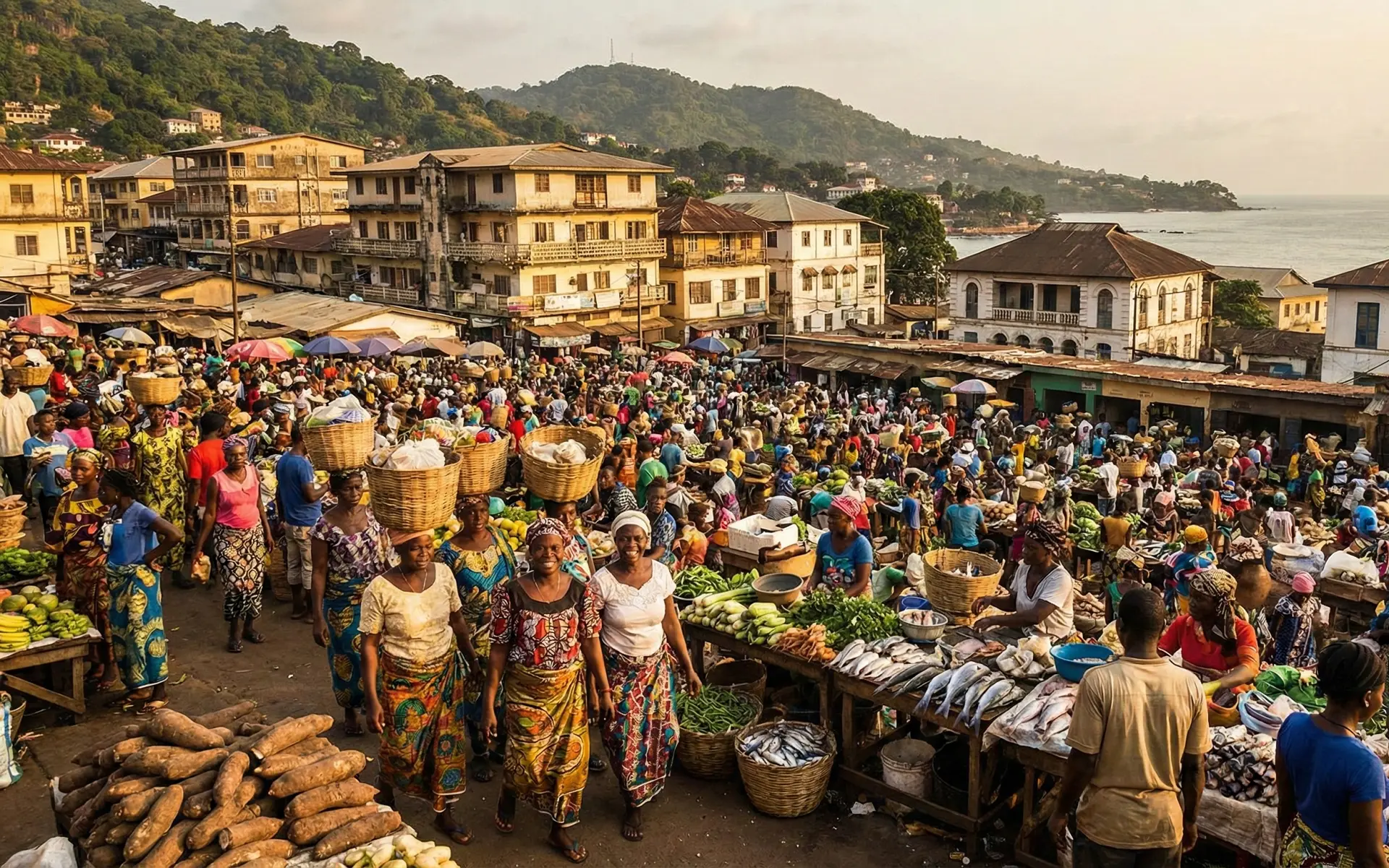
Sierra Leone útikalauz
Fedezze fel Sierra Leone-t tervezési tippekkel Freetownhoz, strandokhoz, esőerdőkhöz, vadon élő állatokhoz, kultúrához, élelmiszerekhez, történelemhez, közlekedéshez, biztonsághoz, költségekhez, csomagoláshoz és lassú tengerparti utazáshoz.
Olvassa el a Sierra Leone útmutatót