

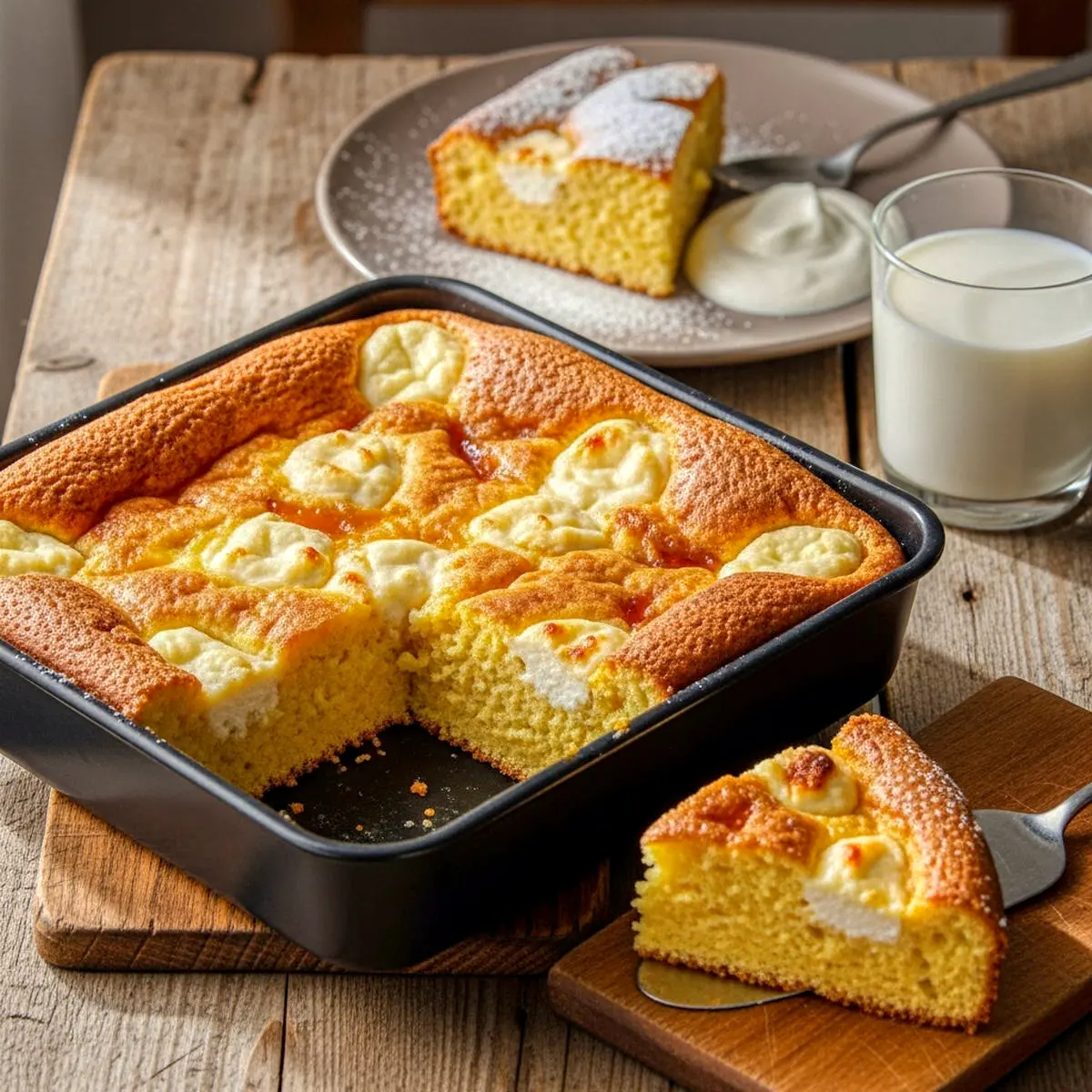
Zlevanka – Northern Croatian Cornmeal Cake
Zlevanka (also called zlijevka, zlevka or bazlamača) is a humble cornmeal cake deeply rooted in the traditions of northern Croatia. It comes from regions like Međimurje, Hrvatsko Zagorje and Podravina, and even parts of Slovenia. Once considered a simple “peasant” dish, zlevanka has become a nostalgic comfort food and even a beloved childhood dessert.

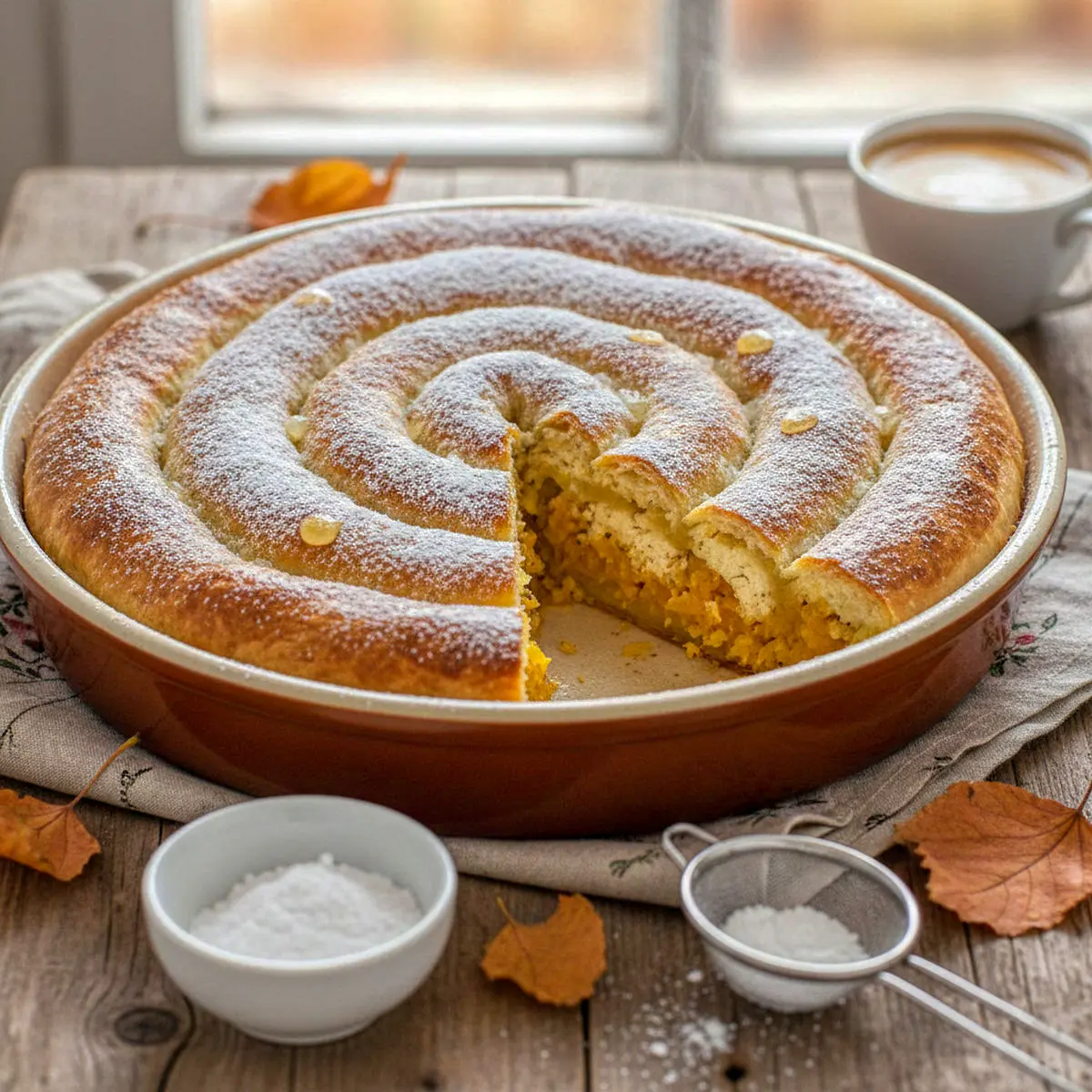
Bučnica (Sweet) – Croatian Pumpkin-Cheese Pie
Bučnica is a traditional pastry from continental Croatia, especially popular in regions like Slavonia and Zagreb. Its name comes from buča, the Croatian word for pumpkin or squash. This dish is essentially a strudel or pie with a filling of grated summer squash or pumpkin blended with cottage cheese (skuta or quark) and eggs. In savory country kitchens, bučnica is…

Croatian Crescent Rolls (Varaždinski Klipići)
Varaždinski klipići (pronounced kla-pee-chee) are legendary buttery crescent-shaped rolls named for the city of Varaždin in northern Croatia. Known as “Varaždin rolls,” this tender yeasted pastry is so special that it has Protected Geographic Indication status in Croatia. Klipići are made from an enriched dough of wheat flour, milk, oil, and fresh yeast. Unlike typical croissants, they are rolled from…

Bear’s Paw Cookies (Medvjeđa Šapa)
Bear’s paw cookies, known as medvjeđa šapa in Croatian, are a cherished shortbread-like treat shaped in tiny paw prints. Generations of Croatian bakers prepare them during the holidays, filling the air with the aroma of ground walnuts, butter, and warm spices. These dense, crumbly cookies are dusted generously with powdered sugar after baking, which gives them a snowy white coating…
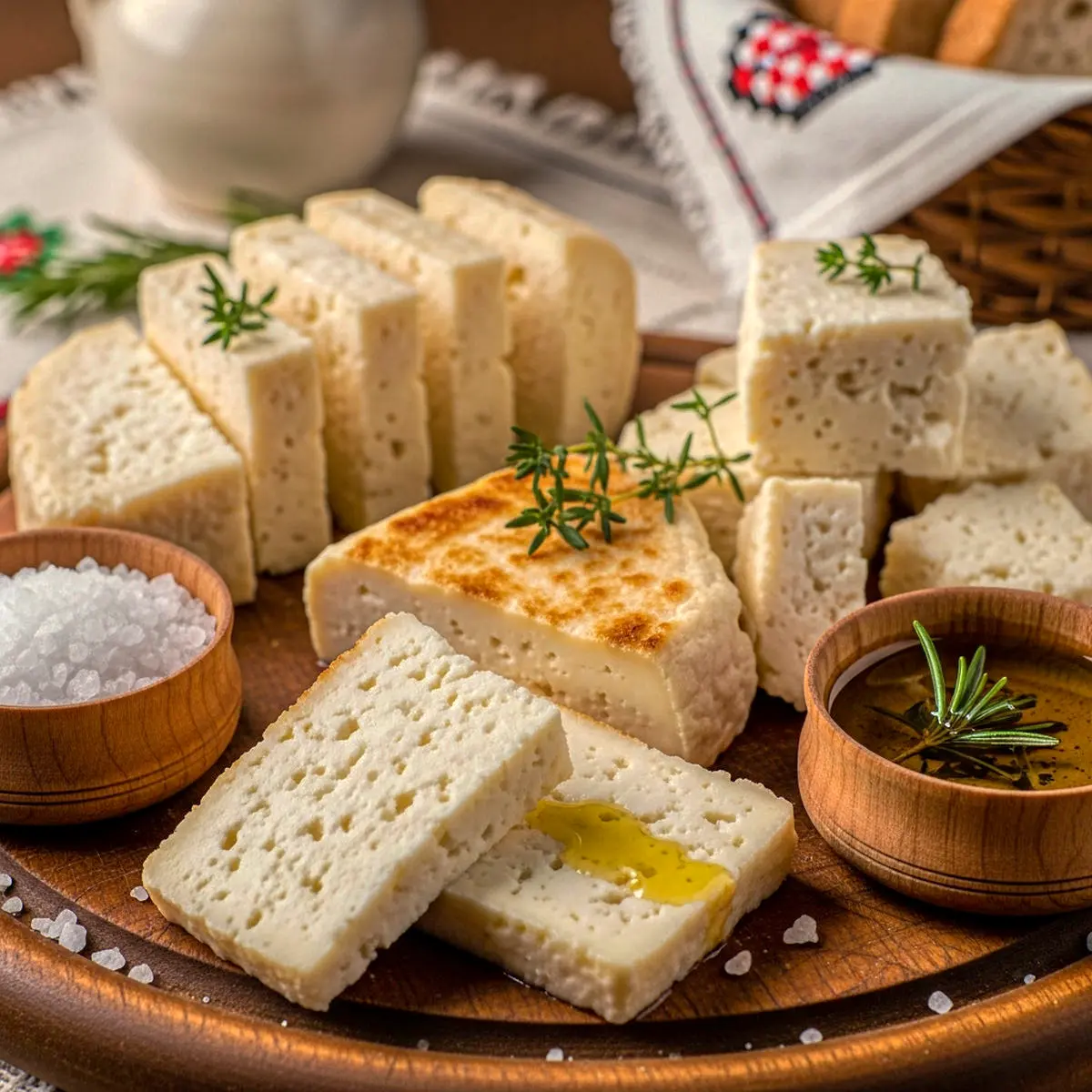
Škripavac – Croat Fresh “Squeaky” Farmer’s Cheese
Škripavac, whose name comes from the Croatian verb škripati (to squeak), is a traditional fresh cheese from the mountainous regions of Lika, Gorski Kotar, and Kordun in Croatia. It earned the nickname “squeaky cheese” because of its distinctive rubbery texture that literally squeaks between the teeth when eaten. Locally made from rich cow’s milk (often from Jersey cows) or sometimes…
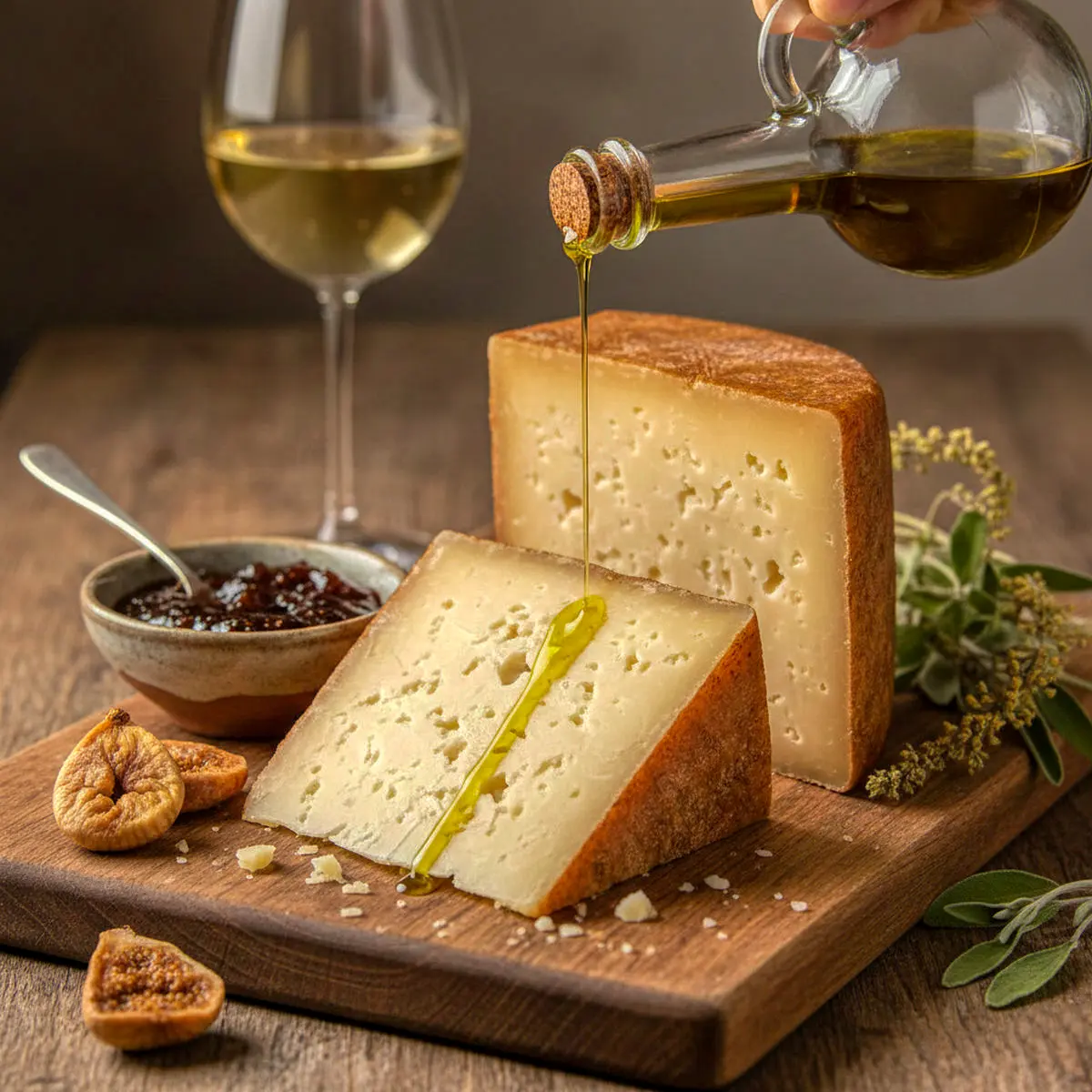
Paški Sir – Pag Island Sheep’s Cheese
Paški sir (pronounced “pahsh-kee seer”) is Croatia’s most renowned artisanal cheese, hailing from the windswept island of Pag on the Adriatic. Its fame comes from the island’s unique environment: a cold, saline wind called the bora carries sea spray onto the grazing pastures. Only the hardiest herbs thrive on this salt-dusted soil – sage, immortelle, fennel, and others – and…

Feines Venison Goulash with Prunes
Feines venison goulash is a luxurious twist on traditional game stew, savoring the balance of savory and sweet that game meats welcome. In this dish, lean venison (typically from deer or antelope) is braised slowly with aromatics, wine, and a handful of sweet dried prunes. The addition of prunes, along with whole spices like juniper and allspice, lends a gentle…

Slanina – Cured Pork Fat Slab (Croatian Bacon)
Slanina is the Croatian word for a slab of salt-cured pork fat – essentially old-world bacon. In much of Eastern Europe it’s known as salo, and in Croatia slanina is a beloved staple. This lightly smoked, savory fatback can be sliced thinly and eaten raw, or fried until crisp. It is a foundational flavor in traditional Croatian cooking, adding richness…
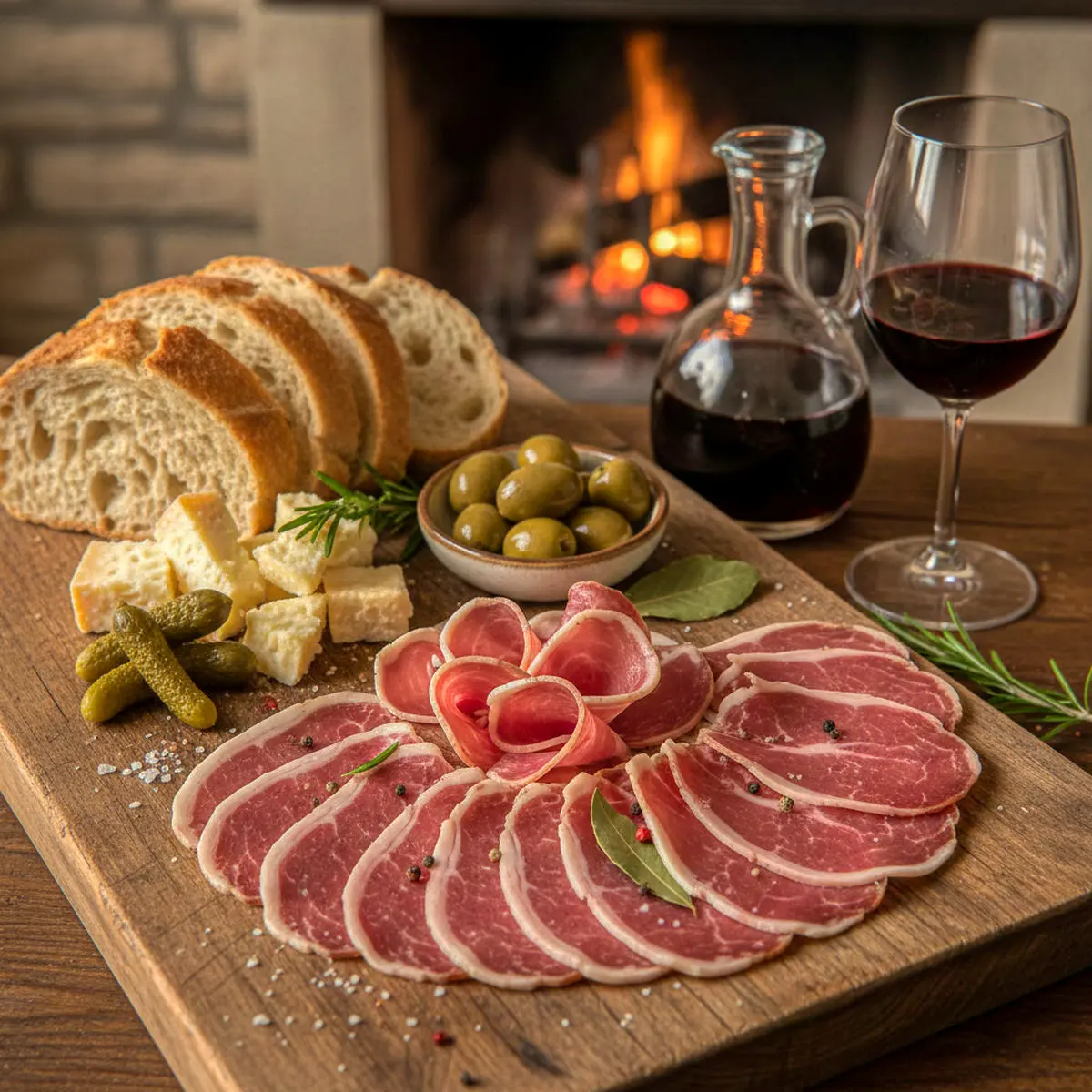
Ombolo – Istrian Cured Pork Loin
Ombolo is a classic cured pork loin from Croatia’s Istria peninsula, a region often called the “Tuscan of Croatia.” This lean, tender cut is transformed through a centuries-old process of salting, spicing, and air-drying. Once cured, Ombolo has a rich but refined flavor that combines savory pork with subtle aromatic notes of bay leaf and black pepper. Families in Istria…

Almond-Filled Ravioli (Dalmatinski Rafioli)
In the seaside regions of Dalmatia, rafioli are a beloved symbol of celebration. Despite the Italian-sounding name, they are very Croatian: sweet, almond-filled “ravioli” that are almost always on the table at weddings, baptisms, and Christmas feasts. Legend says the first rafioli were baked by a lady named Rafioli imprisoned in Trogir’s fortress; she passed the time making treats, and…
