French Recipes

Pain d’épices de Dijon

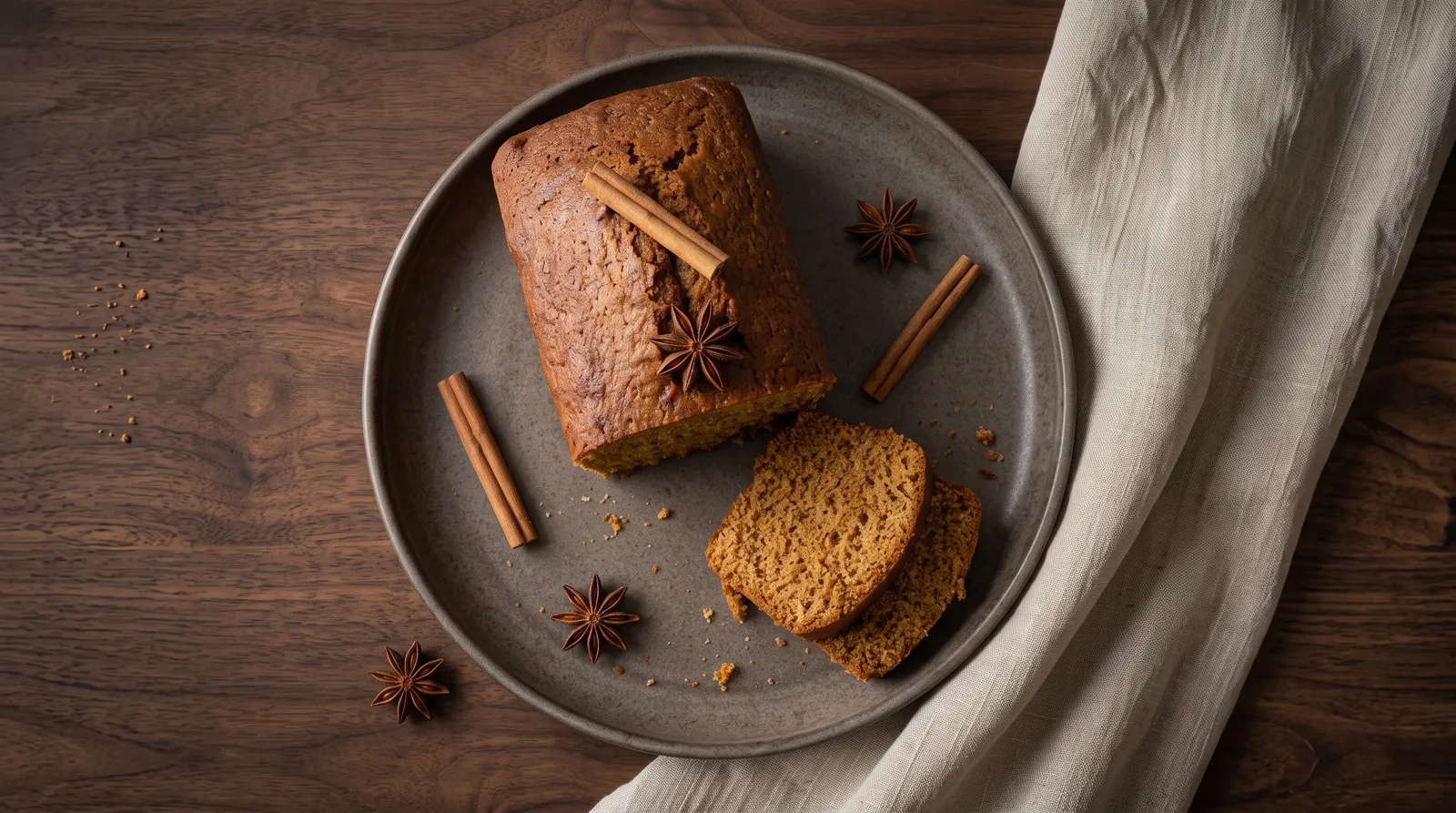
A wheat-based Burgundian honey-spice loaf with anise, cinnamon and lemon zest, written as a practical household preparation rather than a copy of any proprietary bakery recipe.

French Recipes
Share
Pain d’épices de Dijon — arranged on a board
Prep 15 minutes
Cook 60 minutes
Total 195 minutes
Yield 1 loaf, 12 slices
Introduction and overview

Dijon pain d’épices with wheat flour, honey and anise

Dijon has its own long pain d’épices tradition, and the key distinction here is the flour. This loaf is built on wheat flour rather than the rye-forward mixture used for the separate Alsatian pain d’épices. Honey remains central, but the crumb is a smooth, moist wheat-based loaf rather than a dark rye spice bread.

Historic Dijon specialists sell pain d’épices with ingredient profiles that include wheat flour, honey, leavening, spice and, in some products, egg yolk. Exact commercial methods and ratios are proprietary, so this household recipe does not claim to reproduce a manufacturer's secret process. It uses a transparent mixture of wheat flour, honey, sugar, egg yolks, anise, cinnamon and lemon zest in a standard 23 × 10 cm loaf tin.

The honey and sugar are warmed with water only until fluid, then mixed into the dry ingredients with the yolks. After a 30-minute rest, the loaf bakes at 160 °C until the centre is fully set but still moist. Give it a full 90 minutes to cool before slicing: warm honey loaves compress easily and can appear underdone if cut too soon. As with any honey-based food, it is not suitable for infants under 12 months.
Success points

Success points

  • Keep the flour base wheat-only rather than borrowing the rye profile of the Alsatian loaf.
  • Warm honey gently; scorched honey gives bitterness that spices cannot hide.
  • Rest the batter for 30 minutes, then bake until the centre has no wet batter.
  • Cool for the full 90 minutes before slicing.
Ingredients

Ingredients

  • 300 g wheat flour
  • 300 g honey
  • 150 ml water
  • 80 g granulated sugar
  • 2 egg yolks, about 36 g total
  • 5 g baking soda
  • 4 g ground anise
  • 3 g ground cinnamon
  • 5 g finely grated lemon zest
  • 2 g fine salt
Method

Method

Directions

  1. Warm the honey mixture. Combine the honey, sugar and 150 ml water in a small saucepan and warm over low heat for about 5 minutes. The honey and sugar are dissolved into a smooth warm syrup without boiling hard. Pour carefully because hot honey syrup can burn.

  2. Mix the batter. Whisk the wheat flour, baking soda, anise, cinnamon and salt in a large bowl, then add the warm syrup, egg yolks and lemon zest and mix for about 15 minutes including measuring. The batter is smooth, thick and evenly spiced with no dry flour pockets.

  3. Rest briefly. Cover the bowl and leave the batter at room temperature for 30 minutes. The batter has rested for 30 minutes and remains smooth and pourable-thick.

  4. Bake the loaf. Pour into a lined 23 × 10 cm tin and bake at 160 °C for 55 minutes. The centre is fully set and a skewer emerges without wet batter while the crumb remains moist. Use oven gloves for the hot tin.

  5. Cool completely. Let the loaf settle briefly in the tin, then transfer to a rack for 90 minutes. The loaf is completely cool and slices cleanly without dragging or compressing the crumb.

Serving and make-ahead

Practical

Serving and make-ahead

Serve fully cooled in neat slices. The loaf can be baked one day before serving; wait until it is completely cool before wrapping so steam does not dampen the crust. Its dense honey crumb makes it suitable for thin slices as well as more generous breakfast portions.

Storage and substitutions

Keep airtight at cool room temperature for several days, or freeze the completely cooled loaf tightly wrapped for longer storage. Replacing the wheat flour with rye would move the result toward a different regional style and should not be presented as the same Dijon profile. Keep anise prominent if adjusting the warm spice balance.

Troubleshooting

Troubleshooting

  • The middle sinksThe centre was not sufficiently set before the loaf left the oven. Continue baking until a skewer shows no wet batter.
  • The loaf tastes scorchedThe honey syrup was overheated or the oven is running hot. Warm the syrup only until dissolved and verify the 160 °C oven setting.
Nutrition per serving

Nutrition per serving

  • Serving size1 of 12 loaf slices
  • Calories204 kcal
  • Carbohydrate46.8 g
  • Protein3.2 g
  • Fat1.1 g
  • Fibre0.9 g
  • Sodium183 mg
Allergens and food safety

Allergens and food safety

Allergens: wheat/gluten and egg. Do not taste the raw batter because it contains uncooked flour and egg yolk. Bake at 160 °C until the centre is fully set. Handle hot honey syrup carefully. Honey must not be given to infants under 12 months.

FAQ

FAQ

How is this different from the Alsatian pain d’épices?

The Dijon loaf here is based entirely on wheat flour, whereas the Alsatian loaf uses a substantial rye component and a different flavour profile.

Is this an exact commercial Dijon recipe?

No. Historic specialist producers have proprietary methods. This is a household loaf that preserves the wheat-and-honey identity without claiming access to a trade formula.

Closing

Closing

  • Result: The finished loaf is moist, wheat-based and honey-forward, with anise and lemon lifting the spice profile.
  • Decisive technique: Warm the honey gently, keep the wheat-flour identity clear and wait until the loaf is completely cool before slicing.