French Recipes

Cardons à la moelle

Fresh cardoons trimmed and simmered until tender, layered with cooked beef marrow and velouté, then topped with cheese and breadcrumbs for a Lyonnais-style gratin.

French Recipes
Share
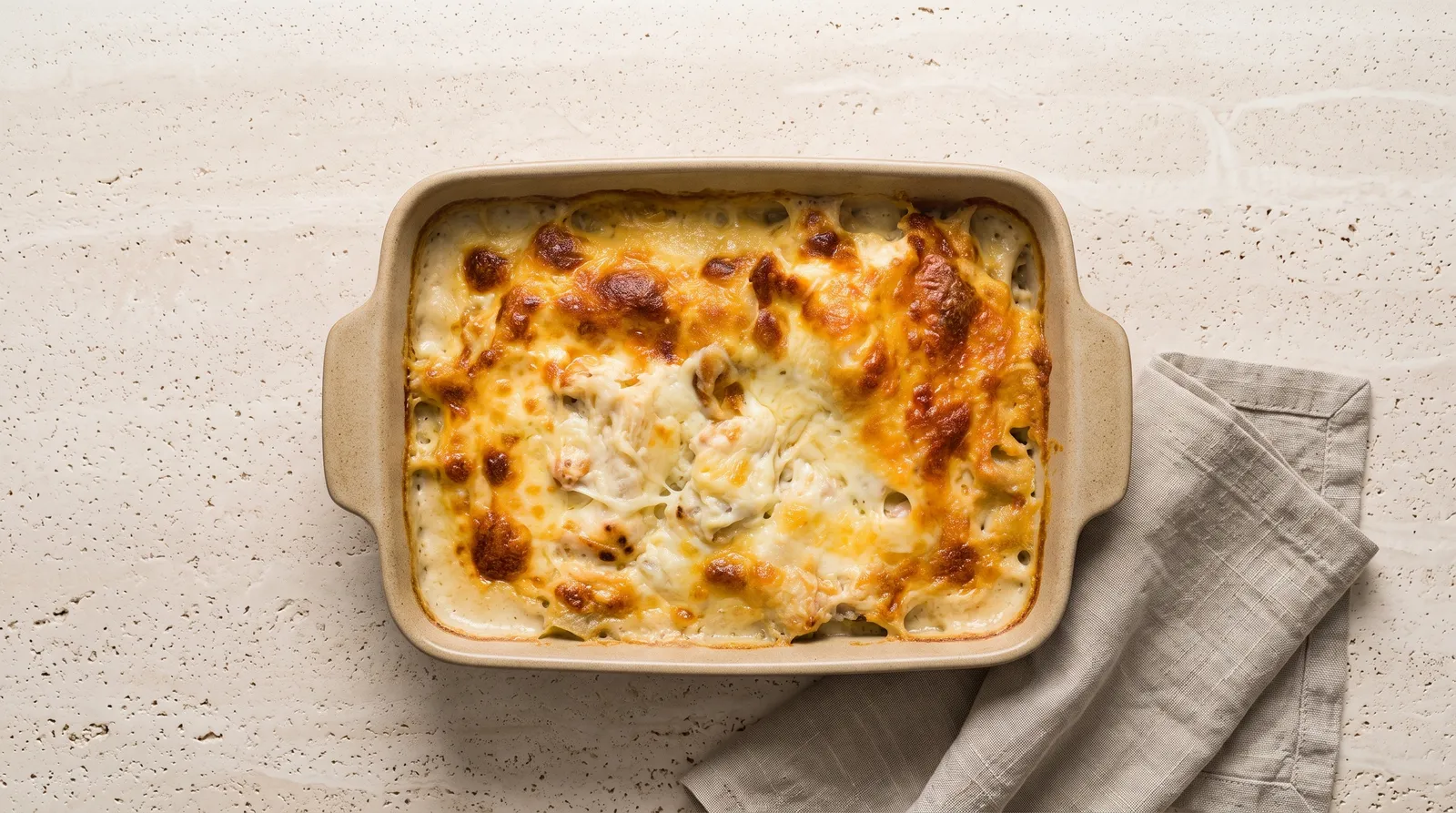
Cardons à la moelle — shown in an oven dish
Prep 45 minutes
Cook 95 minutes
Total 140 minutes
Yield 6 side-dish or rich first-course servings
Introduction and overview

Lyonnais cardons à la moelle gratin with beef marrow

Cardons à la moelle are not simply cardoons under a cheese crust. The Lyonnais identity comes from pairing the slightly bitter, artichoke-like vegetable with beef marrow, whose richness changes both flavour and nutrition. Fresh cardoon also demands more preparation than an ordinary gratin vegetable: the ribs need their tough strings removed and must be protected from browning while they are trimmed.

Work through the cardoon stalks methodically, stripping fibres and dropping each cut piece into lemon-acidulated water. The ribs then simmer until a knife slides through the thickest piece with little resistance. That tenderness must be achieved before the gratin is assembled; thirty-five minutes in the oven is for heating, melding and browning, not for rescuing raw fibrous cardoon.

Use commercially cut marrow bones rather than attempting to saw bones at home. Simmer the bones gently in a separate saucepan, remove about 120 g cooked marrow and distribute it in small pieces through the cardoons. A pale butter-and-flour velouté binds the dish, with grated cheese and breadcrumbs providing the top crust. Because marrow is exceptionally energy-dense, it is counted explicitly in both portion size and nutrition instead of being treated as a negligible garnish.
Success points

Success points

  • Strip the cardoon ribs thoroughly; strings left behind stay tough.
  • Simmer the cardoons until truly tender before they enter the gratin dish.
  • Use commercially cut marrow bones and handle them like raw beef.
  • Distribute about 120 g edible marrow in small pieces rather than large fatty pockets.
Ingredients

Ingredients

Cardoons and marrow

  • 1500 g fresh cardoon, whole head, leaves and tough ends removed during prep.
  • 30 ml lemon juice.
  • 500 g commercially cut beef marrow bones, about 2 large cross-cut bones.
  • 8 g fine salt.
  • 2 g black pepper.

Velouté and gratin

  • 40 g unsalted butter.
  • 30 g plain wheat flour.
  • 500 ml unsalted beef stock, hot; plus marrow cooking liquid if clean and defatted.
  • 80 g Gruyère-style cheese, finely grated.
  • 50 g dry breadcrumbs.
Method

Method

Prepare the cardoons and marrow

  1. Trim and acidulate the cardoons. Trim away leaves and damaged ends from the cardoon stalks, pull off the fibrous strings, cut the ribs into 5–7 cm lengths and place them immediately in cold water acidulated with the lemon juice. Time: 25 minutes. The cardoon pieces are pale, thoroughly de-stringed and free of tough leaf material. Acidulated holding water limits browning while the fibrous ribs are prepared.

  2. Cook the cardoons tender. Drain the cardoons, cover them with fresh water in a large pot and simmer until fully tender. Target: about 95 °C. Time: 40 minutes. A knife slides through the thickest cardoon rib with little resistance but the pieces still hold their shape. Cardoons need thorough precooking before gratinating because the oven stage is too short to tenderise raw ribs.

  3. Cook the marrow bones. Place the commercially cut marrow bones in a separate saucepan, cover with water and simmer gently. Target: about 95 °C. Time: 10 minutes. The marrow is hot, opaque and releases readily from the bone when pushed with a small spoon. Gentle cooking makes the marrow removable without aggressive boiling. Treat raw marrow bones as raw beef: keep them separate from ready-to-eat food and sanitise the sink and surfaces after handling.

Make sauce and gratinate

  1. Make the pale roux. Melt the butter, stir in the flour and cook the roux until smooth and lightly nutty without darkening. Time: 3 minutes. The roux is smooth, bubbling and pale blond with no dry flour pockets. Brief roux cooking removes raw flour taste while preserving a light sauce colour.

  2. Whisk the velouté. Whisk in the hot stock gradually and simmer until the velouté is smooth and lightly thickened; season with the salt and pepper. Time: 7 minutes. The velouté is smooth and coats the back of a spoon in a thin layer. The sauce should bind the cardoons without burying their texture.

  3. Assemble the marrow gratin. Drain the cardoons very well, arrange them in a gratin dish, dot over about 120 g cooked marrow removed from the bones, pour over the velouté, then top with cheese and breadcrumbs. Time: 10 minutes. The cardoons sit in an even layer and the marrow is distributed in small rich pieces rather than one heavy mass. Limiting edible marrow to about 120 g keeps the dish rich but portionable.

  4. Bake to a golden crust. Bake until bubbling, then continue just until the top is evenly golden. Target: 180 °C. Time: 35 minutes. The sauce bubbles at the edges and the cheese-breadcrumb top is evenly golden-brown. The oven melds the cooked components and forms the gratin crust without needing to tenderise the cardoons further.

  5. Settle before serving. Serve hot after a brief stand so the sauce settles. Time: 5 minutes. The sauce holds around the cardoons instead of running like broth, and the marrow tastes rich but not greasy. A short stand makes portioning cleaner.

Serving and storage

Practical

Serving and storage

Serve as a rich first course or side dish rather than as a large vegetable portion. Cool leftovers promptly and refrigerate at 4 °C or below for up to three days. Reheat covered at 180 °C until the centre reaches 74 °C, then uncover briefly so the breadcrumb-cheese top can dry and brown again.

Make-ahead and substitution

The cardoons can be trimmed, simmered, drained and refrigerated a day ahead. Cook the marrow and make the velouté closer to assembly. Plain jarred cardoons can shorten the preparation if their ingredient list is simple, but their salt level and softness vary; drain them well and taste before adding the full salt. Fresh cardoon remains the better reference for the full Lyonnais preparation process.

Nutrition per serving

Nutrition per serving

  • Serving sizeabout 250 g cardoon-and-marrow gratin
  • Calories355 kcal
  • Carbohydrate16 g
  • Protein9 g
  • Fat28 g
  • Fibre2.5 g
  • Sodium900 mg
Allergens and food safety

Allergens and food safety

Allergens: Milk (butter and cheese); Wheat/gluten (flour and breadcrumbs). Food safety: Use commercially cut marrow bones from a reputable butcher; do not saw bones at home. Handle raw marrow bones as raw beef, wash hands and sanitise contaminated surfaces, and keep them away from ready-to-eat food. Refrigerate leftovers within 2 hours at 4 °C or below and reheat to 74 °C.

FAQ

FAQ

Why use lemon water while trimming cardoons?

Cut cardoon darkens readily. Acidulated water limits browning while the long string-removal job is completed.

Can raw marrow bones go directly into the gratin?

No in this method. They are handled separately, gently simmered, and the cooked marrow is removed and portioned before assembly.

Closing

Closing

  • Result: tender cardoons in a light velouté with measured pockets of rich marrow and a crisp golden cheese-breadcrumb top.
  • Decisive technique: remove the strings thoroughly and cook the cardoons tender before adding separately cooked marrow and gratinating.