
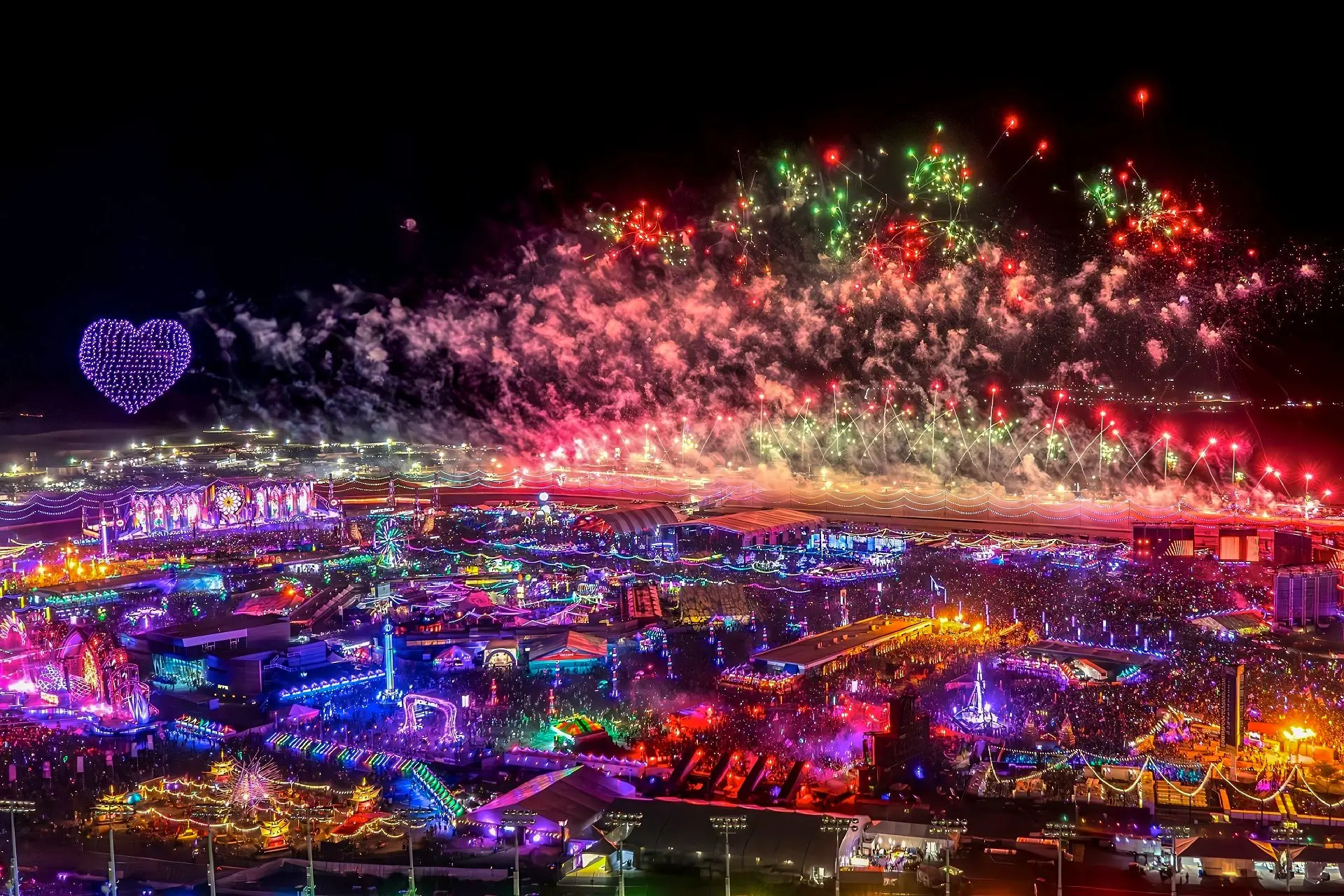

Una stagione elettrizzante di festival musicali globali si profila all'orizzonte per il 2025. Dalle istituzioni storiche ai raduni emergenti, il calendario è ricco di eventi che promettono esperienze indimenticabili. In location che spaziano dai bacini desertici alle vette montuose, i fan si riuniranno ancora una volta per celebrare la musica, la comunità e la cultura. Dopo le interruzioni dovute alla pandemia, il 2025 sembra un anno epocale: i festival stanno tornando a pieno regime con lineup vaste e produzioni ambiziose. Questa guida esamina i quindici festival imperdibili in tutto il mondo, spiegando cosa rende ciascuno di essi unico. Bilancia dettagli pratici (date, location, logistica) con approfondimenti culturali, offrendo un contesto su generi musicali, palchi iconici e tendenze emergenti. I lettori troveranno una tabella di marcia per la stagione a venire, con consigli su come scegliere, pianificare e godersi la loro perfetta avventura al festival.
- Tomorrowland (Belgio) – La Mecca della musica elettronica
- Coachella (USA) – Sogni nel deserto e dichiarazioni di moda
- Glastonbury (Regno Unito) – La leggendaria istituzione britannica
- Ultra Music Festival (USA) – Miami’s Electronic Paradise
- Lollapalooza (Più Paesi) – Il marchio globale del festival
- EDC Las Vegas (USA) – Il Carnevale al Neon
- Primavera Sound (Spagna) - Il paradiso indie di Barcellona
- Rock in Rio (Brasile) – Il gigante sudamericano
- Sziget Festival (Ungheria) – L'Isola della Libertà
- Fuji Rock Festival (Giappone) – Magia della musica di montagna
- Montreux Jazz Festival (Svizzera) – Eleganza sul lago
- Untold Festival (Romania) - Corona elettronica dell'Europa orientale
- Kappa Futurfestival (Italia) – Tempio techno di Torino
- Sunburn Festival (India) - Il leader della musica dance asiatica
- Defqon.1 (Paesi Bassi) - La terra santa dell'hardcore
- Festival emergenti da tenere d'occhio nel 2025/2026
- Guida completa alla pianificazione del festival
- Quando acquistare i biglietti per il festival
- Confronto tra le opzioni di alloggio per il festival
- Consigli di viaggio internazionali per gli amanti del festival
- Quanto dovresti stanziare per un festival?
- Scegli il tuo abbinamento perfetto per il festival
- Festival per genere musicale
- Festival per fascia di budget
- I migliori festival per chi ci va per la prima volta
- Quale festival si adatta alla tua personalità?
- Informazioni essenziali sulla sicurezza e la salute durante i festival
- Conclusione: la tua avventura al festival ti aspetta
Un'ampia indagine sui principali eventi del 2025 mette in evidenza un ricco spettro di musica ed esperienze. L'elenco sottostante classifica i quindici festival in evidenza per importanza globale e varietà. Ogni voce annota la posizione, le date, i generi chiave e una caratteristica eccezionale:
- Tomorrowland (Belgio) – Boom, Belgio; 18–20 e 25–27 luglio 2025. Festival di musica dance elettronica leader, famoso per i palchi a tema fantasy e lo spirito “People of Tomorrow”.
- Coachella (Stati Uniti) – Indio, California; 11-13 e 18-20 aprile 2025. Grande festival nel deserto della California che spazia dal pop, rock, hip-hop, EDM; rinomato per la moda delle celebrità e l'atmosfera della Coachella Valley.
- Glastonbury (Regno Unito) – Pilton, Inghilterra; 25-29 giugno 2025. Il leggendario festival multigenere britannico con il palco piramidale; Abbraccia la musica indie, rock, pop, folk e globale tra arte e attivismo.
- Ultra Music Festival (Stati Uniti) – Miami, Florida; 28-30 marzo 2025. Un festival EDM di punta che si tiene durante la Miami Music Week, con DJ di fama mondiale al Bayfront Park; incarna la cultura della danza elettronica ad alta energia.
- Lollapalooza (USA/Internazionale) – Chicago, USA; 31 luglio – 3 agosto 2025 (con edizioni a Berlino e Parigi). Iconico marchio di festival multigenere. La Grant Park Edition di Chicago presenta headliner pop, rock, hip-hop e indie.
- EDC Las Vegas (Stati Uniti) – Las Vegas, Nevada; 16-18 maggio 2025. Un carnevale EDM illuminato al neon al Las Vegas Motor Speedway, che dura tutta la notte con ruote panoramiche e installazioni artistiche; mette in risalto trance, house, dubstep e techno su 16 palchi.
- Primavera Sound (Spagna) – Barcellona, Spagna; 5-7 giugno 2025. Paradiso dell'indie-rock di Barcellona sul Mediterraneo; noto per il mix di artisti indie, pop ed elettronici all'avanguardia (tra gli headliner del 2025 figurano Charli XCX e Sabrina Carpenter).
- Rock in Rio (Brasile) – Rio de Janeiro, Brasile; Settembre 2025. Uno dei festival più grandi del mondo, coprendo musica pop, rock, metal e brasiliana su più palchi; Una massiccia atmosfera di carnevale di samba e suono.
- Festival di Sziget (Ungheria) – Budapest, Ungheria; 6-11 agosto 2025. "Isola della libertà" di una settimana sull'isola di Óbuda, che mostra pop internazionale, rock, EDM e folk. Dispone di musica 24 ore su 24, 7 giorni su 7 su più palchi e un layout della città del festival.
- Fuji Rock Festival (Giappone) – Prefettura di Niigata, Giappone; 26-28 luglio 2025 (provvisorio). Festival all'aperto sulle montagne giapponesi, noto per la rigogliosa natura e l'etica ecosostenibile. Combina rock, musica elettronica e world music, con campeggio e preparazione alle intemperie.
- Montreux Jazz Festival (Svizzera) – Montreux, Svizzera; inizio luglio 2025. Festival svizzero sul Lago di Ginevra dedicato a jazz, blues, soul e pop. Locali intimi e artisti famosi in riva al lago, con circa 250.000 partecipanti.
- Untold Festival (Romania) – Cluj-Napoca, Romania; 7-10 agosto 2025. Festival di musica elettronica in rapida crescita nell'Europa orientale. Dieci palchi ospitano oltre 250 DJ e artisti (nel 2024 ha attirato circa 400.000 fan), concentrandosi su techno, trance, house e un pizzico di pop e hip-hop.
- Kappa FuturFestival (Italia) – Torino, Italia; 4-6 luglio 2025. Festival italiano di musica elettronica all'avanguardia a Parco Dora. Programmazione techno e house pura (oltre 115.000 partecipanti nel 2024), con DJ internazionali come Carl Cox, Charlotte de Witte, Solomun, Peggy Gou.
- Sunburn Festival (India) – Goa, India; Dicembre 2025. Il più grande festival EDM dell'Asia, che si tiene sulla spiaggia di Goa ("Paradiso sulla spiaggia"). Presenta la cultura della musica dance con i migliori DJ (lineup del 2024 inclusa Skrillex) in un ambiente tropicale.
- Defqon.1 (Paesi Bassi) – Biddinghuizen, Paesi Bassi; 26–29 giugno 2025. L'ultimo evento hardstyle/hardcore di Q-Dance. Attira centinaia di migliaia di fan "stili più duri" (circa 300.000 nel 2024). Sei fasi offrono una danza dura martellante e un'atmosfera di comunità affiatata.
Questo elenco fonde i sondaggi votati dai fan e il riconoscimento del settore (ad esempio, Tomorrowland ha superato di nuovo il sondaggio Top 100 di DJ Mag nel 2025) con fattori oggettivi come frequenza, longevità, diversità della formazione e impatto culturale. Abbiamo considerato la diffusione del genere e la copertura geografica per garantire che la carrellata serva una varietà di gusti. I festival emergenti hanno guadagnato punti per il ronzio e l'innovazione, mentre le leggende sono state classificate per patrimonio e scala. Le metriche includono presenze o capacità ufficiali, classifiche dei media e account di prima mano.
Le feste sono diffuse quasi tutto l'anno. L'inizio della primavera esplode con Ultra Music Festival (Miami, 28–30 marzo) e Coachella (11–13 e 18–20 aprile). L'estate si scalda: Primavera Sound (Barcellona, 5–7 giugno), Glastonbury (25–29 giugno), The Tomorrowland (18–20 e 25–27 luglio) e Fuji Rock (fine luglio). Agosto presenta Sziget (6-11 agosto) e feste regionali. L'inizio dell'autunno porta rock a Rio (Sep, Rio de Janeiro) e Corona Capital (14–16 novembre, Città del Messico). L'anno si chiude con Sunburn a Goa (dicembre) e Capodanno Beyond the Valley in Australia (dicembre-gennaio). La maggior parte dei festival rilascia i biglietti mesi prima; Pianificare il viaggio e l'alloggio in anticipo è saggio.
Tomorrowland (Belgio) – La Mecca della musica elettronica

Per molti appassionati di musica elettronica, Tomorrowland è il festival dei sogni. Tenuto nel boom, in Belgio, ritorna dal 18 al 20 e dal 25 al 27 luglio 2025. Ogni estate, la città artificiale del boom diventa territorio di raccolta di "popolo di domani", dove le tappe all'avanguardia si trasformano in regni fiabeschi. Dal suo debutto nel 2005, Tomorrowland è diventato un simbolo di produzione e unità immersive. In effetti, DJ Mag osserva che la "produzione teatrale rivoluzionaria con formazioni e temi magici" di Tomorrowland ha ripetutamente nuovi standard per i festival. Gli headliner nel 2025 includono i più grandi DJ nei generi EDM, ad esempio la mafia della casa svedese e Carl Cox dovrebbero ancorare i palcoscenici.
La partecipazione a Tomorrowland è immensa: ora attinge all'ordine di oltre 400.000 persone ogni anno da oltre 200 paesi. I fan sventolano bandiere nazionali e cantano all'unisono, esemplificando l'atmosfera globale del festival. Fasi come la "libertà" principale e un nuovo palco "Sunrise" del 2024 sono costruiti con set acrobatici e mappatura 3D. La fantasia è al centro: nel 2025 il tema è "Orbyz" - un paese delle meraviglie ghiacciato in cui gli amici "Viaggio a Orbyz, un mondo congelato" ogni notte. Nel frattempo Dreamville (ufficiale Camping Village) ospita i fan in tutto il sito e un sistema di pacchetti "Global Journey" semplifica il viaggio per i partecipanti internazionali.
Assicurare i biglietti di Tomorrowland è notoriamente difficile; Si esauriscono in pochi minuti. La copertura di DJ Mag rileva che questa forte domanda riflette l'"essenza lungimirante" di Tomorrowland e la fedele base di fan. L'alloggio intorno al boom varia dalle pensioni locali ai semplici campeggi; Le opzioni ufficiali per il campeggio e il caravanning Dreamville si riempiono rapidamente. Suggerimenti pratici: pianificare in anticipo la logistica e sapere che anche gli hotel della zona fuori dal boom possono essere prenotati con mesi di anticipo. Nonostante l'estate a volte piovosa del Belgio, lo spirito comunale mantiene alta l'energia.
Oltre alle sue dimensioni, Tomorrowland coltiva un senso di comunità globale. Edmaddicts scrive come i partecipanti "condividono canti, discorsi e rituali" in un linguaggio universale. I temi fantasy del festival e la formazione di alto livello lo rendono un evento nella lista dei desideri. Inoltre, i live streaming di Tomorrowland e i video "riassunti" quotidiani consentono ai fan di tutto il mondo di assaggiare la magia.
Gli organizzatori promettono una lineup interamente composta da DJ. Oltre a headliner come gli Swedish House Mafia, aspettatevi leggende (Carl Cox, Above & Beyond) e produttori emergenti di trance, house, techno, dubstep e altro ancora. Un vasto pubblico EDM troverà stili che spaziano dal melodico al più incisivo. DJ Mag segnala in particolare nomi di spicco come Armin van Buuren e Charlotte de Witte come probabili attrattive nel 2025. La varietà è fondamentale: Tomorrowland spazia dagli inni trance ai beat trap, quindi quasi tutti gli appassionati di musica dance troveranno il loro posto.
I biglietti saranno in vendita a livello (facile, comfort, globale, di gruppo, cottage, ecc.) tramite Ticketmaster o canali ufficiali. può essere utilizzata una lotteria fan. La domanda è estrema: la maggior parte dei passaggi svanisce all'istante, quindi unisciti al Fan Club di Tomorrowland (il "Persone di domani") per ottenere l'accesso in anticipo o in prevendita. Diffida dei rivenditori, poiché i controlli dell'ID ufficiale e le app per biglietti mobili sono severi.
I campeggiatori possono prenotare DreamVille in loco, che offre campeggi standard, tende arredate e ville a tema (sempre più esclusive). Città vicine come Mechelen e Anversa offrono hotel e ostelli a prezzi accessibili, raggiungibili in treno. (Alcuni tifosi soggiornano persino a Bruxelles o Amsterdam e prendono il treno.) Per il 2025, pianificate l'alloggio: i biglietti istantanei sono già disponibili. Boom in sé è piccolo, ma il campeggio festoso si estende anche nei campi circostanti. Le FAQ ufficiali di Tomorrowland consigliano di arrivare presto per allestire il campo, se necessario.
Coachella (USA) – Sogni nel deserto e dichiarazioni di moda

Ogni aprile, la Coachella Valley, nella California meridionale, si trasforma in un polo della cultura pop. Il Coachella 2025 si è svolto dall'11 al 13 e dal 18 al 20 aprile presso l'Empire Polo Club. È il festival statunitense presente in molte liste dei desideri: uno spettacolo di due weekend che fonde pop, hip-hop, rock ed elettronica di successo sotto il sole del deserto. Tra i principali headliner del 2025 figurano leggende come Lady Gaga, Green Day, Post Malone e Travis Scott, insieme a giovani stelle dinamiche. (Il primo weekend ha visto Gaga e Green Day; il secondo weekend ha visto Travis Scott e Post Malone come protagonisti). La lineup includeva anche artisti che spaziavano tra generi diversi come Lil Nas X, A$AP Rocky e Charli XCX.
Coachella è famosa non solo per la musica ma per la sua scena. Il festival funge da evento di tendenza globale, un hub per influencer alla moda, avvistamenti di celebrità e momenti virali. Un rapporto della Cornell University rileva che il Coachella è diventato "un hub iconico per la moda, la musica e la cultura pop". Viene spesso descritto come una sfilata di moda tanto quanto un concerto, con fan e artisti che sfoggiano look all'avanguardia. (Nel bene e nel male, molti vengono in parte per essere visti.) I vasti palchi del Polo Coachella includono l'enorme palco principale e le installazioni di arte musicale, incorniciate da palme e montagne.
Ambientato sullo sfondo di Palm Springs, l'ambiente nel deserto del Coachella fa parte dell'esperienza. Il clima arido e la sede spalancata significano prepararsi per l'esposizione al sole. Vengono fornite aree lounge ombreggiate, tende di idratazione e stazioni di protezione solare (e in effetti gli esperti di salute stressano portando una bottiglia d'acqua riutilizzabile per le stazioni di ricarica). Le temperature possono essere calde di giorno ma fresche di notte, così molti partecipanti indossano strati. I sandali e gli stivali sono la norma.
Al di là del palco a forma di piramide a Glastonbury, Coachella ha la sua iconografia, in particolare archi illuminati giganti e installazioni artistiche. L'evento è diventato una pietra di paragone culturale, dove le riunioni (ad es. Rage Against the Machine) e il debutto (il set di Lady Gaga) fanno notizia. Come hanno osservato i media spagnoli di Los40, offre "un'ampia varietà di generi e molte sorprese, look iconici e un fenomeno culturale senza pari". La sua influenza si estende attraverso i social media e lo streaming: milioni di persone guardano live streaming e momenti salienti. Coachella presenta spesso anche atti globali o di nicchia a un pubblico internazionale.
Dal 2012 Coachella ha corso in due fine settimana consecutivi con formazioni identiche. Questa edizione 2025 richiedeva biglietti separati per ogni fine settimana. Molti fan ne frequentano solo uno, ma in alcuni anni sono stati venduti i biglietti "riportati" (usati in entrambi i fine settimana). Il programma è attentamente pianificato: gli headliner si esibiscono il venerdì di ogni fine settimana, dando loro il picco di fatturazione. Logistica minore: aspettati che il traffico intenso arrivi a Indio, quindi il campeggio nei siti vicini o le navette sono popolari. Coachella offre le proprie opzioni di campeggio (campeggio smeraldo e all'aperto), così come i vicini parchi per camper. Gli escursionisti spesso volano negli aeroporti di Palm Springs o dell'Ontario.
Il clima del deserto di Sonora può testare i partecipanti impreparati. L'idratazione è fondamentale: portare una bottiglia d'acqua ricaricabile da utilizzare nelle stazioni di ricarica gratuite (abbondante intorno alla sede). Crema solare, cappelli e ombra sono salvavita durante il mezzogiorno. Le scarpe comode sono un must per il campo in erba. Molte fonti raccomandano anche la protezione dell'orecchio, poiché gli stadi possono essere molto rumorosi. Per il 2025, il personale e i medici sono rimasti in allerta: i Coachella del passato hanno insegnato agli organizzatori a reprimere il surriscaldamento. I controlli di sicurezza ai cancelli sono severi, quindi rivedi l'elenco degli articoli consentiti del festival prima dell'imballaggio.
Glastonbury (Regno Unito) – La leggendaria istituzione britannica

Il Glastonbury Festival nel Somerset è probabilmente il festival musicale più leggendario della Terra. Ambientato in Worthy Farm vicino a Pilton, dura cinque giorni (25-29 giugno 2025) prima di un "anno a maggese" nel 2026. Risalente al 1970, Glastonbury ha nutrito rock, pop, folk, dance, e World Music sotto il suo famoso palco a piramide triangolare. Gli atti principali del 2025 sono stati il 1975, Neil Young e Olivia Rodrigo, con Rod Stewart nello speciale slot della domenica "Legends". Nel 2025 il festival ha accolto circa 210.000 persone a pieno regime.
L'appello di Glastonbury va ben oltre la musica. La sua tradizione è intrecciata con la controcultura: gli spettacoli teatrali piramidali sono i momenti salienti teatrali, ma le fasi nascoste e i set segreti abbondano (nessuna formazione dettagliata è pubblica fino a quando i biglietti non si esauriscono). I visitatori si mescolano tra elaborate strutture artistiche, teatri e manifestazioni politiche. Il festival infonde l'attivismo nel suo DNA. Molto prima che "ecologico" diventasse alla moda, Glastonbury ha aperto la strada alle iniziative ecologiche. Sorprendentemente, i suoi produttori hanno raggiunto il 100% di consumo di energia rinnovabile entro il 2023, alimentando le fasi del biodiesel riciclato per l'olio di cottura. Le bottiglie di plastica monouso sono state vietate e quasi tutte le tende portate dai campeggiatori vengono ora portate a casa (rispetto al 70% di dieci anni fa). I partecipanti partecipano a enormi sforzi di raccolta dell'acqua e progetti di carburante per biciclette per alimentare le luci. Il suo "fase solare" in loco è un simbolo di questa etica.
Il Pyramid Stage è leggendario: costruito originariamente nel 1971, ha ospitato artisti del calibro di Hendrix e The Who, Beyoncé e Kanye West. È fiancheggiato da fontane e progettato per garantire la massima nitidezza acustica. Altre zone (John Peel Stage, Other Stage, West Holts, Woodsies) offrono agli ascoltatori l'opportunità di scoprire nuovi artisti, dall'indie rock ai DJ set, dai workshop di danza alla world music.
Il Pyramid Stage (il palco principale) ospita spesso i più grandi artisti e rimane aperto fino a tarda notte. Nel 2025, ha ospitato headliner come The 1975 e Neil Young. L'Other Stage offre un'altra piattaforma per i grandi nomi (nel 2025 Rammstein e Pet Shop Boys salirono su quel palco), mentre il West Holts si concentra spesso su dance e world music. Il palco acustico, il Blocks, lo Stone Circle e i campi Theatre and Circus offrono esperienze di nicchia. Sotto il fango – sì, Glastonbury è famosa per il fango quando piove – si nasconde una fitta rete logistica di drenaggi e passerelle, a testimonianza di decenni di miglioramenti.
Tra i set, i frequentatori del festival vagano tra sculture giganti, performance art e bancarelle. L'attivismo politico è intrecciato: le ONG ambientali e gli enti di beneficenza hanno avuto spazi di lunga data ("campi verdi") per coinvolgere il pubblico. Non è raro ascoltare discorsi appassionati sulla sostenibilità o la giustizia sociale in mezzo all'atmosfera del partito. Ad esempio, l'ente di beneficenza di Glastonbury "The Park" gestisce centri di riciclaggio e programmi di volontariato tutto l'anno.
Glastonbury è famosa per la vendita dei biglietti tramite una registrazione in stile lotteria. I fan si registrano in anticipo con una foto. I biglietti (circa 210.000, incluso lo staff) vengono estratti a sorte e i selezionati possono acquistarli. Le prevendite spesso esauriscono le richieste nel giro di pochi minuti. Il festival incoraggia la rivendita e il car sharing. Poiché il 2026 è un anno di riposo (un anno di riposo per recuperare il terreno), i biglietti del 2027 saranno la prossima opportunità. Nel 2025, ai nuovi partecipanti è stato consigliato di provare la rivendita in primavera se si fossero persi la vendita iniziale. I richiedenti selezionati pagano in anticipo il biglietto del festival più una piccola commissione di prenotazione.
Ultra Music Festival (USA) – Miami’s Electronic Paradise

Ultra Music Festival è stato a lungo il trampolino di lancio globale per la stagione dei festival. Con sede a Miami, è ancorata la Winter Music Conference della città e la Miami Music Week. Nel 2025, Ultra è tornato a Bayfront Park dal 28 al 30 marzo. Il parco, situato sulla baia di Biscayne, diventa un mare di luci a LED e tende da ballo.
Questo festival incarna l'esperienza EDM americana. Attrae i migliori DJ e produttori di trance, techno, house, bass e altro ancora. La formazione del 2025 (annunciata tramite DJ Mag) includeva oltre 250 artisti su oltre 10 palchi, intitolati da artisti del calibro di Armin Van Buuren, Charlotte De Witte, Richie Hawtin, Skrillex, Carl Cox, Tiësto e Martin Garrix. Erano presenti anche le stelle nascenti in techno e house, oltre a grandi nomi MC e spettacoli dal vivo. L'atmosfera è elettrica: con palme, brezze di baia e lo skyline di Miami come sfondo, le fasi di Ultra pulsano fino al mattino presto.
La produzione teatrale di Ultra è rinomata: ogni tappa (live stage, megastruttura, arena mondiale, ecc.) ha il suo tema con colossali rig e pirotecnici. Nel 2025, ad esempio, il Main Stage è stato indicato come uno "Sky Deck" che sale in alto sopra la folla. Ultra offre anche feste in barca diurne e feste in piscina che portano alle serate del festival.
Oltre a Miami, il marchio Ultra gira il mondo (come Ultra Europe, Ultra Japan, Ultra Korea), ma l'evento originale di Miami rimane un evento di grande richiamo.
Ultra ha impostato il tono per l'EDM che diventa mainstream. Dal 1999 ha sostenuto le nuove tendenze della musica elettronica. È degno di nota per le prime nuove tracce e tecniche dal vivo. Il festival funge spesso da incontro globale della comunità di danza; I fan provengono da tutti i continenti e gli organizzatori enfatizzano l'inclusività. La sinergia con Miami (un hub della vita notturna) fa sentire come una festa in tutta la città piuttosto che un semplice festival autonomo.
Ultra coincide con la Miami Music Week, un mese di concerti ed eventi del settore intorno a Miami. Quindi, se Ultra è il finale del festival, la città è viva con spettacoli di club e rave pop-up per tutta la settimana. In effetti, Wikipedia Notes Ultra si tiene insieme alla Winter Music Conference e alla Miami Music Week, collegandola a un contesto più ampio di conferenze DJ e networking.
Bayfront Park si trova in centro. Gli hotel nelle vicinanze (InterContinental, Hyatt Regency, ecc.) sono raggiungibili a piedi. Chi viaggia con un budget limitato a volte alloggia più lontano (in centro o a South Beach) e prende taxi/Uber. Poiché Ultra è aperto fino a tardi, soggiornare nelle vicinanze è comodo. Autobus e autonoleggi sono numerosi, ma parcheggiare vicino al parco può essere difficile: molti preferiscono i trasporti pubblici di Miami o i servizi di ride-sharing per evitare la congestione.
Lollapalooza (Più Paesi) – Il marchio globale del festival

Originariamente un tour negli Stati Uniti negli anni '90, Lollapalooza si è evoluto in uno dei più grandi festival multigenere del mondo. La sua ammiraglia si trova nel Grant Park di Chicago (31 luglio-3 agosto 2025), ma oggi Lolla si svolge anche in luoghi come Berlino e Parigi. Si estende su quattro giorni e otto tappe a Chicago.
Il festival di Chicago 2025 ha accolto pop-rock-rap-soul headliner di tutti i generi. Gli atti degni di nota includevano Olivia Rodrigo, Sabrina Carpenter, Tyler, The Creator, Twice, Rüfüs du Sol e A$AP Rocky. La formazione di Lollapalooza è intenzionalmente eclettica. In un solo giorno potresti sentire di tutto, dal folk indie alla danza elettronica all'hip-hop. Ad esempio, il venerdì del 2025 includeva Rodrigo (POP) e Charli XCX (Electro-Pop), mentre Saturday aveva Tyler (hip-hop) e K-pop Group due volte. Ulteriori slot per il fine settimana hanno portato rock band e DJ EDM.
Ogni giornata del Lolla attira un vasto pubblico e il festival è famoso per attrarre oltre 400.000 persone durante il fine settimana, rendendolo uno dei più grandi degli Stati Uniti. Il terreno di Chicago crea un anfiteatro naturale che si staglia contro lo skyline. Fuori dagli Stati Uniti, il Lolla è diventato un importante marchio di festival: il Lolla Berlin (Tempelhof o Olympiapark) e il Lolla Paris attraggono i fan europei con lineup simili (spesso con headliner diversi). La pagina wiki nota che il Lollapalooza ha registrato circa 400.000 partecipanti ogni luglio, consolidandone la portata.
Mentre Chicago rimane l'ammiraglia, ogni edizione ha un sapore locale. Ad esempio, Lolla Berlin potrebbe distorcere più elettronica e techno (riflettendo la scena di Berlino), mentre Chicago include un ampio mix che include atti emergenti americani. I fan a volte discutono "In quale Lollapalooza dovrei andare?" in base alla formazione e al viaggio. Fattori di pesatura: per la pura varietà internazionale Chicago è un punto di riferimento (e spesso si esaurisce), ma Berlino e Parigi sono ottime opzioni per formazioni simili con un tocco europeo.
Gli americani spesso affollano il festival estivo di Chicago a Grant Park. In Europa, Lolla Berlin (metà luglio) e Lolla Paris (giugno) condividono spesso artisti con Chicago. Se desideri k-pop o atti latini, controlla quale edizione li presenta. Considera anche il viaggio: Chicago ad agosto può essere calda e umida. Il Lakeside Park ha campi erbosi e un abbigliamento adatto al sudore. I siti internazionali possono comportare il campeggio o solo i parchi di uso quotidiano (ad esempio, vicino a Parigi). La fedeltà di Lollapalooza è globale; Alcuni fan pianificano viaggi in più città per catturare diverse lolla.
EDC Las Vegas (USA) – Il Carnevale al Neon
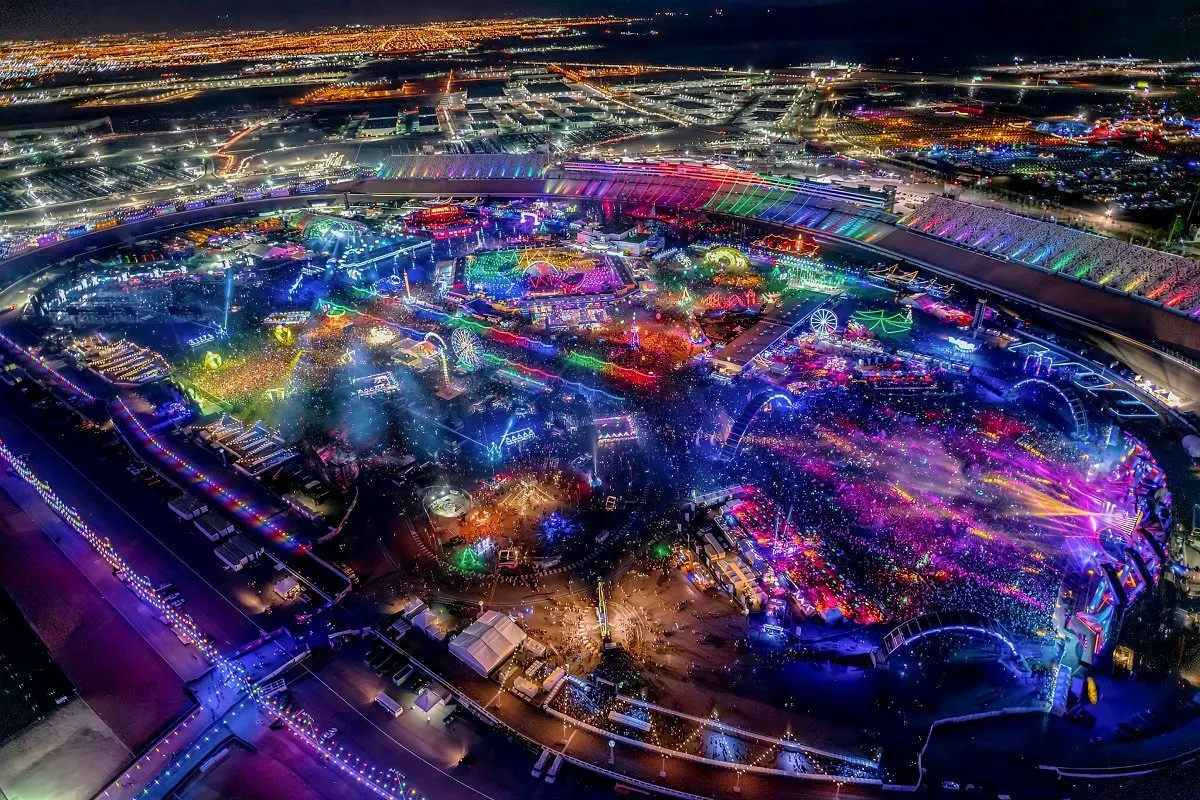
Electric Daisy Carnival (EDC) Las Vegas è uno spettacolo di luci e suoni. A metà maggio 2025 (16-18 maggio), il Las Vegas Motor Speedway si trasforma in "Electric Daisy Carnival", un paese delle meraviglie di carnevale dell'EDM. Il festival presenta imponenti opere d'arte a LED, giostre di carnevale (ruote ferri, montagne russe) e otto tappe drappeggiate in bagliore al neon.
L'EDC si rivolge al cuore del ballerino con set per tutta la notte. Anche con un dj set che dura mezzanotte, la musica continua fino all'alba. La formazione per il 2025 è stata enorme: DJ Mag riporta oltre 250 artisti su 16 palchi. Gli straordinari includevano DJ e produttori superstar come Charlotte De Witte, Armin Van Buuren, DJ Snake, Above & Beyond, Alesso, Zedd e molti altri. I generi sono fortemente distorti dalla trance, dalla casa, dal dubstep e dalla danza da big-room: è noto come il principale evento EDM degli Stati Uniti.
Ciò che distingue EDC è il suo senso dello spettacolo. Kineticfield (il palco principale) spesso torreggia con torri a LED e pirotecnici. I giochi e le giostre del Carnival Midway aggiungono un'atmosfera discreta: anzi, l'evento del 2024 ha preso in giro una ruota panoramica illuminata al neon e un palco a forma di UFO. Molti partecipanti indossano costumi o abiti illuminati. L'enfasi è sulla pura indulgenza di danza, con una politica approssimativa di un solo anello dell'ovale della Speedway (nessun campeggio di più giorni sul terreno stesso). Il calore e la polvere possono essere difficili, quindi i ventilatori fanno scorta di elettroliti e maschere antipolvere. Le strutture all'ombra e gli asciugamani congelati sono omaggi preziosi.
EDC Las Vegas sembra più una fiera fantasy che un semplice concerto. Al calare della notte, folle di portatori di neon fluiscono tra le fasi e la metà. L'atmosfera è amichevole ed euforica; Lo slogan di EDC è "Nessuno è solo". Le luci dopo i set bui e le auto d'arte che si muovono tra la folla si aggiungono all'immersione. La pioggia di solito non è un problema (maggio in Nevada è secco), ma l'alto calore nel deserto significa che i fan devono proteggersi dall'esaurimento da calore. Le stazioni di ricarica dell'acqua e le "squadre di idratazione" dei volontari sono uno spettacolo familiare (alcuni EDC hanno persino personale che cammina tra la folla con l'acqua, una pratica ispirata ai festival pionieristici). La scala è tale che anche una pioggia sarebbe leggendaria (anche se succede raramente).
Per gli amanti degli appassionati di EDM e i frequentatori di festival, il consenso è sì. Si distingue tra i festival nordamericani per dimensioni, immagini e cultura della danza. Basta prepararsi: i costi degli hotel a Las Vegas possono aumentare e le strade fuori dal collo di bottiglia del Speedway dopo il finale. Le opzioni di campeggio (pacchetti glamping vicino alla pista) sono disponibili attraverso il sito di EDC. Se vai, porta i tappi per le orecchie (i livelli del suono sono intensi), rimani idratato e pianifica le pause di riposo. La comunità è vibrante; Molti fan formano "famiglie" che si riuniscono ogni anno. In definitiva, EDC offre una fuga coinvolgente dove i fan ballano fino all'alba in un ambiente carnevale ultraterreno.
Primavera Sound (Spagna) - Il paradiso indie di Barcellona

Il Primavera Sound Festival di Barcellona (dal 5 al 7 giugno 2025) si è guadagnato una reputazione per le formazioni all'avanguardia e di fusione del genere. Situato al Parc del Fòrum vicino al Mediterraneo, sembra un mix di festival cittadino e festa in spiaggia. L'attenzione di Primavera si concentra sull'indie rock e sugli atti alternativi, ma abbraccia anche il pop e l'elettronica. Gli headliner del 2025 includevano Charli XCX e Troye Sivan, Sabrina Carpenter, Chappell Roan e Central Cee, segnalando una forte presenza pop insieme a Indie Cred.
Primavera è unica in quanto si commercializza come un festival eclettico lungimirante. Potresti vagare da un set indie folk a una tenda da ballo per DJ. Il palco elettronico "Primavera Bits" e la Primavera Pro Conference del settore durante la settimana suggeriscono il suo serio peso del settore musicale. L'atmosfera da spiaggia si insinua: gli stand gastronomici servono tapas e i frequentatori di festival spesso passeggiano verso le spiagge vicine tra le serie. Il tempo all'inizio di giugno è tipicamente soleggiato e mite, invitante abbigliamento casual e crema solare.
Primavera attraversa deliberatamente i confini tra "Festival rock" e "Festival Pop". Ad esempio, insieme ai veterani del rock britannico o alle star indie internazionali, si trovano DJ latini o techno. Barcelona stessa è un'attrazione: molti visitatori combinano il festival con visite turistiche (La Sagrada Família, spiagge, vita notturna). La sinergia della musica e del turismo è forte qui. Gli artisti suonano spesso sia alla Primavera che alle feste in piscina di Barcellona che si svolgono all'inizio di giugno, rendendola un'esperienza completa di City+Festival.
Oltre ai concerti, pianifica il tempo per goderti la cultura e il clima di Barcellona. Il festival è parzialmente all'aperto (alcuni palchi sono sotto l'ombra, altri all'aperto). La brezza marina aiuta nel caldo. Logistica: il transito dal centro città al forum è semplice con la metropolitana (linea 4) o la bicicletta. Molti partecipanti volano a Barcellona (BCN) o vicino all'aeroporto di Girona. Il vivace cibo e la vita notturna della città la rendono la scelta migliore per i fan internazionali.
Rock in Rio (Brasile) – Il gigante sudamericano

Rock in Rio, originariamente lanciato in Brasile nel 1985, rimane lo spettacolo del grande festival del Sud America. Le sue edizioni brasiliane (in programma per settembre 2025) attirano enormi folle a Cidade do Rock di Rio de Janeiro. Il rock in Rio mescola i generi, dal rock classico e metal al pop e all'MPB (pop brasiliano). Gli stadi includono spesso stelle globali; Nel 2024, gli headliner andavano dai Metallica a Justin Bieber e P!NK. È comune vedere gruppi rock in cima alle classifiche e spettacoli pop latini sullo stesso disegno di legge.
Ciò che distingue il Rock in Rio è davvero la scala e l'ambientazione. Fino a 100.000 persone si imballano ogni notte su più fasi. L'evento si svolge per circa una settimana con concerti serali. Gli elementi culturali brasiliani infondono l'atmosfera: i ritmi di samba potrebbero echeggiare nelle arene e vedrai i fan in maschere di carnevale o maglie nazionali insieme a Metalhead. Il palco “Palco Sunset” è noto per le collaborazioni uniche di artisti brasiliani e internazionali. Al Rock in Rio, le leggende del rock condividono lo spazio con iconici star pop e hip-hop. Ad esempio, le edizioni passate hanno abbinato Foo Fighters e Ivete Sangalo in notti consecutive.
Numerosi archi metallici giganti e ruote panoramiche illuminano il parco. Grandi schermi video garantiscono a tutti la visuale. Rock in Rio si è poi espanso a livello globale (Lisbona, Madrid, Stati Uniti), ma il Brasile è l'originale. Le sue edizioni di ritorno (chiamate Rock in Rio Brasil) sono festival culturali a sé stanti, con giostre, bar a tema e programmi di volontariato.
Nel 2025, aspettati che Rock in Rio continui la sua tradizione di mescolare stili musicali e intrattenere folle enormi con un tocco brasiliano. I partecipanti dovrebbero prepararsi per il clima caldo (la primavera di Rio) e portare i tappi per le orecchie se vicino a set di metallo rumorosi. La struttura del festival (spesso venerdì-domenica in blocchi) consente la pianificazione del viaggio; Molti turisti volano a Rio e combinano il festival con le visite alla spiaggia di Carnevale o Ipanema.
Sziget Festival (Ungheria) – L'Isola della Libertà

Sziget è una settimana di musica e stravaganza culturale sull'isola di Óbuda a Budapest (6-11 agosto 2025). Il marketing stesso come "l'isola della libertà", è all'altezza di quel nome: i partecipanti possono vagare in seminari diurni o ballare tutta la notte sotto l'arte al neon. La formazione di Sziget è estremamente varia, abbraccia pop, rock, danza elettronica, jazz e folk. Gli headliner del 2025 includevano Charli XCX, Shawn Mendes, Post Malone e Kid Cudi, illustrando come fonde pop internazionale e hip-hop con pilastri del festival ritmati.
L'ambientazione dell'isola offre a Sziget un'atmosfera unica. È davvero una piccola città temporanea, con il suo "sistema metro" di treni tra le aree palmari, e persino una moschea e una sinagoga adattate negli spazi concertistici. Con otto giorni di programmazione continua, c'è un'atmosfera da festival 24 ore su 24, 7 giorni su 7. Le persone spesso lasciano una fase per una mostra d'arte o una lezione di yoga, quindi tornano a mezzanotte per DJ elettronici o atti rock.
La fusione culturale è la chiave di Sziget. Oltre agli headliner globali, si trovano artisti ungheresi e altri dell'Europa orientale, oltre a musica mondiale (flamenco, balcanica, ecc.). In particolare, Sziget è considerato economico: i costi inferiori dell'Europa orientale significano che molti occidentali partecipano per meno di un festival occidentale di scala simile.
Sziget si distingue per offrire più di concerti. Include una vasta gamma di attrazioni non musicali: kayak sul Danubio, spettacoli circensi, negozi di tatuaggi, una casa misteriosa "specchio magico" e altro ancora. C'è anche un popolare "mercato della libertà" in cui i partecipanti si scambiano artigianato o atti (come un ballo del flash mob). Lo slogan del festival "Try Yourself" riflette questo spirito sperimentale. Potresti prendere una discoteca silenziosa sull'erba o partecipare a un dibattito politico all'angolo degli oratori.
Una settimana sziget completa è come una mini vacanza. I partecipanti spesso acquistano l'intero pass di sette giorni per esplorare completamente l'isola. Mercoledì prima dell'inizio della musica c'è una selvaggia festa di apertura ("zeroday") con ospiti speciali. Tra gli headliner puoi ricaricare in una delle tante tende da massaggio/spa/massaggio. Il campeggio è ben organizzato con servizi igienici e traghetto per la città (una notte nel centro di Budapest è facile). Per la pianificazione del budget, cibo e bevande hanno un prezzo ragionevole e ci sono negozi di alimentari all'interno del campeggio.
Fuji Rock Festival (Giappone) – Magia della musica di montagna

Dal 1997, il Fuji Rock è il principale festival all'aperto del Giappone, che si tiene sulle montagne del Naeba Ski Resort (Niigata) verso la fine di luglio. L'edizione del 2025 (le date solitamente si terranno a fine luglio) offre una cornice unica: lussureggianti pendii boscosi e corsi d'acqua sotto vette imponenti. I partecipanti vengono per un mix di musica rock, indie, elettronica e giapponese in uno dei luoghi più panoramici al mondo.
Il Fuji Rock è orgoglioso della sua attenzione all'ambiente. Gli organizzatori hanno piantato migliaia di alberi in loco e promuovono attivamente il riciclo. L'impermeabilità è essenziale (il festival si è svolto sotto una pioggia torrenziale nel 2000 e nel 2023). Ma il tempo soleggiato porta fresche brezze montane che rendono piacevole il campeggio. A differenza di molti festival, il Fuji Rock incoraggia i partecipanti a percorrere brevi distanze a piedi o in bicicletta tra i palchi, mantenendo un'atmosfera rilassata.
Le bande europee e americane spesso condividono il conto con artisti giapponesi popolari (ad es. Generazione asiatica di kung-fu, profumo). Negli ultimi anni Fuji ha ospitato tutti, da Gorillaz a LCD Soundsystem. Dato l'amore del Giappone per i festival, la folla è generalmente rispettosa ed entusiasta. I servizi (veri ristoranti, opzioni di alloggio in loco oltre il campeggio) sono di prim'ordine per gli standard del festival.
Fuji Rock è un'istituzione all'avanguardia in termini di sostenibilità. Sono presenti numerose stazioni di riciclaggio e persino strumenti musicali realizzati con materiali riciclati. Il festival utilizza parzialmente l'elettricità da fonti rinnovabili. Ad esempio, alcune fonti sottolineano che Fuji Rock genera gran parte della propria energia tramite idroelettrico e biomassa. In sostanza, Fuji Rock invita i visitatori del festival a godersi la natura in modo responsabile.
Luglio a Niigata può essere umido ma più fresco in quota. Le docce pomeridiane sono comuni. I veterani del festival consigliano di imballare buoni stivali da pioggia, giacche e strati. È saggio portare sia la crema solare che il poncho. La ricompensa è l'aria alpina incontaminata e le spettacolari viste del tramonto sul Monte Fuji nelle giornate limpide.
Montreux Jazz Festival (Svizzera) – Eleganza sul lago

Dal 1967, il Montreux Jazz Festival è un gioiello d'Europa. Immerso sulle rive del Lago di Ginevra a Montreux, in Svizzera, questo festival (luglio 2025, in genere due settimane) attira circa 250.000 visitatori. Il suo nome "jazz" è un po' un termine improprio: i palcoscenici di Montreux ora presentano jazz, soul, blues, rock e persino pop. Il festival apprezza l'eccellenza musicale in tutti i generi. Le sedi spaziano dal grande auditorium Stravinski agli intimi padiglioni sul lago.
La cornice è straordinaria. Circondata dalle Alpi svizzere da un lato e da un lago scintillante dall'altro, l'acustica e l'atmosfera sono speciali. Molti descrivono un concerto sul Lago di Ginevra sotto un cielo terso di montagna come indimenticabile. Per gli artisti, suonare a Montreux è prestigioso: molte leggende del jazz e star moderne hanno realizzato qui registrazioni storiche (vedi Frank Zappa, Deep Purple, Prince).
Gli artisti nelle recenti formazioni includono grandi nomi da Jazz (Herbie Hancock) a Pop (Adele) a Rock (Radiohead, Kendrick Lamar). Ai curatori di Montreux piace bilanciare le stelle veterane con il talento crescente. Spettacoli di efficienza svizzera nella logistica: le tappe sono disposte a pochi passi lungo il lungolago. Le offerte di cibo sono inclini alla fonduta e alla raclette accanto alle cabine della cucina globale.
Montreux ha una leggendaria reputazione per i concerti irripetibili. Ad esempio, nel 1996, Miles Davis ha suonato quelli che sono diventati i suoi ultimi concerti lì. Nel 2016, il set di Montreux di Prince è stato pubblicato come album tributo. Ogni anno i partecipanti sperano in quel magico momento a sorpresa e spesso lo ottengono. La serie documentaria e gli archivi del festival celebrano questi momenti.
Poiché Montreux è in riva al lago, le notti possono essere sorprendentemente fresche anche a luglio. Porta una giacca leggera. Il franco svizzero è in uso e i prezzi in loco sono ripidi per gli standard del festival, quindi pianifica di conseguenza. Molti visitatori internazionali soggiornano nella vicina Losanna o Ginevra e prendono i treni; Gli hotel locali di Montreux sono lussuosi ma prenotano velocemente.
Untold Festival (Romania) - Corona elettronica dell'Europa orientale

Untold Festival a Cluj-Napoca è la risposta della Romania ai grandi festival EDM e negli ultimi anni ha superato le 10 migliori liste globali. In corso dal 7 al 10 agosto 2025, Untold continua la sua edizione per il decimo anniversario come uno degli eventi in più rapida crescita d'Europa. Nel sondaggio del 2024 di DJ Mag è stato classificato al 3° posto in tutto il mondo, dietro Tomorrowland e Awakenings.
Untold è incentrato sulla musica dance elettronica. La sua formazione nel 2025 comprendeva headliner come Martin Garrix, Armin Van Buuren, Tiësto, Alan Walker, Fisher e Adam Beyer B2B Maceo Plex. Queste superstar globali hanno giocato su otto fasi. Untold porta anche un po' di pop e hip-hop (ad es. Post Malone, Becky Hill) per la varietà. Il sito del festival si trova nello spazio verde della città di Cluj, creando un mix di convenienza urbana e grande produzione all'aperto.
Ciò che contraddistingue anche incalcolabile è il suo talento culturale. I DJ locali e la street art della Romania fanno parte della scena e la folla include fan regionali (Ungheria, Serbia, ecc.) che apprezzano Untold come una destinazione conveniente. I servizi della città sono eccellenti: i partecipanti spesso soggiornano in ostelli o hotel del centro. In particolare, le aree speciali di "backstage" e "giardini ultra" aggiungono elementi VIP. La città stessa è vivace di notte; I frequentatori del festival dicono di dormire di più e di cibo migliore qui che ad alcuni festival della maratona.
L'affluenza a Untold è enorme: si dice che l'edizione del 2024 abbia avuto circa 400.000 persone in quattro giorni. L'atmosfera della comunità è entusiasta: molti fan celebrano Untold come la loro casa del festival. Consiglio: procuratevi dei lei romanì (valuta) prima di arrivare, oppure usate le carte, perché i prezzi in loco possono essere elevati.
Kappa Futurfestival (Italia) – Tempio techno di Torino

Nel Parco Industriale di Torino Dora, l'annuale Kappa Futurfestival è il festival di musica elettronica di riferimento dell'Italia. Tenuto dal 4 al 6 luglio 2025, si concentra direttamente sulla techno e sulla casa. A differenza dei giganti multigenere, Futur è intenzionalmente di nicchia. Le formazioni 2024 e 2025 erano piene di luminari techno: Carl Cox, Charlotte de Witte, Solomun, Nina Kraviz, Adam Beyer e Peggy Gou. I promotori sottolineano che l'approccio di genere minimo di Futur lo rende un raro paradiso per la danza underground nell'Europa meridionale.
I vecchi magazzini della fabbrica del Parco Dora fungono da tappe (l'alto soffitto dell'ex fabbrica Michelin dava il nome di "distretto di fantascienza" a un'area). L'atmosfera di Futur è elegante e urbana: aspettati spettacoli laser in lotti di cemento e vibrazioni da club techno. La folla è dedicata; Questo festival enfatizza la cultura della pista da ballo sui fronzoli VIP. I numeri dei partecipanti (oltre 100.000 nel 2024) significano che è alla pari con i festival EDM più grandi, ma la sua programmazione rimane fedele a ritmi duri.
Kappa Futurfestival include anche installazioni artistiche e gli appassionati di F1 sono entusiasti della coincidenza della stagione delle corse estive di Torino, poiché il festival a volte si sovrappone a un fine settimana di F1.
Il Parco Dora era un deposito di rottami trasformato in parco prima che Futur lo mettesse sulla mappa. L'ambientazione ha binari, muri di graffiti e un'energia che si abbina alla musica. È all'aperto, ma le fasi costruite con container e metallo gli conferiscono un'estetica grezza. Le magliette nere minimaliste e la merce con logo Techno sono più comuni qui della tie-dye.
Per i principianti: fa caldo a Torino a luglio, ma la festa si infuria fino a notte fonda, quindi pianifica un clima fresco dopo il tramonto. L'alloggio nella città di Torino è poco costoso (norme italiane). Molti fan prenotano con settimane di anticipo e il trasporto pubblico della città (soprattutto la linea della metropolitana per il Parco Dora) è affidabile. A differenza di alcuni eventi, gli afterparty di Futur sono per lo più club locali; I partecipanti internazionali potrebbero pianificare una gita di un giorno a Milano o visitare i famosi musei di Torino mentre si trovano in città.
Sunburn Festival (India) - Il leader della musica dance asiatica

Sunburn Festival, tenutosi a Goa, è diventato l'evento EDM di punta dell'Asia. L'edizione 2024 si è svolta dal 27 al 30 dicembre, rendendola una destinazione popolare per il capodanno per i fan dell'Asia meridionale e del mondo. I campi e le spiagge del resort di Goan ospitano le tappe, di solito a lume di candela e laser di notte. Lo slogan di Sunburn è "il più grande festival di ballo dell'Asia" e spesso attira 350.000 persone in una settimana in più luoghi.
Il focus musicale è sulla dance e sull'elettronica. Sunburn ospita i migliori DJ house e techno (tra gli headliner delle passate edizioni figurano Armin van Buuren, Skrillex e Martin Garrix). Mette inoltre in luce i talenti regionali: Goa ha una sua tradizione trance e si esibiscono giovani DJ indiani provenienti da tutto il subcontinente. L'atmosfera combina la festa a tutto gas con l'atmosfera rilassata delle spiagge di Goa. Molti partecipanti indossano abiti tropicali o costumi da bagno.
I viaggiatori in economia notano che la scena del festival dell'India è molto più economica dell'Europa: i biglietti per le scottature solari e i costi locali sono bassi in confronto. Il sito ufficiale pubblicizza anche i pass di gruppo e le voci di "elitica". La produzione teatrale di Sunburn è più snella che in Europa, ma vivaci immagini a LED e fuochi d'artificio sono fondamentali. Nel 2024, le immagini virali hanno mostrato una ruota panoramica luminosa e un ambiente da spiaggia.
Sunburn infonde il sapore locale: le clip di Bollywood e i ritmi di Bhangra spesso filtrano in immagini prestabilite. La folla è in media più giovane e i fine settimana coincidono con le festività natalizie. Le sfide uniche includono piogge monsoniche se ritardate, quindi gli organizzatori spesso lo programmano dopo la stagione degli uragani. La sosta a Sunburn significa combinare l'energia pazza della discoteca con le famose barre chill-out di Goa e le baracche.
Oltre agli headliner internazionali, Sunburn è orgoglioso di esporre gli atti elettronici asiatici. Nel 2024, i set di Nucleya e Asaase Sound dell'India (dal Ghana) hanno ampliato il mix di stile. Il festival si è recentemente esteso anche oltre Goa in altre città indiane, ma Goa rimane la casa spirituale. La classifica del festival al numero 8 a livello globale sottolinea la crescente presenza dell'Asia sulla mappa EDM.
Defqon.1 (Paesi Bassi) - La terra santa dell'hardcore

Per i fan degli stili di danza più difficili, Defqon.1 Olanda (26–29 giugno 2025) è un territorio santificato. Fondata nel 2003 dal promotore olandese Q-Dance, Defqon.1 è il festival principale per l'hardstyle e l'hardcore (varianti EDM veloci e martellanti). Si tiene nei terreni del festival di Biddinghuizen, famoso per le scenografie a tema metal e l'energia notturna.
L'affermazione di Defqon.1 è quasi impareggiabile nella sua nicchia: nel 2024 ha attirato circa 300.000 partecipanti e ha più fasi (Freedom Stage, Red Stage, ecc.), ciascuna dedicata a sottogeneri come Rawstyle o Hardcore Gabber. Il pubblico è quasi del tutto devoti di danza dura, noto per la partecipazione energica (i calci di salto e i canti sono la norma).
Gli headliner sono i DJ superstar in stile hardstyle (Headhunterz, Brennan Heart, Zatox, ecc.) E sul lato grezzo/rumore ci sono nomi come Angerfist. I ritmi più duri del festival lo distinguono dal resto di questa lista: non è per ascoltatori casuali, ma per una scena devota. L'organizzazione del festival olandese è di alto livello: nonostante l'intensa esperienza, i servizi e il controllo della folla sono gestiti meticolosamente.
Defqon.1 Le tappe sono decorate con acciaio e fiamme. Il "Festival Anthem" (una nuova traccia ogni anno) unisce ogni giorno tutte le parti della folla in un canto di chiusura. I fan spesso si vestono in stili "defqon.1 blu" o "oro" (le sezioni in stile hard e grezzo hanno colori di bandiera) – è molto guidato dalla comunità.
Lo spirito di Defqon è cameratismo. A differenza dei festival tradizionali, quasi tutti lì condividono un apprezzamento per gli stessi generi ad alta velocità. Anche se all'inizio non conosci le canzoni, è facile sentirsi inclusi: segui le mosse di danza! Anche gli organizzatori enfatizzano la sicurezza: molti partecipanti sono fedeli alla protezione dell'orecchio e ai viaggi in gruppi di amici ben noti.
Preparati per set rumorosi e implacabili. Rimanere idratati e fare pause è fondamentale. Si noti che Defqon.1 ha bar che vendono bevande energetiche specializzate su misura per ballare hardcore. Al termine della giornata, molti fan si accampano direttamente in loco (un biglietto "Holiday Pack" include il campeggio). L'alba spesso trova persone che ballano o riposano per il giorno successivo. In sintesi, Defqon.1 offre una maratona di ballo coinvolgente e full-tilt ogni giugno.
Festival emergenti da tenere d'occhio nel 2025/2026
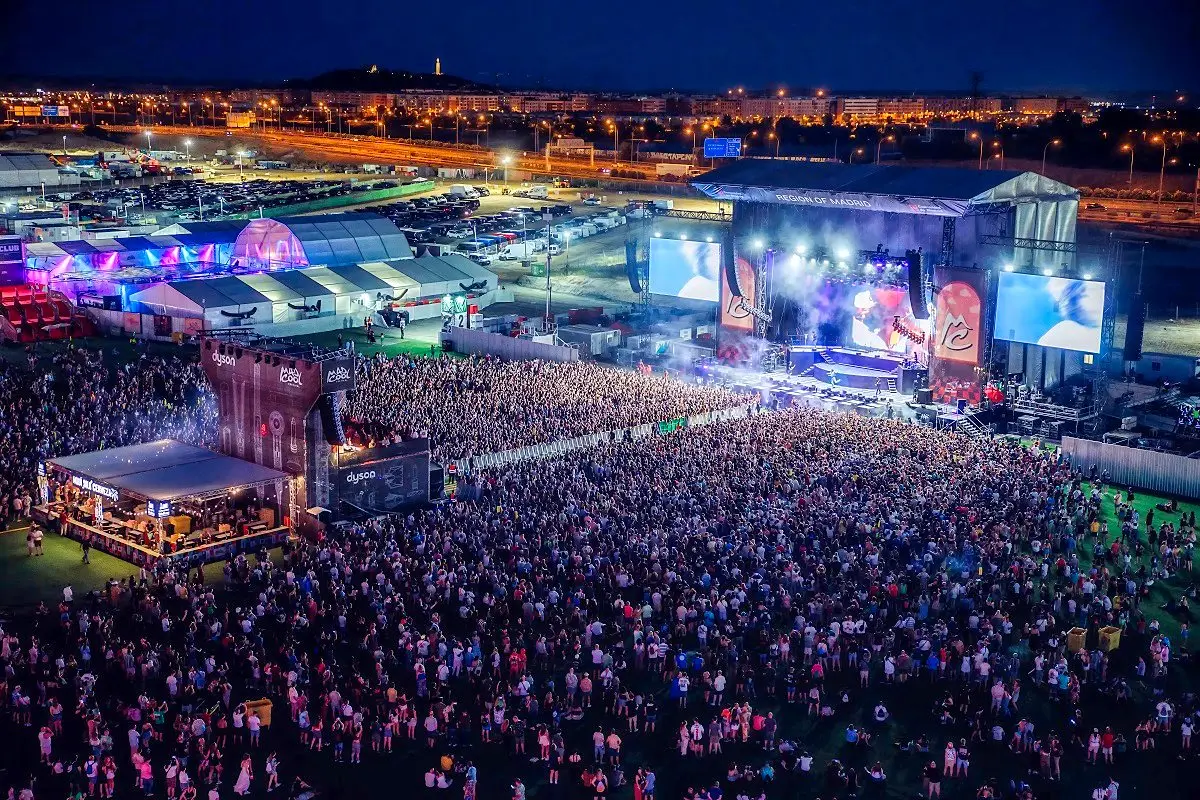
Mentre i quindici festival sopra menzionati sono diventati il punto di riferimento del mondo dei festival, diversi eventi più recenti stanno riscuotendo un successo internazionale. Questi festival emergenti offrono un'atmosfera fresca e spesso a prezzi più bassi. Alcuni esempi degni di nota:
- Mad Cool Festival (Spagna) – Madrid, luglio 2025. Un festival urbano di ammissione generale. La formazione del 2025 presenta eroi rock e pop tra cui Nine Inch Nails, Kings of Leon, Olivia Rodrigo, Iggy Pop, Weezer, ecc. Mixa atti di stadio e indie flair, oltre a un EDM "Brunch Electronik" alla moda giorno.
- Lost Village (Regno Unito) – Lincolnshire, Regno Unito, agosto 2025. Un festival esclusivo di 4 giorni nascosto nella foresta. Enfatizza l'arte esperienziale e un'atmosfera intima. Le lineup passate hanno spaziato dalla house all'indie, fino alla musica bass eclettica. Immaginate un incontro tra Secret Garden Party e teatro immersivo.
- Castello elettrico (Romania) – Bontida, Romania, 16–20 luglio 2025. Un'esperienza trasformativa sul terreno del castello di Banffy. Rock (Justin Timberlake, Queens of the Stone Age) coesiste con gli atti indie e folk. Mette in evidenza la rinascita culturale della Romania.
- Corona Capital (Messico) – Città del Messico, 14–16 novembre 2025. Il principale festival dell'America Latina per il rock e l'alternativa. Gli headliner includono Foo Fighters, Chappell Roan, Linkin Park. Dispone anche di vampiri Weekend, Deftones, Weezer, ecc. La sede di Autódromo è sulla spiaggia (precedentemente una pista da corsa) vicino ai centri culturali della città.
- Oltre la valle (Australia) – Mt. Duneed vicino a Melbourne, dicembre 2025. Un festival di Capodanno che è cresciuto enormemente. I grandi nomi del 2025: la pop star Addison Rae, DJ Dom Dolla, il rapper Kid Cudi e i preferiti australiani come Spacey Jane e The Temper Trap. Tre tappe, ciascuna con un'atmosfera distinta: lussureggiante "valle del palco", energico "Dance Dome" e intimo "Lounge Room" per discorsi e film. Miscela di danza, rock e sapore locale.
Questi festival emergenti condividono tratti: scene locali forti, marketing esperto e identità uniche. La magra indie-rock di Mad Cool attira la folla nella capitale spagnola, con l'ulteriore attrazione dell'estate mediterranea. Esperienze guidate dalla narrativa di un villaggio e di un castello elettrico: entrare nei loro terreni è come entrare in un altro mondo (che si tratti di un villaggio mitico o di un castello gotico). Corona Capital colma una lacuna per i tour nordamericani in America Latina, capitalizzando la cultura della vita notturna di Città del Messico. Beyond the Valley sfrutta il vivace mercato musicale dell'Australia intorno ai festeggiamenti di Capodanno, offrendo una fuga sul mare con i migliori artisti internazionali. Spesso forniscono biglietti e pacchetti di viaggio più convenienti rispetto agli eventi dell'Europa occidentale.
Per i fan che desiderano un'esperienza "fuori dai sentieri battuti": Lost Village ed Electric Castle sono entrambi altamente coinvolgenti e su scala ridotta (10.000-50.000 partecipanti) rispetto alle mega-fest. Se preferisci i grandi nomi in un luogo fresco, Mad Cool (Spagna) e Corona (Messico) offrono i migliori talenti con meno seccature di Coachella/Lolla. Per l'EMM dell'emisfero australe, Beyond the Valley (DEC/Capodanno) sta rapidamente raggiungendo lo status globale. Ognuno ha la sua nicchia, quindi scegli in base allo stile musicale (rock, elettronico o eclettico) e opportunità di viaggio.
Guida completa alla pianificazione del festival
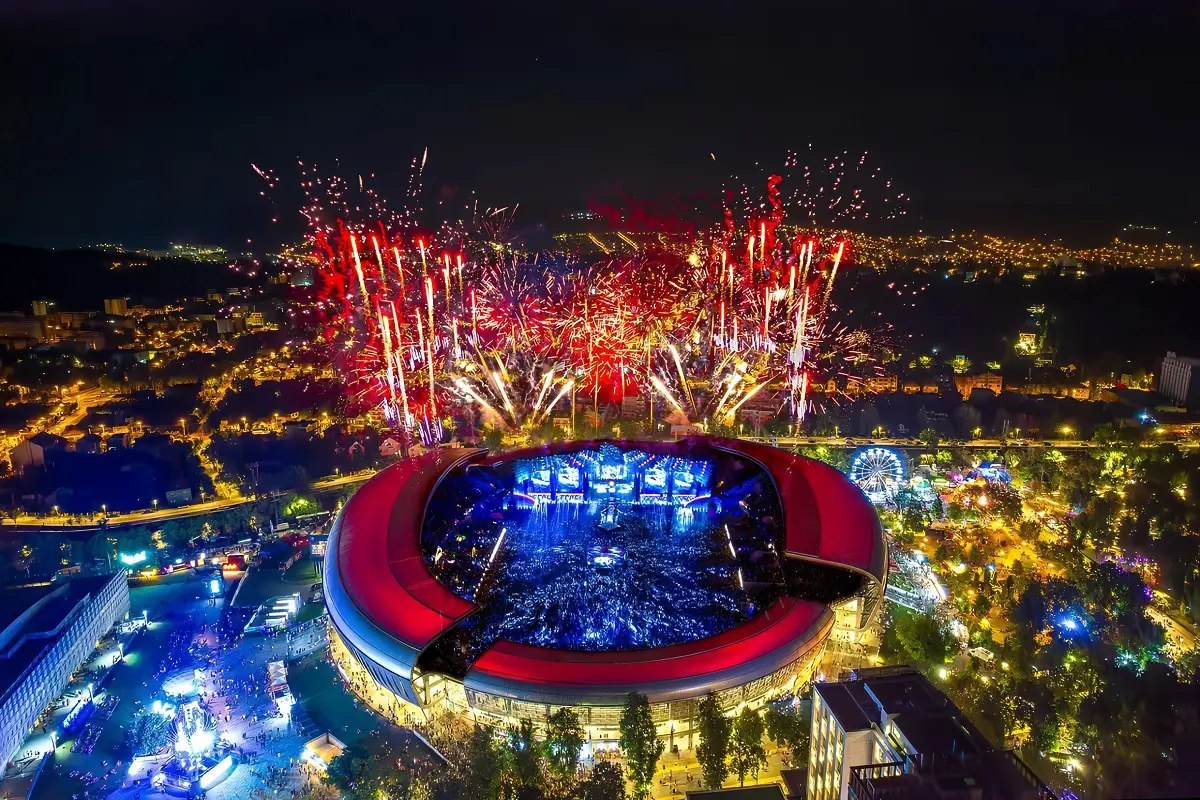
Partecipare a uno qualsiasi di questi festival, soprattutto a livello internazionale, richiede una buona pianificazione. Di seguito sono riportati consigli pratici su biglietti, viaggio, alloggio e budget. Questi spunti aiuteranno sia i principianti che i veterani a trasformare un weekend selvaggio in un'avventura senza intoppi.
Quando acquistare i biglietti per il festival
Il tempismo è tutto. La maggior parte dei festival principali annuncia i biglietti con almeno 6-12 mesi di anticipo. Ad esempio, Coachella e Glastonbury di solito vendono primavera invernale prima del festival, mentre le prime uscite di Tomorrowland sono spesso un anno avanti. Guarda il sito web del festival e i social media per le date di pre-vendita. Entrare a far parte della mailing list o del fan club di un festival (ad es. Forum "People of Tomorrow" di Tomorrowland) può concedere l'accesso anticipato. Se le vendite iniziali si esauriscono (spesso lo fanno in pochi minuti), molti festival hanno una vendita di seconda ondata mesi dopo o mercati di rivendita limitati (come Ticketmaster o forum ufficiali). Alcuni festival offrono piani di pagamento per i biglietti a rate.
Acquista sempre da fonti ufficiali. Attenzione ai truffatori e ai siti di rivendita con prezzi gonfiati. Molti festival consentono trasferimenti o rivendite tramite piattaforme autorizzate. Controlla la politica del festival: alcuni utilizzano biglietti su app mobile collegati a documenti d’identità o braccialetti da ritirare sul posto. Per l’assicurazione, considera un biglietto rimborsabile (se disponibile) o un’assicurazione di viaggio che copra l’annullamento del festival. Pianifica di prenotare i voli quando viene annunciata la lineup, ma verifica le politiche di rimborso nel caso in cui l’evento venga annullato.
Confronto tra le opzioni di alloggio per il festival
Le sistemazioni variano notevolmente:
- Campeggio: Molti grandi festival (Tomorrowland, Glastonbury, Burning Man, Sziget, ecc.) offrono un campeggio ufficiale. Alcuni forniscono campeggi di base gratuiti; Altri vendono "biglietti da campeggio" separatamente. Ci sono spesso zone diverse (aree tranquille contro feste) e aggiornamenti come tende pre-pitched, glamping o spot per camper. Prep in anticipo: controllare quale ingranaggio è consentito (ad es. Glasto limita essiccatori, generatori). Elenco di controllo del campeggio essenziale: tenda, sacco a pelo, tappetino, torcia, caricabatterie portatile, impermeabile, ecc. E ricorda gli articoli da toeletta: i vasini possono essere ruvidi, quindi i disinfettanti per le mani e le salviettine salvavita.
- Hotel/Ostelli/Airbnb: Festival urbani come Coachella, Lollapalooza (Chicago), Primavera (Barcelona) e Corona (Città del Messico) di solito hanno alberghi e ostelli nelle vicinanze. Questi si riempiono rapidamente (soprattutto quando gli headliner sono importanti). Prenota in anticipo per evitare i premi. Per i festival nelle città più piccole (Tomorrowland, Fuji Rock), le città più vicine (rispettivamente città di Bruxelles o Niigata) potrebbero essere la tua base. Glastonbury ha notoriamente "ritiri per feste" nelle locande locali e una navetta ufficiale dell'hotel dagli aeroporti di Bristol. Siti di alloggio come Booking.com spesso mostrano tariffe elevate durante i grandi eventi: gli hotel bloccano le stanze con mesi di anticipo per le partnership di eventi.
- Affitti a breve termine: Airbnb e simili possono essere validi, ma molte città regolamentano gli affitti a breve termine. Consultate le normative: ad esempio, New Orleans vieta la maggior parte degli affitti a breve termine, mentre Barcellona li limita severamente. Alcuni festival collaborano con i servizi di noleggio per offrire pacchetti.
- Soggiorno in famiglia e Couchsurfing: In caso di necessità, esistono soluzioni di homestay o Couchsurfing, ma con dei compromessi (privacy, spazio). Solo per viaggiatori avventurosi che si sentono a loro agio con gli host locali.
- Villaggi del Festival e pacchetti vacanza: Alcuni festival (Coachella, Ultra, eventi di Ibiza) offrono pacchetti completi che includono hotel, biglietti e servizi. Anche le agenzie di viaggio o i servizi simili a festivaltour.com vendono pacchetti con voli, hotel e navetta.
Consigli di viaggio internazionali per gli amanti del festival
Tutto: Verificate i requisiti per il visto il prima possibile. Molti festival attraggono visitatori da tutto il mondo. Se viaggiate nell'UE, il visto Schengen consente l'ingresso in più paesi (Spagna, Francia, Germania, ecc.) con un unico visto. Per il Regno Unito (Glastonbury), gli Stati Uniti (Coachella), il Brasile (Rock in Rio) o altri paesi, assicuratevi che il passaporto sia valido (6+ mesi è lo standard) e richiedete in anticipo eventuali visti d'ingresso necessari. Alcuni festival richiedono la prova del volo di ritorno all'ingresso.
Voli: I festival spesso si svolgono in un weekend. Se possibile, arrivate un giorno prima, viaggiate senza affaticarvi. Partite il giorno dopo, perché i voli del lunedì mattina possono essere costosi. Prenotate i voli con largo anticipo (soprattutto quelli transatlantici). Utilizzate gli strumenti di avviso voli o i pacchetti (spesso i festival si coordinano con le compagnie aeree).
Navette e trasporti locali: Molti festival offrono servizi navetta ufficiali in autobus o treno da aeroporti/città (ad esempio, i treni per Montreux, l'Ultra Miami Metrorail offre pass speciali, o la navetta per Coachella da Palm Springs). Per i festival europei, il treno regionale è una buona soluzione (ad esempio, il festival di Łódź in Polonia è raggiungibile in treno da Varsavia). Cercate sempre i link ufficiali sui siti web dei festival: potrebbero collaborare con i trasporti pubblici o istituire servizi dedicati. Una volta arrivati al festival, consultate sempre gli orari dei trasporti: alcune città offrono treni notturni (Londra per Glasto), altre si affidano ad autobus charter.
Elementi essenziali da mettere in valigia in base al clima: Controlla il clima della tua destinazione. L'estate in Europa è calda, quindi porta con te abiti leggeri e traspiranti, cappelli e crema solare. Per le località piovose (Glastonbury, Fuji Rock, Untold), porta stivali e impermeabili. I festival nel deserto (Coachella, EDC Las Vegas) richiedono una protezione solare extra e maniche lunghe leggere (per evitare scottature). I festival del nord (Montreux) potrebbero essere più freschi di notte; porta vestiti a strati. Porta sempre con te una borraccia riutilizzabile, se consentita (molti festival hanno stazioni di ricarica), tappi per le orecchie, un caricabatterie portatile per il telefono e una piccola torcia. Per gli eventi di più giorni, uno zaino leggero è preziosissimo.
Quanto dovresti stanziare per un festival?
Il budget dipende dalla regione e dallo stile di viaggio:
- Biglietto: I festival di alto livello costano dai 300 ai 500 euro e più per gli abbonamenti completi (ad esempio, Tomorrowland Comfort è costoso). Gli abbonamenti early-bird o giornalieri costano meno. Includi tasse e commissioni nel tuo conteggio.
- Alloggio: Gli ostelli in Europa possono costare dai 20 ai 50 euro a notte, gli hotel dai 100 euro in su. Il campeggio in loco è spesso più economico (a volte incluso), ma aspettatevi di pagare per il parcheggio o per le piazzole più adatte. In Asia/Sud America, i prezzi locali possono essere più bassi (ad esempio, a Goa, negli ostelli di Tokyo, ecc.).
- Cibo e bevande: Il cibo dei festival è notoriamente più caro (aspettatevi 10-15 € per un pasto, 8-12 € per una bevanda nei festival europei e statunitensi). Prevedete un budget per gli spuntini o comprate qualcosa al supermercato, se consentito. Molti festival consentono alle bottiglie d'acqua sigillate di superare i controlli di sicurezza: portate con voi o comprate a poco prezzo all'esterno. Consiglio: condividere il cibo con gli amici può ridurre i costi.
- Varie: Trasporti (voli, autobus locali), merchandising del festival (magliette e souvenir si accumulano, quindi stabilisci un limite), armadietti in loco o noleggio attrezzatura e assicurazione di viaggio. Un intervallo di sicurezza potrebbe essere tra i 2.000 e i 4.000 dollari a persona per un viaggio internazionale di una settimana a un festival, spese incluse, ma i viaggiatori esperti con un budget limitato potrebbero spendere molto meno campeggiando e limitando il lusso. Utilizza un foglio di calcolo o un'app per il budget del festival, tenendo conto della valuta locale.
Scegli il tuo abbinamento perfetto per il festival
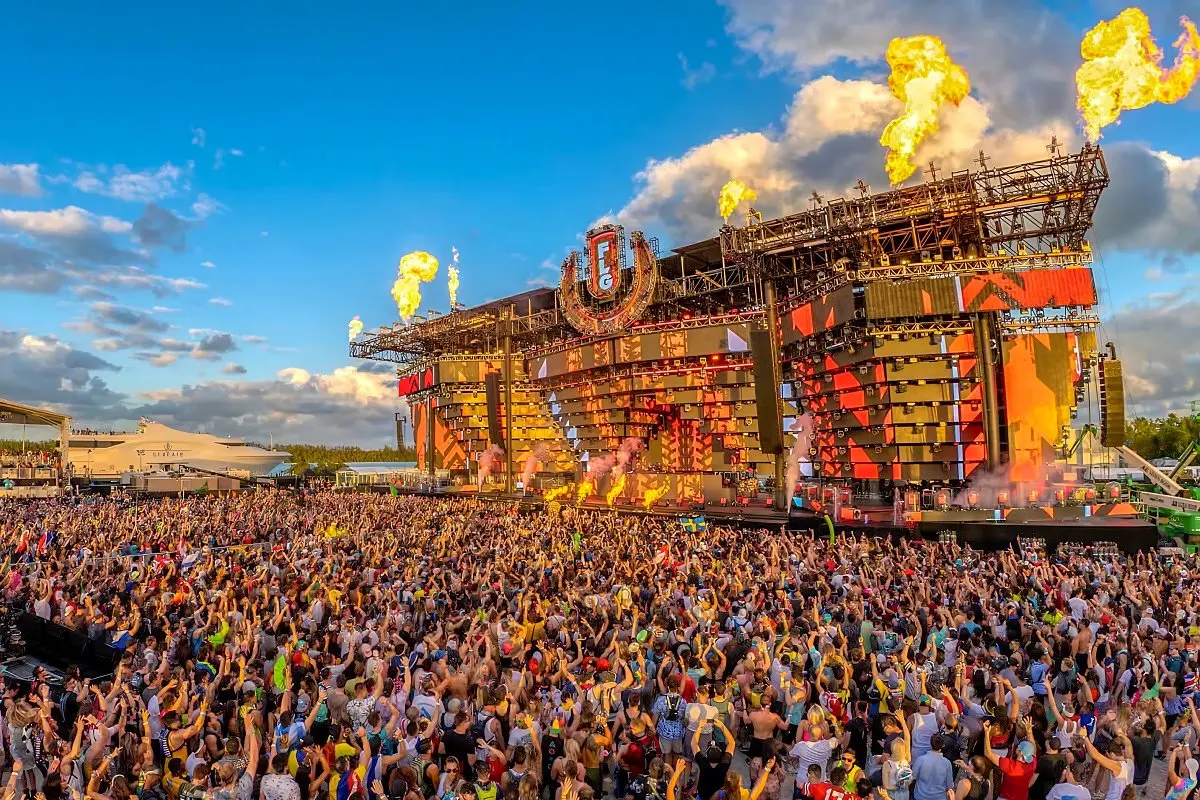
Con così tante opzioni, come scegliere? Considera i tuoi gusti musicali, il tuo budget, la tua disponibilità a viaggiare e il tuo stile di vita sociale. Ti suggeriamo il seguente approccio:
- Festival per genere musicale: Definisci cosa vuoi sentire. Per EDM/Techno, Tomorrowland, Ultra Miami, EDC Vegas, Untold, Kappa Futur, Sunburn o Defqon.1 sono ideali. Se rock/pop, Glastonbury, Coachella, Rock in Rio e Lollapalooza. Jazz/soul/blues I fan della musica indie/alternative non possono perdersi Montreux. I fan di musica indie/alternative preferiscono Primavera, Mad Cool o Lollapalooza. Controlla le lineup ufficiali per vedere se suoneranno i tuoi artisti preferiti.
- Festival per fascia di budget: I grandi eventi occidentali (Coachella, Tomorrowland, Glastonbury) di solito costano di più (biglietti, viaggio). I festival nell'Europa orientale (Untold, Sziget, Electric Castle, Lost Village) o in Asia (Sunburn) possono offrire emozioni simili a un prezzo inferiore. I festival di campeggio fai da te riducono i costi; spendere troppo in Airbnb o glamping li aumenta. Utilizza i forum online per valutare la spesa effettiva.
- I migliori festival per chi ci va per la prima volta: Se è il tuo primo festival, pensa al comfort e all'affidabilità. Lollapalooza Chicago o Coachella hanno una produzione prevedibile e molti servizi. Se vuoi prima un'atmosfera da "lista dei desideri", Glastonbury o Tomorrowland offrono uno spettacolo di livello mondiale. Quelli più piccoli come Lost Village o Mad Cool consentono un'introduzione più intima.
- Partecipazione individuale vs. di gruppo: Molti festival sono più sicuri e più divertenti con gli amici. Alcuni hanno anche aree adatte ai single. Se viaggi da solo, scegli feste ben organizzate (di solito hanno l'aiuto del personale). Se fai parte di un gruppo, coordina i budget e i piani di campeggio in anticipo.
Festival per genere musicale
- Elettronica/EDM/House/Techno: Tomorrowland, Ultra, EDC LV, Untold, Kappa FuturFestival, Sunburn.
- Rock/Alternativa/Indie: Glastonbury, Coachella, Rock in Rio, Lollapalooza, Primavera, Mad Cool, Electric Castle, Corona Capital.
- Jazz/Blues/Soul: Montreux Jazz Festival, il palco jazz di Glastonbury, festival di nicchia più piccoli.
- Hip-Hop/R&B: Coachella, Rock in Rio, Lollapalooza, alcuni DJ set al Tomorrowland.
- Mondiale/Tradizionale: Sziget (villaggio internazionale), Glastonbury (palcoscenico di world music), Montreux (world jazz), spettacoli folcloristici all'Electric Castle.
Festival per fascia di budget
- Fascia alta (biglietti + viaggio $4k+): Tomorrowland, Glastonbury (Europa), Coachella, Ultra (USA), Rock in Rio.
- Fascia media ($ 2.000–$ 4.000): Lollapalooza (Stati Uniti), Montreux, Primavera, Mad Cool, Corona, Fuji Rock (i viaggi in Asia potrebbero comportare un aumento dei costi), EDC Vegas.
- Budget-Friendly (<$2k): Sziget, Untold, Kappa Futur, Lost Village, Electric Castle, Beyond The Valley (a seconda delle offerte sui voli), Corona (se locale nelle Americhe), festival locali in Asia.
I migliori festival per chi ci va per la prima volta
- Grande, organizzato: Coachella e Tomorrowland sono in testa in questo ambito: le loro infrastrutture (trasporti, sicurezza, ecc.) sono di prim'ordine.
- Meraviglie culturali: Glastonbury (per la storia) e Montreux (per la qualità del suono) creano delle prime impressioni memorabili.
- Ingresso graduale: Chi è alle prime armi potrebbe provare la versione di un grande festival che dura uno o due giorni (ad esempio, i biglietti per 3 giorni del Lolla) per evitare di sentirsi sopraffatti.
- Antipasto intimo: Per un inizio più tranquillo, scegliete un festival più piccolo nelle vicinanze. Spesso i festival regionali permettono ai nuovi arrivati di abituarsi al panorama dei festival.
Quale festival si adatta alla tua personalità?
Ad alcuni lettori piacciono i quiz, ma ecco una guida rapida: se sei estroverso e ami una grande festa, pensa a mega-fest come Tomorrowland o EDC. Se sei un esploratore della cultura che ama l'arte e la politica, Glastonbury o Sziget potrebbero entusiasmarti. Per città e comodità, Coachella o Lolla Chicago si adattano a un'atmosfera urbana. Se hai voglia di evasione con installazioni artistiche e laboratori, il villaggio perduto o il castello elettrico ti si adattano. Amante indie rilassato? Primavera o Montreux. Il festival giusto amplifica il tuo stile, che si tratti di balli a tutto volume, campeggio in comune o semplicemente rilassarsi in una lounge per tutto il giorno.
Informazioni essenziali sulla sicurezza e la salute durante i festival
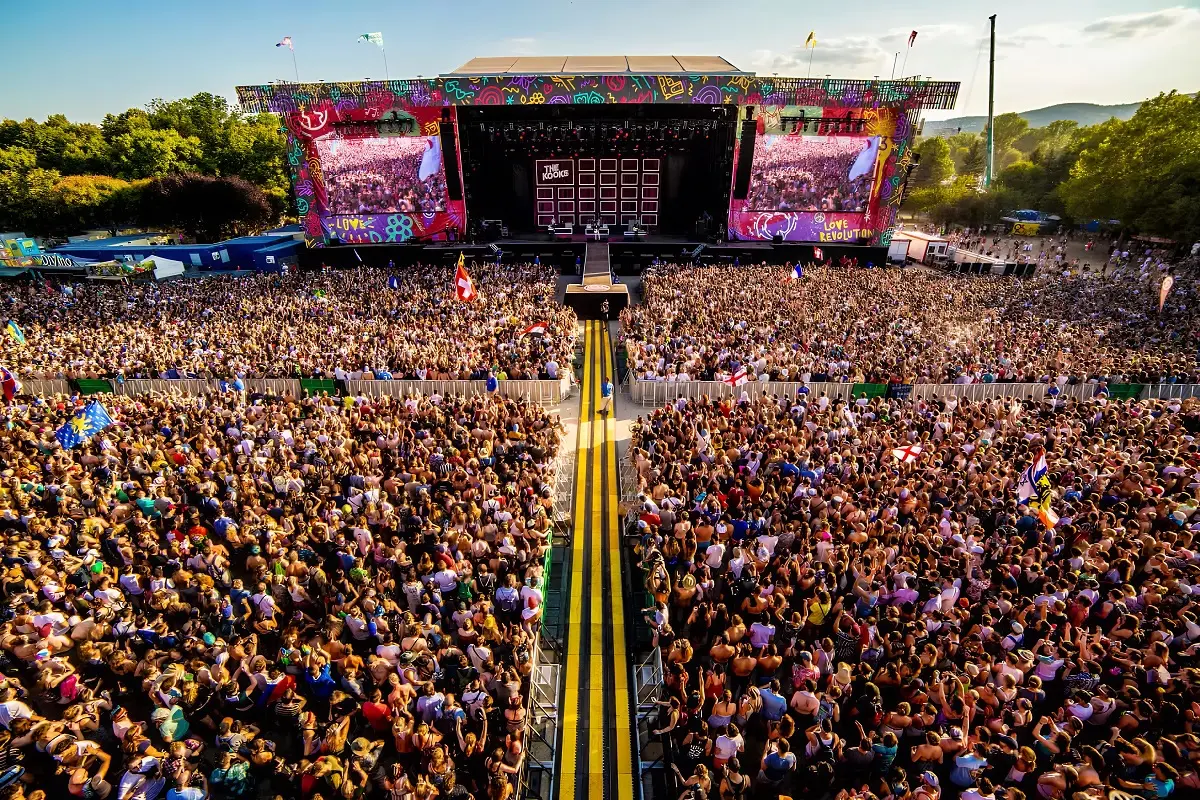
Un festival divertente richiede sicurezza e salute. Ecco le pratiche consigliate dagli esperti:
- Pianifica in anticipo: Informatevi in anticipo sulla disposizione del sito. Informatevi sulla posizione delle tende mediche e delle vie di fuga. Molti festival (come Glastonbury o Coachella) pubblicano le mappe online. Controllate le previsioni meteo e siate realistici sul numero di giorni in cui parteciperete effettivamente (il burnout è una realtà).
- Mantenetevi idratati: La disidratazione è uno dei maggiori rischi per gli eventi all'aperto. Portare una bottiglia d'acqua riutilizzabile se consentita e bere almeno una tazza d'acqua ogni ora. Utilizzare le stazioni di ricarica dell'acqua gratuite (ora standard nei principali festival). Evita di fare troppo affidamento su alcol e bevande energetiche: ti disidratano ulteriormente. I buoni organizzatori avranno anche squadre che camminano tra la folla che distribuiscono acqua (alcune feste di ballo statunitensi imitano le squadre di idratazione di Insomniac).
- Attenzione al sole: Proteggetevi da scottature e colpi di calore. Indossate una crema solare con fattore di protezione solare elevato, occhiali da sole e un cappello. Approfittate di eventuali tende ombreggiate o aree rinfrescanti (TicketFairy segnala che molti festival ora offrono zone rinfrescanti). Resistete alla tentazione di stare al sole tutto il giorno; riposatevi all'ombra ogni poche ore.
- Vestiti e fai la valigia in modo intelligente: Sono indispensabili scarpe comode e robuste: potreste camminare per chilometri. Vestitevi a strati: la mattina può essere fresca, a mezzogiorno calda, la notte di nuovo fresca. Nei climi piovosi (Glastonbury, Fuji Rock), portate con voi indumenti impermeabili e stivali di gomma. Un piccolo kit di pronto soccorso (cerotti, nastro anti-vesciche, antidolorifici, eventuali farmaci personali) è prezioso. Fate attenzione agli oggetti personali: i furti possono verificarsi in mezzo alla folla, quindi alcuni consigliano di usare una cintura porta soldi o di tenere gli oggetti di valore in una tasca anteriore.
- Protezione dell'udito: La musica è alta. Gli organizzatori del festival consigliano spesso l'uso di tappi per le orecchie (in schiuma o adatti ai musicisti). Tre giorni di musica ad alto volume possono causare danni all'udito; portatevi tappi per le orecchie riutilizzabili per ballare in sicurezza.
- Sistema di amici: Soprattutto di notte o in mezzo alla folla, andate con gli amici e concordate i punti di ritrovo. Se vi allontanate o perdete la connessione cellulare (comune nelle zone rurali), un piano di ritrovo prestabilito può evitare il panico. Informate qualcuno del luogo in cui vi trovate in campeggio o dell'hotel in cui alloggiate.
- Consapevolezza della folla: In una fitta folla (come un palco headliner ricco di zeppe), proteggiti. Non spingere; Fai un passo indietro se ti senti schiacciato. Stai alla larga dalle barriere di recinzione (possono causare fughe di fuga). Se vedi qualcuno in difficoltà (svenimento, malattia), avvisa immediatamente il personale nelle vicinanze. Il personale dell'evento è formato per le emergenze (anche se Streetwise avverte di non fare troppo affidamento su di esse; aiutano, ma la tua vigilanza è fondamentale).
- Conoscere il piano di emergenza: La maggior parte dei festival dopo le procedure di emergenza (ad es. "In caso di condizioni meteorologiche estreme..."). Ascolta gli annunci. Una politica di fulmini o vento può significare evacuazione in zone sicure. Il caldo o il freddo possono chiudere momentaneamente le fasi.
- Moderazione: Rimani consapevole delle sostanze. Se bevi alcolici, alternati con l'acqua e rilancia te stesso. Se assumi droghe ricreative (rischiose e spesso illegali), tieni presente che la purezza varia e gli effetti possono essere estremi sotto il calore o l'affaticamento. Alcuni festival offrono cabine di informazione sulla droga in cui i volontari testano sostanze o offrono consigli. Non mescolare droghe e riscaldare.
- Recupero: Dopo il festival, prenditi del tempo per recuperare. Dormi, idratati e mangia in modo nutriente per un giorno o due dopo un festival di più giorni. Immergiti in quel ricordo, ma lascia che il tuo corpo si riprenda completamente.
Seguendo queste linee guida sulla sicurezza e sulla salute e imparando dalle esperienze dei festival passati, puoi concentrarti sul goderti la musica e l'atmosfera senza rischi indebiti. I festival prosperano sulla comunità, quindi tieni d'occhio i tuoi amici e estranei allo stesso modo.
Conclusione: la tua avventura al festival ti aspetta

Dai campi dell'Europa alle coste asiatiche, il 2025 offre uno spettro di festival senza pari. Sia che tu insegua EDM a Tomorrowland, vaga nell'utopia creativa di Glastonbury, groove vicino a un lago svizzero a Montreux, sia scopri una gemma balcanica nascosta, ce n'è per tutti i fan. Abbinando i tuoi gusti, budget e piani di viaggio con i profili del festival sopra, puoi trasformare la scelta travolgente in un piano esilarante. Ricorda gli aspetti pratici: prenota i biglietti e viaggia in anticipo, fai le valigie e preparati per il clima. abbracciare la comunità e rispettare le culture locali. La ricompensa è monumentale: spettacoli indimenticabili, nuovi amici oltre confine e ricordi catturati in fasi artistiche. Le lunghe giornate e le calde notti della stagione dei festival promettono gioia e scoperta. Ora è il momento di assicurarsi quei biglietti e passaporti: la tua avventura musicale 2025 è pronta per iniziare.









