
A sötét turizmus olyan helyekre való utazást jelent, amelyek történelmileg a halálhoz, szenvedéshez vagy katasztrófához kötődnek. Minden évben utazók milliói zarándokolnak ünnepélyes jelleggel – a holokauszt-emlékművektől és csataterektől a katasztrófa sújtotta övezetekig és az elhagyatott városokig. A növekvő érdeklődést számos motiváció táplálja (kíváncsiság, oktatás, megemlékezés), de nehéz kérdéseket is felvet a tisztelettel, az emlékezettel és az etikával kapcsolatban. Ez az útmutató átfogó, gyakorlati áttekintést nyújt a sötét turizmusról: történetéről és definíciójáról, a mögötte álló pszichológiáról, valamint arról, hogyan kell felelősségteljesen megtervezni és lebonyolítani az ilyen látogatásokat. Tudományos tanulmányokra és szakértői kommentárokra, valamint valós példákra (Auschwitz, Csernobil, Ground Zero, Jonestown és mások) támaszkodva gyakorlatias ellenőrzőlistákat és tanácsokat kínálunk. A cél az utazók és oktatók mélyreható kontextussal, biztonsági tippekkel és etikai útmutatással való tájékoztatása – biztosítva, hogy ezeknek az ünnepélyes helyszíneknek a felkeresése tudatossággal, gondossággal és mély tisztelettel történjen.
- Gyorstalpaló: Mi a sötét turizmus?
- Miért látogatnak el az emberek: Motivációk és pszichológia
- Etika és viták (Az erkölcsi térkép)
- Híres példák: esettanulmányok és tanulságok
- Látogatás megtervezése: Gyakorlati ellenőrzőlista
- Helyszíni etikett és viselkedés (A tisztelet ellenőrzőlistája)
- Mentális felkészülés és öngondoskodás
- Felelős történetmesélés és tartalomkészítés
- Hogyan hasznos – és káros – lehet a sötét turizmus a közösségeknek?
- Oktatás és kutatás: Terepgyakorlatok bevált gyakorlatai
- Vörös zászlók: Kizsákmányoló túrák és szenzációhajhászás
- Politika, emlékműtervezés és értelmezés
- Helyszínenkénti utazástervező (regionális útvonalak)
- GYIK (Gyors válaszok)
Gyorstalpaló: Mi a sötét turizmus?
A „sötét turizmus” kifejezést Malcolm Foley és John Lennon alkotta meg 1996-ban. Tágabb értelemben a halállal és tragédiával kapcsolatos helyszínekre való utazást jelenti. Szinonimái közé tartozik a thanaturizmus, a fekete turizmus vagy a gyászturizmus. Ezek a helyszínek sokfélék lehetnek: ősi csataterek és kivégzőhelyek, koncentrációs táborok és emlékművek, katasztrófa sújtotta övezetek és hajóroncsok. Ami összeköti őket, az nem a sokkoló élmény vagy az izgalomkeresés, hanem a történelem. A turisták azért látogatnak el ide, hogy olyan eseményekről tanuljanak, mint a népirtások, balesetek, háborúk vagy járványok – az emberi tapasztalatok „sötétebb” fejezetei. Ahogy a National Geographic egyik szerzője megjegyzi, nincs semmi eredendően rossz abban, ha ellátogatunk egy olyan helyre, mint Csernobil vagy Auschwitz; az számít, hogy miért megyünk.
A szakirodalom a történelmi kontextust hangsúlyozza. A sötét helyszínek fő vonzereje az oktatási és emlékezési értékük, nem pusztán maga a halál. Valójában a tudósok hangsúlyozzák, hogy az üzemeltetők és a látogatók közösen döntik el, hogy egy látogatás oktató jellegű vagy kizsákmányoló jellegű-e. A jó sötét turisztikai programok az igazságra és az emlékezésre összpontosítanak, míg a rosszul működtetettek pusztán profit céljából „kifejhetik a hátborzongatót”. Még Chris Hedges utazási író is figyelmeztetett, hogy az atrocitás helyszínek fertőtlenítése (Disneyfying) tiszteletlenül bánthatja az áldozatokat azáltal, hogy elrejti a teljes borzalmat.
A sötét turizmus története hosszú. Már a rómaiak is özönlöttek a gladiátorjátékokra, és a kora újkori tömegek kivégzéseket néztek. John Lennon megjegyzi, hogy az emberek biztonságos távolságból nézték az 1815-ös waterlooi csatát, és a nyilvános akasztások vonzották a nézőket a 16. századi Londonban. A modern időkben olyan helyek, mint Gettysburg vagy Pompeii, tragédiáik után hamarosan vonzották a látogatókat. Az utazási írók dokumentálták ezeket az utakat („pokoli nyaralások”), és az akadémikusok is újabban kezdték el tanulmányozni őket. Lennon és Foley 1996-os tanulmánya vezette be a kifejezést; körülbelül ugyanebben az időben alkotta meg A. V. Seaton a thanaturizmust.
Thanaturizmus vs. katasztrófa- és háborús turizmus
A szakzsargon zavaró lehet. A thanaturizmus szó szerint halálturizmust jelent (a görög thanatosz szóból). Gyakran felcserélhetően használják a sötét turizmussal, de néha olyan helyekre összpontosít, ahol emberi maradványok vagy sírok vannak jelen (sírturizmus, temetőlátogatások). A katasztrófaturizmust néha egy részhalmazaként írják le: természeti vagy ipari katasztrófák (földrengések, szökőárak, nukleáris balesetek) helyszíneire való utazás, gyakran nem sokkal az esemény után. Ezzel szemben a háborús turizmus kifejezetten a csataterek, háborús emlékművek vagy akár aktív konfliktusövezetek „kaland” céljából történő felkeresésére utalhat. A gyakorlatban ezek a kategóriák átfedésben vannak. A csernobili tilalmi övezetbe tett látogatás például egy katasztrófa helyszínére irányuló sötét turizmus.
Ami megkülönbözteti őket, az a kontextus és a szándék. Egyes utazók a közelmúltban katasztrófa sújtotta területekre (hurrikánok vagy földrengések után) mennek, hogy segítsenek vagy újjáépítsék az épületeket, ami pozitív is lehet, míg mások pusztán kukkoló kíváncsiságból érkezhetnek. A társadalomkritikusok vitatják, hogy a nagyon friss tragédiákra irányuló turizmus helyénvaló-e. A felelős idegenvezetők azt tanácsolják, hogy ellenőrizzék a helyi érzékenységet, és várják meg, amíg a segítségnyújtási erőfeszítések stabilizálódnak, mielőtt elindulnának. Általánosságban elmondható, hogy a „sötét turizmus” kifejezés a köznyelvben minden olyan helyszínt magában foglal, ahol a tragédia a vonzerő része, legyen szó akár egy ősi mészárlásról, akár egy cunami emlékműről.
Miért látogatnak el az emberek: Motivációk és pszichológia
Mi vonzza az embert egy csatatéren, emlékműnél vagy elhagyatott katasztrófahelyszínen való kiálláshoz? A pszichológusok és a turisztikai kutatók több, egymást átfedő motívumot azonosítanak: a kíváncsiság, a tanulás, az empátia, az elmélkedés és az izgalom keverékét. Sokak számára a sötét helyek közvetlen találkozást kínálnak a történelemmel. Az esemény tényleges helyszínének látványa valóságossá teheti a múltat. J. John Lennon megjegyzi, hogy ezeknek a helyszíneknek a meglátogatásakor „nem idegeneket látunk, hanem gyakran önmagunkat, és talán azt, hogy mit tennénk ilyen körülmények között”. Az auschwitzi tömeges névfelolvasást végző utazási pszichológust, akit Robert Reid idéz, azt mondta, hogy egy túlélő csendes beismerése közvetlenebbé tette számára a történelmet. Más szóval, a szenvedés valóságával való szembenézés elmélyítheti a megértést és az empátiát.
Ezt tudományos tanulmányok is alátámasztják. Egy nemzetközi vendéglátóipari áttekintés (2021) négy fő motivációt különített el: kíváncsiság („látni kell, hogy elhidd”), a történelemmel kapcsolatos ismeretek/ismeretek, személyes kapcsolat (ősök tisztelete vagy a közös emberiség), valamint a helyszín puszta létezése, mint jelentőségteljes hely. Például valaki tanulhat a holokausztról az iskolában, és ellátogathat Auschwitzba tanulás céljából, míg egy család ellátogathat Pearl Harborba, hogy kapcsolatba lépjen egy ott harcoló rokonnal. Mások számára a vonzerő egyszerűen egy komoly, elgondolkodtató élmény a szokásos turizmuson kívül. Ahogy egy idegenvezető írja, a tragikus események „történelmi, kulturális és társadalmi sebek”, és a személyes látással nem leszel furcsább az ember – a valóság elismerését jelenti.
Más motivációk alapvetőbbek: a morbid kíváncsiság vagy a halál iránti lenyűgözés. Az embereket mindig is érdekelte a hátborzongató, Mark Twain Pompejiről szóló írásaitól kezdve a középkori kivégzéseken összegyűlt tömegekig. A modern média ezt felerősíti: a tévésorozatok, filmek, könyvek és még a közösségi média is táplálja az érdeklődést a valós bűncselekmények és a történelmi horrorok iránt. A nemrégiben bemutatott HBO-sorozat, a Csernobil például 30–40%-os ugrást eredményezett a csernobili túrák számában. Az olyan utazási műsorok, mint a Dark Tourist (Netflix), és az internet étvágya a sokkoló képek iránt vonzóvá tehetik ezeket az úti célokat. Egyes látogatók bevallják, hogy izgalmat vagy adrenalint éreznek, amikor „veszélyes” helyekre mennek, vagy katasztrófa romjait látják.
A kutatók azonban hangsúlyozzák, hogy az izgalom általában nem a teljes történet. Philip Stone, a Sötét Turizmus Kutatóintézetének munkatársa megjegyzi, hogy az emberek gyakran értelmet, empátiát vagy emlékezést keresnek. Valójában a jól működő emlékhelyek célja, hogy a látogatókat inkább elmélkedésre késztessék, mintsem szórakoztatásra. Ahogy a National Geographic szerzője érvel: „A probléma nem az úti cél megválasztásával, hanem a választás mögötti szándékkal rejlik”. Azért vagyunk ott, hogy elmélyítsük a megértésünket, vagy csak egy közösségi média pillanatra vágyunk? A felelős utazók megválaszolják ezt a kérdést, mielőtt megérkeznek.
Etika és viták (Az erkölcsi térkép)
A sötét turizmus elkerülhetetlen etikai kérdéseket vet fel. Vajon valaha is tiszteletlen vagy kizsákmányoló dolog-e egy tragédia helyszínét meglátogatni? Sok szakértő szerint ez teljes mértékben attól függ, hogyan látogatjuk meg. Ha a cél a tiszteletteljes oktatás és megemlékezés, akkor az igazolható – sőt, értékes is lehet. De ha valaki egy mészárlás helyszínét vidámparkként kezeli, az kukkolássá válik. A kulcsfontosságú elv a szándékosság és a tisztelet. Robert Reid, a National Geographic rovatvezetője nyíltan fogalmaz: „Azért utazunk egy helyre, hogy elmélyítsük a megértésünket, vagy egyszerűen csak azért, hogy dicsekedjünk, vagy kielégítsünk valami morbid kíváncsiságot?”.
Kialakultak néhány irányelv az etikai megítéléshez. A helyiek és a tudósok azt javasolják, hogy a nagyon friss tragédiák felkeresésével várjanak, amíg a túlélők szükségletei ki nem elégülnek. Például egy katasztrófa sújtotta övezetbe hetekkel az esemény után utazni megterhelheti a humanitárius erőfeszítéseket, vagy megsértheti a gyászidőszakot. Hasonlóképpen, az ilyen helyszínek körüli turisztikai vállalkozásoknak biztosítaniuk kell a túlélők és a közösségek beleegyezését és hasznát. A nemzetközi „Lelkiismeret Helyei” mozgalom hangsúlyozza, hogy az emlékműveknek ötvözniük kell az emlékezést a társadalmi cselekvéssel. Egyes utazásszervezők ma már „etikus” sötét túrákat kínálnak, amelyek a nyereség egy részét az áldozatok csoportjainak adományozzák, vagy helyi idegenvezetőket és történészeket vonnak be. Sok helyen a tanúsítási programok (mint például a Lelkiismeret Helyei hálózat) segítenek jelezni, hogy egy múzeum vagy túra közösségérzékeny.
Mikor válik a sötét turizmus kizsákmányolássá? A vészjelzések közé tartoznak: az üzemeltetők bagatellizálják vagy szenzációhajhászan ábrázolják a szenvedést; a látogatók tolakodó viselkedése (háborzongató szelfik készítése, áldozatok gúnyolása); a közösségi beleszólás hiánya; és a kontextus nélküli kereskedelmi forgalomba hozatal. Például egy megsemmisítő tábor gázkamrájában fel-le ugrálás az Instagram kedvéért szinte mindenki tiszteletlennek tartaná. Hasonlóképpen, az olyan túrák, amelyek „tényeket gyártanak vagy fokozzák a véres jeleneteket” pusztán a vendégek izgalmának kedvéért, átlépik az etikai határt. Ezzel szemben az olyan emlékművek, amelyek őszintén mutatják be a nehézségeket, segíthetnek a gyógyulásban – ahogy Reid érvel, a jó szándékú látnivalók „a gyógyulás és a változás katalizátorai” lehetnek, még akkor is, ha vannak helyszíni büfék. Az irányadó etika az, hogy minden helyszín történetét komolyan bánjunk, és az empátiát helyezzük előtérbe a szórakoztatással szemben.
A terminológia is számít. Sok tudós különbséget tesz a „lelkiismeret helyszínei” – olyan múzeumok vagy emlékhelyek között, amelyek kifejezetten a múltbeli tragédiák felidézésének és az emberi jogok tiszteletben tartásának szentelték magukat – a sötét turisztikai helyszínektől. A Sites of Conscience (egy nemzetközi hálózat) magasabb mércét állít fel a bemutatás és a közösségi szerepvállalás terén. Hasonlóképpen, egyes szerzők tanúsítványokat vagy besorolásokat javasolnak (mint például a Dark-Tourism.com oldalon található Darkometer) annak felmérésére, hogy egy helyszín mennyire felelősségteljesen működik. Ezek segítenek az utazóknak megállapítani, hogy egy múzeum finanszíroz-e helyi közösségeket, konzultál-e túlélő csoportokkal, és oktatási értéket képvisel-e.
Híres példák: esettanulmányok és tanulságok
A konkrét helyszínek vizsgálata segít megalapozni ezeket az elképzeléseket a valóságban. Az alábbiakban a főbb sötét turisztikai célpontok tömör bemutatása olvasható. Mindegyik kiemeli a történelmet, a látogatói irányelveket és az etikai megfontolásokat.
- Auschwitz–Birkenau (Lengyelország) – A Krakkó közelében található náci haláltáborok a világ legünnepélyesebb múzeumai közé tartoznak. Több mint 1,1 millió embert (többnyire zsidókat) gyilkoltak meg itt 1940 és 1945 között. Ma az Auschwitzi Emlékmű (az UNESCO Világörökség része) egy hivatalos múzeum, ahol személyes tárgyak, laktanyák és krematóriumok kiállítása látható. A látogatóktól elvárják a csendet, a szerény öltözködést és az áhítatos viselkedést. A fényképezés a legtöbb szabadtéri területen megengedett, de a gázkamrákról, emlékművekről vagy az áldozatok tárgyairól szelfik vagy alkalmi képek készítése kifejezetten nem ajánlott. Az idegenvezetők professzionális öltözéket viselnek és halkan beszélnek. A legfontosabb „szabály”, hogy ne feledjük: ez egy sírhely. Az idegenvezetők gyakran azt javasolják, hogy legalább fél napot szánjanak a múzeum és az emlékmű teljes megtekintésére, és kövessék a hivatalos útvonalakat (a tábor számos része el van kerítve). Auschwitzot kormány és adományozók finanszírozzák; a jegyeladás nem bagatellizál el az emlékezetet, mert minden bevétel a megőrzést és az oktatást támogatja. Tanulságok: a tanulás és az elmélkedés előtérbe helyezése. A kis tettek – fejhajtás, nevetés nélkül, kalaplevétel – segítenek tisztelegni a milliók előtt, akik meghaltak.
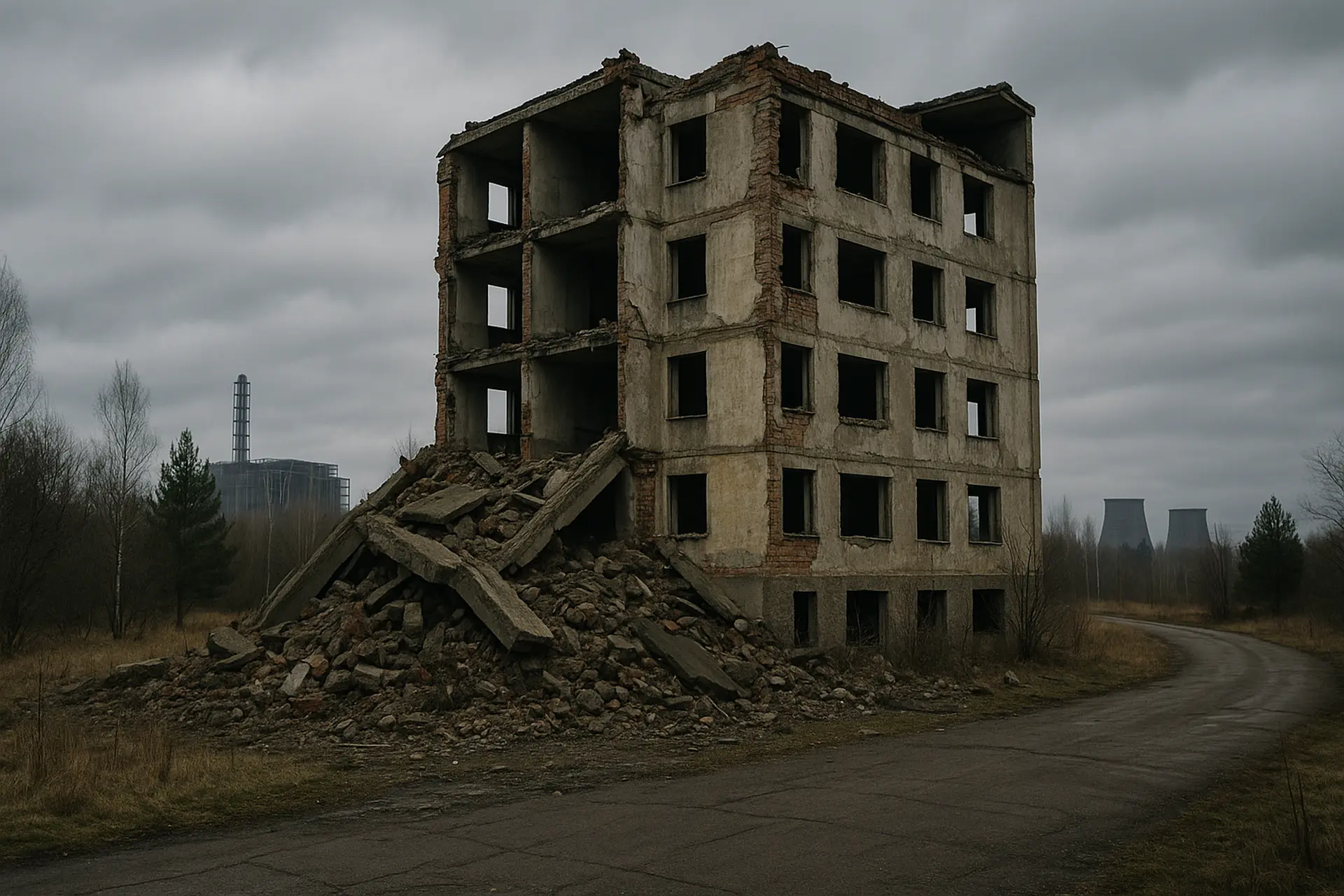
- Csernobili kizárási övezet (Ukrajna) – Az 1986-os Pripjaty közelében történt nukleáris katasztrófa 30 km-es radioaktív zónát hagyott maga után. Ma túrákat kínál az elhagyott reaktorhoz, Pripjaty szellemvárosához és tudományos létesítményekhez. Kritikus: A helyszín szigorúan ellenőrzött. A 2022-es háború előtt a turistáknak hivatalos engedélyre vagy idegenvezetőre volt szükségük. A látogatóknak 18 éven felülieknek kell lenniük, és át kell esniük az alapvető egészségügyi ellenőrzéseken. Bent maradva az idegenvezetővel kell maradni, és a kijelölt útvonalat kell követni. A szabályok többek között a következők: tilos a dohányzás a kijelölt területeken kívül, tilos a radioaktív törmelék megérintése vagy ráülése, semmilyen tárgy (még apró szuvenírek sem) kivitelezése. Kilépéskor egy sugárzásmérő ellenőrzi a látogatókat. Fényképezni lehet, de csak a jóváhagyott útvonalon – minden kerülőutat egy idegenvezetőnek kell engedélyeznie. 2022 óta Csernobil katonai konfliktus miatt teljes egészében tiltott terület. Ha a jövőbeni látogatások folytatódnak, a biztonsági felszerelések és a Geiger-számlálók továbbra is a megállapodás részét képezik. Lecke: A szigorú szabályok téged és a környezetet is védik. Mindig kövesd az idegenvezető utasításait – szó szerint élet-halál a tét. A csernobili túrák alázatra tanítanak a nukleáris kockázatokkal szemben.
- Ground Zero (New York, USA) – A 2001. szeptember 11-i támadások helyszíne ma múzeum és emlékmű Manhattan belvárosában. A kettős tükröződő medence és a múzeumi terek ünnepélyes művészeti installációkat és az áldozatok neveit mutatják be. Látogatói megjegyzések: Az emlékmű ingyenes és nyilvános; csendben lépjen be, és ne másszon a korlátra. A múzeumban a gyerekek elkedvetlenedett kivéve, ha egy bizonyos kor felett vannak, és felkészültek a nehéz tartalomra. A medencék (a tornyok helyén vízesésekkel) fotózása megengedett; a látogatók vagy családok fotózása a falaknál tolakodónak minősül. Az idegenvezetők, akik közül sokan elveszítették kollégáikat vagy szeretteiket, tiszteletteljes csendet várnak el. Sokak számára a látogatás érzelmi felkészülést igényel. A 9/11 emlékmű kora este zár; tervezzen elegendő időt a kiállítások befogadására. Néhány „sötét hellyel” ellentétben az ikertornyok nem a távoli múlt katasztrófái voltak – így a látogatók gyakran erős érzelmekkel küzdenek. Lecke: Az emlékművek tervezése itt kifejezetten a méltóságról szól. Tartsd be a kiírt szabályokat (tilos a tiltakozás és a hangoskodás). Kétség esetén kérd a múzeumi személyzet útmutatását.
- Hirosima és Nagaszaki (Japán) – Mindkét várost atombombák pusztították el 1945 augusztusában. Ma Hirosima Béke Emlékparkja magában foglalja a megőrzött Atombomba-kupolát, a Béke Emlékmúzeumot, valamint olyan emlékműveket, mint a Gyermekbéke Emlékmű. Nagaszakiban is található egy hasonló Béke Park, egy gyászoló alak szobrával. A látogatókat arra ösztönzik, hogy indulás előtt tájékozódjanak a városokról: értsék meg Japán szerepét a második világháborúban és a bombázások kontextusát. A múzeumban csendben sétáljon, és figyeljen a túlélők vallomásaira. Szokás japánul írni a szobroknál a vendégkönyvekbe. Ne készítsen fényképeket a kiállításokon engedély nélkül; általában csak a szabadtéri emlékművekről szabad fényképezni. Gyakoriak a béke jelképét hirdető papírdarukat árusító üzletek; ezek megvásárlása a tisztelet kifejezésének egyik módja. Mindkét város a béke üzenetét osztja meg: sok kiállítás a nukleáris háború megelőzésére való felhívással zárul. Tanulság: Itt az emlékezés az aktivizmushoz kapcsolódik. Az őszinte szerepvállalás (a túlélők meghallgatása, üzenetük megosztása) jobban tiszteli az áldozatokat, mint a puszta városnézés.
- Tuol Sleng Népirtó Múzeum (Kambodzsa) – Egykori iskola, amelyből Vörös Khmer börtön lett (S-21), ahol körülbelül 20 000 embert kínoztak meg, és csak kevesen élték túl. Ma egy komor, de őszinte múzeum. A látogatóknak lassan kell végigsétálniuk a cellákon, ahol az áldozatok fényképei szegélyezik a falakat. Csendet kell tartani. A fényképezés technikailag megengedett, de a személyzet udvariasan kéri, hogy ne legyen „zavaró”. Mutasson empátiát, amikor fényképeket vagy műtárgyakat néz. Tipp: szelfik készítése helyett vásárolja meg az angol nyelvű könyvet az ajándékboltban (a bevétel a múzeumot támogatja). Lecke: Ne feledd, hogy ezek valódi emberek voltak. Bánj a képeikkel és történeteikkel a legnagyobb tisztelettel.
- Aokigahara erdő („Öngyilkosok erdeje”, Japán) – A Fuji-hegy lábánál fekvő sűrű erdő hírhedt az öngyilkosságok gyakori helyszíneként. A helynek spirituális és tragikus aurája van. A látogatóknak figyelniük kell a táblákra: a családok figyelmeztetéseket és kéréseket helyeztek ki, hogy ne haljanak meg itt. A helyiek által vezetett túrák az erdei ökológiára és a folklórra (pl. jurei szellemek) összpontosítanak. Kerülje a letérést az ösvényekről, és ne időzzön a jelzőtáblák közelében. Semmiképpen sem szabad holttestről fényképeket készíteni (még ha találnak is egyet), vagy csoportos „haha, itt voltunk” fotókat. A TripZilla kalauz hangsúlyozza: „óvatosan és tisztelettel közelítsd meg… kerüld a tolakodó fényképek készítését”. Általánosságban elmondható, hogy tiszteletteljes csendet kell tartani. Lecke: Néhány helyszín a gyász aktív helye. Ha felzaklatnak az erdő történetei, ismerd fel, hogy ez a visszafordulás jele lehet.
- Pompeii (Olaszország) – A Vezúv 79-es kitörése által befagyott római város régészetileg sötét lelőhely. Maga a helyszín UNESCO-park – nem temető. Ennek ellenére ez több ezer római csendes temetője. A látogatóknak a kijelölt ösvényeket kell követniük. Ne másszanak romokra, és ne lépjenek be lezárt helyiségekbe. Sok idegenvezető egy „lassú sétát” javasol a Fórumon és az amfiteátrumon keresztül, időt hagyva az áldozatok gipszmásolatainak megtekintésére. Ezek az üreges másolatok, amelyek az utolsó pózokban lévő embereket ábrázolják (vulkáni hamuból ásva), erőteljesek. Fényképezni megengedett (fotogén rom), de a hangulatnak komornak kell maradnia. Lecke: Még egy ősi katasztrófa helyszíne is tiszteletet érdemel. Emlékezz meg a kövek és a hamu mögött rejlő áldozatokról túra közben.
- Père Lachaise temető (Franciaország) – Bár hírességek sírjai nyugszanak benne (Jim Morrison, Oscar Wilde stb.), ez a nagy párizsi temető elsősorban aktív temetkezési hely. Szabályok: csendben sétálj, maradj a kijelölt ösvényeken, és viselkedj úgy, mint bármely szent temetkezési helyen. Soha ne támaszkodj, ülj rá, és ne szedj le virágot a sírról. A látogatók gyakran keresik a híres sírokat, de az idegenvezetők azt tanácsolják, hogy minden sírt egyenlő tisztelettel kezeljenek. Egy jó szabály: ha kétségeid vannak azzal kapcsolatban, hogy a viselkedésed zavarná-e a gyászolókat, ne tedd. Lecke: A turisták érdekesnek találhatják a kulturális személyiségeket, de a helyiek számára ez szent föld.
A fenti esetek mindegyike azt illusztrálja, hogy a túra megtervezése és a látogatók viselkedése helyszínenként eltérő. A közös vonás a tiszteletteljes megfigyelés. Az emlékhelyek és múzeumok hangulatot teremtenek: olvassák el a kifüggesztett magatartási kódexeket, hallgassanak a személyzetre, és ne feledjék, miért vannak ott.
Látogatás megtervezése: Gyakorlati ellenőrzőlista
Egy tragédia helyszínének meglátogatása több előkészületet igényel, mint egy tengerparti nyaralás. A legfontosabb lépések közé tartozik az alapos kutatás, a logisztikai tervezés és a vészhelyzeti felmérések.
- Nézd meg az oldal szabályait és állapotát: Először is, keress hivatalos információkat. Az emlékműveknek és nemzeti parkoknak általában van weboldaluk (pl. auschwitz.org, 9/11 emlékmű, Hirosimai Békepark stb.). Ellenőrizd a nyitvatartási időt, a jegykövetelményeket, a fotózási szabályokat, az öltözködési szabályokat és az esetleges korhatárokat. Keress hírforrásokat, hogy megbizonyosodj arról, hogy nincsenek ideiglenes bezárások (pl. Csernobil jelenleg zárva van a turisták előtt). Az SDSU Jonestown oldala megjegyzi, hogy a guyanai túrák csak 2025-ben kezdődtek; az új túrákról vagy engedélyváltozásokról szóló hírek kulcsfontosságúak.
- Engedélyek, vízumok és biztosítások: Egyes úti célokhoz különleges engedélyek vagy idegenvezetők szükségesek. Például: Ukrajna csernobili övezetéhez kormányzati engedélyre volt szükség (amit most már befagyasztottak). Konfliktusövezetekben ellenőrizd az utazási tanácsokat (az Egyesült Államok Külügyminisztériumában vagy a kormányod weboldalán). Vigyél magaddal olyan utazási biztosítást, amely fedezi az orvosi evakuálást és a véletlen sérüléseket – különösen, ha távoli vagy veszélyes helyszíneket látogatsz.
- Vezetett vs. önállóan vezetett: Sok sötét helyszínen, különösen azokon, amelyek biztonsági kockázatokat vagy érzékeny tartalmat tartalmaznak, ajánlott engedéllyel rendelkező idegenvezetőt használni. Az idegenvezetők történelmi kontextust biztosítanak, betartatják a szabályokat, és gyakran csoportokat kísérnek (Csernobilban kötelező, Auschwitzban, a Ground Zerón stb. elérhető). Összetett helyszínek esetén elegendő lehet egy audio guide. Mérlegelje a költségeket a függetlenséggel szemben. Ne feledje: egy idegenvezető segít abban, hogy ne szegje meg véletlenül a szabályokat.
- Helyi törvények és kulturális normák: Indulás előtt tájékozódj arról, hogy vannak-e helyi törvények, amelyek befolyásolják a terveidet. Kambodzsában például öltözz visszafogottan (térd és váll befedve) a Killing Fields-en vagy a templomokban. Egyes ázsiai kultúrákban a temetőkben a túlzott érzelmek kimutatása vagy a hangos viselkedés elítélendő. Tanulj meg néhány alapvető kifejezést (például: „Tiszteletemet leróni vagyok itt”) a helyi nyelven, ha szükséges.
- Egészség és biztonság: A közelmúltbeli katasztrófa sújtotta területeken (pl. földrengés sújtotta övezetekben) győződjön meg arról, hogy rendelkezik a szükséges oltásokkal, vagy ellenőrizze, hogy a víz-/élelmiszerbiztonság veszélyben van-e. Mindig vigyen magával alapvető elsősegélycsomagot és vészhelyzeti kontaktlencséket. Ha fel nem robbant lőszerekkel (volt háborús övezetekben található aknák) rendelkező helyszíneket látogat, maradjon a kijelölt ösvényeken, és tartsa be a katonai vagy hivatalos figyelmeztetéseket. Veszélyes területeken regisztrálja utazási tervét a nagykövetségen.
- Időzítse látogatását megfelelően: Fontolja meg amikor menni. Előfordul, hogy a tragédia évfordulóin az emlékművek olyan ünnepségeket tartanak, amelyek korlátozhatják a hétköznapi turizmust. Más esetekben a hosszabb gyászidőszak azt jelenti, hogy a hétköznapi turizmust közvetlenül egy esemény után nem javasolják (például a cunami áldozatainak családjai hetekig nem akarják, hogy a turisták a tengerparton legyenek). Kétség esetén a helyi hírek vagy utazási fórumok jelezhetik, hogy „túl korai”-e a látogatás.
- Mentális felkészülés: Végül, készülj fel érzelmileg (és útitársaiddal). Sok helyszínen vannak helyszíni tanácsadók vagy csendes szobák. Dolgozz ki egy tervet, ha valaki túlterheltnek érzi magát – nyugodtan félreállhatsz vagy kihagyhatsz bizonyos kiállításokat. Ha gyerekekkel utazol, légy felkészülve arra, hogy koruknak megfelelően elmagyarázd a programokat, vagy szükség esetén nem traumatikus tevékenységeket biztosíts nekik (egyes helyszínek, mint például a 9/11 Múzeum, gyermekközpontú anyagokat is biztosítanak).
A csomagolás szakaszában tegyél magaddal praktikus dolgokat: vizet, harapnivalót (ha az ételárusító standok zárva vannak, vagy ünnepélyes hangulat szükséges), zseblámpát (homályos alagutakhoz vagy sírokhoz) és egy jegyzetfüzetet az elmélkedéshez. Csomagolj egy gyászcsomagot is – zsebkendőket, egy megnyugtató rágcsálnivalót stb. Ha nagyon távoli vagy nehéz helyeket látogatsz, a stabil cipő és az eső- és napvédelem is fontos.
Helyszíni etikett és viselkedés (A tisztelet ellenőrzőlistája)
Amikor megérkezel, gondolj magadra úgy, mint egy ünnepélyes szertartás vendégére:
- Csend és viselkedés: Beszélj halkan. Kerüld a helyszínnel kapcsolatos vicceket vagy humort. Némítsd el a telefonokat. Ha vannak csend pillanatai (például a háborús emlékműveknél), tartsd meg azokat. Tartsd a kezeidet a zsebeden kívül, hogy figyelmesnek tűnj. Öltözködj szerényen és semlegesen (ne viselj élénk színű partiruhát, ne viselj sértő grafikát). Zsidó és néhány kelet-ázsiai helyszínen elvárható, hogy a férfiak befedjék a fejüket (sapkával vagy sállal), a nők pedig, hogy befedjék a lábukat/karjukat.
- Fényképezés: Ez az egyik legnehezebb terület. Mindig tartsd be a kiírt szabályokat. Sok helyszínen csak nem érzékeny területeken engedélyezett a fényképezés. Auschwitzban például általában engedélyezett a fényképezés a laktanyákban és a szabadban, de soha nem a gázkamrákban vagy az emlékművekben. A TripZilla auschwitzi tanácsa egyértelmű volt: ne készíts szelfiket vagy alkalmi fotókat „érzékeny területeken”. Az Aokigahara kalauz hasonlóképpen hangsúlyozza, hogy kerülni kell azokat a fotókat, „ahol öngyilkosság történt”. Általános szabály, hogy ha egy helyen tábla tiltja a fényképezést, akkor azt feltétlenül tartsd tiszteletben. Ha bizonytalan vagy, kérdezd meg az idegenvezetőt vagy a személyzetet. Az engedélyezett területeken kerüld a többi látogató, különösen a túlélők vagy a gyászolók beleegyezése nélküli fényképezését.
- Időbeosztás: Nincs helyes vagy helytelen tempó, de vedd figyelembe a többit is. Ha a helyszín zsúfolt (mint Auschwitz gyakran), egyes területeken arra ösztönöznek, hogy továbbhaladj, míg mások várakoznak. Másrészt ne rohanj át csak azért, hogy mindent lásd – a túl kevés idő önmagában is tiszteletlenségnek tűnhet. Néhány emlékhely (például a holokauszt múzeumok) nagyon sűrűn elhelyezett; szánj rá néhány órát. Ha szűk az útvonalad, akkor a kulcsfontosságú szakaszokat részesítsd előnyben (pl. Auschwitz laktanyája és gázkamrája).
- Túlélőkkel/helyi lakosokkal való kapcsolattartás: Előfordulhat, hogy túlélőkkel, veteránokkal vagy gyászoló családokkal találkozik. Általában a legjobb, ha inkább hallgatunk, mint beszélünk. Ha beszélgetési lehetőséget kínálnak, legyen empatikus, és tegyen fel gyengéd kérdéseket (például: „Mit tanulhatnak az emberek ebből?”) anélkül, hogy személyes veszteségekbe keveredne. Kerülje a vitatott vitákat a helyszínen (tartsa meg azokat külső helyszínre). Például a hirosimai emlékműnél a politikai témák megvitatása felzaklathatja a túlélőket; ehelyett a személyes történetekre összpontosítson. Ha a túlélők megszólalnak, bánjon velük tisztelettel (álljon csendben, tapsoljon finoman, ha ilyen jellegű eseményről van szó stb.).
- Monetáris etikett: Légy tudatában annak, hogy egyes sötét helyeken helyi lakosok által üzemeltetett árusok vagy túrák vannak. A borravalóadási szokások eltérőek: Európában és az Egyesült Államokban a kis borravaló az idegenvezetőknek vagy sofőröknek normális. Olyan helyeken, mint Japán, a borravaló egyáltalán nem szokás (ehelyett egy meghajlás elég köszönetképpen). Ellenőrizd a helyi szokásokat. Ha kis díjat vagy adományt gyűjtenek a karbantartásért (pl. egyes csatatereken vagy temetőkben), udvarias dolog részt venni. Ezzel szemben légy óvatos a morbid szuveníreket árusító „turistacsapdákkal” – támogasd a hivatalos múzeumi boltokat az utcai árusok helyett, ha emléktárgyakat szeretnél vásárolni (így a nyereség a hely fenntartására fordítódik).
Etikett ellenőrző lista összefoglalója (helyszínen) – Beszélj halkan; ne kiabálj vagy nevess hangosan. – Kövesd az összes kiírt szabályt (belépési tilalom, akadályok, érintési figyelmeztetések). – Ne járj sírokon/parcellákon vagy kijelölt utakon kívül. – Némítsd le a telefonokat és a fényképezőgép zárhangját. – Udvariasan utasítsd el a tolakodó viselkedést (ne készíts szelfit selfie bot használatával komoly szobrok előtt, stb.). – Dobd el a szemetet (zsebkendőket, virágcsomagolásokat) csak az erre kijelölt szemetesekbe. – Ha könnyekig hatódnál, csendben lépj félre, ahelyett, hogy hangosan zokognál, ami másokat zavarhat.
Méltósággal viselkedve segítesz fenntartani a helyszín emlékezetének szellemét.
Mentális felkészülés és öngondoskodás
A tragédiák helyszíneinek meglátogatása érzelmileg megterhelő lehet. Készüljön fel:
- Mit kell csomagolni: A praktikus felszerelések (víz, harapnivalók, napvédelem) mellett csomagolj érzelmi támogató eszközöket is: egy kis jegyzetfüzetet vagy hangrögzítőt a gondolatok feldolgozásához, zsebkendőket, bármilyen vigaszt nyújtó tárgyat (egy otthon illatú zsebkendőt). Ha van elsősegélycsomagod, tegyél magaddal fejfájás vagy hányinger ellen gyógyszert (néhány ember elájul a gázkamrákban vagy az emlékalagutakban). Pakolj réteges ruhákat, hogy se túl meleged, se túl hideged ne legyen (az érzelmek befolyásolhatják a hőmérséklet érzetét).
- Gondolatok a látogatás előtt: Előzetesen olvass utána az eseménynek (mérsékelt módon). A kontextus megértése segít elkerülni az elveszettség érzését. De azt is vedd figyelembe, hogy ez egy utazás egyik legnehezebb élménye lehet. Gyakorolj földelési technikákat: mélylégzés, a jelen pillanatra való összpontosítás, vagy a szeretteidre való emlékezés, hogy elkerüld a túlterheltséget.
- Gyermekek és érzékeny személyek: Előre döntsd el, hogy gyermekek vagy bármely veszélyeztetett személy ellátogathat-e a múzeumba. Sok szakértő azt tanácsolja a 10 év alatti gyermekeknek, hogy kerüljék a súlyos tartalmú helyszíneket (pl. haláltáborok vagy grafikus kiállításokkal rendelkező csataterek). Ha tinédzsereket hozol magaddal, óvatosan készítsd fel őket a koruknak megfelelő történelmi információkkal. A helyszínen figyelj a szorongás jeleire (ragaszkodás, bezárkózás, düh). Ha ideges vagy, tarts szünetet: menj ki a kiállítás területére, keress egy csendes padot, és végezz könnyű nyújtózkodást. Néhány emlékmúzeumban (mint például a Holodomor vagy a Ruandai Népirtás Múzeuma) külön elmélkedő szobák vagy gyermekek számára fenntartott területek találhatók.
- Csoportdinamika: Ha csoporttal utazol (családdal vagy vezetett túrával), előre döntsétek el, hogy milyen jelek utalnak arra, hogy szünetre van szükségetek. Egyezzetek meg abban, hogy rendben van-e kihagyni egy adott területet. A túrák gyakran lehetővé teszik a későbbi visszatérést.
- Kibeszélés és a látogatás utáni feldolgozás: Tervezd meg, hogyan oldod meg a látogatás utáni feszültséget. Visszafelé menet maradj csendben, írd le az érzéseidet egy naplóba, vagy beszéld meg egy útitársaddal. Néha a vallási helyek (például kápolnák vagy emlékkertek) sötét helyek közelében vannak, ahol csendesen elmélkedhetsz. Beszélgess velük, ha úgy érzed, hogy jól esik. Fontold meg képeslapok vagy levelek írását, amelyekben kifejezed a látottakkal kapcsolatos gondolataidat (ezeket nem kell elküldeni; személyes reflexiós gyakorlatok).
Sok utazó úgy találja, hogy egy kényeztető étel elfogyasztása vagy a másokkal való kapcsolatfelvétel segít. Súlyos trauma esetén szakmai segítség is szóba jöhet: ha szorongásos vagy poszttraumás stressz szindrómás tüneteket tapasztal, keressen fel egy traumákban jártas terapeutát. Néhány sötét turizmussal foglalkozó szervezet még látogatói tanácsadókkal is együttműködik.
Felelős történetmesélés és tartalomkészítés
Ha azt tervezed, hogy megosztod a tapasztalataidat (blog, fotók, közösségi média) vagy tartalmat készítesz (videó, cikk, könyv), tedd azt átgondoltan:
- Fotókompozíció: Amikor engedélyezett a fényképezés, gondoljon a tiszteletteljes képkivágásra. Kerülje a szenzációs szögeket (pl. ne a véres jelenetekre fókuszáljon). Például az auschwitzi gázkamra távolról történő fényképezése, beleértve a látogatókat is, akik idegenvezetőket hallgatnak, ünnepélyességet közvetíthet. Mindig tartsa be a helyszíni fotózási szabályokat: ha a múzeum azt mondja, hogy „tilos a fényképezés”, tartsa tiszteletben azt. Ha túlélők vagy családtagjaik nyilvános helyen tartózkodnak, ne fényképezze őket engedély nélkül.
- A fotókon látható személyek: Az általános szabály („ha nem akarod, hogy ezt elvegyék tőled, ne vedd el tőlük”) duplán érvényes a megemlékezéseken. Elfogadhatatlan a gyászoló személyek (pl. koszorúkat elhelyező rokonok) fényképezése, illetve a róluk készült képek kattintásvadászat céljából történő felhasználása.
- Feliratok és nyelvezet: Online posztoláskor használj tényszerű, tiszteletteljes képaláírásokat. Például a „Tömegsírok a kambodzsai halálmezőkön” leíró jellegű; kerüld a szenzációhajhász vagy könnyed nyelvezetet. Azonosítsd helyesen a személyeket: egyes oldalakon szerepelnek az áldozatok nevei; használd is őket (például a népirtással foglalkozó múzeumok fényképein szereplő személyek). Ha bizonytalan vagy az azonosításban, kerüld a találgatásokat.
- Figyelmeztetések a triggerelés során: Mielőtt megrázó képeket vagy történeteket megosztanál a közösségi médiában vagy blogokon, figyelmeztesd a nézőket (pl. „Figyelem: nyugtalanító képek”). A félreértések elkerülése végett adj kontextust.
- Monetizáció: Ha sötét turisztikai tartalmakból származó bevételre teszel szert, körültekintően járj el. A szponzorációkat átláthatóan tedd közzé. Egyes influenszerek kritikát kaptak amiatt, hogy „sötét utazási élményeket” árulnak pólókkal vagy felszerelésekkel. Mindig vedd figyelembe az érzékenységet: például jó gyakorlat lehet kijelenteni, hogy a hirdetési bevételek egy része releváns jótékonysági szervezetekhez kerül. Kerüld az olyan promóciós hangnemet, amely „tragédia eladásának” tűnhet.
- A szenzációhajhászás elkerülése: Kerüld el, hogy a látogatásokat „elkaptad” pillanatokként vagy horrortörténetekként fogalmazd meg. Még a hétköznapi megjegyzések is („hátrányos”, „a legfélelmetesebb hely, ahol valaha jártam”) felzaklathatnak másokat. Ehelyett a meglátásokra koncentrálj: milyen tanulságokat vonhatnak le az olvasók? Sok utazási író hangsúlyozza, hogy a tragédiával való szembenézés hogyan „mélyítheti el az együttérzés és az empátia képességét”. A történetmesélés célja az oktatás és az emberi kapcsolatok kialakítása.
Hogyan hasznos – és káros – lehet a sötét turizmus a közösségeknek?
Gyakran mondják, hogy a turizmus pénzt hoz a helyi gazdaságoknak. A sötét turizmus is ugyanezt teheti, de a hatásai összetettek.
Lehetséges előnyök: A látogatók segíthetnek a helyszínek karbantartásának és a helyi vállalkozásoknak a finanszírozásában. Például az emlékművek belépődíjai fedezhetik az emlékművek, idegenvezetők és túlélőprogramok költségeit. A helyi szállodák, üzletek és éttermek profitálnak a turisztikai költésekből. Kambodzsában és Ruandában a turisztikai bevételek segítettek fenntartani a népirtás emlékműveit és a fiataloknak szóló oktatási programokat. Németországban és Lengyelországban több százezer látogató adományai támogatják a holokauszttal kapcsolatos oktatást. Az etikus utazásszervezők gyakran adományoznak egy részt az áldozatsegítő vagy helyi jótékonysági szervezeteknek.
Jól kezelve ezek a bevételek közösségi vagyont teremthetnek: a múzeumok tisztességesen fizethetik alkalmazottaikat, és a munkahelyek az áldozatok leszármazottaihoz kerülhetnek (például a ghánai Rabszolga-ösvényen vagy egyes európai holokauszt-helyszíneken az idegenvezetők a túlélők családjaitól származnak). Az olyan programok, mint Ruanda kulturális turizmusa, a népirtást túlélő családokat képzik a vendégszeretetre. Egyes túrák közösségi projektek meglátogatását is magukban foglalják (pl. házak újjáépítése, emlékfák ültetése), ami kézzelfogható előnyökkel jár.
A sérülés kockázatai: A turizmus újra traumatizálhat, ha nem kezelik érzékenyen. Képzeljük el, ahogy a tömegek útikalauzokkal a kezükben sétálnak egy mészárlás helyszínén, miközben a helyiek újra átélik a veszteséget – ez kizsákmányolónak tűnhet. Ha a helyieknek nincs beleszólásuk abba, hogyan ábrázolják a helyszínt, úgy érezhetik, hogy a történelmet átírják. Az ajándéktárgyak kereskedelmi forgalomba hozatala sértheti a túlélőket (a babák árusítása egy népirtás múzeumának ajándékboltjában süketségnek tekinthető). Túl sok látogató fizikailag is viselhet ruhákat törékeny helyszíneken, vagy zavarhatja a vadvilágot a környezeti katasztrófák helyszínein.
Az etikai keretrendszerek a mérséklést javasolják: vonják be a helyi közösségeket a tervezésbe és a történetmesélésbe (közös kurátori munka). Például a kambodzsai Killing Fields emlékművet részben egy népirtás túlélőinek egyesülete üzemelteti. A múzeumoknak meg kellene osztaniuk a nyereséget, vagy közösségi projektekbe (oktatás, egészségügy) kellene befektetniük. A látogatói korlátozások vagy az időhöz kötött belépések megakadályozhatják a kis helyszínek túlterhelését (pl. a szobák számának korlátozása az izraeli Yad Vashemben). A turistákat ösztönözni lehet adományozásra vagy önkénteskedésre.
Összefoglalva, igen, a sötét turizmus segíthet a túlélőknek és a közösségeknek – de csak akkor, ha tiszteletteljesen és felelősségteljesen teszik. Ahogy a TripZilla Jonestownról szóló írója megjegyzi, a túrák célja, hogy „értelmes párbeszédet biztosítsanak a történelemről és az emberiségről”. Amikor a profit és az emlékezet találkozik – például egy múzeum a bevételt a gyerekek népirtásról való oktatására fordítja –, az eredmény az áldozatok tiszteletére is szolgálhat.
Oktatás és kutatás: Terepgyakorlatok bevált gyakorlatai
Az iskolák és a kutatók gyakran látogatnak sötét oldalakat a tanterv részeként. Ennek hatékony megvalósításához:
- Tantervi összehangolás: A látogatás előtt a pedagógusoknak meg kell kérniük a diákokat, hogy tanulmányozzák a történelmet (könyvek, dokumentumfilmek, túlélők beszámolói alapján). Az osztályok leveleket vagy verseket olvashatnak fel az áldozatoktól, hogy személyre szabják a történetet. Készítsék fel a diákokat az érzelmi tartalomra.
- Engedélyek: A különleges helyszínekre tett kirándulásokhoz néha engedély szükséges, részletes magyarázattal a szülők számára. Tájékoztassák a gondviselőket a megrázó vagy zavaró elemekről. Biztosítsanak alternatív tevékenységet azoknak a diákoknak, akik nem kívánnak részt venni.
- Kísérői arányok és iránymutatás: Biztosítson elegendő felnőtt felügyelőt. Egyes országokban vegyes csoportok esetén férfi/női kísérőkre van szükség. Tekintse át a viselkedési elvárásokat: pl. tilos a rohangálás, tilos a könnyed nevetés, csak tisztelettudó beszéd.
- Helyszíni oktatás: A helyszínen előre meghatározott kérdésekkel vagy kincsvadászattal ösztönözd a diákokat (pl. „találj egy emlékfeliratot, ami meglepett” – de ügyelj arra, hogy ezt csendben tegyék). Bátorítsd őket naplóírásra a látogatás során az elmélkedés érdekében.
- Kibeszélő protokollok: A látogatás után tartson egy kibeszélő ülést. Hagyja, hogy a diákok irányított módon osszák meg érzéseiket. Biztosítson forrásokat a trauma feldolgozásához (ügyeletes tanácsadók vagy előre elkészített segédanyagok a gyásszal való megbirkózásról). Jelöljön ki olyan nyomon követési projekteket, amelyek hangsúlyozzák az empátiát és a konstruktív cselekvést (túlélők történeteinek kutatása, közösségi szolgálat, a tanulságokról szóló előadások).
Az olyan helyekre tett kirándulásoknak, mint az amszterdami Anne Frank-ház vagy a washingtoni vietnami háborús emlékmű, speciális iskolai túrairányelvekkel kell rendelkezniük. A te esetedben is legyenek ezek a példák: oktatásban képzett vezető idegenvezetők, kis csoportok és a tisztelet hangsúlyozása.
Vörös zászlók: Kizsákmányoló túrák és szenzációhajhászás
Még a tapasztalt utazóknak is figyelniük kell a rosszindulatú szereplőkre:
- Riasztó jelzések az utazásszervezőknél: Ha egy túra marketingje véres jeleneteket magasztal („igazi fegyverekkel lőj háborús jelenetekben!”), vagy kattintásvadász nyelvet használ („a legfélelmetesebb mészárlás, amit valaha láttál”), kerüld el. Az átláthatóság hiánya figyelmeztető jel: nincs weboldal, nincsenek képesítések, nem hajlandók engedélyeket felmutatni. Olvasd el figyelmesen a véleményeket; az egycsillagos panaszok mintázata, amelyek tiszteletlen idegenvezetőket említenek, egyértelmű figyelmeztetés.
- Etikátlan tartalom: Az erkölcstelen viselkedésre ösztönző túrák – pl. oltárokon állás, áldozat naplójának használata fotókellékként vagy lezárt sírhelyekre való belépés – elfogadhatatlanok. Jogilag az ilyen cselekedetek illegálisak is lehetnek (a sírok kifosztása bűncselekmény lehet).
- Média és alkotók: Ha online sötét turisztikai tartalmakat olvas vagy néz, ügyeljen a kattintásvadász tartalmakra. Sok „sötét turisztikai blog” pikáns stílussal rendelkezik; részesítse előnyben a jól kutatott beszámolókat. Ellenőrizze az információkat (pl. a Washington Post vagy a National Geographic itt idézett cikkeit), ahelyett, hogy névértéken venne egy szenzációs blogot.
- Felelősség: Néhány ország felelősségre vonja az üzemeltetőket: az idegenvezetők elveszíthetik engedélyeiket, vagy börtönbüntetésre számíthatnak meggyalázásért. Hasonlóképpen, a tartalomkészítők is szembesültek már tiszteletlen bejegyzéseik miatti negatív visszhanggal (emlékezzünk az ausztrálokra, akiket kitiltottak Auschwitzból hamis fotók után). Mindig gondolkodj el, mielőtt cselekszel: az idegenvezető vagy a múzeum megtagadhatja a szolgáltatást, ha nem engedelmeskedsz a szabályoknak.
Ne feledjük, az etikus sötét turizmus a tiszteleten alapul – a kizsákmányoló turizmus a felháborodáson és a sokkon.
Politika, emlékműtervezés és értelmezés
A színfalak mögött minden emlékmű vagy múzeum egy kurátorilag összeállított élmény. Hasznos megérteni, hogy ki dönti el, milyen történeteket mesélnek el:
- Kurátori döntések: A kiállítás tervezői választják ki, hogy mely tárgyakat mutatják be és mely narratívákat emelik ki. Például egy holokauszt múzeum a személyes történetekre összpontosíthat, hogy humanizálja az áldozatokat, miközben elhagyja a katonai részleteket. Ezek a döntések tágabb célokat tükröznek (pl. az ellenállás hangsúlyozása a szenvedésre való összpontosítással szemben). Ahogy Chris Hedges újságíró kritizálta, egyes helyszíneket „elfehérítenek”, ha bagatellizálják az igazságtalanságot. Látogatáskor légy tudatában: amit látsz, az egy perspektíva.
- Leszármazott és túlélő részvétele: A bevált gyakorlatok szerint az emlékművek tervezésébe családok és túlélői csoportok is bevonásra kerülnek. Ez jelenthet közösen kurált kiállításokat (a ruandai népirtás túlélőinek hangjai segítenek a fényképek kiválasztásában), vagy konzultációt az őslakos közösségekkel (a gyarmati atrocitások által sújtott országokban az őslakos vezetők gyakran tanácsot adnak a múzeumoknak). Például a louisianai Whitney ültetvényt (rabszolgamúzeum) a leszármazottak szemszögéből kurálják. Az, hogy egy helyszín hogyan foglalja magában a helyi hangokat, gyors lakmuszpróba a hitelességéről.
- Szabványok és tanúsítványok: Bár még mindig ritkák, bizonyos szabványok kezdenek kialakulni. A lelkiismeret helyszínei (korábban említettük) olyan elvek betartását tanúsítják, mint a kontextus, az empátia és a közösségi haszon. Az UNESCO világörökségi emlékhelyekre vonatkozó irányelvei hangsúlyozzák a hitelességet és a tiszteletet. Az utazási irodák követhetik a felelős turizmus chartáit (mint például a Globális Fenntartható Turizmus Tanácsa), amelyek a társadalmi hatásokat is lefedik.
Végső soron az a tudat, hogy az emlékműveket szándékkal építik, arra emlékezteti a látogatókat, hogy kritikus, tájékozott szemmel nézzenek. Ne habozzon megkérdezni a személyzettől, hogy hogyan választották ki vagy finanszírozták a kiállításokat – a hozzáértő helyszínek gyakran örömmel fogadják a kérdéseket az emlékezethez való hozzáállásukkal kapcsolatban.
Helyszínenkénti utazástervező (regionális útvonalak)
A gyakorlati tervezéshez íme néhány minta útvonal és tipp régiónként:
- Európa (3–7 napos lehetőségek): Lengyelországban kezdje az utat Auschwitz–Birkenauval (félnapos múzeumlátogatás + elmélkedés Krakkó óvárosában). Franciaországban szánjon egy délelőttöt Párizs katakombáira (jegyeket előre foglaljon). Olaszországban kombinálja Rómát (rövid látogatás a zsidó gettóba vagy a Felszabadítási Múzeumba) egynapos pompeii kirándulással. Egy egyhetes útvonal lehet: Párizs (Père Lachaise + Orsay első világháborús kiállításai), Brüsszel (a Train World múzeum a háborús vonatoknak), Krakkó (Auschwitz) és Berlin (Holokauszt-emlékmű és hidegháborús bunkertúrák). Ellenőrizze a helyi tömegközlekedési menetrendet; sok helyszín a városközpontokon kívül található.
- Ázsia (Japán és azon túl): Japánban szánjon egy napot Tokióban az Edo-Tokiói Múzeum második világháborús kiállításainak megtekintésére, majd utazzon Hirosimába (2. nap a Béke Parkban és Múzeumban). Az Aokigahara erdő látogatása kombinálható a Fuji-hegy megmászásával (vagy vonattal való feljutással) (kerülje a legforgalmasabb nyári hónapokat; a tavasz és az ősz csendesebb). Japánban ne feledje: szükség esetén vegye le a kalapját/cipőjét, és beszéljen halkan. Kambodzsában Phnom Penh megérdemel egy napot: látogassa meg a Tuol Slenget és a közeli Gyilkosmezőket (mindkét helyre szánjon fél napot). Öltözzön tisztelettudóan (hideg éghajlatra való ruházat, ha hegyvidéki helyszíneket, például Vietnam Ho Si Minh-ösvényes barlangjait látogatja, de a kambodzsai/csendes-óceáni térségbeli helyszíneken rövidnadrág vagy szoknya megengedett).
- Amerika (2–4 napos javaslatok): Az Egyesült Államokban kezdje New Yorkban: félnapos program a 9/11-es emlékműnél, plusz a múzeum megtekintése (jegyfoglalás online). Boston vezetett gyalogtúrát kínál a bostoni mészárlás helyszínén (bár kicsi, a gyarmati sötét turizmus példája). Közép-Amerikában a maja népirtás helyszíne a guatemalai Emlékmúzeumban megrendítő (a régi piac közelében). Dél-Amerikára vonatkozóan vegye figyelembe, hogy Guyana Jonestown túrái Georgetownban kezdődnek; ezek többnapos csomagok (pl. a Wanderlust Adventures 4 napos túrákat kínál, beleértve a tömeges mészárlás helyszínét és Port Kaitumát). Útvonalterv: Atlantic City → Georgetown (szállás a túra kiindulópontja közelében), majd dzsungeltúra Jonestownba (foglalás szükséges az engedéllyel rendelkező üzemeltetőn keresztül). Mindig jó előre erősítse meg az árat és a felszerelési igényeket (szúnyoghálók, folyami cipők) az üzemeltetővel.
- Speciális: Csernobil/Kizárt zónák: Ha/amikor Csernobil újra biztonságos lesz, a foglalást hivatalos túraszervezőnél kell elvégezni. Ezek a túrák általában sugárzási dozimétert is tartalmaznak. Általánosságban elmondható, hogy legalább egy hónappal előre kell foglalni, hozni kell útlevelet, és tervezni kell a szemetet kivinni (szemetes kukák használata tilos). Az utazásszervezők gyakran engedélyt is biztosítanak (kb. 30 dollár) az ár részeként. Nyáron csomagolj naptejet és vizet (a zóna nagyon forró lehet), télen pedig termoruhát és csizmát (a hó eltakarja a sugárzási jelzőket). Kövesd az idegenvezetőd tanácsait a Geiger-számláló határértékeivel kapcsolatban. Ha nem vagy biztos benne, melyik túrán bízz meg, keress megbízható utazási médiában írt véleményeket vagy hivatalos kormányzati figyelmeztetéseket a csalásokkal kapcsolatban.
GYIK (Gyors válaszok)
- Mi a sötét turizmus?
A sötét turizmus a halálhoz vagy tragédiához kapcsolódó helyek felkeresését jelenti. Ide tartozik minden, a háborús emlékművektől és a népirtás helyszíneitől kezdve a természeti katasztrófa sújtotta területekig. Lényegében, ha a helyszín fő vonzereje egy szenvedéssel járó történelmi esemény, akkor sötét turizmusnak tekinthető. - Thanaturizmus vs. sötét/katasztrófa/háborús turizmus?
A thanaturizmus szó szerint „halálturizmust” jelent, és gyakran használják a sötét turizmus szinonimájaként. Katasztrófaturizmus kifejezetten egy természeti vagy ember okozta katasztrófa után röviddel egy helyszínre való utazásra utal. Háborús turizmus gyakran csataterek vagy akár konfliktusövezetek látogatását jelenti (bár ez utóbbi illegális is lehet). A kategóriák átfedik egymást: pl. egy csatatér meglátogatása a kontextustól függően a sötét turizmus, a háborús turizmus vagy az örökségturizmus kategóriájába tartozhat. - Miért látogatják az emberek a tragédiák helyszíneit?
Az emberek sokféle okból látogatnak el ide: kíváncsiságból, tanulásból, személyes kapcsolatból, empátiából és a történelem első kézből való megtapasztalásának vágyából. A tudósok négy fő motivációt említenek: a kíváncsiság („látni kell”), a tanulás, a személyes kapcsolat és a helyszín létezése. A közösségi média és a valós bűncselekményeken alapuló kultúra felerősíti a kíváncsiságot, de a legtöbben egyetértenek abban, hogy a legjobb látogatások azok, amelyeket tanulni vagy az áldozatok tiszteletére tesznek, nem csak azért, hogy izgalomba hozzák őket. - Etikus-e a sötét turizmus?
A szándéktól és a viselkedéstől függ. A tiszteletteljes látogatás, az emlékezés és a tanulás érdekében lehet etikus. A morbid szórakozásból vagy a helyiek iránti tiszteletlenségből történő látogatás nem az. A kulcsfontosságú etikai keretrendszerek hangsúlyozzák az empátiát, az áldozatok közösségeinek beleegyezését és a viszonzást. A lelkiismeret múzeumai az etikus sötét turizmus példái. - Mikor válik a látogatás kizsákmányolóvá?
Amikor a tragédiát szórakozásként vagy haszonszerzésként kezeli: pl. durva szuvenírárusítás, érzéketlen fotózási lehetőségek vagy a helyi gyász figyelmen kívül hagyása. Kizsákmányoló jellegű is, ha a túlélőknek nincs befolyásuk a dologra, és nem részesülnek belőle. Reid tanácsa szerint mérlegeljük, hogy a látogatás „fokozza-e a megértést” vagy „morbid kíváncsiságot elégít-e ki”. Kétség esetén az óvatosság és a tisztelet az irányába mutat. - Melyek a híres sötét turisztikai helyszínek?
Klasszikus példák közé tartozik Auschwitz–Birkenau (Lengyelország), a csernobili tilalmi zóna (Ukrajna), a 9/11-es emlékmű (New York), a hirosimai és nagaszaki békeparkok (Japán), Kambodzsa halálmezei és Tuol Slengje, Pompeii (Olaszország), a párizsi katakombák, India Aokigahara erdője és még sok más. Mindegyik egyedi tanulságokkal szolgál. (A fenti esettanulmány-részletünk ezek közül sokat részletesen bemutat.) - Hogyan kell viselkedni emlékműveknél/tragédia helyszínein?
Légy csendben, ünnepélyesen és tisztelettudóan. Lassan sétálj, ne fusson és ne kiabáljon. Tartsa be az öltözködési szabályokat (gyakran szerényen). Tartsa be a rituálékat: hajtson fejet, hagyjon virágot, gyújtson gyertyát, ahogy az helyénvaló. Tartson távolságot a gyászolóktól. Az emléktárgyakat (zászlókat, kereszteket, dögcédulákat) mindig gyengéden és körültekintően kezelje. - Segíthet-e a sötét turizmus a túlélőknek és a közösségeknek?
Igen, ha jól csinálják. A felelős turizmus finanszírozhatja az emlékműveket, támogathatja az oktatást és megőrizheti a történelmet. Például az auschwitzi jegyekből származó bevételek a folyamatban lévő kutatást és oktatást támogatják. Az utazásszervezők néha adományoznak az áldozatok jótékonysági szervezeteinek. Ezzel szemben az érzéketlen turizmus felzaklathatja a túlélőket. Ideális esetben a közösségeknek osztozniuk kellene az előnyökön, és beleszólásuk lenne a helyszín kezelésébe. - Szabad fotókat készíteni tragédiák helyszínein?
Csak akkor és ott, ahol megengedett. Sok oldal kifejezetten tiltja a fényképezést bizonyos területeken. Általános szabály: Tilos a szelfik készítése, az áldozatokról készült alkalmi pillanatképek készítése, valamint másokat zavaró videófelvétel készítése. Amikor megengedett, a tájképre vagy az emlékműre fókuszáljon, ne a gyászoló emberekre. Ellenőrizze a jelzéseket: Auschwitzban fényképezés közben gázkamrákban vagy emlékfalakban tilos. Kétség esetén kérdezze meg a személyzetet. - Mennyi idővel az esemény után lehet meglátogatni?
Nincsenek szigorú szabályok, de az érzékenység számít. Egy aktív katasztrófa vagy bűncselekmény helyszínének azonnali felkeresése általában tilos (jogilag és erkölcsileg is). Várjon, amíg hivatalos emlékműveket állítanak fel, és a túlélőknek volt idejük feldolgozni a történteket. Egyes kultúrákban vannak gyászidőszakok (buddhista hagyományokban 49 nap, másokban 3 év), amikor a nyilvános ünnepségek szünetelnek. Mindig vegye figyelembe a helyi hangulatot. - Veszélyes-e a sötét turizmus?
Lehet az. Egyes helyszínek, mint például a közelmúltbeli háborús övezetek vagy a szennyezett területek, valódi veszélyeket rejtenek. Csernobil például továbbra is radioaktív, és korlátozott zónákkal rendelkezik – megfelelő felszerelés nélkül látogatni nem biztonságos és illegális. Fel nem robbant lőszerek lappangnak a korábbi csatatereken (Kambodzsában még mindig vannak taposóaknák). Nézd meg! biztonsági figyelmeztetések és hivatalos vezetőkkel menj. A fizikai veszélyektől eltekintve az érzelmi veszély valós; készülj fel a pszichológiai hatásokra, és kérj segítséget, ha bajban vagy. - Hogyan tervezzünk egy sötét turisztikai utazást?
Kövessen egy ellenőrzőlistát: tájékozódjon a helyszín történetéről és szabályairól, szerezze be előre a jegyeket/engedélyeket, foglaljon túrákat, ha szükséges, intézze el a szállást (gyakran távoli helyszíneken kívül), és kössön utasbiztosítást. Nézze meg a helyi híreket és utazási tanácsokat. Csomagoljon a környezetének megfelelően (pl. stabil cipő, nap- és esővédelem). Tervezze meg az útvonalát úgy, hogy az intenzív látogatások után legyen szabadidője pihenni és megbeszélni az élményt. (Részletekért lásd a fenti „Látogatás megtervezése” részt.) - Vannak etikus utazásszervezők vagy programok?
Igen. Keressen jó hírű szervezetek (pl. a Sites of Conscience tagjai vagy nemzeti turisztikai tanácsok) által tanúsított üzemeltetőket. Az etikus üzemeltetők gyakran hirdetik a közösségi szerepvállalást vagy a jótékonysági partnerségeket. Foglalás előtt kérdezze meg, hogy a díj egy része a helyszín karbantartására vagy a túlélők projektjeire megy-e. Néhány országban vannak „sites of conscience” hálózatok, amelyekhez csatlakozhat, vagy amelyeket támogathat. - Hogyan lehet tisztelettudóan beszélni a helyiekkel/túlélőkkel?
Ha olyan személlyel beszélgetsz, aki átélte az eseményt, inkább figyelj oda, mint amennyit beszélsz. Ismerd el a veszteségét („Sajnálom, hogy ezt át kellett élned”), és hagyd, hogy annyit vagy annyi keveset osszon meg, amennyit csak akar. Kerüld az ítélkező vagy politikai kérdéseket a tragédiáért való felelősséggel kapcsolatban. Tiszteletben tartsd a tabukat: például egyes kultúrákban a halottakról való nyílt beszélgetés érzékeny lehet. Ha meghívnak egy megemlékezésre, figyelj csendben, és kövesd az utasításokat. - Mit csomagoljunk, és készüljünk fel mentálisan?
Lásd Látogatás megtervezése fent. Az alapvető útifelszerelésen kívül vigyél magaddal harapnivalót (a helyszínek távoliak lehetnek), egy vizes palackot és esetleg egy könnyű kabátot (néhány emlékhely névkörben tartja a látogatókat kint). Mentális felkészülésként előzetesen olvass el néhány személyes beszámolót, és tervezz megküzdési stratégiákat. Fontold meg az ima- vagy meditációs alkalmazások használatát, ha segítenek a koncentrációban, mielőtt bemész. - Gyermekek vagy veszélyeztetett látogatók kezelése:
Sok szakértő szerint a kora tizenéveseknél fiatalabb gyermekek nem feltétlenül értik meg vagy nem dolgozzák fel jól az erőszakos történelmet. Ha gyerekeket hozol, tanítsd meg őket előre halkan, és figyeld őket szorosan a helyszínen. Hagyd, hogy kérdéseket tegyenek fel; ne kényszerítsd őket arra, hogy minden kiállítást bejárjanak. Mondj nekik egy biztonsági szót vagy jelet, ha félnek. Légy őszinte azzal kapcsolatban, hogy mit fognak látni (pl. „ebben a szobában elhunyt emberek fotói vannak”). Gondoskodj arról, hogy legyenek megnyugtató dolgok (játékok vagy rágcsálnivalók), hogy megnyugodjanak. - Látogatás utáni feldolgozás:
Egy kimerítő látogatás után jó kikapcsolódni. Beszélj a barátaiddal vagy a családoddal a látottakról. Sok utazó naplót ír az érzéseiről. Néhány emlékhely tanácsadási forrásokat vagy támogató vonalakat biztosít (pl. az Auschwitzi Emlékhely terapeuták elérhetőségét biztosítja). Ha úgy érzed, hogy nem tudsz kiverni a fejedből, ne hagyd figyelmen kívül ezeket az érzéseket – szükség esetén kérj szakember segítségét. - Támogatás vs. szenzációs tartalom:
Ha sötét turizmusról készítesz tartalmat (blog/videó), kerüld a szenzációhajhász címeket és képeket. A bevételszerzés érdekében tedd közzé a bevételeidet, és fontold meg a bevétel egy részének felajánlását. Mindig tüntesd fel a forrásokat, és kerüld a plágiumot (különösen a történelmi tények esetében). - Közösségi média teendők/tiltások:
Gondold meg kétszer, mielőtt megosztod. Általában nem ajánlott valós idejű élő közvetítéseket közzétenni egy megemlékezésről. Ehelyett a történtek után oszd meg a gondolataidat. Használj tisztelettudó hashtageket (a #NeverForget gyakori). Kerüld a vicceket és a szlenget a feliratokban. Ne feledd: ha valami felkerült az internetre, az örökre nyilvános – egy ízléstelen bejegyzés egy sírhelyen közfelháborodást válthat ki. - Modern katasztrófahelyszínek látogatása:
Egy nemrégiben katasztrófa sújtotta övezetbe (pl. egy földrengés sújtotta városba) belépni etikailag nehéz. Segíthet, ha hivatalos túrákat szerveznek a helyreállítás megkezdése után, ha pénzt hoznak magukkal. De közvetlenül a katasztrófa után az adományozásra és a segélyezésre összpontosítsanak, ne a turizmusra. Ha később látogatnak el, csak akkor tegyék, ha a helyiek szívesen látják. Mindig kövessék a hivatalos irányelveket (kordonok, takarítási utasítások). Ellenkező esetben a látogatás alkalmi lehetőségnek tekinthető. - Kulturális érzékenységek:
Ismerd meg a helyi gyászszokásokat. Például Japánban az emberek feketében járnak és meghajolnak a síroknál; Indiában egyesek azonnal hamvasztanak, és 10 napos szertartásokat tartanak; Mexikóban a Dia de los Muertos a halottak tiszteletére rendezett fesztivál. Nézz utána az etikettnek (pl. egyes kultúrákban tabu buddhista emlékművekre mutatni, vagy valakinek a fejét megérinteni). Nyelv: az olyan egyszerű kifejezések, mint a „Tiszteletemet fejezem ki” vagy az „Ez a bánat helye”, empátiát fejezhetnek ki, ha udvariasan, helyi nyelven mondják el őket. - Etikus sötét turizmus tanúsítványai/szabványai:
Nincs egységes globális tanúsítvány, de olyan szervezetek, mint az UNESCO, a Műemlékek Nemzetközi Tanácsa (ICOMOS) és a Site of Conscience irányelveket határoznak meg. Egyes régióknak vannak chartáik (pl. Európa „Torinoi Chartája” a hadi temetők számára). Keressen elismert örökségvédelmi szervekhez kapcsolódó múzeumokat. - Az utazásszervezők biztonságának értékelése:
Ellenőrizd a hivatalos engedélyeket (különösen olyan helyeken, mint Kambodzsa, ahol kormány által engedélyezett idegenvezetőre van szükséged olyan oldalakhoz, mint a Killing Fields). Olvass véleményeket független fórumokon (TripAdvisor, etikus utazási blogok). Légy óvatos a csak készpénzes vagy jelöletlen cégekkel. A legitim utazásokat gyakran elismert utazási irodák vagy nem kormányzati szervezetek ajánlják. - Mentális egészségügyi források:
Az olyan szervezetek, mint a PSI (öngyilkosság utáni intervenció) vagy a helyi tanácsadó központok gyakran működtetnek trauma esetén segélyvonalakat. Egyes utazási irodák pszichológusokkal is együttműködnek a visszatérő utazók számára. Az olyan weboldalak, mint az Amerikai Pszichológiai Társaság, tippeket kínálnak a „traumatikus élmények feldolgozásához”. Vigyen magával listát a helyi vészhelyzeti kapcsolattartókról, és ha lehetséges, töltsön le egy meditációs vagy földelő alkalmazást a helyszíni támogatáshoz. - Kell borravalót adni az emlékhelyeken?
Általánosságban elmondható, hogy a borravaló csak szolgáltatásokért (idegenvezetések stb.) jár. Magánál egy emlékműnél szokatlan lenne borravalót adni. Ha egy idegenvezető azt mondja, hogy ez egy kulturális szokás (ami nagyon ritka), kövesd a helyi utasításokat. Egyébként a tiszteletadás nem jár pénzzel a helyszínen. - Beleértve az őslakos/leszármazott hangokat is:
Amikor gyarmatosításhoz vagy rabszolgasághoz kapcsolódó helyszíneket látogatunk (pl. ültetvények, mészárlások helyszínei), keressenek olyan túrákat, amelyeken őslakosok vagy leszármazottai vezetnek idegenvezetőket. Például az amerikai déli területeken egyes ültetvények rabszolgasorban élő emberek leszármazottai által vezetett túrákat kínálnak. Ismerjék el, hogy ezek a közösségek a történelem jogos letéteményesei. Ha azt veszik észre, hogy hiányzik a nézőpontjuk, támogassák azokat a szervezeteket, amelyek felerősítik ezeket a hangokat (pl. a Slave Wrecks Project a régészetben). - Egy helyszín „sötétségének” mérése:
Nincs objektív mérőszám – nagyrészt szubjektív. A Dark-Tourism.com azonban javasolt egy „Darkometer” besorolást, amely a helyszíneket olyan tényezők alapján osztályozza, mint az események súlyossága, az áldozatok száma és az emlékek megörökítése. Általánosságban elmondható, hogy minél újabb és véresebb egy esemény (mint Auschwitz vagy Jonestown), annál „sötétebbnek” érzékelik. De a tiszteletnek és az ismeretterjesztésnek kell vezérelnie a látogatásokat, függetlenül egy helyszín hírnevétől vagy értékelésétől. - Kísértetjárta látványosságok vs. emlékezés:
A halloweeni kísértetjárta házak és szellemtúrák gyakran sötét történelemből merítenek ihletet, de ezek szórakoztatási célokat szolgálnak, nem pedig oktatási célokat. A lényeg a tisztelet és a szándék. Ha egy hely célja a szórakoztatás (egy horror vidámpark), az nem sötét turizmus a szó komoly értelmében. Egy csatatérhez hasonló helyszín meglátogatása „szellemtörténetekre” összpontosítva a popkultúrába való átlépés. Koncentrálj a tényleges történelemre: komoly helyszíneken kérdezz tényeket az idegenvezetőktől, ne szellemtörténeteket.