French Recipes

Pain d’épices alsacien

A rye-forward Alsatian honey-spice loaf with wheat flour, candied orange peel and a rested batter, baked slowly for a dense, fragrant crumb.

French Recipes
Share
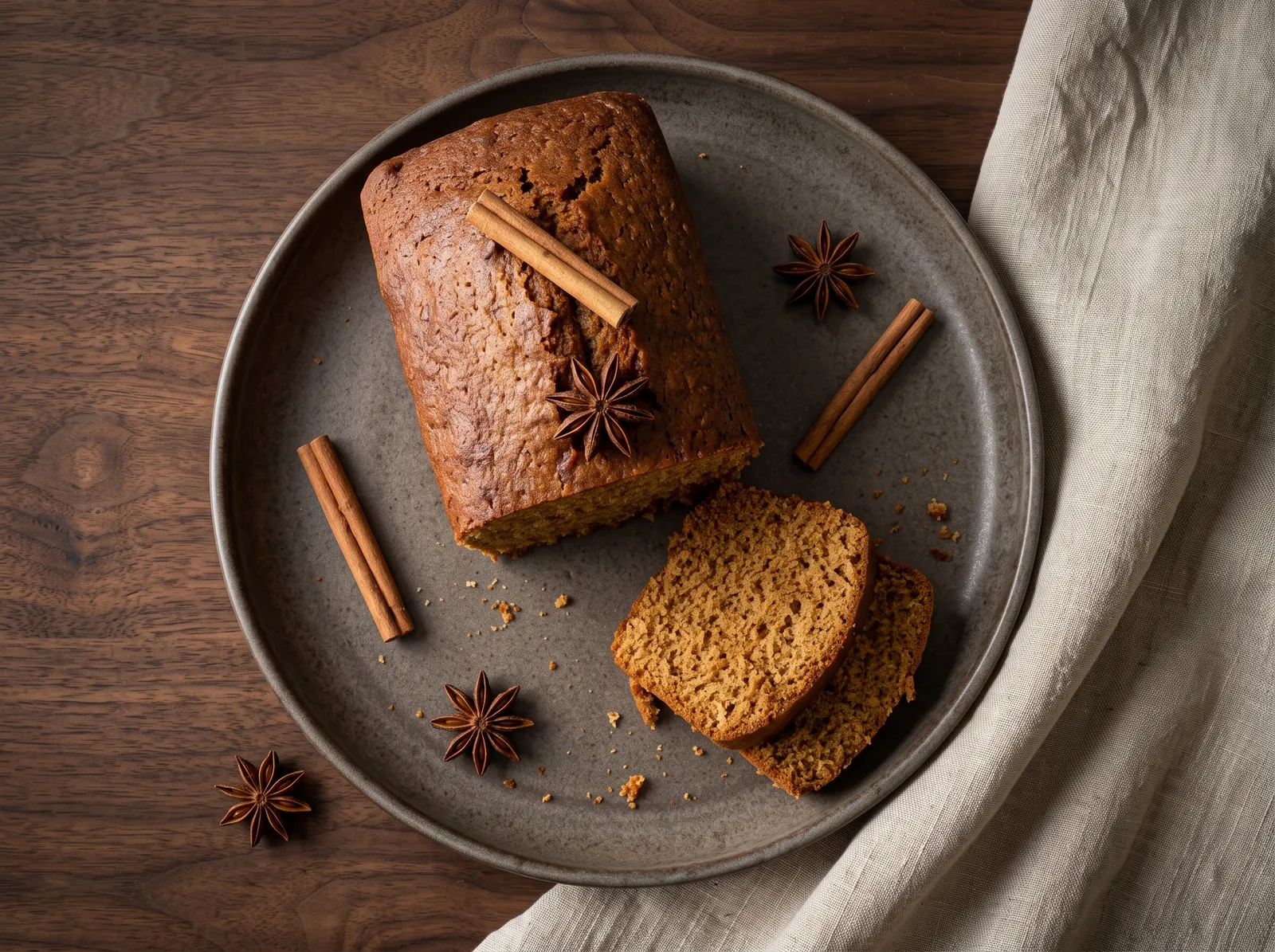
Pain d’épices alsacien — shown with a cut section visible
Prep 15 minutes
Cook 60 minutes
Total 255 minutes
Yield 1 loaf, 12 slices
Introduction and overview

Alsatian pain d’épices with rye, honey and candied orange

Pain d’épices in Alsace belongs to a broad regional spice-bread tradition that includes both shaped products and loaves. This preparation chooses a single loaf form and makes the flour profile deliberately rye-forward, with wheat flour supporting the structure. That choice keeps it clearly apart from the Dijon pain d’épices presented separately, where wheat flour dominates.

Honey is the principal sweetener and is warmed gently with water only until fluid enough to mix. There is no need to boil it or drive it toward caramel. The dry ingredients combine rye flour, wheat flour, baking soda, salt and a warm spice blend, while finely diced candied orange peel adds a restrained citrus note. Once mixed, the thick batter rests for two hours so the flours hydrate and the spice disperses before baking.

The loaf bakes at a moderate 150 °C, which suits a honey-rich mixture that can colour before its centre is ready. Bake until the centre is fully set, then cool completely before slicing; a warm honey-and-rye crumb can seem gummy even when the flavour is already developed. This preparation contains no egg or dairy, but it does contain gluten from both rye and wheat. Honey is also unsuitable for infants under 12 months.
Success points

Success points

  • Warm the honey-water mixture gently and stop before boiling.
  • Mix only until there are no dry flour pockets; extra beating adds no benefit.
  • Give the thick batter the full two-hour rest before baking.
  • Cool completely before judging the final crumb.
Ingredients

Ingredients

  • 175 g rye flour
  • 90 g wheat flour
  • 250 g honey
  • 170 ml water
  • 5 g baking soda
  • 10 g pain d’épices spice blend
  • 2 g fine salt
  • 60 g candied orange peel, finely diced
Method

Method

Directions

  1. Loosen the honey gently. Warm the honey with the 170 ml water over low heat for about 5 minutes. The honey is fully loosened into the water with no scorching or boiling. Pour the hot honey liquid carefully because sugar syrups can cause burns.

  2. Mix a rye-rich batter. Whisk the rye flour, wheat flour, baking soda, spice and salt together, then add the warm honey liquid and candied orange peel and mix for about 15 minutes including measuring and combining. The batter is thick, even and free of dry flour pockets with orange peel distributed throughout.

  3. Rest the batter. Cover the bowl and leave it at room temperature for 120 minutes. The batter has rested for the full two hours and remains thick and cohesive.

  4. Bake gently. Transfer to a lined 23 × 10 cm loaf tin and bake at 150 °C for 55 minutes. The loaf is set through the centre, springs back lightly and has no wet batter on a skewer. Handle the hot tin with oven gloves.

  5. Cool before slicing. Let the loaf settle briefly in the tin, then transfer to a rack for 60 minutes. The loaf is completely cool and the crumb cuts cleanly without compressing.

Serving and make-ahead

Practical

Serving and make-ahead

Serve the loaf fully cooled, in slices thin enough to appreciate its dense honey-and-rye crumb. It can be baked a day before serving and wrapped only after it has cooled completely. That short rest after baking also makes clean slicing easier.

Storage and substitutions

Keep the cooled loaf airtight at cool room temperature for several days. Refrigeration tends to firm honey-rich spice bread, while freezing is best done only after complete cooling and tight wrapping. Replacing all the rye with wheat would erase the flour distinction that marks this preparation as Alsatian in character. Omitting the candied orange produces a plainer loaf but changes both flavour and nutrition.

Troubleshooting

Troubleshooting

  • The top darkens before the centre is setThe oven is running hot or the loaf is too close to strong upper heat. Shield the top loosely near the end while allowing the centre to continue baking.
  • The crumb seems gummyThe loaf is underbaked or was cut warm. Confirm a fully set centre and allow the full cooling period before slicing.
Nutrition per serving

Nutrition per serving

  • Serving size1 of 12 loaf slices
  • Calories157 kcal
  • Carbohydrate37.2 g
  • Protein2.4 g
  • Fat0.4 g
  • Fibre2.8 g
  • Sodium182 mg
Allergens and food safety

Allergens and food safety

Allergens: wheat/gluten and rye/gluten. Do not taste the raw flour batter. Bake at 150 °C until the centre is fully set. Handle the warmed honey mixture carefully because sticky hot syrup can burn. Honey must not be given to infants under 12 months.

FAQ

FAQ

Why use rye flour here?

The rye-forward flour profile gives this Alsatian loaf a denser, darker cereal character and distinguishes it from the wheat-dominant Dijon style.

Does pain d’épices need butter or eggs?

Not necessarily. This loaf obtains sweetness and moisture from honey and water and is intentionally made without egg or dairy.

Closing

Closing

  • Result: The loaf is dense, aromatic and honeyed, with rye depth and small pieces of candied orange rather than a light butter-cake crumb.
  • Decisive technique: Warm the honey gently, rest the batter for two hours and bake slowly enough for the centre to set before the crust overcolours.