
El turismo oscuro describe los viajes a lugares históricamente asociados con la muerte, el sufrimiento o el desastre. Cada año, millones de viajeros realizan peregrinaciones solemnes, desde memoriales del Holocausto y campos de batalla hasta zonas de desastre y pueblos abandonados. Este creciente interés se alimenta de múltiples motivos (curiosidad, educación, conmemoración), pero también plantea preguntas complejas sobre el respeto, la memoria y la ética. Esta guía ofrece una visión general completa y práctica del turismo oscuro: su historia y definición, la psicología que lo sustenta y cómo planificar y realizar estas visitas de forma responsable. Basándonos en estudios académicos y comentarios de expertos, así como en ejemplos reales (Auschwitz, Chernóbil, la Zona Cero, Jonestown y otros), ofrecemos listas de verificación y consejos prácticos. El objetivo es informar a viajeros y educadores con un contexto detallado, consejos de seguridad y orientación ética, garantizando que la visita a estos lugares solemnes se realice con conciencia, cuidado y profundo respeto.
- Introducción rápida: ¿Qué es el turismo oscuro?
- Por qué la gente nos visita: motivaciones y psicología
- Ética y controversias (El mapa moral)
- Ejemplos famosos: estudios de casos y lecciones aprendidas
- Planificación de su visita: Lista de verificación práctica
- Etiqueta y comportamiento en el lugar de trabajo (Lista de verificación del respeto)
- Preparación mental y autocuidado
- Narración responsable y creación de contenido
- Cómo el turismo oscuro puede beneficiar (y perjudicar) a las comunidades
- Educación e investigación: Mejores prácticas para excursiones de campo
- Banderas rojas: Giras explotadoras y sensacionalismo
- Política, diseño e interpretación de monumentos
- Planificador de viajes por sitio (Itinerarios regionales)
- Preguntas frecuentes (Respuestas rápidas)
Introducción rápida: ¿Qué es el turismo oscuro?
El término turismo oscuro fue acuñado en 1996 por Malcolm Foley y John Lennon. En términos generales, se refiere a viajar a lugares asociados con la muerte y la tragedia. Entre los sinónimos se incluyen el tanaturismo, el turismo negro o el turismo de duelo. Estos lugares pueden ser diversos: antiguos campos de batalla y campos de ejecución, campos de concentración y monumentos conmemorativos, zonas de desastre y naufragios. Lo que los une no es el impacto ni la búsqueda de emociones fuertes, sino la historia. Los turistas visitan lugares para aprender sobre eventos como genocidios, accidentes, guerras o epidemias: los capítulos más oscuros de la experiencia humana. Como señala un escritor de National Geographic, no hay nada intrínsecamente malo en visitar un lugar como Chernóbil o Auschwitz; lo que importa es el motivo por el que se va.
La literatura académica enfatiza el contexto histórico. El principal atractivo de los lugares oscuros es su valor educativo y conmemorativo, no simplemente la muerte en sí. De hecho, los académicos enfatizan que los operadores y los visitantes determinan conjuntamente si una visita es educativa o explotadora. Los buenos programas de turismo oscuro se centran en la verdad y el recuerdo, mientras que los mal gestionados pueden "explotar lo macabro" con fines puramente lucrativos. Incluso el escritor de viajes Chris Hedges ha advertido que sanear los lugares de atrocidades (disneyficarlos) puede faltarle el respeto a las víctimas al ocultar el horror en su totalidad.
La historia del turismo oscuro es larga. Incluso los romanos acudían en masa a los juegos de gladiadores, y multitudes de la época moderna presenciaban ejecuciones. John Lennon señala que la gente presenció la Batalla de Waterloo en 1815 desde una distancia prudencial, y los ahorcamientos públicos atrajeron a espectadores en el Londres del siglo XVI. En la época moderna, lugares como Gettysburg o Pompeya atrajeron visitantes poco después de sus tragedias. Los escritores de viajes han documentado estos viajes ("vacaciones en el infierno") y los académicos comenzaron a estudiarlos más recientemente. El artículo de Lennon y Foley de 1996 introdujo el término; casi al mismo tiempo, AV Seaton acuñó el término tanaturismo.
Tanaturismo vs. Turismo de desastres y guerra
La jerga puede ser confusa. El tanaturismo significa literalmente turismo de la muerte (del griego thanatos). A menudo se usa indistintamente con el turismo oscuro, pero a veces se centra en lugares donde hay restos humanos o tumbas (turismo de tumbas, visitas a cementerios). El turismo de desastres a veces se describe como un subconjunto: viajar a lugares donde se producen desastres naturales o industriales (terremotos, tsunamis, accidentes nucleares), a menudo poco después del evento. En cambio, el turismo de guerra puede referirse específicamente a visitar campos de batalla, monumentos de guerra o incluso zonas de conflicto activo con fines de "aventura". En la práctica, estas categorías se superponen. Una visita a la Zona de Exclusión de Chernóbil, por ejemplo, es turismo oscuro de un lugar de desastre.
Lo que los diferencia es el contexto y la intención. Algunos viajeros van a zonas recientemente afectadas por desastres (tras huracanes o terremotos) para ayudar o reconstruir, lo cual puede ser positivo, mientras que otros llegan simplemente por curiosidad voyerista. Los críticos sociales debaten si es apropiado cualquier tipo de turismo que atraiga tragedias muy recientes. Los guías responsables aconsejan verificar la sensibilidad local y esperar a que se estabilicen las labores de socorro antes de ir. Sin embargo, en general, el término "turismo oscuro" en el uso común se refiere a cualquier lugar donde la tragedia forme parte de la atracción, ya sea una masacre antigua o un monumento conmemorativo del tsunami.
Por qué la gente nos visita: motivaciones y psicología
¿Qué atrae a una persona a visitar un campo de batalla, un monumento conmemorativo o un lugar abandonado tras un desastre? Psicólogos e investigadores en turismo identifican múltiples motivos que se superponen: una mezcla de curiosidad, aprendizaje, empatía, reflexión e incluso emoción. Para muchos, los sitios oscuros ofrecen un encuentro directo con la historia. Ver el lugar exacto donde ocurrió un evento puede hacer que el pasado se sienta real. J. John Lennon observa que al visitar estos sitios, «no vemos extraños, sino que a menudo nos vemos a nosotros mismos y quizás lo que haríamos en esas circunstancias». La psicóloga de viajes que realizó la lectura masiva del nombre de Auschwitz, citada por Robert Reid, dijo que el reconocimiento silencioso de una sobreviviente hizo que la historia fuera más inmediata para ella. En otras palabras, confrontar la realidad del sufrimiento puede profundizar la comprensión y la empatía.
Estudios académicos respaldan esto. Una revisión internacional de hospitalidad (2021) destiló cuatro motivaciones principales: curiosidad ("necesidad de ver para creer"), educación/aprendizaje sobre la historia, conexión personal (honrar a los ancestros o la humanidad compartida) y la mera existencia del sitio como algo significativo. Por ejemplo, alguien puede estudiar el Holocausto en la escuela y visitar Auschwitz para aprender, mientras que una familia puede visitar Pearl Harbor para conectar con un familiar que luchó allí. Para otros, el atractivo es simplemente una experiencia seria y reflexiva fuera del turismo convencional. Como escribe un guía, los eventos trágicos son "cicatrices históricas, culturales y sociales", y verlos en persona no te hace extraño; significa reconocer la realidad.
Otros motivos son más básicos: la curiosidad morbosa o la fascinación por la muerte. La gente siempre ha tenido interés por lo macabro, desde Mark Twain escribiendo sobre Pompeya hasta las multitudes en las ejecuciones medievales. Los medios de comunicación modernos amplifican esto: las series de televisión, las películas, los libros e incluso las redes sociales alimentan el interés por los crímenes reales y los horrores históricos. La reciente serie de HBO Chernobyl, por ejemplo, impulsó un aumento del 30 al 40 % en los tours a Chernobyl. Programas de viajes como Dark Tourist (Netflix) y el apetito de internet por imágenes impactantes pueden hacer que estos destinos parezcan atractivos. Algunos visitantes admiten sentir emoción o adrenalina al ir a lugares "peligrosos" o ver ruinas de desastres.
Sin embargo, los investigadores enfatizan que la emoción no suele ser la clave. Philip Stone, del Instituto de Investigación del Turismo Oscuro, señala que las personas suelen ir en busca de significado, empatía o recuerdos. De hecho, los sitios conmemorativos bien gestionados buscan que los visitantes reflexionen en lugar de entretenerse. Como argumenta el autor de National Geographic: «El problema no radica en la elección del destino, sino en la intención que hay detrás de la elección». ¿Estamos allí para profundizar en nuestra comprensión o solo para un momento en las redes sociales? Los viajeros responsables responden a esta pregunta antes de llegar.
Ética y controversias (El mapa moral)
El turismo oscuro plantea inevitables cuestiones éticas. ¿Es irrespetuoso o explotador visitar un lugar trágico? Muchos expertos afirman que depende completamente de cómo se visite. Si el objetivo es la educación respetuosa y la conmemoración, puede estar justificado, incluso ser valioso. Pero si se trata el lugar de una masacre como un parque temático, se convierte en voyerismo. Un principio clave es la intencionalidad y el respeto. El columnista de National Geographic, Robert Reid, lo expresa sin rodeos: "¿Viajamos a un lugar para profundizar en nuestra comprensión o simplemente para presumir o satisfacer alguna curiosidad morbosa?".
Han surgido algunas pautas para el juicio ético. Locales y académicos sugieren esperar para visitar tragedias muy recientes hasta que se satisfagan las necesidades de los sobrevivientes. Por ejemplo, viajar a una zona de desastre semanas después del evento puede obstaculizar las labores humanitarias o interrumpir el período de duelo. De igual manera, cualquier negocio turístico en torno a estos sitios debe garantizar que los sobrevivientes y las comunidades consientan y se beneficien. El movimiento internacional "Sitios de Conciencia" enfatiza que los monumentos conmemorativos deben combinar la conmemoración con la acción social. Algunos operadores turísticos ahora ofrecen recorridos nocturnos "éticos" que donan parte de las ganancias a grupos de víctimas o involucran a guías e historiadores locales. En muchos lugares, los programas de certificación (como la red de Sitios de Conciencia) ayudan a indicar que un museo o recorrido es sensible a las necesidades de la comunidad.
¿Cuándo se convierte el turismo oscuro en explotación? Las señales de alerta incluyen: operadores que trivializan o sensacionalizan el sufrimiento; comportamientos intrusivos de los visitantes (tomarse selfis macabros, burlarse de las víctimas); falta de participación comunitaria; y comercialización sin contexto. Por ejemplo, saltar de alegría en la cámara de gas de un campo de exterminio para Instagram sería considerado una falta de respeto por casi todo el mundo. Del mismo modo, los tours que "inventan hechos o aumentan el factor sangriento" con el único fin de emocionar a los visitantes transgreden la ética. Por el contrario, los monumentos conmemorativos que presentan honestamente las dificultades pueden contribuir a la sanación; como argumenta Reid, las atracciones bienintencionadas pueden ser "catalizadores de la sanación y el cambio", incluso si cuentan con cafeterías. La ética rectora es tratar la historia de cada sitio con seriedad y priorizar la empatía sobre el entretenimiento.
La terminología también importa. Muchos académicos distinguen los "sitios de conciencia" (museos o memoriales dedicados explícitamente a reflexionar sobre tragedias pasadas e inspirar los derechos humanos) de otros sitios de turismo oscuro. Los Sitios de Conciencia (una red internacional) establecen estándares más altos de presentación y participación comunitaria. De igual manera, algunos autores sugieren certificaciones o calificaciones (como el Darkómetro de Dark-Tourism.com) para evaluar la responsabilidad de la gestión de un sitio. Estas ayudan a los viajeros a identificar si un museo financia a las comunidades locales, consulta a grupos de sobrevivientes y ofrece valor educativo.
Ejemplos famosos: estudios de casos y lecciones aprendidas
Examinar sitios específicos ayuda a fundamentar estas ideas en la realidad. A continuación, se presentan perfiles concisos de los principales destinos de turismo oscuro. Cada uno destaca su historia, las directrices para visitantes y las consideraciones éticas.
- Auschwitz-Birkenau (Polonia) Los campos de exterminio nazis cerca de Cracovia se encuentran entre los museos más solemnes del mundo. Más de 1,1 millones de personas (en su mayoría judíos) fueron asesinadas aquí entre 1940 y 1945. Hoy en día, el Memorial de Auschwitz (Patrimonio de la Humanidad por la UNESCO) es un museo formal con exposiciones de objetos personales, barracones y crematorios. Se espera que los visitantes guarden silencio, vistan con modestia y se comporten con reverencia. Se permite fotografiar en la mayoría de las zonas exteriores, pero se desaconseja expresamente tomar selfis o instantáneas casuales de las cámaras de gas, los monumentos o las pertenencias de las víctimas. Los guías turísticos visten ropa profesional y hablan en voz baja. La "regla" más importante es recordar: este es un cementerio. Los guías suelen recomendar dedicar al menos medio día a visitar el museo y el monumento en su totalidad, y seguir las rutas oficiales (muchas zonas del campo están acordonadas). Auschwitz está financiado por el gobierno y donantes; la venta de entradas no trivializa la memoria, ya que todos los ingresos se destinan a la preservación y la educación. Lecciones: priorizar el aprendizaje y la reflexión. Pequeñas acciones (inclinar la cabeza, no reír, quitarse el sombrero) ayudan a honrar a los millones de personas que murieron.
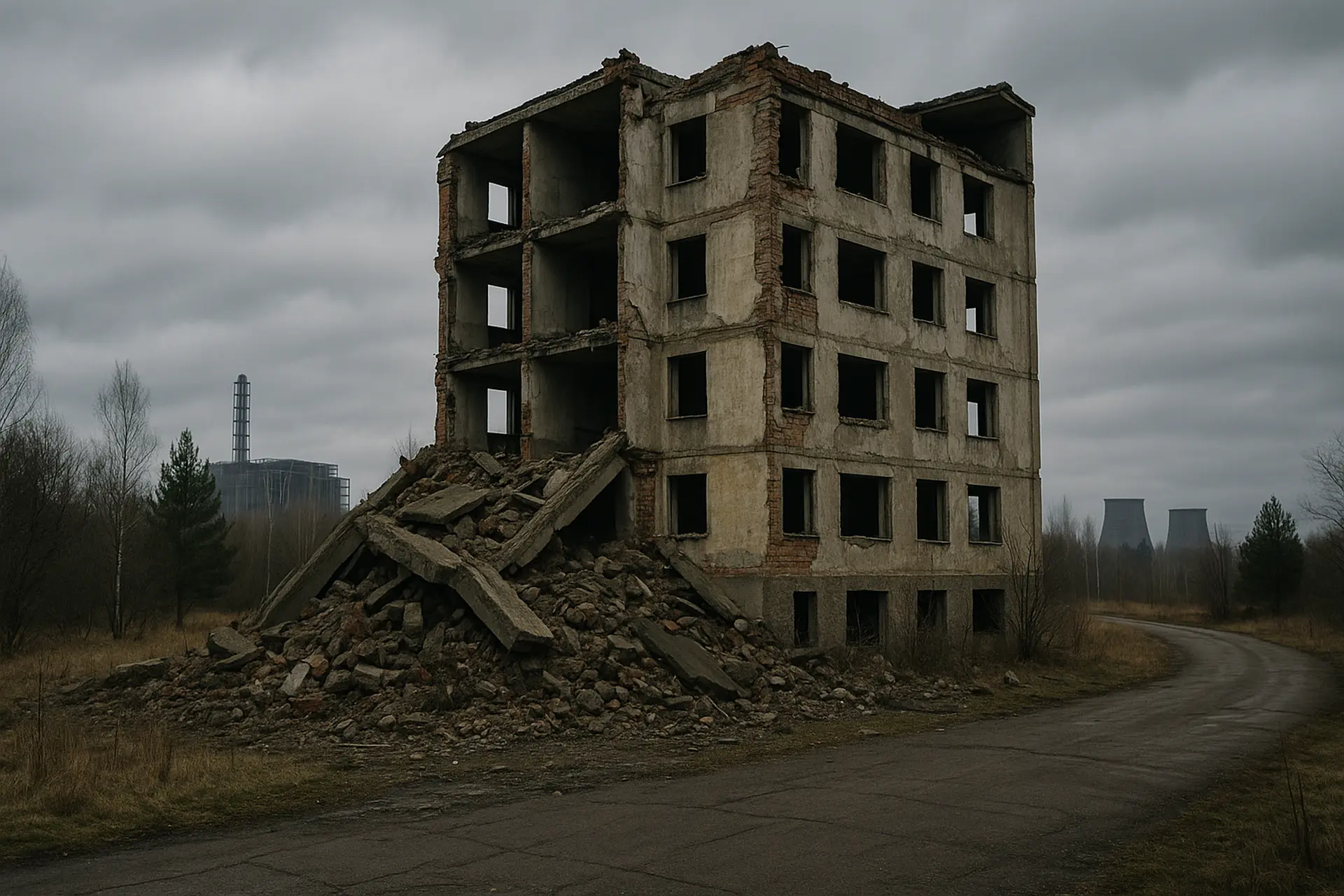
- Zona de exclusión de Chernóbil (Ucrania) El desastre nuclear de 1986 cerca de Prípiat dejó una zona radiactiva de 30 km. Hoy en día, ofrece visitas guiadas al reactor abandonado, la ciudad fantasma de Prípiat e instalaciones científicas. Crucial: El sitio está altamente regulado. Antes de la guerra de 2022, los turistas necesitaban un permiso oficial o un guía. Los visitantes deben ser mayores de 18 años y pasar controles sanitarios básicos. Una vez dentro, deben permanecer con su guía y seguir la ruta marcada. Las normas incluyen: no fumar fuera de las zonas designadas, no tocar ni sentarse sobre residuos radiactivos, y no sacar ningún objeto (ni siquiera pequeños recuerdos). Un monitor de radiación controla a cada visitante a la salida. Se permiten fotos, pero solo en el itinerario aprobado; un guía debe autorizar cualquier desvío. Desde 2022, Chernóbil ha estado totalmente prohibido debido al conflicto militar. Si se reanudan las visitas en el futuro, el equipo de seguridad y los contadores Geiger seguirán formando parte del paquete. Lección: Las normas estrictas te protegen tanto a ti como al medio ambiente. Sigue siempre las instrucciones del guía: lo que está en juego es, literalmente, la vida o la muerte. Los tours de Chernóbil enseñan humildad ante los riesgos nucleares.
- Zona Cero (Nueva York, EE.UU.) El lugar de los atentados del 11 de septiembre de 2001 es ahora un museo y monumento conmemorativo en el centro de Manhattan. Los estanques gemelos y los espacios del museo albergan solemnes instalaciones de arte y los nombres de las víctimas. Notas para los visitantes: La plaza conmemorativa es gratuita y pública; entre en silencio y no se suba a las barandillas. Dentro del museo, los niños están... desanimado A menos que sean mayores de cierta edad y estén preparados para contenido complejo. Se permite fotografiar las piscinas (con cascadas donde se alzaban las torres); tomar fotos de visitantes o familias en los muros se considera invasivo. Los guías, muchos de los cuales perdieron a colegas o seres queridos, hablan con reverencia y esperan un silencio respetuoso. Para muchos, la visita requiere una preparación emocional. El monumento conmemorativo del 11-S cierra al anochecer; planifique tiempo suficiente para asimilar las exhibiciones. A diferencia de algunos "lugares oscuros", las Torres Gemelas no fueron desastres del pasado lejano, por lo que los visitantes a menudo lidian con fuertes emociones. Lección: El diseño conmemorativo aquí se centra explícitamente en la dignidad. Siga las normas establecidas (no protestar ni hablar en voz alta). En caso de duda, pregunte al personal del museo.
- Hiroshima y Nagasaki (Japón) Ambas ciudades fueron devastadas por las bombas atómicas en agosto de 1945. Hoy, el Parque Conmemorativo de la Paz de Hiroshima incluye la Cúpula de la Bomba Atómica, el Museo Conmemorativo de la Paz y monumentos como el Monumento a la Paz de los Niños. Nagasaki cuenta con un Parque de la Paz similar con una estatua de una figura de luto. Se anima a los visitantes a conocer las ciudades antes de ir: comprender el papel de Japón en la Segunda Guerra Mundial y el contexto de los bombardeos. En el museo, recorra el lugar en silencio y preste atención a los testimonios de los supervivientes. Es costumbre firmar los libros de visitas en japonés junto a las estatuas. No tome fotos en las exposiciones sin permiso; por lo general, solo se permite fotografiar monumentos al aire libre. Es común encontrar tiendas que venden grullas de papel por la paz; comprarlas es una forma de mostrar respeto. Ambas ciudades comparten un mensaje de paz: muchas exposiciones terminan con llamamientos a la prevención de una guerra nuclear. Lección: Aquí, la conmemoración está vinculada al activismo. Participar con sinceridad (escuchar a los supervivientes, compartir su mensaje) honra a las víctimas más que el simple hecho de hacer turismo.
- Museo del Genocidio Tuol Sleng (Camboya) Una antigua escuela convertida en prisión de los Jemeres Rojos (S-21), donde unas 20.000 personas fueron torturadas y solo unas pocas sobrevivieron. Hoy es un museo sombrío pero honesto. Los visitantes deben caminar lentamente por las celdas, donde las fotografías de las víctimas adornan las paredes. Se observa silencio. Técnicamente, se permite tomar fotografías, pero el personal pide amablemente que no distraigan. Muestre empatía al mirar fotos policiales o artefactos. Un consejo: compre el libro en inglés en la tienda de regalos (lo recaudado apoya al museo) en lugar de tomarse selfis. Lección: Recuerda que eran personas reales. Trata sus imágenes e historias con el máximo respeto.
- Bosque de Aokigahara (“Bosque de los Suicidios”, Japón) Este denso bosque al pie del monte Fuji es conocido por ser un lugar común de suicidios. El lugar posee un aura espiritual y trágica. Se recomienda a los visitantes prestar atención a las señales: las familias han colocado advertencias y ruegos para no morir aquí. Las visitas guiadas por lugareños se centran en la ecología forestal y el folclore (por ejemplo, los fantasmas de Yūrei). Evite desviarse de los senderos y no se detenga cerca de los marcadores. No se permiten fotos de ningún cuerpo (incluso si se encuentra uno) ni fotos grupales del tipo "¡Jaja, estuvimos aquí!". La guía de TripZilla recomienda: "Acérquese con cuidado y reverencia... evite tomar fotos intrusivas". En general, mantenga un silencio respetuoso. Lección: Algunos sitios son lugares de duelo activo. Si te conmueven las historias del bosque, reconoce que podría ser una señal para regresar.
- Pompeya (Italia) La ciudad romana, congelada por la erupción del Vesubio en el año 79 d. C., es un sitio arqueológico oscuro. El sitio en sí es un parque de la UNESCO, no un cementerio. Sin embargo, es el cementerio silencioso de miles de romanos. Se espera que los visitantes se mantengan en los senderos designados. No se suba a las ruinas ni entre en salas cerradas. Muchos guías recomiendan un paseo tranquilo por el Foro y el anfiteatro, con tiempo para reflexionar sobre los moldes de yeso de las víctimas. Estos moldes huecos de personas en sus poses finales (extraídos de la ceniza volcánica) son impactantes. Se permite la fotografía (es una ruina fotogénica), pero el ambiente debe ser sombrío. Lección: Incluso un antiguo lugar de desastre merece respeto. Recuerda a las víctimas tras las piedras y las cenizas durante tu recorrido.
- Cementerio Père Lachaise (Francia) Aunque contiene tumbas de famosos (Jim Morrison, Oscar Wilde, etc.), este gran cementerio parisino es, ante todo, un cementerio activo. Normas: camine en silencio, manténgase dentro de los senderos y compórtese como lo haría en cualquier cementerio sagrado. Nunca se apoye, siente ni retire flores de una tumba. Los visitantes suelen buscar tumbas famosas, pero los guías recomiendan tratar cada tumba con el mismo respeto. Un buen código es: si tiene dudas sobre si un comportamiento molestará a los dolientes, no lo haga. Lección: Los turistas pueden encontrar interesantes las figuras culturales, pero para los locales esto es un lugar sagrado.
Cada caso anterior ilustra que el diseño de las visitas guiadas y la conducta de los visitantes varían según el sitio. El denominador común es la observación respetuosa. Los monumentos conmemorativos y los museos marcan la pauta: lea los códigos de conducta publicados, respete al personal y recuerde por qué está allí.
Planificación de su visita: Lista de verificación práctica
Visitar el lugar de una tragedia requiere más preparación que unas vacaciones en la playa. Los pasos clave incluyen una investigación exhaustiva, planificación logística y verificación de contingencias.
- Investigue las reglas y el estado del sitio: Primero, busque información oficial. Los monumentos conmemorativos y parques nacionales suelen tener sitios web (p. ej., auschwitz.org, el monumento conmemorativo del 11-S, el Parque de la Paz de Hiroshima, etc.). Consulte los horarios de apertura, los requisitos de entrada, las normas para tomar fotografías, los códigos de vestimenta y las restricciones de edad. Busque fuentes de noticias para asegurarse de que no haya cierres temporales (p. ej., Chernóbil está actualmente cerrado al turismo). El sitio web de SDSU Jonestown indica que las visitas a Guyana comenzaron en 2025; es crucial estar al tanto de las nuevas visitas o los cambios en los permisos.
- Permisos, visas y seguros: Algunos destinos requieren permisos o guías especiales. Por ejemplo, la zona de Chernóbil en Ucrania necesitaba un permiso gubernamental (ahora congelado). En zonas de conflicto, consulte las recomendaciones de viaje (del Departamento de Estado de EE. UU. o del sitio web de su gobierno). Contrate un seguro de viaje que cubra evacuación médica y lesiones accidentales, especialmente si visita lugares remotos o peligrosos.
- Guiado vs. autoguiado: En muchos sitios oscuros, especialmente aquellos con riesgos de seguridad o contenido sensible, se recomienda usar un guía autorizado. Los guías proporcionan contexto histórico, hacen cumplir las reglas y, a menudo, acompañan a los grupos (obligatorio en Chernóbil, disponible en Auschwitz, la Zona Cero, etc.). Para sitios complejos, una audioguía puede ser suficiente. Considere el costo frente a la independencia. Recuerde: un guía le ayuda a asegurarse de no incumplir las reglas inadvertidamente.
- Leyes locales y normas culturales: Antes de partir, infórmese si alguna ley local afecta sus planes. En Camboya, por ejemplo, vístase con recato (rodillas y hombros cubiertos) en los Campos de la Muerte o en los templos. En algunas culturas asiáticas, mostrar demasiadas emociones o ser ruidoso en los cementerios está mal visto. Aprenda algunas frases básicas (como "Estoy aquí para presentar mis respetos") en el idioma local, si corresponde.
- Salud y seguridad: En zonas de desastres recientes (por ejemplo, zonas sísmicas), asegúrese de tener las vacunas necesarias o verifique si la seguridad del agua y los alimentos está comprometida. Lleve siempre un botiquín básico de primeros auxilios y contactos de emergencia. Si visita lugares con municiones sin detonar (minas terrestres en antiguas zonas de guerra), siga los senderos señalizados y preste atención a las advertencias militares u oficiales. En zonas peligrosas, registre su plan de viaje en su embajada.
- Planifique su visita apropiadamente: Considerar cuando Para ir. A veces, en los aniversarios de la tragedia, los monumentos conmemorativos celebran ceremonias que pueden restringir el turismo ocasional. En otros casos, un período de duelo prolongado desalienta el turismo habitual inmediatamente después de un suceso (por ejemplo, las familias de las víctimas del tsunami podrían no querer turistas en la playa durante semanas). En caso de duda, las noticias locales o los foros de viajes pueden indicar si es demasiado pronto para visitar.
- Preparación mental: Por último, prepárese emocionalmente (y prepare a sus compañeros de viaje). Muchos sitios cuentan con consejeros o salas de descanso. Elabore un plan si alguien se siente abrumado; no hay problema en retirarse o saltarse ciertas exhibiciones. Si viaja con niños, prepárese para explicarles las actividades según su edad o asignarles actividades no traumáticas si es necesario (algunos sitios, como el Museo del 11-S, ofrecen materiales para niños).
Al preparar el equipaje, incluya artículos prácticos: agua, refrigerios (cuando los puestos de comida estén cerrados o se requiera solemnidad), una linterna (para túneles o tumbas con poca luz) y un cuaderno para reflexionar. También empaque un kit de duelo: pañuelos desechables, una barrita reconfortante, etc. Si visita lugares muy remotos o agrestes, también es importante llevar calzado resistente y ropa de protección solar/para la lluvia.
Etiqueta y comportamiento en el lugar de trabajo (Lista de verificación del respeto)
Al llegar, piensa que eres un invitado a una ceremonia solemne:
- Silencio y comportamiento: Hable en voz baja. Evite hacer bromas o humor sobre el sitio. Silencie sus teléfonos. Si hay momentos de silencio (como en los monumentos de guerra), respételos. Mantenga las manos fuera de los bolsillos para parecer atento. Vístase con modestia y neutralidad (sin ropa de fiesta llamativa ni gráficos ofensivos). En los sitios judíos y algunos del este de Asia, se espera que los hombres se cubran la cabeza (gorras o pañuelos) y las mujeres, las piernas y los brazos.
- Fotografía: Esta es una de las zonas más complicadas. Siga siempre las normas. Muchos sitios solo permiten tomar fotografías en zonas no sensibles. En Auschwitz, por ejemplo, la fotografía suele estar permitida en los barracones y al aire libre, pero nunca en las cámaras de gas ni en los monumentos conmemorativos. El consejo de TripZilla en Auschwitz fue claro: no se tomen selfis ni fotos casuales en "zonas sensibles". La guía de Aokigahara también insiste en evitar fotos "donde se han producido suicidios". Como regla general, si un lugar tiene una señalización que prohíbe las fotos, respétela por completo. En caso de duda, pregunte a un guía o al personal. En las zonas permitidas, evite fotografiar a otros visitantes sin su consentimiento, especialmente a supervivientes o dolientes.
- Asignación de tiempo: No hay un ritmo correcto o incorrecto, pero considera otros. Si el sitio está abarrotado (como suele ocurrir en Auschwitz), algunas zonas invitan a avanzar mientras otras esperan. Por otro lado, no te apresures a verlo todo; dedicarle muy poco tiempo puede parecer una falta de respeto. Algunos monumentos conmemorativos (como los museos del Holocausto) tienen mucha afluencia; calcula unas horas. Si tu itinerario es ajustado, prioriza las secciones clave (por ejemplo, los barracones y la cámara de gas de Auschwitz).
- Interactuando con sobrevivientes/personas locales: A veces, podría encontrarse con sobrevivientes, veteranos o familias en duelo. Generalmente, es mejor escuchar que hablar. Si le ofrecen conversar, sea empático y haga preguntas amables (por ejemplo: "¿Qué puede aprender la gente de esto?") sin inmiscuirse en la pérdida personal. Evite debates polémicos en el lugar (resérvelos para fuera). Por ejemplo, hablar de política en el monumento conmemorativo de Hiroshima podría molestar a los sobrevivientes; en cambio, concéntrese en sus historias personales. Si los sobrevivientes hablan, trátelos con respeto (manténgase de pie en silencio, aplauda con amabilidad si se trata de ese tipo de evento, etc.).
- Etiqueta monetaria: Ten en cuenta que algunos sitios oscuros tienen vendedores o tours organizados por lugareños. Las propinas varían: en Europa y Estados Unidos, es normal dar pequeñas propinas a guías turísticos o conductores. En lugares como Japón, no es habitual dar propina (una reverencia es suficiente). Consulta las costumbres locales. Si se recauda una pequeña cuota o donación para el mantenimiento (por ejemplo, en algunos campos de batalla o cementerios), es de buena educación participar. Por otro lado, ten cuidado con las trampas para turistas que venden recuerdos morbosos: si quieres comprar recuerdos, apoya las tiendas oficiales del museo en lugar de los vendedores ambulantes (para que las ganancias se destinen al mantenimiento del sitio).
Resumen de la lista de etiqueta (en el lugar) – Hablar en voz baja; no gritar ni reírse fuerte. – Seguir todas las reglas publicadas (carteles de no entrada, barreras, advertencias de tocar). – No caminar sobre tumbas/terrenos ni fuera de los caminos designados. – Silenciar los teléfonos y los sonidos del obturador de la cámara. – Rechazar educadamente ser intrusivo (no hacer fotos con palo de selfie cerca de estatuas solemnes, etc.). – Depositar la basura (pañuelos, envoltorios de flores) solo en los botes provistos. – Si se conmueve hasta las lágrimas, apartarse silenciosamente en lugar de sollozar ruidosamente donde pueda molestar a los demás.
Al actuar con dignidad, usted contribuye a mantener el espíritu de recuerdo del sitio.
Preparación mental y autocuidado
Visitar lugares de tragedias puede ser emocionalmente agotador. Prepárese:
- Qué llevar en la maleta: Además de equipo práctico (agua, refrigerios, protección solar), incluya artículos de apoyo emocional: una libreta pequeña o grabadora de audio para procesar pensamientos, pañuelos desechables, cualquier objeto reconfortante (un pañuelo con aroma a hogar). Si tiene un botiquín, incluya medicamentos para el dolor de cabeza o las náuseas (algunas personas se desmayan en las cámaras de gas o en los túneles conmemorativos). Empaque varias capas de ropa para no pasar ni demasiado calor ni demasiado frío (las emociones pueden hacer que la temperatura se sienta diferente).
- Mentalidad antes de la visita: Infórmate sobre el evento con antelación (de forma mesurada). Comprender el contexto ayuda a evitar sentirse perdido. Pero también reconoce que esta puede ser una de las experiencias más difíciles de un viaje. Practica técnicas de conexión a tierra: respiración profunda, concentración en el momento presente o recordar a tus seres queridos para evitar sentirte abrumado.
- Niños y personas sensibles: Decida con antelación si debe visitar la exposición con niños o alguna persona vulnerable. Muchos expertos aconsejan a los menores de 10 años evitar los lugares con contenido explícito (por ejemplo, campos de concentración o campos de batalla con exposiciones explícitas). Si lleva adolescentes, prepárelos con delicadeza con una historia apropiada para su edad. En el lugar, esté atento a señales de angustia (apego, aislamiento, enfado). Si se siente alterado, tómese un descanso: salga de la exposición, busque un banco tranquilo y haga estiramientos suaves. Algunos museos conmemorativos (como el del Holodomor o el del Genocidio de Ruanda) cuentan con salas o zonas de reflexión exclusivas para niños.
- Dinámica de grupo: Si viaja en grupo (familiar o con guía), decida con antelación las señales que indican la necesidad de un descanso. Acuerden que no hay problema en no participar en una zona específica. A menudo, los tours permiten reincorporarse más tarde.
- Informe final y procesamiento posterior a la visita: Planifica cómo relajarte después de la visita. Quizás quieras guardar silencio durante el regreso, anotar tus sentimientos en un diario o hablarlo con un compañero de viaje. A veces, los espacios religiosos (como capillas o jardines conmemorativos) están cerca de lugares oscuros para la reflexión en silencio. Interactúa con ellos si te parece oportuno. Considera escribir postales o cartas expresando tus pensamientos sobre lo que viste (no es necesario enviarlas; son un ejercicio de reflexión personal).
Muchos viajeros encuentran que una comida reconfortante o conectar con otras personas después les ayuda. Para traumas graves, la ayuda profesional también es una opción: si presenta síntomas de ansiedad o TEPT, busque un terapeuta con experiencia en traumas. Algunas organizaciones de turismo oscuro incluso colaboran con consejeros para los visitantes.
Narración responsable y creación de contenido
Si planeas compartir tu experiencia (blog, fotos, redes sociales) o crear contenido (video, artículo, libro), hazlo de manera reflexiva:
- Composición fotográfica: Cuando se permita tomar fotografías, considere un encuadre respetuoso. Evite ángulos sensacionalistas (p. ej., no se centre en escenas sangrientas). Por ejemplo, fotografiar la cámara de gas de Auschwitz desde lejos, incluyendo a los visitantes escuchando a los guías, puede transmitir solemnidad. Siga siempre las normas de fotografía del museo: si el museo prohíbe tomar fotos, respételas. Si hay sobrevivientes o familiares en un área pública, no los fotografíe sin permiso.
- Personas en fotos: La regla general («si no quieres que te lo quiten, no se lo quiten a ellos») se aplica doblemente en los funerales. Es inaceptable fotografiar a personas en duelo (por ejemplo, familiares colocando coronas florales) o usar imágenes de ellas como cebo para clics.
- Subtítulos e idioma: Al publicar en línea, use títulos objetivos y respetuosos. Por ejemplo, "Fosas comunes en los campos de exterminio de Camboya" es descriptivo; evite el lenguaje sensacionalista o frívolo. Identifique correctamente a las personas: algunos sitios web tienen los nombres de las víctimas; úselos (por ejemplo, personas en fotografías de museos del genocidio). Si no está seguro de la identificación, omita las especulaciones.
- Advertencias de activación: Antes de compartir imágenes o historias explícitas en redes sociales o blogs, avisa a los espectadores (por ejemplo, "Advertencia: imágenes perturbadoras"). Proporciona contexto para evitar malentendidos.
- Monetización: Si obtiene ingresos de contenido de turismo oscuro, proceda con cautela. Divulgue los patrocinios con transparencia. Algunos influencers han recibido críticas por vender "experiencias de viajes oscuros" con camisetas o artículos. Reconozca siempre la sensibilidad: por ejemplo, indicar que los ingresos publicitarios se destinan parcialmente a organizaciones benéficas relevantes puede ser una buena práctica. Evite el tono promocional que pueda parecer "vender tragedia".
- Evitar el sensacionalismo: Evite enmarcar las visitas como momentos de sorpresa o historias de terror. Incluso comentarios casuales ("espeluznante", "el lugar más aterrador en el que he estado") pueden molestar a otros. En cambio, concéntrese en la reflexión: ¿qué lecciones pueden aprender los lectores? Muchos escritores de viajes enfatizan cómo afrontar la tragedia puede "profundizar nuestra capacidad de compasión y empatía". Oriente su narrativa hacia la educación y la conexión humana.
Cómo el turismo oscuro puede beneficiar (y perjudicar) a las comunidades
Se suele decir que el turismo aporta dinero a las economías locales. El turismo oscuro puede tener el mismo efecto, pero sus impactos son complejos.
Beneficios potenciales: Los visitantes pueden contribuir a financiar el mantenimiento del sitio y los negocios locales. Por ejemplo, las entradas a los monumentos conmemorativos pueden financiar monumentos, guías y programas para sobrevivientes. Los hoteles, tiendas y restaurantes locales se benefician del gasto turístico. En Camboya y Ruanda, el dinero del turismo ha ayudado a mantener los monumentos conmemorativos del genocidio y los programas educativos para jóvenes. En Alemania y Polonia, los fondos de cientos de miles de visitantes se destinan a la educación sobre el Holocausto. Los operadores turísticos éticos suelen donar una parte a organizaciones benéficas locales o de apoyo a las víctimas.
Si se gestionan adecuadamente, estos ingresos pueden generar valor para la comunidad: los museos pueden remunerar a su personal de forma justa y los empleos pueden destinarse a los descendientes de las víctimas (por ejemplo, en la Ruta de los Esclavos en Ghana o en algunos sitios del Holocausto en Europa, los guías provienen de familias de sobrevivientes). Programas como el de turismo cultural de Ruanda capacitan a las familias de sobrevivientes del genocidio en la hospitalidad. Algunos tours también incluyen visitas a proyectos comunitarios (por ejemplo, reconstrucción de viviendas, plantación de árboles conmemorativos), lo que genera beneficios tangibles.
Riesgos de daño: El turismo puede retraumatizar si no se gestiona con sensibilidad. Imagine multitudes paseando por el lugar de una masacre con guías turísticas en mano mientras los lugareños reviven la pérdida: puede parecer una experiencia de explotación. Si los lugareños no tienen voz ni voto en la representación de un lugar, pueden sentir que se está reescribiendo la historia. La comercialización de recuerdos puede ofender a los supervivientes (vender muñecas en la tienda de regalos de un museo del genocidio puede considerarse una falta de sensibilidad). Demasiados visitantes también pueden perjudicar físicamente los lugares frágiles o perturbar la vida silvestre en zonas de desastres ambientales.
Los marcos éticos sugieren medidas de mitigación: involucrar a las comunidades locales en la planificación y la narración (cocuración). Por ejemplo, el monumento conmemorativo de los Campos de la Muerte en Camboya está gestionado en parte por una asociación de supervivientes del genocidio. Los museos deberían compartir las ganancias o invertir en proyectos comunitarios (educación, atención médica). Limitar el número de visitantes o establecer horarios de entrada puede evitar la congestión en sitios pequeños (por ejemplo, limitar el número de personas en las salas de Yad Vashem en Israel). Se puede animar a los turistas a donar o a ser voluntarios.
En resumen, sí, el turismo oscuro puede ayudar a los sobrevivientes y a las comunidades, pero solo si se realiza con respeto y responsabilidad. Como señala el escritor de TripZilla sobre Jonestown, las visitas guiadas allí se conciben como "una oportunidad para un diálogo significativo sobre la historia y la humanidad". Cuando las ganancias y la memoria se alinean —por ejemplo, un museo que utiliza sus ingresos para educar a los niños sobre el genocidio—, el resultado puede honrar a las víctimas.
Educación e investigación: Mejores prácticas para excursiones de campo
Las escuelas y los investigadores suelen visitar sitios oscuros como parte de sus planes de estudio. Para hacerlo eficazmente:
- Alineación curricular: Antes de la visita, los educadores deben pedir a los estudiantes que estudien la historia (a través de libros, documentales y testimonios de sobrevivientes). Las clases podrían leer cartas o poemas de las víctimas para personalizar la historia. Prepare a los estudiantes para el contenido emocional.
- Permisos: Las excursiones a lugares solemnes a veces requieren permisos con explicaciones detalladas para los padres. Informe a los tutores sobre elementos explícitos o perturbadores. Ofrezca una actividad alternativa a los estudiantes que opten por no asistir.
- Proporciones y orientación de acompañantes: Asegúrese de que haya suficientes supervisores adultos. Algunos países exigen guías masculinos y femeninos para grupos mixtos. Revise las expectativas de comportamiento: por ejemplo, no correr, no reírse casualmente y solo hablar con respeto.
- Aprendizaje en el sitio: En el sitio, invite a los estudiantes a participar con preguntas preestablecidas o búsquedas del tesoro (por ejemplo, "encuentra una inscripción conmemorativa que te haya sorprendido", pero asegúrate de que se haga en silencio). Anímelos a llevar un diario durante la visita para que reflexionen.
- Protocolos de informe: Después de la visita, organice una sesión informativa. Permita que los estudiantes compartan sus sentimientos de forma guiada. Proporcione recursos para procesar el trauma (terapeutas de guardia o folletos preparados para afrontar el duelo). Asigne proyectos de seguimiento que enfaticen la empatía y la acción constructiva (investigación sobre las historias de los sobrevivientes, servicio comunitario, presentaciones sobre las lecciones aprendidas).
Las excursiones a lugares como la Casa de Ana Frank en Ámsterdam o el monumento conmemorativo de la guerra de Vietnam en Washington tienen directrices escolares específicas. Inspírate en las tuyas: guías con experiencia en educación, grupos reducidos y énfasis en el respeto.
Banderas rojas: Giras explotadoras y sensacionalismo
Incluso los viajeros experimentados deberían tener cuidado con los malos actores:
- Banderas rojas en los operadores turísticos: Si el marketing de un tour se centra en la violencia ("¡Dispara armas reales en escenas de guerra!") o usa lenguaje clickbait ("La masacre más aterradora que jamás hayas presenciado"), evítalo. La falta de transparencia es una señal de alerta: sin sitio web, sin credenciales, reticencia a mostrar permisos. Lee las reseñas con atención; un patrón de quejas de una estrella que mencionan guías irrespetuosos es una clara alerta.
- Contenido no ético: Las visitas guiadas que incitan a conductas inmorales (por ejemplo, subirse a altares, usar el diario de una víctima como accesorio fotográfico o entrar en tumbas cerradas) son inaceptables. Legalmente, estas acciones también pueden ser ilegales (saquear tumbas puede ser un delito).
- Medios y creadores: Si lee o ve contenido de turismo oscuro en línea, tenga cuidado con el clickbait. Muchos blogs de turismo oscuro tienen un estilo escabroso; prefiera artículos bien documentados. Verifique la información (por ejemplo, los artículos del Washington Post o National Geographic citados aquí) en lugar de tomar un blog sensacionalista al pie de la letra.
- Responsabilidad: Algunos países exigen responsabilidades a los operadores: los guías pueden perder sus licencias o enfrentar penas de cárcel por profanación. Asimismo, los creadores de contenido han sufrido críticas por publicaciones irrespetuosas (recuerde a los australianos expulsados de Auschwitz tras fotos falsas). Siempre piense antes de actuar: la compañía turística o el museo podrían negarle el servicio si desobedece las normas.
Recuerde, el turismo oscuro ético prospera gracias al respeto; el turismo explotador prospera gracias a la indignación y el shock.
Política, diseño e interpretación de monumentos
Tras bambalinas, cada monumento o museo es una experiencia curada. Es útil comprender quién decide qué historias se cuentan:
- Opciones curatoriales: Los diseñadores de exposiciones eligen qué artefactos mostrar y qué narrativas destacar. Por ejemplo, un museo del Holocausto podría centrarse en historias personales para humanizar a las víctimas, omitiendo detalles militares. Estas decisiones reflejan objetivos más amplios (por ejemplo, enfatizar la resistencia en lugar de centrarse en el sufrimiento). Como criticó el periodista Chris Hedges, algunos sitios se blanquean si minimizan la injusticia. Al visitarlos, tengan en cuenta que lo que ven es una perspectiva.
- Participación de descendientes y sobrevivientes: Los monumentos conmemorativos de buenas prácticas involucran a familias y grupos de sobrevivientes en la planificación. Esto puede implicar exposiciones co-curadas (las voces de sobrevivientes del genocidio en Ruanda ayudan a seleccionar fotografías) o consultar a las comunidades indígenas (en países con atrocidades coloniales, los líderes indígenas suelen asesorar a los museos). Por ejemplo, la Plantación Whitney en Luisiana (museo de la esclavitud) está curada desde la perspectiva de los descendientes. Preguntarse cómo un sitio incluye las voces locales es una prueba de fuego rápida de su autenticidad.
- Normas y certificaciones: Aunque aún son poco comunes, están surgiendo algunos estándares. Los Sitios de Conciencia (mencionados anteriormente) certifican la adhesión a principios como el contexto, la empatía y el beneficio comunitario. Las directrices de la UNESCO para los monumentos conmemorativos del Patrimonio Mundial enfatizan la autenticidad y el respeto. Las empresas turísticas pueden adherirse a cartas de turismo responsable (como las del Consejo Global de Turismo Sostenible) que abordan el impacto social.
En definitiva, saber que los monumentos conmemorativos se construyen con una intención recuerda a los visitantes que deben observar con ojo crítico e informado. No dude en preguntar al personal cómo se eligieron o financiaron las exhibiciones; los sitios con información especializada suelen recibir con agrado preguntas sobre su enfoque de la memoria.
Planificador de viajes por sitio (Itinerarios regionales)
Para una planificación práctica, aquí hay ejemplos de itinerarios y consejos por región:
- Europa (opciones de 3 a 7 días): Comienza en Polonia con Auschwitz-Birkenau (visita de medio día al museo + reflexión en el casco antiguo de Cracovia). En Francia, dedica una mañana a las Catacumbas de París (reserva las entradas con antelación). En Italia, combina Roma (breve visita al gueto judío o al Museo de la Liberación) con una excursión de un día a Pompeya. Una ruta de una semana podría ser: París (Père Lachaise + exposiciones de la Primera Guerra Mundial en Orsay), Bruselas (Museo del Tren Mundial para trenes de guerra), Cracovia (Auschwitz) y Berlín (Monumento al Holocausto y visitas a los búnkeres de la Guerra Fría). Consulta los horarios del transporte público local; muchos lugares están fuera del centro de las ciudades.
- Asia (Japón y más allá): En Japón, dedica un día en Tokio a las exhibiciones sobre la Segunda Guerra Mundial del Museo Edo-Tokio y luego viaja a Hiroshima (día 2 en el Parque y Museo de la Paz). El bosque de Aokigahara se puede combinar con una subida al monte Fuji (o un tren al mismo) (evita los meses de verano más concurridos; la primavera y el otoño son más tranquilos). Recuerda en Japón: quítate el sombrero y los zapatos cuando sea necesario y habla en voz baja. En Camboya, Phnom Penh merece un día: visita Tuol Sleng y los Campos de la Muerte (medio día cada uno). Vístete con respeto (ropa para clima frío si visitas sitios montañosos como las cuevas del sendero de Ho Chi Minh en Vietnam, pero en Camboya/Pacífico se permiten pantalones cortos si se usan faldas).
- Américas (sugerencias de 2 a 4 días): En EE. UU., comience en Nueva York: medio día en el Memorial del 11-S, además del museo (reserva las entradas en línea). Boston ofrece una visita guiada a pie por el sitio de la Masacre de Boston (aunque pequeño, es un ejemplo de turismo oscuro colonial). En Centroamérica, el sitio del genocidio maya en el Museo de la Memoria en Ciudad de Guatemala es conmovedor (cerca del mercado antiguo). Para Sudamérica, tenga en cuenta que los tours a Jonestown en Guyana comienzan en Georgetown; estos son paquetes de varios días (por ejemplo, Wanderlust Adventures ofrece tours de 4 días, que incluyen el sitio de la masacre y Puerto Kaituma). Itinerario: Atlantic City → Georgetown (alójese cerca del inicio del tour), luego caminata por la selva hasta Jonestown (requiere reserva a través del operador autorizado). Siempre confirme el precio y el equipo necesario (mosquiteros, zapatos de río) con el operador con suficiente antelación.
- Especial: Chernóbil/Zonas de exclusión: Si/cuando vuelva a ser seguro, Chernóbil requerirá reservar con un operador turístico autorizado. Estos tours suelen incluir dosímetros de radiación. En general, reserve con al menos un mes de antelación, lleve su pasaporte y planifique sacar la basura (no se permiten los contenedores de basura). Las compañías turísticas suelen proporcionar un permiso (unos 30 $) como parte del precio. En verano, lleve protector solar y agua (la zona puede ser muy calurosa), y en invierno, ropa térmica y botas (la nieve cubre los marcadores de radiación). Siga los consejos de su guía sobre los límites del contador Geiger. Si no está seguro de en qué compañía confiar, busque reseñas de medios de viajes de confianza o advertencias oficiales del gobierno sobre estafas.
Preguntas frecuentes (Respuestas rápidas)
- ¿Qué es el turismo oscuro?
El turismo oscuro consiste en visitar lugares relacionados con la muerte o la tragedia. Abarca desde monumentos de guerra y lugares de genocidio hasta zonas de desastres naturales. En esencia, si el principal atractivo del lugar es un acontecimiento histórico que implica sufrimiento, puede considerarse turismo oscuro. - ¿Tanaturismo versus turismo oscuro/de desastres/de guerra?
Tanaturismo significa literalmente “turismo de la muerte” y a menudo se utiliza como sinónimo de turismo oscuro. Turismo de desastres Se refiere específicamente a viajar a un sitio poco después de un desastre natural o provocado por el hombre. Turismo de guerra A menudo significa visitar campos de batalla o incluso zonas de conflicto (aunque esto último puede ser ilegal). Las categorías se superponen: por ejemplo, visitar un campo de batalla puede clasificarse como turismo oscuro, turismo de guerra o turismo patrimonial, según el contexto. - ¿Por qué la gente visita lugares de tragedias?
La gente visita el lugar por muchas razones: curiosidad, educación, conexión personal, empatía y el deseo de presenciar la historia de primera mano. Los académicos señalan cuatro motivaciones principales: curiosidad («necesidad de ver»), aprendizaje, conexión personal y la importancia de la existencia del sitio. Las redes sociales y la cultura del crimen real intensifican la curiosidad, pero la mayoría coincide en que las mejores visitas son las que se realizan para aprender o honrar a las víctimas, no solo para emocionarse. - ¿Es ético el turismo oscuro?
Depende de la intención y el comportamiento. Visitar con respeto para recordar y aprender puede ser ético. Visitar por diversión morbosa o sin consideración por los lugareños no lo es. Los marcos éticos clave enfatizan la empatía, el consentimiento de las comunidades de las víctimas y la retribución. Los museos de conciencia ejemplifican el turismo oscuro ético. - ¿Cuándo una visita se vuelve una explotación?
Cuando trata la tragedia como entretenimiento o lucro: por ejemplo, venta de recuerdos de mala calidad, sesiones de fotos insensibles o ignorar el dolor local. También es explotador si los sobrevivientes no tienen control y no se benefician. Como aconseja Reid, considere si la visita "aumenta la comprensión" o "alimenta la curiosidad morbosa". En caso de duda, opte por la precaución y el respeto. - ¿Cuáles son los sitios famosos de turismo oscuro?
Ejemplos clásicos incluyen Auschwitz-Birkenau (Polonia), la Zona de Exclusión de Chernóbil (Ucrania), el Memorial del 11-S (Nueva York), los Parques de la Paz de Hiroshima y Nagasaki (Japón), los Campos de la Muerte y Tuol Sleng de Camboya, Pompeya (Italia), las Catacumbas de París, el Bosque de Aokigahara de la India y muchos más. Cada uno ofrece lecciones únicas. (Nuestra sección de casos prácticos, más arriba, describe muchos de ellos en detalle). - ¿Cómo debe comportarse usted en los monumentos o lugares de tragedias?
Manténgase en silencio, solemne y respetuoso. Camine despacio, no corra ni grite. Siga las normas de vestimenta (a menudo modestas). Observe los rituales: incline la cabeza, deje flores y encienda velas, según corresponda. Mantenga la distancia con los dolientes. Trate siempre los objetos conmemorativos (banderas, cruces, placas de identificación) con cuidado. - ¿Puede el turismo oscuro ayudar a los sobrevivientes y a las comunidades?
Sí, si se hace bien. El turismo responsable puede financiar monumentos conmemorativos, apoyar la educación y preservar la historia. Por ejemplo, lo recaudado con las entradas a Auschwitz apoya la investigación y la educación en curso. Los operadores turísticos a veces donan a organizaciones benéficas para las víctimas. Por el contrario, el turismo insensible puede molestar a los sobrevivientes. Idealmente, las comunidades deberían compartir los beneficios y tener voz en la gestión del sitio. - ¿Está bien tomar fotografías en lugares de tragedia?
Solo si y donde está permitido. Muchos sitios prohíben explícitamente las fotos en ciertas zonas. Como regla general: No se permiten selfis, ni fotos casuales de las víctimas, ni videos que molesten a los demás. Cuando esté permitido, concéntrese en el paisaje o la estructura conmemorativa, no en las personas en duelo. Revise la señalización: en Auschwitz, tomar fotos. Dentro de las cámaras de gas o muros conmemorativos Está prohibido. En caso de duda, pregunte a un miembro del personal. - ¿Cuánto tiempo después de un evento puedes visitarlo?
No hay una regla estricta, pero la sensibilidad es importante. Visitar inmediatamente una escena de un desastre o un crimen activo suele estar prohibido (tanto legal como moralmente). Espere hasta que se establezcan los monumentos oficiales y los sobrevivientes hayan tenido tiempo de procesar la situación. En algunas culturas, hay períodos de duelo (49 días en la tradición budista, 3 años en otras) durante los cuales se suspenden las celebraciones públicas. Siempre tenga en cuenta la opinión local. - ¿Es peligroso el turismo oscuro?
Puede ser. Algunos sitios, como las zonas de guerra recientes o las áreas contaminadas, conllevan peligros reales. Chernóbil, por ejemplo, sigue siendo radiactivo y tiene zonas restringidas; visitarlo sin el equipo adecuado es peligroso e ilegal. Municiones sin detonar acechan en antiguos campos de batalla (Camboya aún tiene minas terrestres). Consultar. avisos de seguridad y vaya con guías autorizados. Dejando a un lado los peligros físicos, el peligro emocional es real; prepárese para el impacto psicológico y busque ayuda si se siente angustiado. - ¿Cómo planificar un viaje de turismo oscuro?
Sigue una lista de verificación: investiga la historia y las normas del sitio, consigue entradas o permisos con antelación, reserva excursiones si es necesario, gestiona el alojamiento (a menudo fuera de los sitios remotos) y contrata un seguro de viaje. Consulta las noticias locales y las recomendaciones de viaje. Lleva ropa ecológica (por ejemplo, calzado resistente, protección solar y contra la lluvia). Planifica tu itinerario para tener tiempo libre después de las visitas intensas para descansar y comentar la experiencia. (Consulta la sección "Planificación de tu visita" más arriba para más detalles). - ¿Existen operadores o programas turísticos éticos?
Sí. Busque operadores certificados por organizaciones de prestigio (por ejemplo, miembros de Sitios de Conciencia o juntas nacionales de turismo). Los operadores éticos suelen anunciar su participación comunitaria o colaboraciones con organizaciones benéficas. Antes de reservar, pregunte si una parte de la tarifa se destina al mantenimiento del sitio o a proyectos para sobrevivientes. Algunos países cuentan con redes de "sitios de conciencia" a las que puede unirse o apoyar. - ¿Cómo hablar con los lugareños y supervivientes con respeto?
Si habla con alguien que sobrevivió al suceso, escuche más de lo que habla. Reconozca su pérdida ("Lamento que haya tenido que pasar por eso") y permítale compartir tanto o tan poco como desee. Evite preguntas críticas o políticas sobre la responsabilidad de la tragedia. Respete los tabúes: por ejemplo, en algunas culturas hablar abiertamente sobre los muertos puede ser delicado. Si lo invitan a una ceremonia conmemorativa, observe en silencio y siga las indicaciones. - ¿Qué llevar y preparación mental?
Ver Planificando su visita Arriba. Además del equipo básico de viaje, incluya refrigerios (los sitios pueden ser remotos), una botella de agua y quizás una chaqueta ligera (algunos monumentos conmemorativos mantienen a los visitantes afuera, formando un círculo con sus nombres). Para prepararse mentalmente, lea algunos relatos personales con anticipación y planifique estrategias de afrontamiento. Considere usar aplicaciones de oración o meditación si le ayudan a concentrarse antes de entrar. - Manejo de niños o visitantes vulnerables:
Muchos expertos afirman que los niños menores de una adolescencia temprana podrían no comprender ni manejar bien la historia de la violencia. Si lleva niños, enséñeles con suavidad y obsérvelos de cerca en el lugar. Permítales hacer preguntas; no los obligue a recorrer todas las exhibiciones. Tenga una palabra o señal de seguridad si sienten miedo. Sea honesto sobre lo que verán (por ejemplo, "esta sala tiene fotos de personas que murieron"). Asegúrese de que tengan cosas reconfortantes (juguetes o refrigerios) para que se tranquilicen. - Procesamiento posterior a la visita:
Después de una visita intensa, conviene relajarse. Habla con amigos o familiares sobre lo que viste. Muchos viajeros registran sus sentimientos en un diario. Algunos monumentos conmemorativos ofrecen recursos de terapia o líneas de apoyo (por ejemplo, el Memorial de Auschwitz proporciona contactos para terapeutas). Si no puedes dejar de pensar en ello, no ignores esos sentimientos; busca ayuda profesional si la necesitas. - Contenido de apoyo vs. contenido sensacionalista:
Si creas contenido (blog/video) sobre turismo oscuro, evita títulos e imágenes sensacionalistas. Para monetizar, divulga tus ganancias y considera donar parte de ellas. Siempre cita las fuentes y evita el plagio (especialmente de datos históricos). - Social media dos/don’ts:
Piénsalo dos veces antes de compartir. Generalmente se recomienda no publicar transmisiones en vivo desde un funeral. En su lugar, comparte reflexiones después del hecho. Usa hashtags respetuosos (#NeverForget es común). Evita bromas o jerga en los subtítulos. Recuerda: una vez que algo se publica, es público para siempre; hacer una publicación de mal gusto en una tumba puede provocar indignación pública. - Visitando lugares de desastre modernos:
Entrar a una zona de desastre reciente (por ejemplo, una ciudad recién azotada por un terremoto) es éticamente delicado. Puede ser útil llevar fondos si hay visitas oficiales una vez iniciada la recuperación. Pero inmediatamente después, concéntrese en las donaciones y la ayuda, no en el turismo. Si visita más tarde, hágalo solo si los lugareños lo aceptan. Siga siempre las directrices oficiales (cordones, órdenes de limpieza). De lo contrario, podría considerarse oportunista. - Sensibilidades culturales:
Aprenda las costumbres locales de duelo. Por ejemplo, en Japón la gente viste de negro y hace una reverencia ante las tumbas; en India, algunos incineran inmediatamente y celebran ceremonias de 10 días; en México, el Día de los Muertos es un festival para honrar a los difuntos. Investigue la etiqueta (por ejemplo, en algunas culturas es tabú señalar con los pies los monumentos budistas o tocar la cabeza de alguien). Lenguaje: frases sencillas como "Presento mis respetos" o "Este es un lugar de dolor" pueden transmitir empatía si se dicen con cortesía en el idioma local. - Certificados/estándares para el turismo oscuro ético:
No existe una certificación global única, pero organizaciones como la UNESCO, el Consejo Internacional de Monumentos (ICOMOS) y Sitios de Conciencia establecen directrices. Algunas regiones cuentan con cartas (por ejemplo, la "Carta de Turín" de Europa para cementerios de guerra). Busque museos afiliados a organismos reconocidos de patrimonio. - Evaluación de la seguridad de los operadores turísticos:
Comprueba las licencias oficiales (sobre todo en lugares como Camboya, necesitas un guía con licencia gubernamental para sitios como los Campos de la Muerte). Lee reseñas en foros independientes (TripAdvisor, blogs de viajes éticos). Desconfía de las empresas que solo aceptan efectivo o que no tienen identificación. Las agencias de viajes u ONG de renombre suelen recomendar tours legítimos. - Recursos de salud mental:
Organizaciones como PSI (Intervención Post-Suicidio) o centros locales de terapia suelen tener líneas telefónicas para traumas. Algunas agencias de viajes incluso colaboran con psicólogos para viajeros que regresan. Sitios web como la Asociación Americana de Psicología ofrecen consejos sobre cómo procesar experiencias traumáticas. Lleve una lista de contactos de emergencia locales y, si es posible, descargue una aplicación de meditación o de conexión a tierra para recibir apoyo inmediato. - ¿Se debe dar propina en los lugares conmemorativos?
En general, las propinas solo se dan por servicios (visitas guiadas, etc.). Sería inusual dar propina en un monumento conmemorativo. Si un guía le indica que es una práctica cultural (muy poco común), siga las indicaciones locales. De lo contrario, mostrar respeto no implica dinero en el lugar. - Incluyendo voces indígenas/descendientes:
Al visitar sitios vinculados al colonialismo o la esclavitud (por ejemplo, plantaciones, sitios de masacres), busque recorridos con guías indígenas o descendientes. Por ejemplo, algunas plantaciones en el sur de Estados Unidos ofrecen recorridos guiados por descendientes de personas esclavizadas. Reconozca que estas comunidades son las legítimas guardianas de la historia. Si observa que falta su perspectiva, apoye a organizaciones que difundan esas voces (por ejemplo, el Proyecto de Naufragios de Esclavos en arqueología). - Midiendo la “oscuridad” de un sitio:
No existe una medida objetiva; es en gran medida subjetiva. Sin embargo, Dark-Tourism.com propuso un "Darkómetro" para clasificar los sitios según factores como la gravedad de los eventos, el número de víctimas y su grado de conmemoración. Generalmente, cuanto más reciente y sangriento es un evento (como Auschwitz o Jonestown), más "oscuro" se percibe. Sin embargo, el respeto y la educación deberían guiar las visitas, independientemente de la fama o la calificación del sitio. - Atracciones embrujadas vs. recuerdo:
Las casas embrujadas de Halloween y los tours de fantasmas suelen inspirarse en la historia oscura, pero son entretenimiento, no educación. La línea es respeto e intención. Si un lugar está pensado para entretener (un parque de atracciones de terror), no es turismo oscuro en el sentido serio. Visitar un sitio como un campo de batalla con un enfoque en "historias de fantasmas" se está convirtiendo en parte de la cultura popular. Céntrate en la historia real: pide a los guías datos, no cuentos de fantasmas, en lugares solemnes.