








Zkoumání tajemství starověké Alexandrie
Od vzniku Alexandra Velikého až po jeho moderní podobu zůstalo město majákem poznání, rozmanitosti a krásy. Jeho nestárnoucí přitažlivost pramení z…


4
porce30
zápis10
zápis280
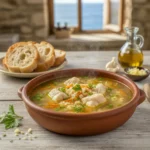
kcalThis recipe offers an Adriatic clam dish in the style of traditional date shells (prstaci), using small, sustainably harvested clams in place of the now-protected species. Clams soak briefly to release sand, then steam over a base of olive oil, a little butter, garlic, white wine and fresh parsley. A spoonful of breadcrumbs thickens the pan juices just enough for dipping bread, without turning the sauce heavy. The method is fast, with fewer than ten minutes of cooking once the pan is hot, and suits both relaxed weekend meals and compact weekday dinners. Served with grilled country bread and a chilled glass of coastal white wine, it evokes classic Dalmatian flavours while staying aligned with current environmental standards.
1.5 kg small hard-shell clams such as vongole, veraci or carpet-shell clams — scrubbed; substitute for prstaci, with similar size and briny flavour
3 lžíce extra panenského olivového oleje — forms the base of the sauce
20 g unsalted butter (about 1½ tbsp) — rounds the flavour and softens the garlic
4 large garlic cloves, finely minced — core aromatic for the sauce
¼ tsp dried chilli flakes — for gentle heat; adjust to taste or omit
20 g fine dry breadcrumbs (about 3 tbsp) — lightly thickens the pan juices; use gluten-free crumbs if needed
50 ml dry white wine (about ¼ cup) — crisp coastal whites such as Pošip or Graševina work very well
50 ml water or light fish stock (about ¼ cup) — extends the sauce without dulling the clam liquor
½ lžičky jemné mořské soli — start with a small amount; clams and stock both carry salt
Čerstvě mletý černý pepř — added at the end for a warm, aromatic edge
15 g flat-leaf parsley, finely chopped (small handful) — stirred in off the heat for freshness
1 citron, nakrájený na klínky — squeezed over at the table for brightness
4 slices crusty country bread or baguette — grilled or toasted, for dipping in the sauce
Purge the clams — Rinse the clams under cold running water for 2–3 minutes, rubbing gently to remove grit from the shells.
Soak to release sand — Place the clams in a large bowl, cover with plenty of cold water, and stir in 1 tbsp fine sea salt. Leave for 20–30 minutes so sand drops to the bottom.
Rinse and check — Lift the clams out of the bowl into a colander, leaving the sandy water behind, then rinse once more under cold water. Discard any cracked shells and any clams that stay open after a firm tap on the side of the sink.
Heat the pan — Set a wide, heavy sauté pan or shallow pot with a tight-fitting lid over medium heat for 1–2 minutes.
Build the base — Add the olive oil and butter. When the butter foams gently, add the minced garlic and chilli flakes. Cook for 30–40 seconds, stirring, until fragrant and still pale.
Toast the breadcrumbs — Sprinkle in the breadcrumbs and stir for 30 seconds more so they soak up the fat and take on a light golden colour.
Add liquids — Pour in the white wine and water or stock. Bring to a lively simmer for about 1 minute so the alcohol cooks off and the flavours start to blend.
Steam the clams — Tip the drained clams into the pan in an even layer, sprinkle with the sea salt, then cover with the lid. Cook for 3–4 minutes, shaking the pan once or twice, until most of the shells have opened.
Check and discard — Remove the lid. Pick out and discard any clams that stayed tightly shut. Grind over a little black pepper and taste the sauce on a spoon; adjust salt if needed.
Add parsley — Sprinkle the chopped parsley over the clams and toss gently in the pan for 20–30 seconds so the herbs soften in the residual heat.
Plate the dish — Spoon the clams and their sauce into warm shallow bowls, dividing the liquid evenly.
Serve with lemon and bread — Add lemon wedges to each plate and serve at once with grilled or toasted bread for dipping into the garlicky juices.
Od vzniku Alexandra Velikého až po jeho moderní podobu zůstalo město majákem poznání, rozmanitosti a krásy. Jeho nestárnoucí přitažlivost pramení z…
Mohutné kamenné zdi, precizně postavené jako poslední linie ochrany historických měst a jejich obyvatel, jsou tichými strážci z minulých dob.…

Benátky, okouzlující město na pobřeží Jaderského moře, fascinují návštěvníky svými romantickými kanály, úžasnou architekturou a velkým historickým významem. Hlavním centrem tohoto…

Cestování lodí – zejména na okružní plavbě – nabízí výraznou a all-inclusive dovolenou. Přesto existují výhody a nevýhody, které je třeba vzít v úvahu, stejně jako u jakéhokoli jiného druhu…

Francie je známá pro své významné kulturní dědictví, výjimečnou kuchyni a atraktivní krajinu, což z ní činí nejnavštěvovanější zemi světa. Od prohlídky starých…
