Demel at Kohlmarkt 14 is one of Vienna’s best-known confectioneries and coffeehouses, with a business history that begins in 1786. The current company traces its origin to confectioner Ludwig Dehne, who opened a confiserie at Michaelerplatz opposite the former imperial Hofburg theatre. The establishment soon became a court supplier and later passed to Dehne’s former apprentice Christoph Demel in 1857. Demel’s sons Joseph and Karl eventually continued the business under the name Ch. Demel’s Söhne, and in 1888 imperial urban redevelopment prompted the move to the present “Palais am Kohlmarkt.” This sequence matters because visitors are not entering the exact room where Dehne started in 1786, but they are entering the long-established home of the company that grew from that original confectionery. The current site has been central to Demel’s identity for well over a century.
The Kohlmarkt interior is itself an important part of the experience. Demel’s official history says the brothers commissioned renowned interior company Portois & Fix to create Rococo-style rooms complemented by Regency furnishings after the 1888 move. Later members of the Demel family, particularly the women who managed the business in the early twentieth century, reinforced a distinctive service culture and visual style. Demel’s current glossary preserves the term “Demelinerin” for its waitresses and still celebrates the traditional third-person form of address used when asking guests for their order. The company’s story also highlights Baron Berzeviczy-Pallavicini, husband of Klara Demel, whose theatrical shop-window displays influenced the playful decoration and packaging associated with the brand. A visit therefore extends beyond cake recipes: service language, windows, interior design and confectionery presentation all form part of the institution.
Current hours are very simple: Demel is open every day from 10:00 to 19:00, and its Kaiserschmarrn service is advertised across the same 10:00–19:00 window. The official website is equally clear that reservations are not accepted. This is one of the most important practical facts because Demel’s fame can generate queues, particularly during weekends, holiday periods and peak afternoon pastry time. Travellers cannot solve the problem by reserving a table weeks ahead. The best strategy is timing: arrive close to opening, choose a weekday, or accept that waiting may be part of the visit. Visitors who only want takeaway cakes, chocolates or gifts can use the shop function without necessarily planning a full café stay, though crowd management can still affect access to the counters.
Demel’s food identity is broad within the confectionery tradition. Cakes, pastries, chocolates, custom orders and Austrian sweets remain central, while the café also serves Austrian specialities rather than operating solely as a dessert counter. Kaiserschmarrn has become one of the current signature visitor experiences and is promoted prominently on the website. The company’s historical prestige should not be confused with a claim that every dish follows an unchanged eighteenth-century recipe. Demel is a living business that has changed owners and production systems while preserving a strong confectionery identity. DO & CO has owned the company since 2002, and the current operation continues to position handmade sweets, coffeehouse culture and elaborate presentation as its defining products.
Accessibility is unusually well documented for a historic first-district café. Vienna Tourism lists the main entrance as step-free, with a double swing door approximately 115 centimetres wide. A lift is available, though its door is narrower at around 75 centimetres. An accessible toilet is provided, and assistance dogs are permitted. OpenStreetMap-based mapping also marks Demel wheelchair accessible. This makes the café more practical for many wheelchair users than its historic appearance might suggest, although visitors with wide power chairs should pay attention to the published lift-door width and ask staff if upper-floor seating is important. Transport is easy: U3 Herrengasse and U1/U3 Stephansplatz are both within walking distance, and Kohlmarkt itself is a pedestrian-oriented luxury-shopping street leading toward the Hofburg. Most visitors should allow one to two hours, longer if queuing. The strongest experience combines the shop windows, confectionery counter, historic rooms and a seated café order rather than reducing Demel to one cake photograph.
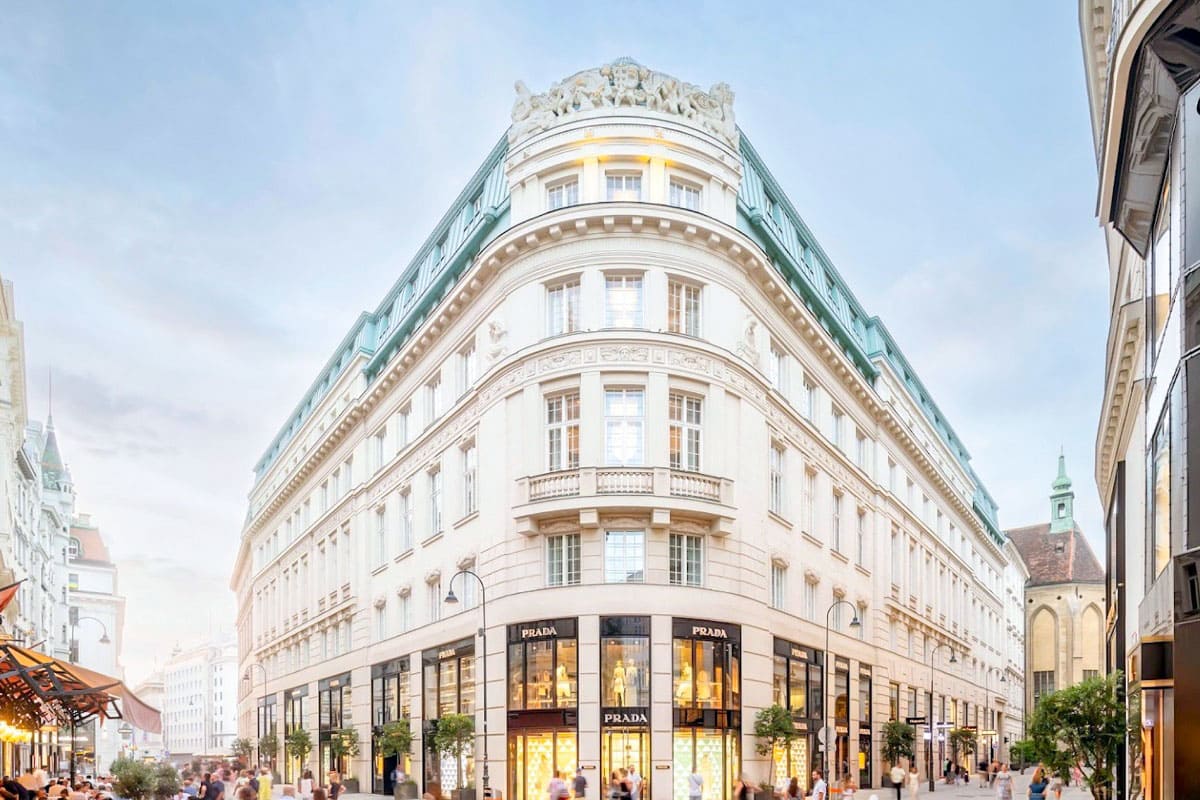
The location also places Demel inside one of Vienna’s most concentrated heritage shopping streets, so the visit naturally combines retail display, coffeehouse ritual and imperial-city walking rather than functioning as an isolated pastry destination. Clearly.


Community Ratings & Reviews
No traveller ratings yet
Traveller reviews
Loading reviews…
No reviews yet. You can be the first to share a helpful experience.