A Guide To Dark Tourism Visiting Sites Of Tragedy

黑暗旅游指南:参观悲剧遗址

Dark tourism – travel to sites of death and disaster – is a growing but delicate practice. This comprehensive guide explains its history and ethics, answers pressing visitor questions, and offers practical tips for respectful travel. From Auschwitz and Chernobyl to Hiroshima and Jonestown, each case study shows how to balance curiosity with compassion. Readers learn planning checklists (permits, safety, mental prep), on-site etiquette (photography rules, dress codes) and how to support local communities. Armed with expert advice and checklists, travelers can visit somber sites safely and sensitively. Above all, this guide urges visitors to prioritize learning and remembrance over thrills – transforming each journey into a meaningful act of respectful commemoration.

Dark tourism describes travel to places historically associated with death, suffering or disaster. Each year, millions of travelers make pilgrimages of a solemn kind – from Holocaust memorials and battlefields to disaster zones and abandoned towns. The growing interest is fueled by many motives (curiosity, education, commemoration) but it also prompts difficult questions about respect, memory and ethics. This guide offers a comprehensive, practical overview of dark tourism: its history and definition, the psychology behind it, and how to plan and conduct such visits responsibly. Drawing on academic studies and expert commentary, as well as real-world examples (Auschwitz, Chernobyl, Ground Zero, Jonestown and others), we provide actionable checklists and advice. The aim is to inform travelers and educators with in-depth context, safety tips and ethical guidance – ensuring that visiting these solemn sites is done with awareness, care and deep respect.

The term dark tourism was coined in 1996 by Malcolm Foley and John Lennon. In broad terms it refers to traveling to sites associated with death and tragedy. Synonyms include thanatourism, black tourism or grief tourism. These sites can be diverse: ancient battlefields and execution grounds, concentration camps and memorials, disaster areas and shipwrecks. What unites them is not shock value or thrill-seeking, but history. Tourists visit to learn about events like genocides, accidents, wars or epidemics – the “darker” chapters of human experience. As a National Geographic writer notes, there is nothing inherently wrong with visiting a place like Chernobyl or Auschwitz; what matters is why you go.

The academic literature emphasizes historical context. The main draw of dark locations is their educational and commemorative value, not simply death itself. In fact, scholars stress that operators and visitors jointly determine whether a visit is educational or exploitative. Good dark tourism programs focus on truth and remembrance, whereas poorly run ones may “milk the macabre” purely for profit. Even travel writer Chris Hedges has warned that sanitizing atrocity sites (Disneyfying them) can disrespect victims by hiding the full horror.

The history of dark tourism is long. Even Romans flocked to gladiatorial games, and early modern crowds watched executions. John Lennon notes that people watched the Battle of Waterloo in 1815 from safe distance, and public hangings drew spectators in 16th-century London. In modern times, places like Gettysburg or Pompeii attracted visitors soon after their tragedies. Travel writers have documented these journeys (“holidays in hell”) and academics began studying them more recently. Lennon and Foley’s 1996 paper introduced the term; around the same time A.V. Seaton coined thanatourism.

Thanatourism vs. Disaster & War Tourism

The jargon can be confusing. Thanatourism literally means tourism of death (from the Greek thanatos). It is often used interchangeably with dark tourism, but sometimes focuses on places where human remains or graves are present (grave tourism, cemetery visits). Disaster tourism is sometimes described as a subset: traveling to sites of natural or industrial disaster (earthquakes, tsunamis, nuclear accidents) often soon after the event. By contrast, war tourism might refer specifically to visiting battlefields, war memorials or even active conflict zones for “adventure” purposes. In practice these categories overlap. A visit to the Chernobyl Exclusion Zone, for instance, is dark tourism of a disaster site.

What differentiates them is context and intent. Some travelers go to recent disaster-affected areas (after hurricanes or earthquakes) to help or rebuild, which can be positive, while others might arrive purely out of voyeuristic curiosity. Social critics debate whether any tourism to very fresh tragedies is appropriate. Responsible guides advise checking local sensitivity and waiting until relief efforts have stabilized before going. In general, though, “dark tourism” in common usage covers any site where tragedy is part of the attraction, whether it’s an ancient massacre or a tsunami memorial.

Why People Visit: Motivations & Psychology

What draws a person to stand at a battlefield, memorial or abandoned disaster site? Psychologists and tourism researchers identify multiple overlapping motives: a mixture of curiosity, learning, empathy, reflection, and even thrill. For many, dark sites offer a direct encounter with history. Seeing the actual place where an event occurred can make the past feel real. J. John Lennon observes that in visiting these sites, “we see not strangers, but often we see ourselves and perhaps what we might do in those circumstances”. The travel psychologist performing Auschwitz’s mass name reading, quoted by Robert Reid, said that a silent acknowledgement from a survivor made history more immediate for her. In other words, confronting the reality of suffering can deepen understanding and empathy.

Academic studies back this up. An international hospitality review (2021) distilled four main motivations: curiosity (“need to see to believe”), education/learning about history, personal connection (honoring ancestors or shared humanity), and the sheer existence of the site as meaningful. For example, someone may study the Holocaust in school and visit Auschwitz for education, while a family may visit Pearl Harbor to connect with a relative who fought there. For others, the draw is simply a serious, reflective experience outside ordinary tourism. As one guide writes, tragic events are “historical, cultural, and societal scars,” and seeing them in person doesn’t make one weird – it means acknowledging reality.

Other motives are more basic: morbid curiosity or fascination with death. People have always had an interest in the macabre, from Mark Twain writing about Pompeii to crowds at medieval executions. Modern media amplify this: TV dramas, movies, books and even social media feed interest in true-crime and historical horrors. The recent HBO series Chernobyl, for instance, spurred a 30–40% jump in Chernobyl tours. Travel shows like Dark Tourist (Netflix) and the internet’s appetite for shocking images can make these destinations seem compelling. Some visitors admit they feel a thrill or adrenaline by going to “dangerous” places or seeing ruins of calamity.

However, researchers emphasize that thrill is usually not the whole story. Philip Stone of the Institute for Dark Tourism Research notes that people often go seeking meaning, empathy or remembrance. Indeed, well-run memorial sites aim to make visitors reflective rather than entertained. As the National Geographic author argues: “The problem lies not with the choice of destination, but with the intention behind the choice”. Are we there to deepen our understanding or just for a social-media moment? Responsible travelers answer that question before they arrive.

Ethics & Controversies (The Moral Map)

Dark tourism raises unavoidable ethical questions. Is it ever disrespectful or exploitative to visit a place of tragedy? Many experts say it depends entirely on how one visits. If the aim is respectful education and commemoration, it can be justified – even valuable. But if one treats a massacre site like a theme park, it becomes voyeurism. A key principle is intentionality and respect. National Geographic columnist Robert Reid puts it bluntly: “Are we traveling to a place to heighten our understanding, or simply to show off or indulge some morbid curiosity?”.

Some guidelines for ethical judgment have emerged. Locals and scholars suggest waiting to visit very recent tragedies until survivors’ needs are met. For instance, traveling to a disaster zone weeks after the event may burden humanitarian efforts or violate a grieving period. Similarly, any tourism business around such sites should ensure survivors and communities consent and benefit. The international “Sites of Conscience” movement emphasizes that memorials should combine remembrance with social action. Some tour operators now offer “ethical” dark tours that donate part of profits to victims’ groups or involve local guides and historians. In many places, certification programs (like the Sites of Conscience network) help signal that a museum or tour is community-sensitive.

When does dark tourism become exploitation? Red flags include: operators trivializing or sensationalizing suffering; intrusive behaviors by visitors (taking ghoulish selfies, mocking victims); lack of community input; and commercialization without context. For example, jumping up and down in an extermination camp gas chamber for Instagram would be considered disrespectful by nearly everyone. Likewise, tours that “fabricate facts or ratchet up the gore factor” purely to thrill guests cross an ethical line. By contrast, memorials that honestly present hardship can help healing – as Reid argues, well-meaning attractions can be “catalysts for healing and change” even if they have snack bars onsite. The guiding ethic is to treat each site’s story with gravity and to prioritize empathy over entertainment.

Terminology matters too. Many scholars distinguish “sites of conscience” – museums or memorials explicitly dedicated to reflecting on past tragedies and inspiring human rights – from other dark-tourism sites. Sites of Conscience (an international network) set higher standards for presentation and community engagement. Similarly, some authors suggest certifications or ratings (like the Darkometer on Dark-Tourism.com) to gauge how responsibly a site is managed. These help travelers identify whether a museum funds local communities, consults survivor groups, and offers educational value.

Famous Examples: Case Studies & Lessons Learned

Examining specific sites helps ground these ideas in reality. Below are concise profiles of major dark tourism destinations. Each highlights history, visitor guidelines and ethical considerations.

  • Auschwitz–Birkenau (Poland) – The Nazi death camps near Kraków are among the most solemn museums in the world. Over 1.1 million people (mostly Jews) were murdered here during 1940–45. Today the Auschwitz Memorial (a UNESCO World Heritage site) is a formal museum with exhibits of personal artifacts, barracks and crematoria. Visitors are expected to be quiet, dress modestly and behave reverently. Photography is permitted in most outdoor areas, but taking selfies or casual snapshots of gas chambers, memorials or victims’ belongings is expressly discouraged. Tour guides wear professional attire and speak in hushed tones. The most important “rule” is to remember: this is a grave site. Guides often recommend allowing at least half a day to see the museum and memorial fully, and to follow the official routes (many parts of the camp are roped off). Auschwitz is funded by government and donors; ticket sales do not trivialize memory because all proceeds support preservation and education. Lessons: prioritize learning and reflection. Small actions—bowing heads, not laughing, removing hats—help honor the millions who died.
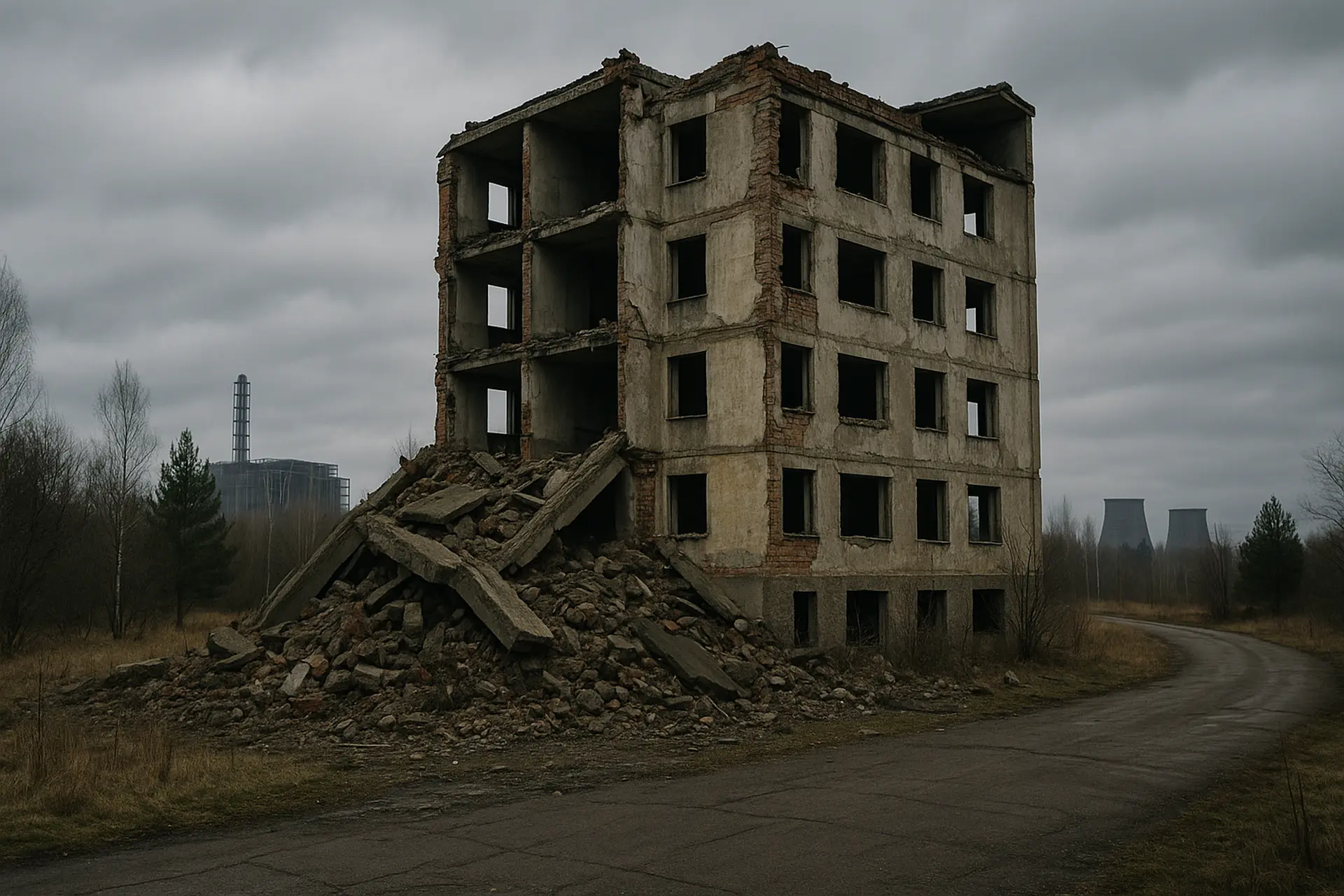
  • Chernobyl Exclusion Zone (Ukraine) – The 1986 nuclear disaster near Pripyat left a 30-km radioactive zone. Today it offers tours of the abandoned reactor, the ghost town of Pripyat, and scientific installations. Crucial: The site is highly regulated. Before the 2022 war, tourists needed an official permit or guide. Visitors must be over 18 and pass basic health checks. Once inside, you must stay with your guide and follow the marked route. Rules include: no smoking outside designated areas, no touching or sitting on radioactive debris, no taking any items out (even small souvenirs). A radiation monitor checks each visitor on exit. Photos are allowed but only on the approved itinerary – a guide must authorize any detours. Since 2022, Chernobyl has been off-limits entirely due to military conflict. If future visits resume, safety gear and geiger counters will still be part of the deal. Lesson: Strict rules protect both you and the environment. Always follow the guide’s instructions – the stakes are literally life and death. Chernobyl tours teach humility before nuclear risks.
  • Ground Zero (New York, USA) – The site of the September 11, 2001 attacks is now a museum and memorial in downtown Manhattan. The twin reflecting pools and museum spaces carry solemn art installations and names of the victims. Visitor notes: The memorial plaza is free and public; enter quietly and do not climb the rails. Inside the museum, children are 灰心 unless over a certain age and prepared for tough content. Photography of the pools (featuring waterfalls where the towers stood) is allowed; taking photos of visitors or families at the walls is considered invasive. Guides, many of whom lost colleagues or loved ones, speak reverently and expect respectful silence. For many, visiting requires emotional preparation. The 9/11 memorial closes at early evening; plan ample time to absorb the exhibits. Unlike some “dark sites,” the Twin Towers were not disasters of the distant past – so visitors often grapple with strong emotions. Lesson: Memorial design here is explicitly about dignity. Follow posted rules (no protesting, no loud conversation). If in doubt, ask museum staff for guidelines.
  • Hiroshima and Nagasaki (Japan) – Both cities were devastated by atomic bombs in August 1945. Today Hiroshima’s Peace Memorial Park includes the preserved A-Bomb Dome, the Peace Memorial Museum, and monuments like the Children’s Peace Monument. Nagasaki has a similar Peace Park with a statue of a mourning figure. Visitors are encouraged to learn about the cities before going: understanding Japan’s World War II role and the bombings’ context. At the museum, tour quietly and pay attention to survivors’ testimonies. It is customary to sign guest books in Japanese at statues. Do not take pictures in the exhibits without permission; photography is usually allowed only of outdoor monuments. Shops selling paper cranes for peace are common; buying them is one way to show respect. Both cities share a message of peace: many exhibits end with calls to prevent nuclear war. Lesson: Here, remembrance is linked to activism. Engaging sincerely (listening to survivors, sharing their message) honors victims more than mere sightseeing.
  • Tuol Sleng Genocide Museum (Cambodia) – A former school turned Khmer Rouge prison (S-21), where about 20,000 people were tortured and only a handful survived. Today it is a grim but honest museum. Visitors should walk slowly through the cells, where the victims’ photographs line the walls. Silence is observed. Photography is technically allowed, but staff politely ask that it not be “distracting.” Show empathy when looking at mugshots or artifacts. A tip: purchase the English-language book in the gift shop (proceeds support the museum) rather than taking selfies. Lesson: Remember these were real people. Treat their images and stories with the utmost respect.
  • Aokigahara Forest (“Suicide Forest,” Japan) – This dense woods at Mt. Fuji’s base is infamous as a common site of suicide. The place has a spiritual and tragic aura. Visitors should heed signs: families have posted warnings and pleas not to die here. Guided tours by locals focus on forest ecology and folklore (e.g. Yūrei ghosts). Avoid straying off paths and do not linger around markers. Absolutely no photos of any body (even if one is found) or group “haha we were here” photos. The TripZilla guide stresses: “approach it with care and reverence… avoid taking intrusive photos”. In general, maintain a respectful silence. Lesson: Some sites are active places of mourning. If you feel upset by the forest’s stories, recognize it may be a sign to turn back.
  • Pompeii (Italy) – The Roman city frozen by Mt. Vesuvius’s eruption in 79 CE is an archaeological dark site. The site itself is a UNESCO park – not a cemetery. Nevertheless, it is the silent graveyard of thousands of Romans. Visitors are expected to stick to designated pathways. Do not climb on ruins or enter blocked-off rooms. Many guides recommend a “slow walk” through the Forum and amphitheatre with time to reflect on the plaster casts of victims. These hollow casts of people in final poses (dug out from volcanic ash) are powerful. Photography is allowed (it’s a photogenic ruin), but the mood should remain somber. Lesson: Even an ancient disaster site demands respect. Remember the victims behind the stones and ash as you tour.
  • Père Lachaise Cemetery (France) – Though it contains graves of celebrities (Jim Morrison, Oscar Wilde, etc.), this large Paris cemetery is first and foremost an active burial ground. Rules: walk quietly, keep to paths, and behave as you would in any sacred burial site. Never lean on, sit on or remove flowers from a grave. Visitors often seek famous tombs, but guides advise treating each grave with equal respect. A good code is: if in doubt whether behavior would annoy mourners, don’t do it. Lesson: Tourists may find cultural figures interesting, but for locals this is hallowed ground.

Each case above illustrates that tour design and visitor conduct vary by site. The common thread is respectful observation. Memorials and museums set tone: read posted codes of conduct, heed staff, and remember why you are there.

Planning Your Visit: Practical Checklist

Visiting a tragedy site requires more preparation than a beach vacation. Key steps include thorough research, logistical planning, and contingency checks.

  • Research the site’s rules and status: First, find official information. Memorials and national parks usually have websites (e.g. auschwitz.org, 9-11 memorial, Hiroshima Peace Park, etc.). Check opening hours, ticket requirements, photography rules, dress codes, and any age restrictions. Search news sources to ensure no temporary closures (e.g. Chernobyl is currently closed to tourists). The SDSU Jonestown site notes that Guyana tours only began in 2025; news on new tours or permit changes is crucial.
  • Permits, visas and insurance: Some destinations require special permits or guides. Example: Ukraine’s Chernobyl zone needed a government permit (now frozen). In conflict areas, check travel advisories (the U.S. State Department or your government’s site). Carry travel insurance that covers medical evacuation and accidental injury – especially if visiting remote or hazardous sites.
  • Guided vs. self-guided: In many dark sites, especially those with safety hazards or sensitive content, using a licensed guide is advisable. Guides provide historical context, enforce rules, and often escort groups (required in Chernobyl, available in Auschwitz, Ground Zero, etc.). For complex sites, an audio guide may suffice. Weigh cost vs. independence. Remember: a guide helps ensure you don’t inadvertently disrespect rules.
  • Local laws & cultural norms: Before departure, learn if any local laws affect your plans. In Cambodia, for example, dress modestly (knees and shoulders covered) at Killing Fields or temples. In some Asian cultures, showing too much emotion or loud behavior at cemeteries is frowned upon. Learn a few basic phrases (like “I am here to pay respects”) in the local language, if appropriate.
  • Health and safety: For recent disaster areas (e.g. earthquake zones), ensure you have necessary vaccinations or check if water/food safety is compromised. Always carry a basic first-aid kit and emergency contacts. If visiting sites with unexploded ordnance (landmines in former war zones), stick to marked trails and heed military or official warnings. In dangerous areas, register your travel plan with your embassy.
  • Time your visit appropriately: Consider 什么时候 to go. Sometimes, on anniversaries of the tragedy, memorials hold ceremonies that may restrict casual tourism. In other cases, an extended period of mourning means ordinary tourism is discouraged immediately after an event (for instance, families of tsunami victims might not want tourists on the beach for weeks). If in doubt, local news or travel forums may indicate if it’s “too soon” to visit.
  • Mental preparation: Finally, prepare yourself (and your travel companions) emotionally. Many sites have on-site counselors or quiet rooms. Work out a plan if someone feels overwhelmed – it’s okay to step away or skip certain exhibits. If traveling with children, be ready to explain age-appropriately or allocate them non-traumatic activities if needed (some sites, like 9/11 Museum, provide child-oriented materials).

At the packing stage, include practical items: water, snacks (when food stalls are closed or solemnity is required), a flashlight (for dim tunnels or tombs), and a notebook for reflection. Also pack a grief kit – tissues, a comforting snack bar, etc. If visiting very remote or rugged sites, sturdy shoes and sun/rain gear matter too.

On-site Etiquette & Behavior (The Respect Checklist)

When you arrive, think of yourself as a guest at a solemn ceremony:

  • Silence and demeanor: Speak softly. Avoid jokes or humor about the site. Put phones on silent. If there are moments of silence (as at war memorials), observe them. Keep hands out of pockets to appear attentive. Dress modestly and neutrally (no bright party clothes, no offensive graphics). In Jewish and some East Asian sites, men may be expected to cover their heads (caps or scarves) and women to cover legs/arms.
  • 摄影: This is one of the trickiest areas. Always follow posted rules. Many sites allow photography only in non-sensitive areas. At Auschwitz, for example, photography is generally allowed in barracks and outdoors, but never in the gas chambers or memorials. TripZilla’s advice at Auschwitz was clear: do not take selfies or casual photos in “sensitive areas”. The Aokigahara guide likewise emphasizes avoiding photos “where suicides have occurred”. As a general rule, if a place has signage forbidding photos, absolutely respect it. If uncertain, ask a guide or staff. In any permitted areas, avoid photographing fellow visitors without consent, especially survivors or mourners.
  • Time allocation: There is no right or wrong pace, but consider others. If the site is crowded (like Auschwitz often is), some areas encourage moving along as others wait. On the other hand, don’t rush through just to see everything – spending too little time can itself seem disrespectful. Some memorials (like Holocaust museums) are very dense; allow a few hours. If your itinerary is tight, prioritize the key sections (e.g. Auschwitz’s barracks and gas chamber).
  • Interacting with survivors/local people: Sometimes you might encounter survivors, veterans, or grieving families. It’s generally best to listen rather than speak. If offered conversation, be empathetic and ask gentle questions (for instance: “What can people learn from here?”) without prying into personal loss. Avoid controversial debates on site (save it for off-site). For example, talking politics at Hiroshima memorial might upset survivors; instead, focus on personal stories. If survivors are speaking, treat them with honor (stand quietly, applaud gently if it is that kind of event, etc.).
  • Monetary etiquette: Be aware that some dark sites have vendors or tours run by local people. Tipping customs vary: In Europe and the US, small tips to tour guides or drivers are normal. In places like Japan, tipping is not customary at all (instead, a bow is thanks enough). Check local customs. If a small fee or donation is collected for maintenance (e.g. at some battlefields or cemeteries), it’s courteous to participate. Conversely, be cautious of “tour traps” selling morbid souvenirs – support official museum shops over street peddlers if you wish to buy mementos (so profits go back to the site’s upkeep).

Summary Etiquette Checklist (On-site)
– Speak softly; no shouting or loud laughter.
– Follow all posted rules (no entry signs, barriers, touch warnings).
– Don’t walk on graves/plots or off designated paths.
– Silence phones and camera shutter sounds.
– Politely decline being intrusive (no selfie-stick photo-ops at solemn statues, etc.).
– Dispose of trash (tissues, flower wrappers) only in provided bins.
– If moved to tears, step aside quietly rather than sobbing loudly where it might upset others.

By acting with dignity, you help maintain the site’s spirit of remembrance.

Mental Preparation & Self-Care

Visiting tragedy sites can be emotionally taxing. Prepare yourself:

  • 行李清单: Along with practical gear (water, snacks, sun protection), include emotional support items: a small notebook or audio recorder to process thoughts, tissues, any comfort object (a handkerchief scented with home). If you have a medical kit, include medication for headaches or nausea (some people feel faint in gas chambers or memorial tunnels). Pack layered clothing so you’re neither too hot nor cold (emotions can make temperature feel different).
  • Mindset before the visit: Read up on the event beforehand (in a measured way). Understanding context helps prevent feeling lost. But also recognize this may be one of the hardest experiences of a trip. Practice grounding techniques: deep breathing, focusing on the present moment, or remembering loved ones to avoid being overwhelmed.
  • Children and sensitive individuals: Decide in advance if children or any vulnerable person should visit. Many experts advise children under 10 to skip severe content sites (e.g. death camps or battlefields with graphic exhibits). If bringing teens, prepare them gently with age-appropriate history. At the site, watch for signs of distress (clinging, shut-down, anger). If upset, take a break: go outside the exhibition, find a quiet bench, do light stretching. Some memorial museums (like the Holodomor or Rwanda Genocide museums) have dedicated reflection rooms or areas for kids.
  • Group dynamics: If traveling with a group (family or guided tour), decide beforehand on signals for needing a break. Agree that it’s okay to opt-out of a particular area. Often tours let you rejoin later.
  • Debrief and post-visit processing: Plan for how to decompress after the visit. You might want to stay silent on the way back, jot down feelings in a journal, or talk it through with a travel companion. Sometimes religious spaces (like chapels or memorial gardens) are near dark sites for quiet reflection. Engage with them if it feels right. Consider writing postcards or letters expressing thoughts on what you saw (these don’t have to be sent; they’re a personal reflection exercise).

Many travelers find that a meal of comfort food or connecting with others afterward helps. For serious trauma, professional help is also an option: if you feel symptoms of anxiety or PTSD, seek a therapist experienced in trauma. Some dark tourism organizations even partner with counselors for visitors.

Responsible Storytelling & Content Creation

If you plan to share your experience (blog, photos, social media) or create content (video, article, book), do so thoughtfully:

  • Photography composition: When permitted to take pictures, think about framing that shows respect. Avoid sensational angles (e.g. do not center on gore). For example, photographing the Auschwitz gas chamber from a distance, including visitors listening to guides, can convey solemnity. Always follow on-site photo rules: if the museum says “no photos,” honor it. If survivors or families are present in a public area, do not photograph them without permission.
  • People in photos: The general rule (“if you wouldn’t want that taken of you, don’t take it of them”) applies double at memorials. It is unacceptable to photograph grieving individuals (e.g. relatives laying wreaths) or use images of them for clickbait.
  • Captions and language: When posting online, use factual, respectful captions. For example, “Mass graves at Cambodias Killing Fields” is descriptive; avoid sensationalist or flippant language. Identify people correctly: some sites have names of victims; use them (for instance, people in photographs from genocide museums). If unsure of identification, omit speculation.
  • Trigger warnings: Before sharing graphic images or stories on social media or blogs, give viewers a heads-up (e.g. “Warning: disturbing images”). Give context to avoid misunderstanding.
  • Monetization: If you earn income from dark tourism content, proceed with care. Disclose sponsorships transparently. Some influencers have drawn criticism for selling “dark travel experiences” with t-shirts or gear. Always acknowledge the sensitivity: for example, stating that ad revenue goes partly to relevant charities can be a good practice. Avoid promotional tone that could seem like “selling tragedy.”
  • Avoiding sensationalism: Resist framing visits as “gotcha” moments or horror stories. Even casual remarks (“creepy,” “scariest place I’ve been”) can upset others. Instead, focus on insight: what lessons can readers learn? Many travel writers emphasize how confronting tragedy can “deepen our capacity for compassion and empathy”. Aim your storytelling towards education and human connection.

How Dark Tourism Can Benefit – and Harm – Communities

It’s often said that tourism brings money to local economies. Dark tourism can do the same, but the impacts are complex.

Potential benefits: Visitors can help fund site maintenance and local businesses. For instance, entrance fees at memorials might pay for monuments, guides, and survivor programs. Local hotels, shops and restaurants benefit from tourist spending. In Cambodia and Rwanda, tourism dollars have helped sustain genocide memorials and educational programs for youth. In Germany and Poland, funds from hundreds of thousands of visitors support Holocaust education. Ethical tour operators often donate a share to victim support or local charities.

If managed well, these revenues can create community-wealth-value: museums can pay their staff fairly, and jobs can go to descendants of victims (for example, at the Slave Trail in Ghana or at some Holocaust sites in Europe, guides come from families of survivors). Programs like Rwanda’s cultural tourism train genocide survivor families in hospitality. Some tours also include visits to community projects (e.g. rebuilding homes, planting memorial trees), giving tangible benefits.

Risks of harm: Tourism can retraumatize if not handled sensitively. Imagine crowds strolling through a massacre site with guidebooks in hand while locals relive loss – it can feel exploitative. If local people have no say in how a site is portrayed, they may feel history is being rewritten. Commercialization for souvenirs can offend survivors (selling dolls at a genocide museum gift shop can be seen as tone-deaf). Too many visitors can also physically wear on fragile sites or disturb wildlife at environmental disaster locations.

Ethical frameworks suggest mitigation: involve local communities in planning and storytelling (co-curation). For example, the Killing Fields memorial in Cambodia is run partly by a genocide survivor association. Museums should share profits or invest in community projects (education, healthcare). Visitor caps or timed entries can prevent overwhelming small sites (e.g. limiting numbers in rooms at Yad Vashem in Israel). Tourists can be encouraged to donate or volunteer.

In summary, yes, dark tourism can help survivors and communities – but only if it is done respectfully and responsibly. As the TripZilla writer on Jonestown notes, tours there are intended as “a chance for meaningful dialogue about history and humanity”. When profit and memory align – for example, a museum using revenue to educate children about genocide – the result can honor victims.

Education & Research: Field Trip Best Practices

Schools and researchers often visit dark sites as part of curricula. To do this effectively:

  • Curriculum alignment: Before visiting, educators should have students study the history (through books, documentaries, survivor testimonies). Classes could read letters or poems from victims to personalize the story. Prepare students for emotional content.
  • 权限: Field trips to solemn sites sometimes require permission slips with detailed explanations for parents. Inform guardians about graphic or disturbing elements. Provide an alternate activity for students opting out.
  • Chaperone ratios and guidance: Ensure enough adult supervisors. Some countries require male/female guides for mixed groups. Review behavior expectations: e.g., no running, no casual laughing, respectful speech only.
  • On-site learning: At the site, engage students with pre-set questions or scavenger hunts (e.g., “find a memorial inscription that surprised you” – but ensure it’s done quietly). Encourage keeping a journal during the visit for reflection.
  • Debrief protocols: After the visit, hold a debrief session. Let students share feelings in a guided manner. Provide resources for processing trauma (counselors on call or prepared handouts on coping with grief). Assign follow-up projects that emphasize empathy and constructive action (research on survivors’ stories, community service, presentations on lessons learned).

Field trips to places like the Anne Frank House in Amsterdam or the Vietnam War memorial in Washington have specific school tour guidelines. Model yours on those: senior guides trained in education, small groups, and emphasis on respect.

Red Flags: Exploitative Tours & Sensationalism

Even experienced travelers should watch for bad actors:

  • Red flags in tour operators: If a tour’s marketing glories gore (“shoot real guns at war scenes!”) or uses clickbait language (“scariest massacre you’ll ever witness”), avoid it. Lack of transparency is a warning sign: no website, no credentials, unwillingness to show permits. Read reviews carefully; a pattern of one-star complaints mentioning disrespectful guides is a clear alert.
  • Unethical content: Tours that encourage immoral behavior – e.g. standing on altars, using a victim’s diary as a photo prop, or entering closed-off gravesites – are unacceptable. Legally, such actions can also be illegal (looting graves can be a crime).
  • Media and creators: If reading or viewing dark tourism content online, watch out for clickbait. Many “dark tourism blogs” have a lurid style; prefer well-researched reports. Verify information (e.g., the Washington Post or National Geographic articles cited here) rather than taking a sensational blog at face value.
  • Liability: Some countries hold operators accountable: guides can lose licenses or face jail time for desecration. Likewise, content creators have faced backlash for disrespectful posts (remember the Aussies banned from Auschwitz after fake photos). Always think before you act: the tour company or museum could refuse service if you disobey rules.

Remember, ethical dark tourism thrives on respect – exploitative tourism thrives on outrage and shock.

Policy, Memorial Design & Interpretation

Behind the scenes, every memorial or museum is a curated experience. It’s helpful to understand who decides what stories are told:

  • Curatorial choices: Exhibit designers choose which artifacts to show and which narratives to highlight. For instance, a Holocaust museum might focus on personal stories to humanize victims, while omitting military details. These choices reflect broader goals (e.g. emphasizing resistance vs. focusing on suffering). As journalist Chris Hedges criticized, some sites are “whitewashed” if they downplay injustice. When visiting, be aware: what you see is a perspective.
  • Descendant and survivor involvement: Best-practice memorials involve families and survivor groups in planning. This can mean co-curated exhibits (voices of genocide survivors in Rwanda help select photographs) or consulting indigenous communities (in countries with colonial atrocities, Indigenous leaders often advise museums). For example, the Whitney Plantation in Louisiana (slavery museum) is curated from the descendants’ viewpoint. Asking how a site includes local voices is a quick litmus test of its authenticity.
  • Standards and certifications: Though still rare, some standards are emerging. Sites of Conscience (mentioned earlier) certify adherence to principles like context, empathy and community benefit. UNESCO guidelines for World Heritage memorials emphasize authenticity and respect. Tour companies may follow responsible tourism charters (like the Global Sustainable Tourism Council) which cover social impact.

Ultimately, knowing that memorials are built with intent reminds visitors to look with a critical, informed eye. Don’t hesitate to ask staff how exhibits were chosen or funded – knowledgeable sites often welcome questions about their approach to memory.

Site-by-Site Travel Planner (Regional Itineraries)

For practical planning, here are sample itineraries and tips by region:

  • Europe (3–7 day options): Start in Poland with Auschwitz–Birkenau (half-day museum visit + reflection in the old town of Kraków). In France, allocate a morning to Paris’s Catacombs (book tickets in advance). In Italy, combine Rome (brief visit to Jewish Ghetto or Museum of Liberation) with a day trip to Pompeii. A one-week route might be: Paris (Père Lachaise + Orsay’s WWI exhibits), Brussels (Train World museum for war trains), Kraków (Auschwitz), and Berlin (Holocaust Memorial and Cold War bunker tours). Check local transit schedules; many sites are outside city centers.
  • Asia (Japan & beyond): In Japan, dedicate one day in Tokyo to the Edo-Tokyo Museum’s WWII exhibits, then travel to Hiroshima (day 2 in Peace Park and Museum). Aokigahara Forest can be combined with a climb up (or train to) Mt. Fuji (avoid the busiest summer months; spring and autumn are quieter). Remember in Japan: remove hats/shoes where required, and speak softly. In Cambodia, Phnom Penh deserves a day: visit Tuol Sleng and the nearby Killing Fields (allow half-day each). Dress respectfully (cold-climate clothing if visiting mountainous sites like Vietnam’s Ho Chi Minh trail caves, but Cambodia/Pacififc sites allow shorts if skirts).
  • Americas (2–4 day suggestions): In the U.S., begin in New York: a half-day at the 9/11 Memorial, plus the museum (reserve tickets online). Boston offers a guided walking tour of the Boston Massacre site (though small, it’s an example of colonial dark tourism). In Central America, the Mayan genocide site at Museum for Memory in Guatemala City is poignant (near the old market). For South America, note that Guyana’s Jonestown tours start in Georgetown; these are multi-day packages (e.g., Wanderlust Adventures runs 4-day tours, including the mass site and Port Kaituma). Itinerary: Atlantic City → Georgetown (stay near tour start), then jungle trek to Jonestown (requires booking through the licensed operator). Always confirm price and gear needs (mosquito nets, river shoes) with the operator well in advance.
  • Special: Chernobyl/Exclusion Zones: If/when safe again, Chernobyl will require booking with an authorized tour operator. These tours usually include radiation dosimeters. In general: book at least a month ahead, bring passport, and plan to carry your litter out (no trash bins). Tour companies often provide a permit (around $30) as part of the price. In summer, pack sunscreen and water (the zone can be very hot), and in winter, pack thermals and boots (snow covers radiation markers). Follow your guide’s advice on geiger counter limits. If uncertain which company to trust, look for reviews from reputable travel media or official government warnings about scams.

FAQ (Quick Answers)

  • What is dark tourism?
    Dark tourism is visiting places connected to death or tragedy. It includes everything from war memorials and genocide sites to natural disaster areas. Essentially, if the site’s main draw is a historical event involving suffering, it can be considered dark tourism.
  • Thanatourism vs. dark/disaster/war tourism?
    Thanatourism literally means “death tourism” and is often used synonymously with dark tourism. Disaster tourism refers specifically to traveling to a site shortly after a natural or man-made disaster. War tourism often means visiting battlefields or even conflict zones (though the latter can be illegal). The categories overlap: e.g. visiting a battlefield may fall under dark tourism, war tourism or heritage tourism depending on context.
  • Why do people visit sites of tragedy?
    People visit for many reasons: curiosity, education, personal connection, empathy and a desire to witness history first-hand. Academics note four main motivations: curiosity (“need to see”), learning, personal connection, and the site’s existence as important. Social media and true-crime culture amplify curiosity, but most agree the best visits are those done to learn or honor victims, not just to thrill oneself.
  • Is dark tourism ethical?
    It depends on intent and behavior. Visiting respectfully to remember and learn can be ethical. Visiting for morbid fun or without regard for locals is not. Key ethical frameworks stress empathy, consent of victims’ communities, and giving back. Museums of conscience exemplify ethical dark tourism.
  • When does visiting become exploitative?
    When it treats tragedy as entertainment or profit: e.g. crass souvenir selling, insensitive photo ops, or ignoring local grief. Also exploitative if survivors have no control and do not benefit. As Reid advises, consider if the visit “heightens understanding” or “indulges morbid curiosity”. If in doubt, err on the side of caution and respect.
  • What are famous dark tourism sites?
    Classic examples include Auschwitz–Birkenau (Poland), Chernobyl Exclusion Zone (Ukraine), the 9/11 Memorial (NYC), Hiroshima & Nagasaki Peace Parks (Japan), Cambodia’s Killing Fields and Tuol Sleng, Pompeii (Italy), the Paris Catacombs, India’s Aokigahara Forest, and more. Each offers unique lessons. (Our case-study section above profiles many of these in detail.)
  • How should you behave at memorials/sites of tragedy?
    Be quiet, solemn and respectful. Walk slowly, do not run or shout. Follow dress codes (often modest). Observe any rituals: bow heads, leave flowers, light candles, as appropriate. Keep distance from mourners. Always treat memorial artifacts (flags, crosses, dog tags) with gentle care.
  • Can dark tourism help survivors and communities?
    Yes, if done right. Responsible tourism can fund memorials, support education and preserve history. For example, proceeds from Auschwitz tickets support ongoing research and education. Tour operators sometimes donate to victims’ charities. Conversely, insensitive tourism can upset survivors. Ideally, communities should have a share of the benefits and a voice in site management.
  • Is it OK to take photos at places of tragedy?
    Only if and where allowed. Many sites explicitly ban photos in certain areas. As a rule: No selfies, no casual snapshots of victims, no videography that disturbs others. When permitted, focus on landscape or memorial structure, not on grieving people. Check signage: at Auschwitz, taking pictures inside gas chambers or memorial walls is forbidden. When in doubt, ask a staff member.
  • How soon after an event can you visit?
    There is no hard rule, but sensitivity matters. Visiting an active disaster or crime scene immediately is usually off-limits (both legally and morally). Wait until official memorials are established and survivors have had time to process. In some cultures, there are mourning periods (49 days in Buddhist tradition, 3 years in others) when public celebrations are paused. Always heed local sentiment.
  • Is dark tourism dangerous?
    It can be. Some sites, like recent war zones or contaminated areas, carry real hazards. Chernobyl, for example, remains radioactive and has restricted zones – visiting without proper gear is unsafe and illegal. Unexploded ordnance lurks in former battlefields (Cambodia still has landmines). Check safety advisories and go with authorized guides. Physical dangers aside, emotional danger is real; be prepared for psychological impact and seek help if distressed.
  • How to plan a dark tourism trip?
    Follow a checklist: research the site’s history and rules, secure tickets/permits in advance, book tours if needed, arrange accommodations (often outside remote sites), and get travel insurance. Check local news and travel advisories. Pack for the environment (e.g. sturdy shoes, sun and rain protection). Plan your itinerary so you have free time after intense visits to rest and discuss the experience. (Refer to “Planning Your Visit” section above for details.)
  • Are there ethical tour operators or programs?
    Yes. Look for operators certified by reputable organizations (e.g. Sites of Conscience members, or national tourism boards). Ethical operators often advertise community involvement or charity partnerships. Before booking, ask if a portion of the fee goes to site maintenance or survivors’ projects. Some countries have “sites of conscience” networks you can join or support.
  • How to talk to locals/survivors respectfully?
    If speaking with someone who lived through the event, listen more than you talk. Acknowledge their loss (“I’m sorry you had to go through that”) and let them share as much or as little as they wish. Avoid judgmental or political questions about responsibility for the tragedy. Respect taboos: for example, in some cultures discussing the dead openly can be sensitive. If invited to a memorial ceremony, observe quietly and follow cues.
  • What to pack and mental prep?
    计划您的行程 above. In addition to basic travel gear, include snacks (the sites may be remote), a water bottle, and perhaps a light jacket (some memorials keep visitors outside in a circle of names). For mental prep, read a bit of personal accounts beforehand, and plan coping strategies. Consider prayer or meditation apps if they help you center before going in.
  • Handling children or vulnerable visitors:
    Many experts say children under early teens may not grasp or handle violent history well. If bringing children, pre-teach them softly, and watch them closely on site. Let them ask questions; don’t force them to tour every exhibit. Have a safe word or signal if they feel scared. Be honest about what they’ll see (e.g., “this room has photos of people who died”). Ensure they have comforting things (toys or snacks) to calm down.
  • Post-visit processing:
    After a heavy visit, it’s good to decompress. Talk to friends or family about what you saw. Many travelers journal their feelings. Some memorials have counseling resources or support lines (e.g. the Auschwitz Memorial provides contacts for therapists). If you find you can’t stop thinking about it, don’t ignore those feelings – seek professional help if needed.
  • Support vs. sensational content:
    If creating content (blog/video) about dark tourism, avoid sensational titles and imagery. For monetization, disclose your earnings and consider donating part of proceeds. Always credit sources and avoid plagiarism (especially for historical facts).
  • Social media dos/don’ts:
    Think twice before sharing. It’s generally advised not to post real-time livestreams from a memorial. Instead, share reflections after the fact. Use respectful hashtags (#NeverForget is common). Avoid jokes or slang in captions. Remember: once something is online, it’s public forever – making a tasteless post at a grave site can lead to public outrage.
  • Visiting modern disaster sites:
    Entering a recent disaster zone (e.g. a city just hit by earthquake) is ethically tricky. It may help by bringing funds if there are official tours after recovery begins. But in the immediate aftermath, focus on donation and aid, not tourism. If you visit later, do so only if locals welcome it. Always follow any official guidelines (cordons, clean-up orders). Otherwise it could be seen as opportunistic.
  • Cultural sensitivities:
    Learn local mourning customs. For example, in Japan people wear black and bow at graves; in India some cremate immediately and hold 10-day ceremonies; in Mexico, Dia de los Muertos is a festival for honoring the dead. Research etiquette (e.g. it’s taboo to point feet at Buddhist monuments, or to touch someone’s head in some cultures). Language: simple phrases like “I pay my respects” or “This is a place of sorrow” can convey empathy if said politely in local language.
  • Certificates/standards for ethical dark tourism:
    There is no single global certification, but organizations like UNESCO, the International Council on Monuments (ICOMOS) and Site of Conscience set guidelines. Some regions have charters (e.g. Europe’s “Charter of Turin” for war cemeteries). Look for museums affiliated with recognized heritage bodies.
  • Evaluating safety of tour operators:
    Check for official licenses (particularly in places like Cambodia, you need a government-licensed guide for sites like Killing Fields). Read reviews on independent forums (TripAdvisor, ethical travel blogs). Be wary of cash-only or unmarked companies. Legit tours will often be recommended by respected travel agencies or NGOs.
  • Mental health resources:
    Organizations such as PSI (Post-Suicide Intervention) or local counseling centers often have hotlines for trauma. Some travel companies even partner with psychologists for returning travelers. Websites like the American Psychological Association offer tips on “processing traumatic experiences.” Carry a list of local emergency contacts and, if possible, download a meditation or grounding app for on-the-spot support.
  • Should you tip at memorial sites?
    In general, tipping is only for services (guided tours, etc.). It would be unusual to tip at a memorial itself. If a guide tells you it is a cultural practice (very rare), follow local cues. Otherwise, showing respect doesn’t involve money at the actual site.
  • Including indigenous/descendant voices:
    When visiting sites tied to colonialism or slavery (e.g. plantations, massacre sites), seek tours that involve indigenous or descendant guides. For example, some plantations in the American South offer tours led by descendants of enslaved people. Acknowledge that these communities are the rightful custodians of the history. If you notice their perspective missing, support organizations that amplify those voices (e.g. the Slave Wrecks Project in archaeology).
  • Measuring the “darkness” of a site:
    There’s no objective measure – it’s largely subjective. However, Dark-Tourism.com proposed a “Darkometer” rating to classify sites by factors like severity of events, number of victims and how memorialized it is. Generally, the more recent and bloody an event (like Auschwitz or Jonestown), the “darker” it is perceived. But respect and education should guide visits regardless of a site’s fame or rating.
  • Haunted attractions vs. remembrance:
    Halloween haunted houses and ghost tours are often inspired by dark history, but they’re entertainment, not education. The line is respect and intention. If a place is meant to amuse (a horror amusement park), it’s not dark tourism in the serious sense. Visiting a site like a battlefield with a focus on “ghost stories” is crossing into pop culture. Focus on actual history: ask guides for facts, not ghost tales, at solemn sites.
8 月 10, 2024

平衡巡航:优点和缺点

乘船旅行(尤其是邮轮旅行)能带来独特而全面的假期。不过,与任何类型的旅行一样,也存在一些优点和缺点需要考虑……

乘船旅行的优点和缺点
8 月 8, 2024

全球十大最佳狂欢节

从里约的桑巴舞表演到威尼斯的蒙面优雅,探索 10 个独特的节日,展示人类的创造力、文化多样性和普遍的庆祝精神。揭开……

全球十大最佳狂欢节