



Veneția, perla Mării Adriatice
Cu canalele sale romantice, arhitectura uimitoare și marea relevanță istorică, Veneția, un oraș fermecător de la Marea Adriatică, fascinează vizitatorii. Centrul minunat al acestei…


4
porții30
minute40
minute300
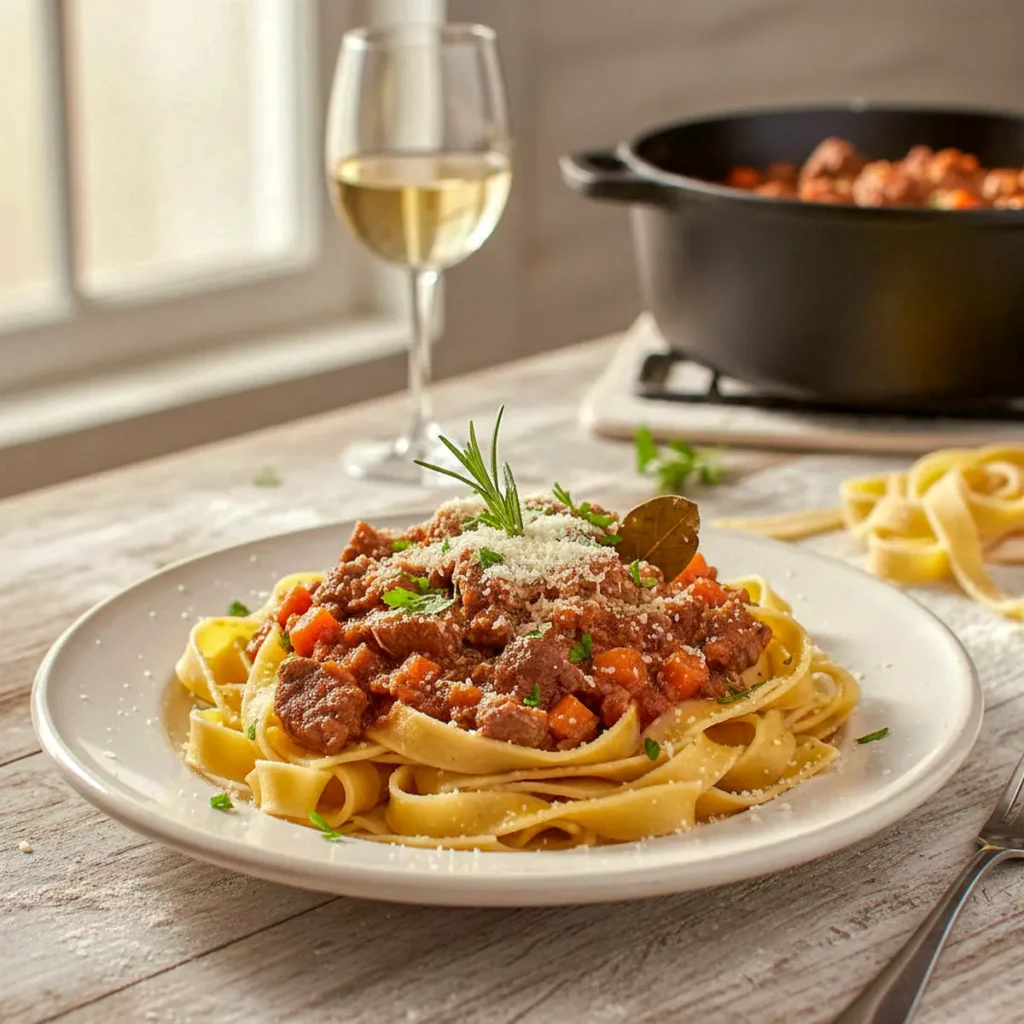
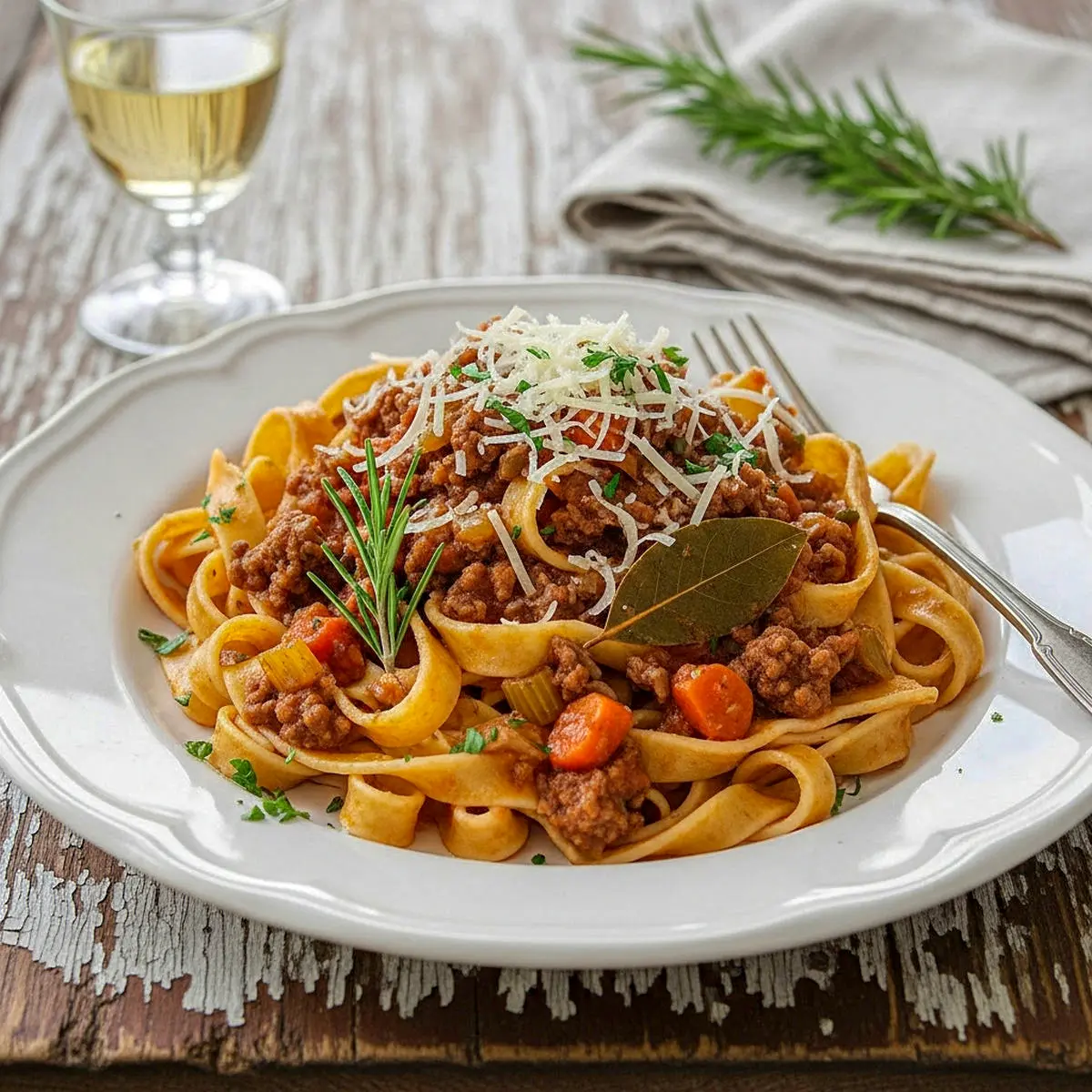
kcalMakaruni, or makaruli, is a long, hand-rolled Dalmatian pasta typically paired with rich, slow-cooked meat sauces. This recipe combines a firm egg pasta dough with a classic coastal beef šugo built from beef chuck, red wine, tomato, and aromatic vegetables. The dough rests, the sauce simmers, and then the two meet at the end: freshly rolled pasta, boiled briefly, dressed in glossy, deeply flavored sauce. The dish suits small gatherings when there is time for shaping pasta together at the table. Equipment needs are modest—a mixing bowl, a pot, a wooden skewer or knitting needle—yet the result feels festive. With clear steps, measured ingredients, and options for make-ahead work, this version brings a cornerstone of Dalmatian home cooking within reach of any careful kitchen.
2 ½ cups (300 g) all-purpose flour
For structure and chew; 00 flour may be substituted for a slightly silkier texture.
3 large eggs (about 150 g without shells)
Provide richness, color, and elasticity to the dough.
2–3 tablespoons lukewarm water, as needed
Adjusts dough hydration; start with 2 tablespoons, add more by teaspoons.
1 lingură de ulei de măsline extravirgin
Adds flavor and helps the dough roll smoothly.
1 teaspoon fine sea salt
Seasons the pasta itself, not just the cooking water.
2 linguri de ulei de măsline extravirgin
For sautéing and base flavor.
1 ¼ pounds (550 g) beef chuck, trimmed and cut into ¾-inch cubes
Marbled meat that becomes tender and flavorful with long simmering.
1 large yellow onion, finely chopped (about 1 cup / 150 g)
Forms the sweet, savory backbone of the sauce.
1 medium carrot, finely diced (about ½ cup / 70 g)
Adds gentle sweetness and body.
1 small celery stalk, finely diced (about ¼ cup / 30 g)
Brings aromatic depth typical of Dalmatian stews.
3 căței de usturoi, tocați mărunt
For warmth and savory aroma.
2 linguri de pastă de tomate
Concentrated tomato note and color.
1 cup (240 ml) dry red wine
Traditional coastal choice; use a sturdy, not overly oaky wine.
1 ½ cups (360 ml) tomato passata or smooth tomato purée
Forms the main body of the sauce.
1 cup (240 ml) beef or light veal stock, low-sodium
Extends simmering time while adding flavor.
2 foi de dafin
Signature herb for Dalmatian meat sauces.
1 small sprig fresh rosemary or ½ teaspoon dried rosemary
Adds piney herbal note that pairs well with beef.
1 teaspoon fine sea salt, plus more to taste
To season the sauce gradually.
½ teaspoon freshly ground black pepper, plus more to taste
Salt for pasta water
About 2 tablespoons kosher salt for a large pot.
Piper negru proaspăt măcinat
For seasoning at the table.
½ cup (40–50 g) finely grated hard cheese
Traditionally an aged cow’s or sheep’s cheese; Parmigiano Reggiano or Pecorino Romano work well.
Extra-virgin olive oil, for drizzling (optional)
Combine dry ingredients.
Place flour and salt in a large mixing bowl and whisk to blend. (2 minutes)
Add eggs and oil.
Make a well in the center, add eggs and olive oil, and gently break the yolks with a fork while gradually drawing in flour. (3–4 minutes)
Adjust hydration.
When the mixture becomes shaggy and dry spots remain, sprinkle in 2 tablespoons lukewarm water and work it in with hands. Add extra teaspoons of water only if the dough will not come together. (3–4 minutes)
Knead the dough.
Turn the dough onto a lightly floured surface and knead until smooth, firm, and elastic; it should feel tight but pliable. (8–10 minutes)
Rest the dough.
Shape into a ball, wrap tightly in plastic wrap or cover with an upturned bowl, and let rest at room temperature. (30 minutes, inactive)
Brown the beef.
Heat olive oil in a wide, heavy pot over medium-high heat, then add beef in a single layer and brown on all sides without crowding; work in batches if needed. (8–10 minutes)
Soften the vegetables.
Transfer browned beef to a plate, reduce heat to medium, and add onion, carrot, and celery to the same pot; cook until softened and lightly golden, stirring often. (8–10 minutes)
Add garlic and tomato paste.
Stir in garlic and cook until fragrant, then add tomato paste and cook, stirring, until the paste darkens slightly in color. (2–3 minutes)
Deglaze with wine.
Return beef and any juices to the pot, pour in red wine, and scrape the bottom to release browned bits; simmer until the wine reduces by about half. (5–7 minutes)
Add liquids and herbs.
Stir in tomato passata, stock, bay leaves, rosemary, salt, and pepper, then bring the mixture just to a gentle boil. (3–5 minutes)
Simmer the sauce.
Reduce heat to low, cover partially, and let the sauce simmer very gently, stirring occasionally, until the beef is tender and the sauce thickens. (60–70 minutes)
Ajustați condimentele.
Taste the sauce, remove bay leaves and rosemary stalk, and adjust salt and pepper to preference. (2–3 minutes)
Divide the rested dough.
Unwrap the dough and cut it into 4 equal pieces; keep pieces covered with a towel so they do not dry. (2 minutes)
Roll dough into ropes.
Working with one piece at a time, roll it on a clean surface into a rope about ½ inch (1.25 cm) thick, then cut into small nuggets about ¾ inch (2 cm) long. (5–7 minutes)
Shape on a skewer or needle.
Take one dough nugget, press it gently onto the tip of a wooden skewer or metal knitting needle, and roll it back and forth with the flats of the hands until it lengthens into a tube about 3–4 inches (7–10 cm) long. (10–15 minutes total for the batch)
Slide off and repeat.
Slide the formed makaruni off the skewer with a slight twist, arrange on a lightly floured tray without overlapping, and repeat with remaining dough pieces. (10–15 minutes)
Boil the pasta water.
Bring a large pot of water to a rolling boil and season generously with salt. (10 minutes, overlapping with step 11 if desired)
Cook the makaruni.
Drop makaruni into boiling water, stir gently to prevent sticking, and cook until they float and feel firm yet tender when bitten. (4–6 minutes)
Warm the sauce.
While the pasta cooks, rewarm the beef šugo over medium-low heat if needed, thinning with a splash of pasta water if too thick. (3–5 minutes)
Combine pasta and sauce.
Drain makaruni, reserving a small cup of cooking water, add pasta directly to the pot of sauce, and toss over low heat until coated; add spoonfuls of pasta water if the mixture seems tight. (2–3 minutes)
Plate and garnish.
Serve makaruni in warm bowls, top with extra spoonfuls of beef and sauce, and finish with grated cheese, black pepper, and a light drizzle of olive oil if using. (3–4 minutes)
Cu canalele sale romantice, arhitectura uimitoare și marea relevanță istorică, Veneția, un oraș fermecător de la Marea Adriatică, fascinează vizitatorii. Centrul minunat al acestei…
Grecia este o destinație populară pentru cei care caută o vacanță la plajă mai relaxată, datorită abundenței de comori de coastă și a siturilor istorice de renume mondial, fascinante…

Construite cu precizie pentru a fi ultima linie de protecție pentru orașele istorice și locuitorii lor, zidurile masive de piatră sunt santinele tăcute dintr-o epocă apusă…

Într-o lume plină de destinații de călătorie bine-cunoscute, unele locuri incredibile rămân secrete și inaccesibile pentru majoritatea oamenilor. Pentru cei care sunt suficient de aventuroși pentru a…

De la începuturile lui Alexandru cel Mare până la forma sa modernă, orașul a rămas un far de cunoaștere, varietate și frumusețe. Atractia sa eternă provine din...