Fuži – Short, Rolled Istrian Pasta

Fuži – Short, Rolled Istrian Pasta

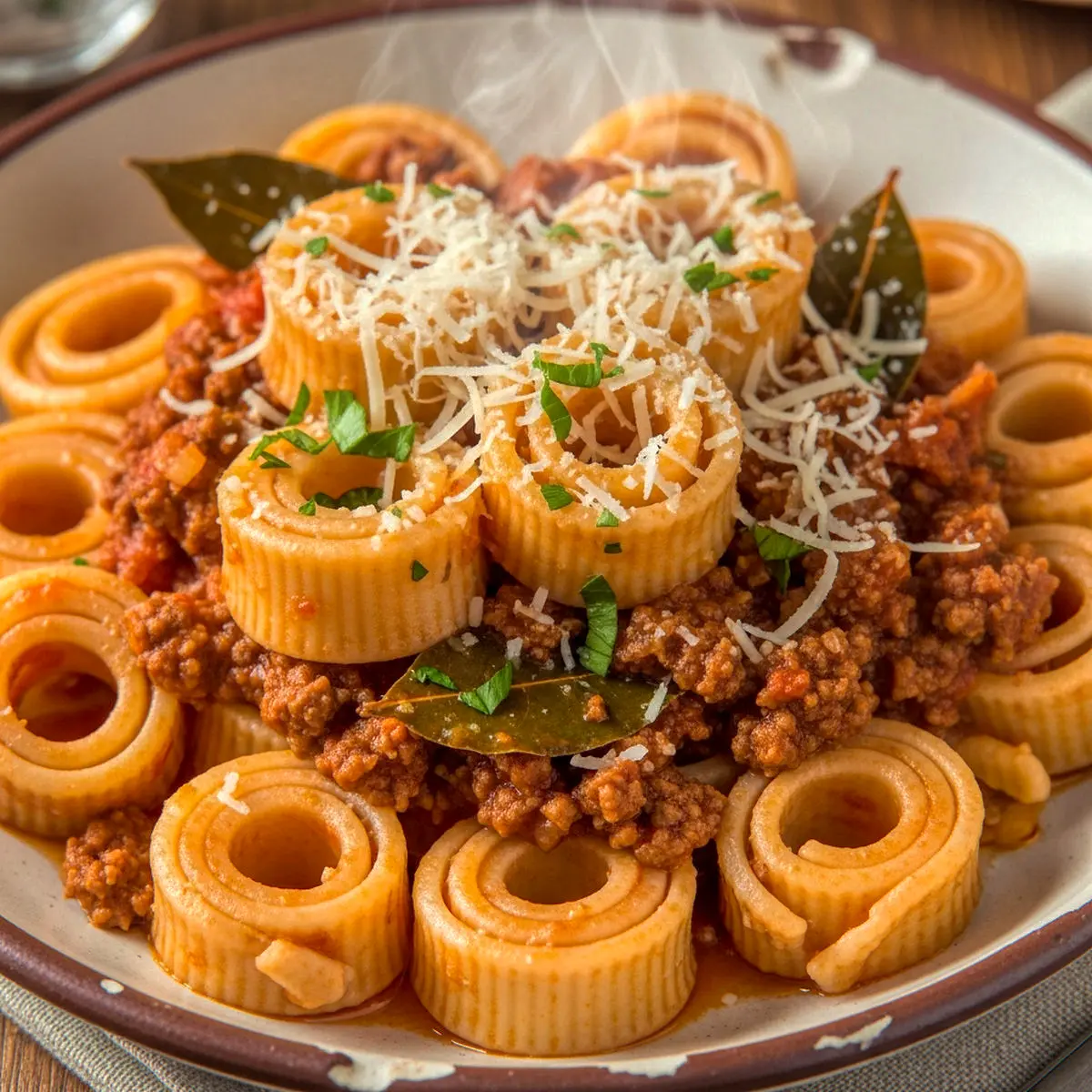
Fuži, a symbol of Istria’s culinary heritage, appears on the table like a treasured heirloom. It is a short tube, rolled from a diamond-shaped piece of dough, holding sauce within. Each carefully pinched fold ensures that sauce clings to every surface. This shape transforms humble ingredients into something special. The result is pasta that captures sauce at its core, making every bite rich and satisfying.

In Istria’s kitchens, fuži is not just dinner but a ritual. During family celebrations and Sunday lunches, the kitchen is lively with activity as dough is prepared. Villages may pause on holidays to watch elders hand-roll batch after batch, each piece nearly identical in size. Often the pasta is served with a slow-cooked ragù – a rich sauce of onions, tomato, and local white wine. As the pasta cooks, it releases a comforting aroma that invites everyone to the table. A final shower of sharp, aged cheese brings a touch of salty brightness to each plate.

Prized for its simplicity, fuži welcomes special touches. Istria is famous for its truffles, and some cooks shave black or white truffle over the finished dish. A drizzle of truffle oil can heighten the earthy flavor. This elevates an everyday meal into a celebration. Even without truffles, fresh herbs like parsley or a squeeze of lemon brighten the taste, reflecting Croatia’s coastal light.

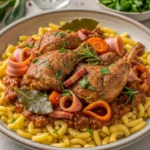
Fusi (the Slovene name) or fuži share a history across the Istrian peninsula. The dough must be rolled exceedingly thin, then cut into strips. Turning those strips into diamonds and folding them completes the transformation. That practiced technique takes patience and gives the pasta a tender chew. Once plated, fuži is unassuming in appearance but generous in flavor. It might be ladled with beef stew or chicken stock, or with hearty game meat sauce. Each variation is loyal to its rustic root.

In many homes, fuži is comfort food. Children often help shape the pasta, while elders supervise at long wooden tables. After cooking, bowls of steaming fuži are placed at the center of the table. Diners eagerly reach in, savoring bites of tender pasta dripping with warm sauce. On a family table set under a vineyard arbor or in a stone farmhouse kitchen, fuži truly brings people together. It carries flavors of sun-ripened tomato and garden herbs, of slow afternoons under olive trees. A glass of local wine – a crisp Malvasia Bianco or hearty Teran – often appears alongside, its bright acidity cutting through the rich sauce. In the end, fuži tastes like Istria itself in every comforting mouthful.

Fuži – Short, Rolled Istrian Pasta

Przepis od Pomocnik podróżnyKurs: Main, PastaKuchnia jako sposób gotowania: Croatian, IstrianTrudność: Mediator
Porcje

4

porcje
Czas przygotowania

20

protokół
Czas gotowania

5

protokół
Kalorie

300

kalorie
Czas odpoczynku

30

protokół

This Fuži recipe produces approximately 500 grams of fresh pasta, enough to serve four to six people as a main course. The dough combines all-purpose flour with eggs, olive oil, and a pinch of salt, creating a smooth, pliable mixture that rolls thin without tearing. After a thirty-minute rest, the dough is rolled to approximately 1.5 millimeters thick, cut into small diamonds, and wrapped around a wooden dowel to form the characteristic quill shape. The finished pasta cooks in salted boiling water for four to five minutes, emerging tender yet firm. Fuži pairs exceptionally well with cream-based truffle sauces, slow-braised game ragù, wild mushroom preparations, and simple butter-and-cheese treatments. The pasta can be made several hours ahead and held at room temperature, or frozen for longer storage.

Składniki

  • Pasta Dough
  • 400g (3¼ cups) all-purpose flour — Italian "00" flour works beautifully for a silkier texture, though standard all-purpose produces excellent results. The protein content should fall between 10–12% for optimal elasticity.

  • 4 large eggs (about 200g total) — Room-temperature eggs incorporate more readily into the flour. Farm-fresh eggs with deep orange yolks will impart superior color.

  • 2 łyżki oliwy z oliwek extra virgin — A quality Istrian or Italian olive oil adds subtle fruitiness and keeps the dough supple. Neutral vegetable oil may substitute if preferred.

  • 1 teaspoon fine sea salt — Salt strengthens the gluten structure and seasons the dough throughout. Reduce to ¾ teaspoon if watching sodium intake.

  • 2–4 tablespoons cold water (as needed) — Humidity and egg size vary; water adjusts consistency. Add sparingly, one tablespoon at a time.

  • For Cooking
  • 4–5 liters (4–5 quarts) water — Ample water prevents sticking and maintains temperature when pasta is added.

  • 2 tablespoons coarse sea salt — The cooking water should taste pleasantly salty, like mild seawater.

Wskazówki

  • Making the Dough
  • (3 minutes): Mound the flour on a large wooden board or clean work surface, then form a wide well in the center. The well should be deep enough to contain the eggs without overflowing.

  • (2 minutes): Crack the eggs into the well, add the olive oil and salt, and beat lightly with a fork to combine the liquids. Draw small amounts of flour from the inner walls into the egg mixture, incorporating gradually.

  • (8–10 minutes): Once the mixture becomes too thick to work with a fork, begin kneading by hand. Push the dough away with the heel of your palm, fold it back over itself, rotate a quarter turn, and repeat until smooth and elastic.

  • (30 minutes): Wrap the dough tightly in plastic film and rest at room temperature. This relaxation period allows the gluten to slacken, making rolling significantly easier.

  • Rolling and Shaping
  • (2 minutes): Unwrap the rested dough and divide into four equal portions. Keep unused portions covered to prevent drying.

  • (5–7 minutes per portion): Using a rolling pin or pasta machine, roll each portion to approximately 1.5mm thickness—thin enough to see the shadow of your hand through it. On a pasta machine, this typically corresponds to setting 5 or 6 of 7.

  • (3 minutes per sheet): With a sharp knife or pastry wheel, cut the sheet into diamonds measuring roughly 3cm wide by 4cm long. Traditional Fuži are not uniform; slight variations are expected and welcomed.

  • 10–15 minutes per batch): Position a thin wooden dowel (about 5mm diameter) or the clean handle of a wooden spoon diagonally across one diamond. Roll the dough around the dowel, starting from one point and rolling toward the opposite point.

  • Pinch the two remaining points firmly together to seal, then slide the formed Fuži off the dowel. The result should resemble a small, open-ended quill or tube with a slight twist.

  • Arrange finished Fuži in a single layer on a floured tray or baking sheet. They may touch lightly but should not overlap. Continue until all dough is shaped.

  • Gotowanie
  • (10 minutes): Bring a large pot of water to a vigorous boil and add the coarse salt. Stir to dissolve completely.

  • (4–5 minutes): Add the Fuži to the boiling water in batches if necessary to avoid overcrowding. Stir gently once immediately after adding to prevent sticking.

  • (30 seconds): When the pasta floats and appears slightly translucent, test a piece for doneness—it should be tender but retain a slight firmness at the center.

  • (1 minute): Reserve one cup of pasta cooking water before draining. Toss the Fuži immediately with your prepared sauce, using reserved water as needed to achieve desired consistency.

Porady, rozwiązywanie problemów i warianty

  • Substitutions and Allergy Notes - Egg-free option: Replace eggs with 180ml (¾ cup) warm water mixed with 2 tablespoons olive oil. The resulting dough will be firmer and less rich but remains suitable for shaping. Gluten-free adaptation: A blend of rice flour, tapioca starch, and xanthan gum (ratio: 2 cups rice flour, ⅔ cup tapioca starch, 1 teaspoon xanthan gum) can replace wheat flour. The texture will differ noticeably—expect a softer, more delicate pasta that requires gentler handling. Whole-grain variation: Substitute up to 25% of the white flour with whole-wheat or spelt flour for added fiber and nuttier flavor. Beyond this proportion, the dough becomes difficult to roll thin.
  • Serving Suggestions and Pairings - Fuži reaches its fullest expression when paired with sauces that honor Istrian tradition. The most celebrated combination remains Fuži s tartufima: toss the hot pasta with unsalted butter, a splash of cream, and generous shavings of black or white truffle. For a heartier meal, serve alongside slow-braised wild boar ragù, rich with tomato, red wine, and juniper berries. Wild mushroom preparations—porcini sautéed with garlic and parsley—offer an earthy vegetarian option. Portion approximately 120–150g of uncooked pasta per person as a main course, or 80g as a first course. Plate in warmed shallow bowls to preserve heat. Pair with a full-bodied Istrian Malvazija or a light Teran for red wine enthusiasts.
  • Storage and Reheating - Fresh (uncooked): Spread shaped Fuži on a flour-dusted tray and refrigerate, loosely covered, for up to 24 hours. The texture remains optimal when cooked the same day. Frozen (uncooked): Freeze in a single layer on a parchment-lined baking sheet until solid (about 2 hours), then transfer to freezer bags. Keeps for up to 3 months. Cook directly from frozen, adding 1–2 minutes to cooking time. Cooked leftovers: Refrigerate tossed pasta in an airtight container for up to 2 days. Reheat gently in a covered skillet with a splash of water or cream to restore moisture. Texture will soften slightly upon reheating.
  • Variations and Substitutions - Saffron Fuži: Steep a pinch of saffron threads in 2 tablespoons warm water for 10 minutes, then add to the eggs before mixing. The result: golden pasta with subtle floral notes, ideal for seafood sauces. Herb-Flecked Fuži: Fold 3 tablespoons finely minced fresh herbs (parsley, chives, or thyme) into the finished dough. The green flecks create visual interest and add brightness. Buckwheat Fuži: Replace 100g of all-purpose flour with buckwheat flour for an earthy, nutty variation popular in mountain regions. This version pairs exceptionally well with game and mushrooms. Quicker Method: If time is limited, roll the dough to 2mm thickness and cut into small rectangles (3cm x 2cm). Pinch each rectangle in the center to create a bow-tie shape—a faster approximation that captures some of Fuži's texture.
  • Chef's Tips - Temperature matters: Cold dough resists rolling. If the dough becomes stiff after resting, let it sit at room temperature for 10 minutes before proceeding. The dowel makes a difference: A smooth, thin wooden dowel (5–6mm diameter) produces the most authentic shape. Bamboo skewers work but create ridges; metal implements stick to the dough. Season your board: Rubbing a clean wooden board with a thin layer of flour before rolling prevents sticking without adding excess flour to the dough, which can toughen the final product.
  • Equipment Needed - Large wooden board or clean work surface for kneading and rolling. Rolling pin (traditional) or pasta machine (for more consistent thickness). Thin wooden dowel, 5–6mm diameter, or clean wooden spoon handle. Sharp knife or fluted pastry wheel. Ruler or measuring guide. Large pot (6–8 liters capacity). Slotted spoon or spider strainer. Baking sheets or trays for holding shaped pasta. Plastic wrap for dough storage. Bench scraper (optional but helpful for cleanup).

Informacje żywieniowe

Per serving, based on 6 servings (approximately 85g cooked pasta per serving). Sauce not included.

OdżywkaKwota
Kalorie285 kcal
Węglowodany47g
Białko10g
Tłuszcz6g
Tłuszcz nasycony1,5 g
Błonnik2g
Sód390mg
Cholesterol124mg

Alergeny: Wheat (gluten), eggs

Nutritional values calculated using USDA FoodData Central database. Actual values may vary based on specific ingredients used and portion sizes.

sierpień 11, 2024

Wenecja, perła Adriatyku

Dzięki romantycznym kanałom, niesamowitej architekturze i wielkiemu znaczeniu historycznemu Wenecja, czarujące miasto nad Morzem Adriatyckim, fascynuje odwiedzających. Wielkie centrum tego…

Wenecja-perła-Adriatyku