Along the sun-warmed eastern shores of the Adriatic Sea, where limestone karst meets azure water and the cold Bora wind sweeps down from mountain passes, a centuries-old tradition of meat curing has produced one of Europe’s most revered hams. Croatian pršut—pronounced prr-SHOOT—stands as the nation’s definitive contribution to global charcuterie, a dry-cured ham that rivals and, by many accounts, surpasses its more widely known Italian and Spanish counterparts. This is not merely preserved pork; it is a distillation of place, climate, and craft, shaped by generations of butchers who understood that time, salt, and wind could transform a humble pig leg into something approaching the sublime.
The distinction between Istrian and Dalmatian pršut lies in the details of their making, reflecting the geographical and cultural particularities of Croatia’s two principal coastal regions. Istrian pršut, produced in the heart-shaped peninsula that dips into the northern Adriatic, undergoes a brief period of cold smoking over specific local woods—typically beech, cherry, or oak—before beginning its lengthy air-drying phase. This smoking imparts a gentle, almost perfumed quality to the finished ham, with whispers of wood fire threading through its flavor. Dalmatian pršut, by contrast, relies purely on air and time. Produced along the central and southern Croatian coast, from the Velebit Mountains down through the islands near Split and Dubrovnik, this version draws its character from the Bora itself: that fierce, cold, and remarkably dry wind that rushes through the narrow channels between peaks and sea. The ham cures slowly in stone-walled drying houses called pušnice, absorbing the maritime air while losing moisture at a steady, gentle rate.
Both styles have earned Protected Geographical Indication (PGI) status from the European Union, a recognition that speaks to the specificity of their production methods and the irreplaceable role of terroir. The pigs selected for pršut are typically Landrace or Large White breeds, raised to full maturity and slaughtered in late autumn or early winter, when temperatures drop and the Bora begins to blow. The timing is not incidental; the cool, dry conditions of the Adriatic winter provide a natural refrigeration that allows the initial salting phase to proceed without risk of spoilage, while the low humidity prevents the exterior from drying too rapidly and forming a hard crust that would trap moisture within.
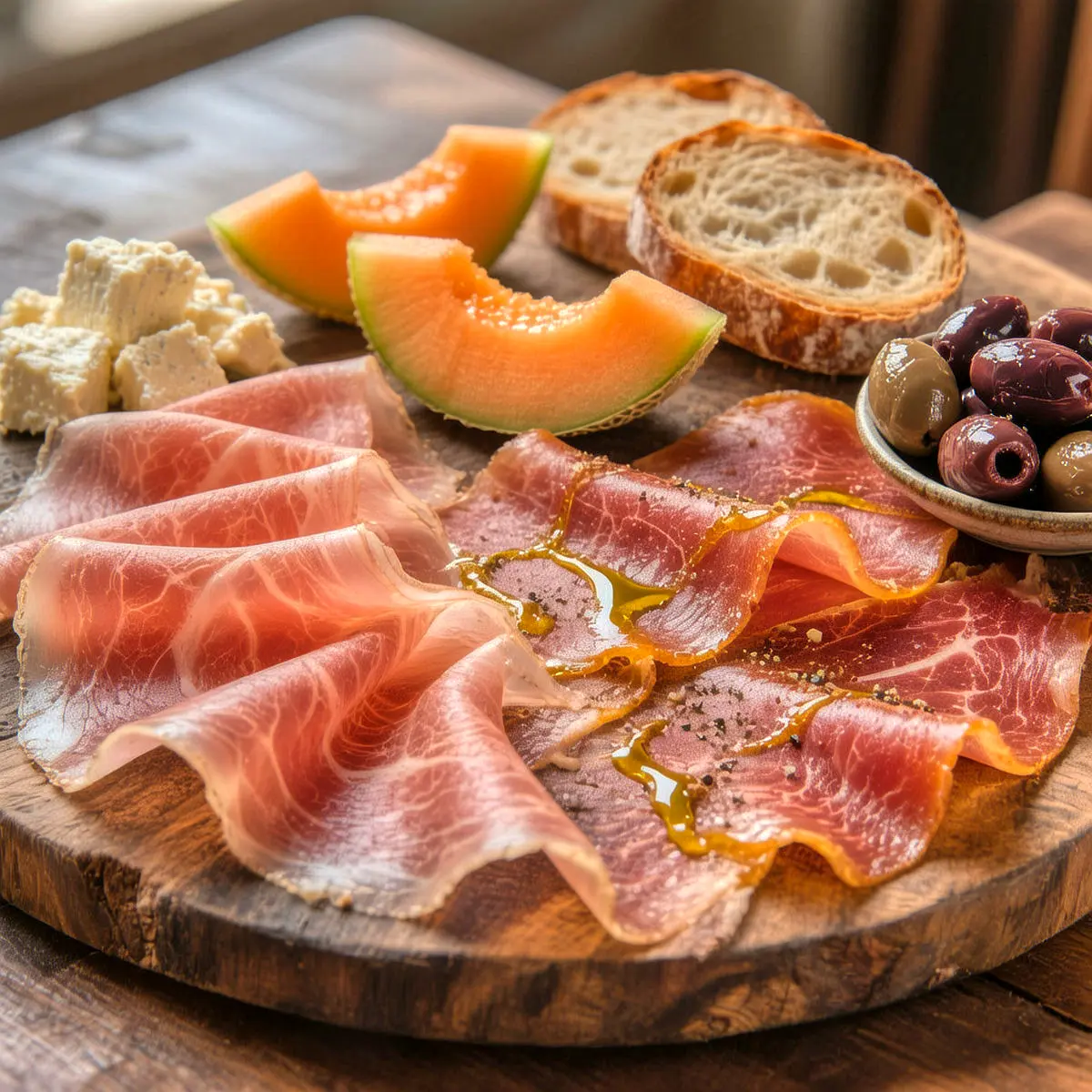
What sets Croatian pršut apart from prosciutto di Parma or jamón serrano is, in part, its leanness. Croatian producers prefer a firmer, drier texture, with less marbling and more pronounced depth of flavor. The salting is lighter than in many Mediterranean traditions, allowing the natural sweetness of the pork to come forward rather than being masked by excessive salt. The aging period, which spans anywhere from twelve to eighteen months—and sometimes longer for premium examples—allows complex amino acids to develop, producing a savory intensity that lingers on the palate. When sliced paper-thin, as tradition dictates, the ham reveals a deep ruby color rimmed with ivory fat, its surface glistening with the natural oils that emerge during the long cure.
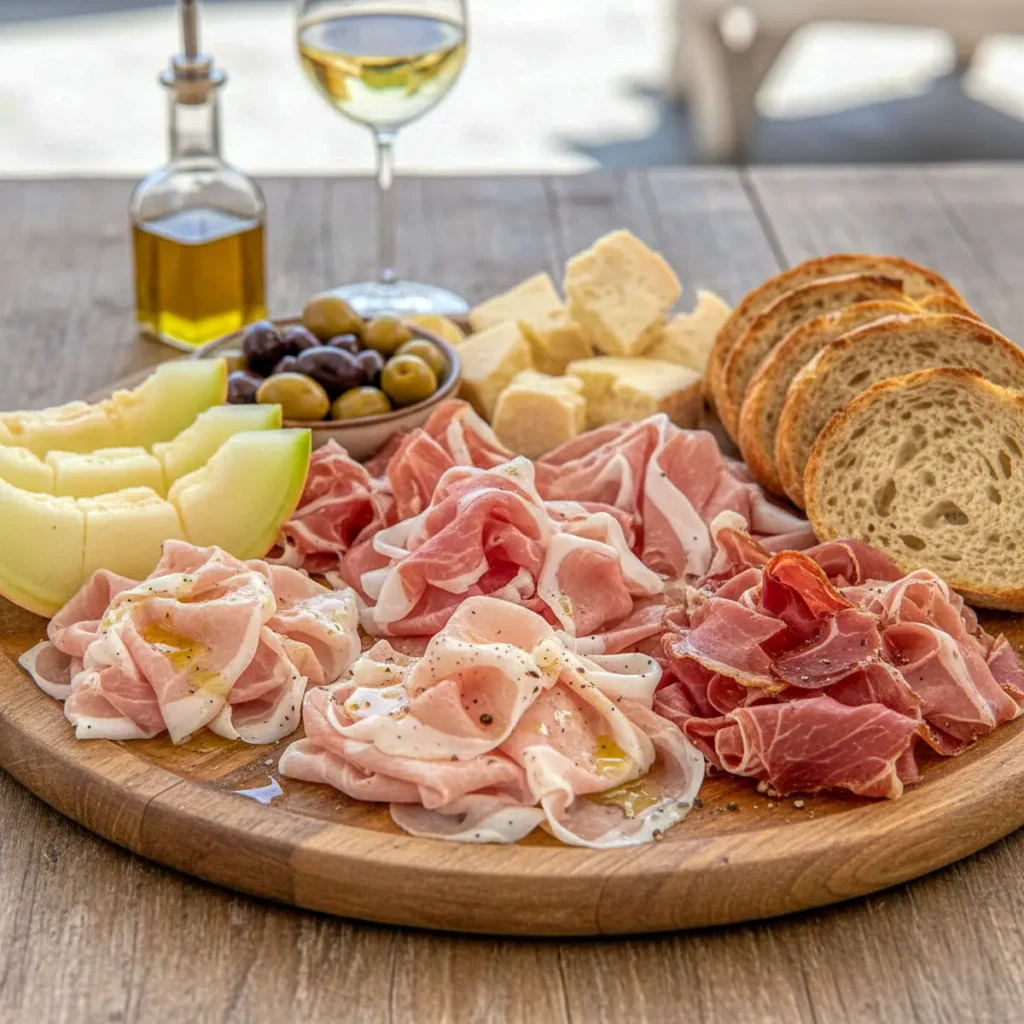
To taste authentic Croatian pršut is to understand why this ham has occupied a central place in the region’s culinary and social fabric for centuries. It appears at every significant gathering: weddings, religious celebrations, and the long, convivial meals that define Croatian hospitality. Served simply—laid across a wooden board alongside sheep’s milk cheese, olives cured in local olive oil, and crusty bread—it requires nothing more than good company and a glass of Plavac Mali or Malvazija. The ham speaks for itself, telling a story of salt and wind, patience and precision.