
Φανταστείτε να στέκεστε σε μια προβλήτα την αυγή στο Χάργουιτς της Αγγλίας, παρακολουθώντας ένα μοναχικό σκάφος να ετοιμάζεται να διασχίσει επτά ταραγμένα μίλια της Βόρειας Θάλασσας. Στο πλοίο υπάρχουν προμήθειες δύο εβδομάδων - ξυλεία, τρόφιμα, νερό - που κατευθύνονται προς έναν απίθανο προορισμό: ένα σκουριασμένο φρούριο του Β' Παγκοσμίου Πολέμου που ονομάζεται Roughs Tower. Το 1967, ένας Βρετανός επιχειρηματίας πειρατικού ραδιοφώνου, ο Ταγματάρχης Paddy Roy Bates, ανακήρυξε αυτόν τον υπεράκτιο πύργο ως ανεξάρτητο «Πριγκιπάτο του Sealand». Σχεδόν μισό κόσμο μακριά, στον ποταμό Δούναβη, ο Τσέχος ακτιβιστής Vít Jedlička διεκδίκησε μια δασώδη πλημμυρική πεδιάδα 7 km² που ονομάζεται Gornja Siga μεταξύ Κροατίας και Σερβίας ως την «Ελεύθερη Δημοκρατία της Liberland» το 2015. Καμία από τις δύο δεν αναγνωρίζεται από καμία κυβέρνηση, ωστόσο και οι δύο αιχμαλωτίζουν τα πρωτοσέλιδα - και τη φαντασία των ταξιδιωτών.
- Τι είναι ένα μικροέθνος;
- Βασικές Αρχές Σύμβασης και Πολιτειακής Ιδιοκτησίας του Μοντεβιδέο
- Η ιστορία του Σίλαντ
- Πού βρίσκεται το Σίλαντ;
- Ποιος ίδρυσε το Sealand και γιατί;
- Η επίθεση του 1978 και τα νομικά ορόσημα
- Διαβατήρια, χαρτονομίσματα, γραμματόσημα – αναμνηστικά ή αληθινά;
- Μπορείτε να επισκεφθείτε το Σίλαντ;
- Τρέχουσα κατάσταση: φροντιστές και ηγεσία
- Η ιστορία της Λίμπερλαντ
- Πού βρίσκεται η Λίμπερλαντ (Γκόρνια Σίγκα) και γιατί επιλέχθηκε;
- Ποιος ίδρυσε την Liberland και ποια είναι η ιδεολογία της;
- Αναγνωρίζεται η Λίμπερλαντ από κάποια χώρα;
- Πώς να γίνετε πολίτης της Λίμπερλαντ
- Μπορείτε να επισκεφθείτε τη Λίμπερλαντ; Ποιος ελέγχει την πρόσβαση;
- Πρόσφατες εξελίξεις
- Επισκεψιμότητα: Μικροέθνη που μπορείτε πραγματικά να επισκεφθείτε
- Συμβουλές σχεδιασμού για ένα ταξίδι σε μικροέθνη
- Κορυφαίες μικροέθνη για επίσκεψη (επιπλέον παραδείγματα)
- Οικονομικά & Μοντέλα Εσόδων
- Πολιτιστική Ζωή Μέσα σε Μικροέθνη
- Μικροέθνη στα ΜΜΕ, την Τέχνη και τον Ακτιβισμό
- Μελέτες Περιπτώσεων Αναγνώρισης & Νομική Ανάλυση
- Ηθική & Διεθνείς Επιπτώσεις
- Ερωτήσεις και απαντήσεις
- Σύναψη
Τι είναι ένα μικροέθνος;
Ένα μικροέθνος είναι ουσιαστικά μια χώρα που μπορείς να την φτιάξεις μόνος σου: μια οντότητα που διεκδικεί ανεξαρτησία και συχνά μιμείται τα χαρακτηριστικά ενός κράτους, αλλά στερείται νομικής αναγνώρισης από καθιερωμένα έθνη ή διεθνείς οργανισμούς. Στην πράξη, ένα μικροέθνος είναι «ένα επίδοξο κράτος που διεκδικεί ανεξαρτησία αλλά στερείται νομικής αναγνώρισης» βάσει του διεθνούς δικαίου. Συνήθως δεν έχουν έδρα στα Ηνωμένα Έθνη και κανέναν έλεγχο σε διεθνώς αναγνωρισμένα εδάφη. Παρ' όλα αυτά, τα μικροέθνη καταβάλλουν μεγάλες προσπάθειες για να μιμηθούν κυρίαρχα έθνη: δημιουργούν συντάγματα, σημαίες, εθνικούς ύμνους, νομίσματα, διαβατήρια, γραμματόσημα και γραφειοκρατίες σαν να ήταν πραγματικές χώρες.
Τα μικροέθνη έχουν ποικίλους σκοπούς. Μερικά είναι καινοτόμα έργα ή χόμπι, που δημιουργούνται από ενθουσιώδεις που απολαμβάνουν να σχεδιάζουν μια μικρογραφία πολιτισμού και διακυβέρνησης (για παράδειγμα, η «Δημοκρατία της Μολοσσίας» στη Νεβάδα ή η καλλιτεχνικά καθοδηγούμενη Δημοκρατία του Ουζούπις στη Λιθουανία). Άλλα είναι πολιτικές δηλώσεις ή διαμαρτυρίες, όπως το πρώην Πριγκιπάτο του Χατ Ρίβερ στην Αυστραλία (διαμαρτυρόμενο για τις ποσοστώσεις σιταριού) ή οντότητες με επίκεντρο το κλίμα όπως το «Μεγάλο Δουκάτο της Φλαντρένσις» (επικαλούμενο περιβαλλοντικά ζητήματα). Άλλα στοχεύουν στον τουρισμό ή τη δημοσιότητα. Για παράδειγμα, το ιταλικό χωριό Σεμπόργκα αυτοαποκαλείται πριγκιπάτο κυρίως ως τουριστικό αξιοθέατο, και η Δημοκρατία του Κοχύλιου (Κι Γουέστ, Φλόριντα) γεννήθηκε ως μια ειρωνική αποσχισθείσα περιοχή που τώρα αποτελεί τοπικό σύμβολο μάρκετινγκ. Με λίγα λόγια, οι άνθρωποι βρήκαν τα μικροέθνη για μυριάδες λόγους - διαμαρτυρίες, σάτιρα, ιδεολογικό όραμα ή ακόμα και απλώς για διασκέδαση.
Εξ ορισμού, ένα μικροέθνος δεν είναι κυρίαρχο κράτος βάσει του διεθνούς δικαίου. Η κλασική Σύμβαση του Μοντεβιδέο του 1933 καθορίζει τα κριτήρια για την κρατική υπόσταση: μόνιμο πληθυσμό, καθορισμένη επικράτεια, κυβέρνηση και ικανότητα σύναψης σχέσεων με άλλα κράτη. Σχεδόν όλα τα μικροέθνη δεν πληρούν αυτά τα πρότυπα. Συνήθως έχουν μικροσκοπικούς ή καθόλου μόνιμους πληθυσμούς. Το Σίλαντ, για παράδειγμα, έχει μόνο λίγους κατοίκους (συχνά έναν ή δύο επιστάτες). Το Λίμπερλαντ δεν είχε καθόλου βιώσιμο πληθυσμό, από τότε που οι προσπάθειες «ίδρυσής» του μπλοκαρίστηκαν από τις κροατικές αρχές. Τα περισσότερα μικροέθνη δεν έχουν καμία de facto κυβερνητική εξουσία σε αναγνωρισμένο έδαφος. Και το πιο σημαντικό, καμία καθιερωμένη χώρα δεν τα αναγνωρίζει ως κράτη. Έτσι, τα μικροέθνη υπάρχουν σε μια γκρίζα ζώνη - αυτοαποκαλούνται χώρες, αλλά κανείς άλλος δεν συμφωνεί να τα αντιμετωπίζει με αυτόν τον τρόπο.
Πόσα μικροέθνη υπάρχουν; Οι εκτιμήσεις ποικίλλουν, επειδή σύμφωνα με ορισμένες μετρήσεις, εκατοντάδες αυτοανακηρυσσόμενα μικροέθνη υπάρχουν, συχνά για λίγο ή εικονικά. Μια πρόσφατη έρευνα σημειώνει «πάνω από πενήντα» ενεργά μικροέθνη το 2023, με ορισμένες λίστες ερασιτεχνών να κατονομάζουν έως και μερικές εκατοντάδες συνολικά. Συγκριτικά, υπάρχουν 195 χώρες αναγνωρισμένες από τον ΟΗΕ. Στην πράξη, μόνο μερικές δεκάδες μικροέθνη είναι αρκετά γνωστά για να αξίζουν μνείας ή τουρισμού, όπως το Sealand, το Liberland, η Molossia (ΗΠΑ), η Seborga (Ιταλία) και η Δημοκρατία του Κόνκχολ (ΗΠΑ). Πολλά άλλα δεν ξεπερνούν ποτέ την τοπική περιέργεια. Σε όλες τις περιπτώσεις, το καθοριστικό σημείο είναι ότι οι ισχυρισμοί ενός μικροέθνους δεν υποστηρίζονται από διεθνή αναγνώριση ή επιβολή.
Βασικές Αρχές Σύμβασης και Πολιτειακής Ιδιοκτησίας του Μοντεβιδέο
Για να κατανοήσουμε τα μικροέθνη, είναι χρήσιμο να εξετάσουμε το νομικό κριτήριο για τις χώρες. Σύμβαση του Μοντεβιδέο (1933) – αν και τεχνικά πρόκειται για περιφερειακή συνθήκη – αναφέρεται συχνά διεθνώς ως ο κλασικός ορισμός του «κράτους» βάσει του δημοσίου δικαίου. Απαιτεί τέσσερα στοιχεία: (1) μόνιμο πληθυσμό, (2) καθορισμένη επικράτεια, (3) λειτουργική κυβέρνηση και (4) ικανότητα σύναψης σχέσεων με άλλα κράτηΚατ' αρχήν, αυτό σημαίνει ότι μια οντότητα πρέπει να έχει άτομα που ζουν εκεί όλο το χρόνο, σαφή σύνορα, κάποια κυβερνητική εξουσία και κάποια ικανότητα να εμπλέκεται διπλωματικά ή εμπορικά σε διεθνές επίπεδο.
Στην πράξη, ωστόσο, η ικανοποίηση του Μοντεβιδέο μόνος δεν δημιουργεί μια πραγματική χώρα. Ακόμα κι αν ένα μικροέθνος διεκδικεί και τα τέσσερα, χρειάζεται και άλλα κράτη να το αναγνωρίσουν. Η «αναγνώριση» από τις καθιερωμένες κυβερνήσεις είναι αυτή που δίνει σε ένα νεοσύστατο κράτος πρόσβαση στο διεθνές δίκαιο, τις συνθήκες, τα ταξιδιωτικά έγγραφα κ.λπ. Το MontanaroLegal σημειώνει ότι τα κριτήρια του Μοντεβιδέο είναι απαραίτητα αλλά «όχι, από μόνα τους, επαρκή προϋπόθεση» για την ένταξη στη διεθνή κοινότητα. Τα κράτη μπορούν και εξετάζουν πολλούς παράγοντες (στρατηγικούς, πολιτικούς, ιστορικούς) πριν επεκτείνουν την αναγνώριση.
Τα μικροέθνη σχεδόν ποτέ δεν πληρούν πλήρως τις απαιτήσεις του Μοντεβιδέο. Πληθυσμός: Οι περισσότεροι αιτούντες έχουν πολύ λίγους κατοίκους. Το Sealand συνήθως φιλοξενεί μόνο τους φροντιστές της οικογένειας Bates - «συνήθως δύο άτομα» σύμφωνα με τον Michael Bates. Η ονομαστική υπηκοότητα του Liberland είναι χιλιάδες, αλλά κανένας ζει στο έδαφος που διεκδικεί, καθώς η Κροατία απαγορεύει τον εποικισμό. Εδαφος: Μια σταθερή περιοχή είναι το κλειδί, αλλά τα μικροέθνη συχνά καταλαμβάνουν αμφισβητούμενα ή μικροσκοπικά οικόπεδα. Η μόνη γη του Sealand είναι η τσιμεντένια πλατφόρμα του Roughs Tower (περίπου 550 τ.μ.). Το Liberland διεκδικεί 7 τετραγωνικά χιλιόμετρα, αλλά είναι ένα νησί-ποτάμι που διεκδικείται από τις συνοριακές διεκδικήσεις της Σερβίας και της Κροατίας. Άλλες μικρο-πολιτείες είναι εντελώς συμβολικές (για παράδειγμα, η Δημοκρατία της Γιούτα προσπάθησε να διεκδικήσει ένα υποθαλάσσιο βουνό, το Bir Tawil αναφέρεται μερικές φορές ως η μόνη αληθινή «terra nullius» στη Γη, στα ~2.060 τετραγωνικά χιλιόμετρα Σαχάρας, την οποία ούτε η Αίγυπτος ούτε το Σουδάν διεκδικούν). Ακόμα κι αν ένα μικροέθνος έχει γη, η χώρα υποδοχής συνήθως την αμφισβητεί.
Κυβέρνηση: Ορισμένα μικροέθνη δημιουργούν περίπλοκες κυβερνήσεις (πρωθυπουργούς, κοινοβούλια κ.λπ.), αλλά αυτές δεν έχουν πραγματική εξουσία επιβολής. Το Σίλαντ έχει κληρονομική «βασιλική οικογένεια» με υπουργό επικρατείας, αλλά εξακολουθεί να ισχύει η βρετανική νομοθεσία (το Σίλαντ αντιμετωπίζεται de facto ως έδαφος του Ηνωμένου Βασιλείου μετά το 1987, βλ. παρακάτω). Διεθνής χωρητικότητα: Κανένα από αυτά δεν μπορεί να υπογράψει συνθήκες ή να ενταχθεί στον ΟΗΕ. Χωρίς διπλωματικούς δεσμούς, ένα μικροέθνος δεν μπορεί να κάνει πράγματα που κάνουν οι συνηθισμένες χώρες. Όπως σημειώνουν οι αναλυτές, οντότητες όπως η Liberland και άλλες παραμένουν «περίεργες περιπτώσεις» που δεν μπορούν να εξελιχθούν σε κανονικά κράτη χωρίς την αποδοχή των γειτόνων τους.
Πέρα από το Μοντεβιδέο, άλλοι κανόνες περιορίζουν τα μικροέθνη. Ο Χάρτης των Ηνωμένων Εθνών και τα περισσότερα εθνικά συντάγματα γενικά απαγορεύουν τη μονομερή απόσχιση και τονίζουν την υπάρχουσα κυριαρχία. Για παράδειγμα, ακόμη και αν η Γέντλιτσκα της Λιβερίας είχε δίκιο ιστορικά (ένα μεγάλο «αν»), η Κροατία και η Σερβία χαρακτηρίζουν και οι δύο τη Λίμπερλαντ ως παράνομη πρόκληση. Το Ηνωμένο Βασίλειο απλώς ενημέρωσε τους νόμους του ώστε να αντιμετωπίζει τη Σίλαντ ως μέρος των βρετανικών υδάτων (βλ. παρακάτω), ακυρώνοντας τον ισχυρισμό της Σίλαντ. Εν ολίγοις, το διεθνές δίκαιο δεν προσφέρει κανένα εύκολο παραθυράκι για τις χώρες που θέλουν να κάνουν μόνοι τους. Τα μικροέθνη συνήθως υπάρχουν σε ένα είδος νομικής ουδέτερης ζώνης: έχουν ταυτότητα και ενθουσιασμό, αλλά δεν έχουν νομική προσωπικότητα στα μάτια των άλλων.
Η ιστορία του Σίλαντ

Πού βρίσκεται το Σίλαντ;
Ολόκληρη η «χώρα» του Σίλαντ βρίσκεται πάνω σε μια σκουριασμένη πλατφόρμα από σκυρόδεμα στη Βόρεια Θάλασσα, περίπου 11-13 χλμ. από την ανατολική ακτή της Αγγλίας. Η κατασκευή, που ονομάζεται HM Fort Roughs ή Roughs Tower, ήταν ένα από τα πολλά αντιαεροπορικά οχυρά που κατασκευάστηκαν από τη Βρετανία κατά τη διάρκεια του Β' Παγκοσμίου Πολέμου. Πρόκειται ουσιαστικά για δύο τεράστιους κυλινδρικούς πύργους ενσωματωμένους στον βυθό, που στηρίζουν ένα χαλύβδινο κατάστρωμα με καμπίνες και επάλξεις. Οι επίσημες συντεταγμένες της την τοποθετούν σε διεθνή ύδατα (πριν από το 1987) περίπου μεταξύ Σάφολκ και Έσσεξ. Συγκριτικά, αυτό είναι πολύ έξω από οποιοδήποτε λιμάνι - ένας ψαράς πρέπει να πλεύσει περισσότερο από μία ώρα μόνο και μόνο για να φτάσει εκεί.
Το ταξίδι προς το Sealand είναι από μόνο του μια περιπέτεια. Δεν υπάρχει τακτικό φέρι ή περιήγηση. Ο μόνος τρόπος για να φτάσετε είναι με ιδιωτικό σκάφος. Τα τελευταία χρόνια, το Sealand πληρώνει ψαράδες εκτός υπηρεσίας για να τους χρησιμεύουν ως επιστάτες και μεταφορείς. Ο δημοσιογράφος Aaron Tlusty περιγράφει ένα τέτοιο ταξίδι με γλαφυρό τρόπο. Τον Μάρτιο του 2019, ο επιστάτης Joe Hamill φόρτωσε «τροφίμους και ρούχα για δύο εβδομάδες» σε ένα μικρό αλιευτικό σκάφος στο λιμάνι του Harwich. Μέχρι την αυγή στεκόταν στην προβλήτα με κιβώτια, καθώς η αλιευτική βάρκα έφτανε προς τον ορίζοντα. Από την τιμονιέρα, η σιλουέτα των δύο πύργων του Sealand παρέμεινε ορατή για ολόκληρη τη διαδρομή των 7 μιλίων - «μικροσκοπική και γιγαντιαία ταυτόχρονα» όπως το έθεσε ο Hamill. Ήταν ένα γκρίζο πρωινό, αλλά μέσα από τα παράθυρα των καμπινών το κοντό φρούριο εμφανίστηκε, με την άπειρη Βόρεια Θάλασσα γύρω του.
Ποιος ίδρυσε το Sealand και γιατί;
Το Sealand ξεκίνησε τη λειτουργία του το 1967 ως μια προκλητική κίνηση του Ταγματάρχη Paddy Roy "Roy" Bates, πρώην αξιωματικού του Βρετανικού Στρατού και λάτρη του πειρατικού ραδιοφώνου. Εκείνη την εποχή, ο Πύργος Roughs ήταν εγκαταλελειμμένος και ακατοίκητος. Τα χωρικά ύδατα των 3 μιλίων της Βρετανίας κατά τη διάρκεια του πολέμου σήμαιναν ότι η πλατφόρμα βρισκόταν ακριβώς εκτός της δικαιοδοσίας του Ηνωμένου Βασιλείου. Ο Bates αρχικά την κατέλαβε για να φιλοξενήσει το Radio Essex, μια επιχειρηματική επιχείρηση για τη μετάδοση ποπ μουσικής στην ανοιχτή θάλασσα. Στις 2 Σεπτεμβρίου 1967, ο Bates κατέλαβε επίσημα τον Πύργο Roughs από μια αντίπαλη πειρατική ομάδα και ανακήρυξε το «Πριγκιπάτο του Sealand», ανακηρύσσοντας τον εαυτό του «Πρίγκιπα Ρόι». Στόχος του ήταν να αξιοποιήσει την ασάφεια των διεθνών υδάτων για να λειτουργεί εκτός των νόμων περί ραδιοτηλεοπτικών εκπομπών - αλλά σύντομα ασπάστηκε και το αστείο της κρατικής υπόστασης, δημοσιεύοντας ένα σύνταγμα, γραμματόσημα και διαβατήρια για αυτό το νέο μικροέθνος.
Ο Μπέιτς έκανε την οικογένεια του Σίλαντ τους πρώτους πολίτες της. Δημιούργησε μια σημαία και έναν εθνικό ύμνο και αρχικά εγκατέστησε τη σύζυγό του, τον γιο του Μάικλ, και την κόρη του Πένυ ως υπουργούς κράτους στη μικροσκοπική κοινότητα. Αν και ξεκίνησε ως ραδιοφωνική δημοσιότητα πειρατικού τύπου, το Σίλαντ εξελίχθηκε σε ένα έργο δια βίου. Η οικογένεια Μπέιτς αντιμετώπισε την επιχείρηση σοβαρά: ο Ρόι αυτοαποκαλούνταν πρίγκιπας, η σύζυγός του Βασίλισσα Τζοάν, και ο Μάικλ ονομάστηκε Πρίγκιπας Αντιβασιλέας το 1999. Μετά τον θάνατο του Ρόι το 2012, ο Μάικλ (γεν. 1952) έγινε επίσημα «Αρχηγός Κράτους και Κυβέρνησης», αν και παραμένει ο de facto ηγεμόνας ως Πρίγκιπας Μάικλ. Σήμερα ο Μάικλ ζει στην ηπειρωτική χώρα (στο Σάφολκ) και διευθύνει το Σίλαντ από μακριά, ενώ δύο διορισμένοι επιστάτες (όπως ο Τζο Χάμιλ και ο Μάικ Μπάρινγκτον) μοιράζονται τα καθήκοντα επί τόπου για να διατηρήσουν το φρούριο κατοικήσιμο.
Η επίθεση του 1978 και τα νομικά ορόσημα
Η σύντομη ιστορία του Sealand περιλαμβάνει ένα πραγματικό ένοπλο περιστατικό. Τον Αύγουστο του 1978, ένας Γερμανός δικηγόρος ονόματι Alexander Achenbach - στον οποίο είχε χορηγηθεί διαβατήριο Sealand - προσπάθησε να καταλάβει το «πριγκιπάτο». Ο Achenbach κάλεσε τον Roy Bates στην Αυστρία για να συζητήσουν την αγορά του Sealand και στη συνέχεια προσέλαβε μισθοφόρους για να καταλάβουν το φρούριο όσο ο Bates έλειπε. Οι εισβολείς φέρονται να πήραν όμηρο τον Πρίγκιπα Michael (γιο του Roy) και τον κράτησαν για λύτρα. Ωστόσο, ο Michael Bates κατάφερε να ανακτήσει το φρούριο με τη βία, συλλαμβάνοντας τους μισθοφόρους. Όταν ο Achenbach αρνήθηκε να πληρώσει, ο Bates τον κράτησε αυτόν και έναν συνεργό του. Το περιστατικό έληξε όταν παρενέβη ένας Γερμανός διπλωμάτης: μετά από διαπραγματεύσεις, ο Achenbach αφέθηκε ελεύθερος και ο Bates ισχυρίστηκε ότι η επίσκεψη του απεσταλμένου ήταν μια de facto αναγνώριση του Sealand από τη Γερμανία. Στην πραγματικότητα, η Γερμανία και το Ηνωμένο Βασίλειο δεν αναγνώρισαν ποτέ επίσημα το Sealand.
Ένα άλλο ορόσημο ήρθε λίγα χρόνια αργότερα, το 1987, όταν η βρετανική κυβέρνηση άλλαξε τον νόμο. Το Ηνωμένο Βασίλειο επέκτεινε τα χωρικά του ύδατα από 3 σε 12 ναυτικά μίλια (22 χλμ.). Αυτή η επέκταση με νόμο σήμαινε ότι ο Πύργος Roughs περιήλθε πλέον εντός βρετανικών υδάτων. Από εκείνο το σημείο και μετά, νομικά το Sealand υπαγόταν στη δικαιοδοσία του Ηνωμένου Βασιλείου. Ένας Βρετανός δικαστής είχε νωρίτερα απορρίψει μια δίωξη του Στέμματος του 1968 (για κατοχή πυροβόλων όπλων) με τεχνικούς λόγους ότι το οχυρό βρισκόταν εκτός βρετανικών υδάτων. Η αλλαγή του 1987 έθεσε αναδρομικά το Sealand εντός του βρετανικού εδάφους, αν και δεν διεξήχθη νέα δίκη. Νομικοί εμπειρογνώμονες παρατήρησαν ότι αυτή η κίνηση ουσιαστικά εμπόδισε οποιαδήποτε νομική αναγνώριση του Sealand ως ανεξάρτητου - άλλωστε, μια πλατφόρμα «που έχει ανεγερθεί από άνθρωπο» και βρίσκεται εντός βρετανικών υδάτων δεν θα μπορούσε να χαρακτηριστεί ως κυρίαρχο κράτος.
Παρά τους τολμηρούς ισχυρισμούς του Sealand, κανένα έθνος δεν το έχει αναγνωρίσει ποτέ επίσημα. Η οικογένεια Bates ισχυρίζεται ότι έχει «διπλωματική αναγνώριση» από τη Γερμανία και (μέσω συνθήκης) από την κυβέρνηση του Πριγκιπάτου του Sealand, αλλά διεθνώς καμία χώρα δεν δίνει στο Sealand κανένα δικαίωμα. Ακόμη και η ΕΕ χαρακτήρισε τα διαβατήρια του Sealand ως «φανταστικά» έγγραφα χωρίς πραγματική εγκυρότητα. Στα Ρεκόρ Γκίνες αναφέρεται μόνο ως «η μικρότερη περιοχή που διεκδικεί την ιδιότητα του έθνους». Στην πραγματικότητα, το Sealand παραμένει μια περιέργεια: έξω από τα νόμιμα ύδατα κάποτε διεκδίκησε την ανεξαρτησία του, αλλά στα μάτια κάθε κυβέρνησης είναι απλώς μια παράξενη υπεράκτια κατασκευή στη θάλασσα.
Διαβατήρια, χαρτονομίσματα, γραμματόσημα – αναμνηστικά ή αληθινά;
Όπως πολλές μικροοικονομίες, το Sealand έφτιαξε από νωρίς το δικό του νόμισμα και διαβατήριο. Το 1975, ο Roy Bates εισήγαγε ένα σύνταγμα για το Sealand και λίγο αργότερα εξέδωσε εθνική σημαία, ύμνο, νόμισμα και διαβατήρια. Οραματίστηκε μια οικονομία γύρω από αυτά τα σύμβολα. Στην πράξη, τα διαβατήρια των Sealand - τα φυλλάδια με αύξοντα αριθμό - αντιμετωπίστηκαν ως αντικείμενα καινοτομίας. Η ΕΕ τελικά τα ονόμασε «φανταστικά διαβατήρια» και το 1997 η οικογένεια Bates ανακάλεσε το πρόγραμμα διαβατηρίων μετά από ένα σκάνδαλο νομιμοποίησης εσόδων από παράνομες δραστηριότητες που αφορούσε πλαστές ταυτότητες των Sealand στο Χονγκ Κονγκ. Γραμματόσημα και κέρματα πωλούνταν ως συλλεκτικά αντικείμενα. Σήμερα, τα τραπεζογραμμάτια και οι εκδόσεις γραμματοσήμων του Sealand εξακολουθούν να τυπώνονται για τους λάτρεις, αλλά κανένα δεν γίνεται δεκτό σε καμία πραγματική αλληλογραφία ή ως νόμιμο χρήμα εκτός του πριγκιπάτου.
Τι ισχύει, λοιπόν, στο Σίλαντ; Πολύ λίγα. Τα μικροσκοπικά νομίσματα, οι σφραγισμένες βίζες και οι πλαστικοποιημένες ταυτότητες που εκδίδει δεν έχουν καμία βαρύτητα στο διεθνές δίκαιο. Τεχνικά, κάποιος μπορεί να αυτοαποκαλείται «πολίτης του Σίλαντ» πληρώνοντας ένα τέλος, αλλά αυτή η ιδιότητα δεν έχει καμία ισχύ. Για παράδειγμα, τα ταχυδρομικά γραμματόσημα του Σίλαντ μπορεί να συγκεντρώνουν χρήματα από συλλέκτες, αλλά η βρετανική ή η ευρωπαϊκή ταχυδρομική υπηρεσία δεν τα αντιμετωπίζει ως έξοδα αποστολής. Στην ιστοσελίδα τους, οι Μπέιτς πωλούν «τίτλους ευγενείας» στο Σίλαντ σε τουρίστες - όπως το να κάνουν κάποιον «Βαρόνο» - αλλά και πάλι αυτοί είναι συμβολικοί. Εν ολίγοις, αυτά τα χαρακτηριστικά μιας χώρας είναι κυρίως αναμνηστικά και εμπορική επωνυμία παρά κάποια εκτελεστή αρχή.
Μπορείτε να επισκεφθείτε το Σίλαντ;
Θεωρητικά, ναι – αλλά μόνο με ειδική άδεια. Το Sealand δεν ήταν ποτέ ανοιχτό στο κοινό όπως ένα μουσείο. Δεν προσφέρει τακτικές ξεναγήσεις ή κέντρο επισκεπτών. Οι μόνοι που επισκέπτονται είναι οι φροντιστές και οι περιστασιακοί επισκέπτες που έχουν εγκριθεί από την «κυβέρνηση». Η επίσημη πολιτική του ορίζει ότι οι επισκέψεις γίνονται μόνο με πρόσκληση, απαιτώντας προηγούμενη άδεια από το Γραφείο Εσωτερικών Υποθέσεων του Sealand. Στην πράξη, οι περισσότεροι «επισκέπτες» ήταν δημοσιογράφοι, ερευνητές ή ενθουσιώδεις που έχουν ασκήσει έντονες πιέσεις για να συμπεριληφθούν στο πρόγραμμα.
Η ασφάλεια είναι ανάμεικτη. Φυσικά, η πλατφόρμα από σκυρόδεμα είναι συμπαγής και οι περιηγήσεις την περιγράφουν ως φθαρμένη αλλά κατοικήσιμη. Ωστόσο, η ασφαλής πρόσβαση σε αυτήν απαιτεί εμπειρία στη θάλασσα. Η βραχώδης Βόρεια Θάλασσα μπορεί να είναι απρόβλεπτη - τα ίδια αλιευτικά σκάφη που τροφοδοτούν το Sealand είναι μικρά σκάφη που πλέουν σε ταραγμένα νερά. (Δεν έχουν αναφερθεί ευρέως σοβαρά ατυχήματα στο Sealand, αλλά οι καπετάνιοι και οι επιστάτες πρέπει να είναι σε εγρήγορση, ειδικά σε θυελλώδεις καιρούς.) Νομικά, οι επισκέπτες πρέπει επίσης να ακολουθούν τη νομοθεσία του Ηνωμένου Βασιλείου: μόλις αλλάξει ο κανόνας των 12 μιλίων, όποιος βρίσκεται στο Sealand βρίσκεται τεχνικά σε βρετανικό έδαφος. Έτσι, θεωρητικά, θα μπορούσαν να ισχύουν οι νόμοι του Ηνωμένου Βασιλείου σχετικά με την παράνομη είσοδο ή τη μετανάστευση - αν και κανείς δεν έχει προσπαθήσει ποτέ να το επιβάλει αυστηρά για το Sealand.
- Πώς να φτάσετε εκεί: Όπως σημειώθηκε, δεν υπάρχει φέριμποτ. Πρέπει να κανονιστούν ιδιωτικές πτήσεις. Μερικοί περιπετειώδεις ταξιδιώτες έχουν ναυλώσει αλιευτικά σκάφη ή σκάφη αναψυχής από το Έσσεξ για να δουν την πλατφόρμα από απόσταση. Υπάρχουν μερικές ιστορίες για ελπιδοφόρους τουρίστες που συνεργάζονται με ντόπιους ψαράδες για να δουν το Σίλαντ. Όπως περιγράφει μια αφήγηση, ο Τζο Χάμιλ απλώς «καλούσε» τους τακτικούς καπετάνιους του στο Χάργουιτς για μια βόλτα, μεταφέροντας κιβώτια με το χέρι στο σκάφος τους. Με λίγα λόγια, η επίσκεψη στο Σίλαντ είναι δυνατή για τους αποφασισμένους, αλλά δεν μπορείτε απλώς να εμφανιστείτε. Χρειάζεστε άδεια και έναν πρόθυμο καπετάνιο.
- Ποιος ζει εκεί τώρα; Σήμερα, η πλατφόρμα συνήθως φιλοξενεί ακριβώς δύο άτομα κάθε φορά: οι επιστάτες εξυπηρετούν εναλλάξ βάρδιες δύο εβδομάδων. Μαγειρεύουν, καθαρίζουν, λειτουργούν γεννήτριες και διατηρούν σε λειτουργία το ραδιόφωνο και τα μετεωρολογικά όργανα. Περιστασιακά, η οικογένεια Bates ή επίσημοι επισκέπτες έρχονται για σύντομες διαμονές. Εκτός αυτών των επιστατών, το Sealand έχει... κανένας άλλος μόνιμος κάτοικοςΟ Μάικλ Μπέιτς ζει στην Αγγλία και διοικεί το μικροέθνος με τηλεχειριστήριο. Δεν υπάρχει σχολείο, κατάστημα ή έστω «πολίτης» πλήρους απασχόλησης που να ζει στο φρούριο.
Τρέχουσα κατάσταση: φροντιστές και ηγεσία
Μετά τον θάνατο του Ρόι Μπέιτς το 2012, ο γιος του Μάικλ (Πρίγκιπας Μάικλ του Σίλαντ) ανέλαβε τα ηνία. Ο Μάικλ, ο οποίος βρισκόταν στο νησί και είχε εκπαιδευτεί από την ηλικία των 14 ετών, τώρα διαχειρίζεται τις επιχειρήσεις από την ξηρά. Υπό την ηγεσία του, το Σίλαντ παραμένει σε μεγάλο βαθμό έργο της οικογένειας Μπέιτς: πληρώνουν τους μισθούς των επιστατών και το υπουργείο (κατ' όνομα) διαχειρίζεται την αλληλογραφία από την Αγγλία. Στην ουσία, το Σίλαντ λειτουργεί σαν μια οικογενειακή επιχείρηση με ναυτικό θέμα.
Οι φροντιστές είναι πραγματικοί υπάλληλοι του Πριγκιπάτου. Ένα προφίλ του AtlAstral τους αποκαλεί «τους μοναδικούς βασιλικούς φρουρούς πλήρους απασχόλησης στον κόσμο», των οποίων το καθήκον είναι κυριολεκτικά να ζουν στο φρούριο. Όπως εξηγεί ο Joe Hamill, υψώνει μια σημαία του Sealand κάθε πρωί και μένει εντελώς εκτός δικτύου. Το μόνο του email προέρχεται από την επίσημη διεύθυνση του Sealand, όπου του στέλνονται οδηγίες ή λίστες εξοπλισμού. Το βράδυ, οι ψαράδες που τον έφεραν τον άφησαν και επέστρεψαν στο λιμάνι. Δύο εβδομάδες αργότερα τον παραλάμβαναν ξανά. Οι φροντιστές είχαν ακόμη και τη δική τους εναλλαγή και τυποποιημένες διαδικασίες λειτουργίας.
Στην καθημερινή του δραστηριότητα, το Sealand εκδίδει τυχόν ερωτήματα τύπου ή δελτία τύπου μέσω της επίσημης ιστοσελίδας του (SealandGov.org). Διεκδικεί μια μικρή έκταση γης: την πλατφόρμα συν τον εναέριο χώρο και τον βυθό από κάτω. Επιμένει ότι τα δικά του «σύνορα» εκτείνονται σε μήκος 2 χλμ. γύρω από την κατασκευή - αν και αυτό διεκδικείται αποκλειστικά και δεν αναγνωρίζεται από κανέναν. Προς το παρόν, ο πληθυσμός του Sealand αποτελείται ουσιαστικά από το δίδυμο υπηκοότητας. Δεν διεκπεραιώνονται νέες αιτήσεις υπηκοότητας, εκτός εάν διοριστούν περισσότεροι βασιλείς.
Η ιστορία της Λίμπερλαντ

Πού βρίσκεται η Λίμπερλαντ (Γκόρνια Σίγκα) και γιατί επιλέχθηκε;
Η διεκδικούμενη περιοχή της Λίμπερλαντ βρίσκεται σε μια στροφή του ποταμού Δούναβη, στην κροατική πλευρά του ποταμού, κοντά σε ένα χωριό που ονομάζεται Μάλι Ζντέντσι. Το συγκεκριμένο οικόπεδο είναι γνωστό ως Γκόρνια Σίγκα (στα κροατικά για «Άνω Αμμώδης Όχθη» ή «Άνω Τόφφος»). Πρόκειται για μια λωρίδα πλημμυρικής πεδιάδας έκτασης 7 km² (700 εκταρίων) που μοιάζει με νησί, καλυμμένη με χαμηλά δάση και θάμνους. Το στρατηγικό της ενδιαφέρον προέρχεται από μια μακροχρόνια συνοριακή διαμάχη Κροατίας-Σερβίας: σύμφωνα με μια ερμηνεία παλιών χαρτών, η Κροατία διεκδικεί μεγαλύτερο μέρος της ελικοειδούς διαδρομής του ποταμού, η οποία θα άφηνε ένα κομμάτι σαν τη Γκόρνια Σίγκα στην πλευρά της Σερβίας. Αλλά η Σερβία χρησιμοποίησε μια διαφορετική οριογραμμή, η οποία θα τοποθετούσε τη Γκόρνια Σίγκα στην Κροατία. Σε αυτό το σφάλμα χαρτογράφησης, κανένα από τα δύο κράτη δεν διεκδικεί επίσημα τη Γκόρνια Σίγκα - έγινε, σύμφωνα με τα λόγια του Γέντλιτσκα, μια μικροσκοπική «terra nullius» (γη που δεν ανήκει σε κανέναν).
Υπόμνημα τοποθεσίας: Η πλησιέστερη αναγνωρίσιμη πόλη είναι το Μάλι Ζντέντσι στην Κροατία, αλλά στην πραγματικότητα δεν υπάρχει καθόλου λιμάνι ή υποδομή στη Γκόρνια Σίγκα. Μια δορυφορική εικόνα δείχνει τη μακριά, στενή δασώδη αμμώδη περιοχή, τυλιγμένη από μια καμπύλη σχήματος U του Δούναβη. Το 2007, ένας αστροναύτης στον Διεθνή Διαστημικό Σταθμό φωτογράφισε τη Γκόρνια Σίγκα. Η εικόνα (δεξιά) επιβεβαιώνει ότι είναι πυκνά δασωμένη και εντελώς υπανάπτυκτη. Ο Δούναβης ρέει κατά μήκος της ανατολικής άκρης του, με λασπώδεις φραγμούς και μερικά κανάλια ρυακιών. Νοτιοανατολικά, πέρα από τον Δούναβη, βρίσκεται η σερβική επικράτεια. Τα «επίσημα» σύνορα είναι αμφισβητήσιμα λόγω της διαμάχης. Εν ολίγοις, οι ιδρυτές της Liberland επέλεξαν τη Γκόρνια Σίγκα επειδή φαινόταν να είναι νομικά αδικαιολόγητη πλημμυρική πεδιάδα αρκετά μεγάλη για να καταχωρηθεί ως κράτος.
Ποιος ίδρυσε την Liberland και ποια είναι η ιδεολογία της;
Η Ελεύθερη Δημοκρατία της Λίμπερλαντ ανακηρύχθηκε στις 13 Απριλίου 2015 από τον Βιτ Γέντλιτσκα, έναν Τσέχο φιλελεύθερο πολιτικό και ακτιβιστή. Ο Γέντλιτσκα είχε αγωνιστεί με βάση τις κλασικές φιλελεύθερες ιδέες και είδε μια ευκαιρία στην Γκόρνια Σίγκα. Πίστευε ότι, σύμφωνα με την αρχή της terra nullius (ουδέτερης γης), μπορούσε να την διεκδικήσει νόμιμα, καθώς ούτε η Κροατία ούτε η Σερβία είχαν πραγματική κυριαρχία επ' αυτής.
Ο Γέντλιτσκα παρουσίασε τη Λίμπερλαντ ως έναν μινιμαλιστικό παράδεισο ελεύθερης αγοράς. Εμπνευσμένος από στοχαστές όπως ο Λούντβιχ φον Μίζες και η Άιν Ραντ, το όραμά του ήταν μια χώρα με «καπιταλισμό laissez-faire, ελάχιστη διακυβέρνηση και μια οικονομία βασισμένη στα κρυπτονομίσματα». Από την αρχή, η επίσημη βιβλιογραφία της Λίμπερλαντ έδινε έμφαση στους χαμηλούς φόρους, στις ατομικές ελευθερίες και σε ένα νόμισμα που βασίζεται στο blockchain. Στην πράξη, ο Γέντλιτσκα δημιούργησε ένα διαδικτυακό πλαίσιο: οι άνθρωποι μπορούσαν να υποβάλουν αίτηση για υπηκοότητα ή να αγοράσουν διαβατήριο της Λίμπερλαντ μέσω της επίσημης ιστοσελίδας.
Ο Γέντλιτσκα διόρισε γρήγορα μια προσωρινή κυβέρνηση: τον εαυτό του ως πρόεδρο και φίλους του ως υπουργούς Οικονομικών, Εξωτερικών κ.λπ., όπως ανακοινώθηκε αργότερα το 2015. Η νεοσύστατη ιδεολογία συνδύαζε τον σκληρό φιλελευθερισμό με μια δόση κρυπτοουτοπισμού. Για παράδειγμα, η Λίμπερλαντ άρχισε να κόβει τα δικά της μάρκες (τα λεγόμενα μάρκες «Αξίας») και σχεδίασε τα δικά της συστήματα ψηφιακής ταυτοποίησης. Διεξήγαγε ακόμη και εκλογές για ένα «κοινοβούλιο» βασισμένες σε blockchain τον Οκτώβριο του 2024 - την πρώτη ψηφοφορία για την κυβέρνηση στην ιστορία της Λίμπερλαντ. Ωστόσο, όλα αυτά παρέμειναν εικονικά επειδή κανείς δεν ζούσε στην πραγματικότητα στην διεκδικούμενη περιοχή.
Αναγνωρίζεται η Λίμπερλαντ από κάποια χώρα;
Όχι. Η Λίμπερλαντ δεν έχει λάβει καμία αναγνώριση από κανένα κράτος μέλος του ΟΗΕ. Και οι δύο γειτονικές χώρες στην άμεση περιοχή απέρριψαν αμέσως το έργο. Η Κροατία χαρακτήρισε τη Λίμπερλαντ «προκλητική» και ξεκαθάρισε ότι δεν θα παραχωρήσει ποτέ τη γη. Η Σερβία την απέρριψε ως μη ουσιώδη, λέγοντας ότι η εν λόγω περιοχή είναι άσχετη με τα συμφέροντα της Σερβίας (στην πραγματικότητα, η Σερβία επίσημα δεν διεκδικεί αυτό το μικρό νησί). Σε δηλώσεις της, η κυβέρνηση της Κροατίας χαρακτήρισε τη Λίμπερλαντ «ένα τσίρκο» άσκοπης νομιμοποίησης.
Αρκετά άλλα εθνικά υπουργεία εξωτερικών χλεύασαν δημόσια τη Λίμπερλαντ ή προειδοποίησαν τους πολίτες τους. Η Τσεχική Δημοκρατία (η πατρίδα του Γέντλιτσκα) μάλιστα συμβούλεψε ρητά τους πολίτες να σεβαστούν τον νόμο και να περιμένουν επίσημες μεταβιβάσεις εδαφών - λέγοντας ουσιαστικά ότι εδώ ισχύει ο κροατικός νόμος. Στα μάτια του διεθνούς δικαίου, η Γκόρνια Σίγκα παραμένει υπό την προσωρινή διοίκηση της Κροατίας (ως μέρος του ορισμού των συνόρων της εποχής του πολέμου), επομένως η Κροατία επιβάλλει τον νόμο της εκεί. Έτσι, η δήλωση της Λίμπερλαντ δεν είχε καμία υποστήριξη. Καμία χώρα στον κόσμο δεν αντιμετωπίζει τα διαβατήρια της Λίμπερλαντ ως νόμιμα ταξιδιωτικά έγγραφα και οι διεθνείς οργανισμοί αγνοούν επίσημα τον ισχυρισμό.
Εν ολίγοις: ενώ ο Γέντλιτσκα διατύπωσε δημόσια την ιδέα της Λίμπερλαντ ως χώρας, οι κυβερνήσεις την αντιμετώπισαν ως ένα εκκεντρικό χόμπι. Προς το παρόν, η Λίμπερλαντ είναι καθαρά de jure - μια νομική μυθοπλασία χωρίς πραγματικές εξωτερικές σχέσεις.
Πώς να γίνετε πολίτης της Λίμπερλαντ
Η Liberland άνοιξε μια διαδικτυακή πύλη υποβολής αιτήσεων από την αρχή. Στην πράξη, ο καθένας μπορεί να υποβάλει αίτηση για την υπηκοότητα της Liberland μέσω της ιστοσελίδας της. Ο Jedlička και η ομάδα του αρχικά προώθησαν τη Liberland ως φιλόξενο μέρος για επιχειρηματίες, φιλελεύθερους και λάτρεις των κρυπτονομισμάτων παγκοσμίως. Δημιούργησαν ένα σύστημα εγγραφής που συνέλεγε πληροφορίες και, έναντι αμοιβής, μπορούσε να εκδίδει διαβατήρια Liberland (που ονομάζονταν ειλικρινά «κάρτες διαβατηρίου της Δημοκρατίας της Liberland») σε όσους υπέβαλαν αίτηση.
Μέχρι το 2024, περίπου 735.000 άτομα είχαν εκδηλώσει ενδιαφέρον για την απόκτηση της υπηκοότητας της Λίμπερλαντ. Από αυτούς, περίπου 1.200 είχαν πληρώσει τέλη για να γίνουν «επίσημοι» πολίτες της Λίμπερλαντ με κάρτες διαβατηρίου. Αρχικά, το τέλος ήταν μια μέτρια δωρεά (περίπου 20 δολάρια). Με την πάροδο του χρόνου, καθώς η εξόριστη κυβέρνηση της Λίμπερλαντ επένδυσε στην «οικοδόμηση κράτους», αύξησε τα τέλη έκδοσης διαβατηρίων - μέχρι τα τέλη του 2023 χρέωναν έως και 10.000 δολάρια για ένα VIP κυβερνητικό διαβατήριο.
Είναι σημαντικό να σημειωθεί ότι όλες αυτές οι υπηκοότητες και τα διαβατήρια είναι καθαρά συμβολικά. Καμίας χώρας δεν τα δέχεται το γραφείο μετανάστευσης. Ωστόσο, η Liberland κάνει διάκριση μεταξύ «πολιτών» και απλών αιτούντων: προφανώς όσοι επισκέπτονται την ίδια την επικράτεια (ακόμα κι αν είναι παράνομα) μπορούν να αποκτήσουν υπηκοότητα χωρίς να πληρώσουν. Για παράδειγμα, ο Jedlička είπε κάποτε ότι όποιος περάσει φυσικά μία εβδομάδα στη διεκδικούμενη γη της Liberland θα μπορούσε να υποβάλει αίτηση για δωρεάν υπηκοότητα.
Εν ολίγοις: για να γίνει κανείς πολίτης της Liberland, πρέπει να εγγραφεί στον ιστότοπό της, να πληροί ορισμένες προϋποθέσεις (να έχει καλό χαρακτήρα, να μην είναι εγκληματίας κ.λπ.) και να καταβάλει το αιτούμενο τέλος. Αυτά είναι έγγραφα μάρκετινγκ, όχι νομικά έγγραφα που αναγνωρίζονται στο εξωτερικό. Θεωρητικά, η Liberland πούλησε ακόμη και οικόπεδα και προσέφερε μικρές αφορολόγητες επιχειρηματικές ζώνες, αλλά αυτά δεν είναι εκτελεστά στα μάτια καμίας χώρας - μάλλον σαν δεσμεύσεις πρόθεσης.
Μπορείτε να επισκεφθείτε τη Λίμπερλαντ; Ποιος ελέγχει την πρόσβαση;
Αυτό είναι το δύσκολο κομμάτι. Η Γκόρνια Σίγκα βρίσκεται υπό τον de facto έλεγχο της Κροατίας (η Κροατία επιβάλλει τον νόμο εκεί), αν και οι ισχυρισμοί της Σερβίας την έχουν θέσει υπό αμφισβήτηση. Ως αποτέλεσμα, όποιος προσπαθεί να επισκεφθεί την περιοχή που διεκδικεί η Λίμπερλαντ εισέρχεται στην κροατική παραμεθόρια περιοχή (ή στον ίδιο τον ποταμό) χωρίς άδεια. Στην πράξη, αυτό σημαίνει ότι η κροατική αστυνομία έχει επανειλημμένα μπλοκάρει την πρόσβαση και μάλιστα έχει συλλάβει άτομα που προσπαθούν να πατήσουν το πόδι τους στη γη.
Για παράδειγμα, το 2015, ο ίδιος ο συνιδρυτής Βιτ Γέντλιτσκα και ένας συνεργάτης του συνελήφθησαν κατά τη διάρκεια της νύχτας από τις κροατικές αρχές, αφού προσπάθησαν να περάσουν στην περιοχή με ποδήλατο. Τους επιβλήθηκε πρόστιμο για παράνομη διέλευση των συνόρων βάσει της κροατικής νομοθεσίας. Έκτοτε, Κροάτες συνοριοφύλακες περιπολούν την όχθη του ποταμού και τους αρνούνται τη διέλευση. Μερικοί δημοσιογράφοι και επισκέπτες στα μέσα του 2023 πέρασαν για λίγο κρυφά με βάρκα, αλλά η κροατική αστυνομία σύντομα κατεδάφισε τον αυτοσχέδιο καταυλισμό τους.
Στην πραγματικότητα, η Κροατία ελέγχει την είσοδο (και η Σερβία αρνείται επίσης οποιαδήποτε επίσημη διέλευση από την πλευρά της). Δεν υπάρχουν λιμάνια ή επίσημα σημεία διέλευσης για τη Λίμπερλαντ. Για να την επισκεφθείτε, θα πρέπει να διασχίσετε παράνομα την κροατική γη ή νερό. Αυτό αποθαρρύνεται έντονα. Όχι μόνο θα μπορούσατε να σας γυρίσουν πίσω, αλλά κινδυνεύετε να κατηγορηθείτε βάσει της κροατικής ή σερβικής νομοθεσίας για παράνομη είσοδο. Έχουν γίνει συλλήψεις ατόμων από την Ιρλανδία, τη Δανία και άλλες χώρες για τέτοιες απόπειρες.
Το συμπέρασμα λοιπόν: κανονικά δεν μπορείτε να επισκεφθείτε νόμιμα τη Λίμπερλαντ. Αν σας πιάσουν να προσπαθείτε, θα αντιμετωπίσετε τις πραγματικές νομικές συνέπειες. Μερικοί ακτιβιστές έχουν πάει με τζετ σκι ή καγιάκ, αλλά αυτά είναι μικρά ακροβατικά και όχι τουριστικές επιλογές. Ο ασφαλέστερος τρόπος για να γνωρίσετε τη Λίμπερλαντ είναι εξ αποστάσεως - π.χ. συμμετέχοντας σε διαδικτυακές κοινότητες, αγοράζοντας ένα αναμνηστικό νόμισμα της Λίμπερλαντ ή συζητώντας το σε μια συνάντηση - όχι πηγαίνοντας εκεί φυσικά.
Πρόσφατες εξελίξεις
Μετά την αστραφτερή δήλωση του 2015, το Liberland έγινε σε μεγάλο βαθμό ένα ψηφιακό έργο. Ο πρόεδρος και η κυβέρνηση παρέμειναν ως επί το πλείστον διαδικτυακά για χρόνια. Το 2024, η ομάδα του Liberland άρχισε να προωθεί ορισμένα αποτελέσματα: ανέφεραν ότι είχαν πάνω από ένα εκατομμύριο δολάρια ΗΠΑ σε δωρεές και φορολογικά έσοδα για εκείνο το έτος, με τα αποθεματικά να διατηρούνται σχεδόν εξ ολοκλήρου σε κρυπτονομίσματα (κυρίως Bitcoin). Δήλωσαν ότι είχαν εισόδημα περίπου 1,5 εκατομμυρίου δολαρίων από το 2023, υπογραμμίζοντας τη συμμετοχή των κρυπτονομισμάτων και κάποιο μινιμαλιστικό φορολογικό σχέδιο (αν και αυτά τα στοιχεία αναφέρονται από τους ίδιους και δεν ελέγχονται από εξωτερικούς παράγοντες).
Πολιτικά, η Liberland έχει επιδιώξει την προσοχή μέσω ενώσεων υψηλού προφίλ. Στα τέλη του 2023, συνδέθηκε με τη νέα φιλελεύθερη κυβέρνηση της Αργεντινής (υπό τον πρόεδρο Javier Milei) και υπαινίχθηκε αμοιβαία υποστήριξη. Ο Jedlička επισκέφθηκε ακόμη και την Αργεντινή για να διερευνήσει επιχειρηματικούς δεσμούς και να ξεκινήσει ένα πιλοτικό πρόγραμμα «τουρισμού γέννησης» εκεί (σύμφωνα με το οποίο τα παιδιά που γεννήθηκαν στην Αργεντινή θα μπορούσαν να διεκδικήσουν την υπηκοότητα της Liberland). Στην πατρίδα τους, η Liberland διεξήγαγε μια πρωτοποριακή εκλογική αναμέτρηση τον Οκτώβριο του 2024 χρησιμοποιώντας ψηφοφορία blockchain, στο πλαίσιο της επίδειξης του πώς μια τέτοια τεχνολογία θα μπορούσε να διοικήσει ένα μελλοντικό κράτος.
Ωστόσο, παρά τις πρωτοβουλίες αυτές, η Liberland απέχει ακόμη πολύ από την πραγματικότητα. Η δεδηλωμένη «κυβέρνησή» της δεν έχει ποτέ διοικήσει κανέναν πληθυσμό επί τόπου. Οι προτάσεις της (π.χ. κρυπτονομίσματα, ηλεκτρονική διαμονή, νομοθεσία για φορολογικούς παραδείσους) παραμένουν σε μεγάλο βαθμό θεωρητικές. Τα μόνα επιβεβαιωμένα αποτελέσματα είναι στατιστικά: χιλιάδες «πολίτες» του διαδικτύου και αναφορές στα μέσα ενημέρωσης. Η κροατική αστυνομία και τα δικαστήρια συνεχίζουν να θεωρούν τις δραστηριότητες της Liberland άκυρες. Στην πραγματικότητα, μέχρι τα τέλη του 2023, ο ίδιος ο Jedlička απαγορεύτηκε από την Κροατία για πέντε χρόνια για «εξτρεμιστικές δραστηριότητες» που σχετίζονται με τη Liberland. Πρόσφατα (Νοέμβριος 2023) ορισμένοι φανατικοί υποστηρικτές διέσχισαν ξανά την Κροατία σε μικρούς αριθμούς και έστησαν ένα σημείο κατασκήνωσης, αλλά οι κροατικές αρχές κατεδάφισαν αυτό το στρατόπεδο στις 21 Σεπτεμβρίου 2023.
Τρέχων πληθυσμός: Επισήμως, ο μόνιμος πληθυσμός της Λίμπερλαντ είναι μηδενικός. Η περιοχή δεν διαθέτει κατοικίες ή υπηρεσίες – στην καλύτερη περίπτωση, μερικές πρόχειρες ξύλινες καλύβες που χτίστηκαν από ακτιβιστές πριν κατεδαφιστούν. Όλοι οι «πολίτες» της Λίμπερλαντ ζουν αλλού. Έτσι, η μόνη ανθρώπινη παρουσία είναι όποιος και αν είναι ο επόμενος υποψήφιος επισκέπτης ή φροντιστής – κάτι που προς το παρόν είναι ανύπαρκτο.
Επισκεψιμότητα: Μικροέθνη που μπορείτε πραγματικά να επισκεφθείτε

Αν και πολλά μικροέθνη υπάρχουν μόνο στα χαρτιά, ένας εκπληκτικός αριθμός είναι ανοιχτός στους τουρίστες. Μερικά, όπως το Sealand και το Liberland, είναι εξαιρετικά δύσκολο ή επικίνδυνο να τα επισκεφτεί κανείς. Αλλά άλλα είναι εύκολα προσβάσιμα παράλληλα με ένα κανονικό ταξίδι στην περιοχή τους. Ακολουθούν δώδεκα αξιοσημείωτα παραδείγματα:
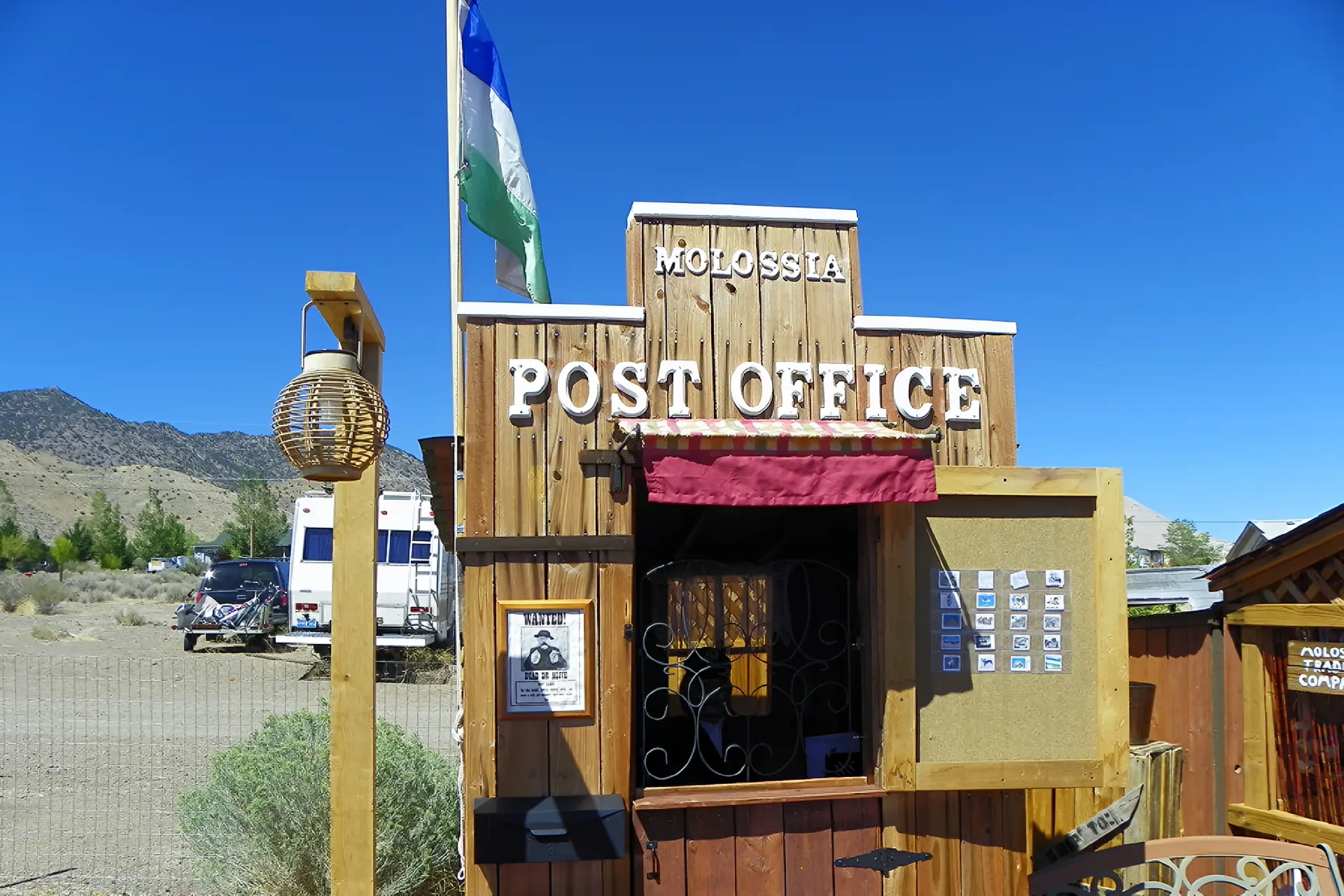
- Δημοκρατία της Μολοσσίας (Νεβάδα, ΗΠΑ): Πιθανώς το πιο διάσημο μικροέθνος φιλικό προς τους τουρίστες. Η Μολοσσία καταλαμβάνει το μικρό σπίτι και την αυλή ενός ζευγαριού κοντά στο Ρίνο της Νεβάδα. Ο «Πρόεδρος» Κέβιν Μπό πραγματοποιεί προσωπικά ξεναγήσεις (μόνο κατόπιν ραντεβού) στο σπίτι, το μουσείο και το παλάτι, συνοδευόμενες από τελετουργικά παιχνίδια broomball και έπαρση σημαίας. Οι επισκέψεις πρέπει να προγραμματίζονται μέσω email, αλλά μόλις εγκριθούν, μπορείτε να περιπλανηθείτε στη «γη» μισού στρέμματος της Μολοσσίας για περίπου μία ώρα. Οι ξένοι επισκέπτες μπορούν να μείνουν έως και τρεις ώρες ως τουρίστες. Η Μολοσσία πουλάει επίσης αναμνηστικά όπως γραμματόσημα, χαρτονομίσματα και «πολεμικά ομόλογα» στις εγκαταστάσεις. Η περιήγηση στη Μολοσσία είναι ασφαλής και διασκεδαστική, αρκεί να ακολουθείτε τους κανόνες του ραντεβού.
- Πριγκιπάτο Seborga (Λιγουρία, Ιταλία): Η Σεμπόργκα είναι ένα χωριό στην κορυφή ενός λόφου κοντά στα γαλλικά σύνορα που υιοθέτησε μια ιδιότροπη διεκδίκηση ανεξαρτησίας πριν από δεκαετίες. Έχει τον δικό του πρίγκιπα, νόμισμα και τελετή σημαίας το Σάββατο, αλλά στην πραγματικότητα είναι απλώς μια γραφική ιταλική πόλη. Οι τουρίστες μπορούν να περιπλανηθούν ελεύθερα όπως οπουδήποτε στην Ιταλία: να αγοράσουν αναμνηστικά με την ετικέτα «Σεμπόργκα», να παρακολουθήσουν την εβδομαδιαία αλλαγή φρουράς και να πιουν καπουτσίνο στην γοητευτική πλατεία της. (Δεν απαιτείται διαβατήριο ή βίζα πέρα από την Ιταλία.) Επειδή το καθεστώς της Σεμπόργκα ως μικροέθνους δημιουργήθηκε κυρίως για τον τουρισμό, η επίσκεψη είναι ουσιαστικά η ίδια με την επίσκεψη στην ίδια τη Σεμπόργκα. Η τοπική αυτοδιοίκηση ενθαρρύνει ακόμη και τον τουρισμό: τα νομίσματα του μικροέθνους πωλούνται σε καταστήματα και η ιστορία είναι ένα σημείο τοπικής υπερηφάνειας.
- Δημοκρατία του Κοντς (Κι Γουέστ, Φλόριντα, ΗΠΑ): Τεχνικά μια μη αναγνωρισμένη αποσχισθείσα περιοχή, το Κι Γουέστ αυτοανακηρύχθηκε Δημοκρατία του Κοχύλι το 1982 ως διαμαρτυρία ενάντια σε ένα οδόφραγμα της αμερικανικής συνοριακής περιπολίας. Σήμερα είναι ένα τουριστικό εμπορικό σήμα: θα δείτε πινακίδες «Καλώς ορίσατε στη Δημοκρατία του Κοχύλι» στο αεροδρόμιο του Κι Γουέστ και μπλουζάκια παντού. Για να το επισκεφθείτε, απλώς κάντε διακοπές στο Κι Γουέστ. Δεν υπάρχει τέλος εισόδου ή συνοριακές διατυπώσεις. Η Δημοκρατία του Κοχύλι δεν είναι ένα κυρίαρχο μέρος με φυσικά σύνορα, απλώς μια παιχνιδιάρικη τοπική ταυτότητα. Ενδιαφέρον γεγονός: Το Κι Γουέστ διόρισε κάποτε έναν «Πρέσβη» για να τραβήξει την προσοχή του Τύπου. Στην πράξη, η επίσκεψη στη Δημοκρατία του Κοχύλι σημαίνει να τρώτε τηγανίτες κοχύλι, να βγάζετε selfies με τον πρεσβευτή τουρισμού και να απολαμβάνετε τη νυχτερινή ζωή των Φλόριντα Κις - όλα απολύτως νόμιμα σύμφωνα με τη νομοθεσία των ΗΠΑ.
- Δημοκρατία του Užupis (Βίλνιους, Λιθουανία): Το Ουζούπις είναι μια μποέμ γειτονιά στο Βίλνιους που μονομερώς «κήρυξε την ανεξαρτησία» την Πρωταπριλιά του 1997. Έχει ένα ιδιότροπο καταστατικό αναρτημένο σε έναν τοίχο, τη δική της σημαία και μάλιστα πρόεδρο. Στην πραγματικότητα λειτουργεί όπως οποιαδήποτε περιοχή τέχνης του Βίλνιους. Οι τουρίστες μπορούν να περπατήσουν στο Ουζούπις κατά βούληση (τα «συνοριακά» περάσματα είναι απλώς φιλικές καμάρες), να διαβάσουν ιδιόμορφες εγκαταστάσεις τέχνης και ίσως να ρίξουν ένα νόμισμα στο σιντριβάνι αγγέλου για καλή τύχη. Η αυτοανακηρυγμένη δημοκρατία συχνά φιλοξενεί φεστιβάλ δρόμου. Δεν απαιτούνται ειδικές άδειες, καθώς η Λιθουανία διοικεί πλήρως την περιοχή.
- Πριγκιπάτο της Ποντίνχα (Μαδέρα, Πορτογαλία): Η Ποντίνια είναι ένα μικροσκοπικό νησί (στην πραγματικότητα ένας βράχος) κοντά στην πόλη Φουντσάλ στη Μαδέρα. Το 1903, μια τοπική εφημερίδα το ανακήρυξε «πριγκιπάτο» όταν εγκαταστάθηκαν εκεί κάποιοι Πορτογάλοι αξιωματικοί. Σήμερα διαθέτει μια μικρή λέσχη και ιστό σημαίας, αλλά δεν υπάρχουν κάτοικοι. Μπορείτε να το επισκεφθείτε με βάρκα από τη Φουντσάλ: τα τοπικά τουριστικά σκάφη το συμπεριλαμβάνουν ως ένα αξιοσημείωτο θέαμα. Δεν υπάρχει επίσημο τέλος εισόδου ή τελωνείο, και η «πριγκίπισσα» μερικές φορές φαίνεται να μοιράζει αυτοκόλλητα σε περίεργους επισκέπτες. (Εικόνα: μια καταχώρηση στη λίστα Atlas Obscura το αποκαλεί «μικροέθνος σε ένα μικρό νησάκι».) Ουσιαστικά, η Ποντίνια είναι απλώς μια ναυτική ιδιομορφία: ο καθένας μπορεί να κάνει ιστιοπλοΐα ή καγιάκ εκεί.
- Βασίλειο του νησιού Πίελ (Κούμπρια, Αγγλία): Αυτό το παλιρροιακό νησί στον κόλπο Morecambe αυτοαποκαλείται «βασίλειο». Τη δεκαετία του 1920, ένας ντόπιος ιδιοκτήτης παμπ διοργάνωσε μια τελετή στέψης βασιλιά του Piel για να προσελκύσει επισκέπτες. Κάθε καλοκαίρι, μια διαπολιτισμική γιορτή στέφει έναν «Βασιλιά του Piel» με ένα συμβολικό corroboree. Οι τουρίστες συνήθως έρχονται στο Piel με τα πόδια ή με βάρκα από το κοντινό νησί Walney. Η πεζοπορία κατά την άμπωτη διαρκεί 2-3 ώρες για κάθε διαδρομή. Η είσοδος στο Piel (και για να διεκδικήσετε το στέμμα σας) είναι δωρεάν, αλλά χρειάζεστε αντοχή και ένα διάγραμμα παλίρροιας. (Συμβουλή ασφαλείας: ελέγχετε πάντα τις παλίρροιες, καθώς η άμμος μπορεί να είναι θανατηφόρα.)
- Δημοκρατία Naminara (Νότια Κορέα): Το νησί Νάμι είναι ένα δημοφιλές πάρκο (επίσης διάσημο από τα γυρίσματα ενός κινηματογραφικού δράματος). Από το 2006, η διεύθυνση του πάρκου το έχει ονομάσει «Δημοκρατία της Ναμινάρα» για να διασκεδάζει τους τουρίστες. Εκδίδει πρωτότυπα διαβατήρια, γραμματόσημα και έχει έναν «πρόεδρο», αλλά είναι απλώς ένα αξιοθέατο θέρετρου. Οι επισκέπτες περνούν από ένα κιόσκι check-in όπου μπορείτε να πάρετε μια σφραγίδα αναμνηστικού διαβατηρίου. Το νησί δεν έχει συνοριοφύλακες - η πρόσβαση σε αυτό γίνεται μέσω ενός σύντομου φέρι από το Γκαπιόνγκ. Κορεάτες και ξένοι το επισκέπτονται εξ ορισμού. Τα διαβατήρια είναι μόνο αναμνηστικά εμπορεύματα.
- Πριγκιπάτο του Σίλαντ (επί τόπου) και Λίμπερλαντ (χωρίς επίσκεψη) – Όπως περιγράφεται παραπάνω, το Sealand και το Liberland είναι τεχνικά επισκέψιμα, αλλά ουσιαστικά απαγορευμένα: στο Sealand μόνο εάν βρείτε πλήρωμα ψαράδων και άδεια, και στο Liberland μόνο αψηφώντας την ασφάλεια των συνόρων. Δεν συνιστούμε να δοκιμάσετε κανένα από τα δύο χωρίς σοβαρό σχεδιασμό (ή νομικούς πονοκεφάλους).
- Δημοκρατία της Δυτικής Ακτής (Marie Byrd Land, Ανταρκτική): Η Δυτική Ακτή διεκδικεί ένα τεράστιο μέρος της μη διεκδικούμενης Ανταρκτικής και ευαισθητοποιεί την κοινή γνώμη για τα κλιματικά ζητήματα. Δεν έχει πολίτες που να ζουν εκεί όλο το χρόνο. Οι τουρίστες μπορούν να επισκεφθούν την Ανταρκτική σε αποστολές (π.χ. κρουαζιερόπλοια), αλλά θα πρέπει να κάνουν μια ειδική στάση για να προσγειωθούν σε «Δυτική Ακτή» (κάτι που απαγορεύεται ούτως ή άλλως από συνθήκη). Προς το παρόν, αυτός είναι περισσότερο ένας θεωρητικός προορισμός.
- Μεγάλο Δουκάτο της Φλάνδρας (Ανταρκτική): Ένα ακόμη περιβαλλοντικό μικροέθνος, που ξεκίνησε ως καλλιτεχνικό πρότζεκτ το 2008. Παρόμοια κατάσταση: θεωρητικά θα μπορούσατε να κάνετε πεζοπορία στα νησιά που διεκδικεί στην Ανταρκτική Χερσόνησο, αλλά στην πράξη θα συμμετείχατε απλώς σε μια επιστημονική κρουαζιέρα ή μια περιήγηση για το κλίμα.
Πέρα από αυτά, σχεδόν κάθε χώρα έχει έναν ή δύο επισκέπτες όπου οι άνθρωποι ισχυρίζονται ότι είναι μικροέθνος. Για παράδειγμα, το παραπάνω παράδειγμα του νησιού Piel, το «Asgaard - μια πόλη στον βυθό» (η λεγόμενη βυθισμένη πόλη στη Μαύρη Θάλασσα, μια ψεύτικη τουριστική κατάδυση) ή το πάρκο γλυπτικής Ladonia στη Σουηδία (ο καλλιτέχνης Lars Vilks κήρυξε τον χώρο του αγάλματός του ανεξάρτητο σε ένδειξη διαμαρτυρίας). Ενώ μπορείτε να ταξιδέψετε φυσικά σε αυτά τα σημεία (το πάρκο του Vilks είναι απλώς ένα φυσικό καταφύγιο στο οποίο μπορείτε να κάνετε πεζοπορία), καμία δεν απαιτεί τέλη εισόδου ή διαβατήρια πέρα από τα συνήθη πρωτόκολλα τουρισμού.
Συμβουλές σχεδιασμού για ένα ταξίδι σε μικροέθνη
Όταν επισκέπτεστε οποιοδήποτε αυτοαποκαλούμενο μικροέθνος, χρησιμοποιήστε την κοινή λογική:
- Δικαιώματα: Ελέγξτε εκ των προτέρων εάν χρειάζεται κοινοποιώ ο ιδρυτής ή ο επιστάτης. Για μέρη όπως η Μολοσσία, εσείς πρέπει Στείλτε email στον πρόεδρο για να κανονίσετε την επίσκεψή σας. Για άλλους προορισμούς όπως ο Ποντίνια ή ο Ναμινάρα, δεν απαιτείται άδεια πέρα από τα συνηθισμένα εισιτήρια ή κρατήσεις. Πάντα να είστε συντονισμένοι αντί να κρυφοκοιτάτε.
- Ταξιδιωτική εφοδιαστική: Πολλά μικροκράτη βρίσκονται σε απομακρυσμένα νησιά ή σε αμφισβητούμενη γη. Βεβαιωθείτε ότι έχετε ανθεκτικά σκάφη, εάν χρειάζεται, και ταξιδέψτε με τους ντόπιους. Για παράδειγμα, φτάστε στο Sealand μέσω ενός έμπειρου ψαρά στο Harwich, όχι πηδώντας σε οποιοδήποτε τυχαίο σκάφος. Εάν διασχίζετε διεθνή σύνορα (ακόμα και για να φτάσετε σε ένα μικροσκοπικό), έχετε μαζί σας τα διαβατήρια και τις βίζες σας. Στην περίπτωση του Liberland, τεχνικά θα διασχίζατε παράνομα είτε κροατικό είτε σερβικό έδαφος, κάτι που μπορεί να οδηγήσει σε πρόστιμα ή φυλάκιση.
- Νομική υπόσταση: Ακόμα κι αν ένα μέρος αυτοδιαφημίζεται ως ανεξάρτητο, να θυμάστε τίνος οι κανόνες ισχύουν στην πραγματικότητα. Το Σίλαντ βρίσκεται σε βρετανικά ύδατα - οπότε αντιμετωπίστε το σαν μέρος του Ηνωμένου Βασιλείου. Η Μολοσσία βρίσκεται σε κτηνοτροφική γη στη Νεβάδα - ο τοπικός νόμος υπερισχύει. Να γνωρίζετε ότι η πατρίδα σας και τυχόν διεθνείς συνθήκες (όπως η Συνθήκη της Ανταρκτικής) εξακολουθούν να σας δεσμεύουν. Σε περίπτωση αμφιβολίας, υποθέστε ότι πρέπει να ακολουθείτε τους νόμους της γύρω χώρας.
- Ασφάλεια: Πολλά μικροέθνη δεν διαθέτουν υπηρεσίες έκτακτης ανάγκης. Ο μοναχικός φροντιστής ή ένας φιλικός ψαράς δεν είναι ναυαγοσώστης ή γιατρός. Αν κάνετε πεζοπορία στο Πριγκιπάτο του Πιέλ, προσέξτε για κινούμενη άμμο. Αν κάνετε σκαρφάλωμα στο Ουζούπις, προσέξτε για πορτοφολάδες (είναι ακόμα αστικό). Να προετοιμάζετε πάντα τον καιρό, να γνωρίζετε τις διαδρομές εξόδου και να ενημερώνετε κάποιον άλλο για το δρομολόγιό σας.
- Εθιμοτυπία: Οι ιδρυτές μικροεθνικών τείνουν να είναι πολύ περήφανοι για τα έργα τους. Να αντιμετωπίζουν τα σύμβολά τους (σημαίες, μνημεία, διαβατήρια κ.λπ.) με σεβασμό, ακόμα και αν είναι ανεπίσημα. Εάν τραβάτε φωτογραφίες, ελέγξτε αν έχουν αντίρρηση. Οι περισσότεροι ιδιοκτήτες είναι πρόθυμοι να απαντήσουν σε ερωτήσεις, ειδικά σχετικά με περιηγήσεις ή παρελάσεις. Αγοράστε μερικά αναμνηστικά ή στείλτε ένα ευχαριστήριο μήνυμα για να τους υποστηρίξετε - άλλωστε, αυτά τα μέρη είναι πραγματικά χόμπι για τους πολίτες τους.
Κορυφαίες μικροέθνη για επίσκεψη (επιπλέον παραδείγματα)
Εκτός από αυτά που έχουν ήδη αναφερθεί, ακολουθούν μερικά ακόμη ενδιαφέροντα μικροσκοπικά μέρη όπου οι επισκέπτες μπορούν να επισκεφθούν χωρίς πρόβλημα:
- Δημοκρατία του Saugeais (Γαλλία): Μια μικρή περιοχή στην ανατολική Γαλλία γύρω από το Μονμπενουά αυτοανακηρύχθηκε «δημοκρατία» το 1947. Έχει έναν πρόεδρο που εμφανίζεται σε ετήσια τοπικά φεστιβάλ. Οι τουρίστες μπορούν να επισκεφθούν το χωριό Σοζέ όπως σε οποιαδήποτε γαλλική πόλη και μάλιστα να πάρουν σφραγίδα διαβατηρίου στο δημαρχείο για διασκέδαση. Είναι περισσότερο μια χιουμοριστική παράδοση του χωριού παρά μια πραγματική πρόκληση για τη Γαλλία.
- Γείτονες της Ελεύθερης Δημοκρατίας της Λίμπερλαντ (ανά ποτάμι): Αν σας γοητεύει η Λίμπερλαντ, σκεφτείτε να επισκεφθείτε τα κοντινά πραγματικά μέρη: διασχίστε κροατικές πόλεις όπως η Μπάτινα και περιηγηθείτε στον Δούναβη ή ταξιδέψτε στην πλευρά της Σερβίας στο Μπεζντάν και δείτε τις κλειδαριές. Και οι δύο πλευρές είναι προσβάσιμες με τα κανονικά ευρωπαϊκά ταξίδια και μπορείτε να αναλογιστείτε με ασφάλεια τη διαμάχη για τα μικροσυνοριακά ζητήματα από αυτές τις περιηγήσεις.
- Άλλες Ωκεάνιες Ίνες (ταξίδι 17 Νοεμβρίου): Το μικροέθνος του νησιωτικού Hutt River (Αυστραλία) υπήρχε για δεκαετίες, αλλά έπαψε να υπάρχει το 2020. Ήταν ένα δημοφιλές αξιοθέατο δίπλα στον δρόμο στη Δυτική Αυστραλία. Οι ταξιδιώτες μπορούσαν να σταματήσουν στο αγρόκτημα του πρώην βασιλιά, το οποίο είχε ένα μουσείο με αντικείμενα απόσχισης. Αν και δεν είναι πλέον ανεξάρτητο, ο χώρος παραμένει ένα ιδιόρρυθμο φωτογραφικό θέαμα.
- Πόλη της Χριστιάνια (Κοπεγχάγη, Δανία): Αυτή η αυτοδιοικούμενη γειτονιά (μερικές φορές ονομάζεται Freetown Christiania) είναι διάσημη για την εναλλακτική της κουλτούρα και έχει χαρακτηριστεί ως μικροκοινωνία. Είναι μια περιοχή της Κοπεγχάγης ανοιχτή στο κοινό: οι επισκέπτες μπορούν να περιπλανηθούν στους δρόμους, τις γκαλερί και τα βιολογικά καφέ της. Έχει τους δικούς της τοπικούς κανόνες (ταχύτητες ποδηλασίας, απαγορεύονται οι φωτογραφίες των πάγκων με κάνναβη), αλλά κατά τα άλλα οποιοσδήποτε τουρίστας μπορεί να μπαίνει και να βγαίνει ελεύθερα. Αν και δεν είναι «μικροέθνος» με αυστηρό ορισμό (η Δανία δεν έφυγε ποτέ), η Christiania συχνά προσελκύει το ενδιαφέρον των λάτρεις των μικροεθνών για τη μοναδική της κοινότητα.
- Λαντόνια (Κούλαμπεργκ, Σουηδία): Το πάρκο γλυπτικής στο Θαλάσσιο Φυσικό Καταφύγιο Kullaberg στη νότια Σουηδία «ανακηρύχθηκε ανεξάρτητο» από τον καλλιτέχνη Lars Vilks το 1996, αφού οι αρχές αντιτάχθηκαν στις καλλιτεχνικές του εγκαταστάσεις. Έχει περίπου 100.000 εγγεγραμμένους «πολίτες» στο διαδίκτυο, αλλά στο χώρο είναι απλώς μια προστατευόμενη φυσική περιοχή με δύο αμφιλεγόμενα γλυπτά («Nimis» και «Arx»). Οι πεζοπόροι μπορούν να επισκεφθούν και να δουν τα γλυπτά, καθώς και μια μικρή κατασκευή που ονομάζεται Government (αυτές είναι νομικά γκρίζες ζώνες), αλλά στην πράξη είναι απλώς μια βόλτα σε ένα εθνικό πάρκο. Δεν απαιτούνται βίζες ή τέλη πέραν των κανονισμών του πάρκου.
Το βασικό μοτίβο: τα περισσότερα από τα κορυφαία «τουριστικά» μικροέθνη είναι είτε σκόπιμα τουριστικά αξιοθέατα (Μολοσσία, Σοουγκέ, Σεμπόργκα) είτε ακίνδυνα τοπικά αξιοθέατα (Δημοκρατία της Κόνκ, Ουζούπις, Χριστιάνια). Η επίσκεψη σε αυτά είναι ασφαλής και νόμιμη εφόσον ακολουθείτε τους συνήθεις ταξιδιωτικούς κανόνες της χώρας υποδοχής. Το Σίλαντ και το Λίμπερλαντ παραμένουν αξιοσημείωτες εξαιρέσεις που δεν είναι ανοιχτά στον περιστασιακό τουρισμό.
Οικονομικά & Μοντέλα Εσόδων

Πώς πληρώνουν τους λογαριασμούς τα μικροέθνη; Είναι ενδιαφέρον ότι πολλά χρηματοδοτούνται μέσω πωλήσεις και τουρισμός αντί για φόρους:
- Αναμνηστικά και συλλεκτικά αντικείμενα: Τα γραμματόσημα, τα κέρματα, τα χαρτονομίσματα, τα διαβατήρια και τα μπλουζάκια είναι δημοφιλή. Για παράδειγμα, η Molossia λειτουργεί μια «τράπεζα» που πουλάει πολύχρωμα χαρτονομίσματα και μια ταχυδρομική υπηρεσία που πουλάει γραμματόσημα και καρτ ποστάλ. Οι άνθρωποι τα αγοράζουν ως καινοτομίες ή επενδύσεις και τα χρήματα πηγαίνουν στη συντήρηση. Η Liberland έχει πουλήσει κέρματα και γραμματόσημα ειδικής έκδοσης, ακόμη και NFT (ψηφιακά μάρκες τέχνης) σε υποστηρικτές. Η Sealand φημίζεται για την πώληση «τίτλων ευγενείας» και ιπποτικών τίτλων ως τουριστικά είδη.
- Τουρισμός και Δωρεές: Micronations often rely on tourist fees or donations. Seborga sells coin replicas of its lira. Molossia’s tours encourage visitors to shop at its weird gift shop. Hutt River used to sell admission stickers and stamps until 2020. Some micros host conventions or competitions (e.g. Conch Republic Days festival). Liberland calls what it raises “Donations & taxation” – largely voluntary contributions from citizens – and reported about $1.5 million in 2023 income from such sources.
- Ψηφιακά και Κρυπτονομίσματα: Μερικές πολύ μικρές επιχειρήσεις έχουν πειραματιστεί με το blockchain. Η Liberland επενδύει σχεδόν το 99% των τραπεζικών της κεφαλαίων σε Bitcoin και έχει τα δικά της έργα κρυπτονομισμάτων. Το Βασίλειο του Βόρειου Σουδάν (ένα μικροέθνος του διαδικτύου) κάποτε εξέδωσε ένα κρυπτονόμισμα. Αυτά είναι εξειδικευμένα, αλλά αντανακλούν τα ιδανικά των φιλελεύθερων ιδρυτών.
- Τέλη Επιχειρήσεων και Εγγραφής: Ορισμένες μικροεθνείς αξιοποιούν επιχειρηματικές δομές πραγματικού κόσμου. Για παράδειγμα, οι εταιρείες του Sealand διέθεταν στην αγορά μετοχές, άδειες χρήσης και φιλοξενία δεδομένων που μπορούν να ληφθούν με δυνατότητα λήψης (το Sealand προσπάθησε να γίνει ένας παράκτιος παράδεισος δεδομένων). Ενώ αυτό δεν έχει μετατρέψει το Sealand σε τεχνολογικό κόμβο, ορισμένες μικροεπιχειρήσεις εγγράφονται ως μη κερδοσκοπικοί οργανισμοί ή εταιρείες σε μια επίσημη χώρα για διοικητικούς σκοπούς (π.χ. το Πριγκιπάτο της Φρεντονίας αναφέρεται ως ΜΚΟ στη Μαλαισία). Γενικά, όμως, οι περίπλοκες διεθνείς δραστηριότητες σπάνια αποδίδουν.
- Εκδηλώσεις: Μερικοί χρεώνουν για μεγάλες εκδηλώσεις. Η Μολοσσία διοργανώνει ένα γαμήλιο πακέτο με τίτλο «Γάμος του Αιώνα». Το νησί Πιελ διοργανώνει την ετήσια συντομότερη πτήση στον κόσμο από το Κέρκμπι Λόνσντεϊλ για να γιορτάσει την ορκωμοσία του «βασιλιά». Αυτά είναι διασκεδαστικά κόλπα, αλλά μέτριες πηγές εσόδων.
Συνολικά, τα οικονομικά των μικροεθνών είναι μικρής κλίμακας και συχνά συμβολικά. Τα περισσότερα από τα κεφάλαια προέρχονται από την προσωπική περιουσία των ιδρυτών ή των εθελοντών. Για παράδειγμα, ο Roy Bates χρηματοδότησε προσωπικά τις δραστηριότητες και τα σπίτια της Sealand. Ο Jedlička χρησιμοποίησε τα μέσα κοινωνικής δικτύωσης και ένα δίκτυο φιλελεύθερων για να εξασφαλίσει αρχικό κεφάλαιο για τη Liberland. Οι ιδρυτές μικροεθνών συχνά βλέπουν τις επιχειρήσεις τους ως... χόμπι ή πολιτικούς σκοπούς, επομένως τα επιδοτούν από την τσέπη τους ή από την καλή θέληση της κοινότητας. Τα προϊόντα (γραμματόσημα, κέρματα, διαβατήρια) συνήθως τιμολογούνται ως συλλεκτικά είδη και όχι ως επίσημη χρησιμότητα.
Πολιτιστική Ζωή Μέσα σε Μικροέθνη

Παρά το μικρό τους μέγεθος, τα μικροέθνη συχνά καλλιεργούν έναν εκπληκτικό βαθμό πολιτιστικής ταυτότητας. Οι «πολίτες» αυτών των μικροσκοπικών πολιτειών κυμαίνονται από λίγους πραγματικούς κατοίκους έως χιλιάδες διαδικτυακούς υποστηρικτές. Ακολουθούν ορισμένα κοινά πολιτιστικά χαρακτηριστικά:
- Πληθυσμοί και Ιθαγένεια: Στις περισσότερες περιπτώσεις, πραγματικοί μόνιμοι κάτοικοι είναι πολύ λίγοι. Το Sealand έχει το πολύ δύο επιστάτες που ζουν στον πύργο. Ο πληθυσμός της Molossia αποτελείται ουσιαστικά από τον ιδρυτή και την οικογένειά του. Ο ποταμός Hutt ήταν μόνο ένα οικογενειακό αγρόκτημα στην Αυστραλία. Το Liberland έχει σήμερα μηδέν πραγματικούς κατοίκους (αφού η Κροατία αρνείται την εγκατάσταση). Ωστόσο, αυτά τα μικροέθνη συχνά έχουν χονδρικές υπηκοότητεςΗ Μολοσσία, η Σεμπόργκα ή η Δημοκρατία του Κοχύλιου έχουν χιλιάδες πολίτες και τουρίστες - αλλά αυτοί οι άνθρωποι ζουν κυρίως σε άλλες χώρες. Για παράδειγμα, ο ιστότοπος του «Υπουργείου Εξωτερικών» της Μολοσσίας απαριθμεί πάνω από χίλιους επίτιμους πολίτες από όλο τον κόσμο που έχουν εγγραφεί ως Μολοσσοί (συνήθως απλώς συμπληρώνοντας μια φόρμα). Αυτοί οι πολίτες εκτός της χώρας δεν έχουν δικαίωμα ψήφου σε τοπικό επίπεδο, αλλά πληρώνουν συνδρομές ή αγοράζουν εμπορεύματα για να υποστηρίξουν το μικροέθνος.
- Εθνικά σύμβολα: Σχεδόν κάθε μικροέθνος δημιουργεί μια σημαία, ένα οικόσημο, ένα νόμισμα και γραμματόσημα. Το Sealand έχει τη δική του σημαία (ένα κόκκινο και μαύρο τετράγωνο) και μάλιστα ένα εθνικό σύνθημα. Το Liberland έχει μια τριχρωμία πράσινου-λευκού-κίτρινου και εκδίδει έναν εθνικό ύμνο στο YouTube. Πολλοί έχουν δημιουργήσει οικόσημα που εμφανίζονται σε διαβατήρια και κέρματα. Η Molossia έχει το δικό της νόμισμα (το «Valora») συνδεδεμένο με το δολάριο ΗΠΑ. Κάποιοι κόβουν αναμνηστικά κέρματα - π.χ. τα μάρκες «Merit» του Liberland ή τα χάλκινα στέμματα του Gyal.
- Ύμνοι, Γιορτές και Αθλητικά: Ορισμένα μικροέθνη εφευρίσκουν εθνικές ημέρες ή αθλήματα. Η Μολοσσία έχει μια γιορτή σε ολόκληρη την αυτοκρατορία που ονομάζεται «Μολοσσική Πρωτοχρονιά» τον Αύγουστο, και το δικό της άτυπο άθλημα «μπρούμμπολ» σε γήπεδο μπάσκετ. Η Χριστιάνια διοργανώνει μουσικά φεστιβάλ. Η Σεμπόργκα έχει τη Γιορτή του Αγίου Βερνάρδου (του προστάτη τους) με παρελάσεις. Το Πριγκιπάτο του Σίλαντ κάποτε «χορηγούσε» δουκικούς τίτλους, ακόμη και γραμματόσημα που απεικόνιζαν αγίους και βασιλικά μέλη. Αυτές οι παραδόσεις δημιουργούν ένα αίσθημα κοινότητας: ένα διαδικτυακό φόρουμ ή μια ετήσια συγκέντρωση όπου οι άνθρωποι φορούν σημαίες και τραγουδούν τραγούδια.
- Ιδρύματα και Εκδηλώσεις: Τα μικροέθνη μερικές φορές διοργανώνουν εκλογές (ακόμα και αν είναι άνευ νοήματος). Η Λίμπερλαντ έχει διεξάγει δημόσια δημοψηφίσματα για βασικούς νόμους μέσω ηλεκτρονικής ψηφοφορίας. Κάποια έχουν κανονίσει γάμους μεταξύ των κρατών (ο «Γάμος του Αιώνα» στη Μολοσσία ή ο γάμος του Πρίγκιπα Μιχαήλ με την πριγκίπισσά του το 1999 από τον Σίλαντ). Λέσχες, εφημερίδες και ιστότοποι χρησιμεύουν ως τα «μέσα» τους. Στην περίπτωση... ενεργός μικροί (Μολοσσία, Δημοκρατία της Κοχύλιας), οι άνθρωποι συμμετέχουν πραγματικά: μπορείτε να ψηφίσετε συμβολικά ή να τους εκπροσωπήσετε σε μια συνέλευση.
Είναι αυτοί «πραγματικοί πολίτες»; Κυρίως όχι με καμία νομική έννοια. Οι πολίτες των μικροεθνών γενικά παραμένουν πολίτες των πραγματικών χωρών τους. Το να είσαι «πολίτης» της Liberland σημαίνει ότι έχεις λάβει ένα σφραγισμένο βιβλιάριο από την Πράγα ή ένα κρυπτογραφικό πάσο, όχι βίζα. Δεν υπάρχει διεθνές νομικό σύστημα πίσω από αυτό. Ωστόσο, εντός της κοινότητας του μικροέθνους, αυτοί οι πολίτες μπορεί να αντιμετωπίζονται με τιμές (τίτλους, επίσημα καθήκοντα). Μπορεί να είναι διασκεδαστικό για τους συμμετέχοντες - στη Μολοσσία μπορείτε να γίνετε αξιωματούχος της κυβέρνησης ή να λάβετε ένα τιμητικό σήμα. Το Sealand είναι γνωστό ότι χρίζει ιππότη σε ανθρώπους (για να πουλήσει «ιππότες»).
Η αξία των σημαιών, των ύμνων και των γραμματοσήμων είναι κυρίως συμβολική ή συλλεκτική. Τα γραμματόσημα του Sealand ή του Hutt River μπορεί να εμφανίζονται σε φακέλους προς φίλους ή στο eBay, αποφέροντας μερικά δολάρια. Το διαβατήριο της Λιβερλάνδης είναι τυπωμένο σε πλαστικό χαρτόνι, αλλά εκτός από έργα τέχνης δεν θα σας οδηγήσει πουθενά. Αυτά τα αντικείμενα έχουν μια αξία υποκουλτούρας: οι συλλέκτες θα πληρώσουν για μοναδικά αναμνηστικά μικροέθνους. Αλλά κρατούν... καμία αξία νομίσματος εκτός αυτής της εξειδικευμένης αγοράς. Μάλιστα, ορισμένες χώρες προειδοποιούν ότι η χρήση διαβατηρίου μικροέθνους σε επίσημα ταξιδιωτικά έγγραφα μπορεί να σας φέρει σε μπελάδες (θα πρέπει πάντα να χρησιμοποιείτε το κανονικό σας εθνικό διαβατήριο).
Μικροέθνη στα ΜΜΕ, την Τέχνη και τον Ακτιβισμό

Το φαινόμενο των μικροεθνών συχνά συγχέεται με καλλιτεχνικά έργα, ακτιβισμό και σάτιρα. Πολλά μικροέθνη δεν ξεκίνησαν ως πρακτικές προσπάθειες για εθνική υπόσταση αλλά ως μέσα διαμαρτυρίας ή performance:
- Σάτιρα και Διαμαρτυρία: Το Πριγκιπάτο του Χατ Ρίβερ, για παράδειγμα, ήταν ουσιαστικά μια διαμαρτυρία κατά των αυστραλιανών νόμων περί σιταριού. Ο ιδρυτής αυτοαποκαλούνταν πρίγκιπας για να χρησιμοποιήσει τα παραθυράκια του μεσαιωνικού νόμου. Αυτό δημιούργησε δημοσιότητα και όχι πραγματική ανεξαρτησία. Ομοίως, η προέλευση του πειρατικού ραδιοφώνου του Σίλαντ ήταν εν μέρει διαμαρτυρία κατά των μονοπωλίων ραδιοτηλεοπτικών εκπομπών. Καλλιτεχνικά έργα όπως το Ladonia στη Σουηδία (δημιουργήθηκε από τον καλλιτέχνη Λαρς Βιλκς) είναι σατιρικά - η διεκδίκηση της ανεξαρτησίας της Ladonia ακολούθησε μια τοπική διαμάχη για τα γλυπτά του καλλιτέχνη σε ένα φυσικό καταφύγιο.
- Ακτιβισμός για το Περιβάλλον και το Κλίμα: Ορισμένα μικροέθνη επιδιώκουν ρητά να επιστήσουν την προσοχή σε παγκόσμια ζητήματα. Το Μεγάλο Δουκάτο της Φλάνδρας και η Δημοκρατία της Δυτικής Ακτής διεκδικούν τμήματα της Ανταρκτικής σε ένδειξη διαμαρτυρίας για την κλιματική αλλαγή. Η Πολωνική Δημοκρατία των Παγετώνων (μια πρωτοβουλία της Greenpeace) κήρυξε τμήματα της Χιλιανής Παταγονίας εκτός κυκλοφορίας σε ένδειξη αλληλεγγύης με τα δικαιώματα των ιθαγενών και τα περιβαλλοντικά ζητήματα. Αυτά τα μικροέθνη συχνά εκδίδουν δηλώσεις όπως οι πραγματικές χώρες, χρησιμοποιώντας τον συμβολισμό της κρατικής υπόστασης για να υποστηρίξουν πολιτικές. Μερικές φορές διοργανώνουν διεθνείς «συναντήσεις» ή εκδίδουν ψηφίσματα τύπου ΟΗΕ για να προσθέσουν θεατρικό βάρος στους σκοπούς τους.
- Εικονικά/Κυβερνο-έθνη: Στην εποχή του διαδικτύου, ορισμένα μικροέθνη είναι εξ ολοκλήρου διαδικτυακά. Παραδείγματα περιλαμβάνουν το Bitnation, έναν «αστερισμό δικτυακών κρατών» που βασίζεται σε blockchain, και διάφορες διαδικτυακές προεδρικές εκλογές για μικροέθνη χωρίς καθόλου γη. Ενώ αυτές σπάνια συνοδεύονται από φυσική επικράτεια, βοηθούν στην εκδήλωση ιδεαλιστικών κοινοτήτων. Ακόμη και η Wikipedia έχει χαρακτηρίσει την Asgardia (ένα φερόμενο ως «διαστημικό έθνος» που εκτοξεύτηκε σε δορυφόρο) «κυβερνο-μικροέθνος».
- Παρουσίαση από τα μέσα ενημέρωσης: Τα κυρίαρχα μέσα ενημέρωσης συχνά αντιμετωπίζουν τα μικροέθνη ως διασκεδαστικές ιδιορρυθμίες. Τα επιχειρηματικά και ταξιδιωτικά μέσα τα έχουν παρουσιάσει ως ταξιδιωτικές περιέργειες ή ιστορίες ανθρώπινου ενδιαφέροντος. Για παράδειγμα, το Condé Nast Traveler παρουσίασε το Liberland ως ένα διασκεδαστικό δημοσιογραφικό άρθρο (με επίκεντρο την προσωπικότητα του Jedlička), αλλά δεν έδωσε καμία συνέχεια στις νομικές πτυχές. Τα podcast και τα ντοκιμαντέρ έχουν εξετάσει τους ιδιοκτήτες του Sealand ή τη γέννηση του Liberland. Ο συνολικός τόνος είναι συνήθως ελαφρύς και θαυμάζει την εφευρετικότητα. Οι αναλυτές πολιτικής τείνουν να απορρίπτουν τα μικροέθνη ως έχοντα ελάχιστη επίδραση στον πραγματικό κόσμο. Ένα σχόλιο του Stratfor χαρακτήρισε το Liberland «μια περίεργη περίπτωση» με αμελητέες συνέπειες, σημειώνοντας ότι η συμβατική πολιτική τέχνη εξακολουθεί να κυριαρχεί στη γεωπολιτική.
Στην ποπ κουλτούρα, τα μικροέθνη εμφανίζονται επίσης ως μεταφορές. Η επιστημονική φαντασία ή το πολιτικό θέατρο τα αναφέρουν ως παραδείγματα ακραίων φιλελεύθερων έργων ή σατιρικών μικροκρατών. Εμπνέουν συζητήσεις για την κυριαρχία, την ταυτότητα και τη φύση της κρατικής υπόστασης, ακόμη και αν κανένας σοβαρός μελετητής δεν προβλέπει μια πραγματική επιτυχία απόσχισης. Ηθικά, αυτά τα μικροέθνη εγείρουν ερωτήματα: καθώς τα μικροέθνη αναπτύσσονται (ειδικά τα εικονικά), τι γίνεται αν αμφισβητήσουν τα καθιερωμένα σύνορα ή προσελκύσουν εκτοπισμένους; Κάποιοι τα βλέπουν ως εργαστήρια διακυβέρνησης - προς το καλύτερο ή το χειρότερο. Άλλοι τα βλέπουν ως φαντασιώσεις απόδρασης ή θέατρο διαμαρτυρίας.
Μελέτες Περιπτώσεων Αναγνώρισης & Νομική Ανάλυση

Γιατί έχει σημασία η αναγνώριση; Στο διεθνές δίκαιο, το να είσαι αναγνωρισμένο κράτος παρέχει δικαιώματα: προσχώρηση σε συνθήκες, ίδρυση πρεσβειών, χρήση του διεθνούς δικαστηρίου κ.λπ. Τα μικροέθνη δεν έχουν κανένα από αυτά τα προνόμια. Οι αξιώσεις τους παραμένουν μόνο ηθικές ή συμβολικές.
Πάρτε για παράδειγμα το Sealand: Ο Roy Bates κάποτε επεσήμανε την επίσκεψη ενός Γερμανού διπλωμάτη το 1978 ως μια de facto αναγνώριση, αλλά νομικά, η Γερμανία (και κάθε άλλη χώρα) δεν αναγνώρισε ποτέ επίσημα το Sealand. Το Sealand εμφανίζεται ακόμη και στα ρεκόρ Guinness, αλλά όχι στο βιβλίο του ΟΗΕ. Ομοίως, η κυβέρνηση του Liberland συνεχίζει να διατυμπανίζει τις συνεχιζόμενες συζητήσεις και τις θεωρητικές συμφωνίες, αλλά μέχρι σήμερα... ούτε μία χώρα έχει υπογράψει μια δήλωση αναγνώρισης. Όταν μελέτες για τη Liberland δημοσιεύθηκαν σε νομικά περιοδικά, οι συγγραφείς σημειώνουν ομόφωνα ότι το de jure καθεστώς της είναι μηδενικό: δεν πληροί σχεδόν κανένα από τα κριτήρια του Μοντεβιδέο και οι επαφές της με εξωτερικές κυβερνήσεις δεν έχουν οδηγήσει σε καμία συνθήκη.
Αντίθεση με ασυνήθιστες περιπτώσειςΗ Σομαλιλάνδη κήρυξε την ανεξαρτησία της από τη Σομαλία το 1991, έχει τη δική της λειτουργική κυβέρνηση και πληθυσμό, αλλά εξακολουθεί να μην έχει επίσημη αναγνώριση (αν και μερικές χώρες έχουν άτυπους δεσμούς). Αυτό είναι το υψηλότερο επίπεδο ενός «αυτοανακηρυχθέντος κράτους» πριν από την πλήρη αναγνώριση. Τα μικροέθνη είναι συνήθως πολύ πιο αδύναμες διεκδικήσεις. (Είναι ενδιαφέρον ότι το Bir Tawil παραμένει ένα από τα λίγα πραγματικά terra nullius σήμερα, αλλά κανείς δεν έχει δημιουργήσει με επιτυχία ένα διαρκές κράτος εκεί. Διάφορα άτομα το ανακήρυξαν Βασίλειο του Bir Tawil, αλλά αυτό δεν κράτησε - καταδεικνύοντας πώς τα απομακρυσμένα και εχθρικά εδάφη δεν αποτελούν συντόμευση για μια χώρα.)
Δεν υπάρχει προηγούμενο για τη μετατροπή ενός μικροέθνους σε πλήρως αναγνωρισμένη χώρα. Το πλησιέστερο ανάλογο μπορεί να είναι οι ιστορικές αποσχίσεις: π.χ. το Μπαγκλαντές αποσχίστηκε από το Πακιστάν μετά τον πόλεμο (με μαζική διεθνή εμπλοκή) ή οι πολλές αλλαγές στην Ανατολική Ευρώπη μετά την ΕΣΣΔ. Αλλά καμία από αυτές δεν ήταν ένα μεμονωμένο έργο βάσης. Η μόνη περίπτωση ενός κράτους που εξελίχθηκε σε πλήρες μέλος παρά τις αντιξοότητες ήταν το Ισραήλ (σύγκρουση μετά τον Β' Παγκόσμιο Πόλεμο, τεράστια γεωπολιτική, όχι ένα μικροσκοπικό φρούριο ή ένα δασικό τεμάχιο). Κάθε παράδειγμα νέας επιτυχημένης κρατικής υπόστασης έχει γίνει μέσω μεγάλων πολιτικών κινημάτων ή διαδικασιών που υποστηρίζονται από τον ΟΗΕ.
Έτσι, η νομική συναίνεση είναι ότι τα μικροέθνη παραμένουν μη αναγνωρισμένα. Μπορεί να επιτύχουν περιορισμένες δεσμεύσεις - π.χ. η Λίμπερλαντ να συνομιλεί με την Αργεντινή του κ. Μιλέι - αλλά χωρίς επίσημη συνθήκη, κανένα δεν είναι πραγματικό κράτος. Μπορούν να αγοράσουν αμοιβαία αναγνώριση μεταξύ τους (ο Σίλαντ και δεκάδες άλλοι ανταλλάσσουν μερικές φορές «πρεσβευτές»), αλλά αυτό είναι περισσότερο ιδιωτικό κλαμπ παρά διεθνές δίκαιο. Όπως καταλήγει απερίφραστα μια νομική κριτική: Καμία αναγνωρισμένη χώρα δεν θα χάσει την κυριαρχία της επιτρέποντας σε ένα μικροέθνος να υπάρχει υπό την επίβλεψή της.
Ηθική & Διεθνείς Επιπτώσεις

Τι θα γινόταν αν εκατοντάδες μικροέθνη διεκδικούσαν γη αύριο; Η γενική άποψη είναι ότι αυτό δεν θα ανέτρεπε την παγκόσμια τάξη. Τα περισσότερα μικροέθνη είτε εξαφανίζονται είτε παραμένουν τουριστικά αξιοθέατα. Υπάρχουν όμως ορισμένα ηθικά και πολιτικά ερωτήματα που αξίζει να σκεφτούμε:
- Υποχρεώσεις των πολιτών έναντι δικαιωμάτων: Ας υποθέσουμε ότι ένα μικροέθνος απέκτησε περισσότερους πολίτες (ακόμα και εικονικούς). Χρωστάνε αυτοί οι «πολίτες» κάτι στην πραγματική χώρα; Συνήθως όχι: η ιδιότητα του μέλους είναι εθελοντική, επομένως κάποιος μπορεί να την αποποιηθεί ανά πάσα στιγμή. Από την άλλη πλευρά, εάν ένας πολίτης μιας μικροχώρας διαπράξει έγκλημα στο έδαφος μιας πραγματικής χώρας (ή αντίστροφα), τα τοπικά δικαστήρια συνήθως εξακολουθούν να ισχύουν. Τα μικροέθνη δεν μπορούν να προσφέρουν άσυλο ή διαβατήρια που επιτρέπουν σε κάποιον να παρακάμψει την πραγματική μετανάστευση. Αυτό εγείρει ερωτήματα ανθρωπίνων δικαιωμάτων: θα μπορούσε κάποιος να διεκδικήσει την υπηκοότητα της μικροχώρας για να εγκαταλείψει τη χώρα του; Στην πράξη όχι, επειδή η χώρα υποδοχής θα τον μεταχειριστεί σύμφωνα με την εθνική νομοθεσία.
- Σύνορα και πρόσφυγες: Οι μικρο-πολιτείες σχεδόν ποτέ δεν περιλαμβάνουν μεταβίβαση εδαφών. Συνήθως επιλέγουν μέρη που άλλοι παραμελούν. Ένα ακραίο παράδειγμα ήταν το «Βασίλειο της Καρδινάλια», ένα φανταστικό μικροέθνος που διεκδίκησε βρετανικά υπερπόντια εδάφη ως μορφή διαμαρτυρίας. Δεν βρήκε καμία νομική βάση. Εάν ένα μικρο-έθνος άρχιζε να προσελκύει έναν πραγματικό πληθυσμό (π.χ. κλιματικούς πρόσφυγες), θα μπορούσε να εγείρει ανθρωπιστικά ερωτήματα. Θα μπορούσε μια υπεράκτια πλατφόρμα να επανεγκαταστήσει ανθρώπους; Πιθανώς μόνο εάν ένα μεγαλύτερο κράτος συμφωνούσε να το επιτρέψει. Μέχρι στιγμής, κανένα μικροέθνος δεν έχει αμφισβητήσει το δίκαιο περί προσφύγων ή ιθαγένειας σε ουσιαστικό βαθμό.
- Κλίμα και νέες πολιτείες: Ένα θέμα που εμφανίζεται μερικές φορές είναι τα μικροέθνη που διεκδικούν δικαιώματα λόγω της κλιματικής αλλαγής. Για παράδειγμα, ορισμένοι νησιώτες του Ειρηνικού θεωρούν ότι μπορούν να σχηματίσουν ένα μικροέθνος σε παράκτια υψηλότερα εδάφη για να διατηρήσουν την κυριαρχία τους σε περίπτωση που το σπίτι τους βυθιστεί. Το διεθνές δίκαιο δεν είναι προετοιμασμένο για βυθισμένα κράτη, αλλά τα μικροέθνη μπορεί να επισημάνουν τις αντιφάσεις (αν εξαφανιστούν τα χωρικά ύδατα, τι θα συμβεί;). Αυτά είναι περισσότερο πειράματα σκέψης παρά πραγματικές προτάσεις, αλλά δείχνουν πώς τα μικροέθνη μπορούν να αναδείξουν ακραίες περιπτώσεις στην πολιτική.
- Κυριαρχία στον κυβερνοχώρο: Με τις εικονικές κοινότητες και το ψηφιακό νόμισμα, τα μικροέθνη δημιουργούν μεταφορές σχετικά με την διαδικτυακή «κυριαρχία». Έργα όπως το Bitnation ισχυρίζονται ότι χρησιμοποιούν blockchain για διακυβέρνηση χωρίς σύνορα. Ενώ προς το παρόν τέτοια πράγματα δεν αναγνωρίζονται από τις κυβερνήσεις, η υποκείμενη ένταση είναι πραγματική: πώς αντιμετωπίζουμε τις εικονικές οντότητες; Τεχνικά παραμένουν υπό τις δικαιοδοσίες όπου βρίσκονται οι διακομιστές ή οι διοργανωτές. Αλλά είναι ένας χώρος που πρέπει να παρακολουθούμε, καθώς η τεχνολογία αλλάζει τις αντιλήψεις μας για την ιθαγένεια.
Συνολικά, η ηθική διάσταση είναι ελάχιστη σύμφωνα με τους ισχύοντες διεθνείς κανόνες: κανένα μικροέθνος δεν απειλεί ζητήματα κρατικής υπόστασης ή προσφυγικές κρίσεις. Αν μη τι άλλο, μπορούν να έχουν θετική εκπαιδευτική αξίαΠαίζοντας με την κρατική υπόσταση, οι ιδρυτές και οι οπαδοί τους μαθαίνουν για τη γεωγραφία, το δίκαιο και τη διακυβέρνηση. Μας υπενθυμίζουν πόσο αυθαίρετα μπορούν να είναι τα σύνορα και πόσο η κρατική υπόσταση είναι επιτελεστική. Ηθικά, οι περισσότερες δραστηριότητες των μικροεθνών φαίνονται καλοήθεις (ή στη χειρότερη, παιδαριώδεις). Η κατάσταση που πρέπει να παρακολουθήσουμε θα ήταν αν ένα μικροέθνος γινόταν καταφύγιο για παράνομες δραστηριότητες (ξέπλυμα χρήματος, μη εξουσιοδοτημένη φιλοξενία δεδομένων κ.λπ.), οπότε οι χώρες υποδοχής θα μπορούσαν να λάβουν μέτρα όπως έκαναν με τα διαβατήρια Sealand.
Τελικά, τα μικροέθνη παραμένουν γενικά γοητευτικές ιδιορρυθμίες που υπογραμμίζουν την πολυπλοκότητα των συνόρων και της εθνικής υπόστασης στη σύγχρονη εποχή. Το «μέλλον» τους πιθανότατα θα συνεχιστεί ως κυρίως συμβολικές χειρονομίες με μικρές κοινότητες, εκτός εάν μια άνευ προηγουμένου πολιτική εξέλιξη αναδείξει ένα πραγματικό κράτος (κάτι που φαίνεται εξαιρετικά απίθανο).
Ερωτήσεις και απαντήσεις
Τι είναι ένα μικροέθνος έναντι μιας χώρας; Ένα μικροέθνος είναι μια αυτοανακηρυχθείσα οντότητα που μιμείται μια χώρα αλλά δεν έχει επίσημη αναγνώριση ή κυριαρχία σε διεθνώς αναγνωρισμένο έδαφος. Μια κυρίαρχη χώρα αναγνωρίζεται από άλλα κράτη και συνήθως πληροί κριτήρια όπως μόνιμος πληθυσμός και αποτελεσματική κυβέρνηση. Τα μικροέθνη μπορούν να εκδίδουν διαβατήρια και να διεξάγουν «εκλογές», αλλά καμία από αυτές τις ενέργειες δεν έχει νομική ισχύ πέρα από το ίδιο το μικροέθνος.
Πόσα μικροέθνη υπάρχουν; Οι εκτιμήσεις ποικίλλουν. Σύμφωνα με ορισμένες μετρήσεις, πάνω από 50 Σήμερα υπάρχουν ενεργά μικροέθνη, πιθανώς έως και μερικές εκατοντάδες, αν συμπεριλάβουμε και πολύ μικρές αξιώσεις. Ωστόσο, τα περισσότερα είναι πολύ μικρά ή βραχύβια. Τα πιο γνωστά (Σίλαντ, Λίμπερλαντ, Μολοσσία κ.λπ.) είναι μόνο δεκάδες.
Σύμβαση του Μοντεβιδέο – εφαρμόζεται; Τα τέσσερα κριτήρια της Σύμβασης του Μοντεβιδέο (πληθυσμός, έδαφος, κυβέρνηση, διπλωματική ικανότητα) περιγράφουν ένα κράτος. Τα μικροέθνη συνήθως δεν πληρούν τουλάχιστον ένα: π.χ. το Σίλαντ δεν έχει σχεδόν καθόλου πληθυσμό και το Λίμπερλαντ δεν έχει καμία εξουσία διακυβέρνησης στο έδαφός του. Ακόμα κι αν ένα μικροέθνος πληρούσε υποθετικά αυτά τα κριτήρια, η ίδια η Σύμβαση πληροί... δεν υποχρεώνουν άλλα κράτη να χορηγήσουν αναγνώρισηΣτην πραγματικότητα, πολλοί νομικοί εμπειρογνώμονες λένε ότι η ικανοποίηση του Μοντεβιδέο θα ήταν ανεπαρκής χωρίς πολιτική αποδοχή.
Πού ακριβώς βρίσκεται το Σίλαντ; Στα ανοιχτά των ανατολικών ακτών της Αγγλίας, 11–13 χλμ. από τη θάλασσα. Βρίσκεται στον Πύργο Roughs, ένα παλιό φρούριο της εποχής του πολέμου. Η πλησιέστερη στεριά είναι το Suffolk/Essex, αλλά πρέπει να πάρετε βάρκα για να φτάσετε εκεί.
Ποιος ίδρυσε το Sealand και γιατί; Ο Ταγματάρχης Πάντι Ρόι Μπέιτς, ένας επιχειρηματίας πειρατικού ραδιοφώνου, το ίδρυσε το 1967. Ήθελε να μεταδίδει ραδιοφωνικά προγράμματα εκτός των βρετανικών κανονισμών. Όταν μια αντίπαλη πειρατική ομάδα προσπάθησε να καταλάβει το φρούριο, ο Μπέιτς τους εκδίωξε και ανακήρυξε το Πριγκιπάτο του Σίλαντ στις 2 Σεπτεμβρίου 1967.
Είναι το Σίλαντ μια πραγματική χώρα; Αναγνωρισμένη; Όχι. Το Σίλαντ δεν αναγνωρίζεται από κανένα κράτος μέλος του ΟΗΕ. Αυτοαποκαλούνταν χώρα, αλλά νομικά είναι απλώς μια υπεράκτια πλατφόρμα. Το Ηνωμένο Βασίλειο αργότερα επέκτεινε τα χωρικά του ύδατα για να το συμπεριλάβει, επομένως η Βρετανία το θεωρεί βρετανικό έδαφος. (Η Γερμανία έστειλε εκεί έναν διπλωμάτη το 1978, αλλά αυτό δεν ήταν επίσημη αναγνώριση.)
Μπορείτε να επισκεφθείτε το Σίλαντ; Μόνο με άδεια. Δεν υπάρχει δημόσιο φέρι. Οι επισκέψεις κανονίζονται μέσω της κυβέρνησης του Sealand κατά περίπτωση. Στην πράξη, οι άνθρωποι έχουν φτάσει στο Sealand προσλαμβάνοντας ντόπιους ψαράδες (όπως τα ταξίδια του Joe Hamill). Από άποψη ασφάλειας, είναι γενικά ασφαλές αλλά απομακρυσμένο. Ο κίνδυνος προέρχεται κυρίως από τα ταξίδια με βάρκα. Σίγουρα χρειάζεστε επίσημη έγκριση για να μπείτε στο φρούριο.
Εκδίδει η Sealand διαβατήρια, χαρτονομίσματα, γραμματόσημα; Είναι έγκυρα; Ναι, αλλά δεν ισχύει διεθνώςΤο Sealand εξέδωσε τα δικά του διαβατήρια, γραμματόσημα, ακόμη και ένα νόμισμα. Ωστόσο, αυτά είναι αναμνηστικά. Η ΕΕ αποκάλεσε τα διαβατήρια του Sealand «φανταστικά διαβατήρια» και το Sealand τα απέσυρε το 1997 εν μέσω σκανδάλου. Τα νομίσματα και τα γραμματόσημα του υπάρχουν μόνο ως συλλεκτικά αντικείμενα. Κανένα από αυτά δεν έχει καμία νομική υπόσταση για ταξίδια ή εμπόριο στον πραγματικό κόσμο.
Τι συνέβη στην επίθεση στο Σίλαντ το 1978; Το 1978, ένας Γερμανός (Αλεξάντερ Άχενμπαχ) που είχε διαβατήριο Σίλαντ προσπάθησε να αγοράσει το Σίλαντ και στη συνέχεια χρησιμοποίησε μισθοφόρους για να του επιτεθεί ενώ ο Ρόι Μπέιτς βρισκόταν στο εξωτερικό. Ο Μάικλ Μπέιτς, γιος του Ρόι, πιάστηκε όμηρος για λίγο, αλλά υπερίσχυσε των εισβολέων και τους συνέλαβε. Η κατάσταση επιλύθηκε αφού μια γερμανική διπλωματική αποστολή διαπραγματεύτηκε την απελευθέρωσή τους. Ο Μπέιτς στη συνέχεια ισχυρίστηκε την επίσκεψη του Γερμανού απεσταλμένου ως αναγνώριση, αλλά η Γερμανία δεν αναγνώρισε επίσημα το Σίλαντ.
Ποιο είναι το νομικό καθεστώς του Sealand μετά την επέκταση των υδάτων του Ηνωμένου Βασιλείου; Όταν το Ηνωμένο Βασίλειο επέκτεινε τα χωρικά του ύδατα στα 12 ναυτικά μίλια το 1987, το Sealand τέθηκε υπό την κυριαρχία του Ηνωμένου Βασιλείου. Νομικά, αυτό σημαίνει ότι εφαρμόζεται το βρετανικό δίκαιο. Ορισμένοι αναλυτές σημειώνουν ότι επειδή το Sealand είναι μια τεχνητή πλατφόρμα (όχι φυσική γη), πιθανότατα δεν θα πληρούσε ούτε καν τους βρετανικούς νομικούς ορισμούς της κρατικής υπόστασης. Σήμερα, το Sealand υπάρχει περισσότερο ως κληρονομιά: η οικογένεια Bates κατέχει και κατοικεί στη δομή, αλλά το Ηνωμένο Βασίλειο θα μπορούσε θεωρητικά να τους απαιτήσει να ακολουθούν τους νόμους του σχετικά με την πλατφόρμα.
Ποιος κατέχει και διευθύνει τώρα το Sealand; Μετά τον θάνατο του Ρόι Μπέιτς το 2012, ανέλαβε ο γιος του, Μάικλ. Ο Μάικλ αναγνωρίζεται εσωτερικά (από τους θαυμαστές και τους επιστάτες) ως «Πρίγκιπας Μάικλ». Επιβλέπει τα πάντα από την Αγγλία. Στην ίδια την πλατφόρμα, δύο διορισμένοι επιστάτες ζουν επί τόπου σε εναλλασσόμενες βάρδιες. Ο εγγονός του Ρόι επισκέπτεται περιστασιακά. Συνολικά, το Sealand εξακολουθεί να διοικείται από την οικογένεια Μπέιτς ως ένα είδος κληρονομικού πριγκιπάτου, αλλά με ένα προσωπικό που κάνει τη συντήρηση.
Πού ακριβώς βρίσκεται η Λίμπερλαντ (Γκόρνια Σίγκα); Η περιοχή του Liberland αποτελείται από μια έκταση πλημμυρικής πεδιάδας έκτασης 7 km² κατά μήκος του ποταμού Δούναβη. Βρίσκεται στην Κροατία πλευρά του ποταμού, δίπλα στο χωριό Μάλι Ζντέντσι. Η περιοχή αποτελείται κυρίως από δάση και αμμόλοφους. Ουσιαστικά πρόκειται για μια λωρίδα γης που η Κροατία και η Σερβία αμφισβητούσαν στη συμφωνία τους για τα σύνορα του 1947 – καμία από τις δύο χώρες δεν τη θεωρούσε δική της, με αποτέλεσμα η Γέντλιτσκα να τη διεκδικήσει.
Ποιος ίδρυσε τη Λίμπερλαντ και γιατί; Ο Βιτ Γέντλιτσκα, Τσέχος ακτιβιστής υπέρμαχος των φιλελεύθερων, ίδρυσε την Liberland τον Απρίλιο του 2015. Επέλεξε το σημείο πιστεύοντας ότι ήταν αζήτητο (terra nullius). Ο Γέντλιτσκα υποκινούνταν από την ιδεολογία του για ελάχιστο κράτος και προσωπική ελευθερία. Οραματιζόταν την Liberland ως φορολογικό παράδεισο για επιχειρηματίες με οικονομία βασισμένη στα κρυπτονομίσματα. Με λίγα λόγια, ήθελε να ξεκινήσει μια χώρα που να αντανακλά τα φιλελεύθερα ιδανικά σε γη που πίστευε ότι κανείς δεν κατείχε.
Αναγνωρίζεται η Λίμπερλαντ από κάποια χώρα; Όχι. Μηδενικές χώρες αναγνωρίζουν επίσημα τη Λίμπερλαντ. Τόσο η Κροατία όσο και η Σερβία το έχουν απορρίψει: Η Κροατία το χαρακτήρισε «προκλητικό» και συλλαμβάνει όποιον προσπαθεί να εισέλθει, και η Σερβία χαρακτήρισε τον ισχυρισμό ασήμαντο. Ακόμη και οι τσεχικές αρχές προειδοποίησαν τους πολίτες να μην ταξιδεύουν εκεί. Η Λίμπερλαντ δεν έχει συνάψει διπλωματικές σχέσεις με καμία χώρα του ΟΗΕ. Στην πράξη, η κροατική κυβέρνηση εξακολουθεί να διαχειρίζεται τη γη που ισχυρίζεται ότι υπάρχει εκεί και θα επιβάλλει τους δικούς της νόμους, αγνοώντας την ύπαρξη της Λίμπερλαντ.
Πώς μπορώ να γίνω πολίτης του Λίμπερλαντ; Μπορείτε κάντε αίτηση online στον ιστότοπο της Liberland. Οποιοσδήποτε πληροί τις προϋποθέσεις (γενικά χωρίς ποινικό μητρώο, συμφωνία με τις αρχές της ελάχιστης διακυβέρνησης) μπορεί να υποβάλει αίτηση. Από το 2024, περίπου 1.200 άτομα έχουν εγγραφεί και πληρώσει για διαβατήρια υπηκοότητας. Η Jedlička προσέφερε υπηκοότητα σε όποιον διέμενε φυσικά στη Gornja Siga για μια εβδομάδα. Αλλά να θυμάστε ότι η υπηκοότητα της Liberland είναι συμβολική: δεν αντικαθιστά την πραγματική σας υπηκοότητα και δεν παρέχει κανένα νομικό δικαίωμα.
Μπορείτε να επισκεφθείτε τη Λίμπερλαντ; Ποιος ελέγχει την πρόσβαση; Στην πράξη, Όχι, τουλάχιστον όχι νόμιμα. Η Κροατία ελέγχει τη γη και δεν επιτρέπει στους ανθρώπους να περάσουν. Έχουν συχνά μπλοκαρισμένη πρόσβαση και συνέλαβαν όσους προσπάθησαν να εισέλθουν στην περιοχή. Ακόμα και η είσοδος με ποταμόπλοιο μπορεί να οδηγήσει στη σύλληψή σας, όπως έκαναν ορισμένοι το 2015 και μετά. Η Κροατία αντιμετωπίζει οποιαδήποτε είσοδο ως παράνομη διέλευση των συνόρων σύμφωνα με τη νομοθεσία της. Η Σερβία έχει επίσης δικαιοδοσία στην απέναντι όχθη, επομένως καμία πλευρά δεν επιτρέπει τον ισχυρισμό. Έτσι, δεν μπορείτε να επισκεφθείτε νόμιμα τη Λίμπερλαντ χωρίς να παραβιάσετε τη νομοθεσία της Κροατίας (ή/και της Σερβίας).
Ποιο είναι το πολιτικό και οικονομικό μοντέλο του Λίμπερλαντ; Επισήμως, η Λίμπερλαντ είναι ένα αυτοαποκαλούμενο ελευθεριακό κράτος. Ο Γέντλιτσκα και η προσωρινή κυβέρνησή του προωθούν ελάχιστη κυβέρνηση, flat or no taxes, and voluntary, digital-era governance. They aimed to use cryptocurrencies, issuing their own tokens (“Merit”), and accepting Bitcoin donations. Economically, Liberland’s “government” says it funds itself via voluntary taxation of investors and donors. By 2023 it reported about $1.5 million in revenue (primarily from donations) and virtually all reserves in Bitcoin. There’s no real economy on Gornja Siga (no agriculture, no industry) – the model relies entirely on digital and remote activities.
Ποιες νομικές προκλήσεις ή συνοριακές διαφορές επηρεάζουν το Λίμπερλαντ; Το κύριο πρόβλημα είναι η συνοριακή διαμάχη Κροατίας-Σερβίας γύρω από τον Δούναβη. Καμία πλευρά δεν θέλει να παραιτηθεί από την Γκόρνια Σίγκα, επομένως η Κροατία (η αρχή του άνω Δούναβη) επιβάλλει αυστηρό έλεγχο. Νομικά, τα κροατικά δικαστήρια έχουν επανειλημμένα επιβεβαιώσει ότι η παράνομη είσοδος στη ζώνη είναι αξιόποινη. Η κροατική κυβέρνηση κήρυξε την Λίμπερλαντ «προκλητική» κίνηση και έχει δείξει ότι θα χρησιμοποιήσει βία εάν χρειαστεί. Η Σερβία, η οποία τεχνικά δεν διεκδικεί την Γκόρνια Σίγκα, δεν έχει παρέμβει στρατιωτικά, αλλά τη θεωρεί ασήμαντη. Στο μεγάλο σχέδιο, η Λίμπερλαντ έθεσε ερωτήματα σχετικά με τα όρια των ποταμών, αλλά η διεθνής συναίνεση είναι ότι το ζήτημα βρίσκεται μεταξύ Κροατίας και Σερβίας, όχι μιας νέας χώρας. Ορισμένοι ακαδημαϊκοί του διεθνούς δικαίου υποστήριξαν ότι ο ισχυρισμός της Λίμπερλαντ δεν είχε βάση βάσει των υφιστάμενων συνθηκών.
Πρόσφατες εξελίξεις στο Liberland (ηγεσία, κρυπτογραφικές συνεργασίες): Από τις αρχές του 2024, ο Γέντλιτσκα παραμένει αρχηγός του κράτους (Πρόεδρος της Λίμπερλαντ). Η κυβέρνηση διεξήγαγε τις πρώτες επίσημες εκλογές της (για ένα «Κογκρέσο») τον Οκτώβριο του 2024, οι οποίες διαφημίζονταν ως ψηφοφορία μέσω blockchain. Έχουν επιδιώξει συνεργασίες στον τομέα των κρυπτονομισμάτων: συγκεκριμένα, σημείωσαν πρόοδο με την κυβέρνηση της Αργεντινής (υποστηρίζοντας την αμοιβαία αναγνώριση και τις επενδύσεις σε κρυπτονομίσματα) μετά την εκλογή του Μιλέι, αν και δεν προέκυψε επίσημη συνθήκη. Η Λίμπερλαντ έχει επίσης αρχίσει να προωθεί επιχορηγήσεις γης (υποσχόμενη να πουλήσει οικόπεδα στην Γκόρνια Σίγκα, κάτι που παραμένει φιλόδοξο). Στην πράξη, αυτές οι κινήσεις προσελκύουν κυρίως την προσοχή των μέσων ενημέρωσης. Η κροατική καταστολή (κατεδάφιση στρατοπέδων τον Σεπτέμβριο του 2023) μείωσε την επιτόπια δραστηριότητα, επομένως προς το παρόν οι εξελίξεις είναι κυρίως διπλωματικές και διαδικτυακές.
Ποιος είναι ο πληθυσμός του Σίλαντ και του Λίμπερλαντ; Και οι δύο έχουν ουσιαστικά μηδενικός άμαχος πληθυσμόςΤο Sealand συνήθως έχει μόνο 1-2 άτομα (φροντιστές) που ζουν εκεί. Το Liberland έχει χωρίς μόνιμους κατοίκους καθόλου, αφού κανείς δεν μπορεί να εγκατασταθεί νόμιμα στην Γκόρνια Σίγκα. Και τα δύο μικροέθνη βασίζονται σε μέλη που ζουν αλλού. Αν υπολογίσετε τους υποστηρικτές, η Liberland ισχυρίζεται ότι έχει πάνω από ένα εκατομμύριο εγγραφές, αλλά κανένας από αυτούς δεν μετακόμισε στην πραγματικότητα εκεί.
Έχουν αναγνωριστεί ή ενσωματωθεί πρόσφατα κάποια μικροέθνη; Η μόνη κοντινή περίπτωση ήταν αυτή της Αυστραλίας. Πριγκιπάτο του Χατ Ρίβερ, το οποίο οικειοθελώς διαλύθηκε το 2020 και επανενώθηκε με την Αυστραλία για φορολογικούς λόγους. Δεν αναγνωρίστηκε ποτέ ως ανεξάρτητη, αλλά έθεσε τέλος στην αξίωσή της. Πέρα από αυτό, κανένα μικροέθνος δεν έχει κερδίσει αναγνώριση. Ορισμένοι ακτιβιστές στα σύνορα με το Θιβέτ και στη Νότια Ασία προσπάθησαν να σχηματίσουν νέες οντότητες (π.χ. κυβέρνηση εξορίας του Θιβέτ), αλλά αυτά είναι σύνθετα πολιτικά ζητήματα, όχι μικροοικονομικά ζητήματα. Ο γενικός κανόνας είναι ότι τα καθιερωμένα κράτη φυλάνε σταθερά τα σύνορά τους.
Σύναψη
Από τον μοναχικό πυργίσκο του Σίλαντ μέχρι το καταπράσινο νησάκι Λίμπερλαντ του Δούναβη, τα μικροέθνη αμφισβητούν τις αντιλήψεις μας για τα σύνορα και την κυριαρχία. Οδηγούνται από ονειροπόλους και εκκεντρικούς που θέτουν το ερώτημα: «Τι κάνει μια χώρα, πραγματικά;» Οι απαντήσεις είναι σύνθετες: νομιμότητα στο νόμο, ισχύς επί τόπου και, τελικά, αναγνώριση από τους άλλους. Προς το παρόν, τα μικροέθνη του κόσμου παραμένουν σε μεγάλο βαθμό μη αναγνωρισμένες καινοτομίες. Αλλά προσφέρουν πρόσφορο έδαφος για την περιέργεια. Ως ταξιδιώτες και πολίτες, η ενασχόληση μαζί τους - με σεβασμό και ασφάλεια - μπορεί να αποτελέσει ένα παράθυρο στην πολιτική φαντασία και το πνεύμα της αυτοδιάθεσης.