
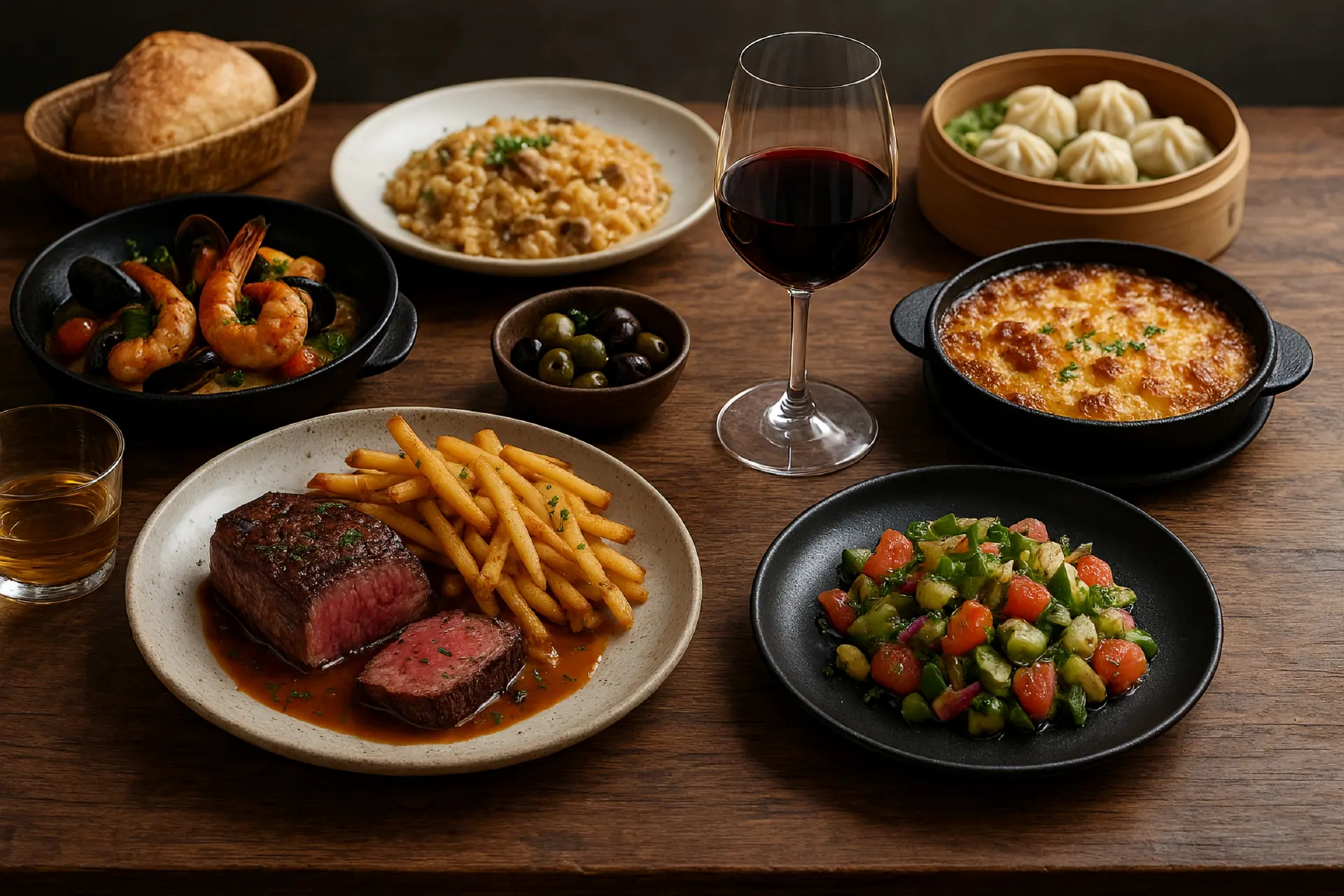

За много пътешественици днес чиниите са също толкова важни, колкото и местата. Кулинарният туризъм бързо се превърна във водеща тенденция в пътуванията: един отраслов доклад отбелязва, че „През 2025 г. пътуването е толкова свързано с чинията, колкото и с мястото“ с кулинарни преживявания, които оглавяват списъците с желания на пътуващите. Всъщност, проучванията показват, че близо девет от десет заможни пътешественици считат откриването на нови храни и гурме приключенията за много важни при избора на дестинация. Дори обикновените пътешественици планират около храненията: според проучване на Hilton от 2025 г., приблизително половината от туристите по света резервират ресторанти, преди да резервират полети, а 60% от луксозните пътешественици дават приоритет на хотели с отлично хранене на място.
- Защо да пътувате за храна? Възходът на гастрономическия туризъм
- Как да изберете следващата си дестинация за гурме
- Окончателният списък: Топ гастрономически дестинации, класирани и защо
- Мексико Сити — Съвременната класика среща древните традиции
- Лима — столицата на севичето в Южна Америка
- Токио — от щандовете за суши до соул храната
- Осака — Японската кухня: Меката на уличната храна
- Киото — вечни традиции и зелен чай
- Сан Себастиан (Испания) — Pinxos и Cider в Страната на баските
- Барселона — каталунско творчество в чиния
- Болоня и Тоскана (Италия) — Паста, пармезан и девствени вина
- Банкок — оживената улична кухня на Тайланд
- Ханой и град Хо Ши Мин — двойните хранителни скъпоценни камъни на Виетнам
- Пенанг и Куала Лумпур (Малайзия) — Улиците на подправките в тропиците
- Оахака (Мексико) — Моле, Мескал и Царевица
- Маракеш и Фес (Мароко) — пазари за подправки и тажини
- Кейптаун (Южна Африка) — Браай култура и винарски земи
- Кулинарни преживявания, които НЕ бива да пропускате
- Как да планирате и резервирате ваканция за гурме
- Пари и бюджетиране за кулинарни пътувания
- Безопасност, здраве и хранителни нужди
- Сезонен и фестивален календар
- Шпаргалки за квартали и пазари
- Съвети за опаковане, логистика и пътуване за гастрономи
- Пътуване за гурмани за различна аудитория
- Хранителни сувенири и митнически правила
- ЧЗВ
Накратко: храната се е превърнала в централен елемент от културата. Дегустацията на местни специалитети – независимо дали на оживени пазари или на изискани маси за хранене – потапя посетителите в историята и мястото. Това ръководство предоставя цялостно ръководство за пътувания, фокусирани върху храната: от вдъхновяващи дестинации и ястия, които задължително трябва да опитате, до практически съвети за планиране (примерни маршрути, съвети за бюджет, контролни списъци за резервации и насоки за безопасност). Независимо дали имате дни за разходки из пазарите или седмици за обиколка на региони, тук ще намерите подробни стъпки, за да превърнете кулинарните си фантазии в истинско, вкусно пътуване.
Защо да пътувате за храна? Възходът на гастрономическия туризъм
Пътуванията с цел кулинарни открития се развиха рязко през последните години. Някога ниша, „гастрономическият туризъм“ сега е глобална индустрия за XX милиарда долара (най-бързо развиващата се в луксозните пътувания). Храната разкрива душата на едно място: на количките на ъгъла на улицата или в семейните таверни, местните съставки и техники разказват истории за история, търговия и общност. Културата на хранене създава връзки отвъд границите, тъй като проучванията показват, че повечето хора предпочитат автентични, нови кулинарни преживявания в чужбина. На практика това означава, че менютата и пазарите все повече оформят планирането на пътуванията: пътуващите проучват регионални ястия, търговци и фестивали, както и работното време на музеите.
Кулинарният туризъм също е в съответствие с по-широките тенденции в пътуванията. Съвременните посетители търсят преживявания и завладяващи приключения: ученето на готвене на виетнамско къри или събирането на трюфели резонира по-дълбоко, отколкото отмятането на обикновени забележителности. Анализаторите отбелязват, че през 2025 г. пътуващите казват, че храната е основен мотиватор за избора на място за пътуване. В едно проучване 88% от анкетираните са оценили „откриването на нова храна или гурме приключения“ като важно или много важно при решенията си за пътуване. Междувременно, туроператорите отчитат нарастващо търсене на кулинарни турове, курсове по готвене и посещения на ферми. С други думи, храненето се е превърнало в толкова неразделна част от пътуването, колкото спането или разглеждането на забележителности.
В резултат на това дори традиционно популярните ваканционни дестинации рекламират своята привлекателност за храна. Основни пътеводители от Мишлен, Condé Nast Traveler, National Geographic, Ядец а други вече публикуват годишни списъци с най-добрите дестинации за храна, от световни градове до производители в провинцията. Въпреки че подобни обзори (и ресторантските пътеводители зад тях) открояват популярни ресторанти и улична храна, малко от тях отиват отвъд вдъхновението в реалното планиране на пътуване. Това ръководство има за цел да преодолее тази празнина: комбинира вдъхновяващо за пътешествия съдържание с практически, стъпка по стъпка съвети.
Как да изберете следващата си дестинация за гурме
С толкова много вкусни опции, как човек да избере къде да отиде? Всичко започва със съчетаването на вашите кулинарни интереси и нужди от пътуване. Запитайте се: Жадувате ли за разходки по улиците за закуски или за дегустационни менюта на изискани ресторанти? Искате ли да разгледате виното и съставките на даден регион или да се насладите на известните ястия на даден град? Има ли здравословни или диетични фактори, като алергии или вегетарианство, които трябва да вземете предвид? Отговорите ще ви насочат към най-подходящия вариант.
- Кухни и ниво на опит: Някои дестинации са известни с уличната храна и ежедневните вкусове, други - с висшата кухня с множество ястия. Например, нощните пазари и сергиите по тротоарите в Банкок предлагат пикантна, стопляща душата тайландска улична храна, докато в Киото или Сан Себастиан човек търси изискани традиции (кайсеки вечери, баски пинчос барове). Решете дали искате ежедневна местна храна или луксозна гастрономия. Можете дори да смесите и двете: много градове (Мексико Сити, Лима, Маракеш и др.) предлагат богата сцена за улична храна. и ресторанти от най-висок клас.
- Продължителност и бюджет на пътуването: По-дългите пътувания позволяват да се покрие по-голяма територия. Един уикенд в Токио може да покрие алеи с рамен и хранене с Мишлен; 10-дневно пътуване до Япония може да включва якитори, училище за суши в Осака и винен регион в Хокайдо. Ако времето е кратко, помислете за дестинации с висока гъстота на хранене (много добри ястия в един квартал). Бюджетът също е ключов: някои градове (Делхи, Ханой, Лисабон) могат да ви нахранят вкусно с $30–50/ден, докато други (Осака, Напа, Париж) могат да ви донесат $150/ден или повече, след като е включена изисканата кухня. Страниците с дестинации в това ръководство включват широки бюджетни диапазони, така че можете да планирате съответно.
- Сезон и време: Много гастро-идеи се въртят около сезонността. Например, посещението на Италия през октомври означава трюфели и младо вино; есента в Япония носи кайсеки с гъби мацутаке; пролетното пътуване до Мароко може да съвпадне с реколтата от цитрусови плодове и пазарите на подправки на открито. Проверете бележките „Най-добро време за посещение“ за всяко място по-долу – много градове също имат фестивали на храната (от панаири на сирене до екстравагантни морски дарове), с които си струва да се съобразите.
- Диетични ограничения: За щастие, световната кухня е по-приобщаваща от всякога. Почти всяка кулинарна столица вече предлага вегетариански/вегански опции (оризови ястия, къри, салати и др.), а много региони с мюсюлманско мнозинство или културно смесени региони предлагат изобилие от халал/кошер храна. Все пак, ако имате строги изисквания (алергии, безглутенова диета и др.), направете допълнително проучване. Потърсете местни специализирани магазини или приложения (напр. HappyCow или HalalTrip) и помислете за малки екскурзоводи или персонализирани турове за вашата диета. Включваме бележки под всяка дестинация относно вегетариански, алергенни или културни хранителни норми, където е уместно.
Накратко, изберете място, където вид Наличната храна е съобразена с това, което искате да ядете – и как искате да пътувате. Ако обичате сурова риба, Япония или крайбрежна Италия трябва да са начело в списъка ви. Ако мечтаете за ярки пазарни подправки и улично къри, Югоизточна Азия или Мексико може да ви повикат. След като имате няколко идеи, разгледайте техните практически профили по-долу: климатът, пиковият сезон и логистиката на пътуването също могат да повлияят на окончателното ви решение.
Окончателният списък: Топ гастрономически дестинации, класирани и защо
По-долу е нашият избор от световните кулинарни столици и региони, всеки с подробен мини справочник. За всяка представена дестинация (или сдвоен регион) разглеждаме:
- Задължително опитайте храни: емблематични местни ястия и напитки. (Ще намерите основните продукти, които можете да поръчате или да потърсите веднага, от улични закуски до празнични ястия.)
- Квартали и пазари: къде да се храните (от улици за храна и пазари до известни квартали за хранене).
- Примерен 3-дневен маршрут: как човек, който посещава града за първи път, би структурирал три пълни дни за кулинарно преживяване (време, хранене и странични посещения).
- Резервации и резервации: съвети за осигуряване на важни места (напр. колко време предварително да се резервира известен ресторант или местен етикет).
- Бюджетиране: приблизителни дневни разходи за пътуващи с бюджет/среден/луксозен клас.
- Местни съвети: всякакви здравни или културни бележки (като норми за бакшиши, нива на подправки, информация за алергени).
Този списък съчетава вечни фаворити с обещаващи дестинации. Дестинациите са групирани свободно по регион или тема. Прочетете го от кора до кора или преминете към мястото, което ви вдъхновява – всеки раздел е самостоятелен, но всички са свързани с общата цел на едно незабравимо кулинарно пътешествие.
Мексико Сити — Съвременната класика среща древните традиции
- Защо да тръгнете сега: Кулинарната репутация на Мексико Сити се е увеличила рязко. Той съчетава световна класа на високата кухня с оживена култура на уличната храна и пазарен живот. Известни готвачи (например от Пухол и Кинтонил) получават световно признание, но ще откриете също толкова ослепителни ястия и на местните пазари и такерии. ЮНЕСКО дори обяви мексиканската кухня за нематериално културно наследство благодарение на традиции като приготвянето на царевица, моле и барбакоа. Кварталите на Мексико Сити имат свои собствени вкусове: Поланко за луксозна фюжън кухня и изискана мексиканска кухня; Рома и Кондеса за модерни кафенета и такерии; Койоакан и Меркадо Ла Мерсед за класическа улична храна. Задължително опитайте ястия: Такос ал пастор (мариновани такос свинско месо), карнитас (задушено свинско месо), енчилади, мол поблано, кесадии, Тлакойос (пълнени маса кексчета), тост, чурос с горещ шоколад.
- Най-добрите квартали/пазари: Луксозните ресторанти на Polanco (не пропускайте Pujol или Quintonil, но резервирайте достатъчно предварително). За улични ястия се насочете към Roma Norte/Condesa (напр. залата за хранене Mercado Roma), Centro Histórico (Calle Regina taquerias, Historic Mercados) или колоритния пазар Coyoacán (опитайте tlacoyos и elotes). Огромните пазари La Merced и San Juan демонстрират регионални специалитети и насекоми (шапулини и др.). Забележка: Уличните колички обикновено са безопасни, ако има много хора и сервират топла храна – не забравяйте съветите на CDC: „Напълно сготвените храни, които се сервират топли... са най-безопасни“Пийте бутилирана вода или я преварявайте.
- Примерен 3-дневен маршрут: Ден 1: Сутрин в Ла Мерсед, дегустация на чилакилес и тлакойос; следобед такос ал пастор в Ел Уекито; следобед в Casa Azul (Койоакан) на Фрида Кало и чурос на площада. Вечер. изискана кухнярезервен Пухол или Кинтонил (с месеци напред). Ден 2: Закуска с тамалес и атол от улична сергия; посещение на Националния музей по антропология; обяд във фонда за мол поблано; вечеря с такос обиколка в Кондеса (такос де суадеро, кампечано и др.). Преднощна вечер: дегустация на мескал в Рома. Ден 3: Разходка с флотилия от пазари – например пазарът в Сан Хуан за екзотични меса, последвана от курс по готварство (научете се да правите тортили/моле). Вечеря: вечеря на покрива с гледка към силуета на града (тераса Тескоко или Лимоснерос).
- Резервации и бюджети: Пътуващите с ограничен бюджет могат да се насладят на улични такос и бързи закуски за $10–20/ден; среден клас (обикновени ресторанти, една хубава вечеря) ~$50; разточителни (ежедневна изискана кухня, частни обиколки) $150+. Общественият транспорт (Metro/Metrobús) е евтин и разнообразен; Uber/таксита има в изобилие за късни вечери. Бакшиш: 10–15% в ресторантите. Испанският е полезен, но много заведения говорят английски.
- Кога да отидете: Мексико Сити е страхотен през цялата година, но най-добрият ноември–април (сух сезон), за да се избегнат летните дъждове. Ноември е и празникът Денят на мъртвите (вижте раздела за Оахака за подробности). Лятото (юни – септември) е горещо с превалявания следобед, но пазарите и заведенията за хранене остават оживени.
- Местни бележки: Надморската височина на Мексико Сити (~2250 м) означава, че в началото ще се уморите лесно. Не се уморявайте в Ден 1. Хигиената на уличните сергии се е подобрила, но използвайте дезинфектант за ръце преди хранене. Вегетарианци? Много ресторанти и пазари предлагат такос и тамалес със сирене, яйца или зеленчуци. За алергии, имайте предвид, че къртица може да съдържа ядки и всичко може да е пикантно – попитайте дали имате нужда от по-меко.
Лима — столицата на севичето в Южна Америка
- Защо да тръгнете сега: Лима често е наричана „гастрономическа столица на Северна и Южна Америка“. Перуанската кухня съчетава местни съставки с японски, китайски и испански влияния. През 2023 г. Лима дори грабна първото място в списъка с 50-те най-добри ресторанта в света (Central). Освен изисканата кухня, уличните търговци и пазарите на Лима са емблематични: научете за севиче и неговите сродни ястия или опитайте десетки малки хапки на оживените Mercado de Surquillo или Mercado Central. Задължително опитайте ястия: Севиче (маринована сурова риба в цитрусови плодове), ломо салтадо (пържено говеждо месо с пържени картофи, соя), печено пиле (пиле на грил със зелен сос), антикучос (печени говежди сърца), Ахи де Галина (кремообразна пилешка яхния), картофи по Уанкайна (сирене-картофи), пикарони (сладки палачинки със сироп). Опитайте също писко сауърс, Националният коктейл на Перу.
- Квартали/пазари: Триъгълникът „Баранко – Мирафлорес – Сан Исидро“ е кулинарното сърце на Лима. В Мирафлорес ще намерите севичерии с морски дарове (La Mar, El Muelle) и модерни бистра. Бохемските улици на Баранко са изпълнени с фюжън заведения и местни заведения. Големите пазари на Лима (като Surquillo) предлагат най-пресните продукти и улични хапки (не пропускайте антикучос на малките сергии). За улични закуски опитайте нощните сергии на Avenida La Paz или около Parque Kennedy в Мирафлорес.
- Примерен 3-дневен маршрут: Ден 1: Сутрешна разходка в Мирафлорес, закуска хляб със свински кожички (сандвич с пържено свинско месо) от улични търговци. Обиколка на Mercado Surquillo в средата на сутринта (опитайте leche de tigre, севиче „супа“). Следобед в музея Larco (или каране на колело по крайбрежната пътека). Вечеря: класическа севичерия (Canta Rana или La Mar). Ден 2: Колониална обиколка на Barranco; обяд в ресторант Nikkei (перуанско-японски, напр. Maido - резервирайте 3+ месеца предварително). Вечер: гледайте криоля музика на живо с писко сауърсДен 3: Готварски курс, фокусиран върху севиче и кауса (ястие с картофи на пластове); късен обяд в местно заведение за фонда. Ахи де Галина или сухо агнешко (агнешка яхния). Нощен пазар или късна вечеря на сергиите за храна в Парк Кенеди.
- Резервации и бюджети: Лима е много достъпна. Обядите с улична храна могат да струват от $5 до $10, докато дегустационното меню на висок клас струва $100-150 на човек. Средният дневен бюджет е около $30-50. Такситата и споделеното пътуване са лесни (не е необходимо пазарлък, ако използвате приложения). Безопасност: Жителите на Лимена познават добре уличната храна, но все пак следват здравия разум (яжте горещо на оживени сергии). Носете тоалетна хартия и дезинфектант за ръце – много тоалетни на пазарите изискват заплащане.
- Кога да отидете: Най-доброто време е декември-април (слънчево лято). Зимите (май-октомври) са по-хладни и облачни, но все пак меки (освен ако не ви е нужно слънце). Аньо Нуево и Коледа са празнично време със специални менюта (папита, сладкиши). Лима е домакин на Седмица на гастрономията и кулинарен фестивал Мистура в края на лятото - любителите на храната могат да планират около тези събития за завладяващи преживявания.
Токио — от щандовете за суши до соул храната
- Защо да тръгнете сега: Токио си остава безспорна кулинарна столица. С повече звезди Мишлен от всеки друг град в света, асортиментът му е потресаващ: ще намерите рамен с вкус на нанбан в закусвалня, обяди от суши барове с конвейерна лента и безупречно кайсеки (многостепенна висша кухня). И все пак Токио не е само столицата на изисканата кухня на Япония; има толкова удоволствие в заведенията за якитори под железопътните линии или в димящите купички удон, колкото и в луксозното хранене. Задължително опитайте ястия: Суши (особено нигири и сашими), рамен (варианти на бульон шою, мисо или тонкоцу), темпура (хрупкави пържени морски дарове/зеленчуци), якитори (печени пилешки шишчета), кайсеки (сезонни дегустационни менюта), куче, мисо супаНе пропускайте японските утешителни храни като къри ориз или окономияки (солени палачинки) в специализирани райони.
- Квартали/пазари: Цукиджи (или новият му външен пазар) е задължителен за морски дарове и леки закуски – опитайте пресен омлет със суши нигири или тамаго-яки. Омоиде Йокочо в Шинджуку и Нонбей Йокочо в Шибуя са улички с малки якитори барове и магазинчета за юфка. За улични закуски и гьоза се отправете към пазара Амейоко в Уено. За луксозни ястия резервирайте маса в Гинза или Ропонги. Имате ли настроение за заведения в стил улична храна? Посетете депачика (заведения за хранене в мазето на универсалния магазин), като например в Исетан или Даймару – празник на готовата за консумация Япония.
- Примерен 3-дневен маршрут: Ден 1: Ранно посещение на външния пазар Цукиджи; опитайте прясно суши и гриловани миди. Сутрешна разходка в Асакуса (сензационна кифличка с боб) никума, магазин за сладкиши тайяки). Обяд в семейна сладкарница за рамен. Следобед: градините на Императорския дворец. Вечеря: дегустационно меню за кайсеки в Гинза (резервирайте седмици предварително). Ден 2: Сутрешен курс по готварство (научете техники за суши или темпура). Обяд в известна темпура къща (Daikokuya в Асакуса или Kimuraya на гара Токио). Вечер в Шинджуку: обиколка на якитори в Омоиде Йокочо; вечеря в саке бар. Ден 3: Посещение на Цукишима (алея за палачинки монджа-яки) или опитайте стендъп суши бар в Цукиджи. Разгледайте хранителните зали на Шибуя. Късна закуска: юфка удон близо до Токийския университет или окономияки в Акихабара.
- Резервации и бюджети: Япония може да е скъпа. Храната в магазините струва около $5. Обядът на място може да струва $10–20; небрежната вечеря изакая $20–40; суши или кайсеки с фиксирана цена лесно струват $100–200+. Планирайте предварително за популярните места – много ресторанти в Токио позволяват онлайн резервации 1-2 месеца предварително. Japan Rail Pass покрива метрото (въпреки че разходите за градския влак се заплащат допълнително); такситата са скъпи по западните стандарти. Забележка за етикета: Учтиво е да кажете „itadakimasu“ преди хранене и „gochisosama“ след това. Кофите за боклук са рядкост по улицата, така че бъдете готови да носите боклук, докато не намерите кошче.
- Кога да отидете: Пролет (края на март – април) за сезона на цъфтежа на черешите и мекото време. Есен (октомври – ноември) за есенна зеленина и най-пресните морски дарове (есенна жълтоопашата леща!). Лятото е горещо и влажно (фестивалите и фойерверките са бонус). Зимните тълпи намаляват, но щандовете за суши остават отлични през цялата година. Забележка: някои луксозни ресторанти затварят за 2 седмици през август за празника Обон, така че проверете наличността.
Осака — Японската кухня: Меката на уличната храна
- Защо да тръгнете сега: Осака гордо се нарича „кухнята на нацията“Земна и забавна, кулинарната му сцена е изградена върху улична храна и комфортна храна. Докато Токио набляга на формалността, Осака предлага обилни вкусове и непринудена бар култура. Тук ще се насладите на класиките. такаяки (октоподни топчета) и окономияки (солени палачинки) директно от количката. Осака също така може да се похвали с открояващи се магазини за рамен и изакая (кръчми), предлагащи всичко - от кушикацу (пържени шишчета) до сашими от октопод. Задължително опитайте ястия: Такояки (панирани топчета от октопод), Окономияки в стил Осака, кушикацу (панирани пържени шишчета от месо и зеленчуци), кицуне удон (юфка удон със сладко пържено тофу), шабу-шабу, якисоба, Моето убеждение (печени меса).
- Квартали/пазари: Не пропускайте Дотонбори в Намба: крайбрежен неонов квартал, пълен с улични търговци (потърсете големия билборд с човечето Глико). Опитайте такояки на оригиналния щанд Кукуру и опитайте рамен или якинику наблизо. Районът Умеда (Кита) предлага луксозни заведения за хранене, включително изискани щандове за суши. Пазарът Куромон Ичиба близо до Нипомбаши е „кухнята“ на Осака: разхождащи се сергии, продаващи пресни морски дарове, плодове и продукти – идеално място за обяд, където да се насладите на суши, пържени стриди и бао с пъпеш. За храна в бара до късно през нощта се отправете към Шинсекай: ретро районът на кулата Цутенкаку има десетки щандове за кушикацу (не забравяйте, по едно пържене на клечка, без двойно потапяне!).
- Примерен 3-дневен маршрут: Ден 1: Обиколка на уличната храна в Дотонбори (такояки, окономияки, портрет с гигантски рак, осветен с неонови светлини!). Обяд: удон в Умеда с кицуне (сладко тофу). Следобедно посещение на замъка Осака или небостъргача Умеда. Вечеря: вечер изакая в Ура Намба – опитайте кушикацу, след което завършете с печени шишчета от говеждо месо Кобе. Ден 2: Еднодневна екскурзия до Киото или Нара (и двете на около 1 час път) за храмове и специалитети от Киото (юдофу, сладкиши матча). Връщане в Осака за вечеря в стил Мишлен или якитори. Ден 3: Закуска на пазара Куромон (сашими, плодове, улично суши). Следобед в Аквариума в Осака или Спа Уърлд. Залез: Насладете се на барбекю якинику (пържола в корейски стил, приготвена на скара) в алеята Хозенджи Йокочо. Последни напитки в бар на покрива над светлините на Дотонбори.
- Кога да отидете: Осака има мек климат, подобен на Токио. Цъфтежът на черешите (март-април) и есенната зеленина (ноември) са прекрасни. Лятото е много горещо/влажно (но е време за фестивали - опитайте такаяки (в мацури). Зимата е хладна; обилните яхнии и горещото саке са страхотни след посещение на магазините за брашно Konamon (храна от брашно).
Киото — вечни традиции и зелен чай
- Защо да тръгнете сега: Киото е историческото сърце на Япония, а ресторантите му отразяват това наследство. Известен е с кайсеки (разработване на сезонни многостепенни менюта) и Риокан (традиционни ханове, сервиращи кайсеки вечери), Киото предлага и известни улични храни. Това е дом на традициите и церемониите по приготвяне на зелен чай (мача) юдофу (варено тофу) близо до древни храмове. Кухнята в Киото често е по-лека и елегантна в сравнение с изисканите ястия на Осака. Задължително опитайте ястия: Кайсеки, сладкиши от мача (мочи, сладолед), шабу-шабу, саба-зуши (суши ролца със скумрия), яцухаши (сладки оризови крекери), Чаванмуши (пикантен яйчен крем), окономиякиНасладете се и на регионални лакомства като Обанзай (домашно приготвени зеленчукови ястия) и дегустация на саке от близките пивоварни Фушими.
- Квартали/пазари: Известният пазар Нишики е „кухнята“ на Киото: алеи от сергии, продаващи кисели краставички, ястия с тофу, крокетчета от морски дарове и чайове. Не пропускайте бързо мача парфе или юба (кожа от тофу). За кайсеки или храмова кухня (шоджин рьори), резервирайте предварително в Гион или Понточо. Алеята Ханами-коджи в Гион има очарователни стари чаени (чоуани). Районите „Пътека на философите“ и „Арашияма“ имат чайни и малки заведения за хранене.
- Примерен 3-дневен маршрут: Ден 1: Сутрешно посещение на Кинкаку-джи (Златния павилион), след това пазар Нишики за улична закуска цукемоно (кисели краставички) и такаякиСледобедно посещение на храма Кийомидзу-дера; лека закуска с яцухаши (захаросани мочи с канела). Вечерна кайсеки вечеря в Гион. Ден 2: Разглеждане на Арашияма: започваме с юдофу (горещо тофу) близо до бамбуковата горичка. Обяд: соба юфка в традиционен магазин. Време за чай: опитайте церемония мача или сладкиши със зелен чай в кафене. Вечеря: шабу-шабу или сукияки (гореща тенджера) с говеждо месо по киотоски. Ден 3: Нишиджин или районът на Императорския дворец за туршии в Киото и Каринто (пържено тесто). Следобедна разходка край реката, насладете се якитори шишчета край водата. Финална вечеря: местна изакая със сашими (Киото също има добра прясна риба).
- Резервации и бюджети: Киото може да бъде толкова скъпо място за хранене, колкото Токио. Бюджетните пътешественици се наслаждават на магазини за хранителни стоки и пазарни закуски (~$20/ден), средния клас ~$50, луксозния ~$150+. Престоят в риокан (японски хан) с кайсеки вечери е разкош, но е от световна класа. Обърнете внимание, че ресторантите в Киото често затварят между обяд и вечеря. Не се очаква бакшиш.
Сан Себастиан (Испания) — Pinxos и Cider в Страната на баските
- Защо да тръгнете сега: Сан Себастиан е рай за пинчос. Този малък крайбрежен град в Страната на баските в Испания се гордее с висока плътност на гурме креативност – повече звезди Мишлен на глава от населението от почти всяко друго място. Но това, което всеки посетител обича, е обикалянето на барове за пинчос („малки хапки хляб“), съчетани с местно вино txakoli или сайдер. Уличките на стария град (Parte Vieja) смесват закуската с вечеря, тъй като тапас се сервират през целия ден. Отвъд града, близката провинция Гипускоа предлага сайдерови къщи и крайбрежни традиции с морски дарове. Задължително опитайте ястия: Приложи (закуска с аншоа на шишче), бакалао пил-пил (треска в чеснова емулсия), пържола (пържола), сандвичи с пинчо (напр. крокети, картофена тортила върху хляб), Баски чийзкейк (тарт с прегорял крем). Поръчайте рунд сайдер къща (закуски от сайдер): омлет от солена треска и тало (царевичен плосък хляб) с чоризо.
- Квартали/пазари: Ел Сентро (старият град) е кварталът с барове за пинчо – разходете се по улиците Естафета и 31 де Агосто от бар на бар. Посетете пазара Меркадо де ла Бреча или Сан Мартин сутрин за местни продукти (морски дарове, сирене Идиасабал). В района на плажа Ла Конча има луксозни ресторанти с морски дарове, ако искате живописна храна. За провинциални условия потърсете... txox (фестивал на сайдера) или плюнка (грил) извън града.
- Примерен 3-дневен маршрут: Ден 1: Сутрешна разходка по Плая де ла Конча; спирка за лека закуска закуска (местен омлет или аншоа). Пикник на плажа по обяд: вземете бокадийос (сандвичи) и продукти от пазара. Следобед: изкачване до Монте Ургул за гледки. Пинчос обикаля през Парте Виеха вечер: дегустация Гилдас, крокети, трескаОтпийте охладено тксаколи на всяка спирка. Ден 2: Баската къща за сайдер (Astigarraga) за гигантски пържола пържола и чоризо с рустик сайдер. Обяд в малко крайбрежно градче (вземете си пресен хек, калмари). Върнете се за пинчос, които сте пропуснали, и завършете с баски чийзкейк за десерт. Ден 3: Еднодневна екскурзия до Билбао (128 км). Разгледайте пазара Mercado de Ribera в Билбао и района Гугенхайм. Опитайте пинчос в стария град на Билбао, преди да се върнете.
- Кога да отидете: Април-юни и септември-октомври са с най-хубаво време и по-малко тълпи (летният плажен сезон може да бъде много натоварен). Ако е възможно, посетете в края на пролетта, когато уличните пинчо барове са оживени, а парковете цъфтят. Коледа е сезонът на празнични баски сладкиши (турон, марципан). Забележка: В неделя някои пазари и магазини са затворени; планирайте предварително за пресни храни.
Барселона — каталунско творчество в чиния
- Защо да тръгнете сега: Барселона съчетава първокласна гастрономия с непринудена култура на тапас. Каталунската кухня е гордо местна (представете си зехтин, вина, морски дарове от Средиземно море), но градът е и магнит за авангардни готвачи. Посетителите могат да се разходят между вековни пазари и модерни дегустационни менюта. Задължително опитайте ястия: Хляб с домат (доматен хляб), крема каталана (кремообразен десерт), попарен (салата от печен патладжан/чушка), наденица колбаси, разделяне (салата от осолена треска). Не пропускайте Иберийска шунка и местни тапас (patatas bravas, bombas). пийте кава (пенливо вино) и каталунски вермут от бъчва.
- Квартали/пазари: Пазарът Бокерия край Ла Рамбла е световноизвестен с пресни продукти и сергии за хамон. Квартал Ел Борн има уютни тапас барове и таверни с морски дарове. Барселонета (старото пристанище) сервира паеля и риба на скара близо до плажа. В Ешампле модерните ресторанти предлагат каталунска фюжън кухня. За нощна атмосфера кварталите Побле Сек и Грасия предлагат модерни барове и заведения за пинчо.
- Примерен 3-дневен маршрут: Ден 1: Закуска в Бокерия (пресен плодов сок, сладкиши). Разходка из Готическия квартал, хапване на тапас (манчего, бокеронес). Обяд: паеля близо до брега. Следобед в Саграда Фамилия и Каса Мила (ще ви се зарадва апетитът). Вечер: Каталунска вечеря с няколко ястия (резервирайте в предградията на Оспиталет или Ситжес). Ден 2: Каране на колело или разходка до Монтжуик, пикник със сирене и сушени меса. Следобедно плуване на плажа в Барселонета. Тапас обикаля Ел Борн за... разделяне и крема каталана. Завършете с коктейл или кава. Ден 3: Сутрин на пазара Сант Антони (късна закуска на Помпи и картофи бравасРанен следобед сандвич с домат и вермут в местен винен магазин. Вечерно фламенко шоу с вечеря с тапас като гарнитура.
- Кога да отидете: Барселона е приятно място през по-голямата част от годината. Пролетта и есента предлагат по-меко време; лятото е горещо и влажно (все още популярно, но очаквайте високи цени и дълго чакане в ресторантите). Избягвайте тихия нисък сезон през зимата, освен ако нямате нищо против по-кратките дни (баровете ще оценят посещението ви). От ноември до февруари в Каталония се провеждат фестивали на трюфелите и панаири на зехтина.
Болоня и Тоскана (Италия) — Паста, пармезан и девствени вина
- Защо да тръгнете сега: Епицентърът на кулинарията в Северна Италия е Емилия-Романя (Болоня е „la grassa“ – дебелата дама – известна с богатата си кухня). Това е родното място на рагу (болонезе), тортелини, прошуто и пармезан. Близката Тоскана предлага вина от световна класа и зехтини. Заедно този регион е дует на кулинарна сила: обилни пасти в града, елегантна провинция Кианти. Задължително опитайте ястия: Талиатели със сос Болонезе, тортелини в бульон, лазаня по болонезе, Милански котлет (в близкия Милано), полумесец хляб със сушени меса. В Тоскана: Флорентински стек (печен на скара Т-бон), риболита (хлебно-зеленчукова супа), папарделе с дива свиня (дива свиня), риболита, с трюфел ястия. Не забравяйте регионалните сирена (пармезан, пекорино) и балсамовия оцет.
- Квартали/пазари: В Болоня се разходете по района Mercato delle Erbe или Quadrilatero – търговците продават салуми, тортелини и еспресо. За уроци по приготвяне на паста резервирайте в местни тратории. В Тоскана, Mercato Centrale във Флоренция е място за любителите на храната (прясна паста, сладолед). Винените градове (Сиена, Монтепулчано, Сан Джиминяно) предлагат дегустации сред средновековните алеи. За трюфели, Алба (в Пиемонт, на кратко разстояние) провежда ежегодни панаири (октомври).
- Примерен 3-дневен маршрут: Ден 1 (Болоня): Сутрешна обиколка на пазара (дегустация на прошуто и мортадела). Обяд: талиателе ал рагу в семейна остерия. Следобеден курс по готварство (научете се да се насладите на прясна паста). Вечеря: аперитив (шприц) на Пиаца Маджоре, последван от вечеря с тортелони и пармезан. Ден 2 (Флоренция): Влак до Флоренция; обяд с лампредото (сандвич с кравешки стомах) на улична сергия. Следобед посещение на Уфици. Вечеря в квартал Олтрарно: бистека Фиорентина и вино Кианти. Ден 3 (селска местност Тоскана): Наемете кола или се присъединете към екскурзия. Посетете Сиена; пикник със салам, пекорино и вино на полето. Следобед във винарна в Кианти или Монталчино. Последна вечеря в тоскански хълмист град, може би с паста с трюфели, ако е в сезон.
- Кога да отидете: Есента (септември-ноември) е сезонът на гроздобера и маслините – много села празнуват с кулинарни фестивали. Зимата (декември-февруари) може да е студена, но зимните трюфели (бял трюфел Алба през октомври-ноември) привличат гастрономи. Пролетта е прекрасна (цветя, агнешко, артишок). През лятото (особено август) някои ресторанти са затворени заради Ферагосто – планирайте предварително.
Банкок — оживената улична кухня на Тайланд
- Защо да тръгнете сега: Банкок е столица на уличната храна, несравнима по разнообразие. Оживени нощни пазари, елегантни зали за храна и квартални сергии ви примамват. Тайландската кухня е известна с балансирането на сладко, кисело, пикантно и солено във всяка хапка. Банкок е пример за това в световен мащаб: пад тай и том ям от улични колички, лепкав ориз с манго от пазар или зелено къри в ресторант край реката. Готвачите на града модернизират класиките в стилни заведения, но в основата на това ще откриете вкусове, приготвени в уок, на открити сергии. Задължително опитайте ястия: Том Юм Гунг (люто-кисела супа от скариди), Пад Тай (пържени оризови юфки), Аз съм там (пикантна салата от папая), зелено къри, лепкав ориз с мангоСъщо така отпийте ча йен (тайландски студен чай) и опитайте стъпка по стъпка (кокосови палачинки) от продавачите.
- Квартали/пазари: Китайският квартал (Яуварат) е легендарен за уличните си ястия – следвайте закуските в бара „Червената риза“ и безкрайните сергии с морски дарове на скара и дим сум. Районът на Паметника на победата има магазини за юфка тип „лодка“ и печена патица. Уикенд пазарът „Чатучак“ (JJ) и пазарът „Ор Тор Кор“ са чудесни за следобедни хапки (сладолед от печен кокос, пресни плодове). Квартал Сукхумвит има международен привкус, но все пак има и местни кътчета с къри и пиле на скара. Винаги следете къде се редят местните жители вечер.
- Примерен 3-дневен маршрут: Ден 1: Сутрин в местно кафене за Као Том (оризова супа) или тайландско кафе. Посещение на Ват По и Големия дворец (с леки закуски от кокосов сладолед между храмовете). Обяд: Пад Тай на известна сергия (Thip Samai). Следобедно релаксиране край река Чао Прая. Вечер: Обиколка на китайския квартал с храна (палачинки с зелен лук, печена патица, дегустация на дуриан). Ден 2: Кулинарен курс сутринта (къри паста и къри). Следобедна почивка за масаж. Вечеря: висококачествена тайландска кухня в Силом (Nahm или Bo.lan) в контраст с уличната храна. Вечерна вечер: бар на покрива (напр. Sky Bar) с гледка към силуета на града. Ден 3: Разглеждане на пазара Чатучак; обяд с лодкови юфка на Паметника на победата. Следобедно каране на колело около Банг Крачао („остров на зелените бели дробове“) със спирка за кокосови напитки. Късно през нощта: пазар за улична храна като Rod Fai Train Market (ретро атмосфера, закуски от цял Тайланд).
- Кога да отидете: Хладният/сух сезон (ноември-февруари) е най-приятен (макар че и нощите са най-натоварени/най-студени). Мусонът (май-октомври) е горещ и дъждовен, но обикновено вали в късния следобед, така че храненето на открито е все още възможно. Тайландската Нова година (Сонгкран, средата на април) включва водни битки, но е уникално преживяване (някои пазари и търговци може да са затворени).
Ханой и град Хо Ши Мин — двойните хранителни скъпоценни камъни на Виетнам
- Защо да тръгнете сега: Виетнам е известен със своята свежа, жизнена улична кухня, а тези два града са най-богатите му жили. Ханой (Северен Виетнам) е известен със супата фо с юфка и сложните кафета за закуска; Старият му квартал е пълен със сергии за скара и юфка. Хошимин (Южен Виетнам) предлага по-смели, по-сладки вкусове – представете си ху тиеу (южна супа с юфка), обилни сандвичи (бан ми) и безброй вегетариански опции от многото будистки кухни. И двата града предлагат ястия на място, наред с изискани сладкиши с френско влияние и култура на кафето. Задължително опитайте ястия: Ханой: супа с юфка (говежда супа с юфка), фиде с гриловано свинско месо (печено свинско месо с юфка), пролетно руло (пролетни рулца), bun rieu (супа от раци). Хо Ши Мин: хляб, юфка, натрошен ориз (натрошен ориз с гарнитури), чай (сладка десертна супа). И в двата града се насладете на силно виетнамско кафе с ледено мляко.
- Квартали/пазари: В Ханой се разходете по пешеходните улички на Стария квартал (Ta Hien за бира и закуски, Hang Be Market за месо и подправки). Не пропускайте чайната Ngoc Son на езерото за чай от лотос и сок от глог. В Хошимин посетете пазара Bến Thành за местни стоки и разгледайте уличките на Дистрикт 1 около Calmette и Nguyễn Thị Minh Khai за заведения за юфка. И двата града вече имат модерни заведения за хранене (напр. във Vincom Centers), но душата е на улицата.
- Примерен 3-дневен маршрут: Ден 1: (Ханой) Сутрин фо на тротоара. Посещения на Храма на литературата и езерото Хоан Кием. Обяд с бун ча в Стария квартал. Вечер в Та Хиен: печена царевица и биа хơi (наливна бира). Ден 2: Влак или полет до Хошимин. Следобед в Музея на военните останки. Вечер: разходка по пешеходната улица Нгуен Хюе с улични закуски (бан транг нуонг, морски шишчета). Ден 3: Курс по готварство в региона на Меконг или кулинарна обиколка в китайския квартал на Хошимин (Чолон), където се сервират дим сум бан тет. Вечеря при залез слънце на речна лодка или в бар на покрива.
- Кога да отидете: Най-хубавото време в Ханой е Септември–ноември и март–априлЗимите (декември-февруари) могат да бъдат мъгливи и хладни (облечете се за фо!). Хошимин е топъл през цялата година; сухият сезон (декември-април) е по-слънчев, мусонният (май-ноември) е по-горещ и влажен, но също така „извън сезона“ е по-тих. Тет (Лунната Нова година, януари/февруари) е празничен, но много заведения за хранене затварят 3-7 дни; въпреки това уличните търговци често отварят преди и след празника.
Пенанг и Куала Лумпур (Малайзия) — Улиците на подправките в тропиците
- Защо да тръгнете сега: Мултикултурната кухня на Малайзия блести в градовете ѝ. Пенанг (остров край западния бряг) често е наричан столицата на уличната храна на Азия: неговите амбулантни търговци сервират ястия Ньоня (Перанакан), индийски къри и китайски класически амбулантни ястия едно до друго. Куала Лумпур (КЛ), столицата, съчетава малайски, китайски, индийски и арабски вкусове – помислете за оризови кексчета наси лемак, пикантна лакша и изобилна вегетарианска храна. И двете места са съкровищници на достъпна и богата храна. Задължително опитайте ястия: Пенанг: Чар Куей Теоу (пържени оризови юфки), оризови юфки (микс от къри), роти канай (плосък хляб), кисела лакша (рибена чорба от тамаринд). Куала Лумпур: пържен ориз (кокосов ориз със самбал), къри лакса, сатай (шишчета от печено месо), Пенанг Асам лакса, цендол (десерт с глазура от палмова захар).
- Квартали/пазари: В Джорджтаун в Пенанг се насладете на храната в търговския център Gurney Drive и магазините за юфка на Armenian Street. Опитайте сергиите на Jalan Macalister (сега е зона за улична храна, включена в списъка на ЮНЕСКО). Градът Pulau Pinang (остров Пенанг) е малък и е много удобен за пешеходци. В Куала Лумпур се отправете към Jalan Alor през нощта за осветени сергии под дървета. Кварталите Damansara Utama и SS2 са малайзийски „градчета“, пълни с страхотни кафенета и индийско-мюсюлмански ресторанти. Огромният пазар Petaling Street (Чайнатаун) е нощен базар с улична храна.
- Примерен 3-дневен маршрут: Ден 1: (Пенанг) Сутрешна закуска роти канай. Еднодневна екскурзия до колониалния център на Джорджтаун: лов на улично изкуство и обяд с Асам лакса от щанд за улични търговци. Следобед вземане на Ньоня куих (закуски) от семеен щанд. Вечеря на Гърни Драйв: опитайте печена риба и омлет със стриди. Ден 2: (Куала) Полет или ферибот до Куала. Посетете кулите Петронас и кулата Куала. Обяд наси лемак в местния магазин. Следобеден чай с Те Тарик (чай) и апам балик (сладка палачинка). Вечер Джалан Алор: десерт с юфка, сатай и дуриан. Ден 3: Пещерите Бату и вегетариански сергии на Бату Роуд (китайски будистки). Късен обяд в Малката Индия (къри с бананови листа). Последна вечеря в луксозен малайски/арабски ресторант или дегустация на уличен дуриан (ако сте авантюристично настроени).
- Кога да отидете: И двата града са горещи/тропически през цялата година. Най-обилните дъждове в Куала Лумпур са от октомври до декември; в Пенанг са от септември до ноември (въпреки че превалявания обикновено са интензивни, но кратки). Декември-януари може да са празнични (китайски/малайски/индийски празници). Избягвайте седмицата на Рая Айдилфитри (Ейд) поради умерени тълпи.
Оахака (Мексико) — Моле, Мескал и Царевица
- Защо да тръгнете сега: Името на Оахака се е превърнало в синоним на кулинарно приключение. В суровите хълмове на южно Мексико, този регион съхранява местни кухни от векове. Богатата царевица, лютите чушки и билките се превръщат в поне седем разновидности... къртица сосове, цветни сирена и ръчно приготвени тортили. Местните спиртни напитки (мескал, райсила) и облачните гори допълват привлекателността. Кулинарният писател Дия Кохли нарича Оахака „място, на което да се насладите с всички сетива“, като подчертава нейните традиционна храна и културата на мескал. Задължително опитайте ястия: Черна/червена/зелена бенка (сосове за къртици върху пилешко месо), тлаюдас (гигантска тортила с боб и месо), сирене (сирене на нишки), скакалци (препечени скакалци), царевичен тамале (сладка царевица тамал), плюс мескал дегустации. Горещ шоколад, сервиран с хляб с яйчен жълтък (шафрановият хляб) е местна традиция.
- Квартали/пазари: Централният пазар на град Оаксака (Mercado Benito Juárez) е рай за моле, чили, сирене и кесадии. Манос талантосас (умели търговци) пекат какао и подправки върху каменни метатес; наблюдавайте как приготвят тортили на ръка. Нощният пазар в навечерието на Коледа (Mercado Navideño) е известен с партита за печене на моле. През деня разгледайте занаятите на Calle Macedonio Alcalá и отпийте мескал в уютни барове за паленке.
- Примерен 3-дневен маршрут: Ден 1: Обиколка на Меркадо с екскурзовод (дегустация на чапулинес, мемелас, моле палета - дегустация). Обяд в комедор (семеен ресторант) за моле алмендрадо. Следобед: районът на Санто Доминго (музей Моле). Вечеря: тлаюдас и мескал с музиканти на площад Зокало. Ден 2: Еднодневна екскурзия до близките занаятчийски села – напр. Сан Мартин Тилкахете за текстил, Сан Бартоло Койотепек за черна керамика. Всяко от тях предлага местни специалитети (тесто от насекоми пиньоле, ястия баро негро моле). Връщане за тако обиколка в Оаксака (карнитас, барбакоа). Ден 3: Ранен поход/пикник (закуска тамалес в хасиенда с мескал в планината). Следобеден курс по готварство в града, за да разгледате любимите на Оаксака ястия. Залез слънце: коктейл мескалита и демонстрация на моле на фестивал на уличната храна или временна проява.
- Кога да отидете: Оахака е планинска област (1550 м), така че климатът е мек през цялата година, въпреки че нощите могат да бъдат хладни. Дъждовният сезон (юни-септември) е топъл, но внимавайте за следобедни превалявания. Октомври/ноември е празник на Деня на мъртвите - огромно културно и кулинарно събитие (много семейства приготвят огромни празненства с къртици, за да почетат предците си). Не пропускайте: Фестивалът Гелагеца (юли, с регионална храна и танци) и Национален ден на къртицата (края на октомври).
Маракеш и Фес (Мароко) — пазари за подправки и тажини
- Защо да тръгнете сега: Имперските градове на Мароко са празник за сетивата. Маракеш и Фес предлагат вековни кулинарни традиции сред оживените медини. На площад Джемаа ел-Фна (Маракеш) тълпи се събират вечер около открити скари – усещат аромати на тажин, смесени с подправки. Пазарите преливат от пресни маслини, сушени плодове, подправки и ядки. Древната медина на Фес по подобен начин изкушава пътешествениците с яхнии в глинени съдове, чай от мента и сладкиши. Задължително опитайте ястия: Тажин (бавно готвена яхния в глинен съд), кускус (грис, приготвен на пара с месо/зеленчуци), таблет (сладко-солен месен пай с фило кора), в това отношение (леща-доматана супа), мечуи (печено агнешко). Завършете храненията с люспесто сперма палачинки или поляти с мед Чебакия бисквитки, придружени с ментов чай.
- Квартали/пазари: В Маракеш се потопете в пазарите за подправки в медината (Kissaria souk) през деня. С настъпването на нощта се отправете към едно от кафенетата на покрива на Jemaa el-Fna за тажин с гледка. Във Фес разгледайте стария еврейски квартал (Mellah) и обширните сукове близо до Bab Bou Jeloud. Не пропускайте кожарските фабрики и оживените сукове Attarine и Henna, които предлагат и улични сергии и продавачи на храна по краищата. И двата града имат удобни риади в нов стил, където можете да се насладите на традиционна домашна кухня.
- Примерен 3-дневен маршрут: Ден 1: Маракеш: Сутрешна обиколка на базара на подправките. Обяд с агнешки тажин в двора на риад. Следобед разглеждане на двореца Бахия и гробниците на Саади. Вечер на Джемаа ел-Фна: удоволствие от печени кефта (кюфтета) и супа харира от сергия. Ден 2: Еднодневна екскурзия до Маракеш до Атласките планини – обяд с берберски омлет и чай от мента в планинско село. Връщане за марокански сладкиши и маслини на градински площад. Ден 3: Пътуване до Фес. Посещение на квартал Ал-Карауийин и медресето Бу Инания (с лека закуска от овчи бульон от продавачи). Вечеря с Фаси бастиля (пай с гълъби) и кускус в стария град. По желание нощна чаша в салон, сервиращ чай от мента и мароканско вино.
- Кога да отидете: Пролетта (март-май) и есента (септември-ноември) са идеални – меки дни и по-хладни нощи. Лятото е парно, но фестивалите (като музикалния фестивал Гнава в Есауира) могат да привлекат тълпи. Сезонът на Рамадан (датите варират) означава, че магазините променят работното си време; уличната храна все още се предлага след залез слънце. Опитайте се да включите петъчно хранене (когато много мароканци се наслаждават на обилни обеди с кускус) или съвпаднете с религиозните празници, за да видите местни кулинарни празненства.
Кейптаун (Южна Африка) — Браай култура и винарски земи
- Защо да тръгнете сега: Кулинарната сцена на Кейптаун е смесица от влияния. Ще се насладите на смели кърита от Кейптаун, пресни атлантически морски дарове и класическо южноафриканско барбекю (пържене) традиции, всички в един град. Пазари като Neighbourgoods Market (Old Biscuit Mill) предлагат гурме южноафрикански продукти. Близките винарски земи (Stellenbosch, Franschhoek) произвеждат вина от световна класа, които се съчетават с местни сирена и дивеч. Задължително опитайте ястия: Боботи (запеканка с къри и кайма) и боботиебратовчед на храна за зайчета (къри в купа за хляб); печено месо (печена наденица или пържола от буреуорс); Пудинг от слез (сладък пандишпан с карамел); формички за бисквитки (пържени тестени завивки в сироп). Опитайте също дивечово месо (щраус, куду) в яхнии и отпийте смел Пинотаж или Шенин Блан от местните лозя.
- Квартали/пазари: В града посетете Old Biscuit Mill (съботен пазар за храни) или крайбрежната алея на V&A (туристическа, но с гурме заведения за хранене и огромна зала за хранене). Не пропускайте малайския квартал Bo-Kaap – опитайте denningvleis (яхния от Кейп Малай) и koeksisters от местни търговци. Риболов на дока в Hout Bay или Kalk Bay (бараки за барбекю край кея) за печена риба. Преходите до Table Mountain или Lion's Head могат да бъдат последвани от пикник с билтонг (сушено месо) и местни плодове.
- Примерен 3-дневен маршрут: Ден 1: Сутрешен преход до Лъвската глава; пикник за закуска с билтонг, авокадо. Обяд: морски дарове във Victoria & Alfred Waterfront (калмари на скара, риба с картофи). Следобедна разходка в Company's Garden (френско кафене Mon Dieu или малайски самоуси наблизо). Вечеря: къри Cape Malay и боботие в домашен ресторант Bo-Kaap. Ден 2: Еднодневна екскурзия до винарския регион Стеленбош. Дегустации на вино и обяд в лозе (плато сирена, колбаси). Следобедно посещение на ферма (млечни продукти или зехтин) на връщане. Вечер: барбекю в местна къща за гости (опитайте boerewors и bo-kos, доматен релиш). Ден 3: Ботанически градини Кирстенбош (пикник fynbos). Обяд в Camps Bay или Clifton: шиса няма (барбекю) на плажа или риба с картофи с изглед към океана. Залез: въжена линия на Table Mountain и коктейл по залез слънце на върха. Нощ: кръчми или коктейл барове с бира в Кейптаун (опитайте напитка с чай ройбос).
- Кога да отидете: Кейптаун е град в южното полукълбо, така че лятото (декември-февруари) е сезон за плажове и хранене на открито. Зимата (юни-август) носи дъждове и прохлада (обилните яхнии и лютото чили стават успокояващи). Септември-ноември (пролетта) цъфтят диви цветя в Западен Кейп - Винените земи изглеждат впечатляващо. 26 декември - 2 януари е оживено време за местни празници (тълпи от „Маратонът на двата океана“) и имайте предвид, че местните магазини затварят за коледните/новогодишните празници.
Кулинарни преживявания, които НЕ бива да пропускате
Освен ресторанти и пазари, включете специални кулинарни приключения, за да подобрите пътуването си:
- Обиколки с улична храна: Обиколките в малки групи са често срещани в кулинарните столици (Банкок, Истанбул, Мексико Сити). Екскурзовод може да се ориентира в езика, да ви подчертае местните любими места и да ви научи как да поръчвате. Въпреки че е възможно самостоятелно обикаляне на колички, обиколките осигуряват контекст и безопасност. Обикновено обиколките струват около $30–50 на човек за няколко часа и могат да заместят хранене (ще се храните на 4–6 сергии). Ако сте сами, следвайте тълпите и избягвайте всичко, което е стояло навън или изглежда недоготвено. Не забравяйте указанията на CDC: „Напълно сготвените храни, сервирани топли... са най-безопасни“Носете дезинфектант за ръце и използвайте бутилирана вода за миене на зъби/напитки.
- Разходки по пазара и курсове по готварство: Екскурзия до пазара с готвач плюс практически курс по готварство е едно от най-възнаграждаващите преживявания. Потърсете комбинирани турове (популярни в Лима, Чианг Май, Оаксака и др.), които включват закупуване на съставки от пазарните сергии и след това приготвяне на многостепенно ястие. Цените им варират от 50 до 100 долара на човек и обикновено са с продължителност половин ден. Те ви потапят в местната хранителна система и ви учат на рецепти, които да вземете у дома.
- Турове с вино, бира и спиртни напитки: Комбинирайте храната с напитки, като посетите лозя или пивоварни. В европейските дестинации, полудневни или целодневни дегустации на вино през винени региони (Бордо, Тоскана, Напа) включват гурме обяди. В Азия помислете за чаени плантации или пивоварни за саке (Япония). Винаги резервирайте екскурзовод или частен шофьор, ако дегустирате много – никога не шофирайте за вино или спиртни напитки.
- Събиране на храна и от фермата до трапезата: В някои региони можете да се присъедините към разходка за събиране на храна (трюфели в Тоскана, пачи крак във Франция) или обиколка на ферма (бране на маслини в Гърция, оризови полета в Япония). Това са сезонни и по-специализирани (често по-скъпи еднодневни турове или многодневни пакети за агротуризъм). Те предлагат уникални запознавания със съставките „от чиния“.
- Местни курсове за хранене: Понякога най-добрият урок е импровизиран: попитайте приятелска баба на пазар или домакин на щанд за храна за съвети за готвене. На много места хората с готовност споделят как приготвят свои собствени ястия. Като културен обмен, давайте щедри бакшиши или подарете нещо малко от дома си.
Когато избирате преживявания, проверете отзиви (TripAdvisor, Viator и др.) за качество и автентичност. Избягвайте прекалено туристически „фиксирани менюта“ и настоявайте за малки групи. Попитайте дали курсът или обиколката включват вземане от хотела или мястото за срещи. Политиките за анулиране варират – някои възстановяват сумата до 24–48 часа предварително, но е разумно да резервирате поне 1–2 седмици предварително за популярните обиколки.
Как да планирате и резервирате ваканция за гурме
Превръщането на вдъхновението в реалност изисква организация. Ето подробен план, особено за пътуване от 1 до 2 седмици:
- Проучване и маршрут: Започнете 3–6 месеца предварително. Изберете дестинацията(ите) си и приблизителните дати, като проверите информацията за най-подходящия сезон (вижте раздела по-горе). Направете план за деня, включително основните атракции. и Цели, свързани с храната. Например, отбележете дали искате да се храните в известен ресторант X на 2-ри ден вечерта или да посетите пазар Y на 3-та сутрин. Включете часовете за хранене: много кулинарни турове или вечерни преживявания се провеждат само в определени часове (обед, 18:00 и т.н.), така че синхронизирането е ключово. Използвайте Google Maps, за да маркирате пазари, ресторанти, винарни, които не искате да пропуснете.
- Настаняване: За пътувания с цел храна, местоположението е ключово. Престоят в или близо до първокласни квартали за хранене (стар град, гастрономически квартали) означава, че можете да се разхождате между храненията и да се връщате за обедни почивки (изключително важно в горещ климат като Банкок или Маракеш). Резервирайте хотели/къщи за гости с кухненски бокс, ако искате дни, в които готвите на пазара. Помислете за комбинация от: градски хотел плюс една или две нощувки в селски убежище, фокусирано върху храната (напр. винарска изба или рибарско селище).
- Транспорт: Резервирайте полети рано за най-добри разписания. Ако посещавате няколко града, сравнете местните полети с влака и пътуването с кола. Например, в Италия високоскоростните влакове свързват големи градове (резервирайте 1-3 месеца предварително в Европа или 3-6 в Азия). В рамките на градовете проучете приложения за транспорт: Citymapper работи в големи градове по целия свят; използвайте местни таксита или приложения за споделено пътуване (Uber/Ola/Grab) за късни нощи. Във винени/хранителните региони (Тоскана, Напа, Бордо) помислете за наемане на кола или частен шофьор, тъй като общественият транспорт е ограничен.
- Големи резервации в ресторанти: Определете всички „задължителни“ ресторанти и резервирайте възможно най-скоро. Заведенията със звезди Мишлен или популярните места често отнемат 2-3 месеца. Използвайте техните уебсайтове или приложения като OpenTable, TheFork, Chope или Resy, за да резервирате. Ако онлайн резервацията не е налична, свържете се с тях по имейл или помолете портиера на хотела за помощ. (Те често знаят как да се свържат с известни готвачи или да се запишат в списъците с чакащи.) Не забравяйте местните часове за хранене: някои изискани ресторанти не отварят за обяд, освен в определени дни.
- Обиколки и курсове: Резервирайте всякакви курсове по готварство, кулинарни турове или други дейности 1-3 месеца предварително, особено в разгара на сезона. Въпреки това, често можете да намерите малки турове с кратко предизвестие в градове с висок туристически потенциал, но популярните курсове (напр. приготвяне на суши в Токио, лов на трюфели в Италия) ще се запълнят. Дръжте под ръка копия на всички потвърждения (печатни или цифрови).
- Бюджетиране: Преценете дневния си бюджет за храна преди пътуването. Полезен трик: потърсете типичен обяд или вечеря с няколко ястия в местен фаворит чрез онлайн менюта (ако има такива). Планирайте допълнителни 20–30% над това, което е посочено в менюто – храната често е вкусна и е вероятно да опитате още на място. Носете малко пари в брой за спешни случаи за улична храна, която не може да се плати с карта (особено в Азия, части от Латинска Америка). Уведомете банката си за датите на пътуването, за да избегнете блокиране на карти, когато плащате в чужбина.
- Опаковка: Вижте контролния списък за опаковане по-долу, но ключовите неща за гастрономите включват: удобни обувки за цялото ходене между храненията, бутилка за вода с филтър за многократна употреба (подходяща за безопасна вода в пазарни дни), дезинфектант за ръце/антибактериални кърпички, малка сгъваема чанта или лека раница за пазаруване на пазара и малък комплект прибори за хранене, ако планирате да си купувате улична храна. Термометър за храна или мини хладилна чанта обикновено не са необходими – просто купете нетрайни продукти (сирене, колбаси) в деня, в който летите за вкъщи, и опаковайте с гел ледени компреси.
- Документация: Някои страни позволяват безмитен внос на храни; други забраняват сирене, месо или продукти. Проверете митническите правила на вашата страна за внос на хранителни сувенири (повече за това по-долу). Като цяло, съхранявайте добре твърдите сирена в опаковка и опаковайте сигурно желета или смесите от подправки. Винаги носете информация за алергиите в ресторанта на местния език (например за виетнамски говорещи: не пикантно = не е пикантен, без магарешко масло = вегетарианец и др.).
Чрез разделяне на планирането на тези стъпки, планината от детайли за пътуването става по-лесна за управление. Важно е да се отбележи, че включете резервациите за храна в маршрута рано така че обядът и вечерята да са насрочени около разглеждане на забележителности, а не обратното. Използвайте приложения (като Google Calendar или TripIt), за да планирате туровете и резервациите по дата/час, така че нищо да не се припокрива.
Пари и бюджетиране за кулинарни пътувания
Храненето по света може да е подходящо за всеки портфейл. Ето как да прецените и разширите бюджета си:
- Примери за дневни разходи: Като грубо ръководство, разделяме разходите на Ограничени / Среден клас / Прекалено евтини. Например, в Мексико Сити, един пътешественик с ограничен бюджет може да похарчи $15-20 на ден за местни пазари и улични колички. Средният клас може да е $40-60 (включва умерено хранене в ресторант). Прекалено евтините разходи могат да бъдат $120+ (дегустация в ресторант Michelin, коктейли). В Токио, помислете за $25 за ястия konbini и рамен, $70 за вечеря izakaya или $200+ за суши и саке. В Банкок, $10-15 купуват юфка тип „лодка“ и улични закуски през целия ден, $30 покриват къри и коктейли от среден клас, а $100+ ви осигуряват луксозна вечеря на покрива. (Местният полет, влак или хотел се заплащат допълнително.) Направете си сами сметката за всеки град: често пътеводителите или уебсайтовете за цените на държавите могат да дадат приблизителни дневни бюджети, но винаги добавят 20-30% за пазарни прекалености.
- Съвети за спестяване: В различните дестинации се очертават определени модели. Уличните пазари и заведенията за хранене предлагат най-добрата стойност: човек може да се наслади на юфка, кнедли или такос за $1–5 всяко в Азия или Латинска Америка. (Съвет: пропуснете таксата за маса на уличните сергии, като си вземете храната във фунийка или купа.) Хранете се като местен – специални предложения за обяд през делничните дни (тали, фиксирана ценаили комплексни обяди) са често срещани в Европа и Япония на част от цените на вечерята. В някои градове туристическите компании предлагат опции за „обяд в X“ на малко по-ниска цена от директната резервация. Търсете и оферти за изискано хранене „ранни птици“ (някои ресторанти на Michelin предлагат специални менюта в 17:00 часа).
- Обмяна и плащане: Предпочитайте местната валута; дребните търговци често не приемат карти. Банкоматите обикновено има в градовете, но теглете с една или две по-големи суми, за да се намалят таксите. Кредитните карти са приемливи в ресторанти и магазини. Уведомете банката си, за да избегнете блокиране от измами. Разумно е да имате резервна карта (Visa и MasterCard са широко приемани).
- Бакшиши и ДДС: В Европа и Северна и Южна Америка бакшишът от 10–15% в ресторантите с възможност за сядане е обичаен; в Азия и Близкия изток бакшишът се очаква по-рядко (някои луксозни заведения добавят обслужване автоматично). Ако не сте сигурни, следвайте местните жители или културата на ресторанта. Много страни позволяват възстановяване на ДДС за стоки (като вино или хранителни подаръци), ако пазарувате достатъчно – пазете касовите бележки и попитайте на летището.
Като планирате реалистично бюджета си (и резервирате няколко големи хранения предварително), ще избегнете финансовия стрес по време на пътуването. Ако все пак си позволите нещо допълнително (например, резервирате маса изненада от главния готвач или вечеря с трюфели), намалете разходите другаде: един сувенир по-малко, един по-опростен обяд и т.н.
Безопасност, здраве и хранителни нужди
Пътуването с храна е предимно за удоволствие, но няколко предпазни мерки са от голямо значение:
- Списък с улична храна: Както отбелязва CDC, е разумно да се дава приоритет на топли, напълно сготвени храни. Оживените щандове с тълпи от местни жители обикновено са по-безопасни от празните колички. Използвайте дезинфектант за ръце, преди да ядете храни за хапване, и носете салфетки/кърпички. Пийте само бутилирана или преварена вода (попитайте дали напитките се приготвят с лед). Беленето на плодовете сами е добър начин да им се насладите безопасно. Ако получите леко разстроен стомах, лекарства без рецепта от вашата аптека (напр. рехидратиращи соли, лоперамид) обикновено се справят. При сериозни проблеми се препоръчва застраховка „Пътуване“ – много полици покриват спешна помощ, ако получите хранително отравяне далеч от дома.
- Алергии и диети: Ако имате алергии към глутен, ядки или морски дарове, планирайте предварително. При много улични храни съществува риск от кръстосан контакт (напр. споделено олио за пържене). Информирайте ясно вашия екскурзовод или ресторант. Носете лекарско писмо на местен език, ако е възможно (напр. „без миди“ на тайландски или испански). Веганските и вегетарианските диети са по-лесни от всякога: азиатските пазари често предлагат тофу/темпе, а индийските райони имат много зеленчукови кърита. Мюсюлманските пътешественици ще намерят изобилие от халал опции (търсете джамии или халал сертификати; в Югоизточна Азия ислямските менюта са широко разпространени; в Япония дори някои магазини за рамен вече етикетират халал бульон). Постепенно се адаптирайте към пикантни храни и богати съставки: яжте по-малко пикантни версии („леко*“ в менютата) в началото, за да може стомахът ви да се адаптира.
- Местен етикет: Проучете всички правила за „култура на хранене“. Например, в Япония е учтиво да кажете „Итадакимасу“ преди хранене и да не си наливате саке (наливайте на другите, а те на вас). В много страни от Югоизточна Азия ръцете се използват за храна – избърсвайте с кърпа, а не с пръсти върху общите чинии. В култури, които не обичат да дават бакшиш (Япония, Китай, Нова Зеландия), е достатъчен малък подарък или благодарствена бележка. Винаги наблюдавайте как местните ядат хляб (с дясната ръка в Близкия изток) или как използват сол/черен пипер (често няма готварска сол в някои части на Азия).
Предприемането на тези стъпки ще осигури непрекъснато пътуване, дори ако стомахът ви протестира малко. На повечето места обаче, силният апетит е норма, а уличните продавачи на храна са хигиенични – просто спазвайте предпазни мерки, основани на здравия разум, и можете да изследвате безстрашно.
Сезонен и фестивален календар
Правилното време може да обогати вашето кулинарно пътешествие. Ето някои глобални акценти, които трябва да имате предвид:
- Лято: Морски дарове и черешов цвят – В Япония април-май означава цъфтеж на череши и партита ханами с лакомства на тема сакура и пресни мочи от сакура. Крайбрежна Европа (Испания, Португалия) празнува фестивали на морските дарове през лятото (напр. фестивали на печени сардини, галисийски панаири на октопод). Пазарите на плодове са препълнени (праскови, горски плодове). Швейцария, Италия и Франция имат големи фестивали за сирене и алпийски билки по летните пасища.
- Есен/Есен: Грозде и гъби – Винарските региони на Европа събират грозде (Октоберфест в Германия, фестивали на реколтата във Франция и Италия). Започва лов на трюфели (Италия и Франция, особено октомври-ноември; вижте маршрута за Италия по-горе). Събиране на нар и смокини от Близкия изток. В Северна и Южна Америка, септемврийската реколта води до фестивали на мексиканското чапулине и аржентинско гроздоберство (събития за малбек).
- Зима: Комфортна храна и почивки – Пазари на подправки в Индия (сладкиши за Дивали), Латинска Америка (Денят на мъртвите в Мексико носи празненства с молци). Ски регионите приготвят фондю и раклет; алпийските пазари продават греяно вино. Празненства по случай лунната Нова година в Югоизточна Азия (Китайска Нова година в Азия). Някои кулинарни столици забавят темпото (Европа), но Северна Италия осветява панаири на трюфели и фестивали на шоколада.
- Пролет: Награда и подновяване – Фермерските пазари са препълнени със зеленчуци и агнешко месо. Тайландският Сонгкран (априлският воден фестивал) включва улични пиршества след това. Японският фестивал с бели яйца Ханами данго и фестивал на корейската зеленина (ден на пилешката супа Самгьетанг). Сезонът на близкоизточните билки (за'атар) и маслиновите цветове.
За всяка дестинация, в горните раздели са посочени всички най-подходящи месеци (напр. пролетни череши в Токио, сезон на реколтата в Напа, летни жеги в Маракеш спрямо фестивалния сезон). Като правило, помислете за междинните сезони (пролет/есен) за приятно време и оживени кулинарни сцени, освен ако не се стремите специално към сезонно събитие.
Шпаргалки за квартали и пазари
Бърза справка за водещи пазари и хранителни райони:
- Мексико Сити: Пазар Койоакан (тамалес, чурос), Пазар Сан Хуан (екзотични меса, любими на готвачите съставки), квартал Рома/Кондеса (Хляб за Деня на трите царе, бутикови кафенета). Най-добрите такос улици: Коапа, Такубая (пастор) и всяка такерия с ал пастор, печен на шиш.
- Лима: Централен пазар (морски дарове и севиче), Суркильо (плодове, лук); Мирафлорес Сентръл за био храни. Билети за квартала: квартал Баранко (луксозни бистра срещу улични антикучос), Чорилос (севиче край морето).
- Токио: Външен пазар Цукиджи (сашими, тамагояки), Пазар Амейоко (Уено) (пържени шишчета, мариновано говеждо месо), Улица Накамисе (Асакуса) за сладкиши мача. Потърсете алея за рамен с Мишлен в Шин-Йокохама, ако се осмелявате да пътувате извън града.
- Осака: Куромон Ичиба (щандове за морски дарове, плодове, суши), Шинсекай (кушикацу), Търговска улица Tenjinbashisuji за улични закуски и лакомства от печива.
- Киото: Пазар Нишики („Кухнята на Киото“), Гион Ханами-коджи (закуски на тема майко, чайни), Площад „Арашияма Бамбу Гроув“ (софт сервиран мача, сладолед от тофу).
- Сан Себастиан: Atari Gastrotheka района около Plaza de la Constitución, Пазар Сан Мартин. Старият град бар зона (улиците Естафета, Фермин Калбетон) – всеки бар има своето фирмено пинчо.
- Барселона: Ла Бокерия (пресни тапас, шунка), Пазар Санта Катерина (модернистична пазарна зала), Роденият (оживен тапас calle Comerç). Грейс за бохемска атмосфера и вермут на улицата.
- Банкок: Или пазар Тор Кор (чисти, висококачествени продукти и готови храни), Уикенд пазар Чатучак (изобилие от закуски), Нощният пазар Патпонг в Силом (за късно вечерно хранене).
- Ханой: Пазар Донг Суан (северни студени нудли, печена царевица), Районът Та Хиен в Стария квартал. Хо Ши Мин: Пазар Бен Танх (всички кухни), Район 5 (Чолон) за китайско-виетнамски пекарни и ястия с ориз, Пазар Бин Тай в китайския квартал за яхнии.
- Кейптаун: Пазар „Съседни стоки“ (Съботна занаятчийска храна), Стара мелница за бисквити, Източен хранителен базар (евтина халал/индийска храна). Пазар Бо-Каап (холандско-индонезийски подправки).
Съвети за опаковане, логистика и пътуване за гастрономи
- Какво да опаковате: Помислете за комфорт и удобство. Обувки: Обувки, удобни за ходене (може да изминете средно над 10 мили ходене, ако прекарвате много време в хранене!). Дрехи: Дишащо облекло, ако посещавате горещи пазари или влажни градове. Лек шал/пашмина може да е удобен (за скромни посещения на храмове или избърсване на ръце). Основни неща: Бутилка за вода за многократна употреба (много градове имат станции за пълнене). Дезинфектант за пътуване и мокри кърпички за хранене в движение. Сгъваема чанта за пазаруване на продукти. Пластмасови торбички с цип за остатъци, които искате да опаковате (просто етикетирайте нещата). Технология: Преносимо зарядно устройство – оживените ресторанти и нощните пазари нямат много контакти за презареждане на телефона ви.
- Придвижване: Картите за градски транспорт често спестяват пари (например дневни карти за метро). В много градове метрото избягва наземния трафик. За натоварени вечерни графици, помислете за резервиране на таксита или споделено пътуване предварително за всяка вечер (трафикът може да бъде непредсказуем по време на пика за вечеря в градове като Банкок или Мексико Сити). В Европа влаковете между градовете са бързи и забавни (вземете си предварително карти за влак или междуградски билети за изгодни оферти). Във винени или пазарни региони без транспорт (Тоскана, Напа, централно Мексико) силно се препоръчва наемането на кола или резервацията на частен шофьор.
- Пазаруване на храна и сувенири: Ако си носите храна вкъщи, инвестирайте в здрави контейнери или вакуумни торбички (предлагат се в магазините за пътуване). Проверете митническите правила: често са разрешени твърди сирена под 2 кг; суровото месо почти винаги е забранено. Медът и конфитюрите обикновено имат ограничения; алкохолът (вино, бира, спиртни напитки) обикновено може да се внесе в рамките на един или два литра безмитно. Напълнете куфара си със закуски, купени по пътя (сушени колбаси, подправки, сладкарски изделия), за да бъдат изолирани и миризмите да не излизат.
- Комплект за спешни случаи: Вземете със себе си всички лични лекарства (и допълнителни неща като ибупрофен или Пепто-Бисмол). Няколко лепенки може да помогнат, ако се появят мехури от цялото това ходене. Ако имате тежки хранителни алергии, носете инжектора си за епинефрин и бележка за алергии на местния език. Бележка за себе си: „Алергичен към ___, моля, не включвайте тази съставка“ на карта (много страни имат карти за алергии за готвачи).
С тези приготовления сте готови да се ориентирате по летищата със сирене в чантата си, по гарите с лакомства и в градската джунгла от сергии за храна. Последната миля от едно кулинарно пътуване често е просто да стигнете до мястото за хранене, така че се уверете, че багажът е минимален, а мобилността е максимална.
Пътуване за гурмани за различна аудитория
- Самостоятелни пътуващи: Пътуванията с храна могат да бъдат много социални или много интроспективни. Хората, които вечерят сами, трябва да търсят места на щандовете на главните готвачи или общи маси, където е лесно да се разговаря със съседите. Много хостели и малки хотели в градовете за храна предлагат групови курсове по готвене или турове, които са чудесен начин да се запознаете с хора. Доверете се на инстинктите си на уличните сергии – оживеното обикновено е добре. Instagram/приложенията за хранене могат да ви помогнат да изберете места с други чужденци, ако искате компания.
- Семейства: Децата може да се уморят от дългите преживявания с хранене, затова добавете и някои небрежни спирки за храна (като сладолед или крепове в Италия, крепове в Япония, чурос в Мексико). Пазарите са забавни за семействата да ги разглеждат заедно – всеки може да си избере любима закуска. Подчертайте тема, подходяща за семейства: в Испания направете обиколка на тапас рано вечер; в Тайланд, разходка по нощния пазар със забавни улични храни. Забележка за безопасност: винаги следете малките на претъпканите пазари и носете малък комплект прибори за хранене за малки деца, ако е необходимо.
- Двойки и младоженци: Романтизирайте го с винен кът или частни уроци по готварство. Резервирайте поне една разкошна вечеря с маса на главния готвач или дегустационно меню. Излезте навън вечер за вечеря на плажа или вечер на покрива в горещ град. Културните места за настаняване (парадор, риокан, риад) с включени вечери могат да добавят интимност. Планирайте изненада: може би пикник на лозе или закуска в пекарна под Айфеловата кула.
- Достъпност: Проучете предварително: много стари градове са калдъръмени, така че проверете транспорта (някои градове като Лисабон, Сан Себастиан предлагат обществени асансьори или фуникуляри за стръмни хълмове). Слепи или глухи пътешественици могат да намерят обиколки, отговарящи на техните нужди (аудио обиколки за зрящи или визуални менюта за други). Устройствата за мобилност може да са предизвикателство на гъстите пазари, така че може да наемете частен шофьор или екскурзовод, който може да се приспособи към инвалидна количка или да се насладите на живописни гледки с кола. Ключът е да попитате местната туристическа информация за ресторанти или пазари, подходящи за инвалидни колички.
Кулинарният туризъм е приобщаващ по своята същност – той е езикът на удоволствието – но малко допълнително планиране може да гарантира, че всеки ще вкуси радостта безопасно.
Хранителни сувенири и митнически правила
Да си приготвите у дома вкус от пътуването си е част от забавлението, но правилата варират:
- Най-добрите ядливи сувенири: Помислете за нетрайни продукти: сушени подправки, местно произведени зехтини, оцети, кафе/чай на зърна, шоколад, бонбони. Малки бурканчета с конфитюр, горчица, кисело зеле или кимчи (ако са запечатани) могат да пътуват. Регионални специалитети като турон в Испания или сладкиши вагаши (японски сладкарски изделия) се съхраняват добре. Избягвайте сирена, които не са пастьоризирани (някои страни ги забраняват). Билтонг или сушено месо често са приемливи; пресни колбаси не са. Алкохолът обикновено е безопасен за опаковане (просто увийте добре бутилките и ги декларирайте).
- Съвети за опаковане: Балончесто фолио или подплатени калъфи за вино за пътуване с бутилки. Лиофилизирани или дехидратирани храни (като инстантно мисо, основи за супа) са подходящи. Вакуумно запечатаното сушено месо или салам обикновено преминават митнически контрол. Избягвайте течности над 100 мл в ръчния багаж (носете ги в торбички в регистрирания багаж). Използвайте здрави контейнери: много магазини за сувенири продават твърди кутии (напр. кутии от италиански зехтин), идеални за пътуване.
- Митнически правила: Митниците на всяка държава позволяват безмитен внос на определени храни (напр. в САЩ до 5 кг растителни продукти и алкохол до 1 л, ако сте над 21 години). Винаги проверявайте най-новите правила онлайн преди пътуване. Като цяло са забранени: пресни плодове, зеленчуци, месо и млечни продукти от много страни (за предотвратяване на вредители). В случай на съмнение, попитайте на летището или оставете нетрайните продукти.
Връщането със себе си с буркан Chile de árbol, занаятчийски балсамов оцет или пакетче прясно изпечено кафе с един произход ви позволява да се насладите на пътуването дълго след завръщането си у дома. Етикетирайте всичко, декларирайте го, ако е необходимо, и често ще преминавате лесно през митницата.
ЧЗВ
Какво е гастрономическа ваканция / гастро пътуване?
Ваканцията за гурме е пътуване, фокусирано върху кулинарни преживявания – дегустация на местни ястия, посещение на пазари, хранене в известни ресторанти и готвене с местни жители. Тя може да варира от небрежни обиколки на улична храна до луксозни дегустационни менюта.
Кои страни имат най-добрите кулинарни сцени?
Много страни се отличават. Класическите страни включват Италия, Франция, Япония и Тайланд. Развиващи се сцени: Мексико, Перу, Виетнам, Турция и скандинавските (Нови Северни страни). Търсете разнообразие: градове като Ню Йорк или Лондон също са известни гастродестинации.
Кои са най-добрите градове за хранене в света през 2025 г.?
Въз основа на тенденциите, градове като Токио, Мексико Сити, Лима, Банкок, Барселона и Лисабон често оглавяват класациите за 2025 г. Но „най-доброто“ е лично – любителите на уличната храна може да изберат Ханой или Делхи, докато любителите на виното може да се съсредоточат върху Бордо или Стеленбош.
Как да избера къде да отида на пътуване, фокусирано върху храната?
Изберете дестинация според вашия вкус. Ако жадувате за подправки и улична храна, Азия или Латинска Америка са подходящи. Ако обичате паста и вино, опитайте Италия или Калифорния. Вземете предвид и ограниченията за пътуване: краткото време означава по-малко градове; определените хранителни нужди може да изискват определена кухня.
Колко дълга трябва да бъде една ваканция за гурме, за да „го направим както трябва“?
Дори 3-дневна градска почивка може да обхване най-интересните места. Но за да се насладите напълно на кухнята на дадена страна, се стремете към поне 5-7 дни. По-дългите пътувания позволяват странични екскурзии (напр. винен регион, пазарен град) извън основния град. Повече дни означават също, че можете да си позволите да се отпуснете между обилните хранения и да не се чувствате прибързани.
Кои са задължителните ястия в Мексико Сити?
Основните ястия включват такос ал пастор (такос със свинско месо на шиш), карнитас (задушено свинско месо), кесадии, тамале, енчилади, моле поблано (богат чили-шоколадов сос) и улични закуски като кесадии или тлакойос на пазарите. Не пропускайте чурос и черупки (сладки хлябове).
В кои квартали е добре да се храня в Мексико Сити?
Най-добрите райони за хранене са Поланко (луксозни ресторанти, също Гузина Оахака за моле), Рома/Кондеса (модерни кафенета и такерии), Исторически център (тако и антохитос) и Койоакан (автентични пазари и улична храна). Всеки от тях предлага различни ценови нива.
Кои пазари са задължителни за пропускане в Мексико Сити?
Меркадо де Сан Хуан (специални меса, екзотични съставки), Меркадо де Койоакан (тамалес, чурос), Ла Мерсед (огромен пазар за продукти/месо), Сан Анхел или Мискоак за занаятчийски изделия и храна. Пешеходната обиколка на който и да е централен пазар е задължителна за лека закуска.
Къде да намерите най-добрата улична храна в сравнение с ресторанти с вкус на Мишлен?
Те често съществуват едновременно. В Токио например, хапнете суши на щанд Michelin (с предварителна резервация) и рамен от магазин на един блок разстояние. По подобен начин в Мексико Сити можете да разделите един ден между Quintonil (Michelin) и El Vilsito (място за такос, което работи до късно през нощта). Попитайте местните или хотела си за съвет за конкретен ден (някои търговци работят само през нощта или в определени дни).
Кога е най-подходящото време от годината за посещение (град/държава) за храна?
Сезонността варира: за реколти или пазари на открито, пролетта/есента са идеални. Лятото може да означава сезони на морски дарове и плодове (например, август е сезонът на омарите в Мейн, а трюфелите в Италия през есента). Проверете сезонните продукти на всяка дестинация. Проверете също така местните календари на фестивалите (винореколта през септември-октомври, коледни пазари през декември, будистки пост, където вегетарианската храна е на преден план).
Има ли фестивали на храната или сезони на реколтата, около които трябва да планирам пътуването си?
Да, много. Примери: Седмица на храната в Милано (май), Фестивал на тиквата Октоберфест/Лудвигсбург (септември), Фестивал на чесъна в Гилрой (август), Фестивал на сирене (март), пазари за билки за Деня на Свети Йоан (юни), Национални дни на храната (като Националния ден на пицата). Планирайте рано и вижте дали могат да се резервират менюта или турове около тях.
Колко струва една почивка за гурме (бюджетна/средна/луксозна)?
Цените варират значително. Като ориентир: бюджетните пътешественици могат да харчат $30–50/ден (улична храна, хостели или скромни хотели), среден клас $100–150/ден (комбинация от ресторанти от среден клас и някои по-вкусни ястия), луксозни $300+ (луксозни хотели и изискана кухня всяка вечер). В някои достъпни страни (напр. Виетнам, Мексико) ще похарчите по-малко; в скъпите (Скандинавия, Япония) - повече.
Колко дни са ми необходими във всеки град, за да се храня добре?
Общо правило е поне 3 пълни дни на голям град. Това позволява време за 6–9 хранения (закуска/обяд/вечеря), плюс леки закуски и посещения на пазари. Уикендите (4 дни) са идеалният период за градски почивки. Ако нямате много време, фокусирайте се върху 5-те най-добри ястия или един квартал, за да увеличите максимално времето си.
Как да резервирам ресторанти с етикет Michelin/популярни ресторанти? Кога трябва да резервирам?
Планирайте 2-3 месеца предварително за топ места. Използвайте техните уебсайтове или OpenTable, или имейл. За много известни ресторанти, консиерж или организатор на пътувания може да помогне. Обърнете внимание, че някои пускат онлайн слотове само в определени дни. Не разчитайте на клиенти, които идват лично, тъй като много от тези ресторанти имат дълги списъци с чакащи.
Струват ли си цената кулинарните турове? Как да изберем добър туроператор?
Кулинарните обиколки могат да си заслужават за ориентация и безопасно дегустиране на храна от улицата. Добрите обиколки балансират популярните забележителности (напр. китайски квартал или популярен пазар) със скрити забележителности и изясняват съставките. Проверете отзивите и информацията за екскурзовода (някой местен или готвач е идеален). Малка група (8-12 души) е идеалният избор. Очаквайте да платите приблизително $30-70 на човек за 3-часова групова обиколка (включва храна).
Мога ли да направя кулинарно пътуване с ограничен бюджет? (съвети и тактики)
Абсолютно. Фокусирайте се върху уличните пазари и местните заведения за хранене, които са евтини и вкусни. На много места закуските и обядите са на част от цените в туристическите ресторанти. Пийте вода от чешмата, ако е безопасно, и носете бутилка с вода, за да я пълните. Сгответе едно хранене, ако отседнете в апартамент или кухня на хостел (много хостели вече насърчават това). Пътувайте извън сезона за по-ниски цени за настаняване и самолетни билети.
Безопасна ли е уличната храна? Как да избегнем хранителни заболявания?
Уличната храна е безопасна на повечето места, ако спазвате няколко правила. Хранете се там, където се хранят местните: оживената сергия означава оборот и прясна храна. Уверете се, че месото е добре сготвено (без розова вътрешност). Избирайте топло, а не сурово. Избягвайте плодове и зеленчуци, които не можете да обелите или не сте виждали измити. CDC съветва следното „Напълно сготвените храни, сервирани топли, и тези, които приготвяте сами, са най-безопасни“И накрая, носете със себе си ORS (орални рехидратиращи соли) в случай на диария при пътуване и избягвайте лед в напитките, ако не сте сигурни в качеството на водата.
Ами ако имам хранителни ограничения (веган, халал, кошер, алергии)?
Съвременните градове с храна стават все по-приобщаващи. В мюсюлманските региони или Индия има изобилие от халал и вегетариански опции (много къри и улични колички). Веганските блогове за пътуване (NomadicMatt, Vegan Society) предлагат специфични за града съвети (използвайте приложения като HappyCow). За алергии научете ключови местни термини (напр. без глутен в Естония, без глутен (в Русия). Консумацията на прясна и семпла храна (печено месо, ориз/нудли, плодове) често избягва скрити съставки. Ако е тежко, носете лекарства и винаги проверявайте отново с готвачите/сервитьорите. Във всички дестинации е по-безопасно да посочите ястията и да попитате дали съдържат алергена, отколкото да предполагате.
Ами ако имам хранителни ограничения (веган, халал, кошер, алергии)?
Много кухни са подходящи за вегански или вегетариански диети. За вегански или вегетариански диети се съсредоточете върху ястия с ориз/зеленчуци (като тайландско къри или индийски дал). В мюсюлманските страни халал месото е по подразбиране. В градове като Йерусалим или части от Ню Йорк/Париж могат да се намерят кошерни заведения. Проверете с вашия хотел или екскурзовод за местни вегетариански/халал ресторанти. Също така е добре да носите преводаческа карта, обясняваща вашите ограничения.
Различават ли се обичаите за бакшиши в различните страни? Какво трябва да знам?
Да, обичаите за даване на бакшиши варират значително. В САЩ и Канада стандартът е 15–20% бакшиш в ресторантите. В Европа (Великобритания, Германия, Италия) е обичайно 5–10%, като често сметката се закръглява. Япония и Китай го правят. не Давайте бакшиш изобщо в ресторантите (дори може да е обиден). В Югоизточна Азия (Тайланд, Виетнам) бакшишът не е задължителен, но се приема с удоволствие; често посетителите оставят дребни пари. Страните от Близкия изток често включват такса за обслужване; в противен случай 10% е учтиво. Когато се съмнявате, попитайте местните или онлайн екскурзоводите. Ако обслужването е било отлично, е хубаво да оставите нещо (дори 5–10% на местно ниво), но не се чувствайте задължени, както е в САЩ.
Какви видове кулинарни преживявания мога да добавя?
Освен храненето, има изобилие от преживявания: курсове по готварство, дегустации на вино/бира/уиски, работилници „от пазара до трапезата“, обиколки за събиране на храни/градско градинарство, семинари за производство на шоколад или сирене, дори обиколки за фотография на храна. В Италия или Испания може да отидете на лов на трюфели с кучета. Във Франция, събитие „сирене и трюфели с вечеря“ в Дордон. Потърсете специфични за региона: обиколка на ферма за зехтин в Гърция, барака с кленов сироп във Върмонт. Тези нишови преживявания добавят дълбочина и често могат да бъдат резервирани чрез местни туристически сайтове или платформи за преживявания.
Как да комбинирате кулинарни дестинации в едно пътуване?
Изберете региони с лесна свързаност: например Испания-Португалия с португалски вина и испански тапас; или маршрут в Югоизточна Азия (Банкок–Чианг Май–Пукет). Пътуванията с участието на няколко града са най-подходящи по тема: „Пътека на ориз и подправки“ (Банкок, Ханой, Керала) или „Вино и вечеря“ (Париж-Бордо, Напа-Сиатъл). Резервирайте полети до няколко града или билети с отворена челюст. Предвидете поне 2–3 дни на престой (повече, ако всяка от тях е голям град с храна). Например, Дълбоко потапяне в ЕвропаПристигане в Барселона, влак до Лион за сирене, полет до Болоня за паста, влак до Флоренция. Уверете се, че дните за транзитно пътуване не заемат цялото време за хранене.
Как да планирате почивка, съчетаваща храна и вино?
Насочете се към известни винени и кулинарни региони: Напа/Сонома (САЩ), Тоскана (Италия), Бордо/Шампан (Франция), Мендоса (Аржентина), Кейп Уайнлендс (Южна Австралия), Яра/Морнингтън (Австралия). Комбинирайте обиколки на лозя (с дегустации) и ресторанти или пикници във винарни. Помислете за организиране на фестивали на реколтата или работилници за купажиране. Ако харесвате крафт бира или спиртни напитки, включете тези забележителности (напр. уиски в Шотландия, бира в Белгия/Германия). Резервирането на велосипедна обиколка през лозята също може да бъде приятно (много компании предлагат екскурзоводски велосипедни + винени обиколки).
Кои са добрите подаръци/сувенири за храна и какви са митническите правила?
Както бе споменато по-горе: нетрайните, добре опаковани стоки са най-подходящи. Популярните ядливи подаръци включват местни конфитюри, сладкиши, шоколади, сушени макаронени изделия или подправки. Повечето митнически органи позволяват до 1–2 кг преработени храни; големите ферми за сирене/плодове обикновено са забранени. Винаги проверявайте най-новите насоки от уебсайта на митническите органи на вашата страна. Опаковайте ги в регистриран багаж с възглавница. Полезен подход: носете празни буркани или консерви в куфара си, купете специалитета след пристигане и запечатайте/декларирайте при излизане, за да избегнете такси за превишаване на лимита.
Как да се придвижваме в град на храните (обществен транспорт срещу таксита срещу ходене)?
Ходете колкото е възможно повече – ще видите скрити търговци, по-малки магазинчета и ще изгорите калориите. Използвайте обществен транспорт за по-дълги разстояния: метрото и автобусите свързват повечето централни райони бързо и евтино. Много квартали за храна са близо един до друг. Такситата или споделеното пътуване са подходящи за късни нощни или много кратки пътувания (особено ако храненето ви е приключило след полунощ). Опитайте се да научите местното приложение за обществен транспорт (Tokyo Metro, Seoul Metro, Rome ATAC) – то спестява пари в сравнение с такситата. Споделеното пътуване (Uber, Grab) в Азия и Америка обикновено е надеждно; в Европа местните приложения за таксита може да са по-добри.
Какво да опаковам (освен храната)?
В допълнение към обичайните вещи за пътуване, любителите на храната трябва да опаковат:
– Дезинфектант за ръце и кърпички – за щандове за храна без мивки за ръце.
– Прибори за многократна употреба – сгъваеми клечки за хранене или спорк, ако планирате много улична храна.
– Малка раница/чанта – посещенията на пазар означават, че трябва да носите плячката си.
– Лекарства – при стомашни разстройства (напр. Пепто-Бисмол, Имодиум) и основни витамини.
– Закуски за спешни случаи – протеинов бар или инстантни юфка могат да ви помогнат да се чувствате по-спокойни по време на забавяне на транспорта или дълги престойи.
Какви приложения/ресурси помагат за намирането на най-добрите местни заведения за хранене?
– Yelp/TripAdvisor – Класически сайтове, рецензирани от потребители. Те могат да бъдат успешни или не (някои списъци с „Топ 10“ крият съкровища).
– Зомато / OpenRice (Азия) – Подходящо за потребители, ориентирани към Азия, показва менюта и потребителски снимки.
– HappyCow – Отлично за вегани/вегетарианци по целия свят.
– Блогове за храна и Instagram – Следвайте хаштагове като #BerlinFoodie, #SeoulEats за актуални съвети. Бъдете внимателни – някои са спонсорирани, но много местни жители публикуват истински находки.
– „Най-популярни часове“ в Google Карти – Таен съвет: Google показва опашките в реално време и пиковите часове. Разликата между оживен и празен щанд може да е показателна.
Има ли правила за безопасност на храните/контрабанда за внасяне на местна храна у дома?
Да. Прясното месо, млечните продукти, плодовете и зеленчуците обикновено са незаконни за внос в сурово състояние. Преработените и запечатани продукти са по-безопасни. Например, можете да опаковате салам, ако е вакуумно запечатан, но не и пресни колбаси. Проверете уебсайта на митниците на летището, на което пътувате. В много случаи декларирайте всички хранителни продукти (дори подправки и бонбони) при пристигане, за да се избегнат глоби. Митническите служители обикновено проверяват само произволни чанти, но е най-добре да бъдем честни – те често просто конфискуват всичко, което не е разрешено, без наказание, ако бъде декларирано.
Най-добрите кулинарни турове за семейства / самостоятелно пътуващи / двойки?
Персонализирайте обиколките според вашата група. Семействата могат да се насладят на частни кулинарни разходки или семейни уроци по готвене (където децата могат да участват). Самостоятелните пътуващи могат да резервират групови обиколки (обиколките в малки групи ви помагат да създадете приятелства). Двойките може да предпочетат романтичен курс по готвене за двама или пакет вино и вечеря. Ниша: обиколки „храна и история“ свързват храненията с местното наследство, което много туроператори предлагат.
Най-добрият круиз с храна или пакети храна+фестивал?
Има речни круизи с кулинарна тематика (напр. през Меконг във Виетнам или Рейн във Франция с кулинарни демонстрации на борда). Големите фестивали (Седмици на трюфелите, Седмици на гастрономията и др.) често предлагат съпътстващи турове, които съчетават екскурзоводско разглеждане на забележителности с фестивални събития. Проверете сайтовете за туристически панаири и туроператорите, специализирани в кулинарни пътешествия (като Scenic или Abercrombie & Kent Gourmet Journeys).
Най-доброто време за евтини полети + кулинарни фестивали?
Ниският туристически сезон (през пиковите часове) може да доведе до по-евтини полети. За фестивалите планирането е ключово: например, посетете гроздобера, като отидете в края на септември (все още е натоварено за вино, но по-малко отколкото през лятото). Зимата в Средиземно море е с меко време, но по-евтини билети (просто избягвайте изключително кратките празнични седмици). Регистрирайте се за известия за цени и следете датите на фестивалите – идеално е, ако съвпадат с полети извън пиковите часове.
Как да планирате меден месец/романтично кулинарно пътешествие?
Съчетайте удоволствието с интимността: поглезете се с храната на масата на главния готвач или луксозен пикник на лозе. Отседнете в бутикови хотели или частни вили, подходящи за гастрономи, където кухнята може дори да приготви специално ястие за двама. Пътуването в началото или края на сезона може да означава по-малко тълпи и повече уединение. Планирайте изненадващи преживявания: частен урок по суши, изненадваща вечеря на покрива. Сан Себастиан, Париж, Напа и Венеция (чикети барове) често са предпочитани за романтични вечери.
Къде да намеря курсове по готварство за начинаещи?
Търсете курсове, изрично обозначени като „за начинаещи“ или „подходящи за семейства“. В големите градове кулинарните училища често предлагат полудневни основни курсове (сутрешна обиколка на пазара + лесни рецепти). Airbnb Experiences вече предлага много практически курсове (с отзиви). Дори големите хотелски вериги могат да предлагат обикновена сесия като част от своите културни програми.
Най-добрите източници за резервации в ресторанти и анулации в последния момент?
OpenTable, Resy, TableAgent и приложения за местни ресторанти. Някои градове имат приложения за списъци с чакащи: например Nowait в Ню Йорк ви позволява да добавите името си към много ресторанти предварително. Ако се освободи маса, приложението ви уведомява. Проверете и социалните медии (някои места обявяват наличност в последния момент в Twitter/Instagram).









