




أفضل 10 أماكن لا بد من زيارتها في فرنسا
تشتهر فرنسا بتراثها الثقافي الغني، ومطبخها المتميز، ومناظرها الطبيعية الخلابة، مما يجعلها البلد الأكثر زيارةً في العالم. من رؤية المعالم القديمة...


4
حصص20
دقائق5
دقائق300
كيلو كالوري30
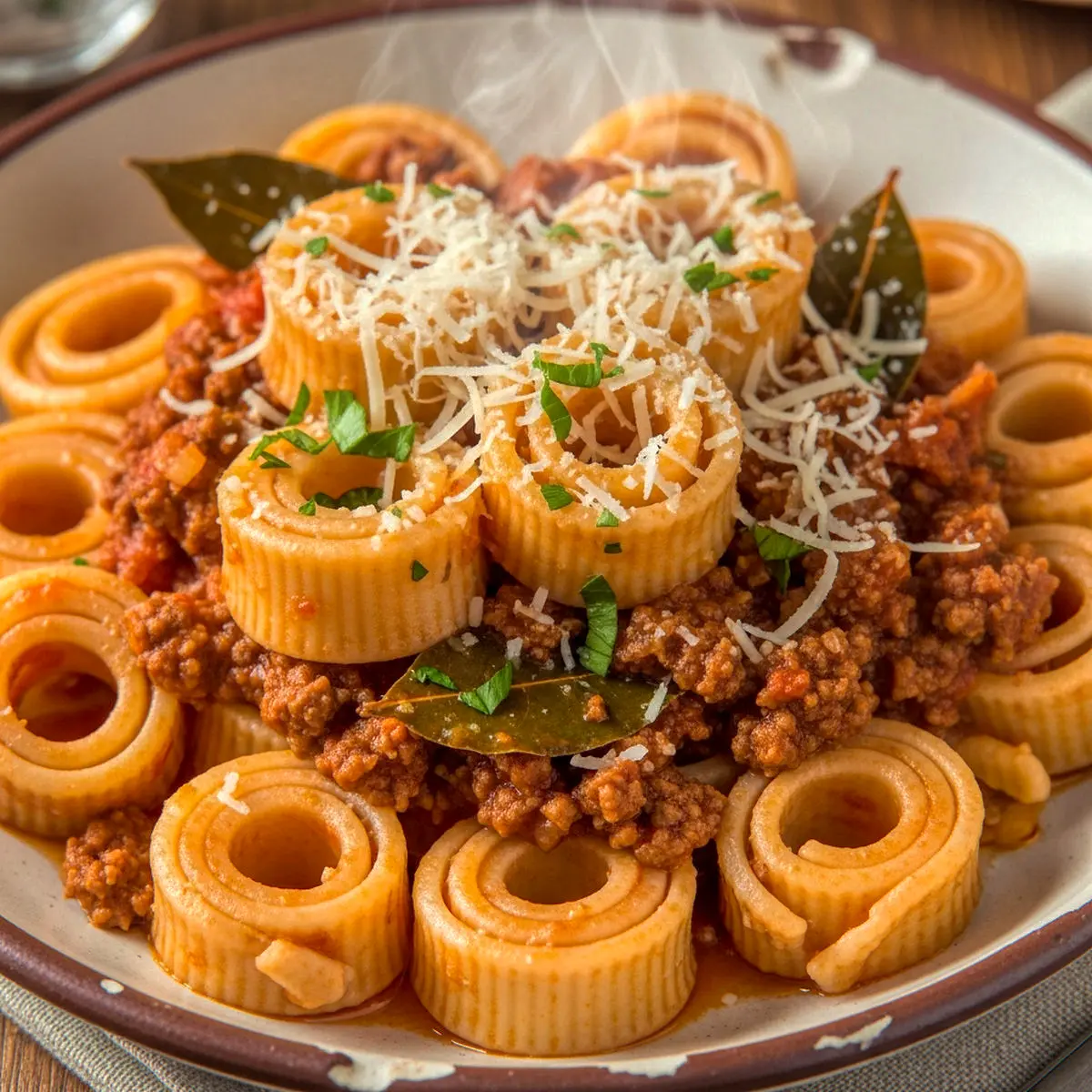
دقائقThis Fuži recipe produces approximately 500 grams of fresh pasta, enough to serve four to six people as a main course. The dough combines all-purpose flour with eggs, olive oil, and a pinch of salt, creating a smooth, pliable mixture that rolls thin without tearing. After a thirty-minute rest, the dough is rolled to approximately 1.5 millimeters thick, cut into small diamonds, and wrapped around a wooden dowel to form the characteristic quill shape. The finished pasta cooks in salted boiling water for four to five minutes, emerging tender yet firm. Fuži pairs exceptionally well with cream-based truffle sauces, slow-braised game ragù, wild mushroom preparations, and simple butter-and-cheese treatments. The pasta can be made several hours ahead and held at room temperature, or frozen for longer storage.
400g (3¼ cups) all-purpose flour — Italian "00" flour works beautifully for a silkier texture, though standard all-purpose produces excellent results. The protein content should fall between 10–12% for optimal elasticity.
4 large eggs (about 200g total) — Room-temperature eggs incorporate more readily into the flour. Farm-fresh eggs with deep orange yolks will impart superior color.
ملعقتان كبيرتان من زيت الزيتون البكر الممتاز — A quality Istrian or Italian olive oil adds subtle fruitiness and keeps the dough supple. Neutral vegetable oil may substitute if preferred.
1 teaspoon fine sea salt — Salt strengthens the gluten structure and seasons the dough throughout. Reduce to ¾ teaspoon if watching sodium intake.
2–4 tablespoons cold water (as needed) — Humidity and egg size vary; water adjusts consistency. Add sparingly, one tablespoon at a time.
4–5 liters (4–5 quarts) water — Ample water prevents sticking and maintains temperature when pasta is added.
2 tablespoons coarse sea salt — The cooking water should taste pleasantly salty, like mild seawater.
(3 minutes): Mound the flour on a large wooden board or clean work surface, then form a wide well in the center. The well should be deep enough to contain the eggs without overflowing.
(2 minutes): Crack the eggs into the well, add the olive oil and salt, and beat lightly with a fork to combine the liquids. Draw small amounts of flour from the inner walls into the egg mixture, incorporating gradually.
(8–10 minutes): Once the mixture becomes too thick to work with a fork, begin kneading by hand. Push the dough away with the heel of your palm, fold it back over itself, rotate a quarter turn, and repeat until smooth and elastic.
(30 minutes): Wrap the dough tightly in plastic film and rest at room temperature. This relaxation period allows the gluten to slacken, making rolling significantly easier.
(2 minutes): Unwrap the rested dough and divide into four equal portions. Keep unused portions covered to prevent drying.
(5–7 minutes per portion): Using a rolling pin or pasta machine, roll each portion to approximately 1.5mm thickness—thin enough to see the shadow of your hand through it. On a pasta machine, this typically corresponds to setting 5 or 6 of 7.
(3 minutes per sheet): With a sharp knife or pastry wheel, cut the sheet into diamonds measuring roughly 3cm wide by 4cm long. Traditional Fuži are not uniform; slight variations are expected and welcomed.
10–15 minutes per batch): Position a thin wooden dowel (about 5mm diameter) or the clean handle of a wooden spoon diagonally across one diamond. Roll the dough around the dowel, starting from one point and rolling toward the opposite point.
Pinch the two remaining points firmly together to seal, then slide the formed Fuži off the dowel. The result should resemble a small, open-ended quill or tube with a slight twist.
Arrange finished Fuži in a single layer on a floured tray or baking sheet. They may touch lightly but should not overlap. Continue until all dough is shaped.
(10 minutes): Bring a large pot of water to a vigorous boil and add the coarse salt. Stir to dissolve completely.
(4–5 minutes): Add the Fuži to the boiling water in batches if necessary to avoid overcrowding. Stir gently once immediately after adding to prevent sticking.
(30 seconds): When the pasta floats and appears slightly translucent, test a piece for doneness—it should be tender but retain a slight firmness at the center.
(1 minute): Reserve one cup of pasta cooking water before draining. Toss the Fuži immediately with your prepared sauce, using reserved water as needed to achieve desired consistency.
تشتهر فرنسا بتراثها الثقافي الغني، ومطبخها المتميز، ومناظرها الطبيعية الخلابة، مما يجعلها البلد الأكثر زيارةً في العالم. من رؤية المعالم القديمة...
لشبونة مدينة ساحلية برتغالية تجمع ببراعة بين الأفكار الحديثة وسحر العالم القديم. تُعدّ لشبونة مركزًا عالميًا لفنون الشوارع، على الرغم من...

في عالمٍ زاخرٍ بوجهات السفر الشهيرة، تبقى بعض المواقع الرائعة سرّيةً وبعيدةً عن متناول معظم الناس. ولمن يملكون من روح المغامرة ما يكفي لـ...

توفر رحلات القوارب، وخاصة الرحلات البحرية، إجازة مميزة وشاملة. ومع ذلك، هناك مزايا وعيوب يجب وضعها في الاعتبار، تمامًا كما هو الحال مع أي نوع من الرحلات...

في حين تظل العديد من المدن الأوروبية الرائعة بعيدة عن الأنظار مقارنة بنظيراتها الأكثر شهرة، فإنها تشكل كنزًا من المدن الساحرة. من الجاذبية الفنية...