
Panceta – Dalmatian Cured Pork Belly

Panceta – Dalmatian Cured Pork Belly

Dalmatian panceta is a richly cured pork belly that epitomizes the hearty flavors of inland Dalmatian cuisine. Protected by EU law as a regional specialty, this rosy, fat-layered meat is affectionately called “the king of the table” in Dalmatia. Prepared by rubbing pork belly with sea salt, cold-smoking it over hardwood, then air-drying for at least two months, panceta emerges tender and aromatic. Each thick slice has a mild, salty taste with a delicate smoky background and a luxurious marbling of fat that almost melts in your mouth. Even before cooking, a subtle scent of woodsmoke and pork fat hints at its deep flavor.

In homes and konobas (taverns) throughout the Dalmatian hinterland, the smell of panceta cooking signals comfort and tradition. An old Dalmatian saying blesses gatherings with “fish, almonds, and panceta on the table,” capturing how essential it is to local feasts. The pork farmers here take pride in feeding their animals local feed – even scraps of wine grapes or almonds – enriching the meat’s taste. Every slice of panceta is a testament to time and craft: the creamy white fat glistens like marble against the pink flesh, promising a velvety richness.

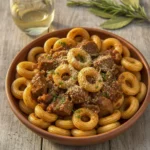
Panceta’s flavor is incredibly versatile. Chefs often begin by crisping panceta in a pan until the fat renders and edges become golden. The browned drippings impart flavor to whatever follows – try sautéing panceta with onions as the base for a comforting soup or braised cabbage. It also works wonders when stirred into sauces: a piece of panceta in pašticada (Dalmatian beef stew) brings out a smoky aroma in the gravy. Of course, panceta can also be enjoyed raw or lightly cured: paper-thin slices served with a drizzle of olive oil and a squeeze of lemon or even a dollop of honey create a luxurious appetizer. Pile it on crusty bread with fresh herbs for an indulgent bite.

Despite its rustic roots, Dalmatian panceta has earned a special place even in modern cooking. Chefs might sprinkle crisp panceta over a salad of fresh greens or incorporate it into a creamy pasta for extra umami. But at its core, panceta remains a symbol of hearty Dalmatian cooking – the kind that fills larders for winter. Its crackling sizzle in a pan is a familiar and comforting sound that beckons one to the dinner table. Every bite of panceta carries the soul of the Croatian countryside: smoke, salt, and a centuries-old tradition of caring for family.

Panceta – Dalmatian Cured Pork Belly

สูตรโดย ตัวช่วยการเดินทางคอร์ส: Appetizer, Charcuterieอาหาร: โครเอเชีย, ดัลเมเชียนระดับความยาก: ระดับกลาง
จำนวนเสิร์ฟ

25

การเสิร์ฟ
เวลาเตรียมตัว

30

นาที
ระยะเวลาการบ่ม

6

สัปดาห์
แคลอรี่

140

กิโลแคลอรี

This recipe produces authentic Dalmatian panceta through a two-phase home curing process. First, a fresh pork belly receives a coating of sea salt, pink curing salt, black pepper, rosemary, bay leaves, and garlic, then rests under refrigeration for one to two weeks as the salt draws out moisture and preserves the meat. After rinsing and drying, the belly hangs in a cool, well-ventilated space for three to six weeks, during which it loses approximately 30–35% of its original weight. The finished panceta should feel firm but yielding, with concentrated pork flavor and aromatic seasoning throughout. Slice paper-thin and serve raw as part of an appetizer spread, or use in cooking to add depth to pastas, vegetables, and roasted meats. The method adapts traditional Dalmatian technique for the home kitchen while maintaining the spirit and flavor of the original.

วัตถุดิบ

  • Pork Belly
  • 5 pounds fresh pork belly (skin-on preferred for hanging; skinless works for flat-curing). Select a piece with even thickness and good fat-to-meat marbling. Pasture-raised pork offers superior flavor.

  • Cure Mixture
  • 100 grams fine sea salt (approximately ⅓ cup plus 1 tablespoon) - Sea salt provides cleaner mineral notes than table salt. Avoid iodized salt, which can produce off-flavors.

  • 12 grams pink curing salt #2 (approximately 2 teaspoons) - Contains sodium nitrite and sodium nitrate for long-term curing. Not interchangeable with pink salt #1.

  • 2 tablespoons coarsely ground black pepper - Fresh-cracked pepper delivers brighter flavor than pre-ground.

  • 2 tablespoons dried rosemary, crushed - A signature Dalmatian herb; substitute dried thyme if rosemary is unavailable.

  • 4 dried bay leaves, crumbled finely -  Adds subtle eucalyptus notes and aids preservation.

  • 6 cloves garlic, minced or pressed -  Fresh garlic provides the most potent flavor; 1 tablespoon granulated garlic may substitute.

  • 1 teaspoon juniper berries, lightly crushed (optional) - Traditional in some Dalmatian recipes; adds a piney, slightly sweet note.

  • เปลือกมะนาว 1 ลูก (optional, for coastal variation) - Some coastal producers include citrus zest; adds bright, aromatic lift.

ทิศทาง

  • Phase One: Applying the Cure
  • ขั้นตอนที่ 1 - 5 นาที
    Examine the pork belly for any bone fragments, glands, or uneven edges. Trim as needed with a sharp knife, creating a relatively uniform rectangle.

  • ขั้นตอนที่ 2 - 5 นาที
    Combine the sea salt, pink curing salt, black pepper, crushed rosemary, crumbled bay leaves, minced garlic, and optional juniper berries and lemon zest in a bowl. Mix thoroughly with clean hands until evenly distributed.

  • ขั้นตอนที่ 3 - 5 นาที
    Place the pork belly on a clean work surface. Apply approximately one-third of the cure mixture to the meat side, pressing firmly to adhere. Flip and apply another third to the fat or skin side, then use remaining cure on the edges.

  • ขั้นตอนที่ 4 - 3 minutes
    Transfer the coated belly to a large food-safe plastic bag or a non-reactive container (glass, ceramic, or food-grade plastic). If using a bag, press out excess air before sealing. If using a container, cover tightly with plastic wrap.

  • ขั้นตอนที่ 5 - 1 minute daily for 7–14 days
    Refrigerate the belly at 36–40°F (2–4°C). Flip the meat once daily, redistributing any liquid that accumulates. The belly will release significant moisture during the first few days.

  • ขั้นตอนที่ 6 - 5 minutes on final day
    After 7 days, begin checking the belly for firmness. Press the thickest portion: it should feel noticeably firmer throughout, with no soft or squishy areas. Thicker bellies may require up to 14 days. The curing phase is complete when the meat feels uniformly firm.

  • Phase Two: Drying
  • Step 7 - 10 minutes
    Remove the belly from the container or bag. Rinse under cold running water to remove excess cure, using your hands to gently rub away salt crystals and herb residue.

  • Step 8 - 10 minutes
    Pat the belly thoroughly dry with paper towels. Allow it to sit uncovered at room temperature for 30 minutes to form a slight surface tackiness called a pellicle.

  • Step 9 - 10 minutes
    If the belly has skin, pierce the skin near one corner using a sanitized skewer or knife tip and thread butcher's twine through the hole. Tie securely to create a hanging loop. For skinless bellies, wrap twine around the meat at the narrowest end.

  • Step 10 - Ongoing for 3–6 weeks
    Hang the belly in a drying space with consistent conditions: 55–60°F (13–15°C) temperature and 60–70% relative humidity. A basement, garage in cool months, or dedicated curing chamber works well. Air circulation is important; a small fan set on low helps replicate the Bura wind.

  • Step 11 - 1 minute weekly
    Weigh the belly weekly if possible, or record observations about firmness and appearance. The panceta is ready when it has lost 30–35% of its original weight. At this point, it should feel firm throughout but still yield slightly under pressure—similar to a dry salami.

  • Step 12 - Variable
    Remove the finished panceta from its hanging position. Trim any hardened exterior portions if desired. Slice paper-thin across the grain for serving, or cut into lardons for cooking applications.

เคล็ดลับ การแก้ไขปัญหา และรูปแบบต่างๆ

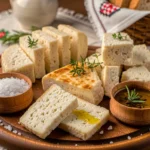
  • Serving Suggestions & Pairings - Dalmatian panceta shines when sliced thin enough to read through—near-translucent slices allow the fat to melt gently on the tongue. Arrange slices on a wooden board alongside aged sheep's cheese (such as Paški sir), briny olives, and crusty bread. A drizzle of Croatian extra-virgin olive oil over the slices adds richness. For wine pairing, reach for a crisp Dalmatian white such as Pošip or Grk, whose acidity cuts through the fat beautifully. Red wine drinkers may prefer a light Plavac Mali, served slightly cool. When using panceta in cooking, treat it as you would guanciale or bacon: render cubed pieces slowly over medium-low heat to release fat, then use that fat for sautéing onions, greens, or pasta sauces.
  • Storage & Reheating - Whole Panceta: Wrapped tightly in cheesecloth or butcher paper, whole panceta keeps for 2–3 months in the refrigerator or up to 6 months vacuum-sealed in the freezer. The texture will continue to firm over time; this is normal. Sliced Panceta: Once cut, wrap slices tightly in plastic wrap and refrigerate for up to 2 weeks, or vacuum-seal and freeze for up to 3 months. Texture Changes: Frozen panceta may lose some tenderness upon thawing; reserve frozen pieces for cooking rather than raw consumption. Reheating: This product is not typically heated for serving raw; when used in cooking, render slowly to avoid burning the delicate meat.
  • Variations & Substitutions - 1. Smoked Variation After the initial curing phase, cold-smoke the belly for 6–12 hours before hanging to dry. Apple or cherry wood provides mild sweetness that complements the pork without overwhelming the herbs. Maintain smoke temperature below 80°F (27°C) to prevent cooking. 2. Spiced Mediterranean Variation Add 1 tablespoon fennel seeds, 2 teaspoons coriander seeds (lightly crushed), and ½ teaspoon red pepper flakes to the cure. This creates a profile closer to some southern Italian preparations while maintaining the Dalmatian flat-curing method. 3. Faster Method (Semi-Dry) For a softer, less aged product, dry the belly for only 2 weeks, targeting 20% weight loss. The resulting panceta will be more tender and milder in flavor, suitable for cooking rather than raw consumption. Refrigerate and use within 3 weeks. 4. Whole Muscle Alternative (Guanciale-Style) Apply the same cure and method to pork jowl for a Dalmatian interpretation of guanciale. Jowl contains more intramuscular fat and cures faster—typically 5–7 days in salt, then 3–4 weeks drying.
  • Chef's Tips - 1. Invest in a Hygrometer Humidity control matters more than most home curers realize. Drying too fast creates "case hardening"—a dry exterior that traps moisture inside, inviting spoilage. A simple digital hygrometer (under $20) allows monitoring and adjustment. 2. Season During Pig Season Traditional Dalmatian producers cure panceta between November and February, when natural temperatures and the Bura wind create ideal conditions. If you lack a curing chamber, time your project for the coldest months and use an unheated garage or basement. 3. Trim Before Curing, Not After Removing uneven edges and glands before applying the cure allows more uniform salt penetration. Trimming after curing wastes flavorful meat and exposes unseasoned interior portions.

อุปกรณ์ที่จำเป็น

รายการPurpose
Digital kitchen scaleAccurate salt measurement is critical for food safety and consistent results
Sharp chef’s knife or butcher knifeTrimming belly and slicing finished product
Large non-reactive container or food-safe plastic bagsHolding belly during refrigerated cure phase
Paper towelsDrying belly after rinsing
Butcher’s twineCreating hanging loop for drying phase
S-hooks or meat hooksSuspending belly during drying
RefrigeratorMaintaining cold temperature during cure phase
Cool, ventilated drying space55–60°F, 60–70% humidity for proper drying
Digital hygrometerMonitoring humidity (recommended)
Small fanPromoting air circulation (optional but helpful)
CheeseclothProtecting belly from pests during drying (if needed)
Meat slicer or very sharp carving knifeProducing thin slices for serving

ข้อมูลโภชนาการ

Per 1 oz (28g) serving of finished panceta

สารอาหารจำนวน
แคลอรี่140
ไขมันทั้งหมด13 กรัม
ไขมันอิ่มตัว5 กรัม
คอเลสเตอรอล25 mg
โซเดียม580 mg
Total Carbohydrates0 กรัม
ใยอาหาร0 กรัม
โปรตีน5 กรัม
สารก่อภูมิแพ้None (contains pork)

Nutritional values are estimates based on USDA data for cured pork belly. Actual values may vary based on specific pork source, cure time, and fat content of the belly used.

สิงหาคม 10, 2024

การล่องเรืออย่างสมดุล: ข้อดีและข้อเสีย

การเดินทางทางเรือ โดยเฉพาะการล่องเรือ เป็นการพักผ่อนที่มีเอกลักษณ์เฉพาะตัวและครอบคลุมทุกความต้องการ อย่างไรก็ตาม การเดินทางด้วยเรือมีทั้งข้อดีและข้อเสียที่ต้องคำนึงถึง เช่นเดียวกับการเดินทางด้วยเรือสำราญทุกประเภท

ข้อดีและข้อเสียของการเดินทางโดยเรือ
สิงหาคม 11, 2024

เวนิส ไข่มุกแห่งทะเลเอเดรียติก

ด้วยคลองอันแสนโรแมนติก สถาปัตยกรรมอันน่าทึ่ง และความเกี่ยวข้องทางประวัติศาสตร์อันยิ่งใหญ่ เวนิส เมืองที่มีเสน่ห์บนชายฝั่งทะเลเอเดรียติก ดึงดูดผู้มาเยือนให้หลงใหล ศูนย์กลางที่ยิ่งใหญ่ของ...

เวนิส-ไข่มุกแห่งทะเลเอเดรียติก
สิงหาคม 5, 2024

เมืองโบราณที่ได้รับการอนุรักษ์ไว้อย่างดีที่สุด: เมืองกำแพงไร้กาลเวลา

กำแพงหินขนาดใหญ่ซึ่งสร้างขึ้นอย่างแม่นยำเพื่อเป็นแนวป้องกันสุดท้ายสำหรับเมืองประวัติศาสตร์และผู้คนในเมืองเหล่านี้ เป็นเหมือนป้อมปราการอันเงียบงันจากยุคที่ผ่านมา…

เมืองโบราณที่ได้รับการอนุรักษ์ไว้เป็นอย่างดีที่สุดภายใต้กำแพงอันน่าประทับใจ
กันยายน 12, 2024

การสำรวจความลับของเมืองอเล็กซานเดรียโบราณ

ตั้งแต่อเล็กซานเดอร์มหาราชถือกำเนิดขึ้นจนถึงยุคปัจจุบัน เมืองนี้ยังคงเป็นประภาคารแห่งความรู้ ความหลากหลาย และความงดงาม ความดึงดูดใจที่ไม่มีวันสิ้นสุดของเมืองนี้มาจาก...

การสำรวจความลับของเมืองอเล็กซานเดรียโบราณ
สิงหาคม 12, 2024

10 อันดับแรก – เมืองแห่งปาร์ตี้ในยุโรป

ค้นพบชีวิตกลางคืนที่มีชีวิตชีวาในเมืองที่น่าหลงใหลที่สุดในยุโรปและเดินทางไปยังจุดหมายปลายทางที่น่าจดจำ! ตั้งแต่ความงามที่มีชีวิตชีวาของลอนดอนไปจนถึงพลังงานที่น่าตื่นเต้น...

10 อันดับเมืองหลวงแห่งความบันเทิงของยุโรป - ตัวช่วยในการเดินทาง