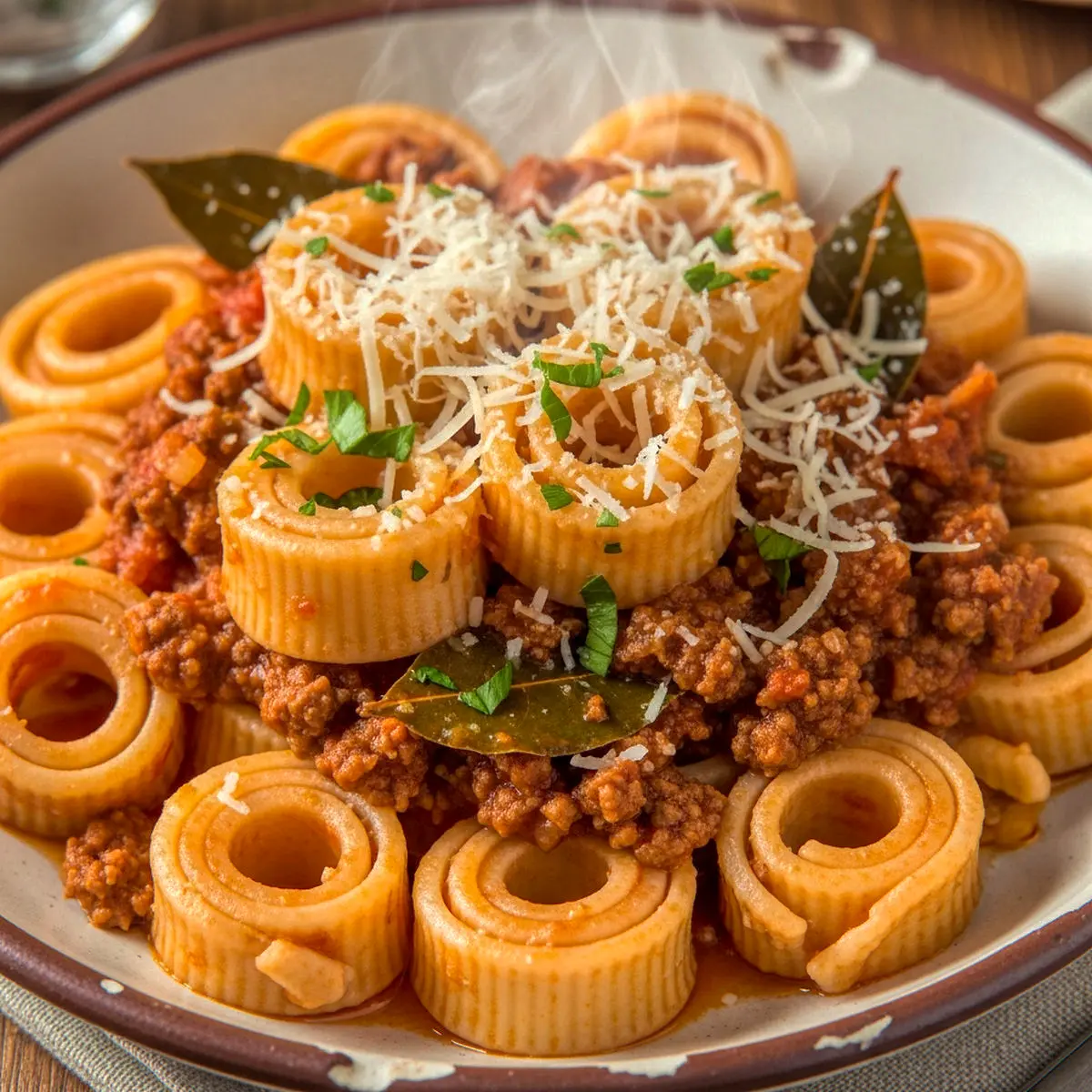
Fuži, a symbol of Istria’s culinary heritage, appears on the table like a treasured heirloom. It is a short tube, rolled from a diamond-shaped piece of dough, holding sauce within. Each carefully pinched fold ensures that sauce clings to every surface. This shape transforms humble ingredients into something special. The result is pasta that captures sauce at its core, making every bite rich and satisfying.
In Istria’s kitchens, fuži is not just dinner but a ritual. During family celebrations and Sunday lunches, the kitchen is lively with activity as dough is prepared. Villages may pause on holidays to watch elders hand-roll batch after batch, each piece nearly identical in size. Often the pasta is served with a slow-cooked ragù – a rich sauce of onions, tomato, and local white wine. As the pasta cooks, it releases a comforting aroma that invites everyone to the table. A final shower of sharp, aged cheese brings a touch of salty brightness to each plate.
Prized for its simplicity, fuži welcomes special touches. Istria is famous for its truffles, and some cooks shave black or white truffle over the finished dish. A drizzle of truffle oil can heighten the earthy flavor. This elevates an everyday meal into a celebration. Even without truffles, fresh herbs like parsley or a squeeze of lemon brighten the taste, reflecting Croatia’s coastal light.
Fusi (the Slovene name) or fuži share a history across the Istrian peninsula. The dough must be rolled exceedingly thin, then cut into strips. Turning those strips into diamonds and folding them completes the transformation. That practiced technique takes patience and gives the pasta a tender chew. Once plated, fuži is unassuming in appearance but generous in flavor. It might be ladled with beef stew or chicken stock, or with hearty game meat sauce. Each variation is loyal to its rustic root.
In many homes, fuži is comfort food. Children often help shape the pasta, while elders supervise at long wooden tables. After cooking, bowls of steaming fuži are placed at the center of the table. Diners eagerly reach in, savoring bites of tender pasta dripping with warm sauce. On a family table set under a vineyard arbor or in a stone farmhouse kitchen, fuži truly brings people together. It carries flavors of sun-ripened tomato and garden herbs, of slow afternoons under olive trees. A glass of local wine – a crisp Malvasia Bianco or hearty Teran – often appears alongside, its bright acidity cutting through the rich sauce. In the end, fuži tastes like Istria itself in every comforting mouthful.